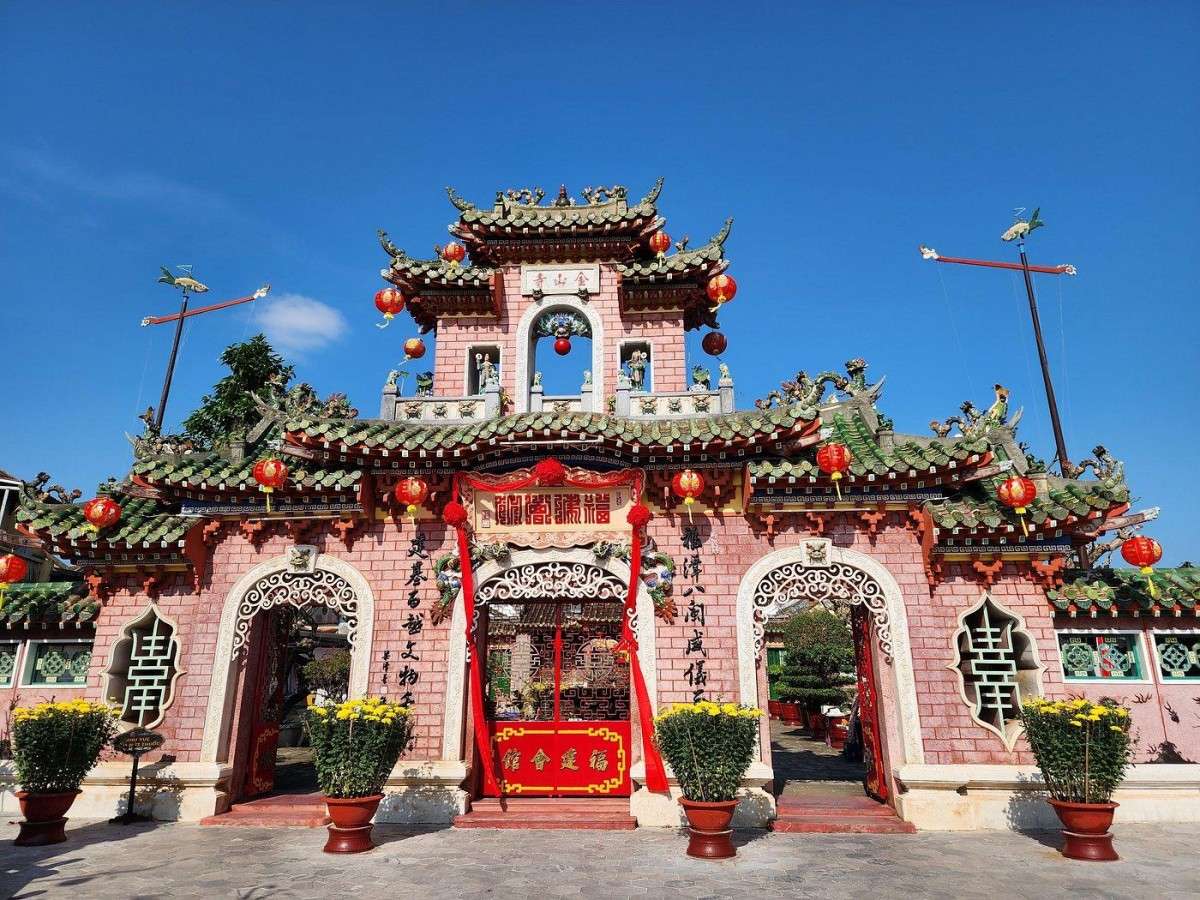
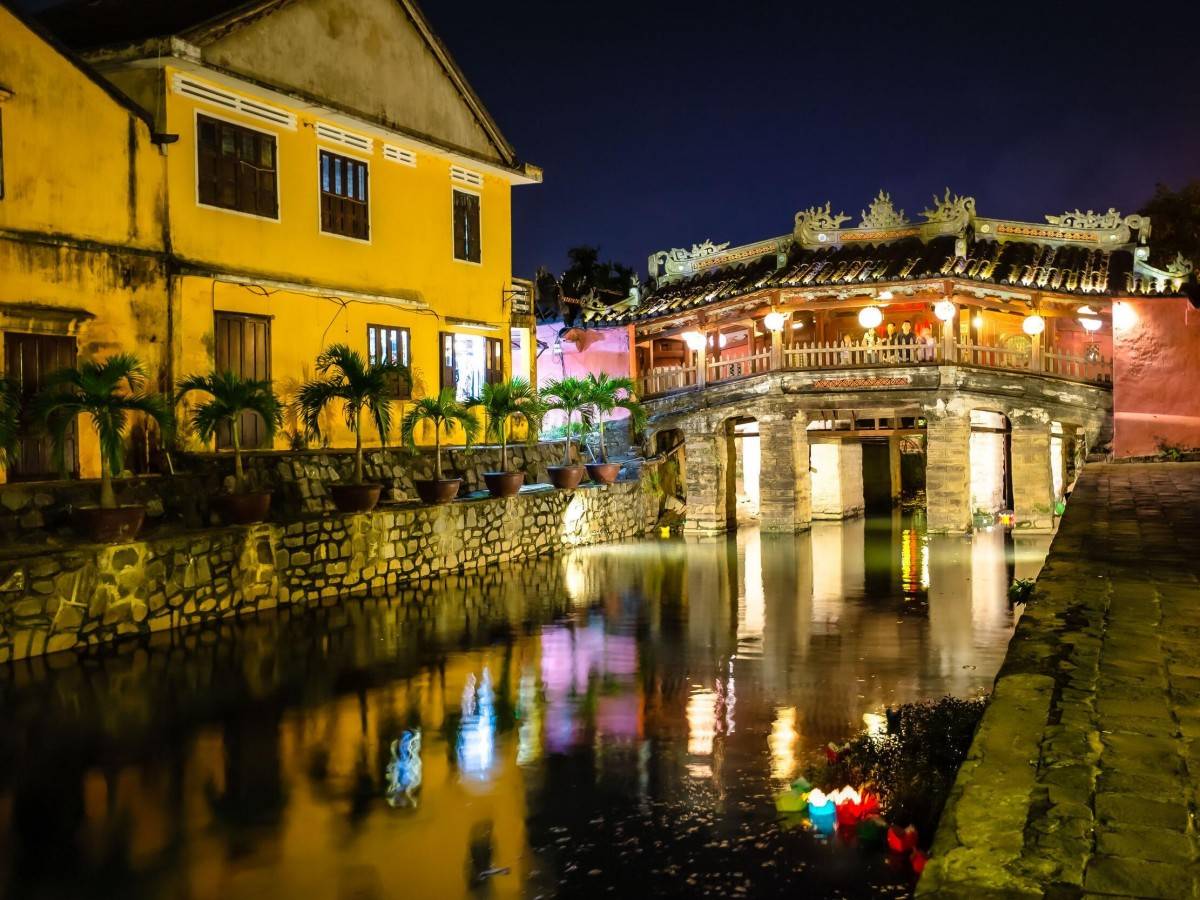
In the ancient town of Hoi An in central Vietnam, there is a famous building - Japanese Covered Bridge. It spans a tributary of the Thu Bon River. It is not only a major transportation route connecting the two sides of the ancient town, but also a vivid symbol of Vietnam's multicultural integration, carrying hundreds of years of history and rich cultural connotations.
Advertisement
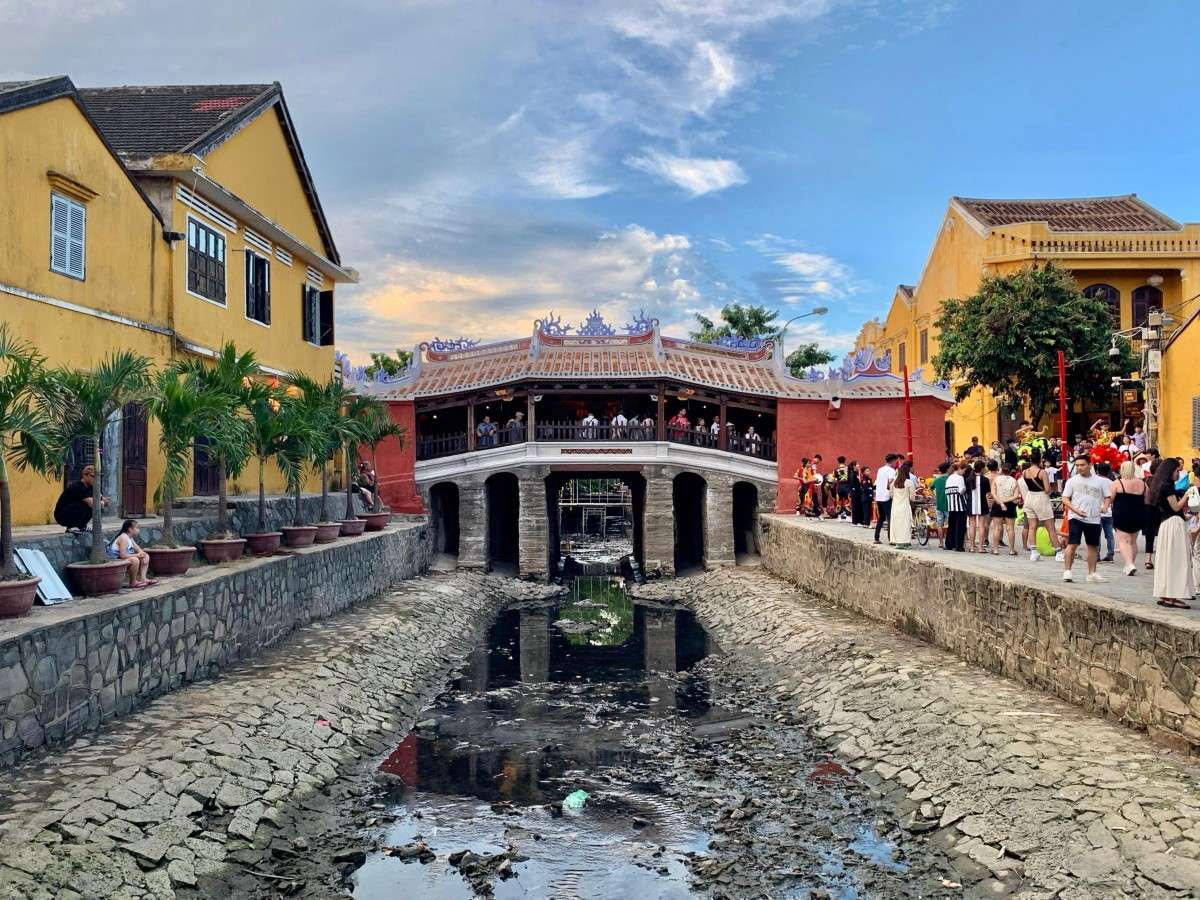
The history of the Japanese covered bridge can be traced back to the late 16th century. At that time, a large number of Japanese merchants came to the ancient town of Hoi An. As an important trading port in Southeast Asia, it attracted merchants from all over the world. In order to facilitate travel, Japanese merchants funded the construction of this covered bridge. Initially, it was called "Lai Jiu Bridge" to commemorate the Japanese monk Lai Jiu who presided over the construction. In the following years, the bridge has undergone many repairs and reconstructions, and each change has witnessed the historical vicissitudes of different periods.
Advertisement
In 1855, during the Nguyen Dynasty of Vietnam, a Chinese-style temple, Guandi Temple, was added to one end of the bridge, enshrining the statue of Guan Yu. This move cleverly incorporated Chinese cultural elements into it. Since then, the Japanese covered bridge is no longer just a manifestation of Japanese culture in Vietnam, but has become a unique carrier for the mutual integration of multiple cultures such as Japan, Vietnam, and China. It is like a cultural bond across time and space, connecting exchanges and cooperation between different countries and nations.
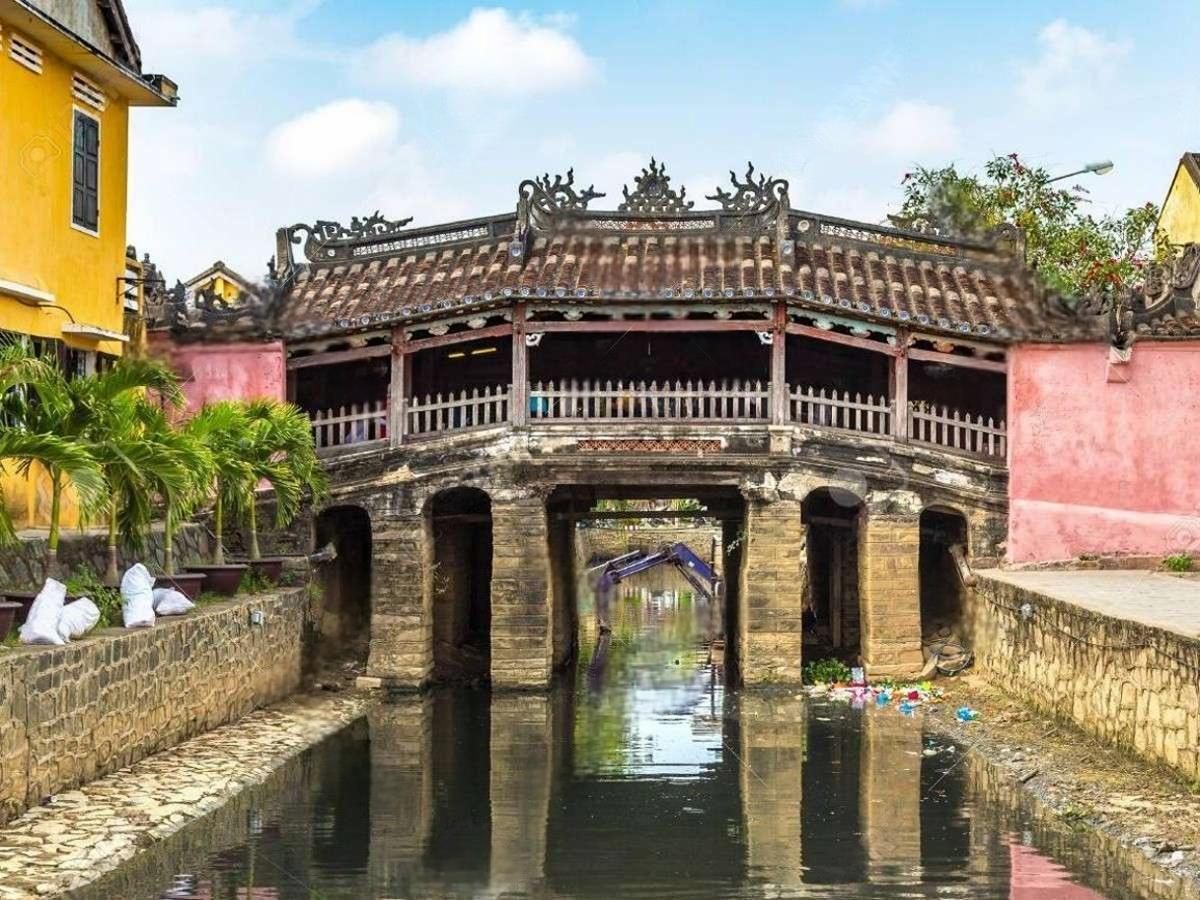
The architectural style of the Japanese covered bridge is unique and is a model of the combination of the East and the West. The bridge is arched and made of wood, which shows the characteristics of Japanese traditional architecture that focuses on the use of natural materials. Its simple and smooth lines give people a simple and elegant beauty. The top of the bridge is covered with tiles, which protects pedestrians from wind and rain and adds a bit of quaint charm.
Advertisement
At one end of the bridge is a Chinese-style temple with red walls and green tiles, carved beams and painted buildings. The exquisite wood carvings and painted craftsmanship show the exquisite craftsmanship of traditional Chinese architecture. The temple is filled with incense, and the statue of Guan Yu enshrined is solemn and majestic, reflecting the Chinese people's respect for the spirit of loyalty. At the other end is a Vietnamese-style bell tower with yellow walls and black tiles and a unique shape. An ancient bronze bell is hung in the bell tower. At certain times, the bell sounds melodiously and echoes over the ancient town. This design, which combines the architectural features of Japan, China and Vietnam, is extremely rare in the history of world architecture, attracting countless tourists and architecture enthusiasts to come and watch and study.
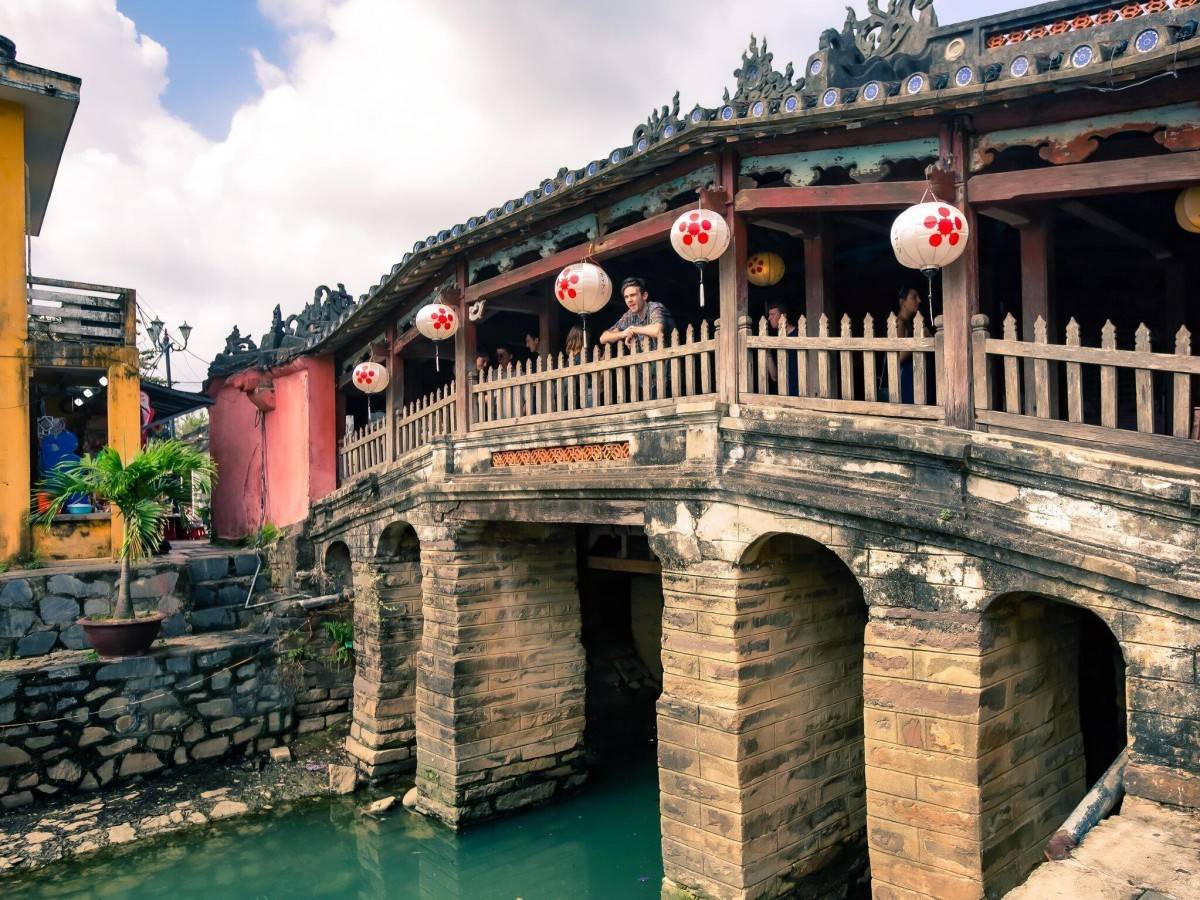
From a cultural perspective, the Japanese Covered Bridge has extraordinary significance. It is a witness to the exchange and integration of different countries and nationalities in Hoi An Ancient Town. In the past few centuries, Hoi An Ancient Town, as a trade hub, has attracted merchants, sailors and immigrants from various countries. They settled and did business here, bringing their own culture, religion and customs. As a local landmark, the Japanese Covered Bridge not only facilitates people's lives, but also becomes an important place for cultural exchange. People from different cultural backgrounds meet and communicate on the bridge, promoting mutual learning and integration of cultures.
Today, the Japanese Covered Bridge is still the core of the cultural life of Hoi An Ancient Town. During major festivals, such as the Spring Festival and the Mid-Autumn Festival, colorful celebrations are held around the covered bridge. People dressed in traditional costumes hold sacrifices, dragon and lion dances, lantern exhibitions and other activities on the bridge, which is very lively. This is also a place for the display and sale of local folk handicrafts. Tourists can buy souvenirs such as wood carvings, silk, lanterns and other souvenirs with Vietnamese characteristics here, and feel the charm of Vietnamese traditional culture.
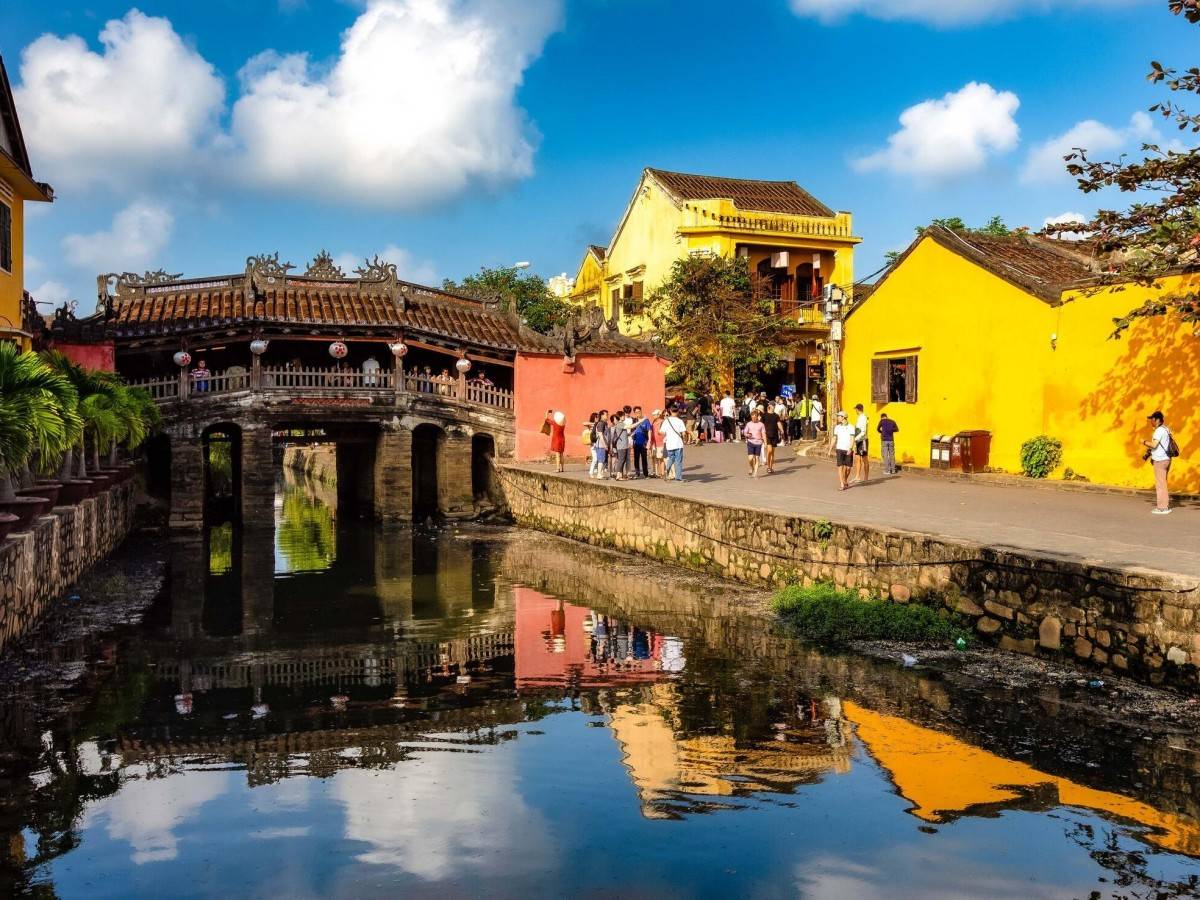
The surrounding environment of the Japanese Bridge is equally charming. On both sides of the bridge are quaint streets with well-preserved ancient buildings. These buildings are a fusion of various styles, including the native khaki walls and black tile buildings of Vietnam, Chinese-style flying eaves and arched buildings, and European-style buildings. The streets are lined with shops, including traditional Vietnamese restaurants, cafes, handicraft shops, etc. Walking on the streets, you can taste Vietnamese specialties such as Vietnamese spring rolls, grilled rice noodles, Vietnamese coffee, etc., and feel the rich Vietnamese style.
The Thu Bon River beside the bridge has clear water, and ships shuttle back and forth on the river. You can choose to take a cruise to enjoy the beautiful scenery of the Japanese Bridge and Hoi An Ancient Town from the water. When night falls, the lanterns on the riverside light up one by one, reflecting each other with the lights on the bridge, and reflected in the water, sparkling and beautiful. At this time, the Japanese Bridge is like a bright pearl, inlaid in the night of Hoi An Ancient Town, exuding a unique charm.
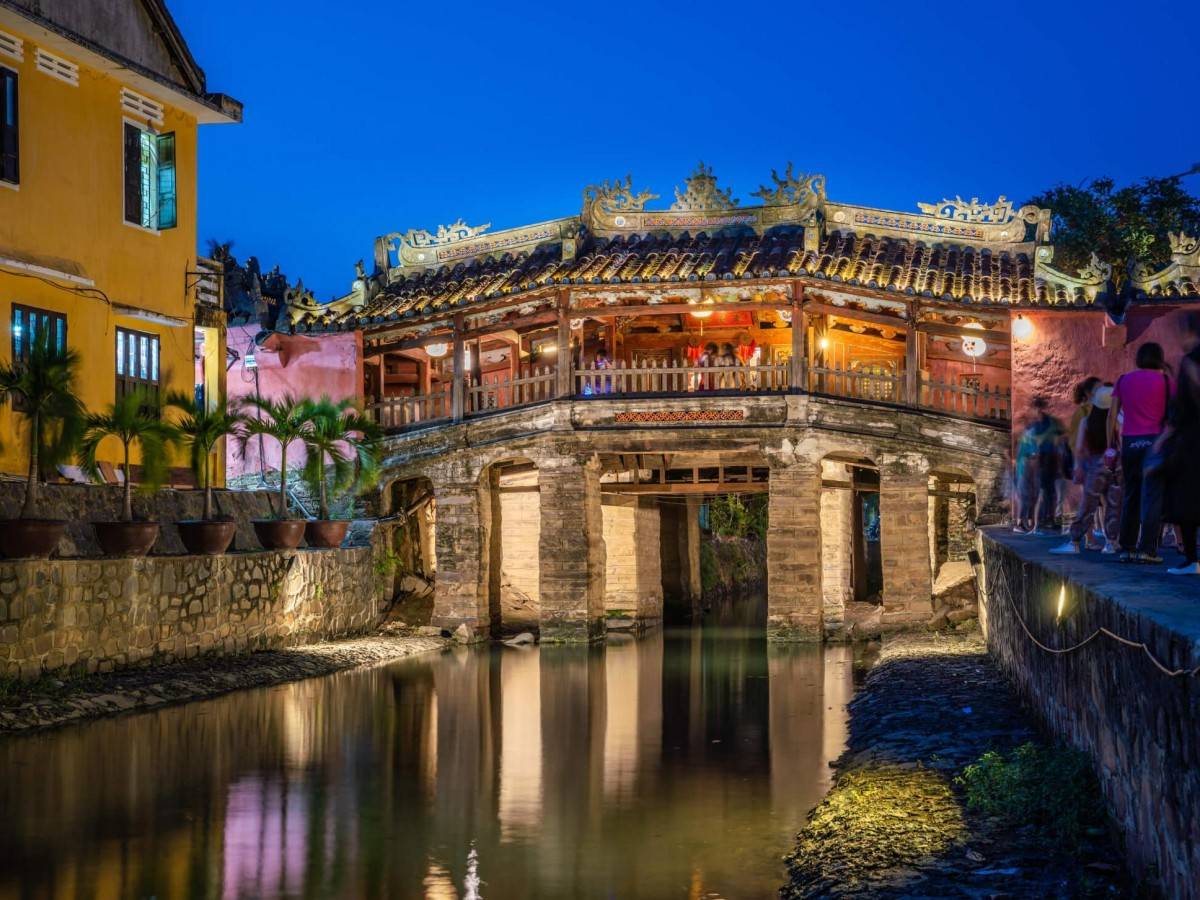
When you come to the Japanese Covered Bridge, you might as well slow down and savor the history and culture contained in this building. Walk into the Guandi Temple to feel the solemnity and mystery of traditional Chinese culture; climb the bell tower to overlook the whole picture of Hoi An Ancient Town and appreciate the unique charm of the ancient town. Pick a favorite souvenir in the shop beside the bridge, or sit down in a cafe by the river, order a cup of fragrant Vietnamese coffee, watch the pedestrians coming and going on the bridge, and enjoy the tranquility and comfort.
During the tour, you can also communicate with local residents and learn about their stories and legends about the Japanese Covered Bridge. The residents here are warm and hospitable, and they will proudly tell you about the historical changes of the covered bridge and the development of Hoi An Ancient Town. Through communication with them, you can have a deeper understanding of Vietnamese culture and people's lives.
The Japanese Covered Bridge, a cultural symbol of Vietnam, attracts tourists from all over the world with its unique history, architectural features and cultural significance. It is not only a building, but also a vivid history book that records the exchange and integration of different cultures. When you come to Hoi An Ancient Town, you must check in at the Japanese Covered Bridge to experience the cultural charm that transcends time and space and leave behind an unforgettable travel memory.