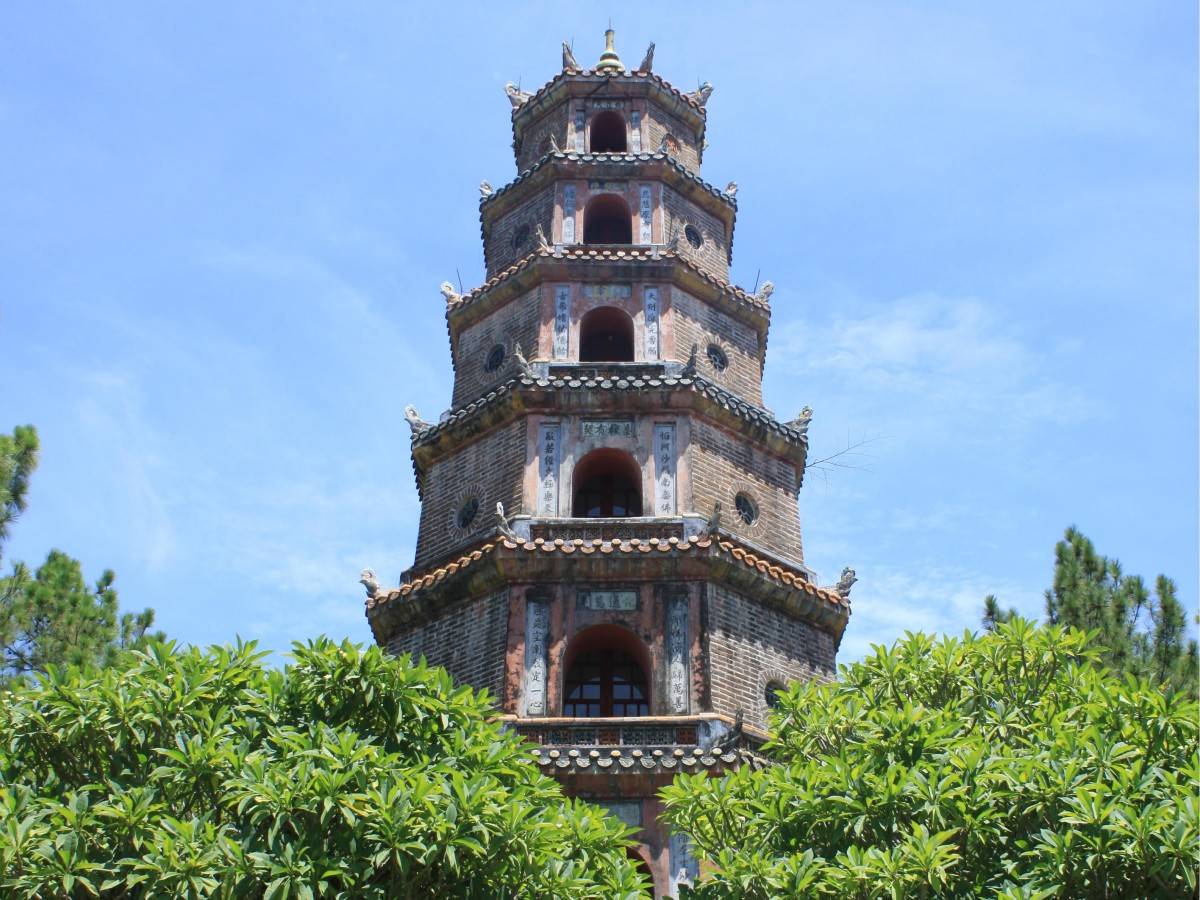
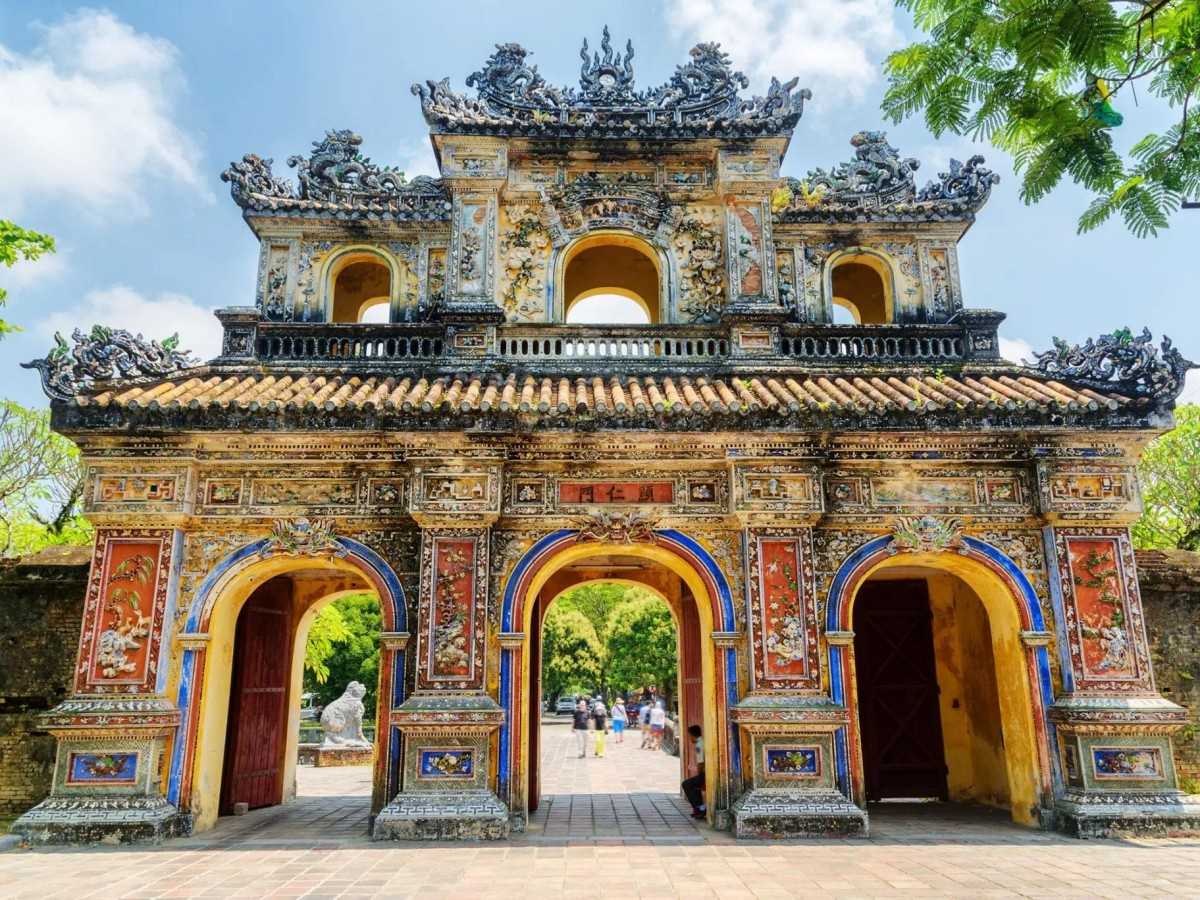
Hue in Vietnam may not be as familiar as Hanoi or Ho Chi Minh, but it is as important to Vietnamese people as Kyoto is to Japan or Xi'an is to China, and the soul of the city is hidden in the ancient and mysterious Imperial City. The soul of the city is hidden in the ancient and mysterious Hue Imperial City, which, to put it bluntly, is the place where the emperors of Vietnam used to live. Don't underestimate this place, it was once the political and cultural center of the whole Vietnam, between 1802 and 1945, 13 Nguyen emperors were enthroned here, power, office, pension, a proper imperial home. When we walk into Hue's Imperial City today, we may no longer see emperors in dragon robes or ministers paying tribute, but you can still feel the past in every pillar and brick if you walk slowly and look carefully. The wind blowing in the face with a little historical flavor.
Advertisement
The Imperial City of Hue was built in 1804 by order of Gia Long, the founding emperor of the Nguyen Dynasty. At that time, he had just united Vietnam, of course, he wanted to make some show, so he followed the example of China's Forbidden City, also built a “palace + official offices + harem” in one big city, make quite a style. The whole city has several circles, from outside to inside respectively called the moat, the Imperial City, the Forbidden City. The Forbidden City is the most central part, only the emperor and concubines can go in, the general public want to take a look are difficult.
Advertisement
However, the history of Vietnam is not too peaceful, the French colonization in the late 19th century, and later there were wars against France and the United States, the Imperial City of Hue was bombed several times, destroying a lot of buildings. Especially in 1968, the “Hue Massacre”, the city suffered serious damage, many beautiful palaces have become broken walls. It was not until the 1980s that Vietnam began to slowly restore the city, and in 2003 it was inscribed on the UNESCO World Heritage List.
Therefore, the Imperial City you see today, both intact as before, there are also heavy traces of restoration, and some places even retained the bullet holes left by the war, but this “ragged with a bit of strength” look, on the contrary, more impressive. You will feel that it is not a dead museum, but a city that has really lived history.
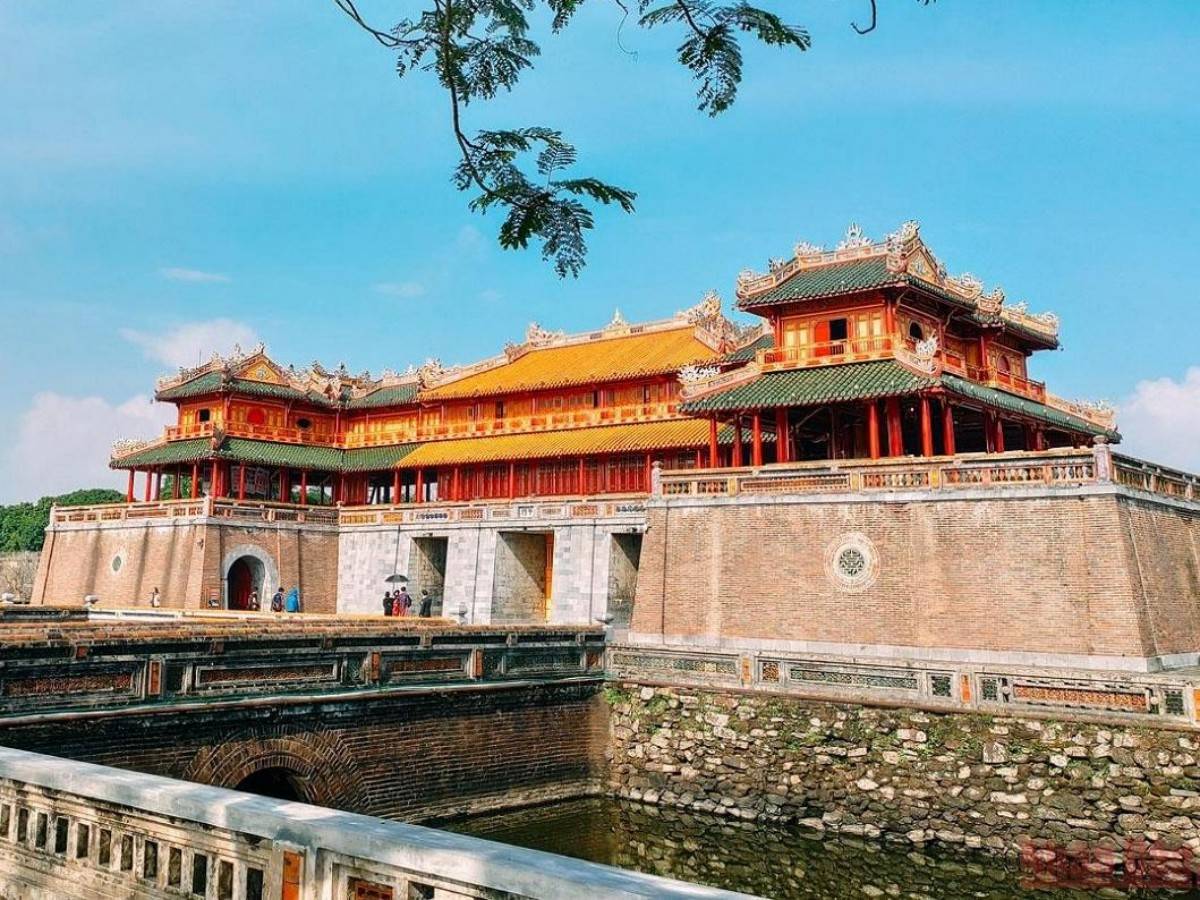
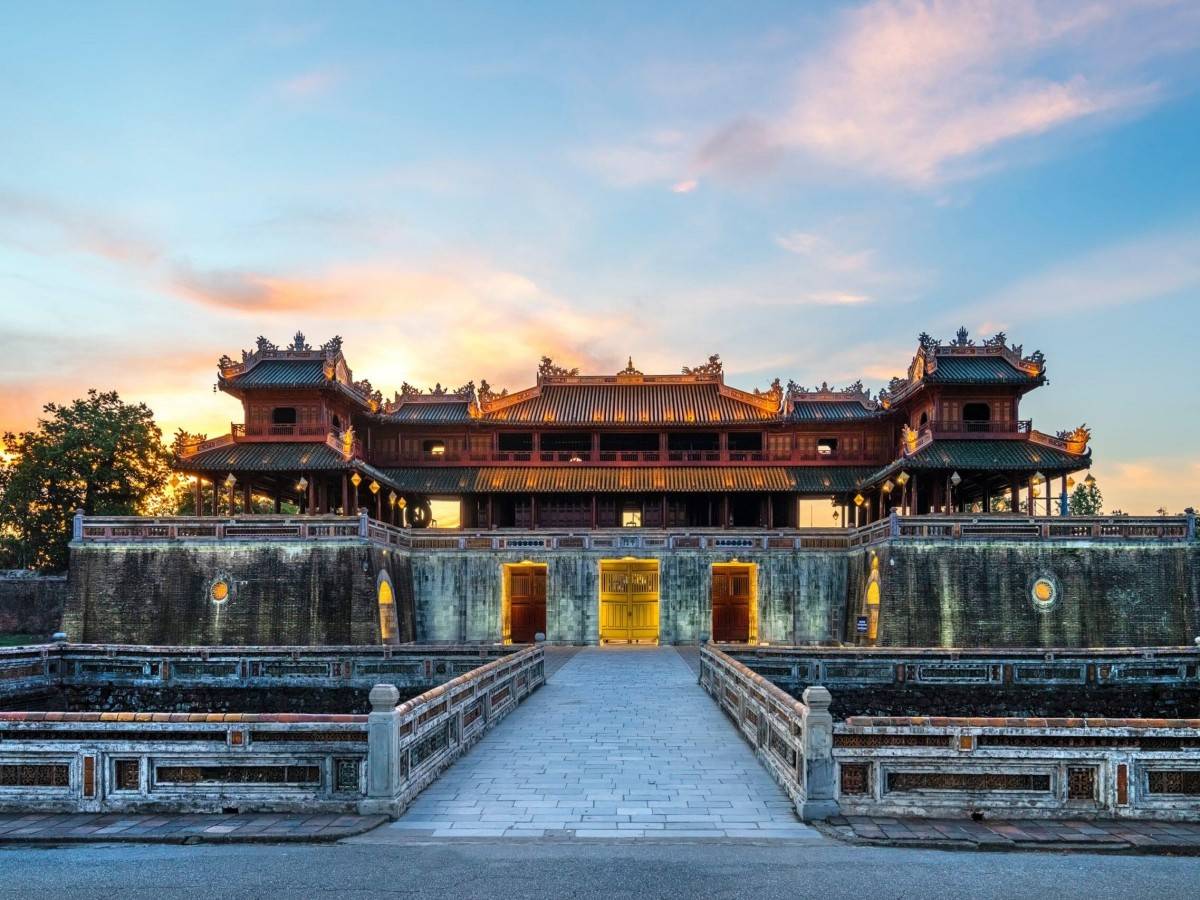
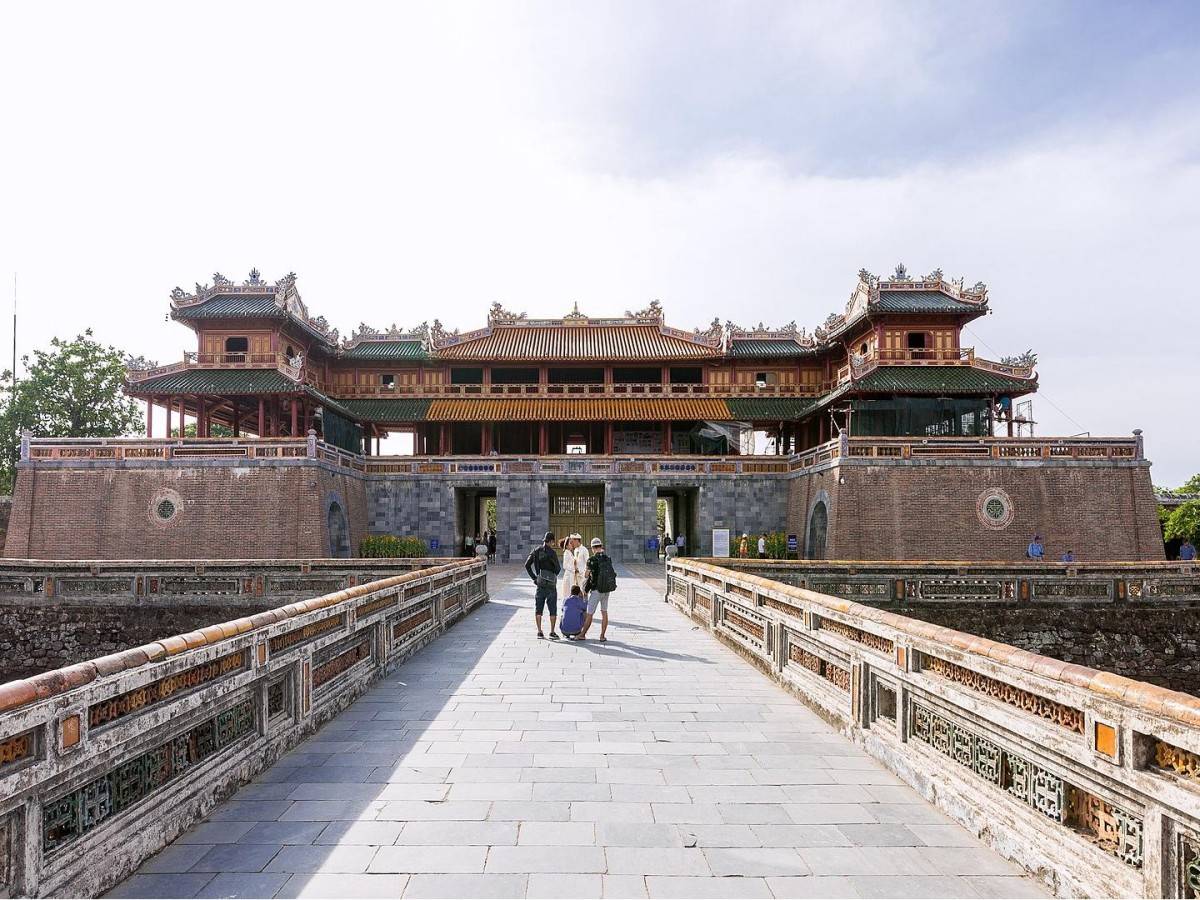
The entrance to the Imperial City of Hue is called the Noon Gate, doesn't it sound familiar? Yes, it is exactly the same as the “Noon Gate” of the Forbidden City in Beijing. This is where the emperor went to court, standing on the tower overlooking the entire Imperial City, full of momentum. Further inside, there is the Hall of Supreme Harmony, which is the place where the emperor held a grand ceremony, gold lacquer beams, dragon pillars, carved wooden doors, the palace is not less grand than the northern palace.
Advertisement
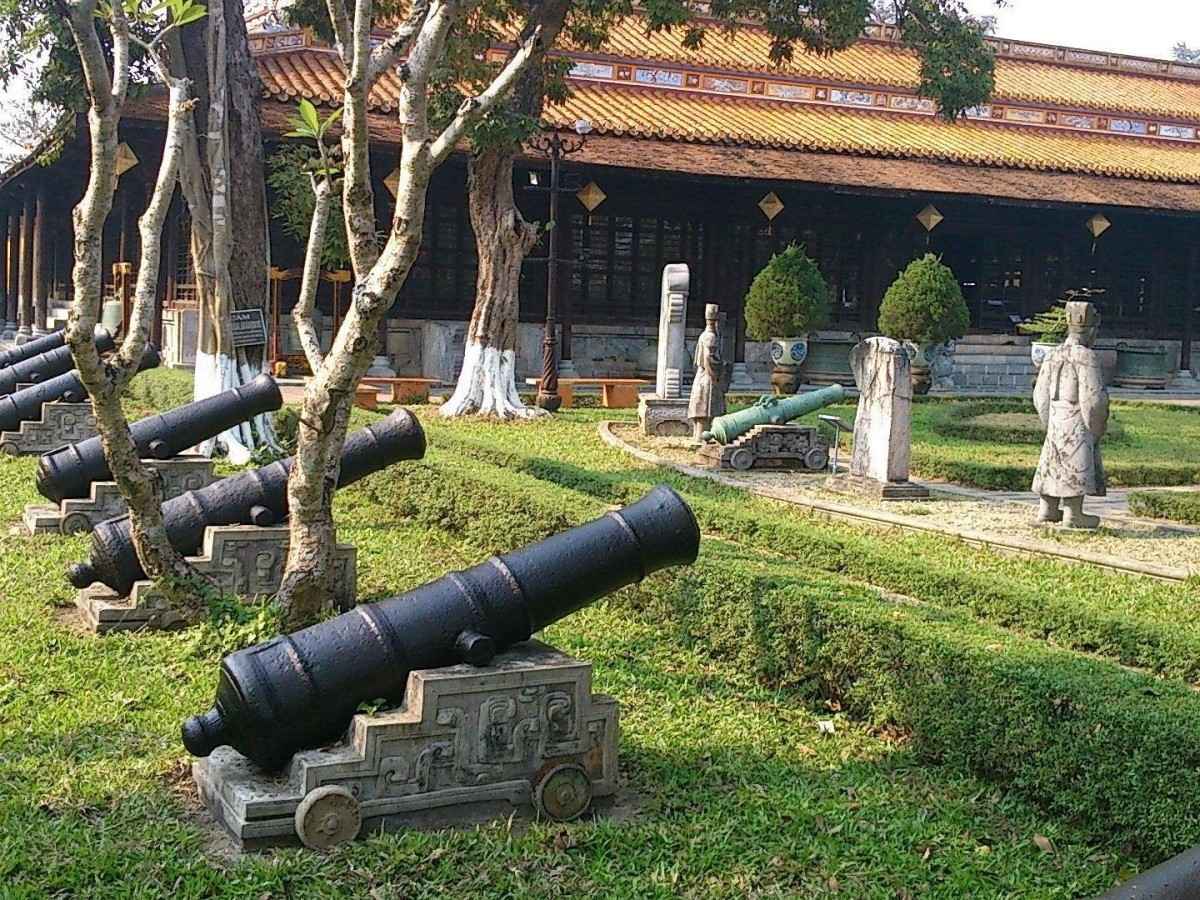
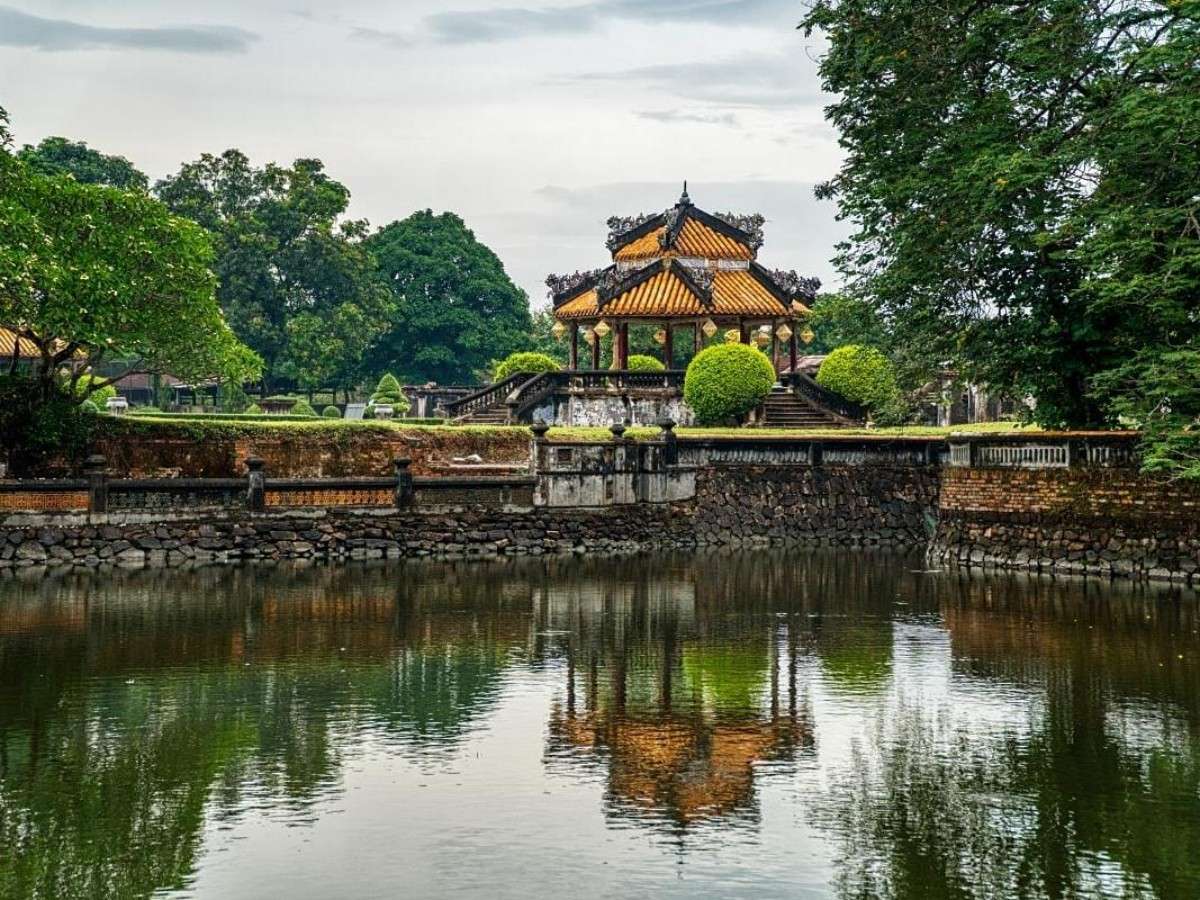
In the Imperial City, there is also the Imperial Garden, the Imperial Temple, the Book Depository, the Harem area and so on, each place can see a lot of details, such as patterns on the floor tiles, taps hidden in the corners of the walls (fire prevention used in ancient times), and even there are specially designed for the emperor to “walk” designed for the paths. While walking and looking, you will find that the design of the year is really everywhere.
More interesting are the Empress's palace and the eunuchs' living quarters, which, although not large, are a good example of how life was under the feudal system. There are also some places that have preserved the small stage where the royal band performed, and if you're lucky, you can even stumble upon a performance of singing traditional tunes in ancient costumes, which feels as if you've stepped back in time.
The people of Hue treat the Imperial City not only as an attraction, but with a little respect. Especially in major festivals, such as the first month of the lunar calendar, the Emperor's ancestor day, spring temple fair and other seasons, the Imperial City will be held around a variety of ceremonies and cultural activities, wearing traditional costumes running all over the street, some will also be placed on the tributes, dancing rituals, although some of them are “performed for tourists to see”, but the locals themselves will participate, that the culture is still alive.
A particularly recommended activity is the “Royal Banquet Experience”. Nowadays, some institutions in the Imperial City are open for reservations, so you can dress up in traditional Vietnamese costumes and attend an antique palace dinner, eat and drink the same dishes that the royal family used to eat, and listen to live music. It's a bit more expensive than a regular restaurant, but it's definitely worth the price of admission. It's like spending a night experiencing the life of an “emperor”.
In addition, there are also some tombs outside the Imperial City, such as the Minh Mandate Mausoleum, the Si De Mausoleum, and the Qi Dinh Mausoleum, all of which were tombs of Nguyen emperors, and each of them is beautifully designed like a painting, so you can go there by boat or bicycle, which is also a very recommended itinerary.
There is an entrance fee to get into the Imperial City of Hue, which is currently VND200,000 (about $8) for adults, with discounts for students or children. If you also want to go to the neighboring royal tombs, we recommend buying a pass, which is more cost-effective and can be used for two days.
Opening hours are usually from 7:00am to 5:00pm and may be adjusted slightly in summer. It is recommended to try to go in the morning, the weather is not so hot, and there are fewer people. The weather in Hue is hot and humid, especially in summer, so it is recommended to wear light and breathable clothes, bring a sun hat, sunscreen, and a bottle of water, or else you will wilt in the sun after walking two palaces.
There are a few points to note:
The Imperial City is a religious and cultural site, it is best to dress modestly, do not wear too revealing clothes.
Some areas do not allow photography, especially involving religious rooms, remember to read the notice.
The ground is slippery in some places, so it is recommended to wear non-slip shoes, especially on rainy days.
If you bring children, don't forget to bring a stroller or light backpack, after all, the whole Imperial City is not small and it may take 2-3 hours to walk through.
One more thing, if you don't want to walk around, it is highly recommended to hire a tour guide, it doesn't have to be a real person, an audio guide is fine. Because a lot of buildings look similar, but the story behind them is completely different, after listening to you realize that even a small door is hiding the shadow of struggle, love or power.
In the end, Hue Imperial City is not just a place for people to “punch”, it is more like an open history book, waiting for you to turn pages. It does not have the modern attractions of the kind of noise and packaging, but its quiet, heavy and slow pace, but let a person more calm heart. You stand under the city gate, looking at the outline of the old imperial palace, imagining the sound of drums, honor guards, and the corridors where the queens and court ladies walked a hundred years ago, and in that moment, you'll feel that history isn't really that far away, it's just a different way of standing silently in front of you. If you happen to plan to go to Vietnam, don't just go to the beach to sunbathe or eat rice noodle, take a day out and leave it to Hue, to this calm imperial city. Because there are some places that are worth walking around slowly and taking away a quiet memory.