
Advertisement
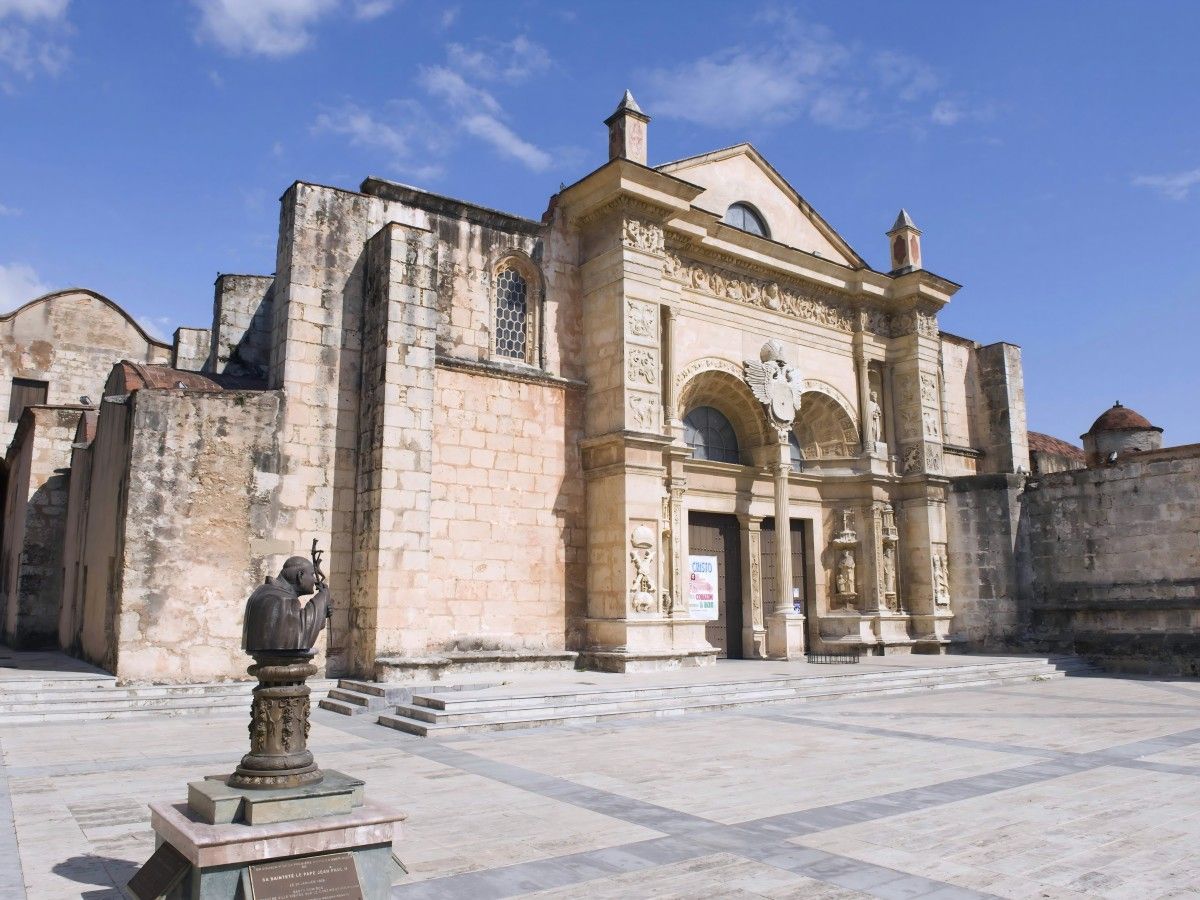
Step into a piece of history and stroll through the streets of Santo Domingo, with the hustle and bustle of the city echoing around you, to an awe-inspiring building, the Catedral Primada de América, which stands tall and proud, a monument to a history that has seen centuries of change. This is no ordinary church, it is the oldest cathedral whose architecture combines two very different styles, Gothic and Renaissance. At first sight, it is hard not to be captivated by the beauty of this majestic structure. This cathedral tells the story not only of the Dominican Republic, but of the entire Caribbean and the Americas.
Advertisement
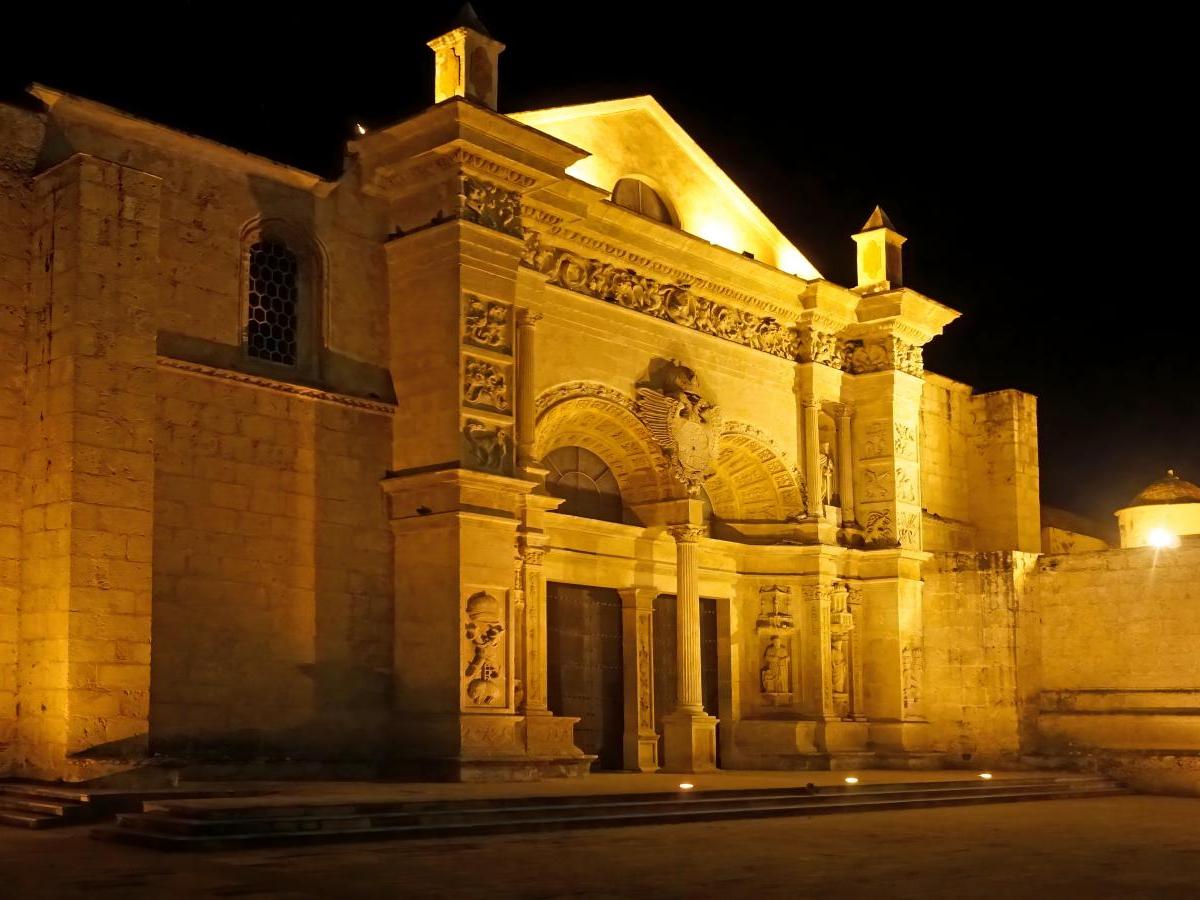
In 1514, King Ferdinand of Spain ordered the start of the construction of this extraordinary cathedral. More than just a place of worship, it symbolized the power and importance of Christianity in the New World. When strolling around the exterior of the Cathedral, one can almost imagine the industrious hands of the masons who hundreds of years ago carved and shaped what would become one of the most iconic landmarks in the Caribbean. The Cathedral was completed in 1540 and since then it has stood the test of time, withstanding earthquakes, hurricanes and the challenges of modern life. Throughout its long history, it has remained a place of spiritual importance, a symbol of colonial power and an architectural marvel. Today, it is known not only for its beauty, but also recognized for its role in shaping the region's cultural and religious landscape. What makes this cathedral so special? It is the perfect blend of two architectural styles, Gothic and Renaissance, that sets it apart from other churches around the world.
Advertisement
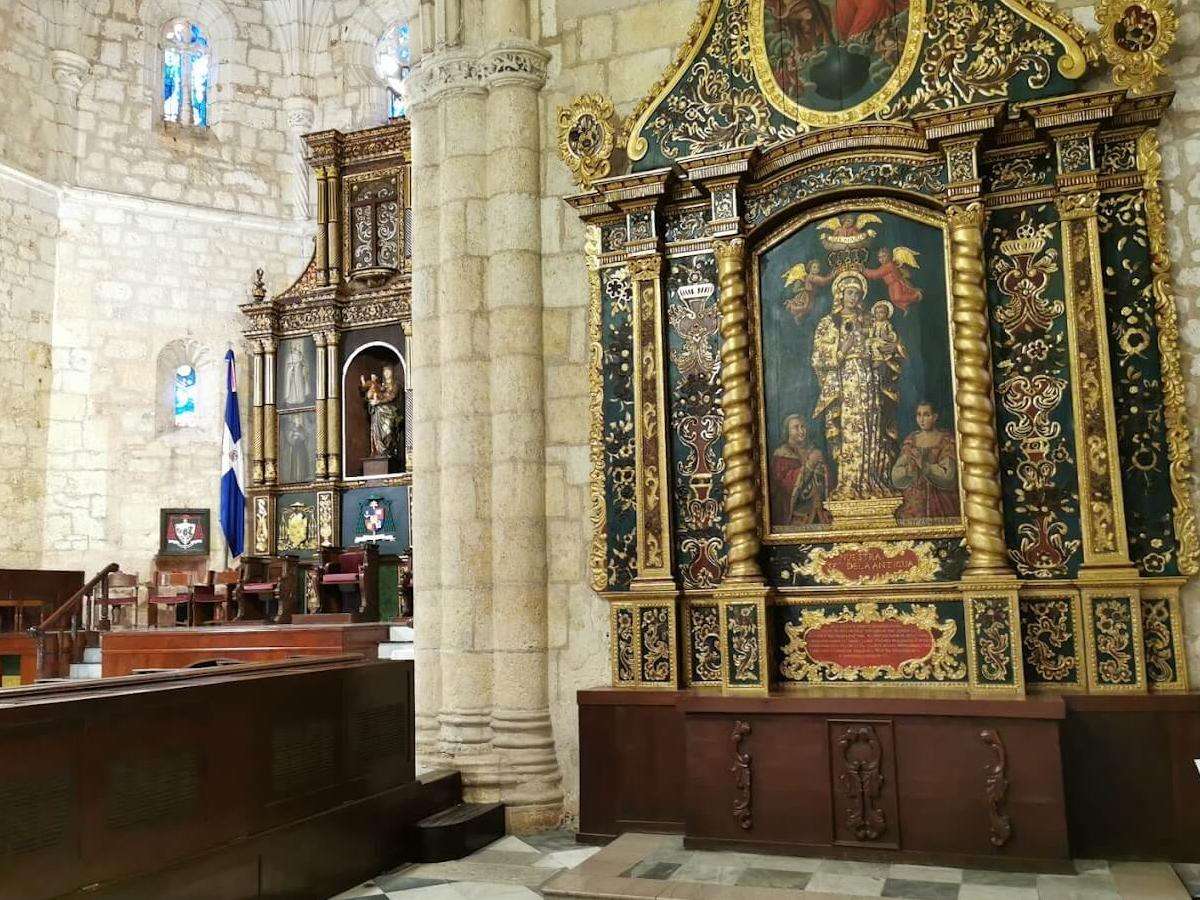
Gothic Architecture - One of the main features of the Catedral Primada de América. When you look up at the cathedral, you can see unmistakable elements of Gothic design. Gothic architecture flourished in Europe between the 12th and 16th centuries and was characterized by the use of pointed arches, ribbed vaults and flying buttresses. These features were intended to give churches and cathedrals an ethereal, almost transcendent feel, with high ceilings and wide windows letting in light and creating a sense of awe and reverence. Stepping into the cathedral, you immediately notice the towering arches above. The tall, narrow windows have an intricate stained glass design that fills the space with vibrant colors as the light streams in. This is intentional, as the light through the windows symbolizes the divine presence of God. The building is designed to make one look up and feel small in the presence of something much greater than oneself.
Advertisement
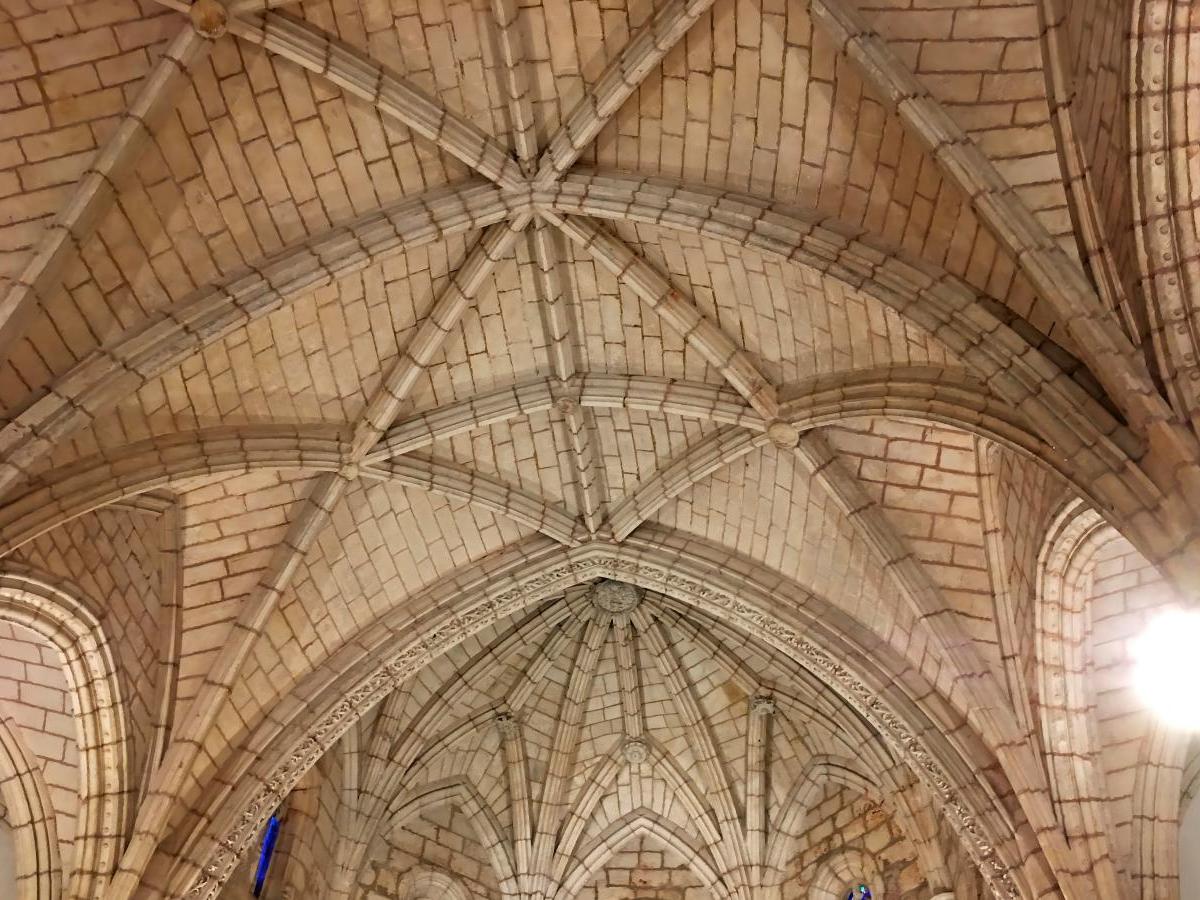
The Cathedral's prismatic vaults are another hallmark of Gothic architecture. As you walk through the nave, look up and see the graceful curves of these vaulted ceilings, designed to support the weight of the building while creating an airy, expansive feel. The intricate stonework details and angular lines are another nod to the Gothic style, which was all about creating height and drama. As you walk around the cathedral, you will notice the massive arches that make up the bulk of the building. These arches are pointed at the top and were revolutionary at the time, allowing for taller and more stable buildings to be constructed. Not only did they help to distribute the weight of the cathedral's roof, but they also allowed the cathedral to stand for hundreds of years.
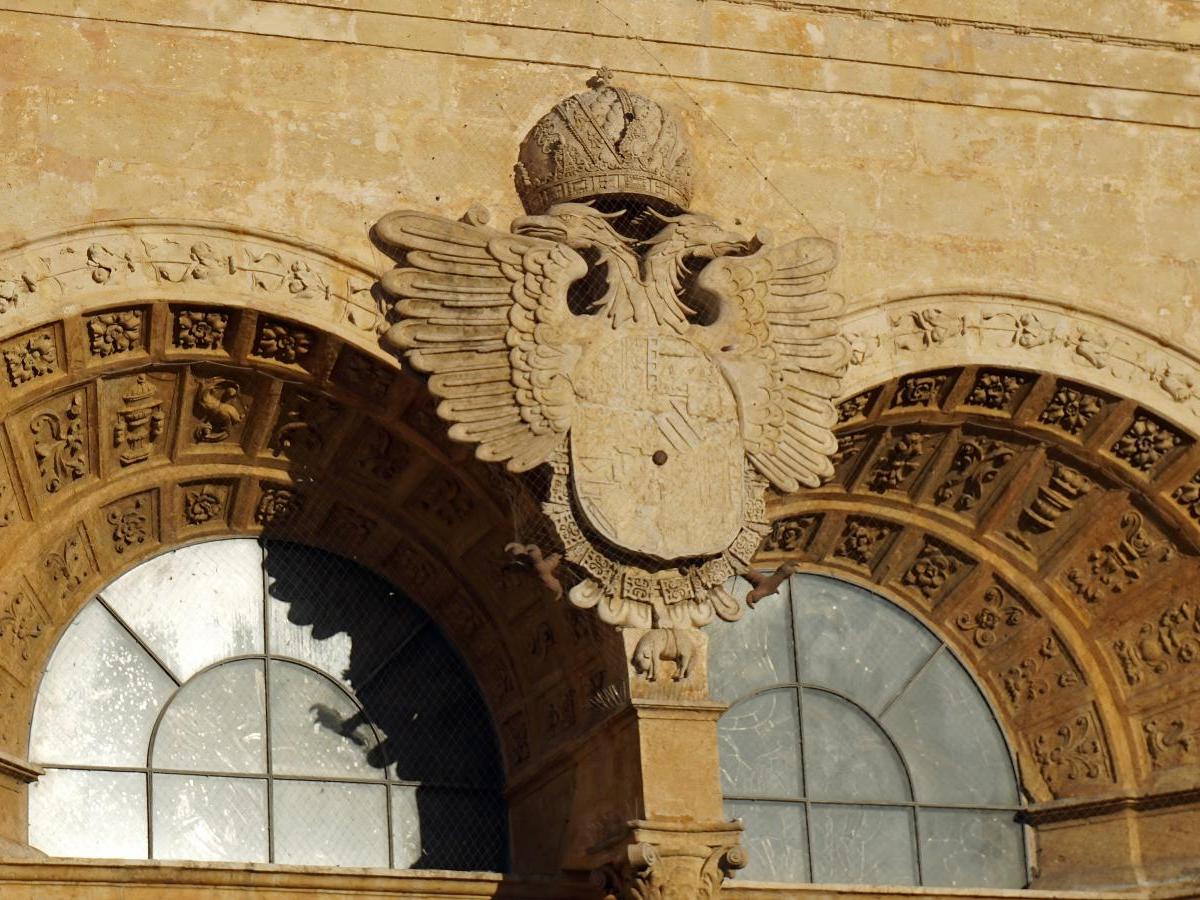
While the Gothic elements of the Catedral Primada de América are impossible to ignore, its design is also clearly influenced by the Renaissance. Renaissance architecture emerged in 15th-century Italy and is known for its focus on symmetry, proportion, and the use of classical elements such as columns, domes, and pilasters. In the design of the Cathedral of the Americas, Renaissance elements serve to balance the soaring, striking Gothic character of the building and bring it into greater harmony and order. One of the cathedral's most striking Renaissance designs is its facade. Whereas the Gothic style focused on upward extension, the Renaissance emphasized balance and proportion, and the facade of the Catedral Primada de América perfectly reflects this with its symmetrical design and classical columns framing the entrance. The arches above the main entrance are rounded, a characteristic of the Renaissance style, in contrast to the sharp arches typical of Gothic design.
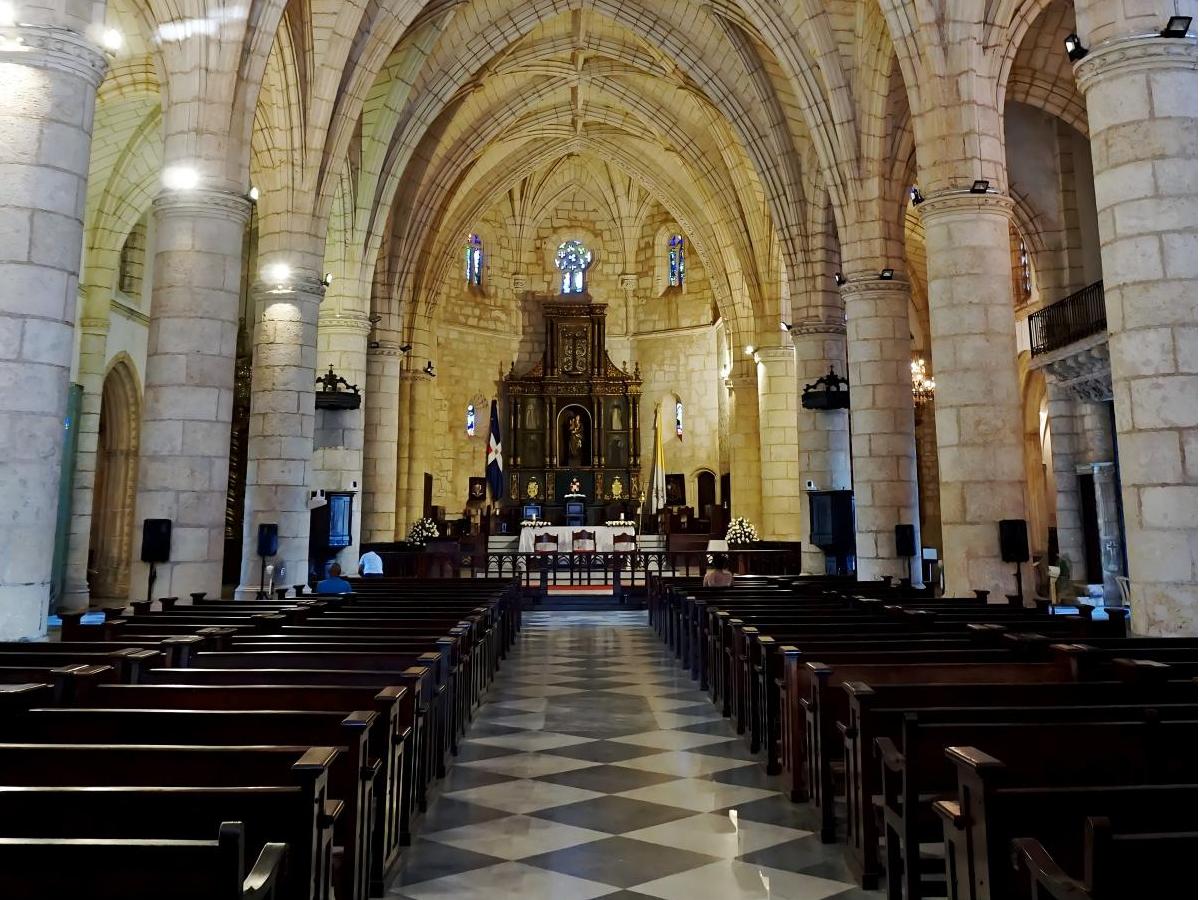
Stepping inside the church, you will also notice that the design of the altar and the overall layout of the interior have also been influenced by the Renaissance style. The altar area is beautifully designed with intricate stonework, but also incorporates Renaissance design elements such as clean lines and harmonious proportions. The overall effect is a space that is both grand and balanced, with a sense of order that contrasts with the more vertical, dramatic feel of the Gothic section. The Renaissance also brought with it a focus on humanism and a celebration of the human form, which is reflected in the cathedral's sculptures and artwork. Look closely and you will see images of saints and biblical figures that embody the Renaissance ideals of beauty and proportion. The design of these artifacts not only conveys a religious message, but also showcases the talents of the Cathedral's artists and artisans.
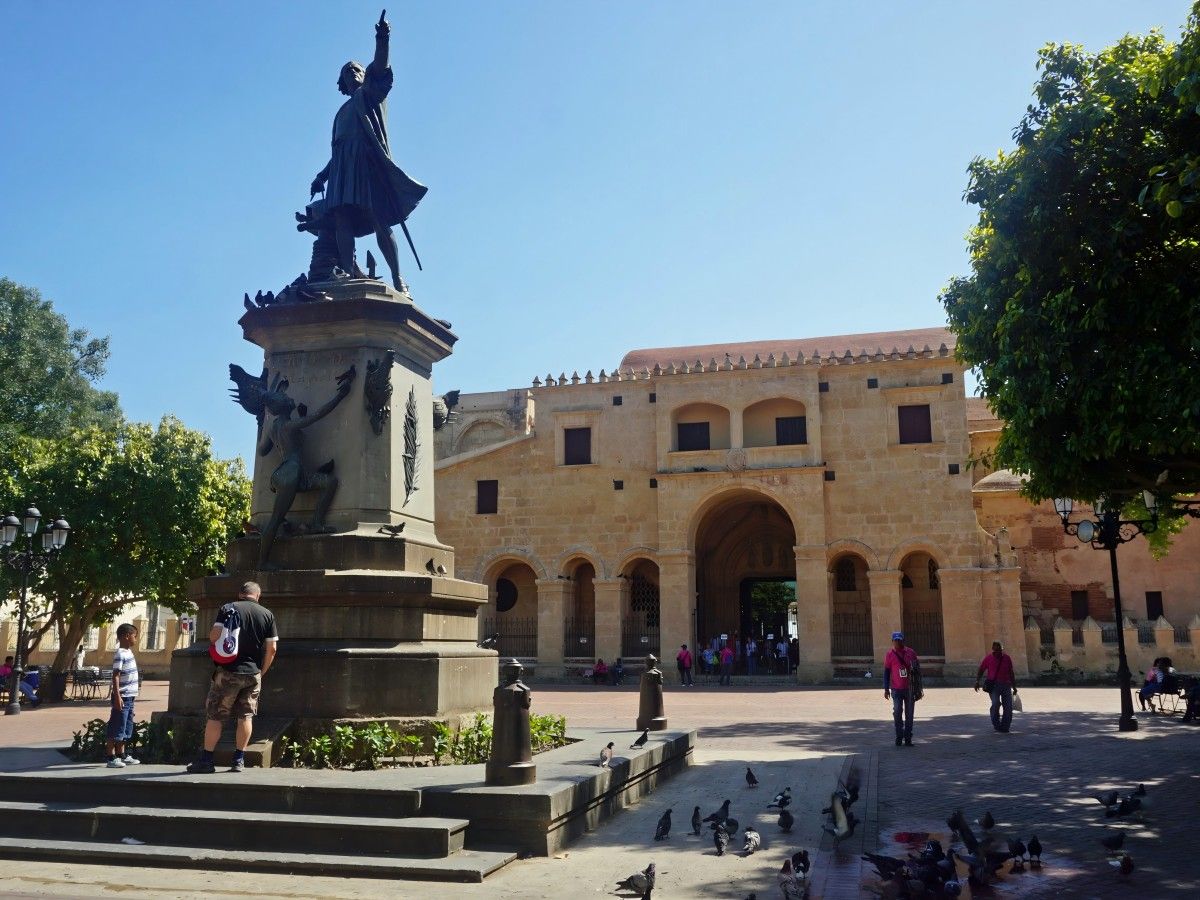
What makes the Catedral Primada de América so remarkable is that it blends two architectural styles, Gothic and Renaissance, into a cohesive whole. This fusion of styles was not just a matter of taste, but a result of the cultural and religious influences of the world at the time. Gothic architecture had a profound effect on the development of religious architecture, especially cathedrals, and it is clear that the designers of the Catedral Primada de América were influenced by this tradition. But as the Renaissance took hold in Europe, it also brought with it a new way of thinking about space, proportion, and the role of the individual in the whole. The designers of the cathedral blended these two styles seamlessly, creating a building that is both awe-inspiring and harmonious, with elements that reflect both the greatness of God and the beauty of man.
As you tour the cathedral, you'll notice how the Gothic architectural style draws your eye upwards, creating a sense of spiritual elevation, while the Renaissance elements bring a sense of balance and beauty. Together, they form a timeless space - grounded in the past, yet looking toward the future.The Catedral Primada de América is more than just a relic of the past; it's a vibrant part of the city of Santo Domingo. It remains a place of worship, attracting locals and tourists alike. The cathedral has also been recognized for its historical and cultural significance by being listed as a UNESCO World Heritage Site. More than that, it is a testament to the skill and vision of its architects and craftsmen. When you walk through the Cathedral, it is as if you have traveled through centuries of history.