
Advertisement
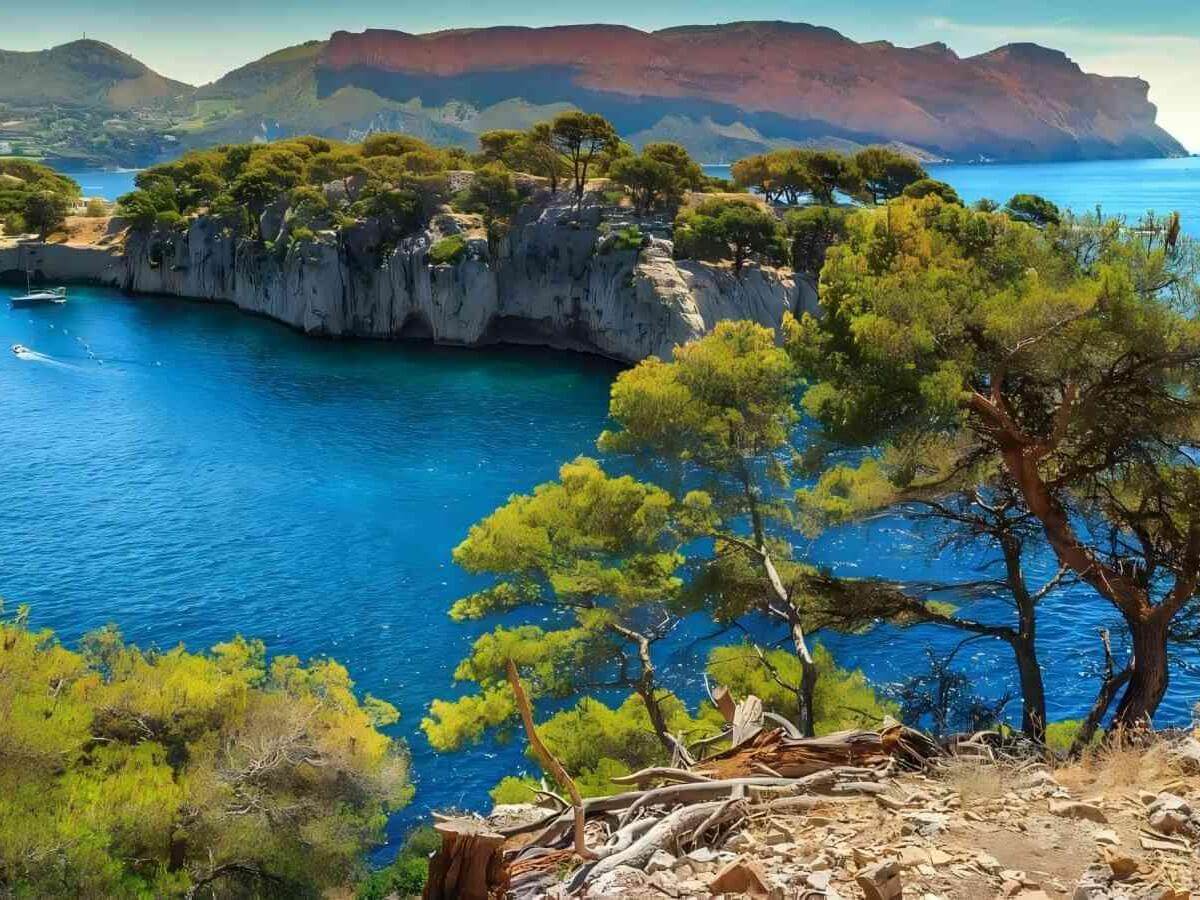
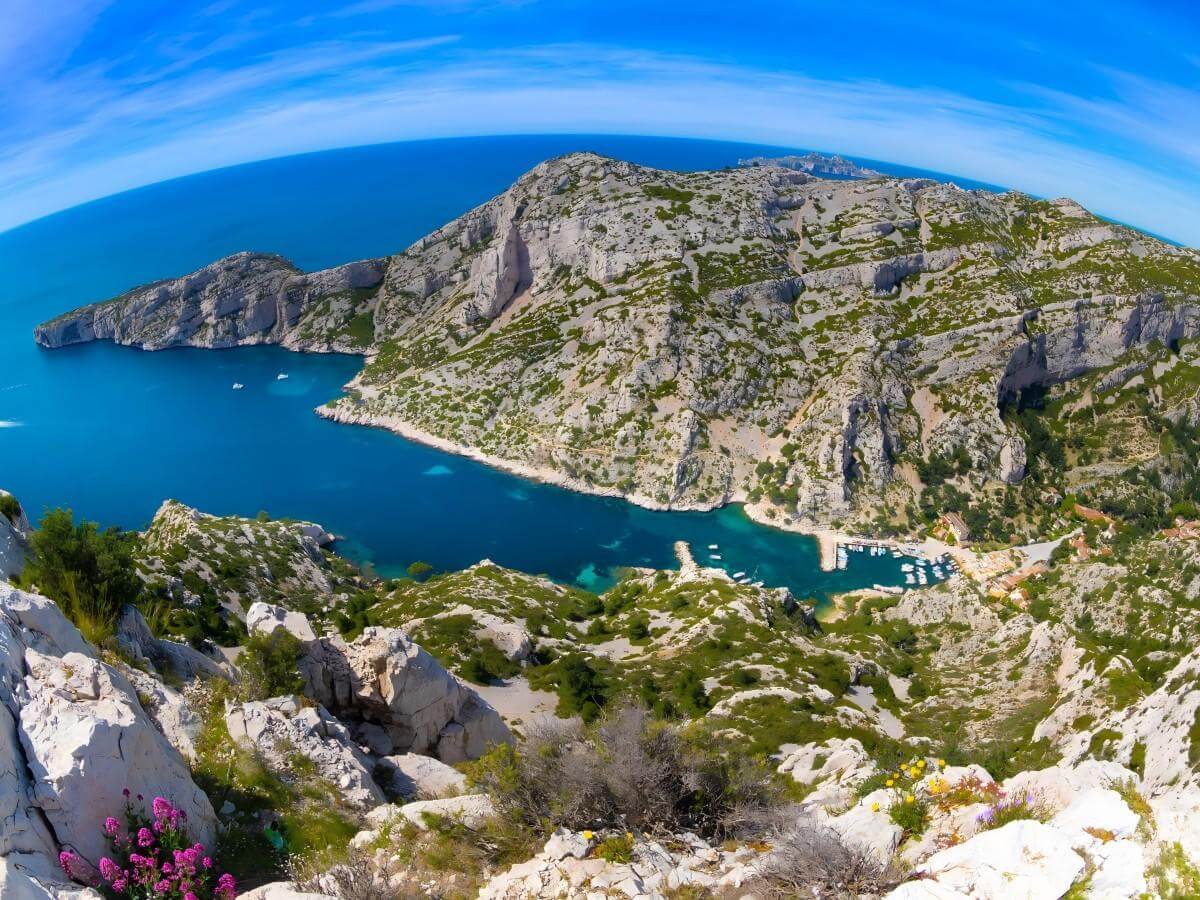
Between Marseille and Cassis, France, in the blue of the Mediterranean Sea, lies the stunning limestone landscape of the Calanques National Park. Established in 2012 as Europe's first land-sea-urban-suburban complex, it is a paradise for hikers, rock climbers and water sports enthusiasts, with its turquoise waters, sheer white cliffs and deep fjords. It is not only a museum of nature, but also an immersive journey that combines geological wonders, ecological secrets and human history.
Advertisement
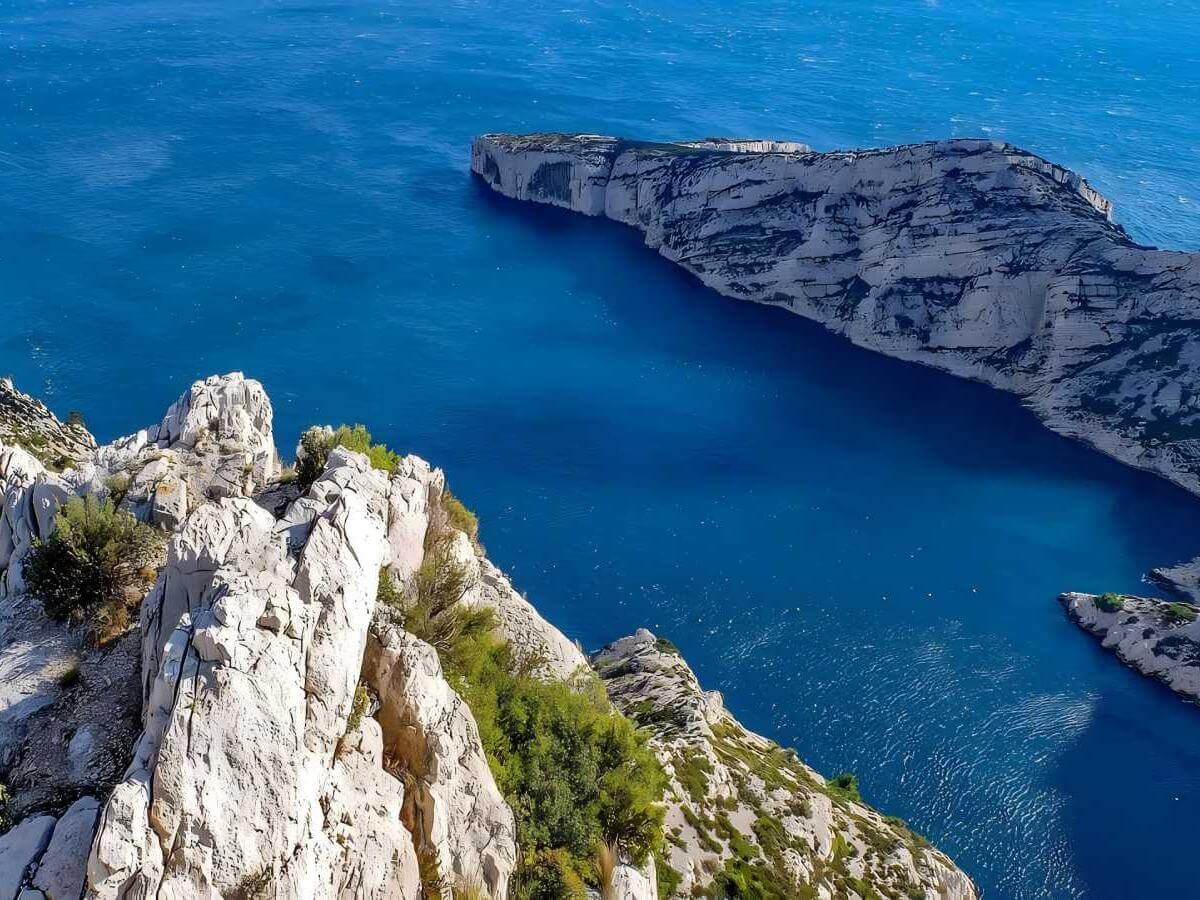
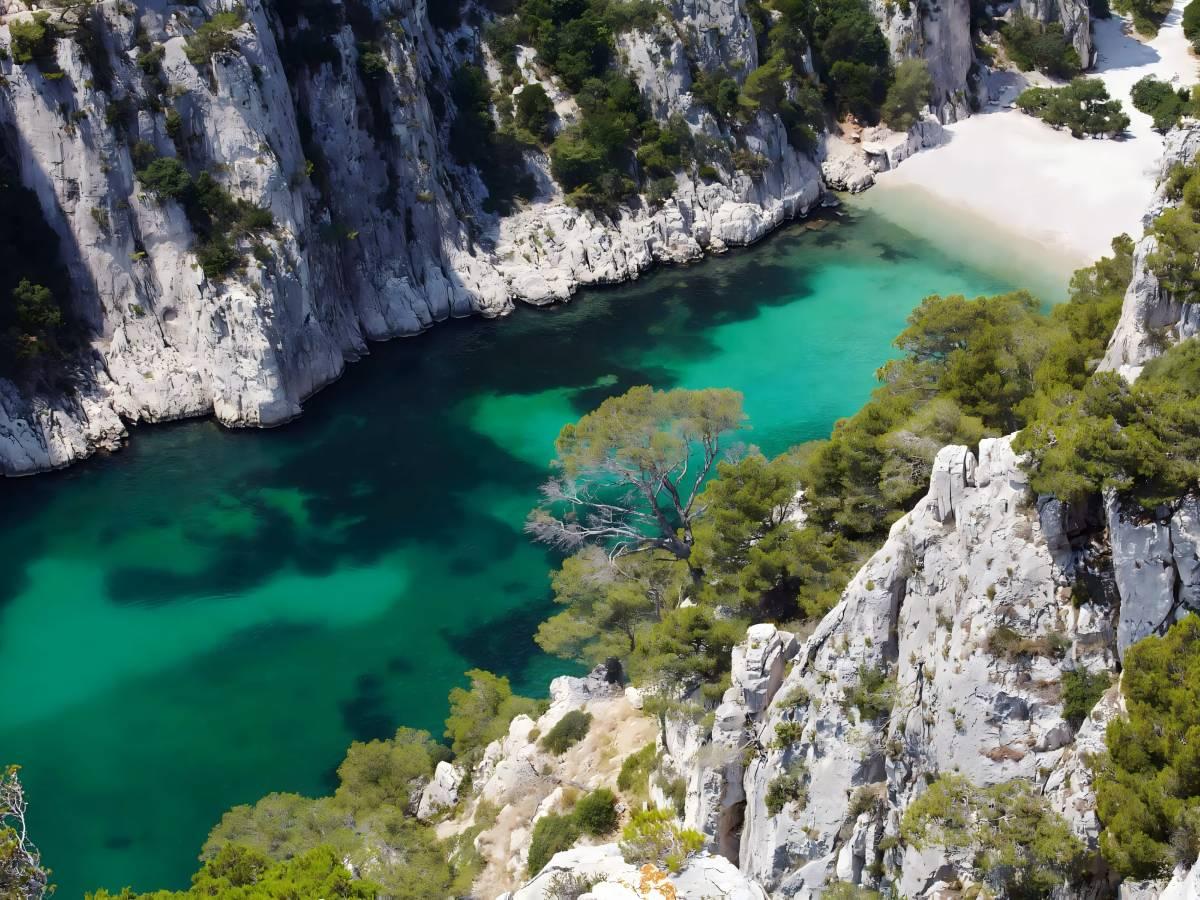
The birth of the Gulf of Calangas is an epic of the earth's evolution. Around 150 million years ago, during the Jurassic period, the remains of living creatures on the Mediterranean seabed gradually accumulated into limestone hundreds of meters thick. As the African and Eurasian tectonic plates collided, these layers were lifted out of the sea 60 million years ago, and were sculpted by glaciers, rain and sea winds to form the jagged coastlines and deep fjords of today. The most famous fjord, En Vau, is flanked by 200-meter-high cliffs that look like giant axes splitting the sea, while the remains of shipwrecks and the former Solvay quarry in Port-Miou fjord tell the story of man's symbiosis with nature.
Advertisement
There are 26 different fjords in the park, 16 of which are classified as ecologically important by the European Union. Hiking along the limestone ridges, drought-tolerant Aleppo pine, rosemary and Montpellier's half-day flower are common sights, while offshore Posidonia seagrass beds are the “lungs” of the Mediterranean ecosystem, providing habitat for more than 60 species of marine life, including seahorses and rainbow wrasse. During the annual migration season, more than 80 species of birds, including Bonelli's eagles and shearwaters, soar here, forming a three-dimensional ecological picture in the sea, land and air, together with dolphins playing underwater and fin whales occasionally leaping out of the sea.
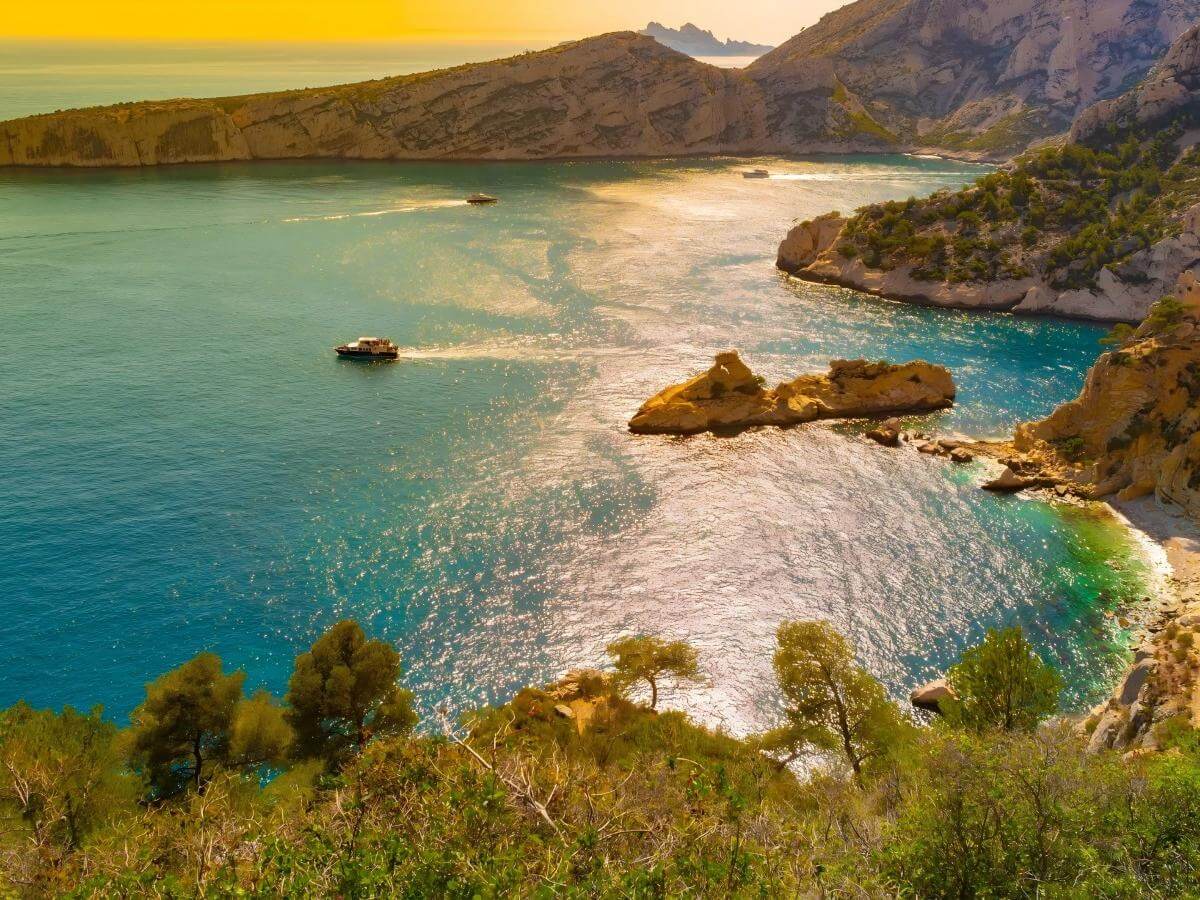
The hiking routes in the Gulf of Calanges can be called the “three-dimensional gallery of the Mediterranean”, ranging from easy coastal walks to difficult cliff climbs to satisfy explorers of different physical abilities. The most classic route is the “Eight Fjords Crossing” from the Luminy Campus in Marseille, which follows the GR98 trail eastward and encounters the fjords of Morgiou, Sormiou and Sugiton in turn. Abandoned military forts, shepherd's huts and lime kilns can be seen along the way, while the panoramic view from the Belvédère de Sugiton observation deck reveals the emerald waters and white cliffs of the bay.
Advertisement
For hikers looking for a challenge, the “Devenson Cliff Trail” is not to be missed. This route near Cassis is known for its steep rocky staircases and vertical walls, and the ascent to the top offers views of the Port-Pin fjord's crescent-shaped beach and wave-splashed “sea arches”. Note that the park is under strict fire control during the summer months (June-September) and advance reservations are required for some sections of the trail, so it's recommended to download the official app for real-time access information.
The limestone cliffs of the Gulf of Caranges are a pilgrimage site for rock climbers from all over the world, thanks to their porous structure and good friction: the “L'Ane Rouge” route in the En Vau fjord is famous for its 25-meter columns of red sandstone, while the “Les Oursins” route in the Morgiou fjord is known for its 25-meter columns of red sandstone. “Les Oursins” in the Morgiou fjord is famous for its sea urchin-like face. Professional climbers can tackle the multi-pitch routes in the “Côte Bleue” area, where the art of “dynamic balance” is practiced between the blue sea and the blue sky.
To protect the ecology, the park requires all climbers to use environmentally friendly equipment and to follow the Leave No Trace principle. In the fall of each year, the Carangue Climbing Festival attracts competitors from all over the world, and free workshops are held to share experiences in wall preservation and route development.
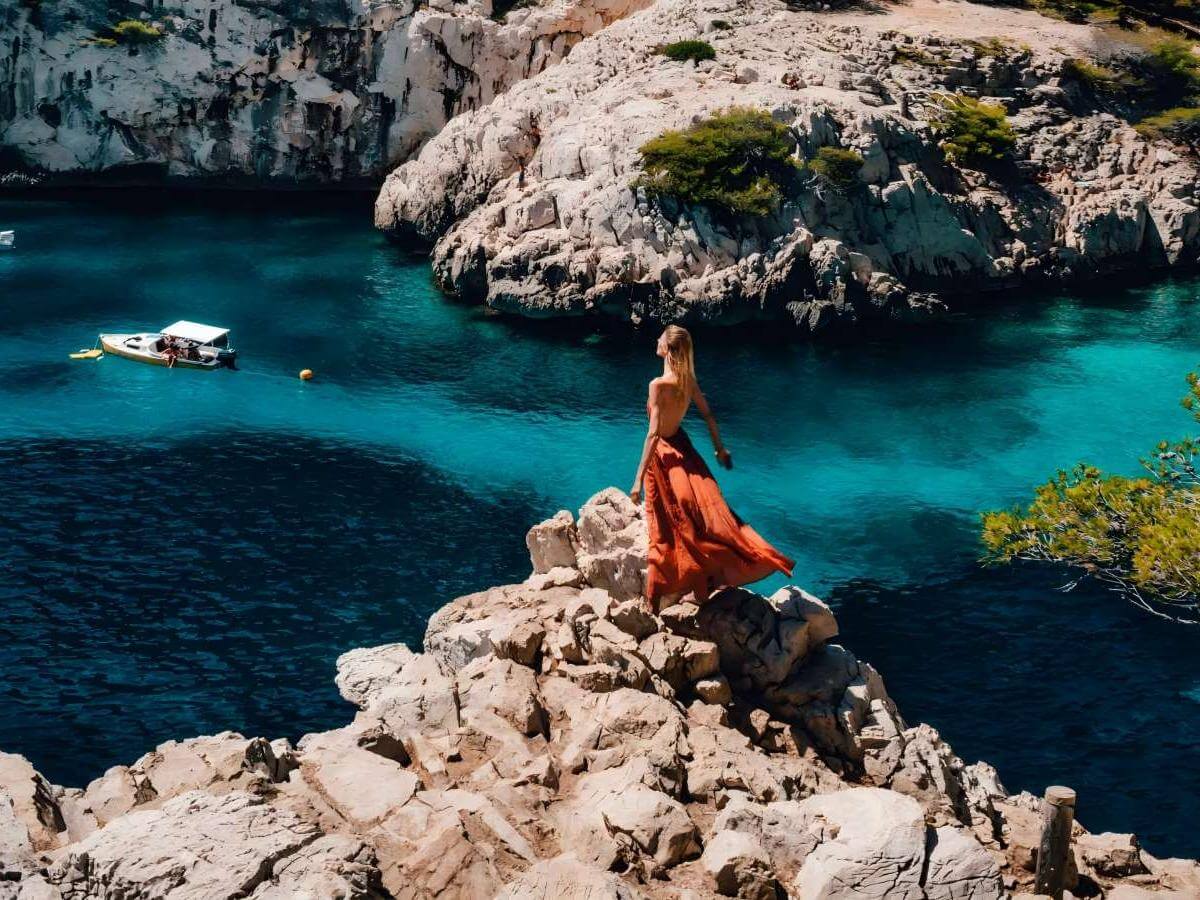
With water clarity of up to 30 meters, the Gulf of Calanges offers excellent conditions for snorkeling and deep diving, while the “Capelan Caves” in the Sormiou fjord are a sanctuary for divers, with the sunlight streaming through the underwater fissures to create the “Angel's Light” at the top of the caves, and the “Port-Miou Fjord” is a great place for snorkeling and deep diving. The underwater archaeological area of the Port-Miou fjord is home to Roman amphorae and 18th-century merchant shipwrecks. Licensed divers can also explore the “Coral Cave,” where they can dance with red coral colonies and schools of Mediterranean fish.
To get even closer to the sea, kayaking is the way to go. From Port-Cassis, follow the “Three Calanques” route through the fjords of Port-Miou, Port-Pin and En Vau, where the reflections of the cliffs are shattered and reorganized by the ripples of the paddles. In the Morgiou fjord, you can visit the half-submerged “Blue Cave”, where the sunlight reflects the fluorescent blue color of the seawater inside the cave, just like falling into a fairy tale.
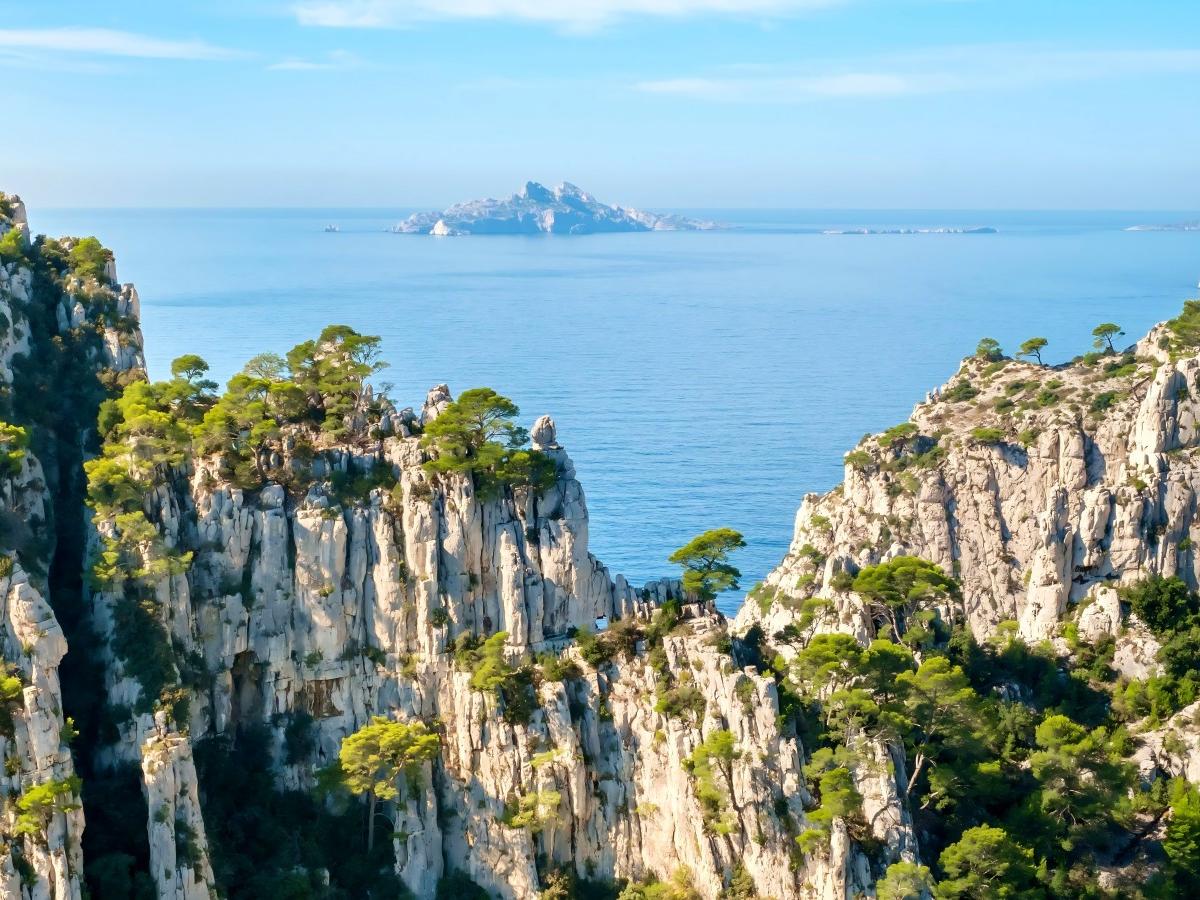
In addition to its natural wonders, the Gulf of Calanges also bears the imprint of human civilization: the prehistoric petroglyphs in the Cosquer Cave date back 30,000 years, and the images of extinct mammoths and seals in the frescoes testify to the history of rising sea levels. The stone huts in the coastal fishing villages of Les Goudes and Callelongue have retained the original appearance of fishermen living with the sea, and some of them are still without electricity or water, making them a “spiritual station” for the Maasai people, passed down from generation to generation.
Every September, the “Karango Cultural Festival” turns sea and land into a stage, where the fishermen's traditional dance “Farandole” leaps under the starry sky, and sea fishing competitions, seafood bazaars and ecological lectures intertwine to demonstrate the wisdom of harmonious coexistence between man and nature.
Best time to travel: October to May, to avoid the summer heat and fire control.
How to get there: Take the B1 bus from the old port of Marseille to Luminy for the start of the trek, or take a boat trip from the port of Cassis. We recommend purchasing the RTM 7-day pass (€15.50), which covers both the bus and the ferry.
Essential equipment: walking shoes, sun hat, plenty of drinking water (at least 3 liters per person per day in summer), first aid kit. Rock climbers should bring a helmet and environmental plugs.
Environmental tips: no camping, fires, picking plants, do not touch the coral when diving. Professional guides are required in some sensitive areas.
The beauty of Karango Bay National Park lies in its perfect blend of the wild and the poetic. When hikers listen to the sea breeze on top of the cliffs, climbers feel the tension of gravity on the rock face, and divers talk to ancient civilizations at the bottom of the sea, this “Emerald Necklace of the Mediterranean Sea” is interpreting the eternal resonance between nature and human beings with its unique rhythms. Whether it's a short one-day trip or a multi-day in-depth tour, this will be your closest encounter with the earth.