
Advertisement
Marseille, a port city on the Mediterranean coast of southern France, is famous for its long history, unique culture and rich cuisine. As the soul of the city, the Vieux Port of Marseille brings out the best of the Mediterranean flavor and charm. From the return of the fishing boats in the morning, to the hustle and bustle of the market in the afternoon, to the glittering lights at night, the Vieux Port of Marseille shows the world the charm of the Mediterranean life with its unique rhythm and style.
Advertisement
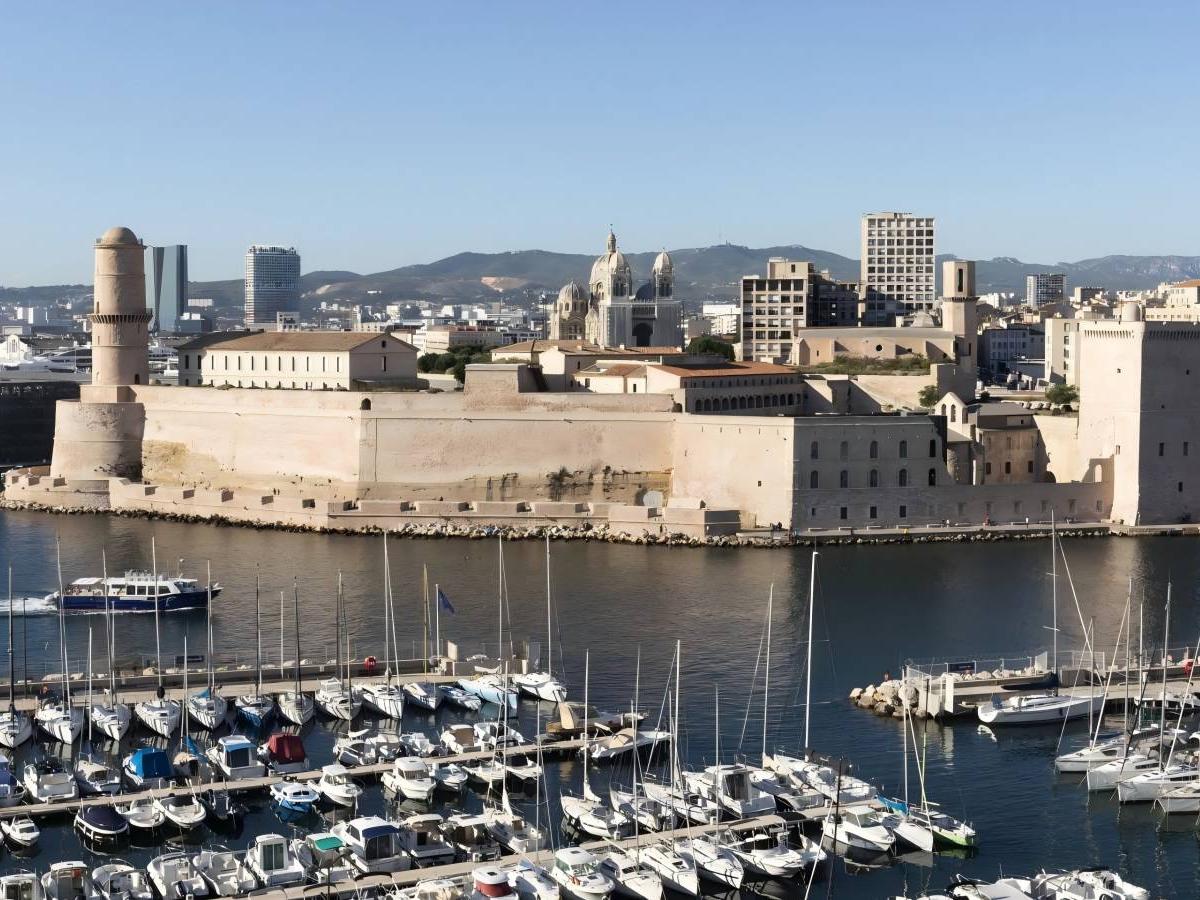
The Old Port of Marseille (Vieux-Port de Marseille) is the place of origin of the city and an important witness of Mediterranean civilization. In 600 BC, the Greek Phocians established a trading post here, taking the name “Massalia”. Legend has it that the marriage of Proteus, a Greek merchant, and Ghibertius, the daughter of a local tribal chief, overshadowed the port's birth with romance. Over the millennia, the Old Port has evolved through the Roman Empire, the medieval feudal dynasties and the modern colonial period to become a hub of trade connecting Europe and Africa.
Advertisement
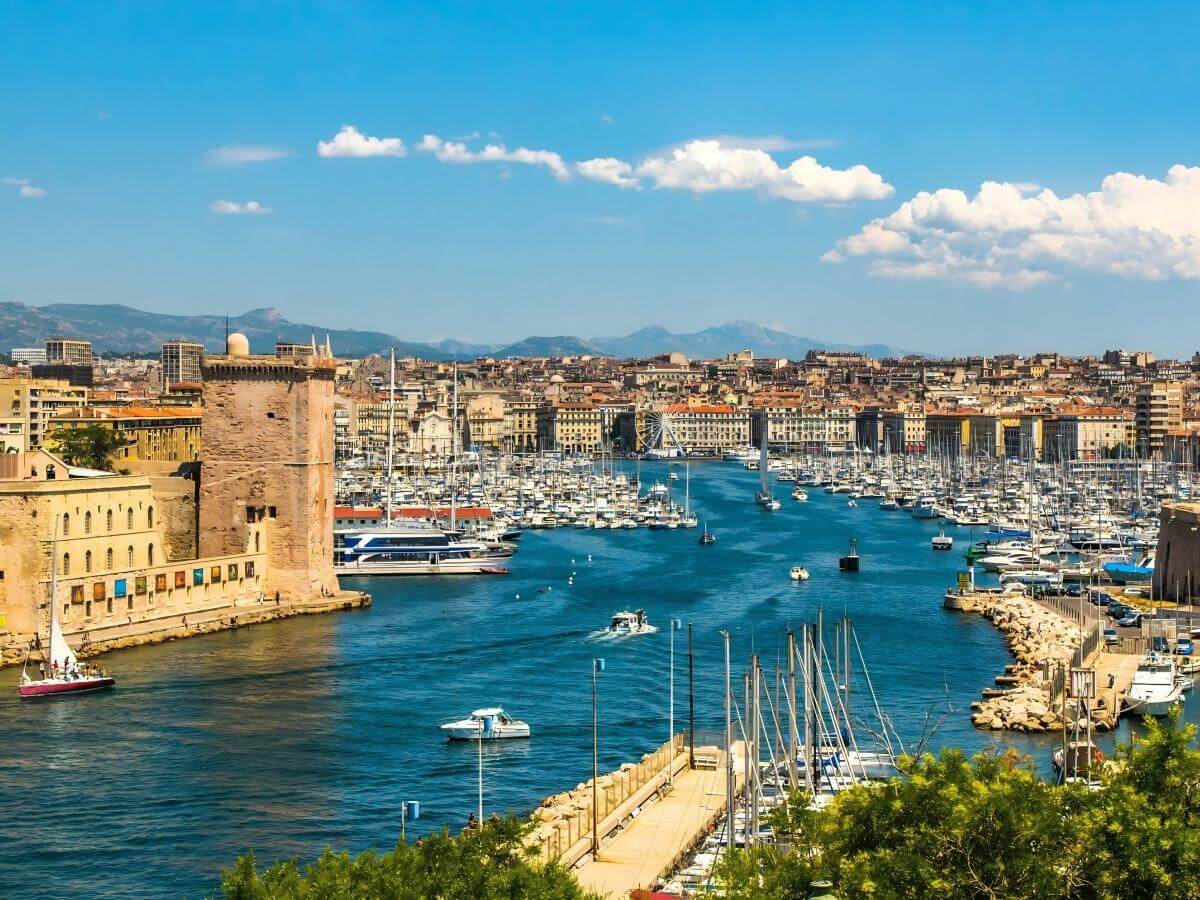
In the Middle Ages, the Old Port was a strategic location, and its entrance was protected from foreign enemies by a huge chain, the remains of which can still be seen in the Cathedral of Valencia, Spain, where it was looted. The Chateau of St. John, built in the reign of Louis XIV, and the Chateau of St. Nicholas face each other to the north and south, guarding the tranquility of the harbor, and in the 19th century, with the expansion of the new port, the Old Port was transformed into a marina and a center of culture and leisure, but its status as the soul of the city has never changed.
Every morning at 6:00 a.m., the Old Harbor's fish market wakes up. Fishermen stack their catch of mackerel, red mullet, sea bass and other seafood neatly on a bed of ice, and the sunlight pours through the mist onto the silvery scales, reflecting the Mediterranean waves. The fishmongers sell in French with a Provençal accent, their fingers clean the gills, and the blades of their knives flash as the fish are instantly sliced into well-proportioned fillets. This traditional market has been going on since the Middle Ages and is not only a source of purchases for local restaurants, but also a window for tourists to experience Marseille life.
Advertisement
In addition to fresh fish, marinated anchovies, olives in oil and hand-woven nets made by fishermen can also be found on the pier. An old fisherman told reporters, “We go out to sea in the early hours of the morning and return before sunrise just to give customers the freshest sea food.” Today, the fish market has become a cultural symbol of the old harbor, and was inscribed on UNESCO's candidate list for “Intangible Cultural Heritage of Humanity” in 2019.
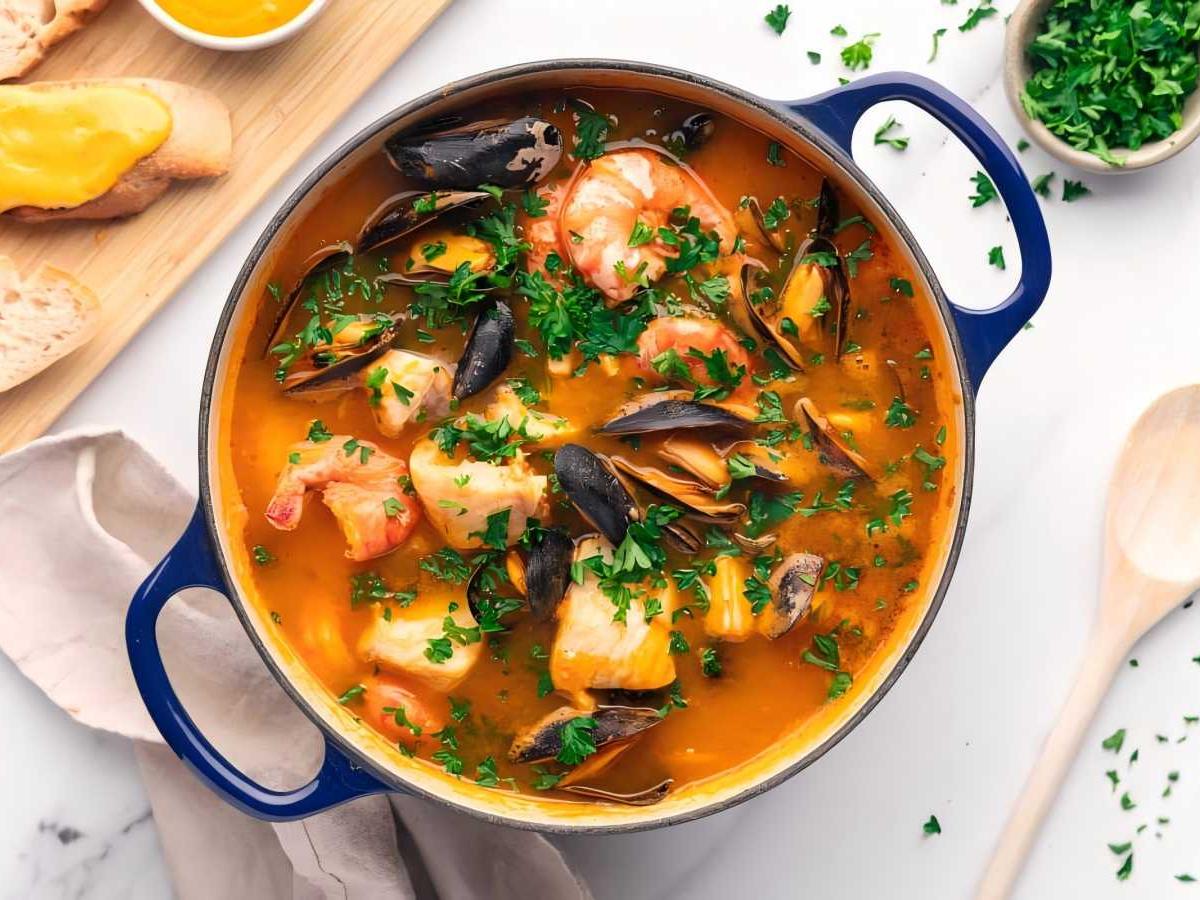
Bouillabaisse (Marseille fish soup) is undoubtedly the soul of Old Port cuisine. This popular dish, which originated from fishermen, is made from more than 12 kinds of sea fish caught on the same day and slowly simmered for 3 hours with tomatoes, saffron, fennel wine and other spices. The recipe varies from restaurant to restaurant, with some adding lobster to enhance the flavor, while others retain the traditional, rugged taste. Served on toasted bread slathered with aioli (garlic mayonnaise), the aroma of garlic mingles with the freshness of the fish on the tongue, as if drinking in the Mediterranean sunshine.
Le Miramar, a century-old restaurant along the Old Port, is a favorite for fish soup. Passed down through three generations of chef Jean-Paul's family, the chef insists on simmering it in clay pots “so that every spoonful of soup tastes of the sun, the sea breeze and the sweat of the fishermen.” In addition to the fish soup, the Ratatouille (Provencal stew) and grilled octopus with rosemary are must-try dishes here. Pair it with a glass of pastis, a local specialty, which turns milky white when it meets water and is pungent with a refreshing scent of aniseed.
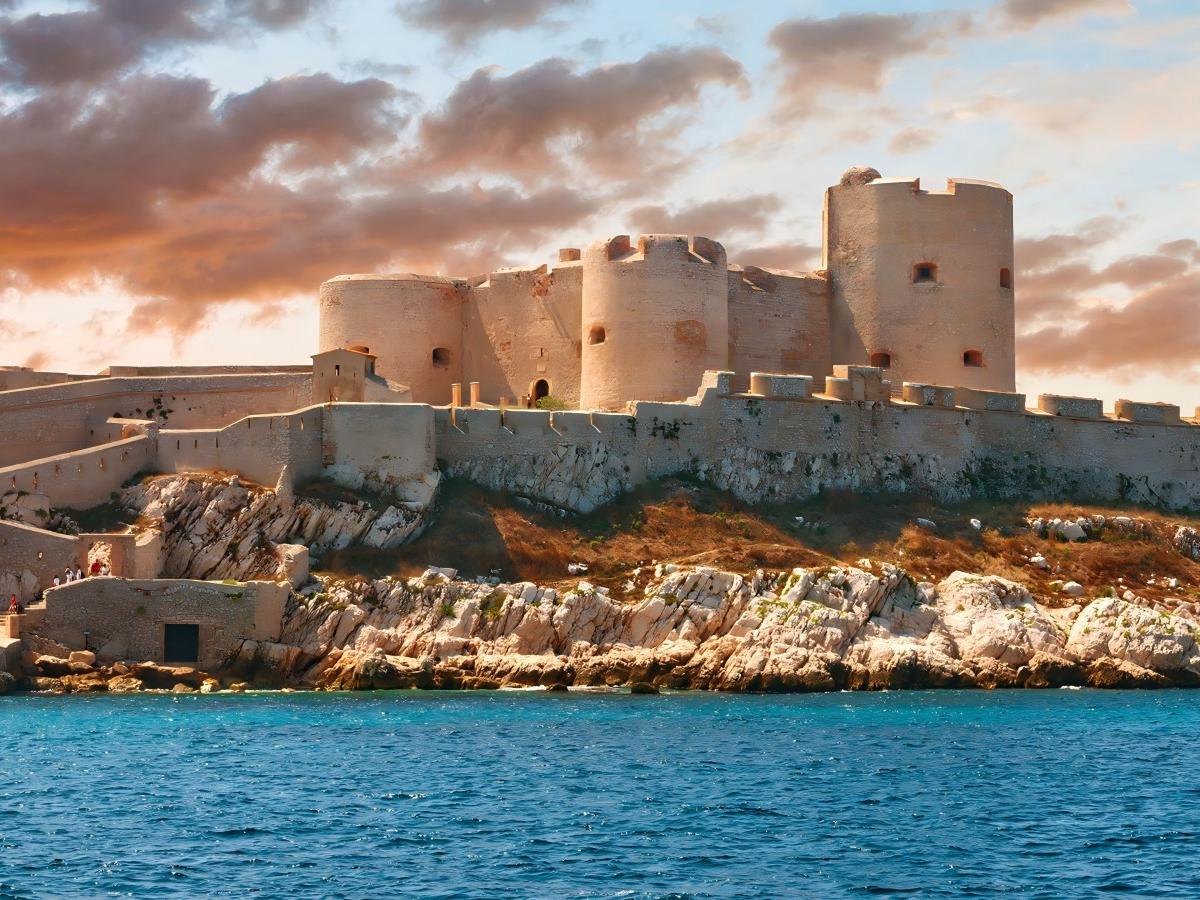
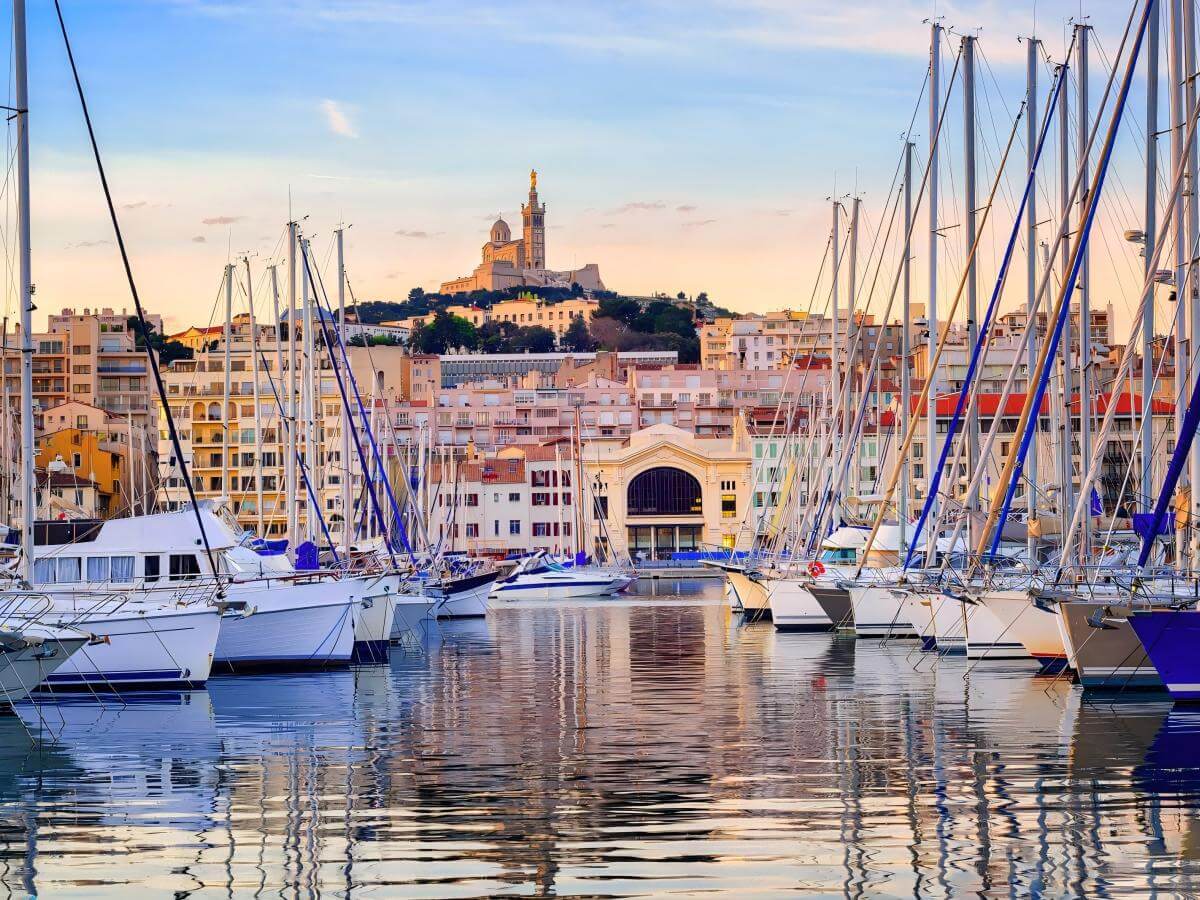
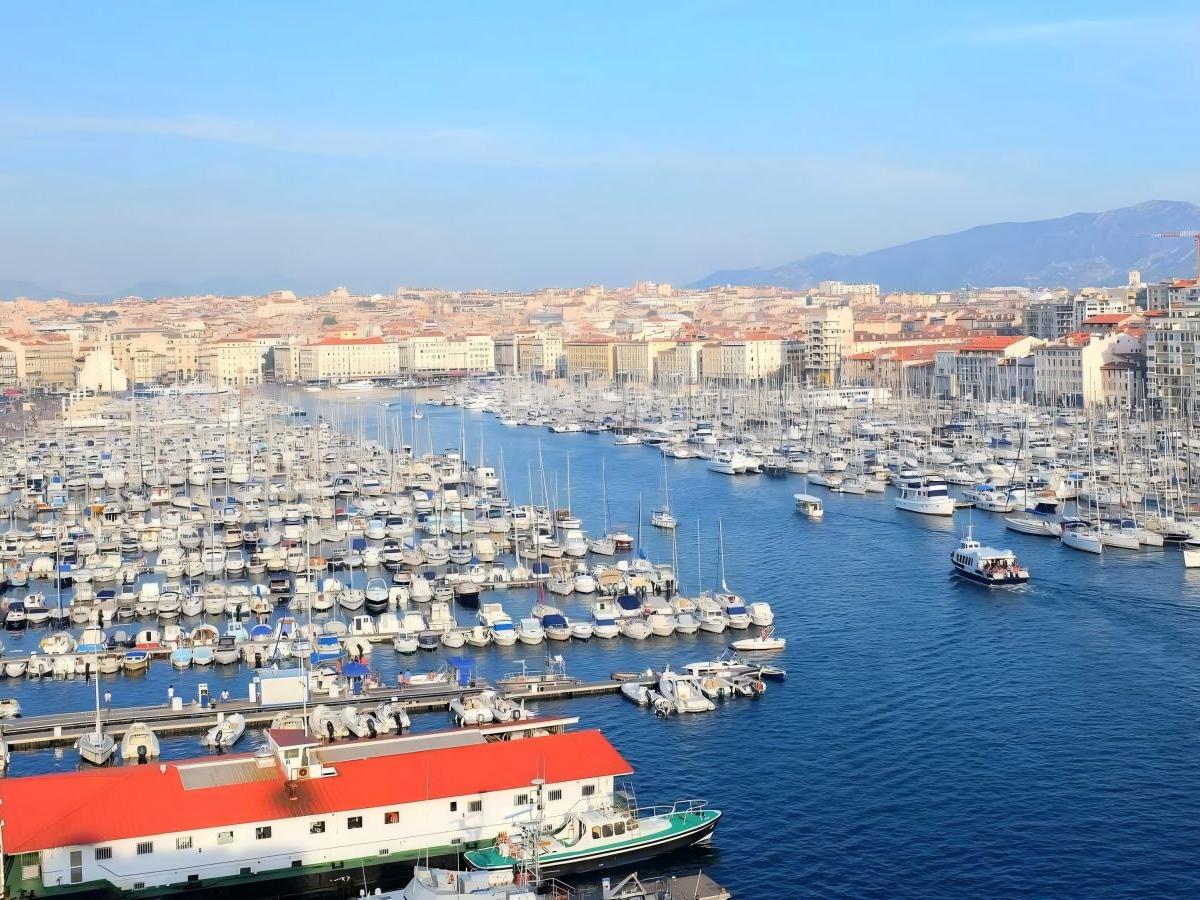
In the late afternoon, stroll along the stone paths of the old harbor, flanked by 18th-century sandstone buildings with red tiles and white walls dotted with geraniums. The Gothic spire of the Church of St. Vincent de Paul points up to the sky, while a bronze statue in front of the town hall tells of the heroism of the Marseillais during the French Revolution. Not far away, the Basilique Notre-Dame de la Garde, the city's highest point, offers a panoramic view of the Old Port, with its masted marina, the ferries and the hazy silhouette of the Isle of Yves in the distance.
As night falls, the Old Port is transformed into a sea of revelry. Bars are filled with the cheers of Champions League goals scored by Marseille, street performers play the Marseillaise on the accordion, and the air is filled with the charred aroma of grilled seafood. On the terrace of the “Chez Fonfon” restaurant, order a charcoal-grilled sea bass with a glass of chilled Provence rosé, watch the evening sun turn the harbor into gold, and listen to the waves gently lapping at the stone steps, as time seems to freeze at this moment.
The Old Port is not only a collection of food and scenery, but also a melting pot of diverse cultures. Greek, Roman, Arab and African civilizations collided here, leaving behind a rich heritage. The Le Panier district on the north side of the Old Port epitomizes the Middle Ages, with narrow streets hiding Arabian spice stores, North African carpet stores and French art galleries. Every year in September, the “Festival of the Old Port”, fleets of ships from the Mediterranean coast gather to bring their own distinctive music, dance and food, like a flowing feast of civilization.
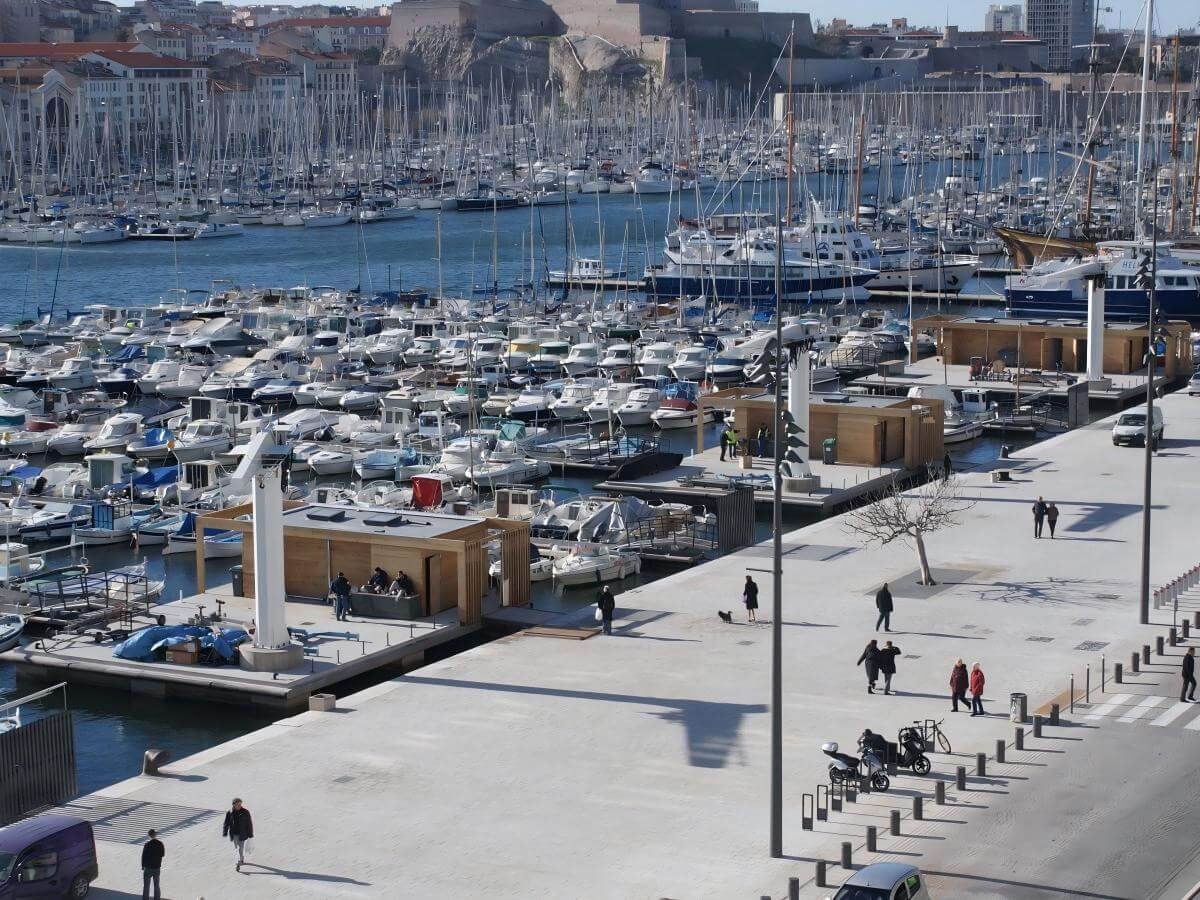
Today, the Old Port is undergoing a new transformation. The €1.5 billion “Gateway to the Mediterranean” project will reshape the harbor skyline, and new museums, concert halls and eco-parks will complement the historic buildings. But no matter how much has changed, the morning fishing fires, the smell of coffee in the afternoon, and the sound of laughter in the evening are still the most moving rhythms of the Old Harbor.
From fishing boats to food, from history to the present, the Old Port of Marseille has been writing the most vivid story of the Mediterranean Sea for 2,600 years. When you stand on the ramparts of the Château de Saint-Nicolas and look at the sparkling harbor at sunset, you may suddenly understand that this is not only a harbor, but also an eternal legend of survival, resistance and poetry.