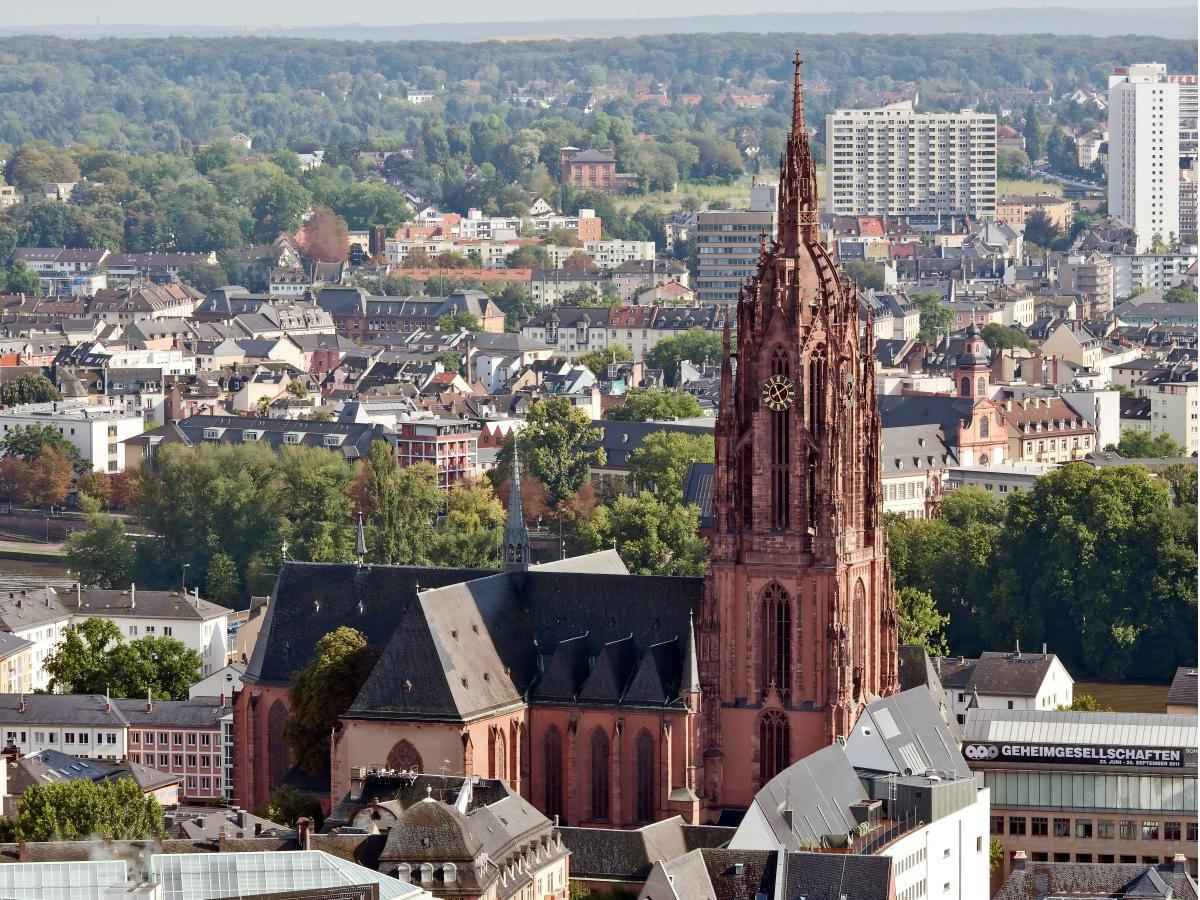
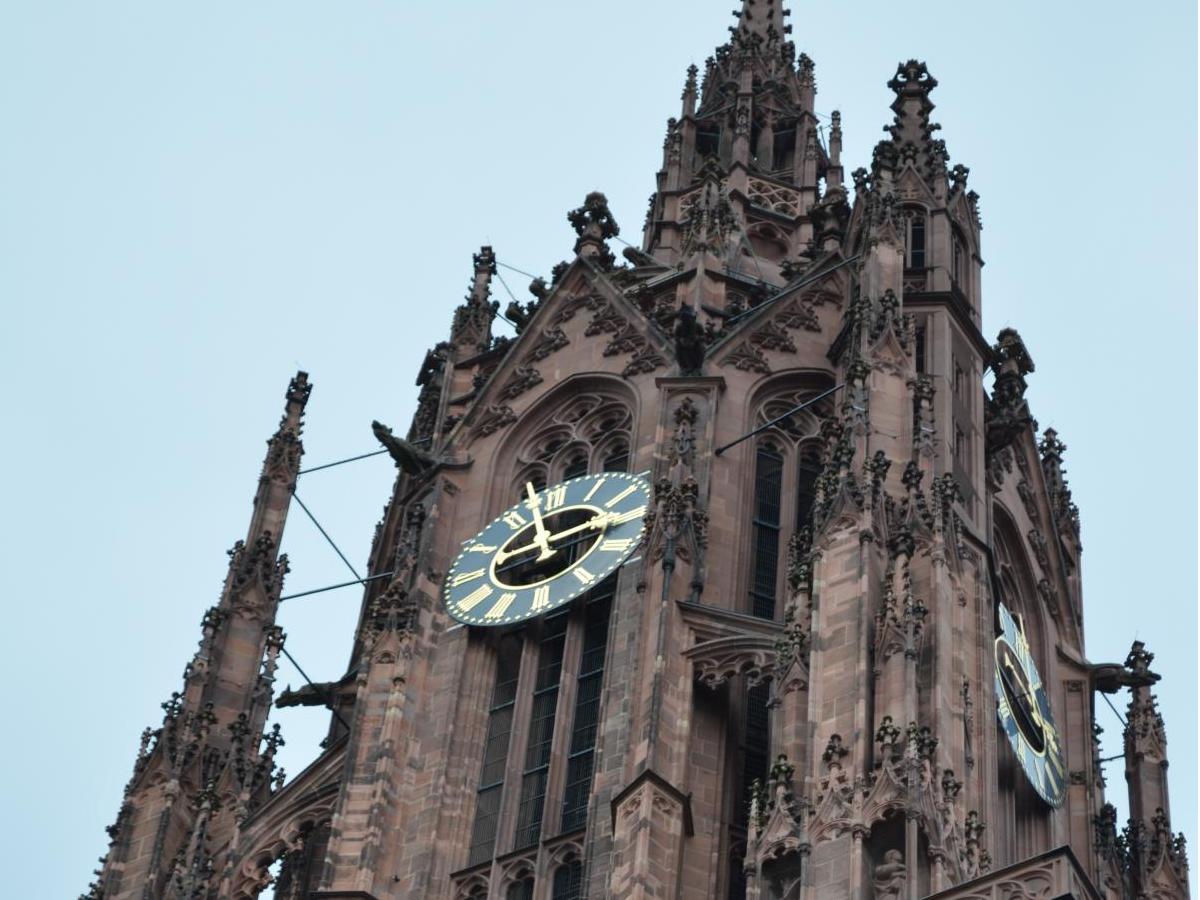
Frankfurt am Main - a city of towering skyscrapers, bustling trade fairs and unshakeable financial power. But in the heart of this modern metropolis stands a building so rich in history and stories that stepping into it is like traveling through time and space. the Frankfurt Cathedral, silent witness to the rise and fall of empires, seat of emperors, and guardian of forgotten stories. You may have passed by its magnificent Gothic façade, admired its 95-meter-high spire from afar, or snapped a photo of its red sandstone façade, but have you ever wondered what secrets this cathedral hides? But have you ever wondered what secrets this cathedral hides? What stories lie behind its weathered walls, majestic altars and centuries-old artifacts?
Advertisement
Before delving into the art and artifacts, let's take a look at the history of the cathedral. Today's Frankfurt Cathedral is a survivor - a phoenix that has been reborn from the ashes time and time again. Its origins can be traced back to the 7th century, when its original site was a Merovingian-era chapel. Over the next few centuries, it was transformed into a magnificent Gothic cathedral and was the coronation site for the Holy Roman Emperors between 1356 and 1792. Imagine the scene: mighty monarchs in gold and velvet robes kneeling before the altar, with all of Europe looking on in anticipation. But fate had other plans, and in 1867 a fire ravaged the cathedral, destroying its magnificent interior. Then, during the bombing raids of several major wars, Frankfurt Cathedral was attacked again, leaving only charred ruins. Each time, the people of Frankfurt rebuilt the Cathedral, preserving its heritage like an heirloom passed down through generations. It was once a fiery place where the spirit of resilience still lingers in the air.
Advertisement
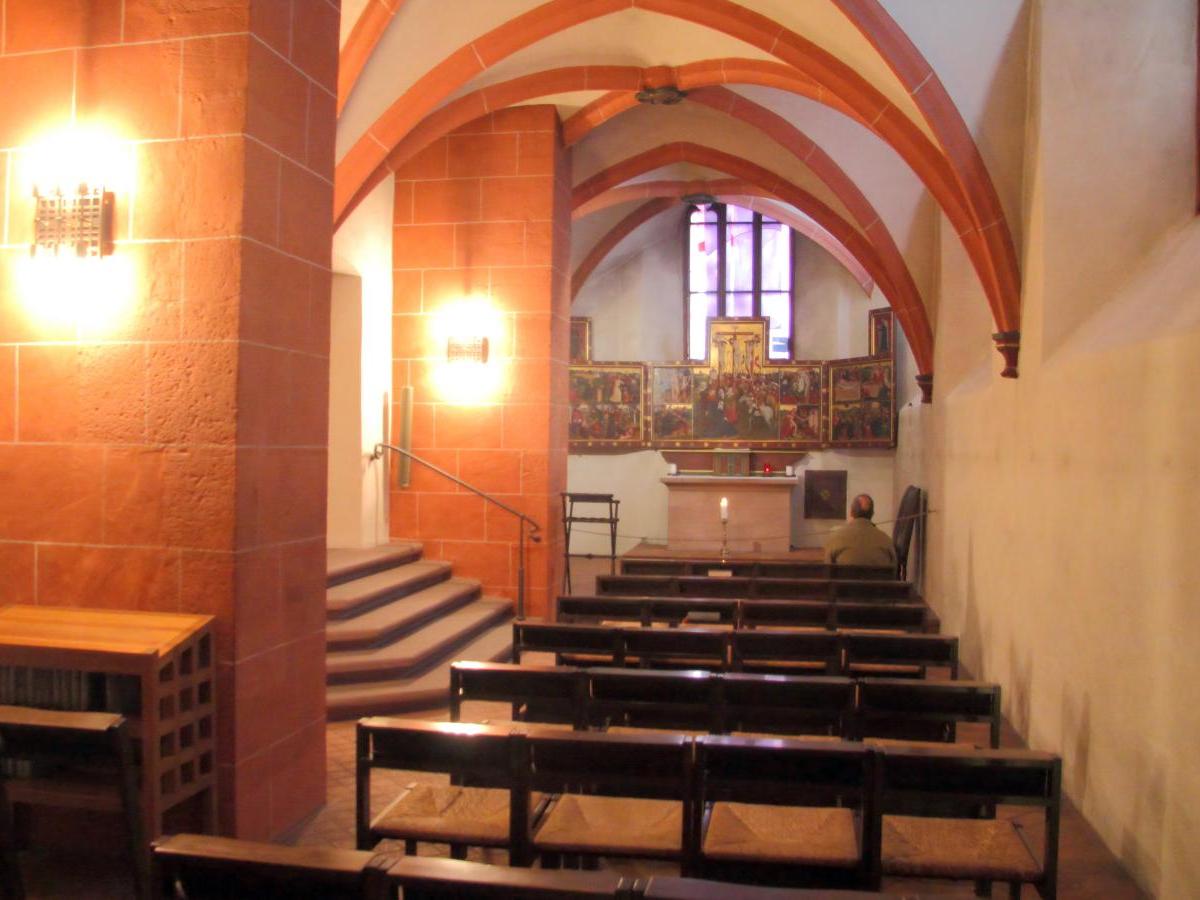
From intricate stained glass windows to beautiful sculptures, every piece of art here tells a story. The High Altar in the center of the cathedral is a breathtaking masterpiece of Renaissance art. Carved in 1489, it boasts stunning golden details and intricate biblical scenes. Look up and you'll find the cathedral bathed in ethereal light. The stained glass windows are not only decorative, they are silent storytellers. Each glass panel depicts biblical scenes, saints, and symbols of faith dating back to different periods of restoration. Some are medieval originals, while others were painstakingly reconstructed after the war. Beneath its grandeur, the cathedral is also a place of rest. Archbishops, noblemen and influential Frankfurt figures are buried here in the catacombs. You can almost feel the weight of history - the opulence, the whispered power struggles and the legacy sealed in stone.
Advertisement
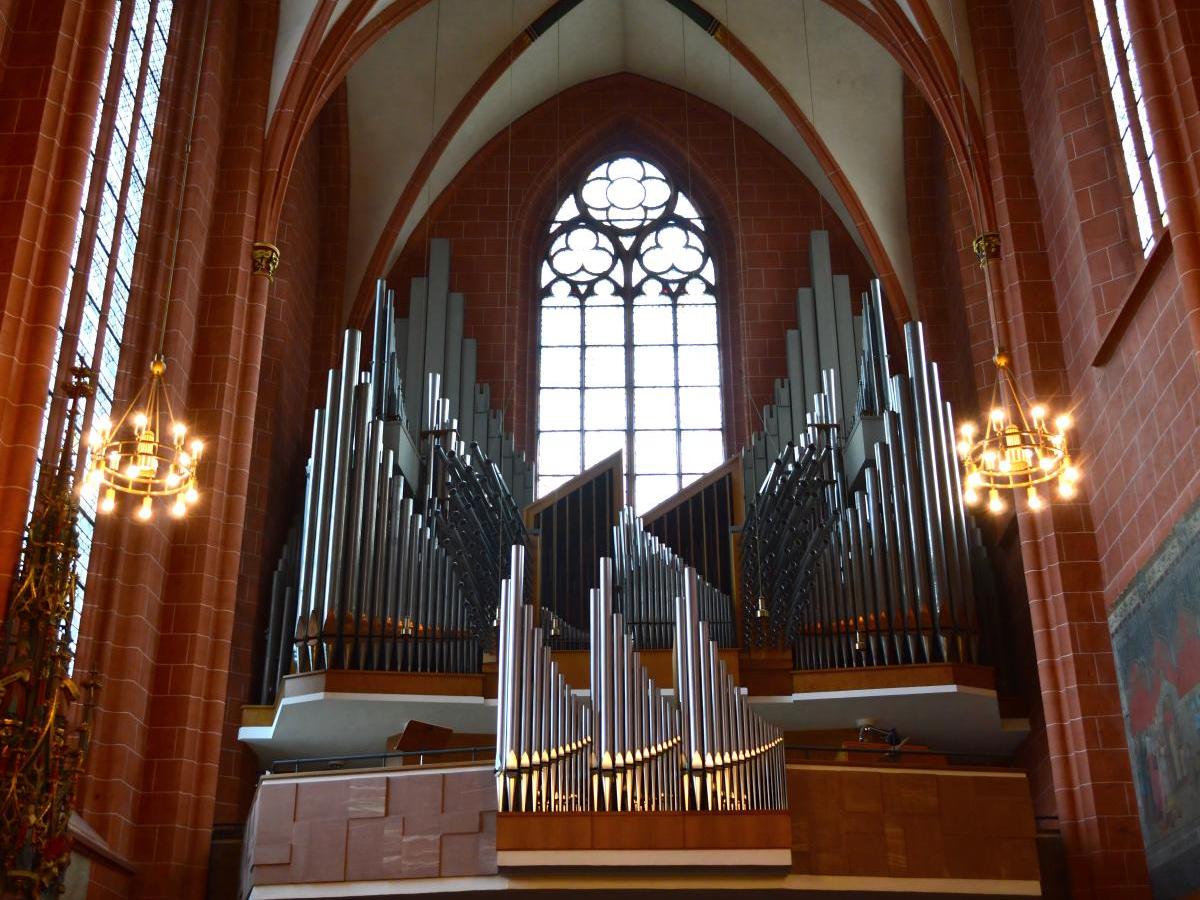
This basilica is dedicated to St. Bartholomew, one of the Twelve Apostles, and claims to contain a fragment of his skull. Some say it was brought by the Crusaders, while others believe it was a gift from Rome. For centuries, pilgrims came from all over Europe to venerate the relic, which they believed had magical powers. Even emperors visited it before their coronation, seeking divine blessings before ascending the throne. Few people know that Frankfurt Cathedral once housed the imperial insignia - the sacred symbols of the Holy Roman Emperors, including the famous Crown of Charlemagne. However, in the chaos of Napoleon's conquests, the insignia were secretly transferred to Vienna, where they remain to this day. Nevertheless, their echoes still linger in the cathedral, reminding visitors that this was once the heart of an empire. A cathedral without music is like a body without a soul. For centuries, the organ in Frankfurt Cathedral has filled the air with sacred music with its resonant and reverberating sound.
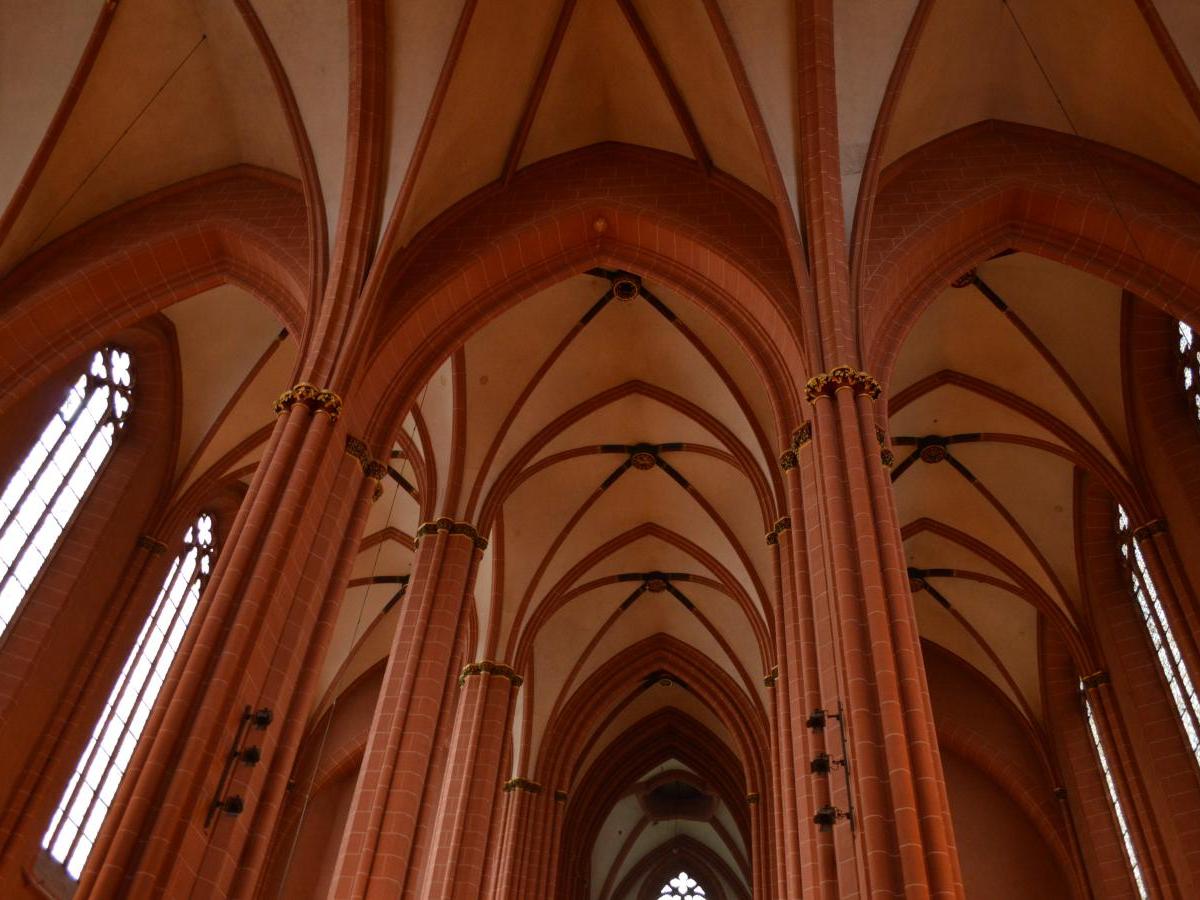
In addition to artifacts and artifacts, the cathedral carries stories that have almost slipped through the cracks of time. Some are legends, some are mysteries, but all are woven into the fabric of this sacred place. There are rumors of a hidden underground passage beneath the cathedral that leads to unknown destinations. Some believe it is connected to the medieval city walls, while others rumor it was an escape route for the emperor in times of crisis. While there are no official records confirming its existence, the idea lingers at our feet - an unsolved mystery. It is said that after Francis II, the last emperor of the Holy Roman Empire, was crowned in Frankfurt Cathedral in 1792, a strange silence fell over the city. Within a few decades, the empire collapsed and no more emperors were crowned here.
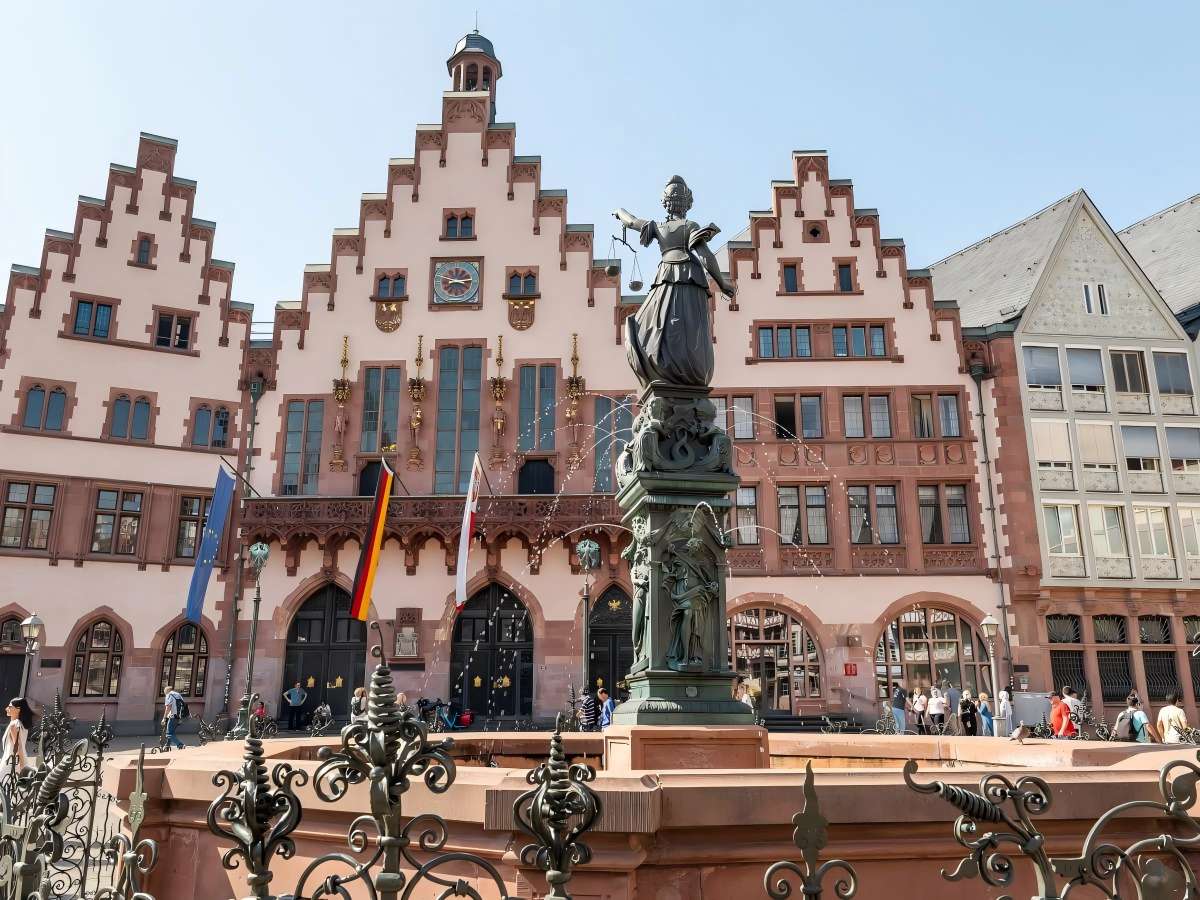
It's easy to think of historic buildings as relics of the past, but Frankfurt Cathedral is more than that. It is a testament to a resilient spirit, a treasure trove of forgotten stories, and a place where history still breathes. When you come to Frankfurt Cathedral, don't just glance at its red sandstone walls from Römerberg Square. Step inside, run your fingers over the old seats, look up at the stained glass, and listen - for the music, the silence, and the sounds of the past that still echo through the halls. Listen closely and you might just hear Frankfurt Cathedral whispering its story to you.