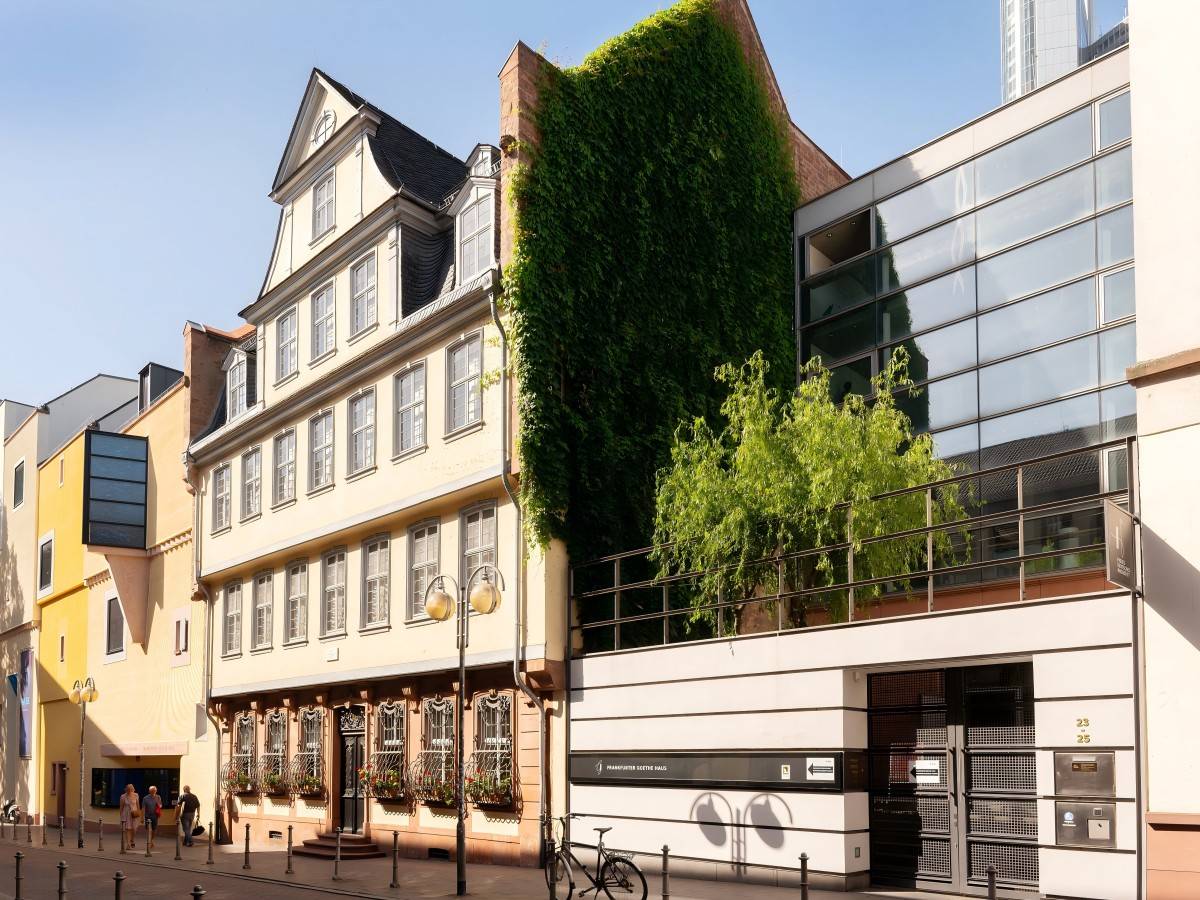
Stepping into the Goethe-Haus is like turning the pages of an age-old book and being transported to a world where every creaking floorboard and sun-drenched window whispers stories of wonder, struggle and creativity.The Goethe-Haus, the childhood home of Johann Wolfgang von Goethe, is more than just a well-preserved brick and mortar building; it is a living museum of the memories, emotions and humble beginnings of Germany's greatest literary genius.
Advertisement
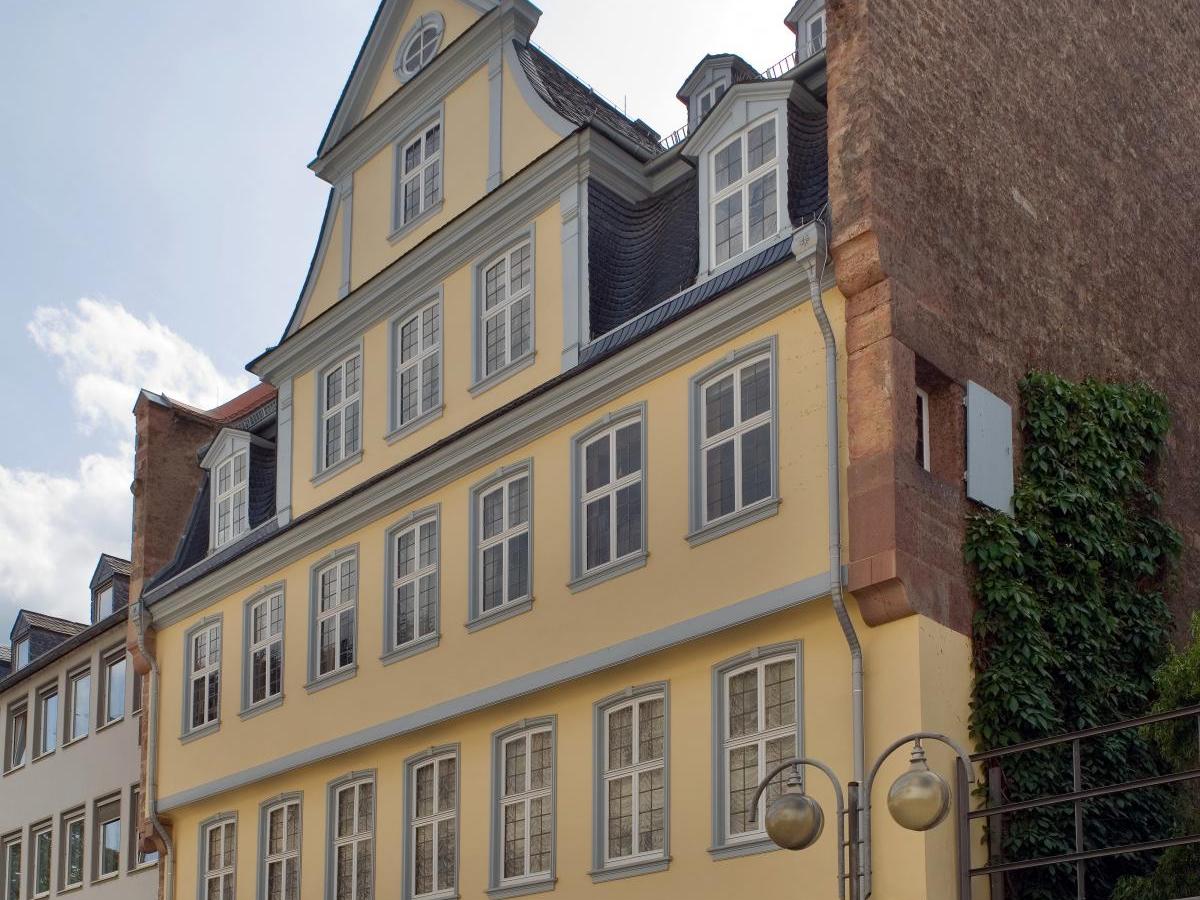
Come to a quiet corner of Frankfurt, where modernity and history blend harmoniously. The streets are lined with trees, the leaves rustle in the soft autumn breeze, and beyond the bustle of the city center sits a simple but charming house, the Goethe-Haus, whose faded façade stands proudly in spite of the years, and inside which are the secrets of a childhood that will one day blossom into the fullness of a literary genius. The moment you approach the building, it is as if you have stepped into another world, where history is no longer confined to textbooks, but lives on in every corner of the building. Walking up to the entrance, you notice subtle details: the elaborately carved wooden door, the delicate iron handles, and a small plaque stating that this is the birthplace of Johann Wolfgang von Goethe. Stepping inside, the air seems thick with memories. Filled with antique furniture, period decorations and personal mementos, the interior makes you slow down and listen to the echoes of a teenager's first dreams of a life of infinite possibilities.
Advertisement
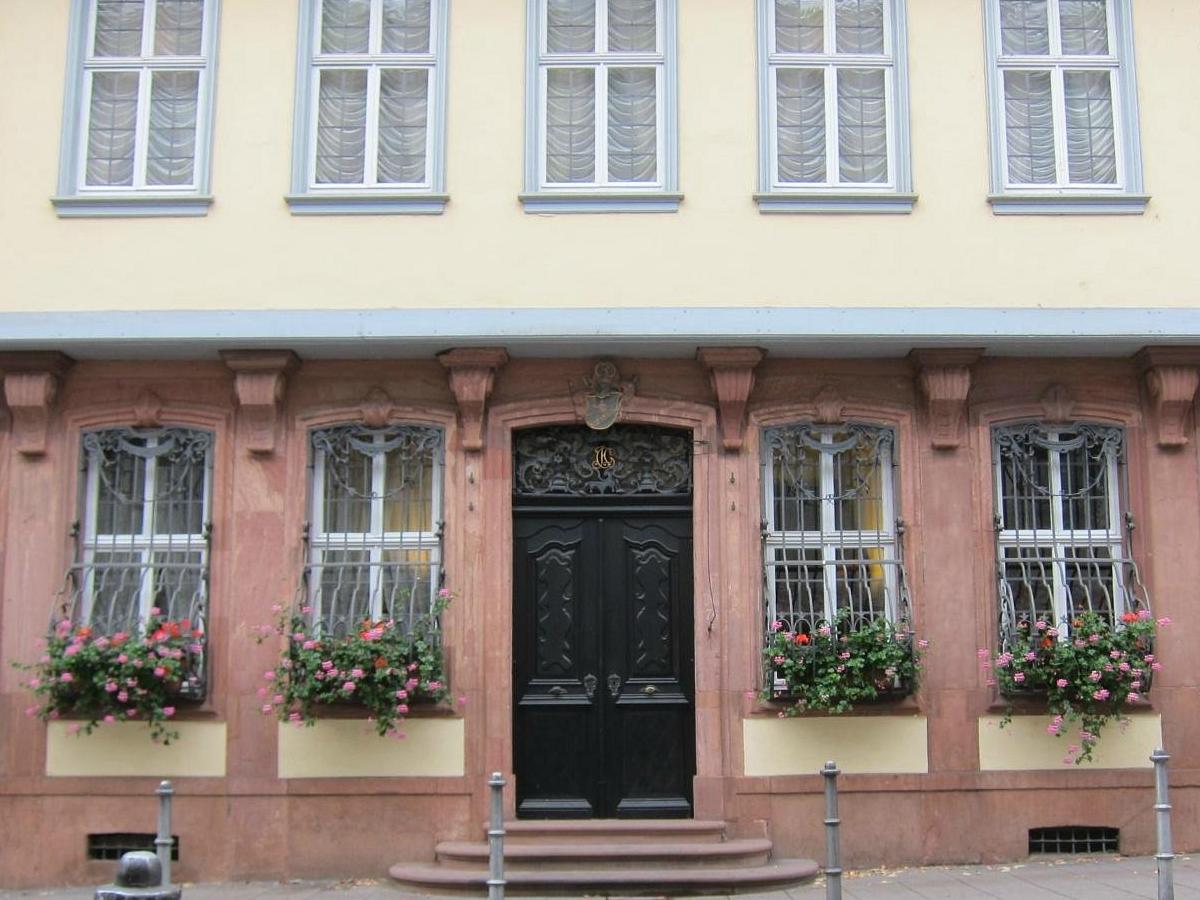
The building itself is a testament to the architectural styles of the time, a charming blend of simplicity and elegance that reflects the humble and dignified lives of its inhabitants. The narrow, tall rooms and steep staircases tell the story of a family that valued tradition and learning, and every nook and cranny of the Goethe-Haus has been carefully preserved to capture the essence of the early 18th century, when the young Goethe strolled through these halls, soaking up the world around him like a sponge. When strolling through the sitting room, notice the original wooden beams overhead polished to a shine by centuries of use, and the patterned wallpaper suggesting stories of joy and sorrow, love and loss. The large windows, though now protected by modern glass, once allowed natural light to dart across the worn wooden floors in shifting patterns that may well have inspired a budding writer. There is a delicate balance in the building, a harmony that mirrors the balance Goethe sought in his own life - a blend of intellect, art and passion.
Advertisement
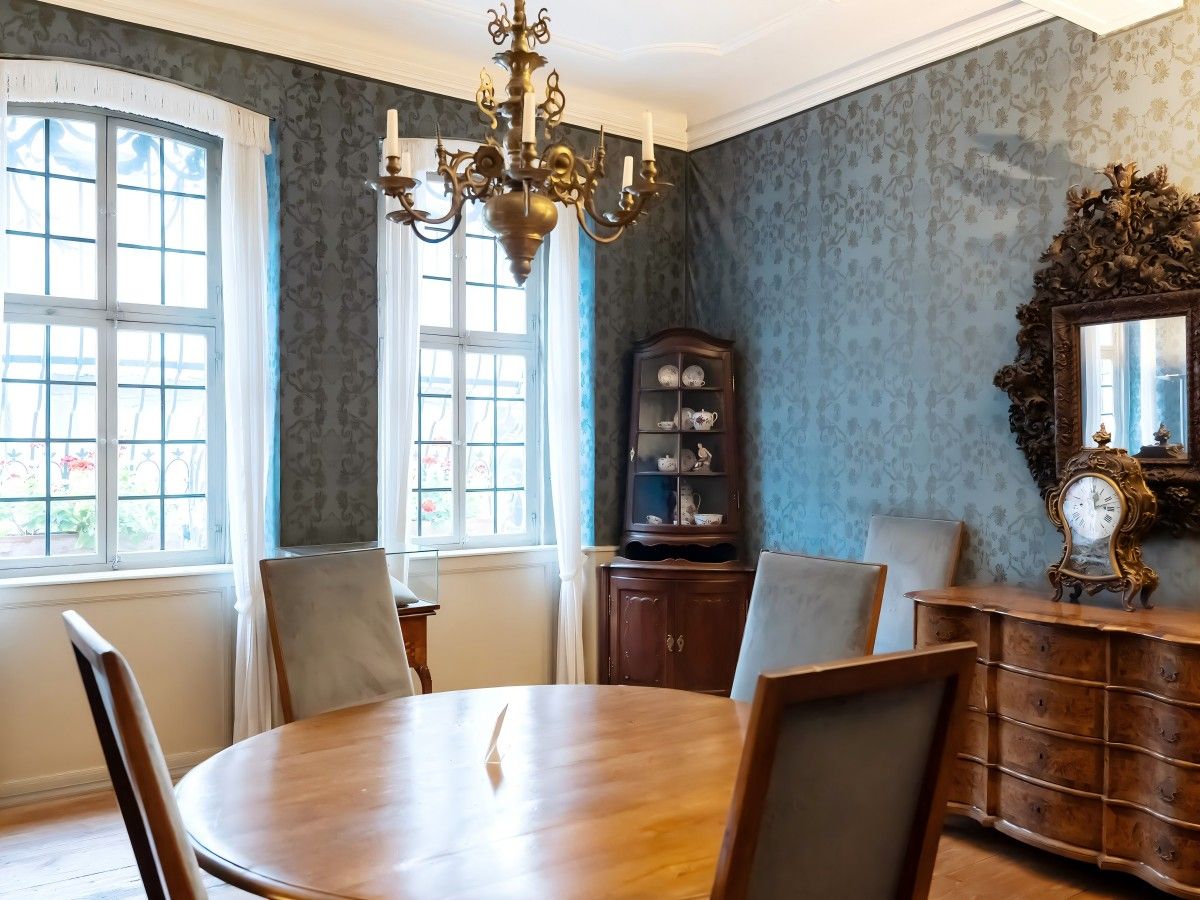
To truly understand Goethe-Haus, one must step into the life of its most famous inhabitant, Johann Wolfgang von Goethe, who was born in this very house in 1749 and spent his childhood amidst tradition and the beauty and innocence of the natural world. His childhood was filled with curiosity, an insatiable desire to learn, and a deep connection to the world around him. The simple furnishings of his home and his elaborate collection of books and works of art were the perfect incubator for his imagination. Even as a child, Goethe was known for his keen observation and habit of writing down his thoughts and dreams. His family recalls that the young Goethe used to scribble in his notebooks by candlelight, his eyes filled with curiosity about a world that extended far beyond the walls of his home. Filled with reflections on nature, humanity, and the mysteries of life, these early works offer a glimpse into the thought-forming process that would later lead Goethe to produce some of the most profound works in German-language literature.
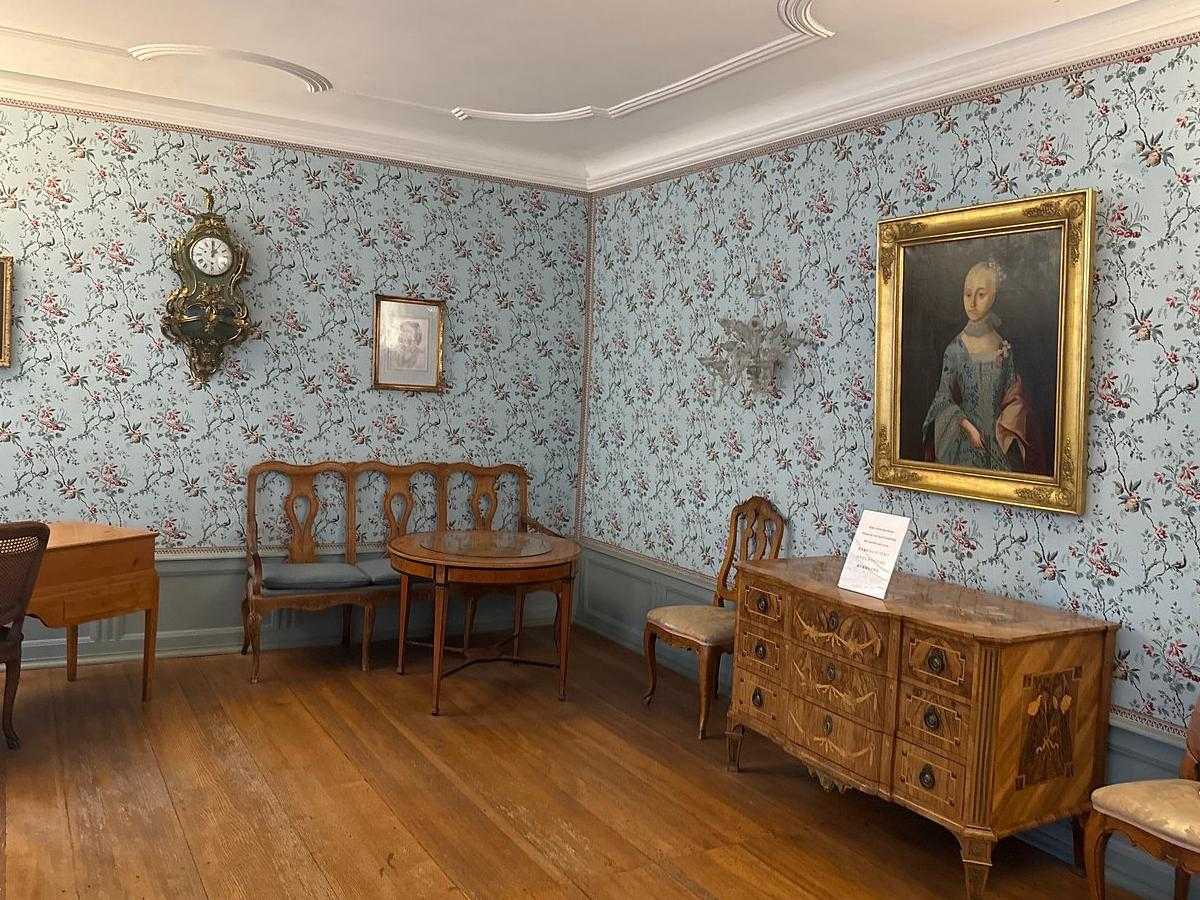
Strolling through the Goethe-Haus, you can't help but be fascinated by the many artifacts that have been carefully preserved over the centuries. These objects are not just relics of a bygone era, they are active participants in the narrative of Goethe's life. Whether it's a simple piece of furniture, a well-worn book, or a delicate trinket, each piece has its own story to tell. In the study, you may find a writing desk that once belonged to the young Goethe. The desk is not very tall, but the surface is left with faint traces of ink and charcoal, evidence of countless hours spent in the company of thought. Here, in this very spot, Goethe may have written his earliest verses, sketches of thoughts that would one day evolve into mature masterpieces. The desk is a powerful reminder that everyday objects can be imbued with extraordinary significance when touched by the hand of genius. In another room, a collection of private letters and manuscripts is carefully displayed. These documents offer intimate insights into the mind of this young writer, revealing his struggles, his dreams, and the factors that shaped his understanding of the world. You can almost hear his voice echoing through the room, a soft, reflective tone that speaks of hope and despair, joy and sorrow. Written in an elegant, unassuming script, these letters are like whispers from the past, urging modern visitors to appreciate the timeless nature of human emotion and thought.
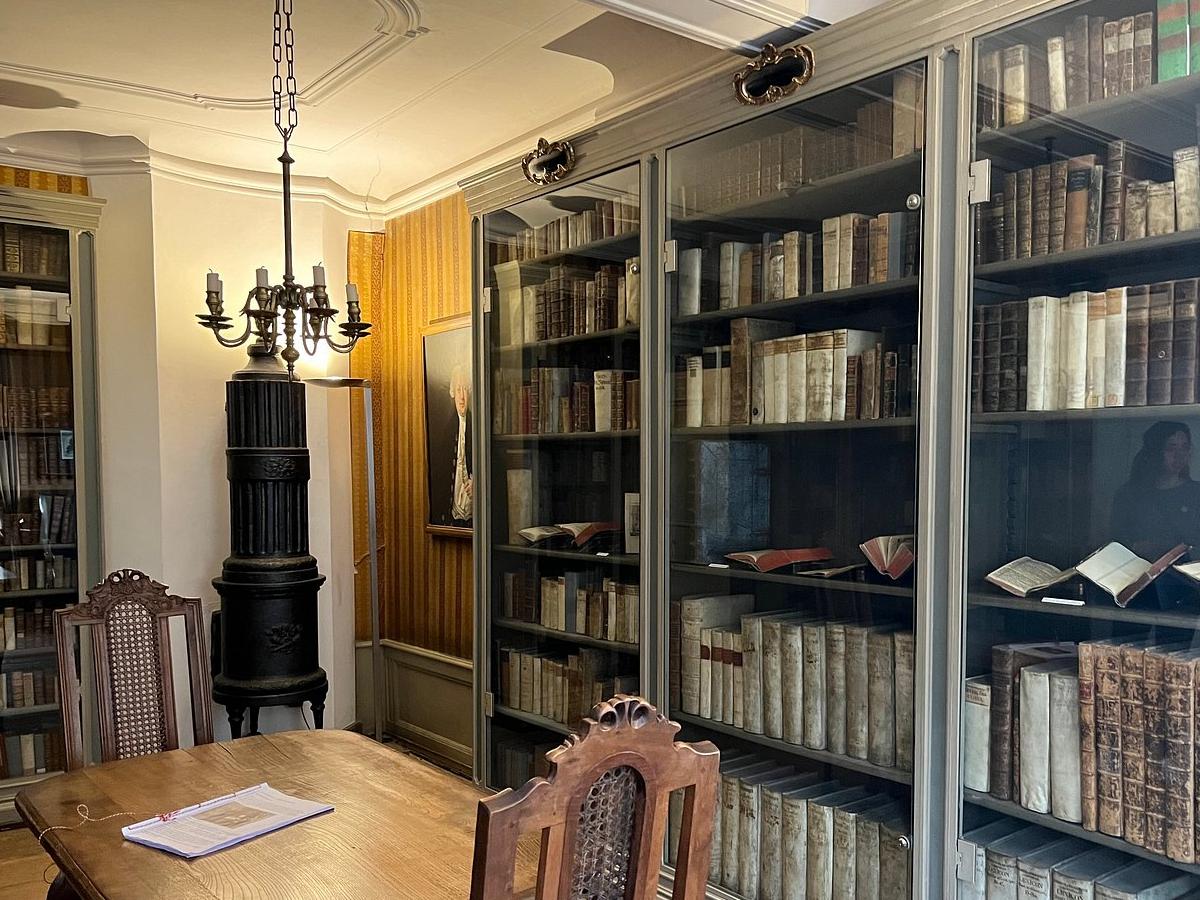
One of the most striking things about Goethe-Haus is the literary and creative pulse that seems to leap from every room; Goethe-Haus itself is a character in Goethe's life story, and each room is a chapter in Goethe's formative years. As you walk from room to room, you are guided into a narrative that is both personal and universal-a narrative that speaks to the power of literature to change lives and connect generations. In the small, intimate study, you may notice shelves lined with classic works of literature popular in Goethe's time. These books are weathered and worn, but they have been carefully preserved, just like the ideas they contain. They represent the collective wisdom of countless writers and thinkers who, like Goethe, sought to understand the mysteries of life and express their thoughts in words that could touch the soul. The study is a quiet sanctuary where the act of reading is sublimated into a meditation-a practice that reminds us of the enduring power of storytelling.The corridors of Goethe's home are also lined with subtle inscriptions, quotes and symbols celebrating the literary legacy of the home's most famous occupant. These details are small, but full of meaning.
Take a stroll along the garden path, where you can pause for a moment on one of the antique benches and soak up the serenity of the place. The garden, like the house itself, is a living museum - where nature and history coexist in harmony. Some of the trees are centuries old, like silent sentinels witnessing the passage of time and the constant cycle of life. It is not difficult to imagine the young Goethe sitting in these gardens, contemplating the vast mysteries of nature. Every step taken in the gardens is a step back in time, giving you the opportunity to reacquaint yourself with the simple pleasures and profound insights that have shaped countless lives.