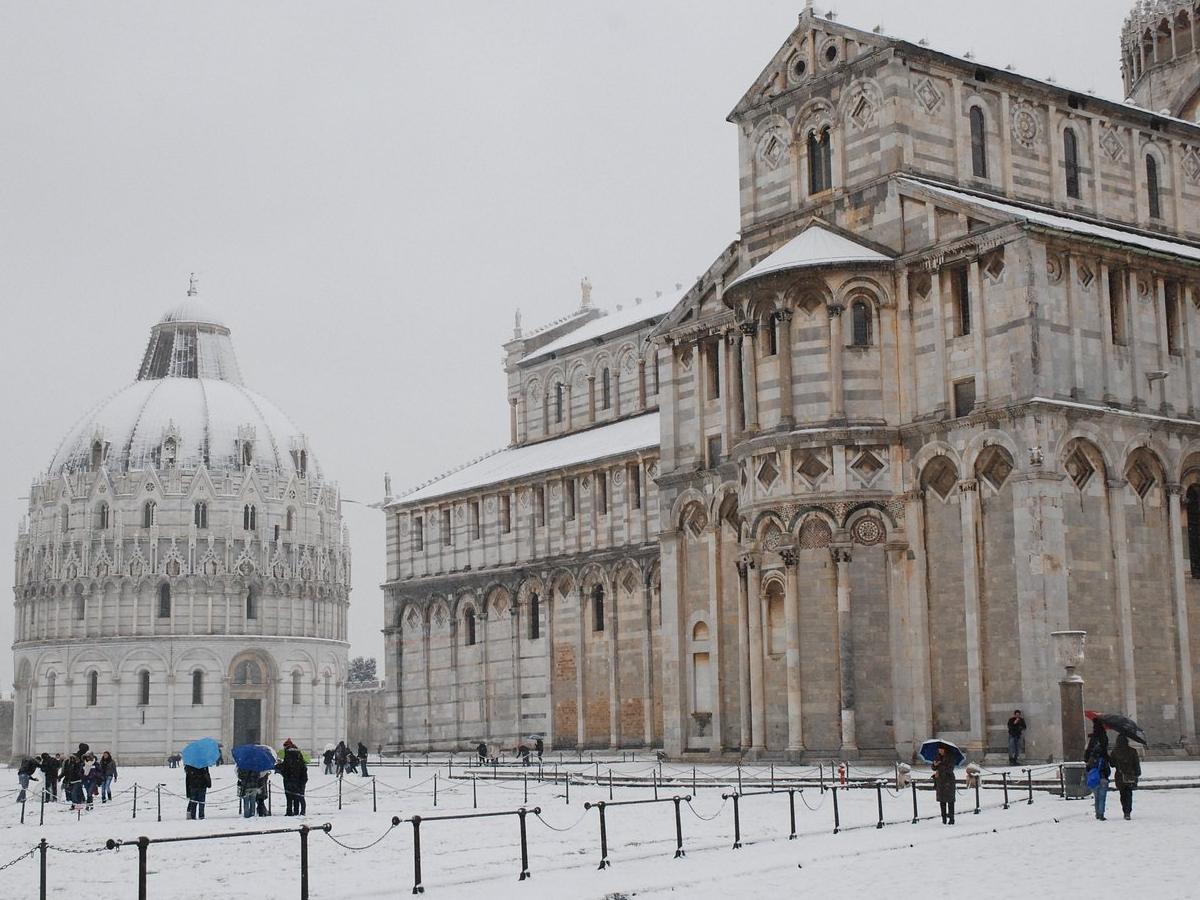
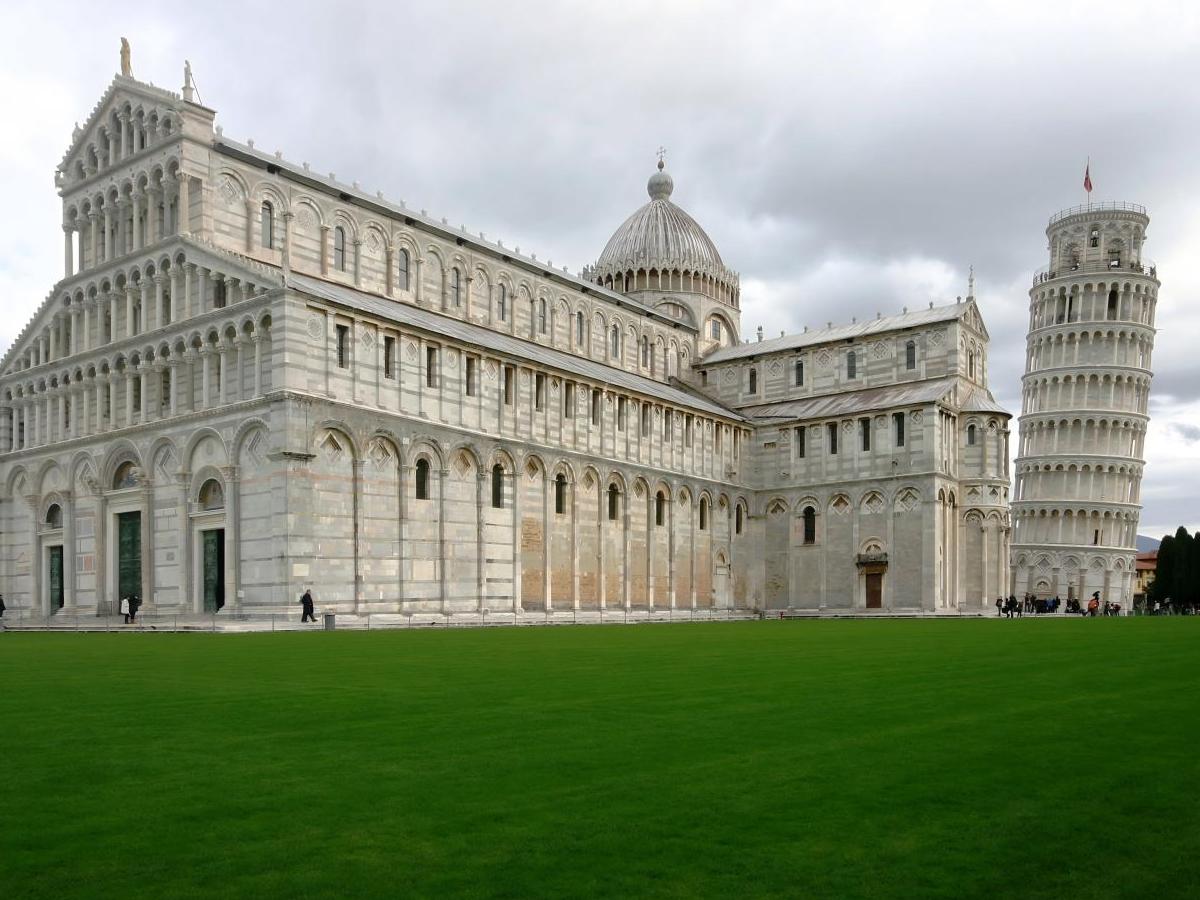
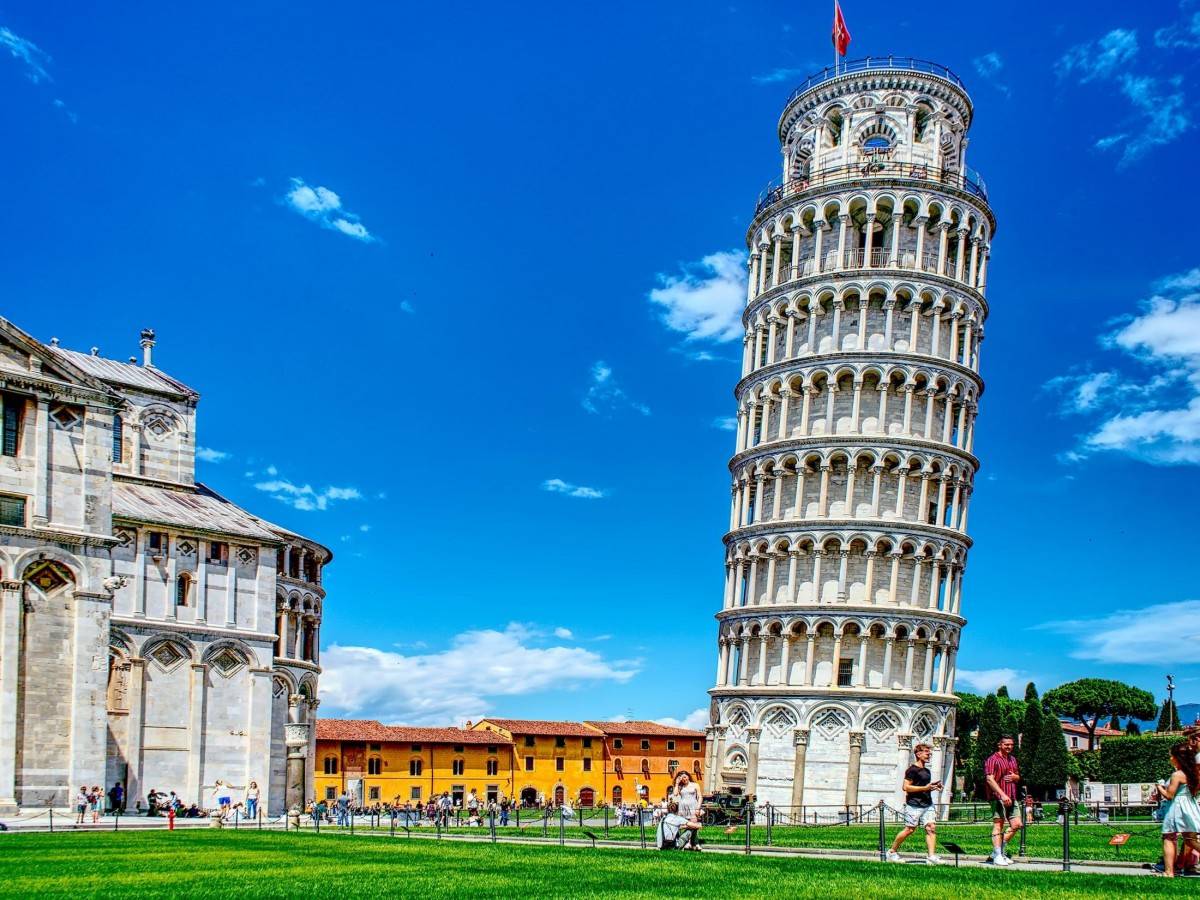
On Piazza Miracle Square in Pisa, Italy, a white marble tower attracts the attention of the whole world with its unique posture. The leaning of the Leaning Tower of Pisa was not a deliberate design, but a beautiful accident. This bell tower, built in 1173, began to tilt due to foundation settlement in the early stages of construction. In the following eight centuries, the inclination angle continued to increase, reaching 5.5 degrees at its maximum. It is amazing that this seemingly shaky tower not only did not collapse, but instead stabilized after repeated restoration, becoming a miracle in architectural history.
Advertisement
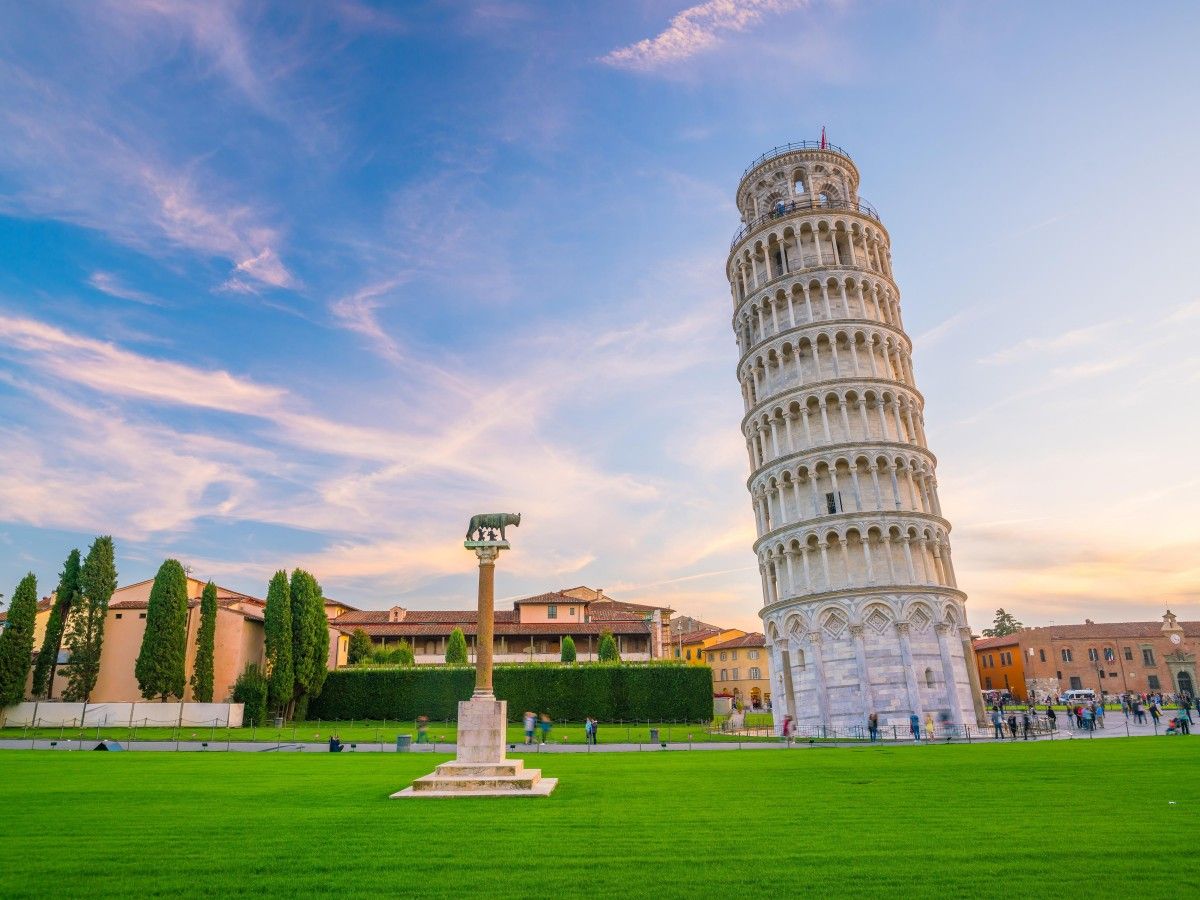
The inclination of the Leaning Tower of Pisa is due to its special geological conditions. The strata where the tower base is located is composed of ancient marine sediments, the upper layer is soft clay, and the lower layer is a dense sand layer. This geological structure is very common in the Tuscan region, but architects failed to fully consider the foundation bearing capacity when selecting the site. The foundation of the tower is only three meters deep, which is obviously not stable enough for a building up to 55 meters.
Advertisement
The selection of building materials has also intensified the degree of inclination. Although white marble is beautiful, it is denser, which puts huge pressure on the foundation. As construction progressed, the foundation on the south side of the tower began to sink, and the project had to be suspended when construction reached the fourth floor. This stop has been nearly a century, during which the foundation has undergone natural consolidation, creating conditions for subsequent construction.
Medieval architects took a series of corrective measures. They adjusted the upper structure during the continuation, trying to balance the tilt by changing the center of gravity. Although these measures failed to completely correct the tilt, they effectively controlled the tilt speed and won the Leaning Tower a chance to survive.
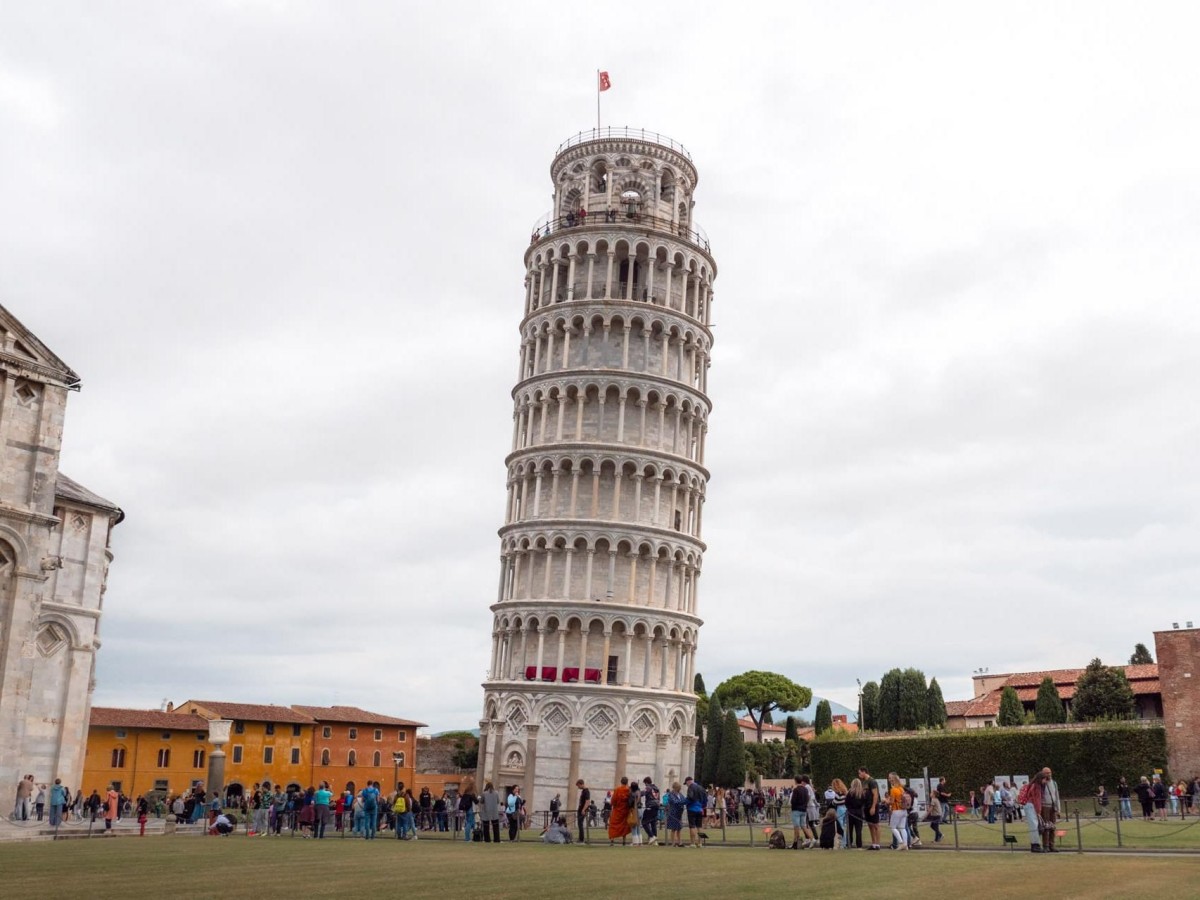
In the 20th century, the issue of the leaning tower of Pisa attracted global attention. In 1990, the tower top deviated from the vertical center line by 4.5 meters, and the inclination speed was significantly accelerated. The Italian government set up a special committee to convene the world's top engineers to discuss solutions.
Advertisement
Engineers have adopted innovative foundation stress relief. They drilled holes on the higher side of the tower foundation and slowly removed part of the soil to gradually return to the right. This approach avoids the possible damage caused by traditional reinforcement methods and achieves minimal intervention in historic buildings.
During the restoration process, modern technology played an important role. Engineers installed a sophisticated monitoring system to track every slight change in the tower body in real time. Through this data, they can accurately control the deviation correction process and ensure engineering safety.
In addition, the engineers also used the counterweight method, adding hundreds of tons of lead blocks to the lower side of the tower foundation to balance the center of gravity of the tower body. Although this method seems simple, it requires extremely precise calculation and control in actual operation. The addition and removal of lead blocks must be taken care of to avoid additional pressure on the tower body.
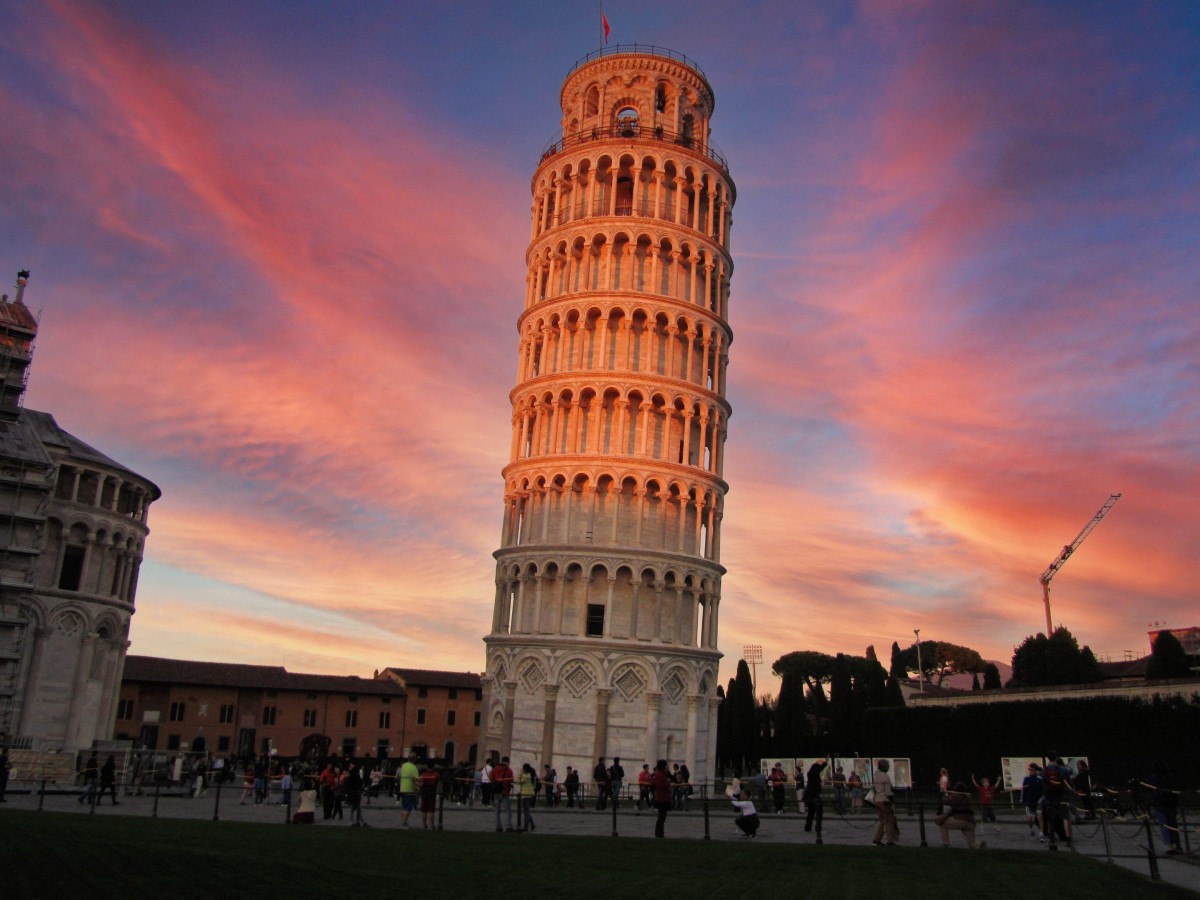
The legend of Galileo's free fall experiment added a scientific aura to the Leaning Tower of Pisa. Although historians doubt the authenticity of this legend, it does reflect the special status of the Leaning Tower of Pisa in the history of scientific development. As an inclined building, it itself is an excellent experimental field for studying the effects of gravity.
The architectural aesthetic value of the Leaning Tower cannot be ignored. Its tilted posture breaks the symmetrical beauty of traditional architecture and creates a unique visual tension. The rhythmic feeling of the eight-story colonnades produces subtle changes in the tilt, creating an amazing artistic effect.
The protection experience of the Leaning Tower of Pisa provides valuable reference for the protection of World Heritage Sites. It proves that through scientific methods and prudent attitudes, even historic buildings with serious structural problems can be effectively protected.
The story of the Leaning Tower of Pisa is far from over. It is not only a miracle in the history of architecture, but also a witness to human wisdom. From the initial construction mistakes, to the medieval correction attempts, to modern technological restoration, this tower witnessed the continuous exploration of construction technology by mankind. Its existence reminds us that in the dialogue between architecture and nature, we must respect the laws of nature and believe in the power of technology. The Leaning Tower of Pisa will continue to stand in Piazza Miracle, telling the world about this legend that spans eight centuries. Today, the Leaning Tower of Pisa has become an important cultural symbol in Italy and the whole world. Millions of tourists come to see this architectural miracle every year. The leaning tower's tilt posture not only does not weaken its charm, but instead makes it a unique existence. Its story tells us that sometimes defects can become a kind of beauty, and human wisdom and perseverance can preserve this beauty forever.