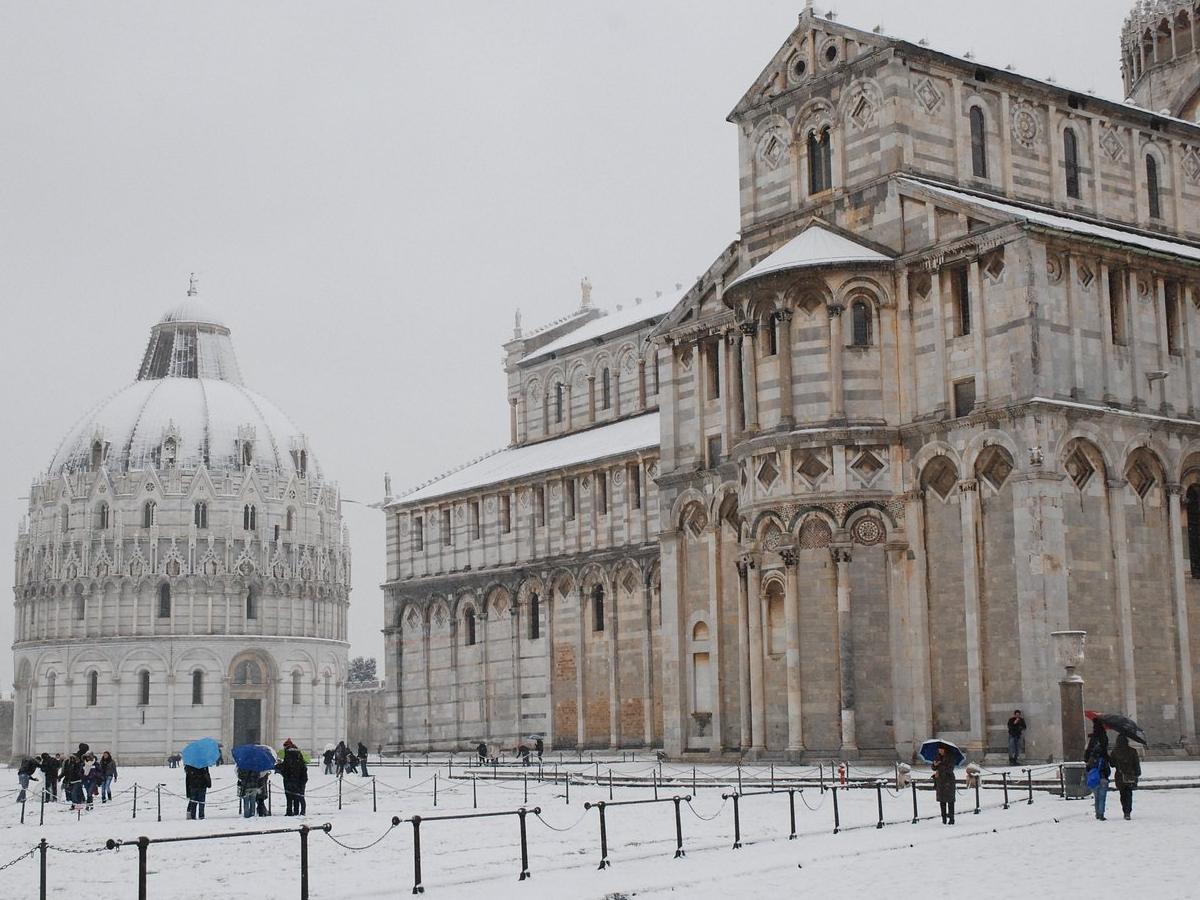
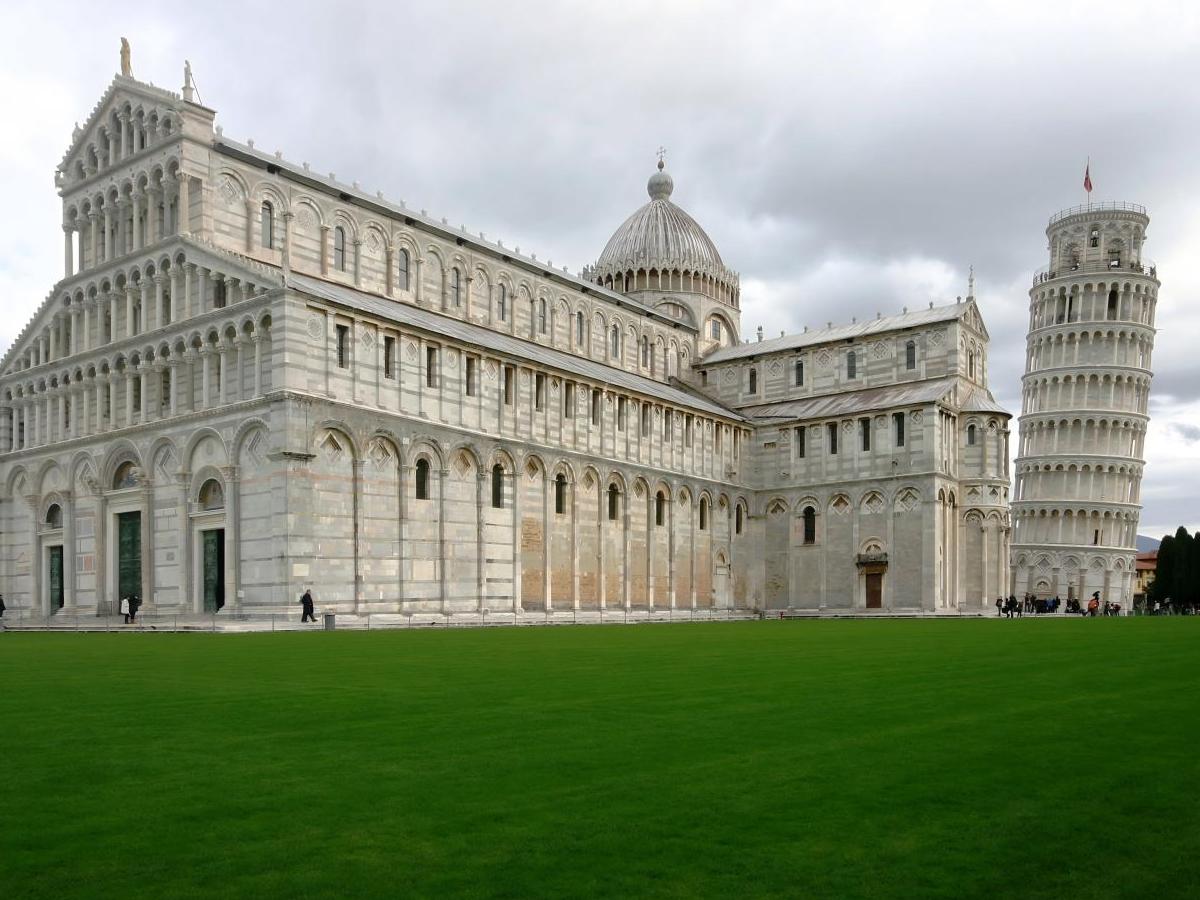
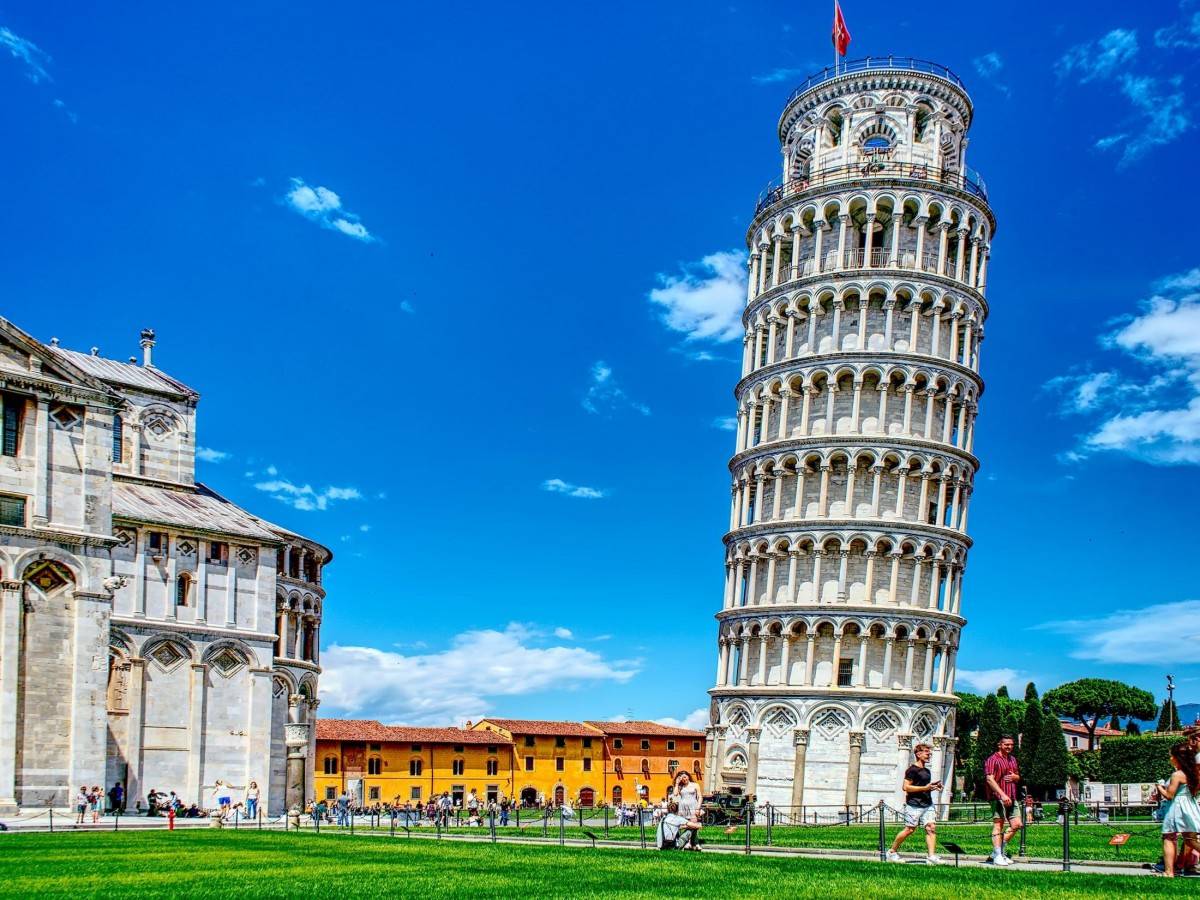
Situated in the heart of Piazza dei Miracoli is a stunning architectural wonder: the Pisa Cathedral. with its grand facade and intricate detailing, it is a masterpiece of Romanesque architecture. the Pisa Cathedral has its own fascinating and enigmatic history, which is full of legends that make it as beautiful as it is intriguing. Step into the shadows of the cathedral and there is much more to this place than meets the eye. Behind its impressive façade, Pisa Cathedral hides secrets, powers, beliefs and even mysterious stories, all woven into the fabric of its existence. Let's take a look back at the history of Pisa Cathedral and learn about the legends that surround it, as well as the intriguing mysteries that continue to attract visitors from all over the world.
Advertisement
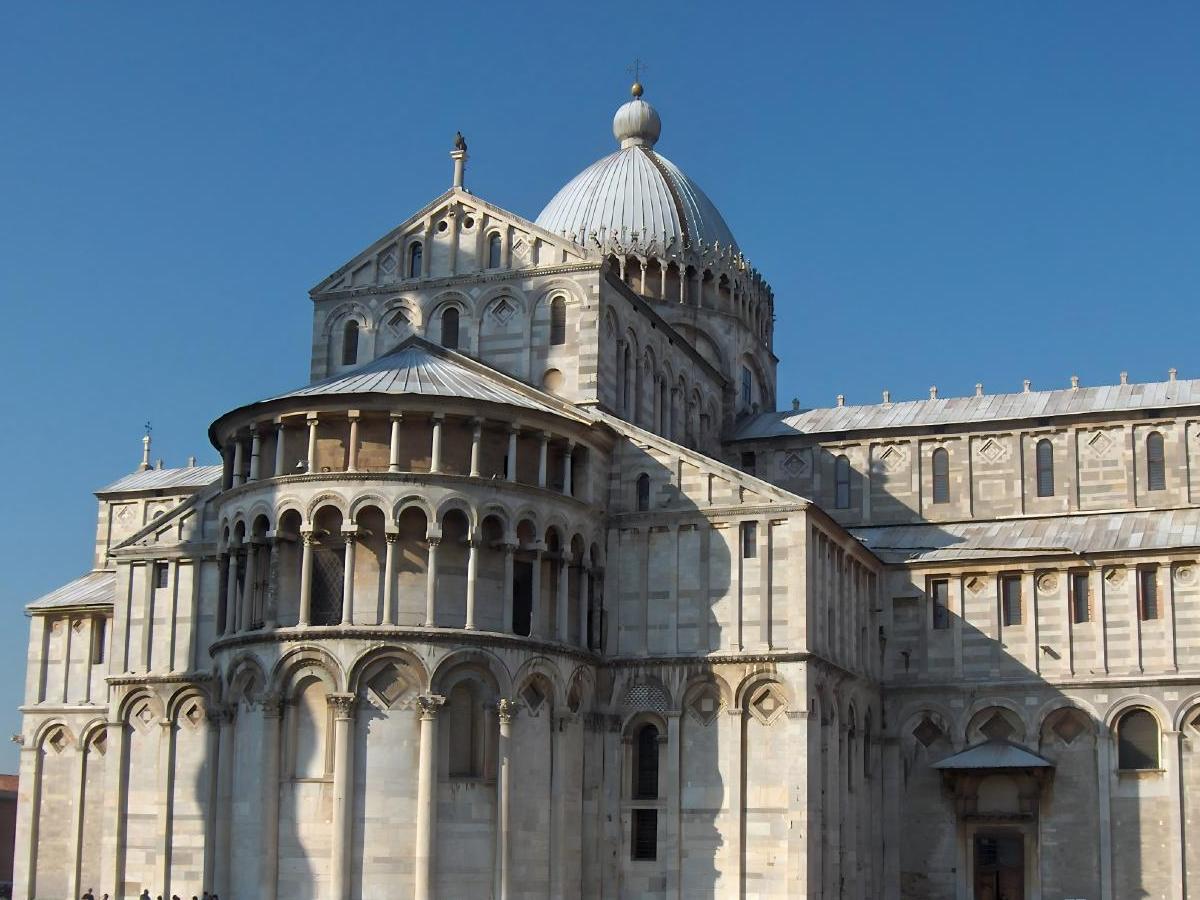
In the streets of medieval Pisa in 1064, the city was booming. This was a period of incredible growth for Italian city-states, and Pisa was a center of trade, art and culture. You could hear the sounds of artisans at work, merchants chattering, and scholars having lively discussions. It was the perfect time for the city to embark on a monumental project: the construction of a magnificent cathedral.The idea for the Pisa Cathedral came from the city's political and religious leaders, who wanted to build a building that would symbolize the power and importance of Pisa. The design was entrusted to the architect Buscheto di Giovanni Giudice, who worked with a group of skilled artisans and laborers. Eventually, the Romanesque building was presented, with its striking facade featuring intricate carvings and massive bronze doors. Designed to rival the greatest churches of its time, this cathedral succeeded in many ways. The cathedral was built not only to fulfill the spiritual needs of the people, but also to maintain Pisa's dominance in the region. It was a place of worship, political power and cultural prestige, a testament to the city's ambitions.
Advertisement
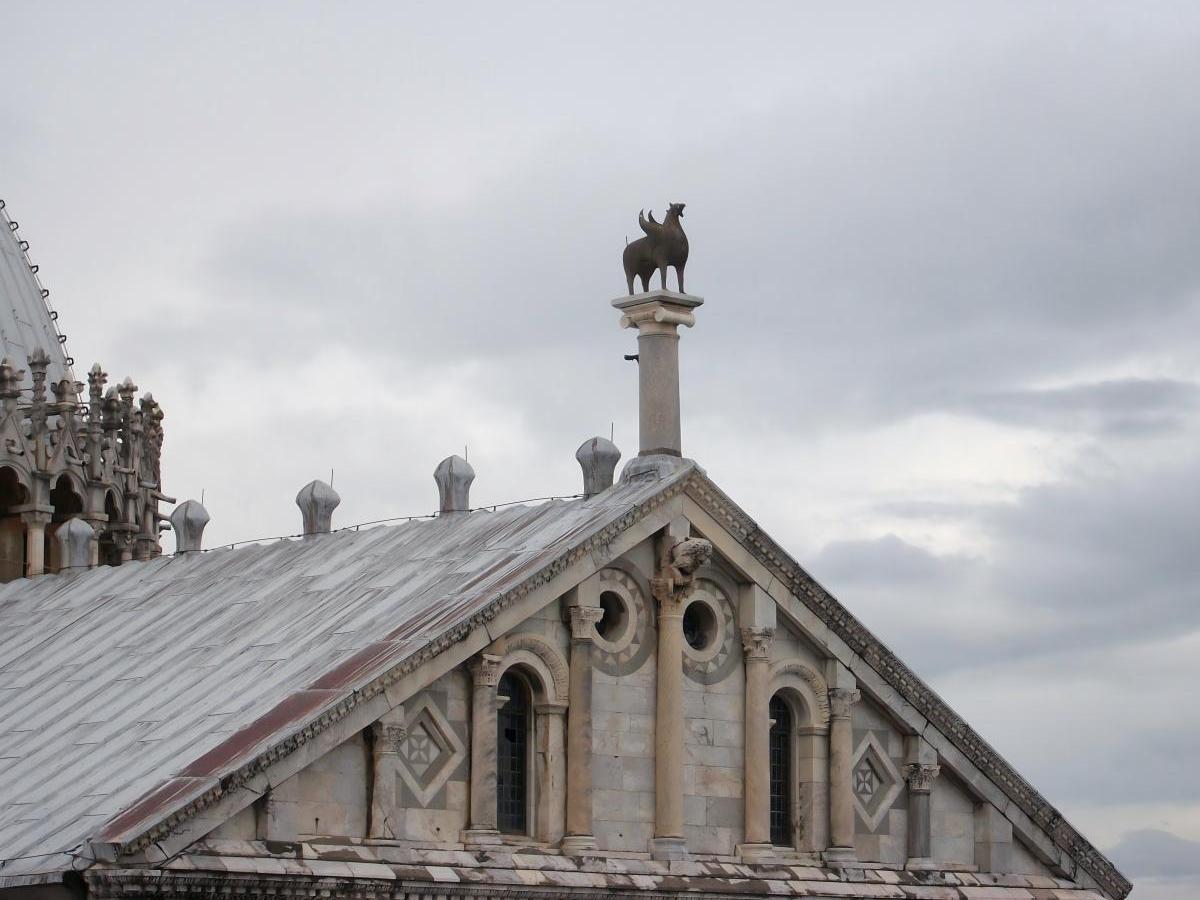
More than just a religious center, it was at the heart of the city's rise to prominence as a maritime power in the 11th and 12th centuries, when Pisa dominated the Mediterranean with its vast fleet of ships. As a major naval republic, Pisa's influence reached as far as North Africa and the Middle East, and the Pisa Cathedral reflects the city's naval power in many ways, with its grandiose structure reminding all who enter Pisa of its dominance. It was during this period that the Pisa Cathedral became a symbol of Pisa's political ambitions. The city's leaders used the cathedral as a platform for displaying their wealth and influence, commissioning works of art and organizing lavish ceremonies.The Pisa Cathedral was not only a place of worship, but also a venue for political rallies, state events and even military victories. However, as much as the cathedral symbolized Pisa's power, it also marked the beginning of the city's eventual decline.During the thirteenth century, the role of the Pisa Cathedral as a symbol of Pisa's power was threatened by the growing influence of the other city-states of Italy, especially Florence. The balance of power in the region shifted, and Pisa, once a powerful naval force, began to lose control. Yet, despite the challenges, the Cathedral remained the center of the city, a silent witness to the glory and decline of Pisa's golden age.
Advertisement
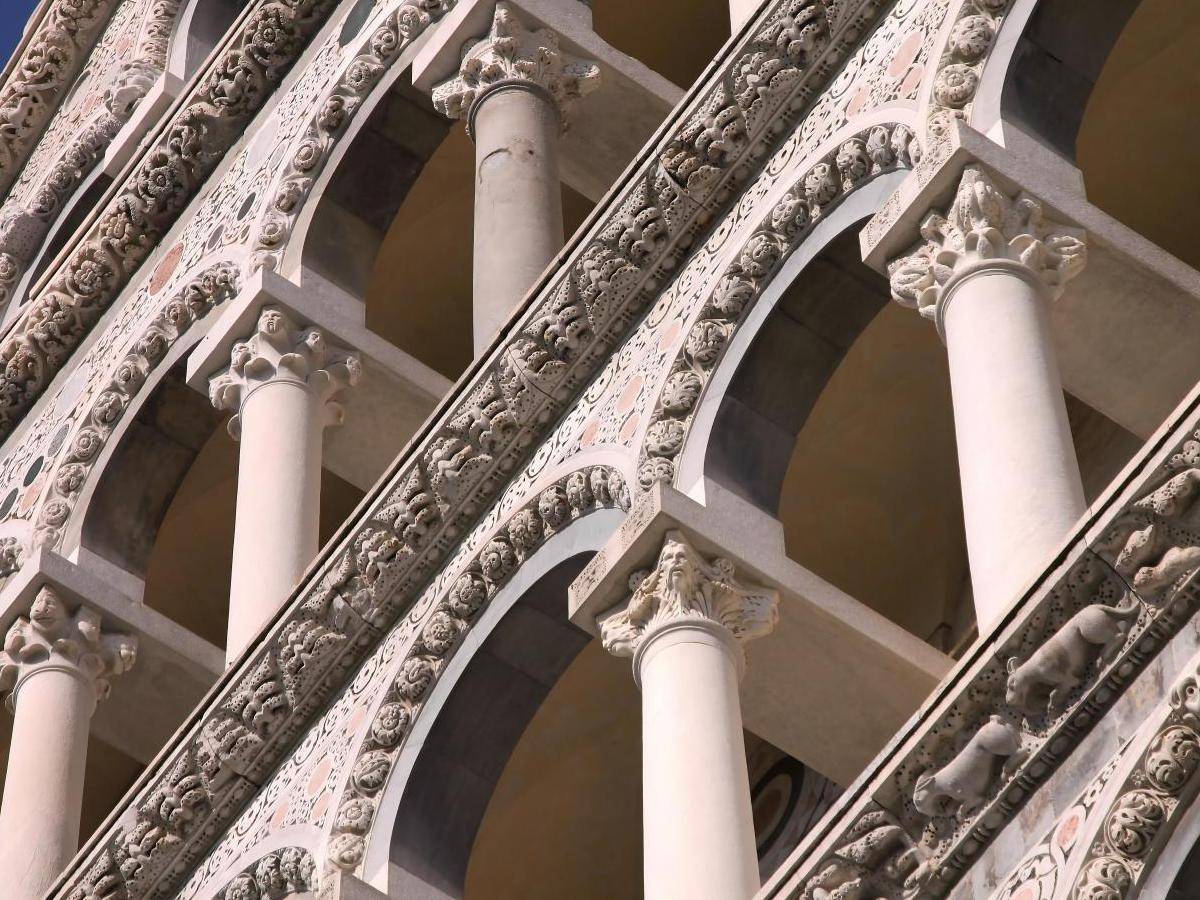
No visit to Pisa Cathedral would be complete without getting to know its famous neighbor, the Leaning Tower, an iconic structure often mistakenly thought to be part of the Cathedral, but which is actually a separate bell tower. However, the Leaning Tower's proximity to the Cathedral and its being part of the Cathedral complex has generated a long history of interest and speculation about its design and construction. The Leaning Tower, like the Cathedral, was built during a period of wealth and ambition for the city. The Leaning Tower was built in the 12th century and, like the Duomo, is a magnificent symbol of Pisa's power. However, the Leaning Tower of Pisa's most notable feature - its inclination - was not planned. As construction began, the base of the tower proved unstable, causing it to lean. Over the centuries, the tilt increased, making the Leaning Tower one of the most famous structures in the world. The leaning of the Leaning Tower is more than just an engineering oddity; it is a symbol of Pisa's turbulent history. For centuries, the Leaning Tower has been seen as a metaphor for the city itself: a once-powerful nation that, despite its flaws and failures, still stands and endures.
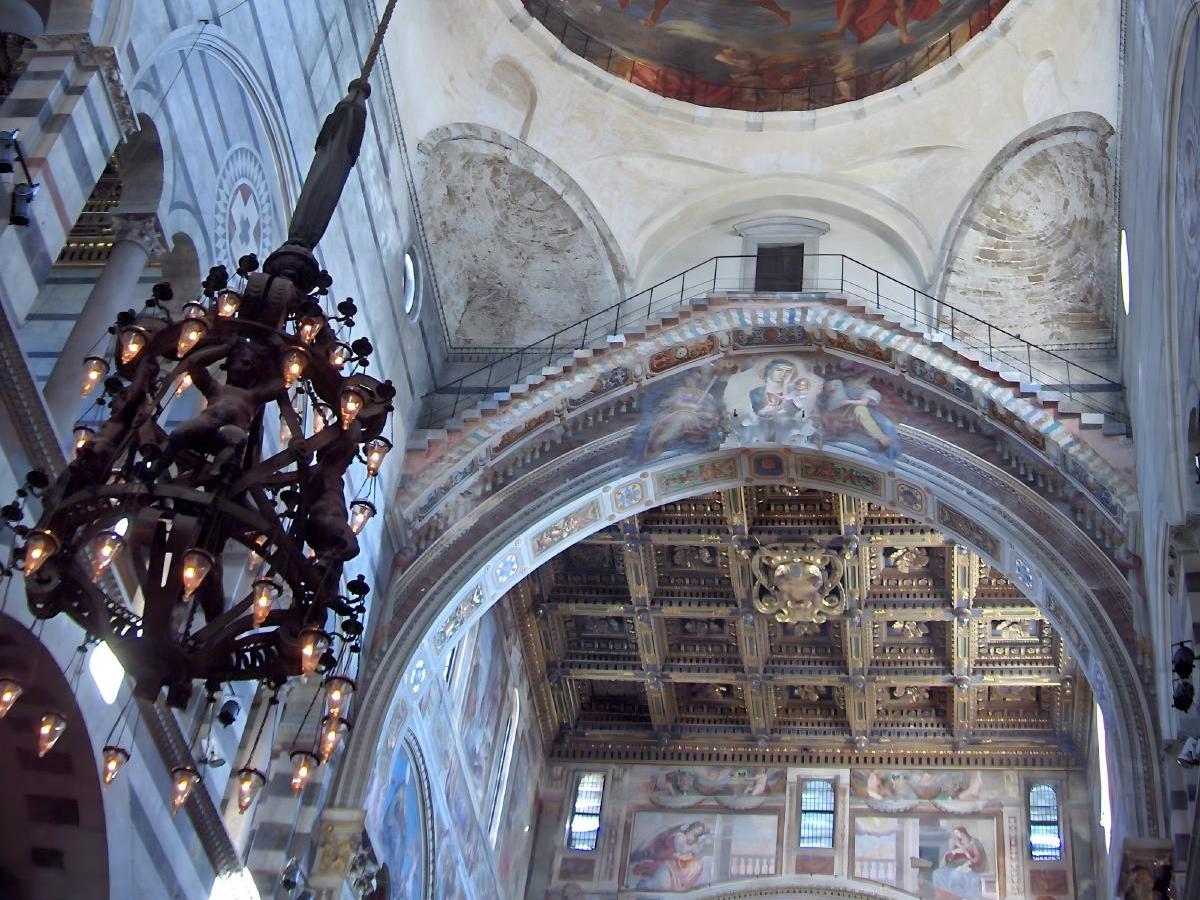
Within the Pisa Cathedral, there is a little-known story that adds to the already mysterious and enigmatic space. Among the Cathedral's many treasures is a set of gold candlesticks said to have been made by the famous goldsmith Giambologna. The candlesticks have long been shrouded in legend, with some claiming they possess mystical powers. According to local folklore, the candlesticks were infused by the artisans with a special energy that could bring good luck and even protect the city from disaster. The mystery of the candlesticks is compounded by the fact that they were stolen from the cathedral in the 16th century, when thieves broke into the cathedral and stole valuable items, including the candlesticks. Despite an extensive search, the thieves were never caught and the candlesticks were lost for nearly a century. Eventually, the candlesticks were returned under mysterious circumstances, and to this day, no one knows who took them or why they were returned.
Beneath the Pisa Cathedral lies an ancient crypt that has long been the subject of intrigue and mystery. Dating back to the 11th century, this crypt is an eerie space with dark stone walls and dimly lit corners. For centuries, the crypt has been the site of countless religious ceremonies and funerals, but it is also the birthplace of an unsolved mystery.With its centuries-old stories, legends and mysteries, the Pisa Cathedral is more than just an architectural marvel; it is a living testament to Pisa's rich history, and to the power of faith, ambition and resilience. From its humble beginnings to become a symbol of Pisa's power and decline, the Cathedral has witnessed the rise and fall of a city, the ups and downs of politics and the eternal search for meaning.