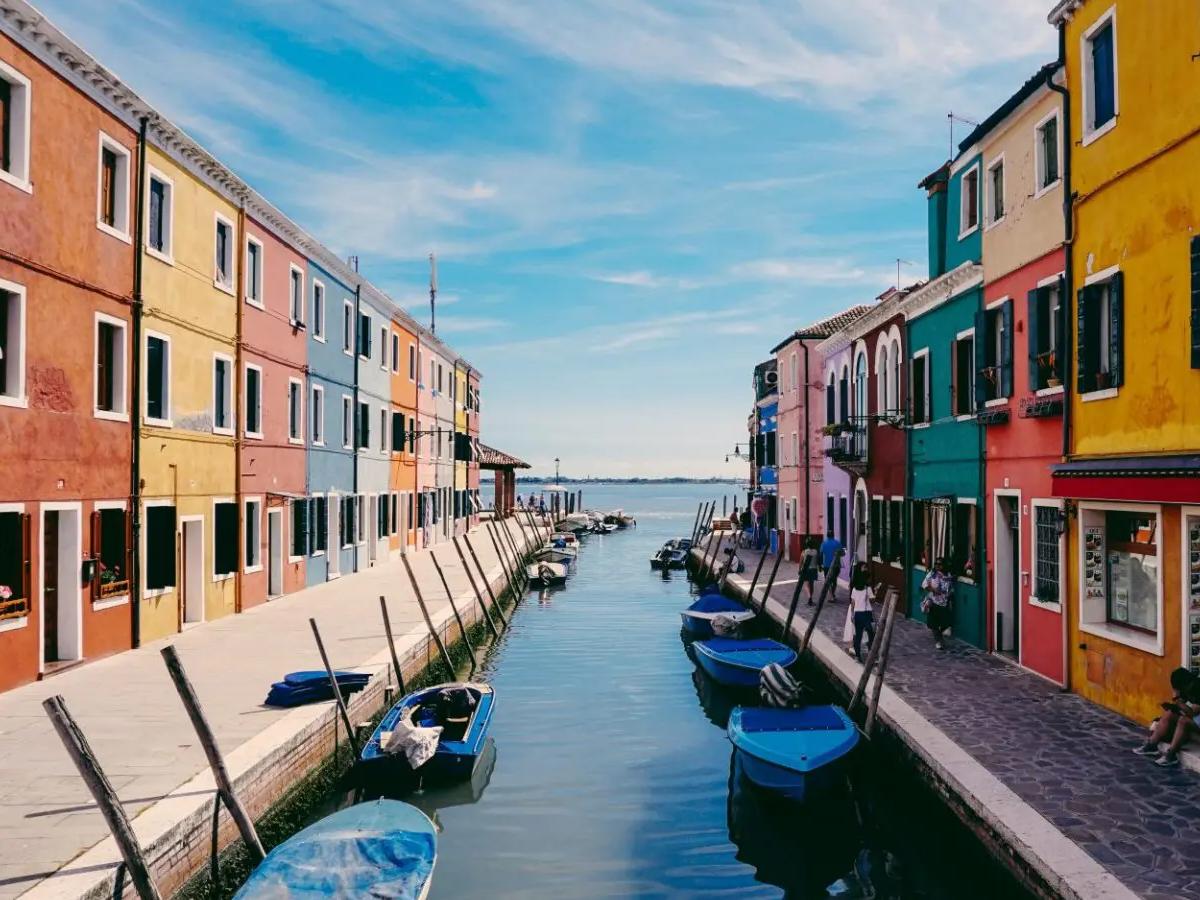
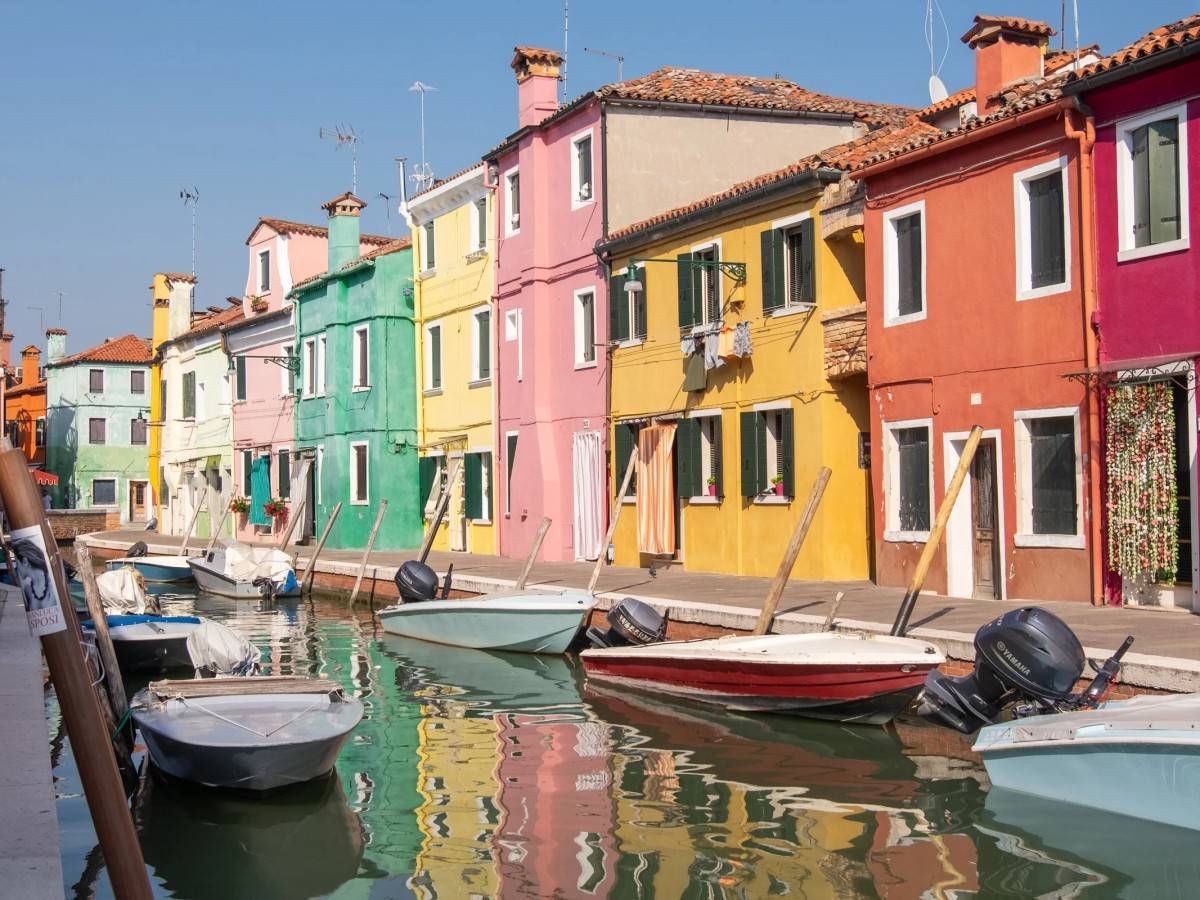
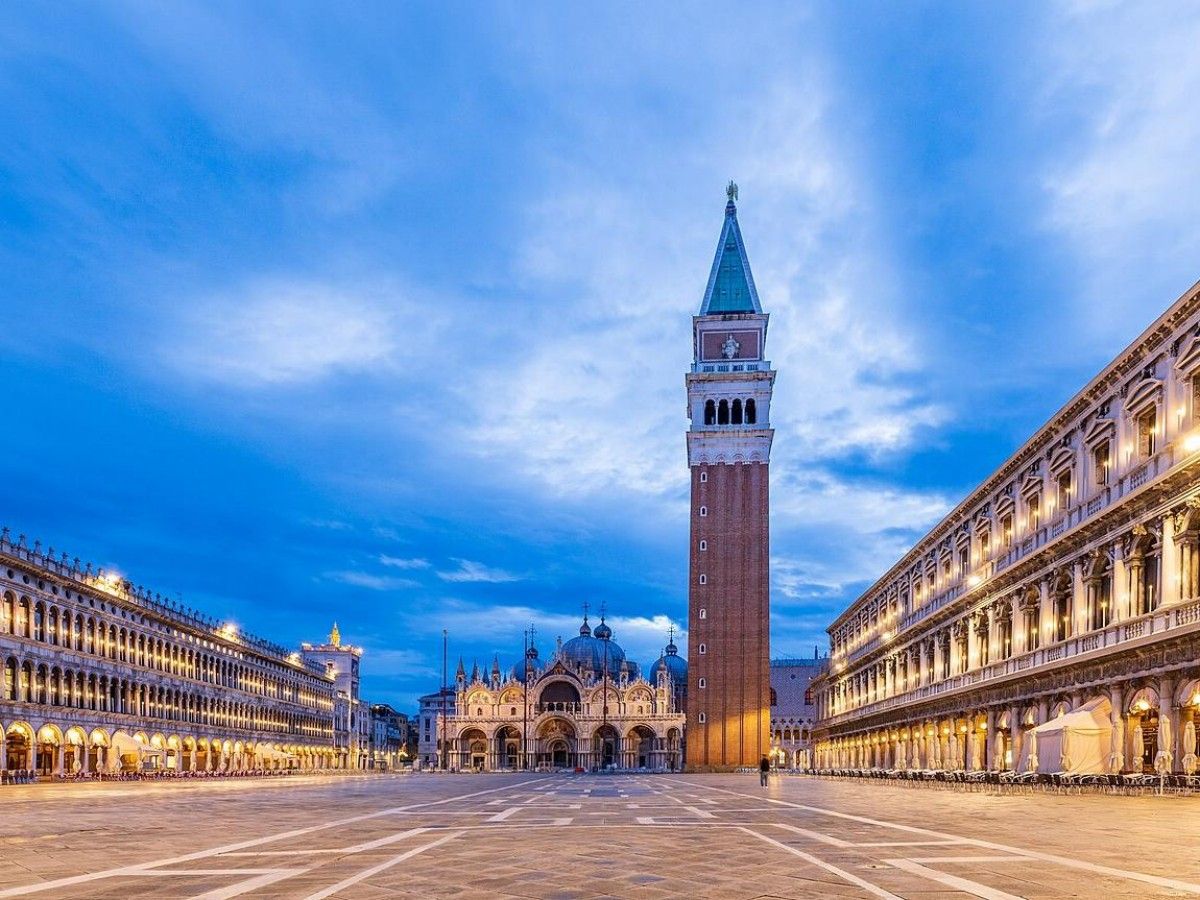
When you think of Venice, winding canals, gondolas and vibrant architecture are likely to come to mind. Murano Island, just a short boat ride from this bustling city, is not only known for its stunning scenery, but also for an art form - glassmaking - that has shaped the island's identity for centuries. If you've ever taken a stroll around this picturesque island, you'll soon realize that Murano Island is more than just a place; it's a living testament to a centuries-old craft that has stood the test of time. Murano's glassmakers are master craftsmen, and in exploring the island, you'll see for yourself how this delicate art has been passed down through the generations.
Advertisement
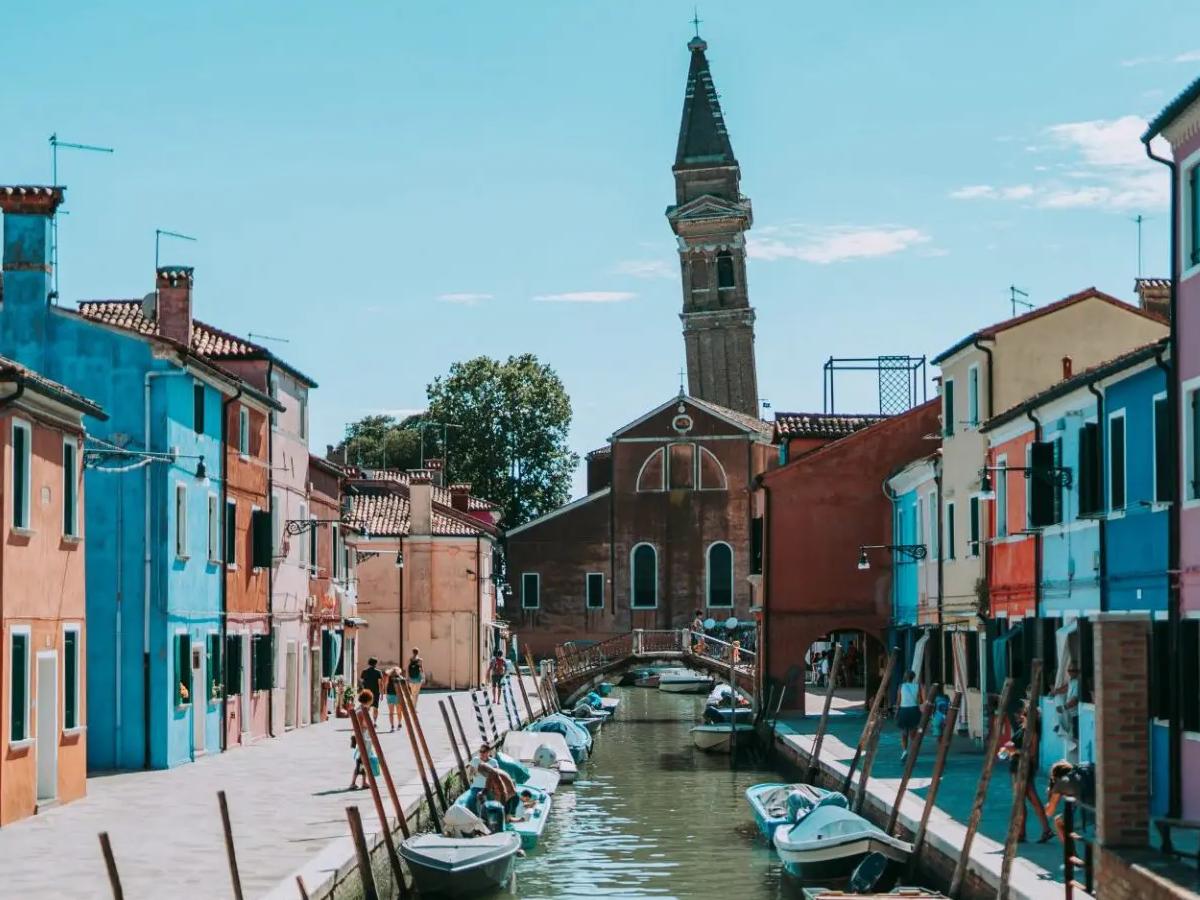
The journey begins when setting foot on Murano Island. This small but charming island off the coast of Venice has been home to one of the world's most famous glass manufacturing industries for more than a thousand years.The history of Murano glass is as rich and complex as the glass itself, and learning about its origins will give you a deeper understanding of the art you're about to witness.Murano's glassmaking tradition dates back to the 13th century, when the Venetian authorities feared the heat required for glass production would start fires in the city and decided to relocate the glassmakers to the more remote island of Murano. The tradition of glassmaking in Murano dates back to the 13th century, when Venetian authorities, concerned that the high temperatures required for glass production would cause fires in the city, decided to relocate the glassmakers to the more remote island of Murano. This move marked the beginning of Murano's emergence as a world center of glass production. The glassmakers were given the freedom to innovate and develop new technologies, and over time Murano became synonymous with quality glass. The glass industry became so important that it became a closely guarded secret. The glassmaking process was protected by law and anyone attempting to export the secrets of Murano faced severe penalties.
Advertisement
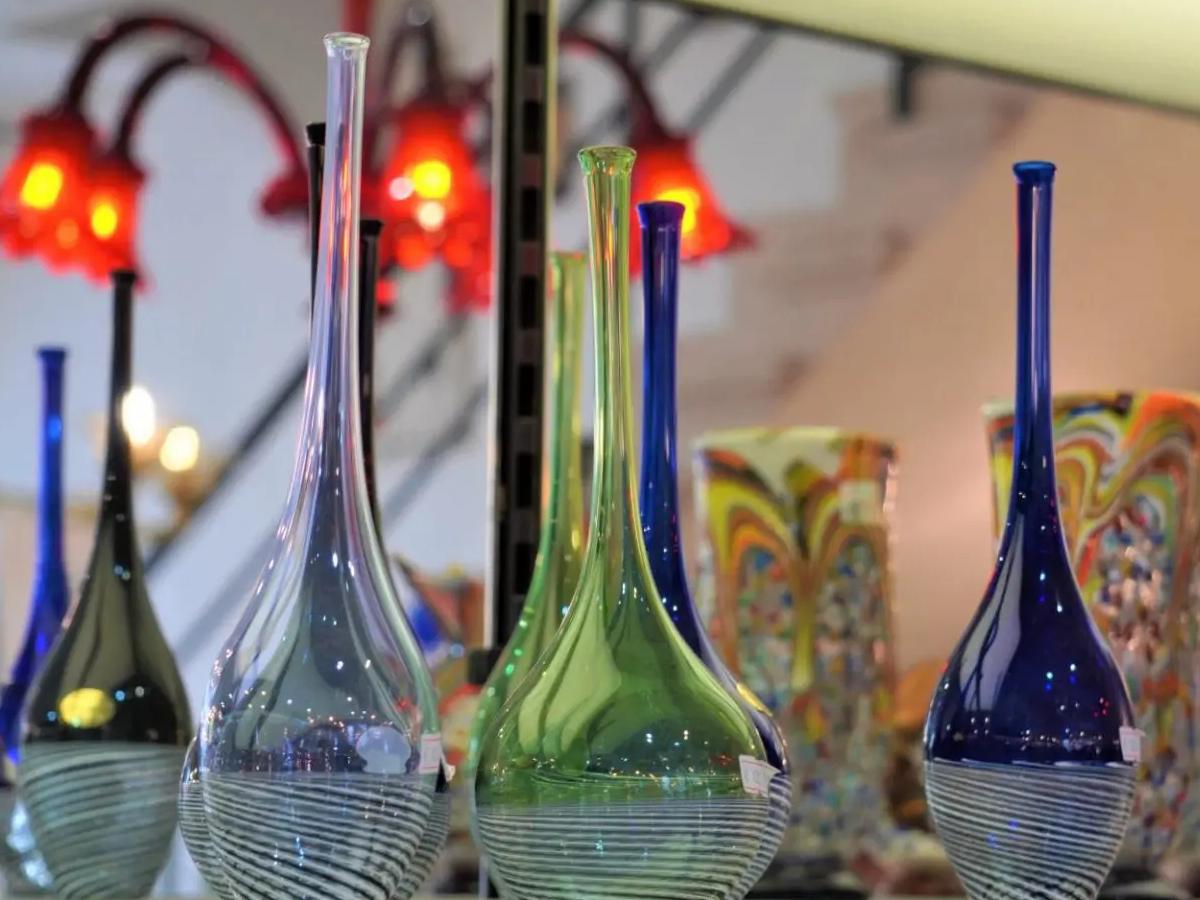
It's impossible to explore Murano without being mesmerized by the intricate glassware that lines the shelves of so many stores. From delicate chandeliers to intricate glass beads, you'll soon realize that Murano glass is more than just beautiful; it's the culmination of centuries of expertise, innovation and passion. What makes Murano glass so special?The process of making Murano glass is both an art and a science. The process of creating a glass masterpiece begins with the selection of the finest materials, including sand, soda and lime. These ingredients are carefully combined and melted in a furnace at temperatures of up to 1,400 degrees Celsius (2,500 degrees Fahrenheit). This intense heat melts the raw materials into a molten, glassy substance that can then be shaped into trinkets or delicate sculptures.Many of the glassmaking workshops on Murano Island offer live demonstrations, so you may be lucky enough to see the process up close. Standing in front of a furnace, you'll be mesmerized by the artisans working their magic with molten glass. They skillfully manipulate the glass with long metal rods, blowing and shaping it with precision.
Advertisement
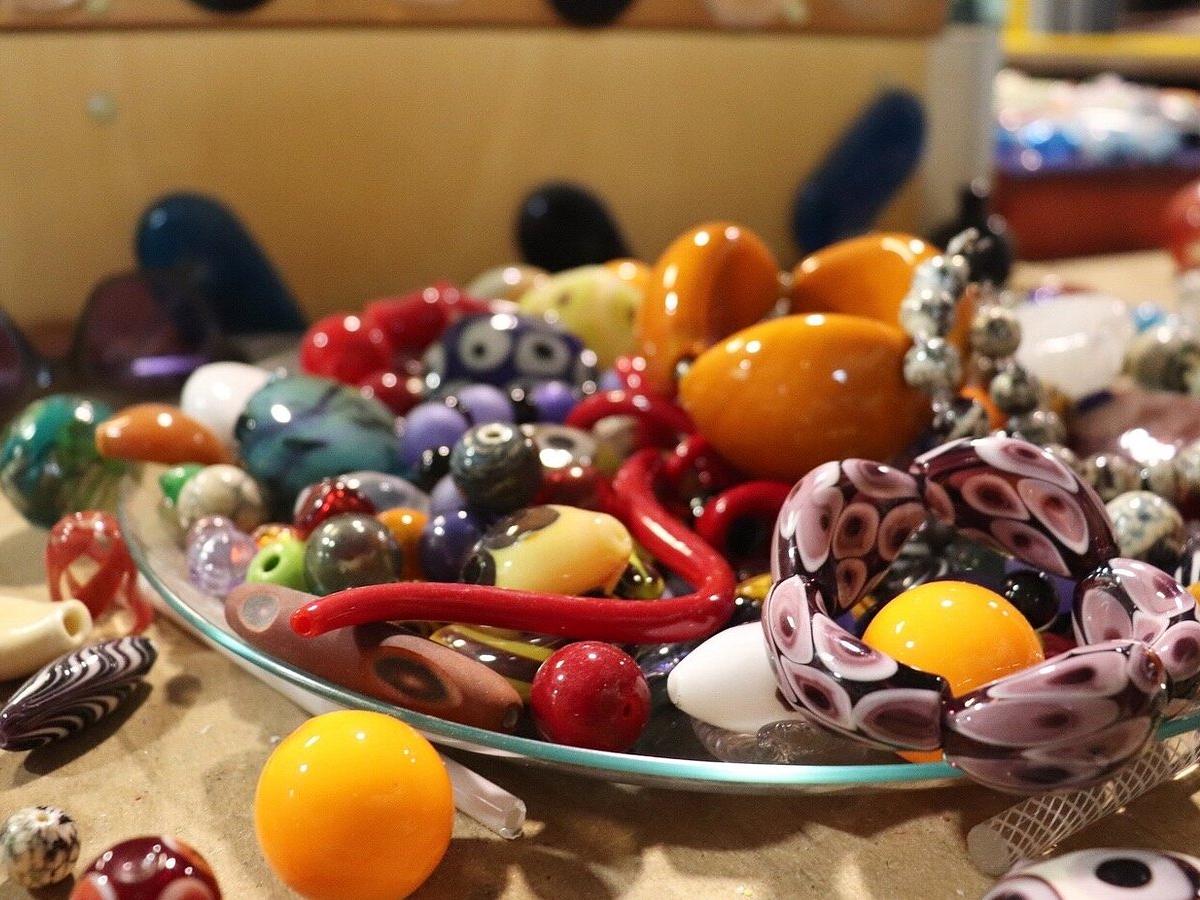
Murano glass is more than just a relic of the past; it is a vibrant, evolving art form that continues to push boundaries and inspire creativity. Over the centuries, Murano glassmakers have developed a number of unique processes that are still used today. One of these is “murrine,” a technique in which colored glass rods are fused together to create intricate patterns. These glass rods are then sliced into thin cross sections to reveal stunning geometric patterns. This process is often used to create beautiful glass blocks and jewelry, and the results are breathtaking. Another famous technique is 'lacework', where thin threads of glass are woven together to create a delicate lace effect. Murano's iconic chandeliers and other decorative pieces are often made using this process. The glass is drawn into thin threads, which are then carefully twisted together to create intricate patterns. The result is an airy, light, almost ethereal effect that gives Murano glass its signature beauty.
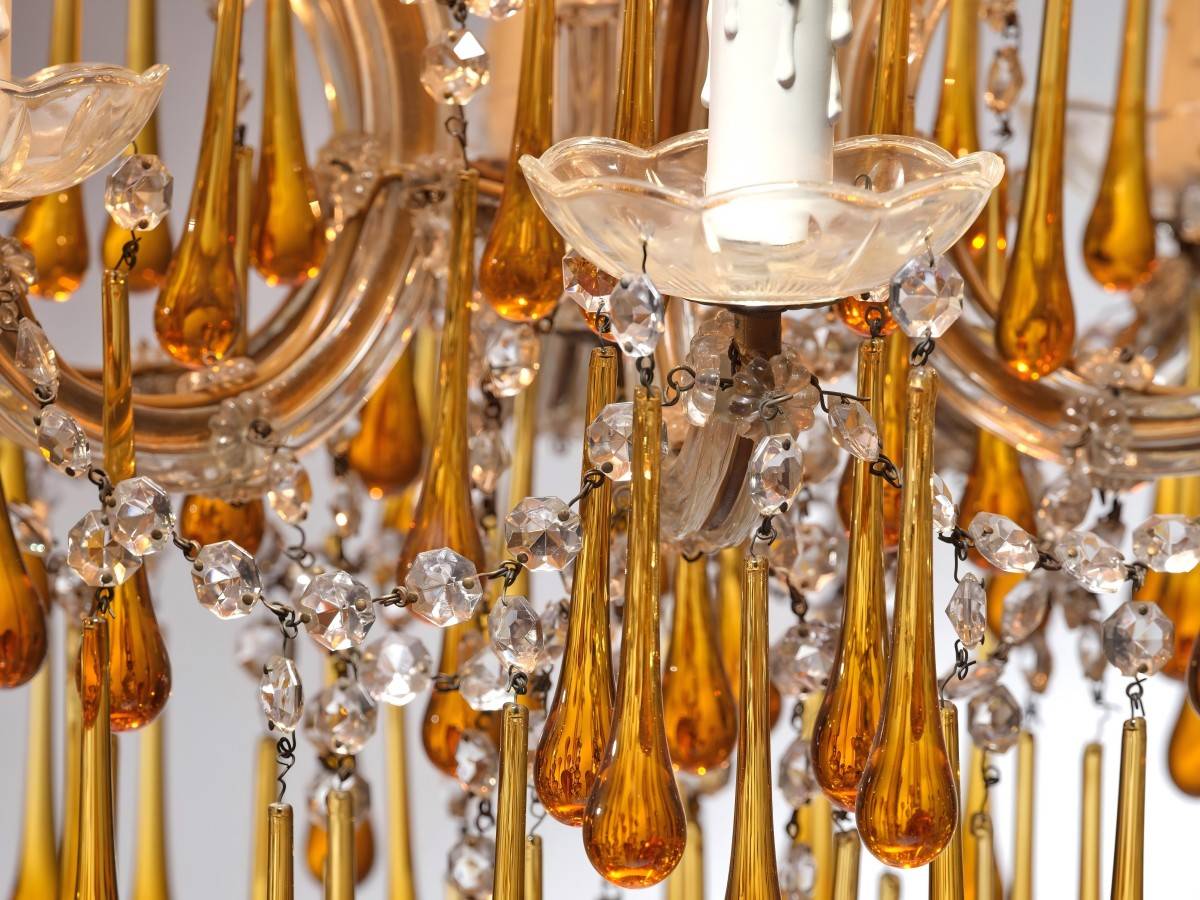
One of the most iconic pieces of Murano glass, Murano glass chandeliers are renowned for their beauty and craftsmanship and have adorned palaces, opera houses and mansions around the world. These chandeliers typically consist of dozens, sometimes hundreds, of individual pieces of glass, each meticulously crafted and assembled into a stunning work of art.The process of making a Murano glass chandelier is very complex and time-consuming. First, each piece of glass must be carefully shaped and colored to match the design. The pieces of glass are then assembled, sometimes by hand, to form the delicate structure of the chandelier. In the end, the chandelier shimmers with a unique light due to the quality of the glass and the skill of the artisan. When you first see a Murano chandelier, it's hard not to be struck by its beauty. The play of light on the glass creates an almost magical effect, and the intricate patterns and colors speak volumes about the talent and creativity of the glassmaker.
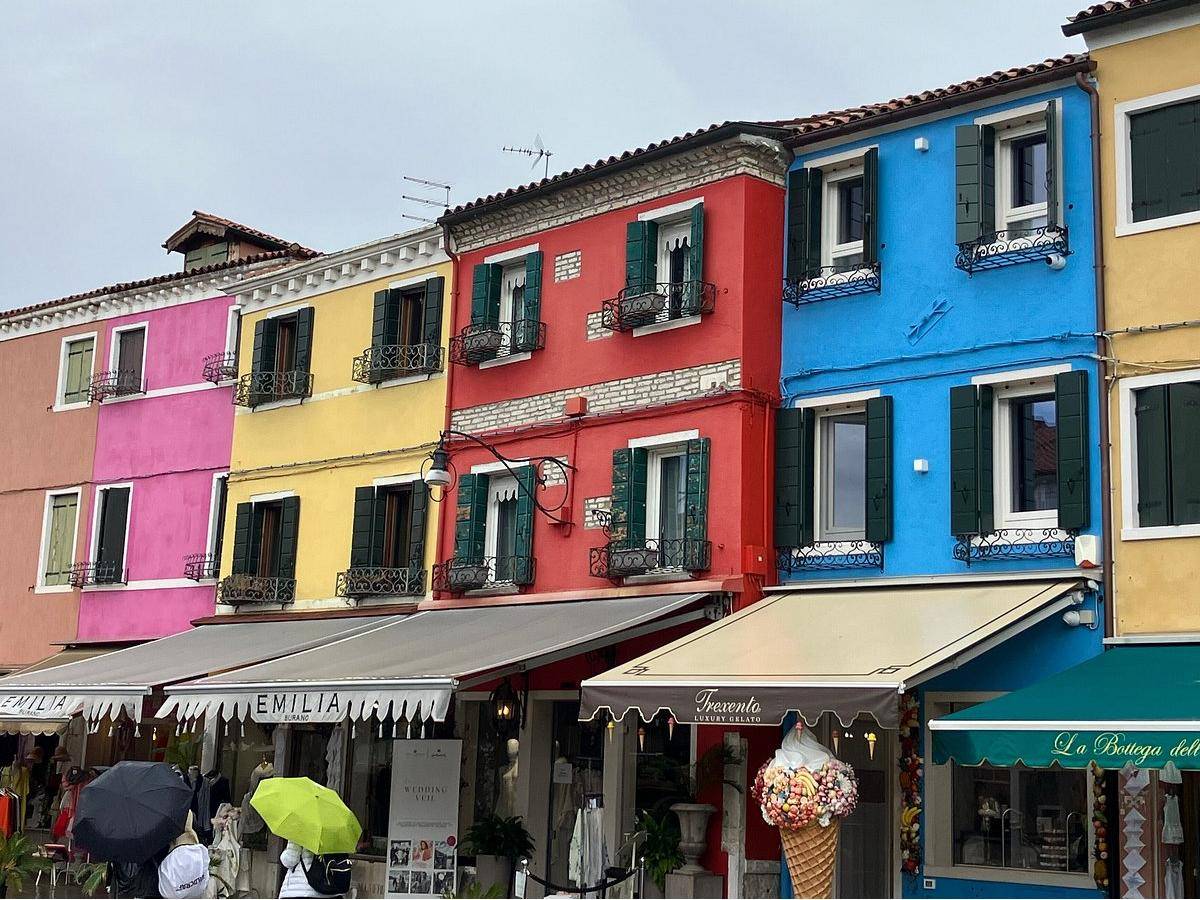
As you stroll through the streets of Murano, you'll find plenty of stores selling all types of glassware. From intricate glass jewelry to ornate vases and sculptures, the island's stores are filled with stunning pieces that showcase the beauty and craftsmanship of Murano glass. There are a few things to keep in mind when shopping for Murano glassware. First and foremost, make sure you are purchasing genuine Murano glass. There are so many imitations on the market that it can sometimes be difficult to tell the difference. Look for the official “Murano Glass” label, which guarantees that the piece was made on the island of Murano using traditional methods. Next, you can take your time to learn about the different types of glassware. Whether you're looking for a small gift or a large piece that makes a statement, you'll find something to suit your taste. Murano's glass artisans create a wide range of styles, from traditional designs to modern pieces that push the limits of glassmaking.
The art of glassmaking on Murano Island is more than just a tradition, it's a way of life, a legacy passed down from generation to generation. Today, Murano's glassmakers not only carry on the skills of the past, but also look to the future, experimenting with new designs and pushing the limits of glass. A visit to Murano Island is more than just an opportunity to buy fine glass, it's a chance to witness ancient craftsmanship and see how history, tradition and innovation come together to create something truly special. As you stroll along the island's canals and browse the stores, you'll realize that the art of glassmaking on Murano Island is more than just making beautiful objects; it carries on a century-old tradition that leaves everyone who experiences it in wonder and awe.