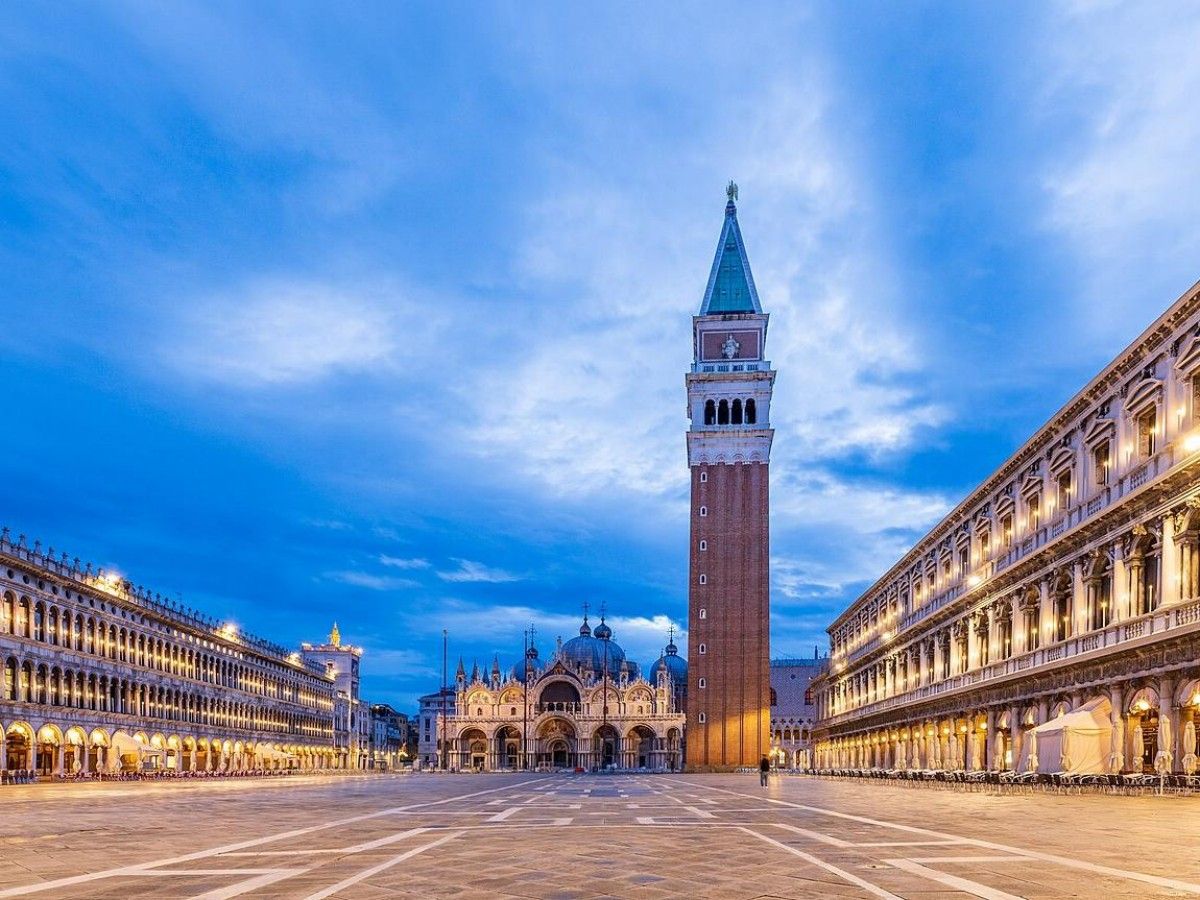
Piazza San Marco, located in the center of Venice, Italy, is one of the most prestigious city squares in Europe and was praised by Napoleon as "the most beautiful living room in Europe". This square full of history and cultural heritage is not only a landmark attraction in Venice, but also the center of Venice's politics, religion and festivals. This article will introduce each building and its history in detail on Piazza San Marco, and take you to appreciate the unique charm of this square.
Advertisement
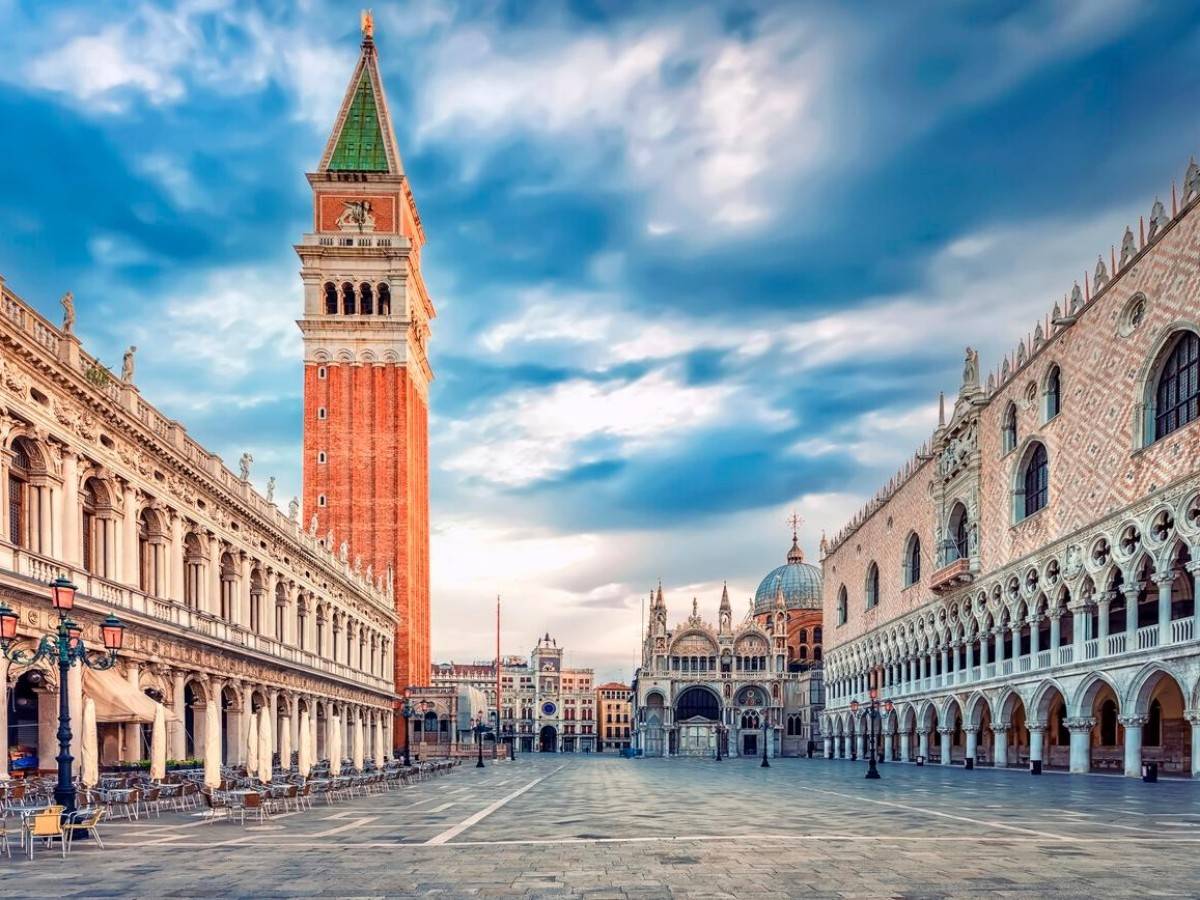
The history of Piazza San Marco can be traced back to the 9th century. At first, it was just a small open space in front of St. Mark's Basilica. As Venice gradually developed from a small fishing village to an important commercial and cultural center in Europe, the square was continuously expanded and became the core area of Venice's political, religious and social activities. In 1177, Piazza San Marco was expanded to its current size for the meeting between Pope Alexander III and Holy Roman Emperor Frederick I. Since the early days of the Republic, the San Marco district has been the core of Venetian life, and the place that best shows the peaceful scene of the Republic is Piazza San Marco.
Advertisement
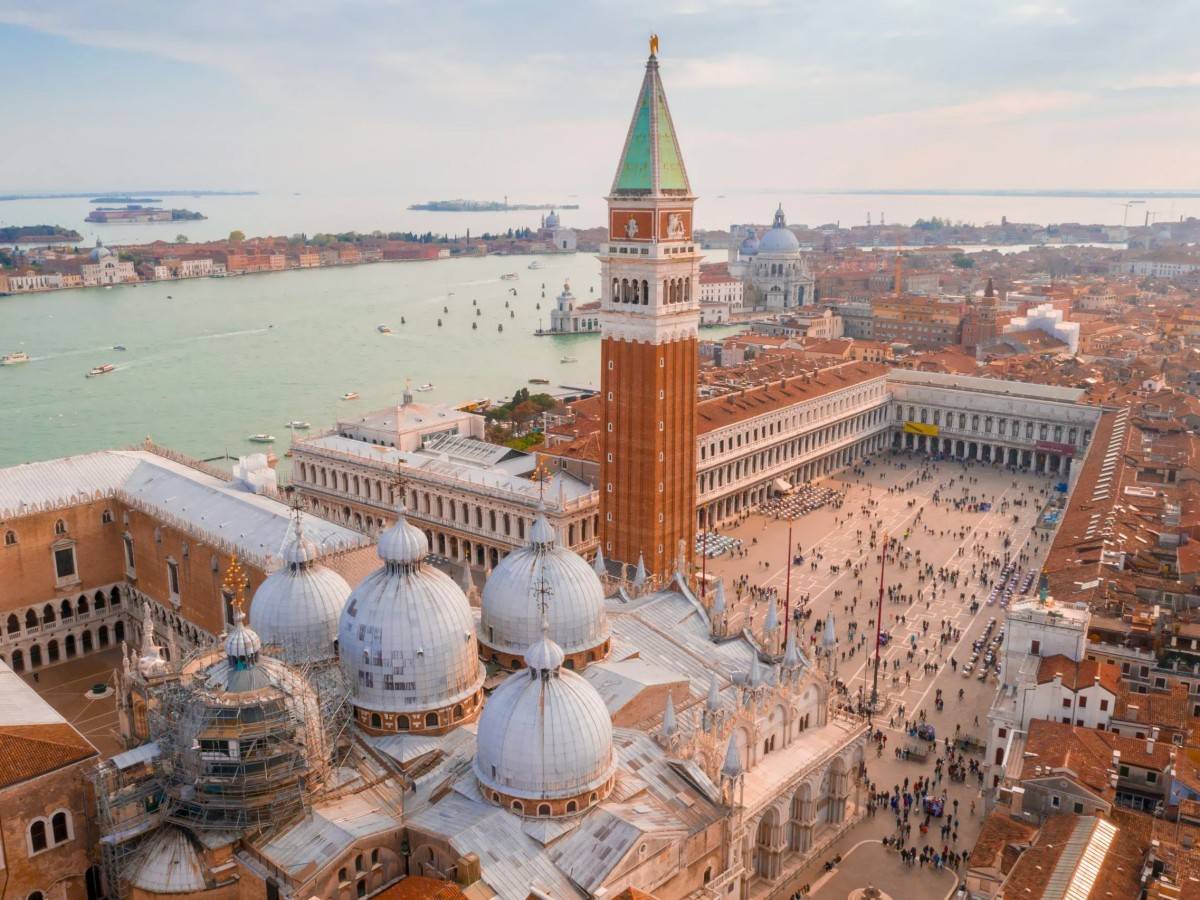
1. St. Mark's Basilica
Advertisement
Founded in the 9th century, St. Mark's Basilica is the pinnacle of Venice's religious and architectural art. The church is mainly in Byzantine style, and its golden dome shines in the sun, becoming the focus of the square. The mosaic decoration of the church is a treasure of Venetian art, which not only shows religious stories, but also reflects the exchange and integration between Venice and the Eastern world at that time. It is said that in 828, two Venetian merchants smuggled the remains of Saint Mark of Jesus from Alexandria, Egypt, and built a church for St. Mark in the same year. There is a mausoleum of St. Mark in the church, so the cathedral is named after St. Mark, and the square is also named after him.
2. St. Mark's Bell Tower
The St. Mark's Bell Tower was first built in the late 9th century and is one of the tallest buildings in Venice. The bell tower soars into the sky, contrasting with St. Mark's Basilica, and has become an iconic landscape in the square. The reconstruction and restoration process of the bell tower reflects Venice's tenacity and wisdom in the face of natural disasters. Every hour, the bronze bell on the bell tower will ring, and the melodious bell sound will echo in the square, making people feel as if they have traveled back to the prosperous era of the Republic of Venice.
3. Doge's Palace
The Doge's Palace, as the political center of the Republic of Venice, is one of the most magnificent buildings in the square. The architectural style of the Doge's Palace combines Gothic and Renaissance elements, and its interior decorations and artworks show the prosperity and cultural achievements of Venice during the Renaissance. The palace houses the office, conference room and banquet hall of the Doge of the Republic of Venice, and is an important place for the Venetian government to handle government affairs and receive foreign envoys. The exterior of the Doge's Palace is solemn and the interior decoration is luxurious and exquisite. Every detail reflects the wisdom and artistic talent of the Venetians.
4. The New and Old Administrative Residences
The New and Old Administrative Residences are where the Venetian government offices are located. These buildings were once the locations of important government agencies of the Republic of Venice. These buildings not only reflect Venice's innovation and practice in urban management and architectural planning, but also showcase Venice's architectural art during the Renaissance. The exterior design of the New and Old Executive Residences is simple and elegant, while the interior decoration is full of historical sense. It is an important window to understand the history and culture of Venice.
5. Museo Cler
Located on one side of Piazza San Marco, the Museo Cler is a museum that integrates art, history and culture. The museum houses many precious artworks and historical relics, including paintings, sculptures, ceramics, gold and silver wares, etc., which showcase the cultural and artistic achievements of Venice in various historical periods. The Museo Cler is not only a paradise for art lovers, but also an important place to understand the history and culture of Venice.
6. Napoleon Wing Building
In 1797, after Napoleon occupied Venice, he transformed Piazza San Marco. He praised Piazza San Marco as "the most beautiful living room in Europe" and ordered the transformation of the Executive Residence Building on the side of the square into his palace. He also built a wing connecting the two buildings as his ballroom, named "Napoleon Wing Building". This building has now become one of the important attractions on the square. Its unique design and architectural style reflect the artistic taste and architectural style of the Napoleonic period.
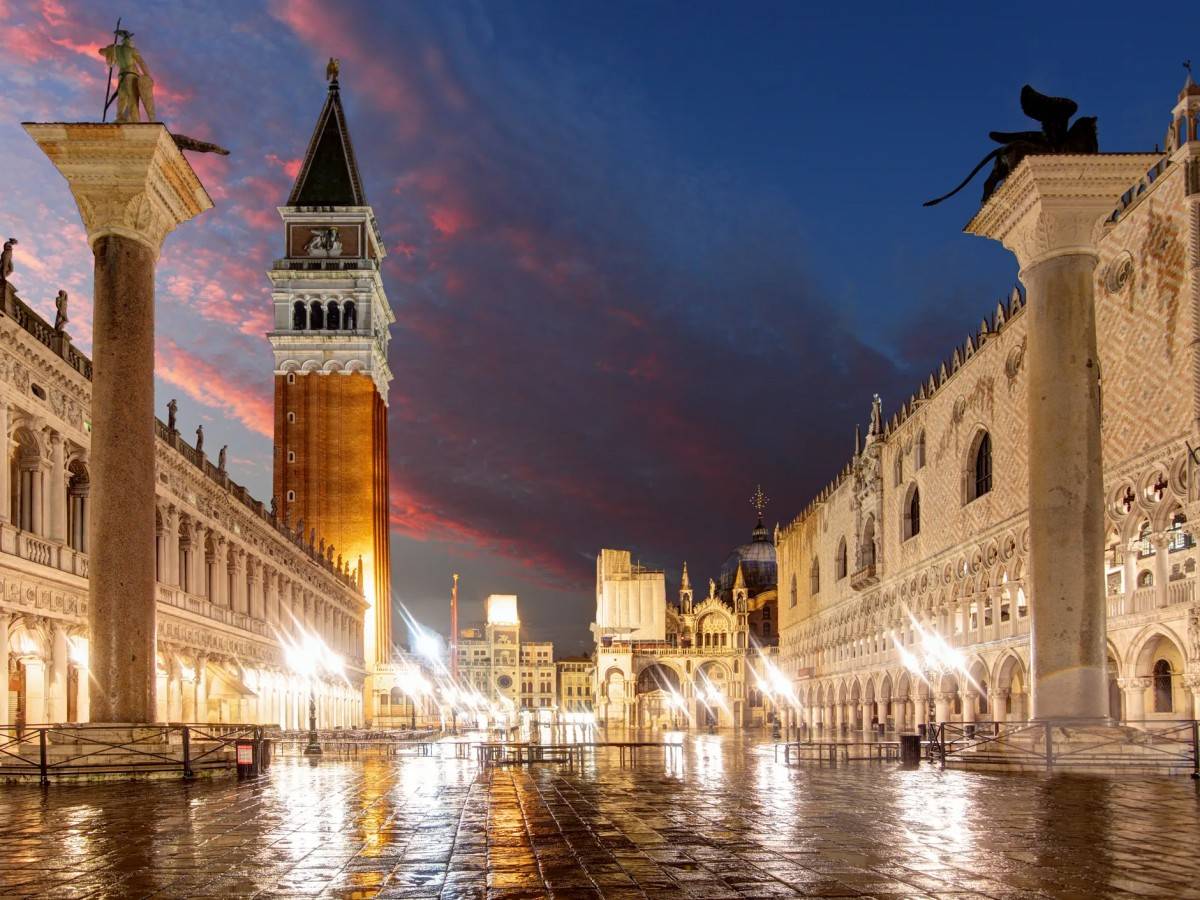
The plane of Piazza San Marco is L-shaped, and it is composed of three trapezoidal squares into a closed composite square. The area of the square is about 1.28 hectares, which is suitable for the population size at that time. The architectural layout on the square is staggered, and the overlap of different spaces and the use of visual similarities and contrasts have reached the artistic peak of the harmonious unity of the physical environment. The pigeons on the square are also one of its characteristics. They are either soaring in the air or foraging leisurely in the square, adding vitality to the square.
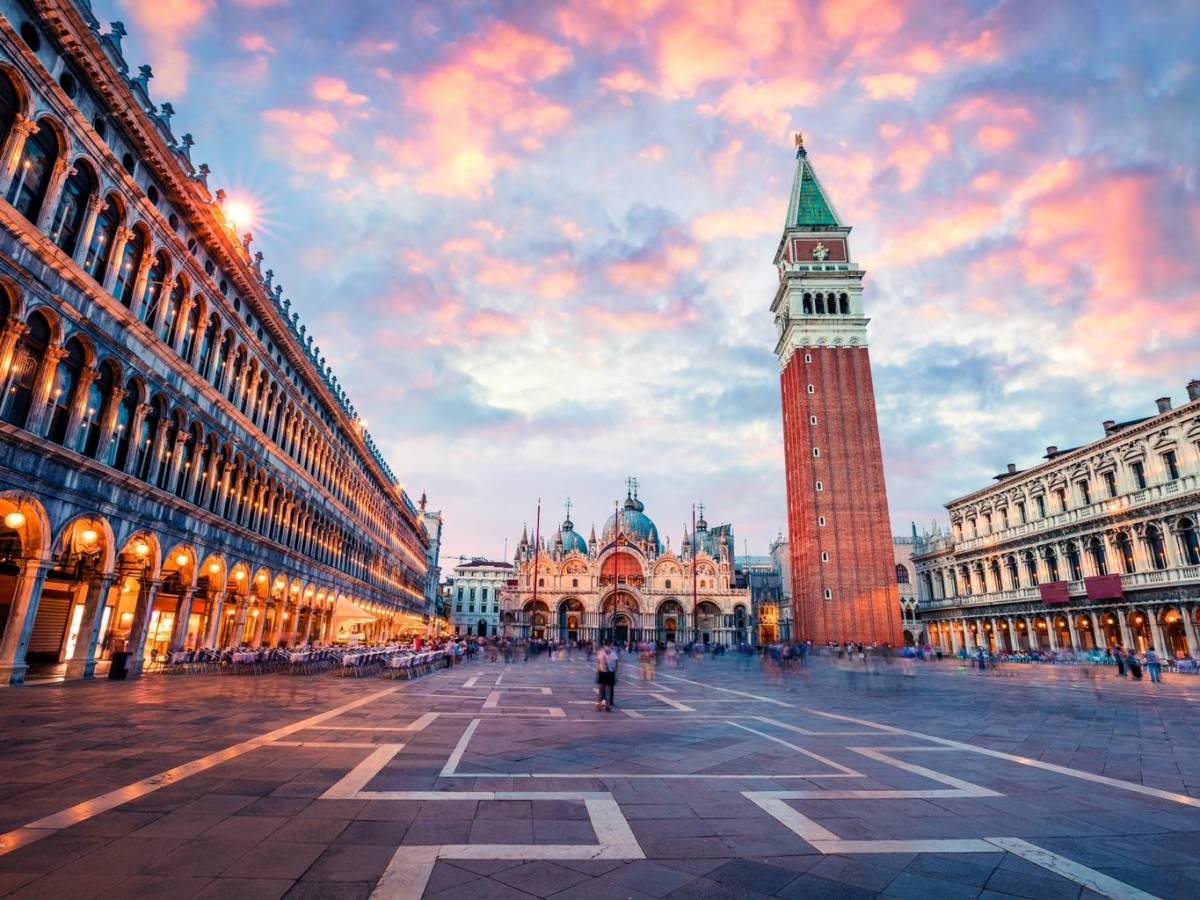
Visiting time: Piazza San Marco is suitable for visiting in all seasons, but summer is the peak tourist season in Venice, with more tourists. It is recommended to plan the itinerary in advance to avoid the peak of traffic.
Transportation: You can reach Piazza San Marco by water bus or gondola from the city of Venice. Water bus is a more convenient means of transportation, while gondola is a more romantic way of sightseeing.
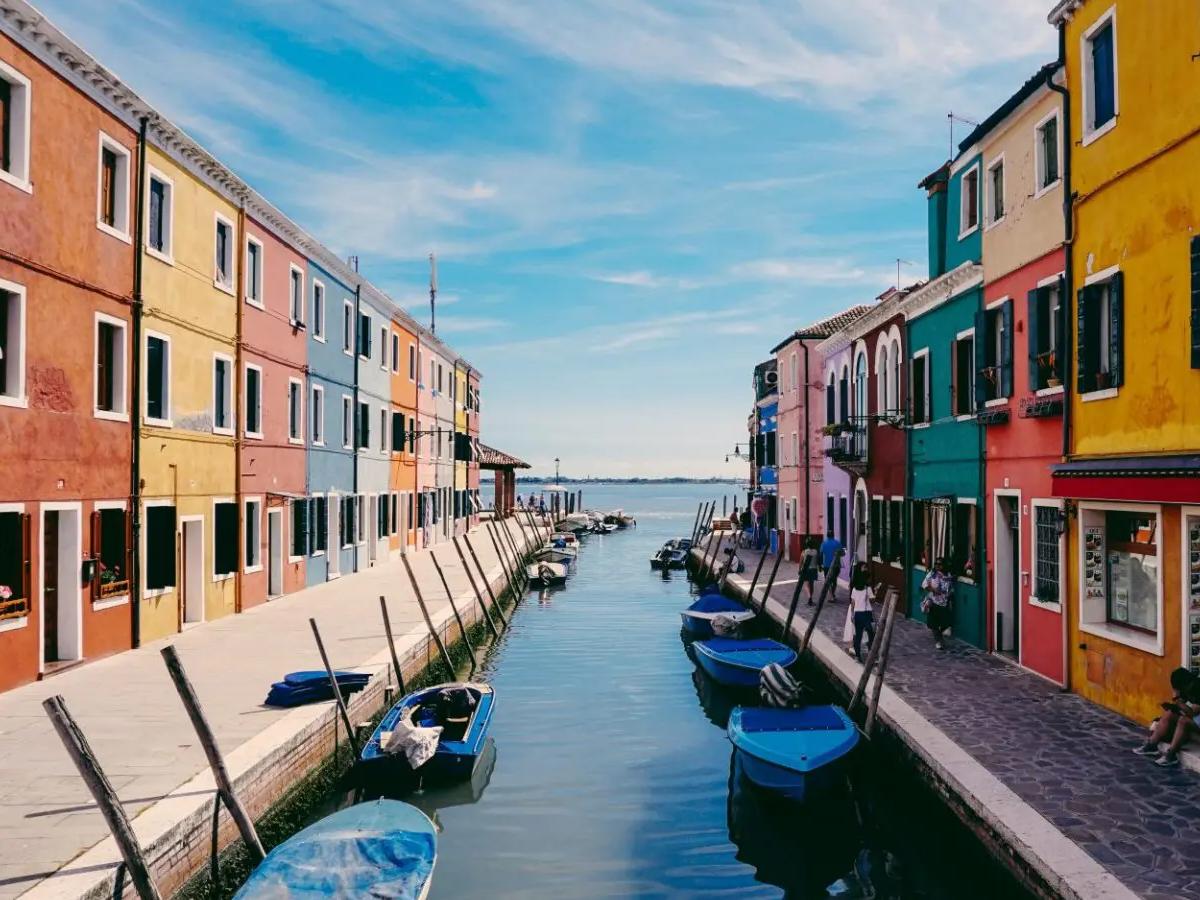
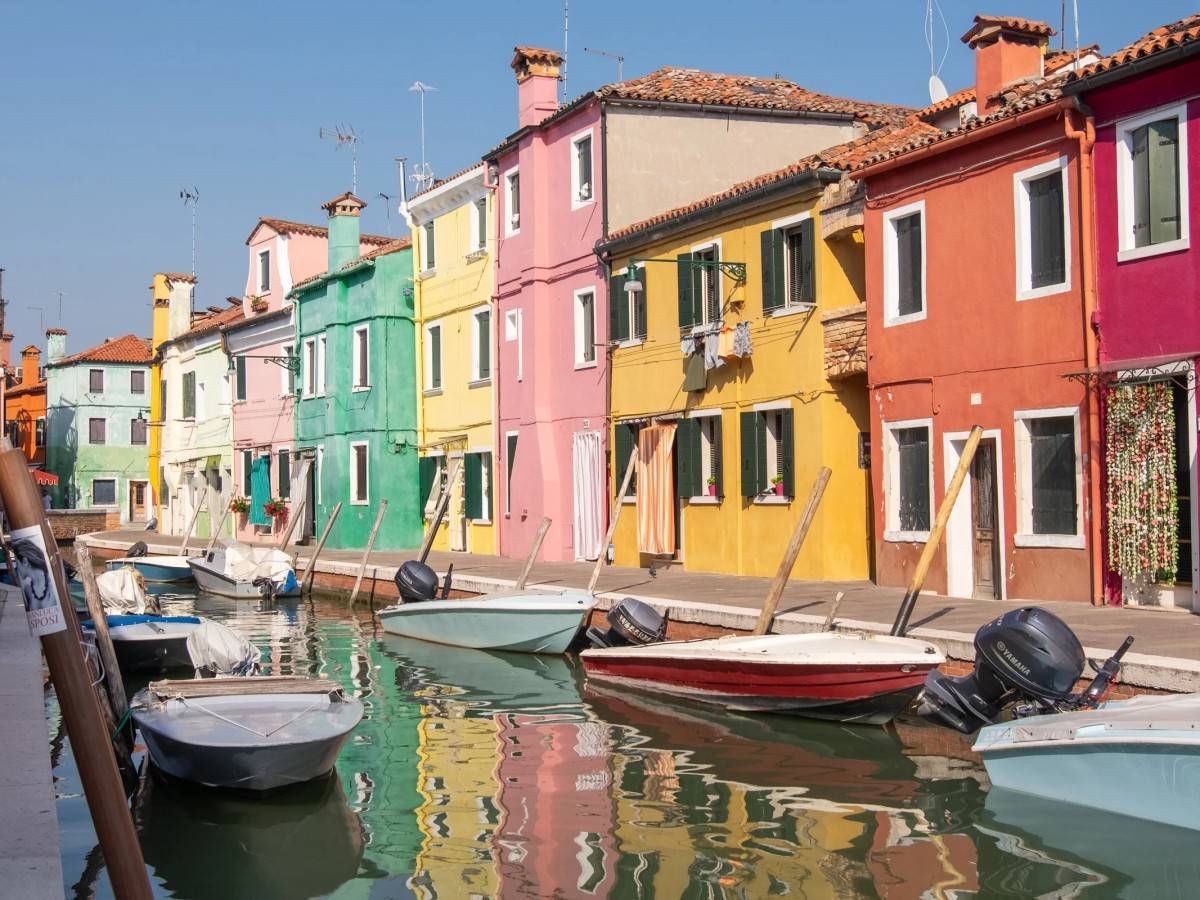
Surrounding attractions: There are many famous attractions around Piazza San Marco, such as Rialto Bridge, Murano Island and Burano Island. Visitors can arrange a day to visit these attractions and experience the unique charm of Venice.
Shopping and food: There are a variety of boutiques on the square, including gold jewelry, glass, bedding, clothing, etc. The storefronts are small, but the window design is first-class and quite visually enjoyable. In addition, there are several famous cafes next to the square, where visitors can taste authentic Italian coffee and food and feel the leisure and comfort of Venice.
Piazza San Marco is not only a landmark attraction in Venice, but also one of the most beautiful city living rooms in Europe. Every building and every detail tells the glory and wisdom of Venice. I hope that when you visit Piazza San Marco, you can not only enjoy the beautiful scenery, but also gain knowledge and inspiration.