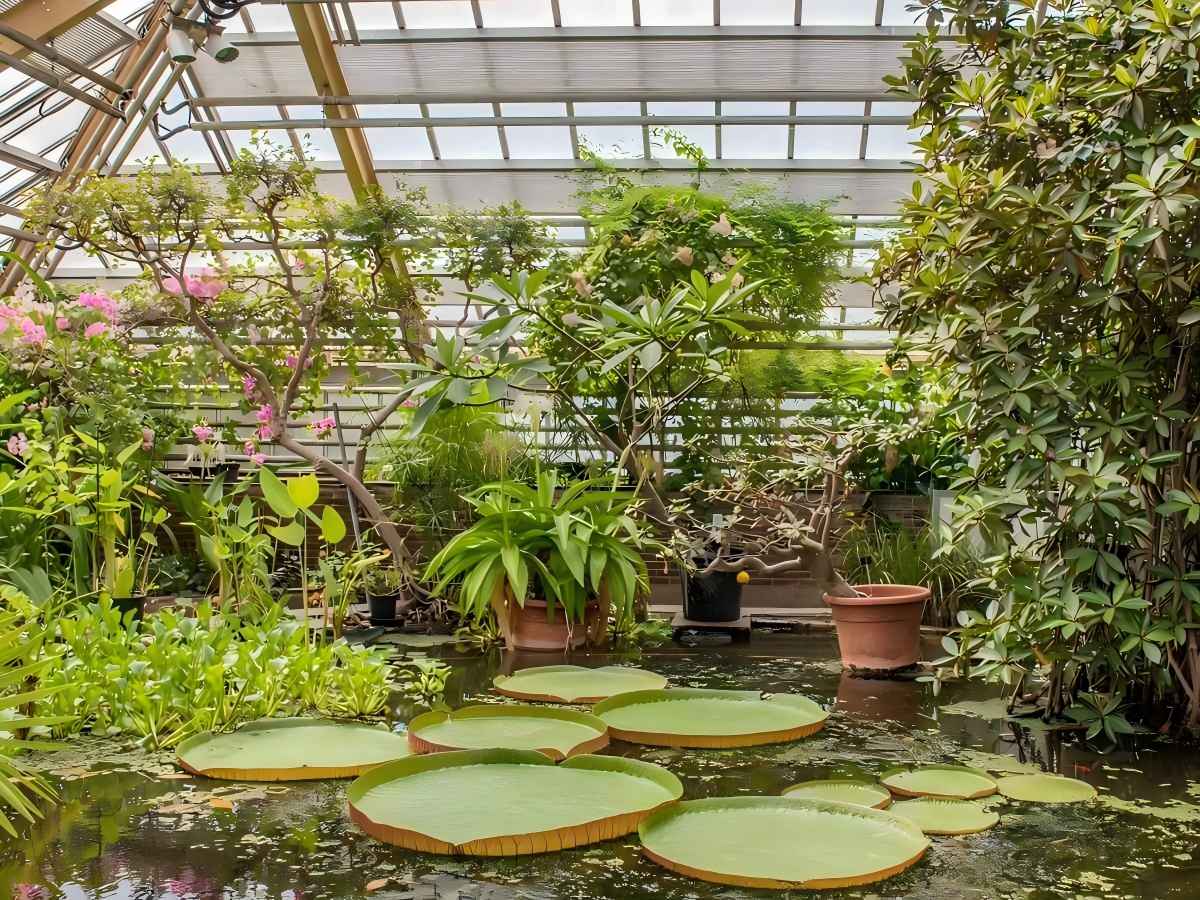
In the heart of Leiden, the Netherlands, a city renowned for its science and academics, sits quietly one of Europe's oldest botanical gardens, Hortus Botanicus, Leiden. It is not only a temple of botany, but also an It is not only a botanical temple, but also an oasis where nature and humanity meet. Since its foundation in 1590, it has been a place of inspiration for countless scientists, botanists, artists and travelers. The greenhouses in the garden are home to rare plants from all over the world, creating a dreamlike green world where human ingenuity and natural wonders intertwine. Every corner and every plant seems to hold a story. And those extremely rare plants, which are extremely picky about the living environment, are like treasures, quietly telling their legends and toughness.
Advertisement
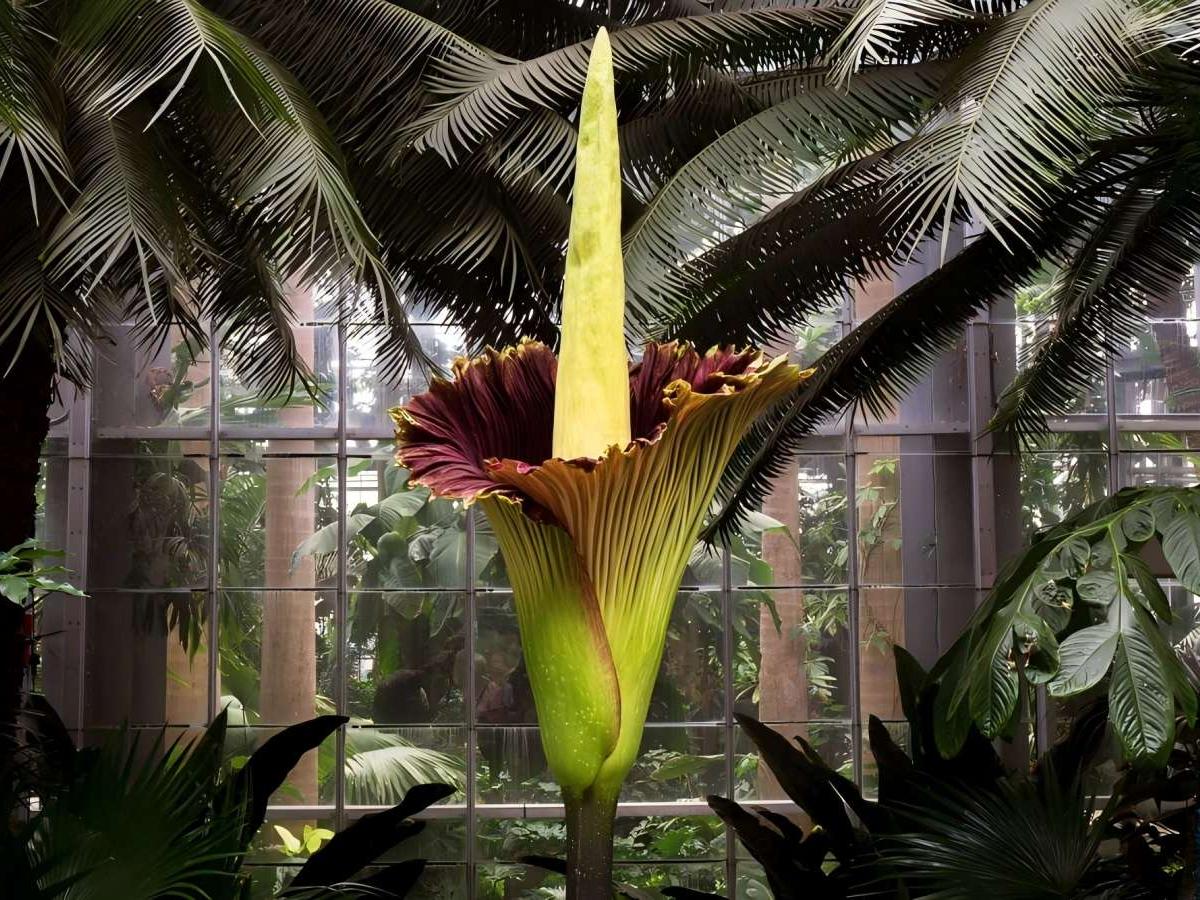
The most “dramatic” plant in Hortus Botanicus is the giant konjac. Coming from the Sumatran rainforests of Indonesia, it is one of the world's largest plants in terms of flowering structure, reaching a height of up to three meters when in bloom, but with an incredibly foul odor, which has earned it the nickname “corpse flower”. Although its flowering period is extremely short, usually only 48 hours, the magnificence and rarity of its bloom attracts thousands of tourists and botanical enthusiasts every time it blooms.
Advertisement
Hortus Botanicus is a model for botanical garden operations and scientific research, as it has been successfully brought into bloom on several occasions in an environment that requires strict control of temperature and humidity, soil fertility, and light conditions. The plant has a life cycle of several years or even more than a decade before it blooms once, as if it were a gift from nature. The moment its petals burst into bloom, the viewer feels not only awe, but also the shock of a rare encounter with nature.
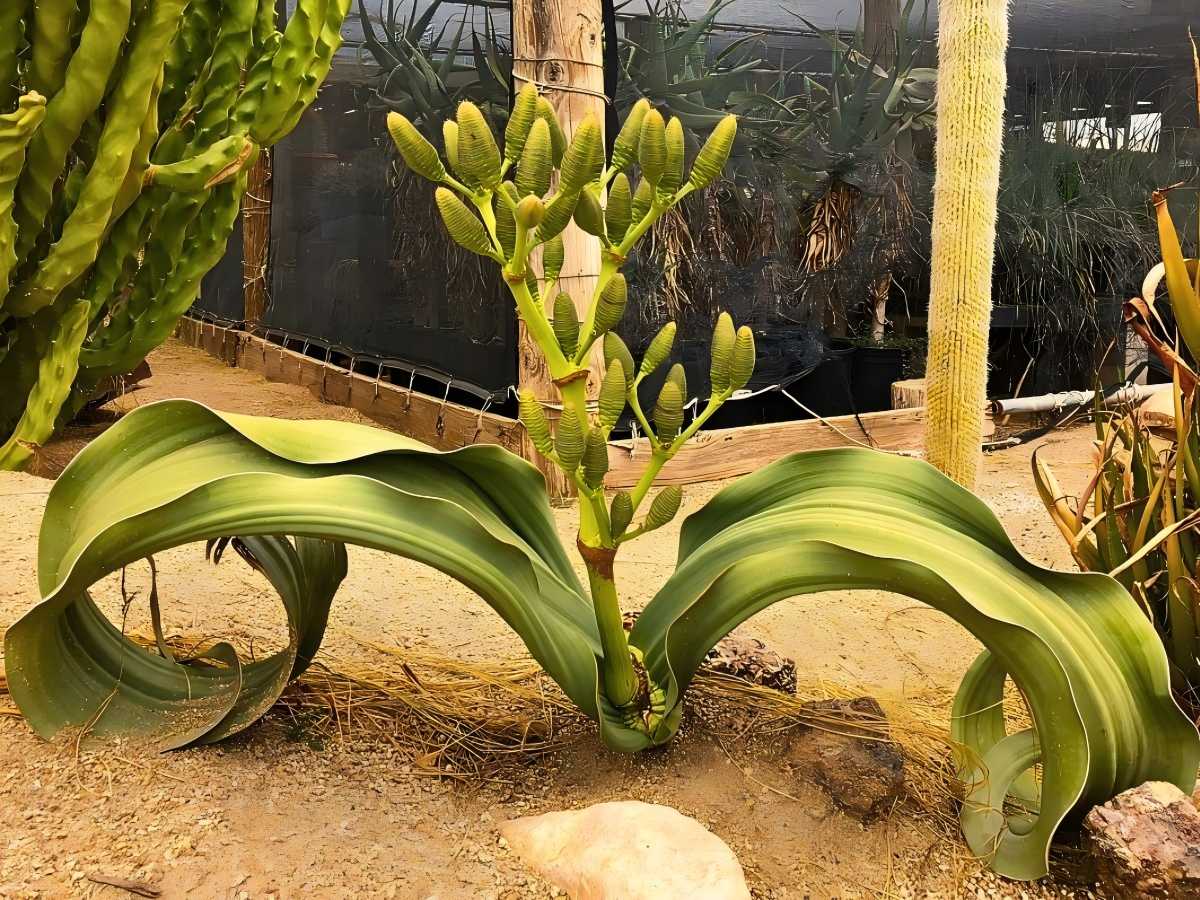
If there is one of the most “bizarre” plants in nature, it is the thousand-year-old orchid from the Namibian desert. This plant has only two leaves, but can live for thousands of years, with its leaves growing, twisting and splitting in a unique curve of life. It survives on extremely rare rainfall and morning dew, taking root and growing in the harshest of environments, displaying admirable survival wisdom.
Advertisement
Hortus Botanicus has set up a small greenhouse to simulate the desert climate, utilizing an intelligent system to control the temperature difference between day and night as well as the light cycle, to ensure that the orchid can thrive even in a foreign land. Visitors to this “specimen of time” can't help but slow down as they gaze at a piece of history that has been sealed in the sand.
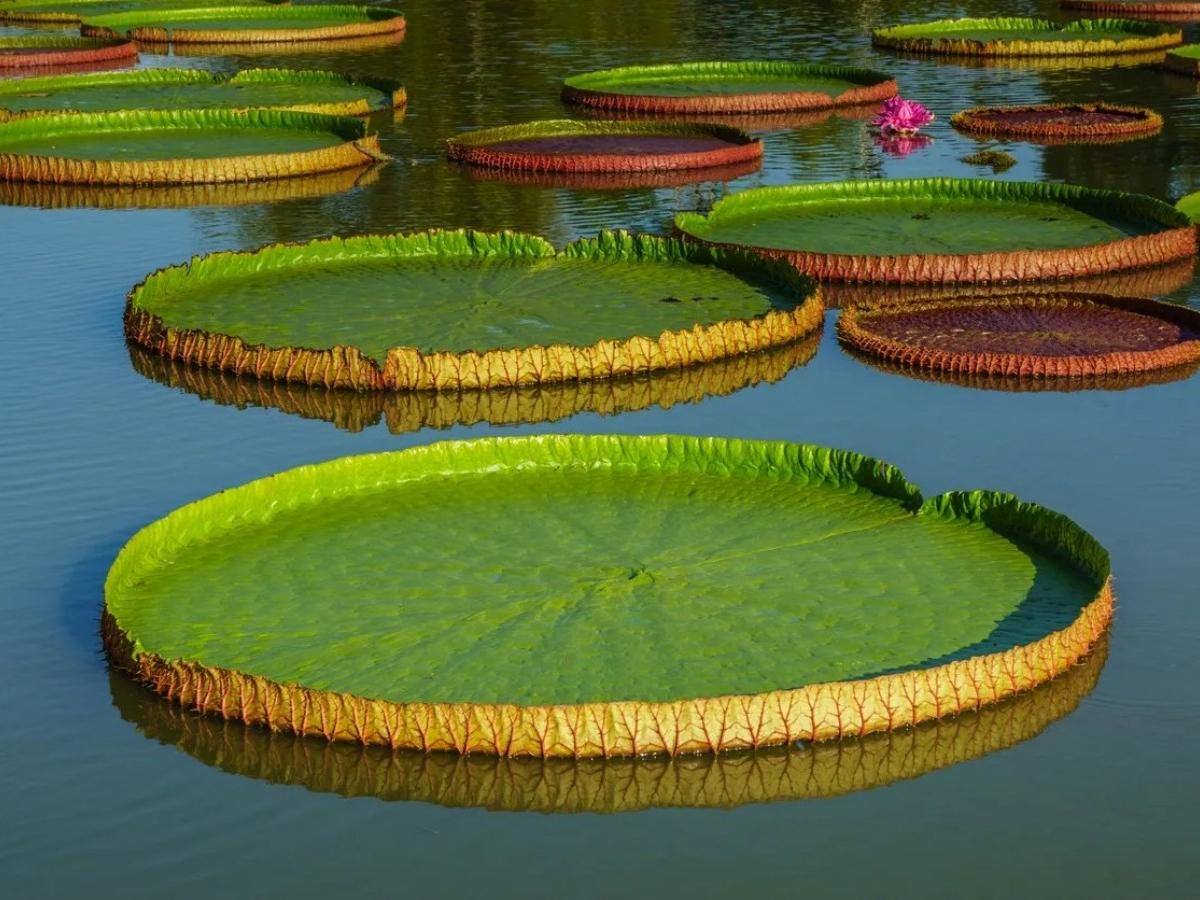
The Amazonian king lotus is the “queen” of aquatic plants, with huge rounded leaves up to two meters wide, capable of carrying the weight of a child. Native to the tropics of South America, this lotus is known for its nocturnal blooms, color shifts and unique pollination mechanism. Its flowers bloom white at night to attract nocturnal beetles for pollination, and then turn pink the next morning, completing one of the most delicate interactions of its life cycle.
At Hortus Botanicus, the king lily's greenhouse pool is placed in the center, surrounded by a viewing platform. Summer is its most active period, when large leafy surfaces float above the water and the flowers open like a dream. At nightfall, the blooming scene resembles a fairy tale, attracting countless photographers and nature watchers to wait for this moment.
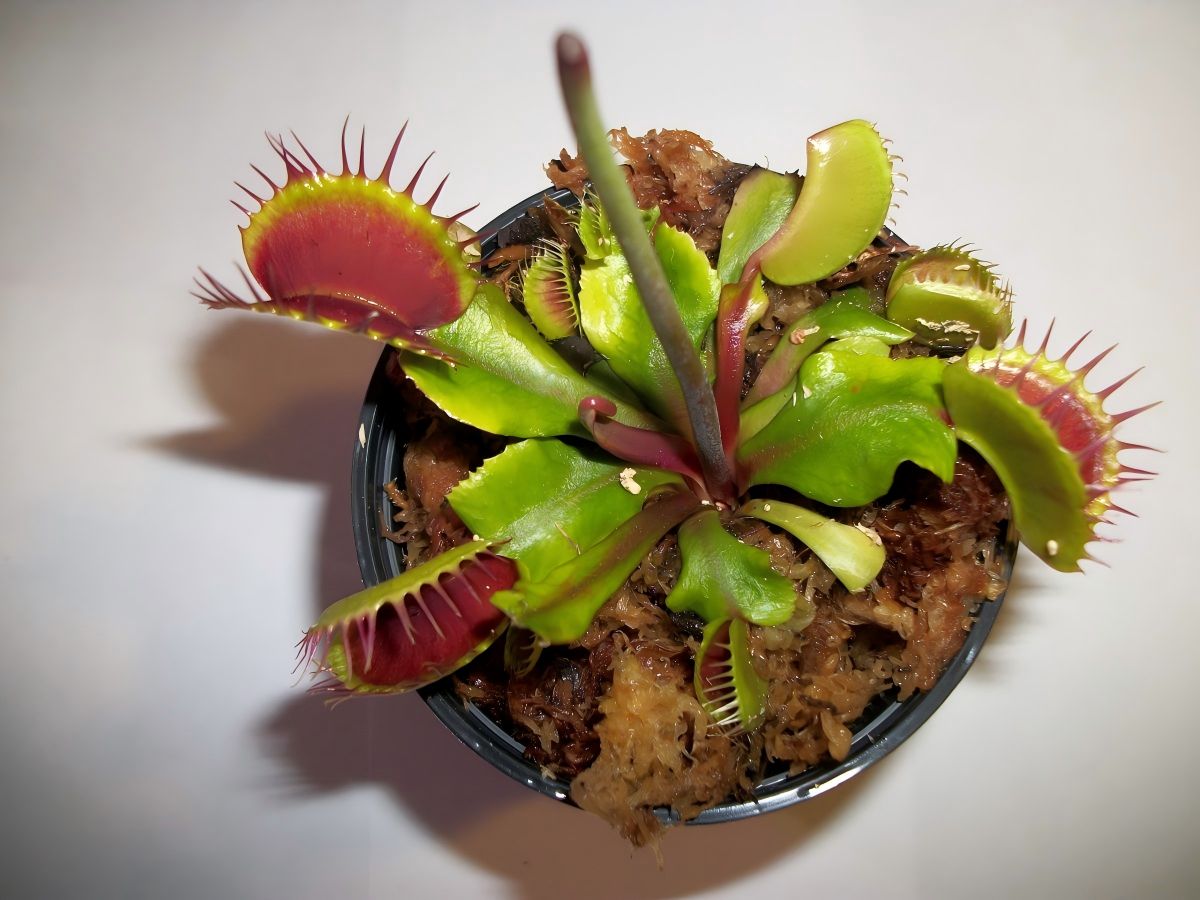
The seemingly small and adorable flytrap is actually an aggressive insect hunter. This insectivorous plant, which grows in the wetlands of North America, has two symmetrical leaves with tiny hairs all over the leaf margins. Once an insect falls in and touches the sensing point, the leaves will quickly close within 0.3 seconds, imprisoning the prey and secreting enzymes to slowly digest it later.
While the flytrap is not uncommon in the horticultural market, it is not easy to maintain its pristine ecological behavior in an artificial greenhouse, and Hortus Botanicus ensures that it completes its feeding and metabolic cycles by adjusting humidity and feeding schedules. Visitors especially enjoy observing its “closing” process, as if witnessing a miniature theater of nature. Not only is this plant physiologically fascinating, but it also provokes further reflection on natural intelligence and response mechanisms.
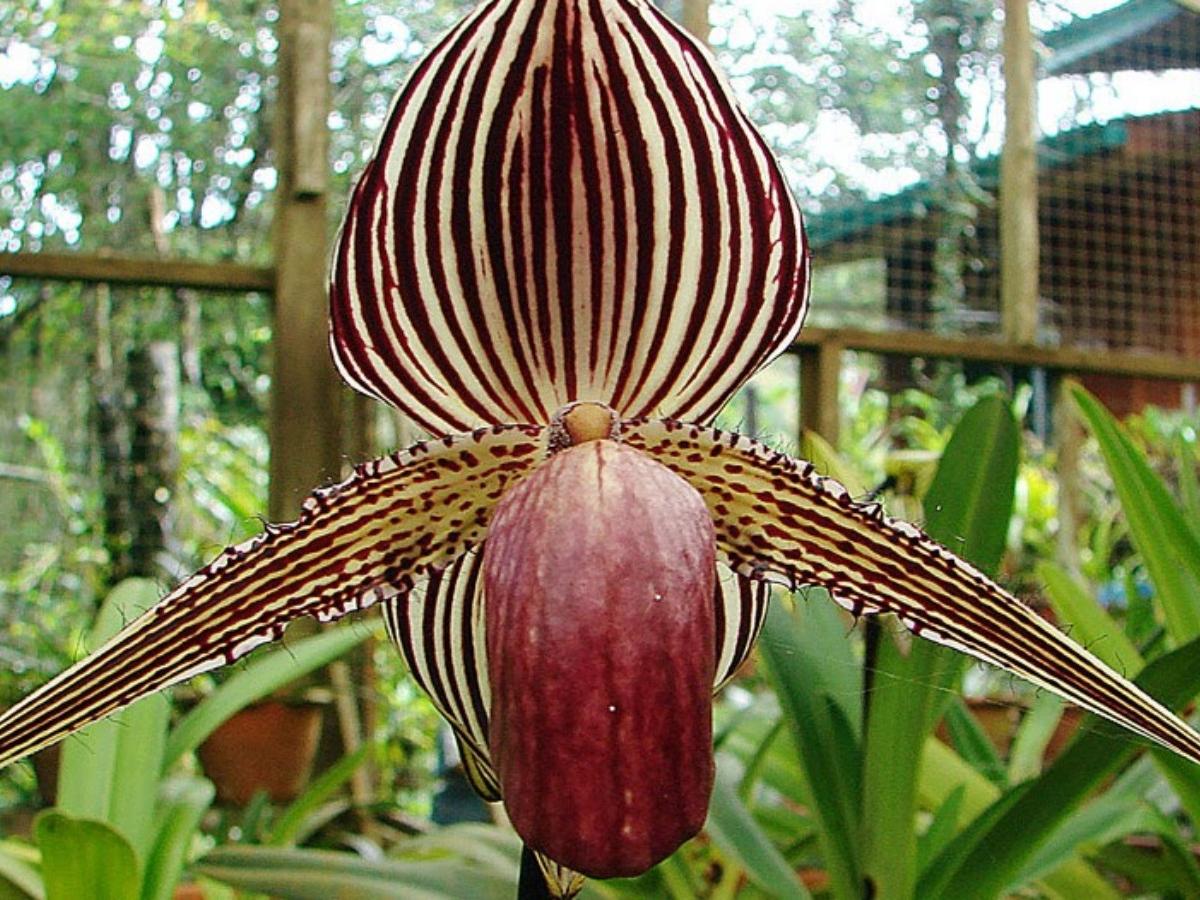
One of the rarest and most expensive species of orchid, the Rothschild's tulip is a rare orchid from Borneo known for its elegance and extreme dependence on its habitat. Its inflorescences are often horizontally arranged, with elongated petals and bright colors, making it the “best of the best” for orchid lovers.
Hortus Botanicus has included this orchid in its conservation program, trying to maintain its population through artificial breeding, tissue culture and other means, and it is on the verge of extinction in the wild. Visitors walking into the orchid exhibition hall will be attracted by the fragrance and gentle temperament it exudes, and for a moment they will feel as if they have entered a quiet fantasy world in a dense tropical forest.
Hortus Botanicus is not only a habitat for plants, but also a vivid green museum. Whether you are a scholar, a horticultural enthusiast, or an ordinary visitor, you will feel a call from nature as soon as you step into this greenhouse. The marvelous life of plants is not only blossoming and falling, but also a kind of perseverance, adaptability to the environment, and unceasing strength. Hortus Botanicus, Leiden is quietly guarding this miracle of greenery with its scientific background and humanistic care.