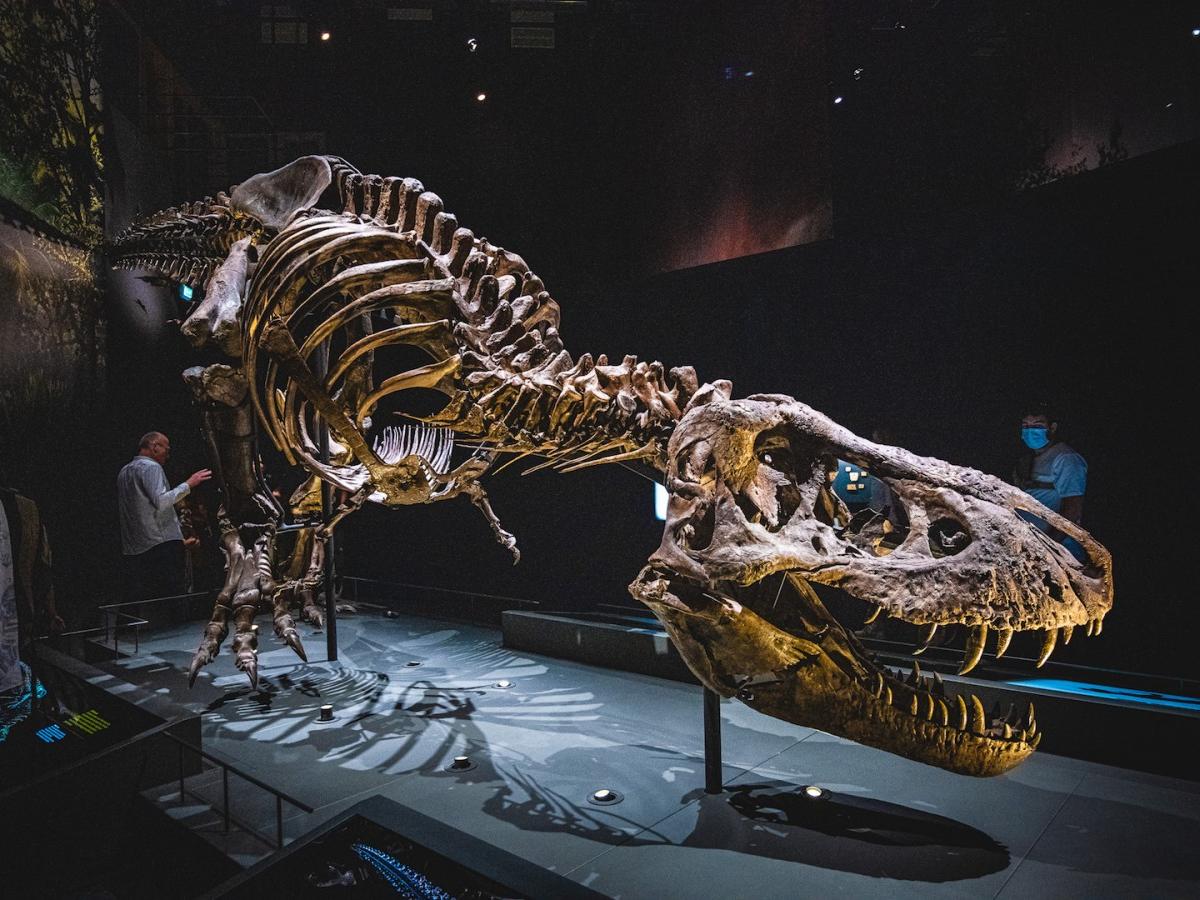
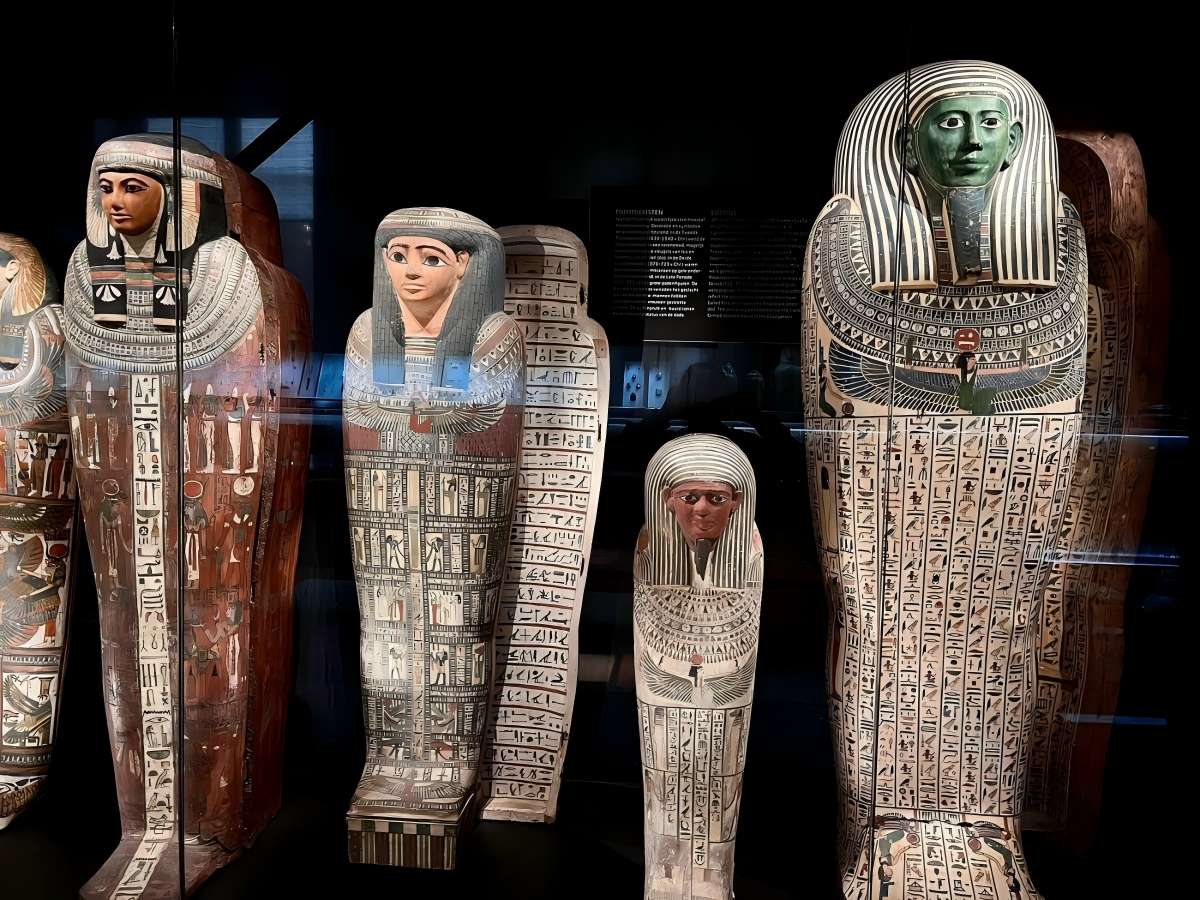
In the Dutch city of Leiden, there is a museum full of history - the Rijksmuseum van Oudheden - which is not only an important cultural and academic institution in the Netherlands, but also a time capsule full of mysteries and relics from all over the world. The museum is not only an important cultural and academic institution in the Netherlands, but also a time capsule full of mysterious colors, which collects ancient relics from all over the world. In particular, the Egyptian artifacts in the museum not only show the long and splendid civilization of Egypt, but also carry countless historical mysteries. Nothing is more amazing than those well-preserved mummies, which witnessed the glory and mystery of ancient Egyptian civilization.
Advertisement
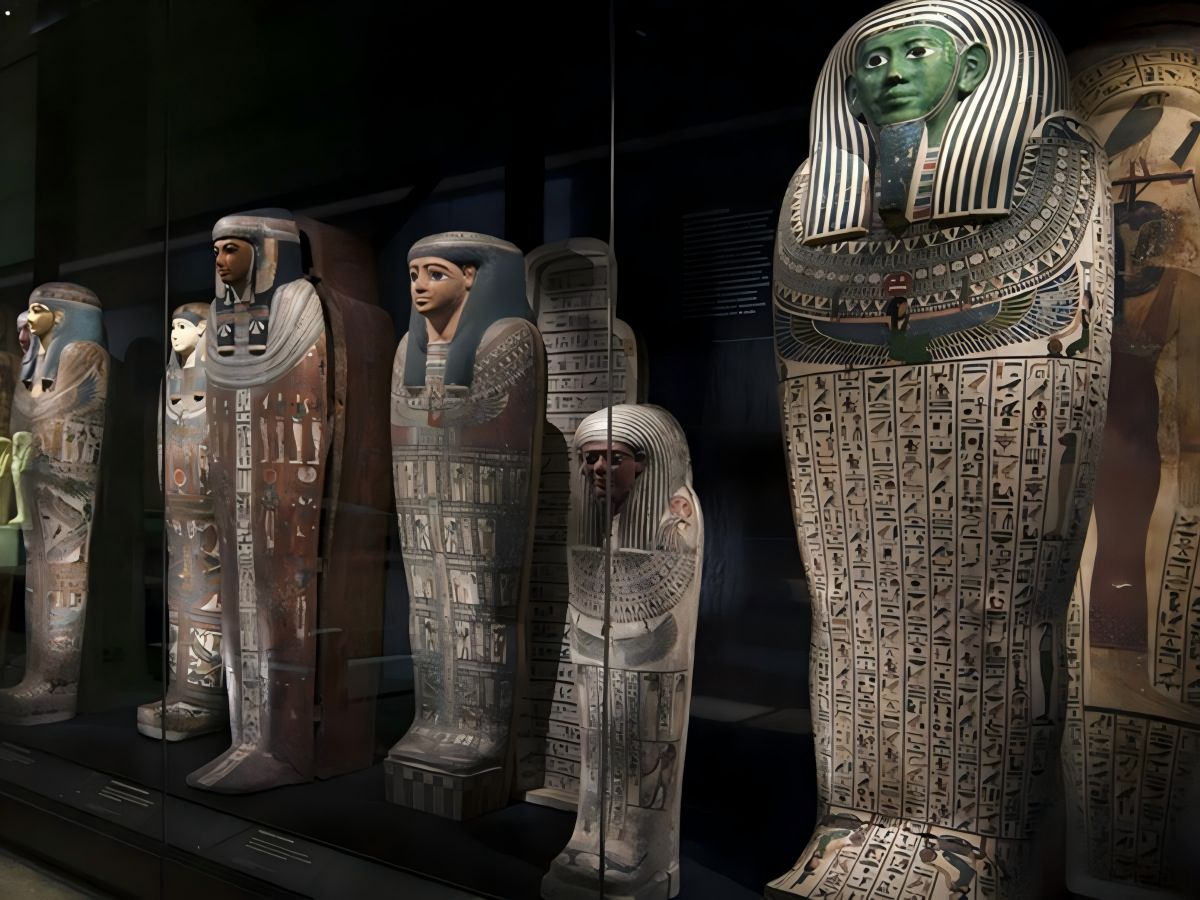
Mummies are an important part of the ancient Egyptian civilization, which is not only part of the ancient Egyptians' understanding of death and their rituals, but also the embodiment of their belief in eternal life. In Ancient Egypt, the idea of resurrection after death was rooted in the hearts of the people, who believed that the soul of a person could be resurrected with the help of mummies after death. In order to realize this belief, the ancient Egyptians invented complex embalming techniques to ensure that the body could be preserved for a long time. These mummies were often placed in beautifully crafted coffins, which were often richly decorated with designs and hieroglyphics that recorded the name, identity and life of the deceased.
Advertisement
The Egyptian section of the Rijksmuseum van Oudheden features several extremely rare mummies with clearly visible faces and relatively well-preserved skin and hair. Each mummy was handled differently, demonstrating the burial practices and cultural differences that existed in ancient Egypt at different times in history.
One of the mummies, Hermios, was an Egyptian nobleman who lived in the 2nd century BC. The mummy of Hermios is particularly well preserved, and his facial expression is still clear, as if he had been sleeping for thousands of years. The satin clothes he wore, the gold jewelry on his chest, and the hieroglyphics on his coffin all reveal to us the luxury of the upper classes of ancient Egyptian society and their expectations of the afterlife. When the mummy of Hermios was discovered, the entire coffin was covered inside and out with a heavy embalming agent, which greatly protected the integrity of the body and enabled it to be presented to the world intact after more than 2,000 years.
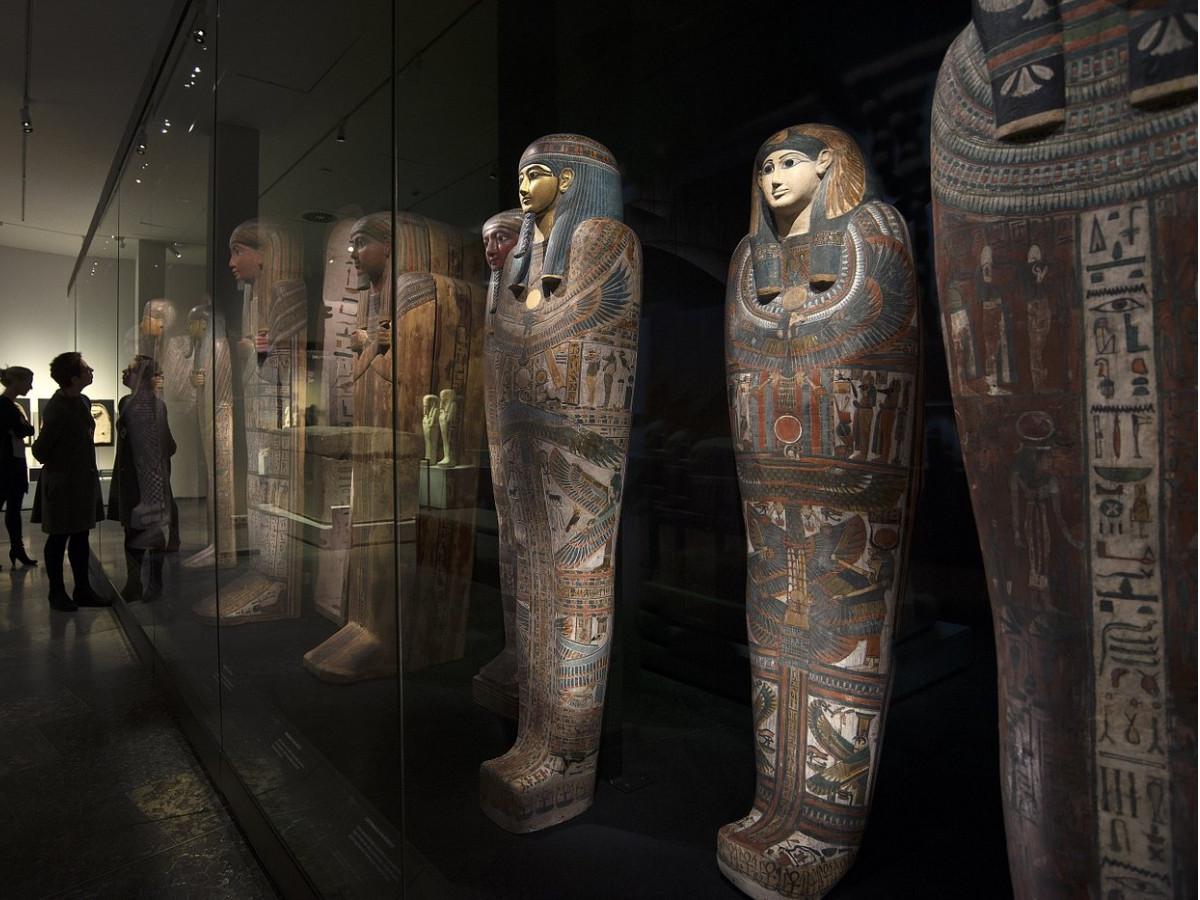
The Rijksmuseum van Oudheden is more than just a place where mummies are preserved; it also displays all kinds of artifacts of the ancient Egyptian civilization, painting a complete picture of ancient Egyptian society. The Egyptian section of the museum displays a wide range of artifacts from the New Kingdom period to the Ptolemaic period, including exquisite pharaonic statues, gold jewelry, stone inscriptions, and ritual paraphernalia. Each artifact seems to carry the breath of time, immersing one in the unique cultural atmosphere of ancient Egypt.
Advertisement
The statues of the pharaohs in the museum are one of the most interesting exhibits for visitors. Gold and stone sculptures like the “Golden Mask of Tutankhamun” are not an isolated phenomenon here. The museum displays a large number of pharaonic-themed sculptures and paintings, which reflect the ancient Egyptian worship and respect for rulers. In these statues, the pharaohs are always portrayed with majestic and serious faces as a way to show their divinity and authority.
In addition, the museum also exhibits many items related to ancient Egyptian religious beliefs. The ancient Egyptians worshipped numerous gods, each with their own temples, offerings and symbols. The artifacts here include many sculptures and offerings featuring the gods, some of which were even funerary objects used to ensure that the deceased would be sheltered by the gods in the afterlife. The detail and superb craftsmanship of these artifacts is a marvel at the great religious and artistic accomplishments of the ancient Egyptians.
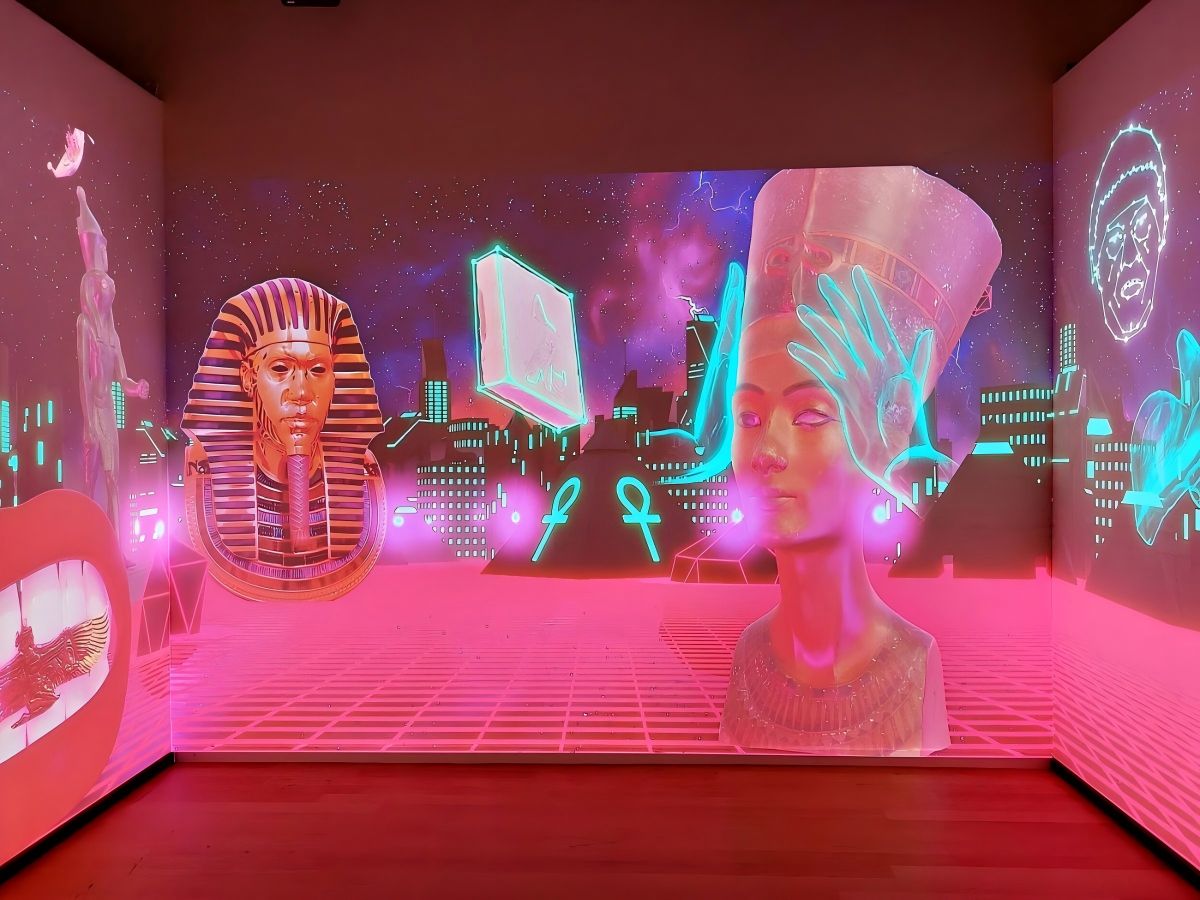
In addition to traditional displays, the Rijksmuseum van Oudheden utilizes modern technology to allow visitors to gain an in-depth understanding of these ancient mummies through virtual technology. Through 3D scanning technology, visitors are able to see the details of the mummies' interiors, including bones, organs and even surviving objects. Such high-tech means not only make the mystery of mummies more thorough, but also provide archaeologists with more research data.
Among them, the use of CT scanning technology, the museum has successfully “unveiled” the internal secrets of many mummies. Taking the mummy of Hermios as an example, CT scanning allowed researchers to discover the nobleman's dietary habits, health conditions, and even the diseases he may have suffered before his death. These discoveries have not only helped scholars better understand the lifestyle of the ancient Egyptians, but also provided important clues for the study of the history of ancient medicine.
In addition, the museum has also digitized some of the important artifacts into virtual exhibits, allowing scholars and tourists around the world to visit and study these precious relics via the Internet. This fusion of ancient and modern display methods not only enhances the educational function of the museum, but also gives Egyptian culture a new lease of life in the digital age.
The Rijksmuseum van Oudheden, one of the most important cultural heritage preservation units in the Netherlands, is committed to passing on the legacy of these ancient civilizations to future generations. Through careful curation and strict conservation measures, these mummies and other Egyptian artifacts have been preserved in the modern world. At the same time, the museum also engages in academic exchanges and cooperation worldwide to promote in-depth research on ancient Egyptian civilization.