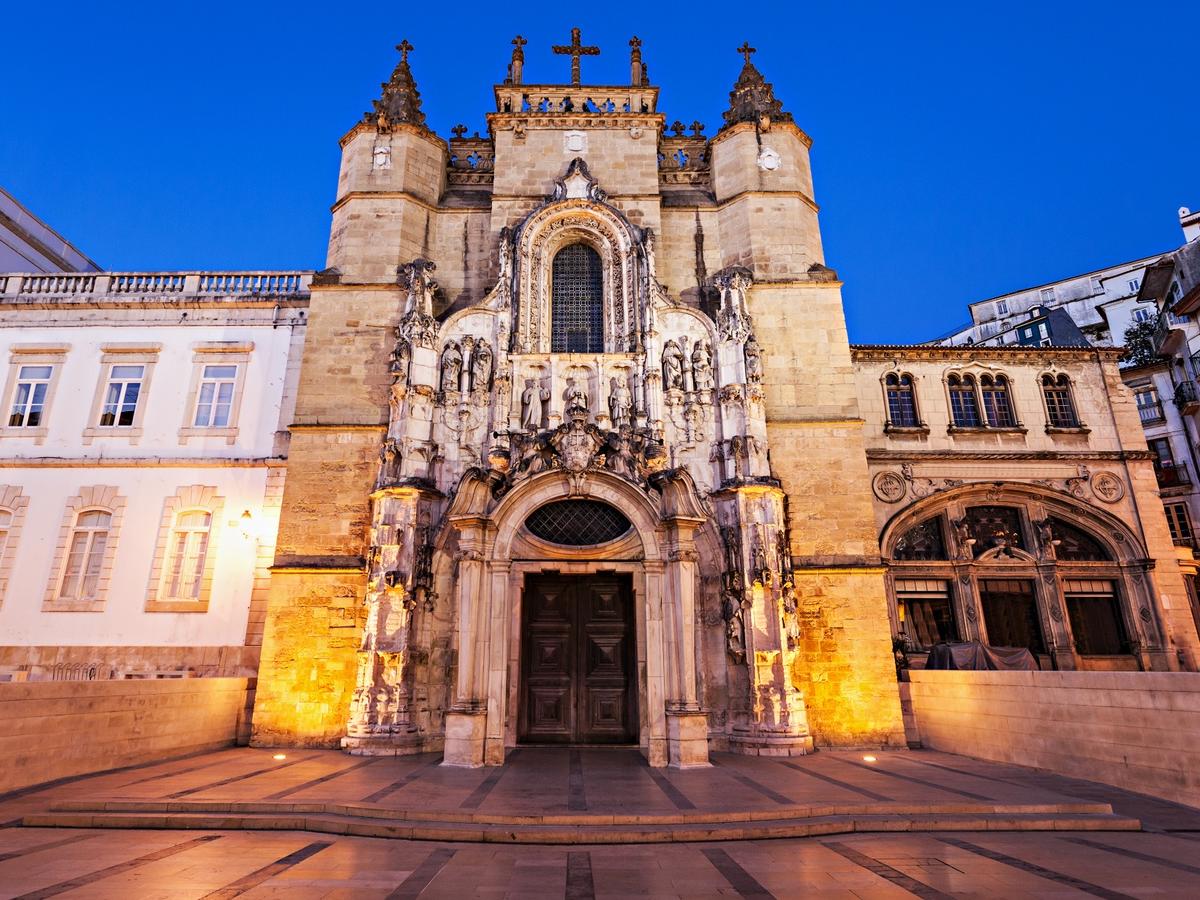
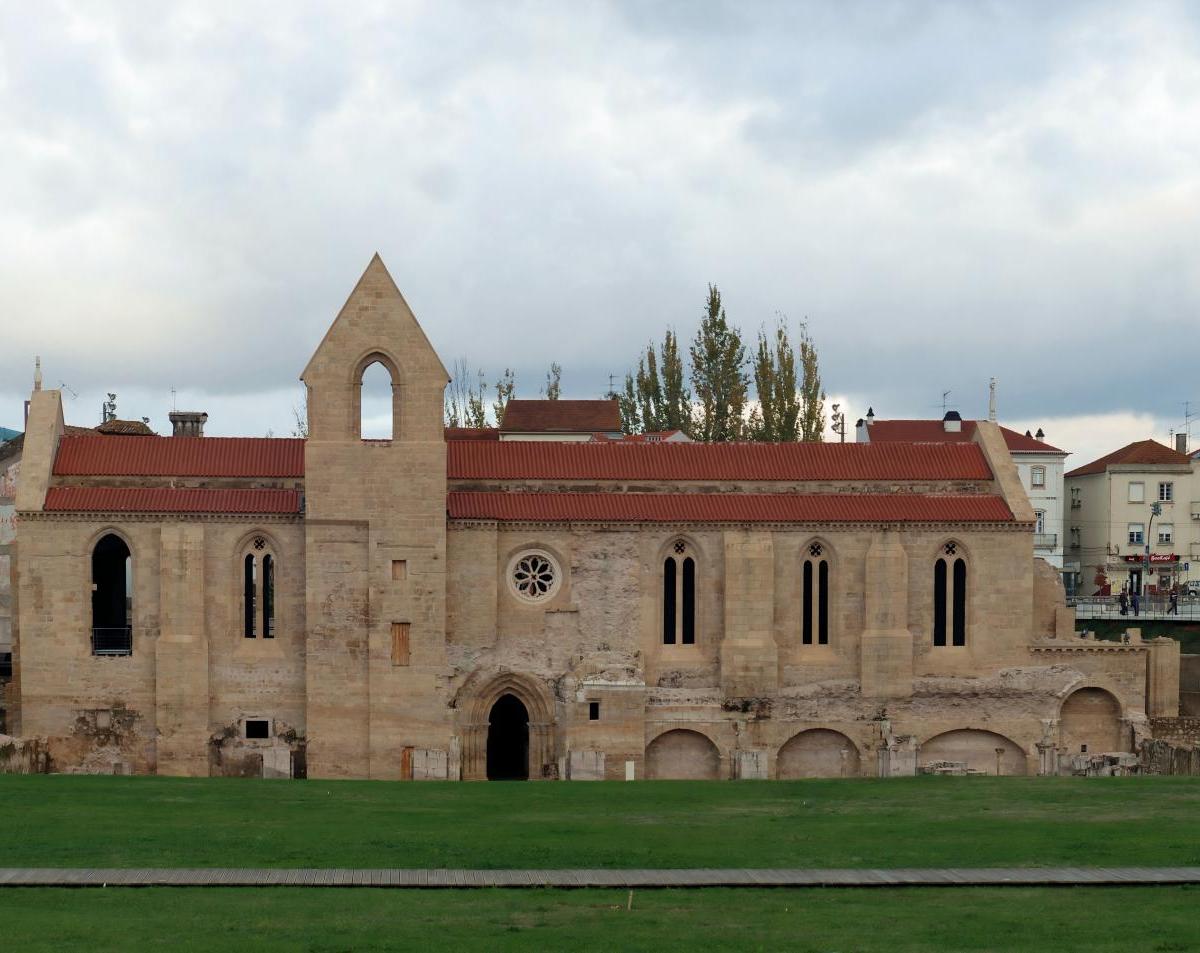
Monastery of Santa Clara-a-Velha, a story of devotion, struggle and time. Imagine standing in front of the remains of a magnificent monastery, half buried by history and half drowned by time.Monastery of Santa Clara-a-Velha Once a magnificent Gothic masterpiece, it now stands as a hauntingly beautiful ruin on the banks of the Mondego Rive River in Coimbra, Portugal. You can still hear the whispers of the nuns who once prayed here, the echoes of their footsteps in the corridors, and in the distance the bells that once called for devotion. But today, the convent tells a different story - a story of resilience, abandonment and rediscovery. What led to the rise of this once glorious place of worship? And what led to its decline, leaving it to languish at the mercy of floodwaters for centuries? Let's travel through the fascinating history of Monastery of Santa Clara-a-Velha and uncover its triumphs and tragedies.
Advertisement
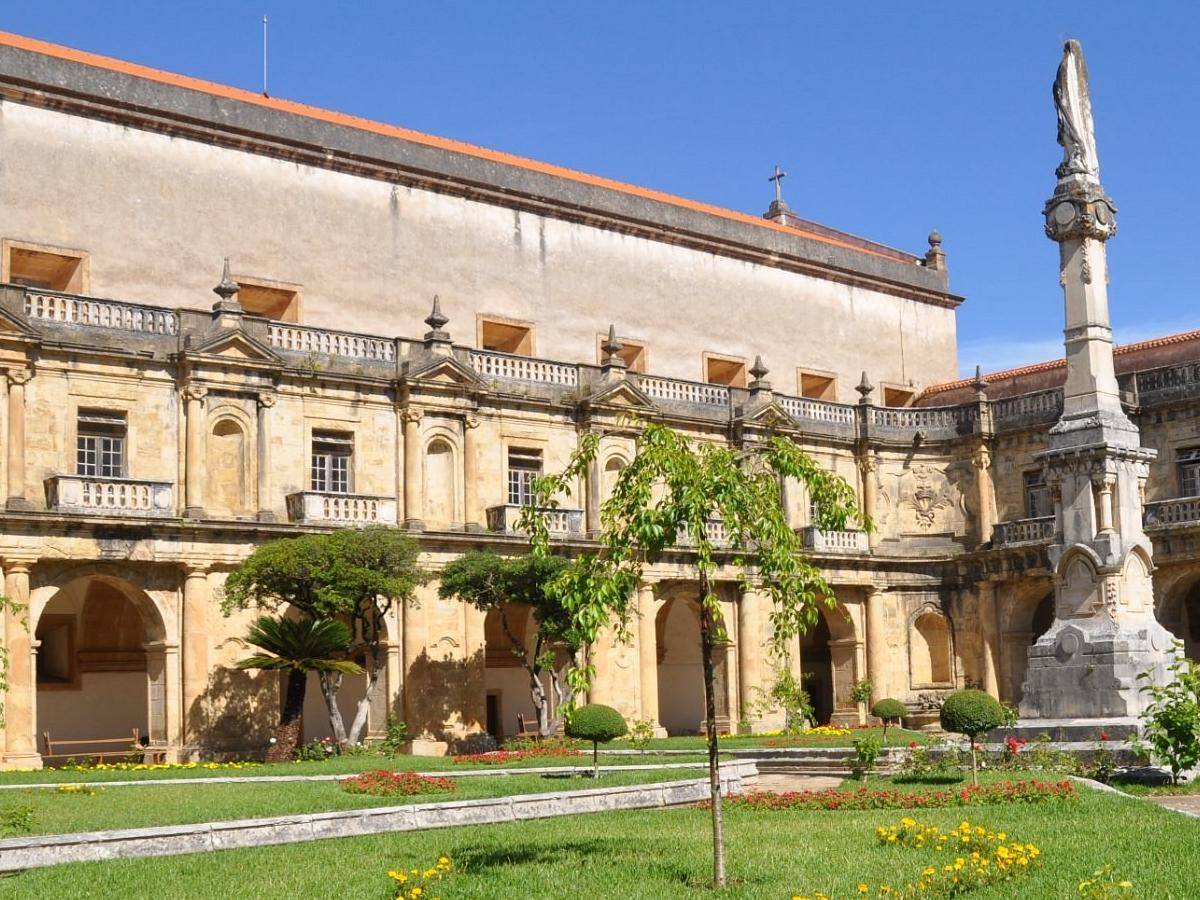
Our story begins in the late 13th century, when Moll Diaz, a wealthy noblewoman, had a vision. She wanted to establish a monastery for the Knights of St. Clair, a branch of the Franciscan movement dedicated to simplicity and spiritual devotion. With the approval of King Dinis, she founded the Monastery of Santa Clara-a-Velha in 1286.But the first attempt to build a convent was not successful. It lacked funds and the initial structure was weak and could not stand the test of time. However, everything changed when King Dinis' wife, Queen Isabel of Aragon, took a keen interest in the project.In the early 14th century, Queen Isabel ordered the rebuilding of the monastery to ensure that it would be a place of worship and charity. The new convent was built in the Gothic style, with large pointed arches, intricate stonework and majestic cloisters. It became the spiritual and cultural center of Coimbra, attracting many noble women who wished to devote themselves to their faith. Over the years, the convent flourished and became home to dozens of Franciscan nuns, and Queen Isabel herself spent her later years in the convent.
Advertisement
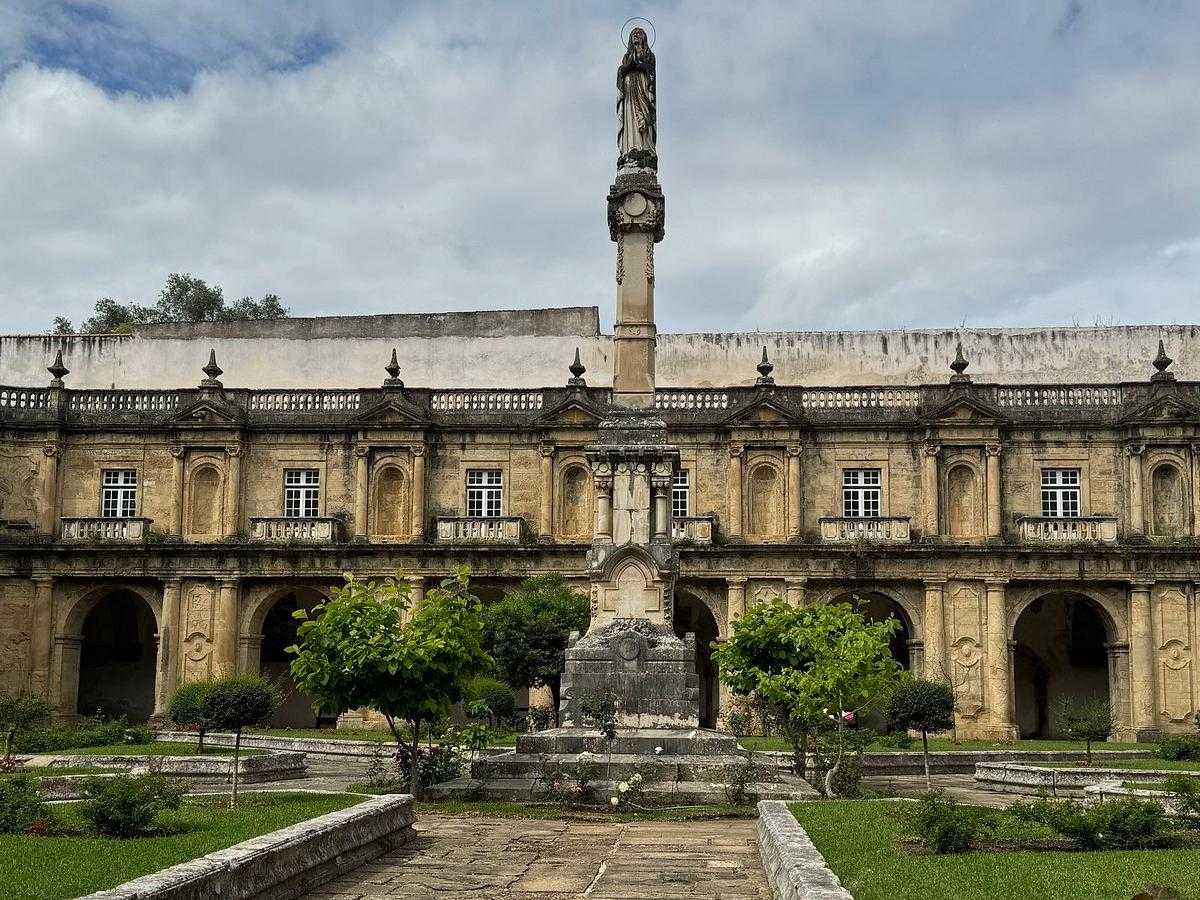
If you were to stand in the ruins of Monastery of Santa Clara-a-Velha today, you would notice something strange. The abbey seems to sit lower than the rest of the city, almost as if the earth itself were trying to swallow it. In a way, this is exactly what happened. The convent was built dangerously close to the Mondego River, which was prone to flooding. For the first few decades, the nuns and local residents managed to control the flooding. But over time, the floods became more frequent and severe. By the 15th century, the convent was often under water, forcing the nuns to lift their habits and wade through flooded corridors to reach the prayer room. Imagine waking up in the middle of the night to find water creeping in through the doorway, soaking ancient manuscripts and sacred objects. The nuns tried everything they could to save their home, building walls, raising floors, even altering parts of the structure. But no matter what they did, it didn't help much. After centuries of struggling with nature, the decision was made to abandon Monastery of Santa Clara-a-Velha.
Advertisement
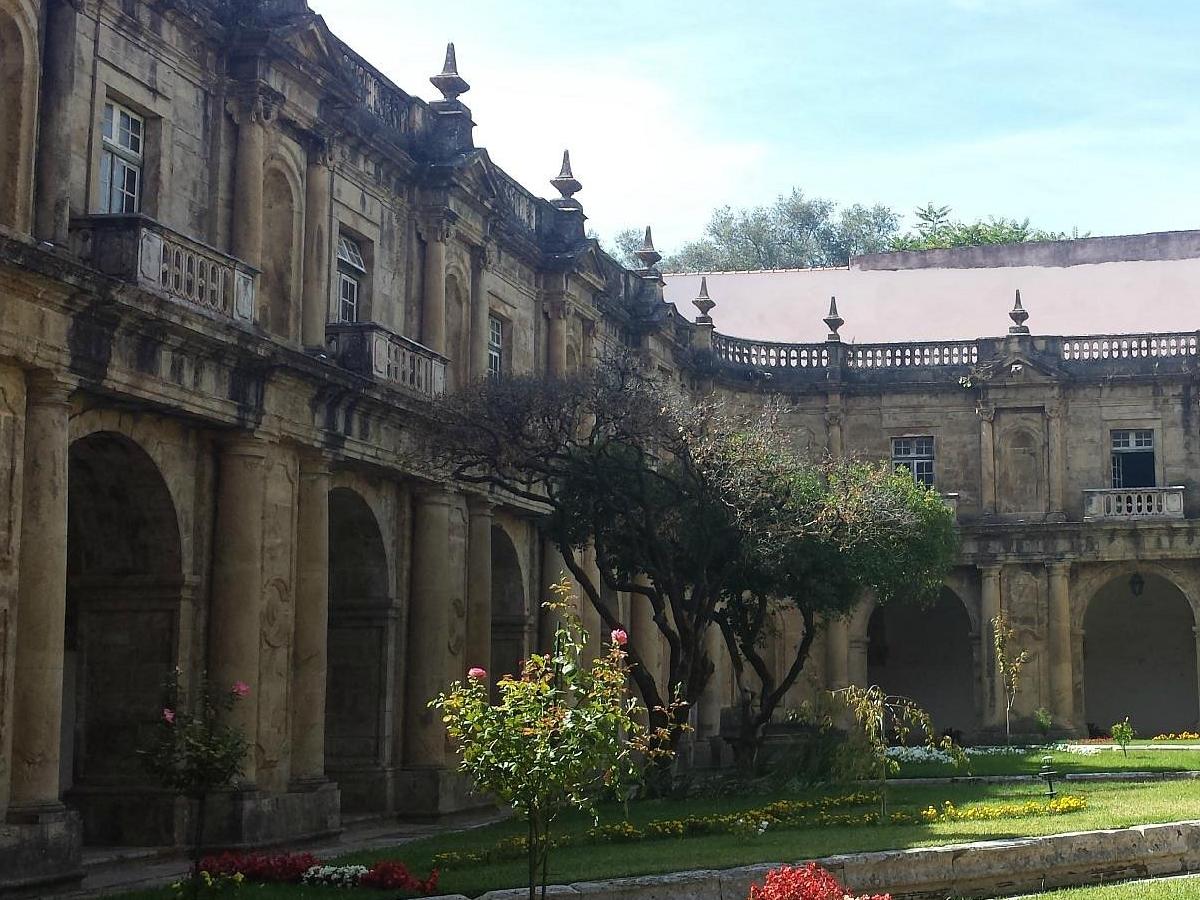
After the departure of the nuns, Monastery of Santa Clara-a-Velha slowly faded into obscurity. The magnificent monastery, once filled with chanting, prayer and devotion, became a ghostly ruin, forgotten by time. For more than 300 years, the building was left to decay. Locals used it as a storehouse, farmers allowed animals to roam within its walls, and thick soil and vegetation began to disintegrate the monastery piece by piece. It became a place of mysterious legends - people whispered stories of the old nuns who still wandered the halls, their souls trapped by the rising waters. Some even claimed that the ghost of Queen Isabel would pray at night, mourning the fate of her beloved convent. For centuries, the abbey lay dormant, waiting for someone to remember its stories.
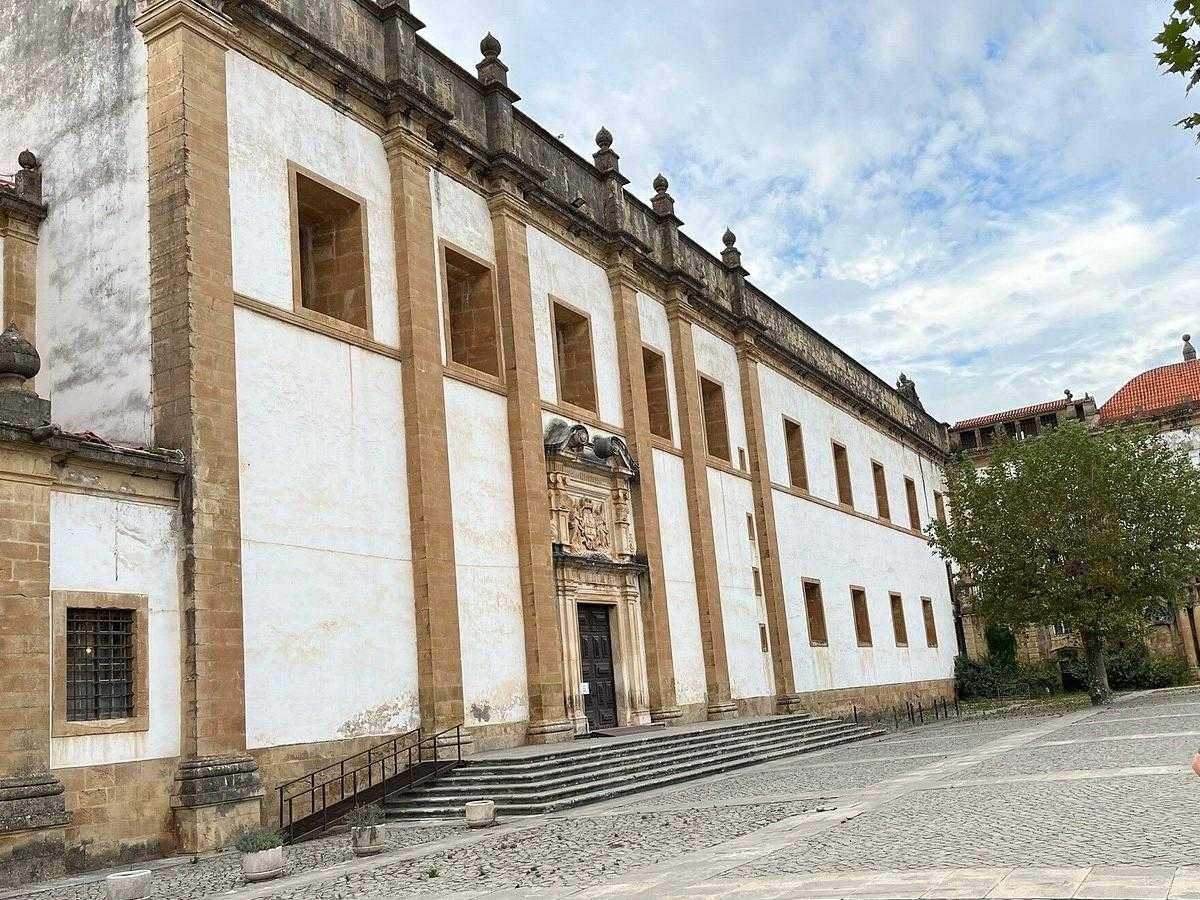
In the 1990s, archaeologists and historians decided it was time to unlock the secrets of Monastery of Santa Clara-a-Velha. What they found was astonishing - the Gothic monastery was still standing under layers of silt and flood deposits. So a massive restoration project began as they carefully excavated and preserved everything on the site. Archaeologists discovered several ancient tombs, decorative stone carvings, and even a few antique artifacts left behind by the nuns, and after 2009, the convent was officially opened to the public as a historical site and museum. Today, visitors can stroll through the stone ruins and stand in the flooded cloisters to witness the former splendor. The restoration of Monastery of Santa Clara-a-Velha was not just about preserving a building, but also about the rebirth of a story and bringing this almost forgotten place back to life.
Monastery of Santa Clara-a-Velha is a symbol of faith, tenacity and the passage of time. It has survived many floods, abandonment, and centuries of decay, yet it still stands and tells its story to visitors. As you walk through its remains, you can almost feel the presence of the nuns who once lived here, the many prayers that once filled the hall, and the determination of those who refused to let it go.