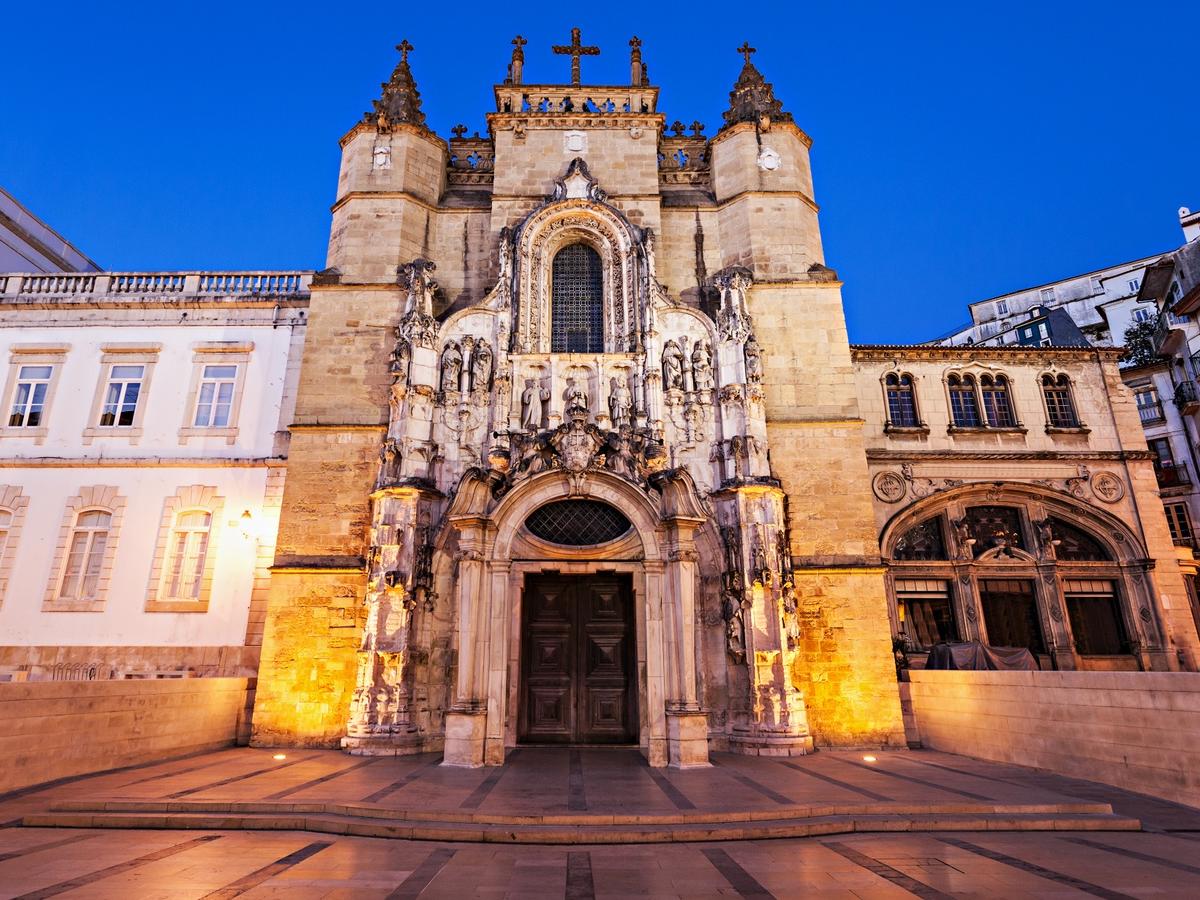
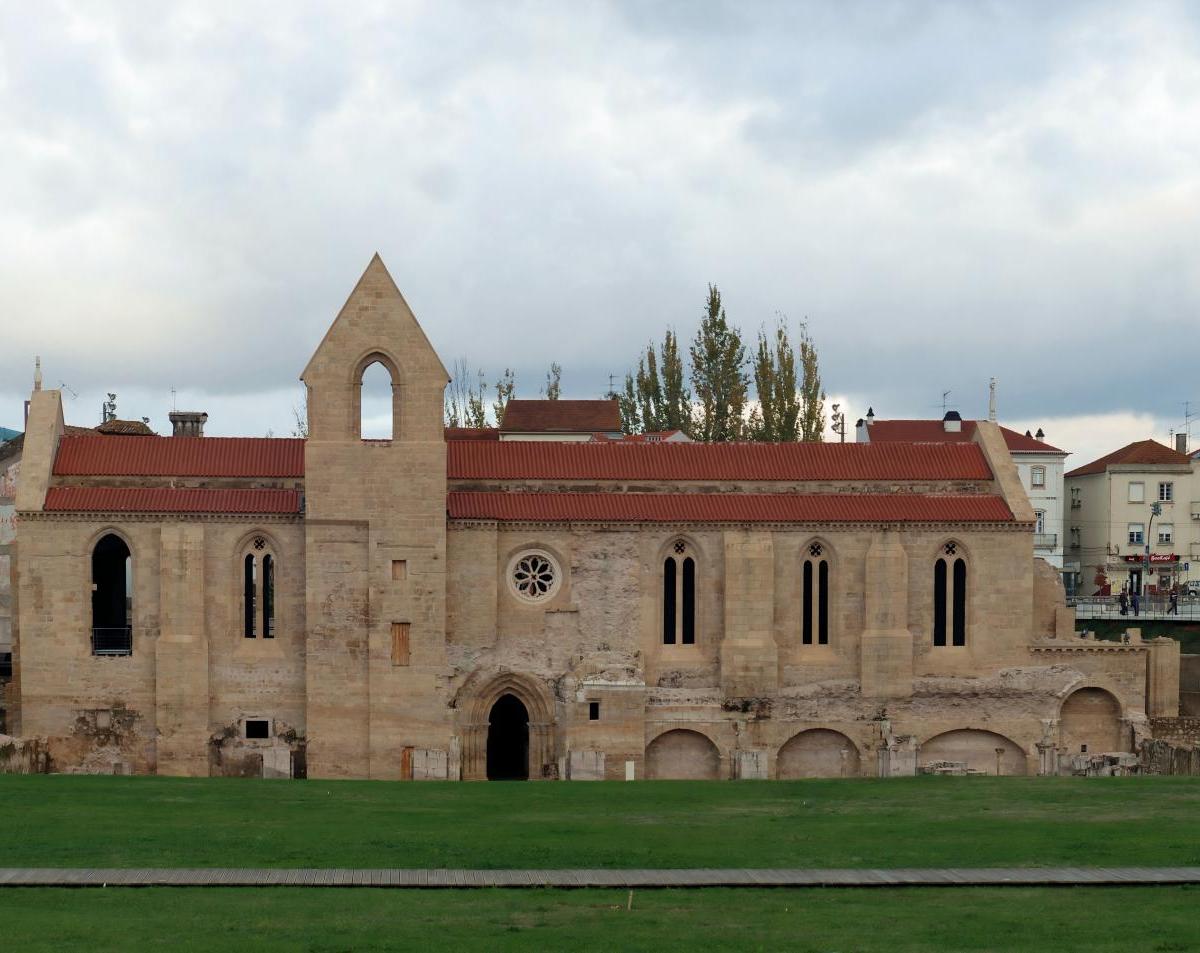
A place where faith, knowledge and music intertwine, Coimbra Monastery of the Holy Cross.Time seems to slow down here. Walking through historic streets, past vibrant universities and bustling cafes to such a magnificent building - at first glance, it's just another breathtakingly beautiful abbey, but the moment you step inside, you'll feel differently. This is not just a church. It is more than just a place of religion. For centuries, faith, education and music have merged here, shaping the minds and souls of some of Portugal's greatest thinkers, musicians and leaders. What makes this monastery so special? Why is it so closely linked to Coimbra's identity? To understand its significance, we must go back in time, to a time of piety, knowledge and sacred music echoing between the stone walls.
Advertisement
The story of Monastery of the Holy Cross begins in 1131, during the reign of Portugal's first king, Alfonso Henriquez. Portugal was still a young country, having just gained independence from the Kingdom of León. King Afonso Henriques wanted to lay a solid religious foundation for his new kingdom, and to do so, he needed a magnificent monastery - a center that would provide both spiritual guidance and intellectual development. So a group of devout religious scholars were invited to found a monastery in Coimbra. They were no ordinary monks; they were highly educated, deeply religious, and committed to faith and academic excellence. From its inception, Monastery of the Holy Cross was more than a religious institution; it was a place where Portugal's greatest thinkers gathered to study, write and create.
Advertisement
Long before the University of Coimbra was founded, Monastery of the Holy Cross was a hub of knowledge and education. The monks here were some of the most learned men in Portugal, devoting their lives to philosophy, theology and literature. If you were a young nobleman in medieval Portugal, chances are your education began at this monastery. Even Portugal's first ruler, King Afonso Henriques, had close ties to this place. After his death, he was buried in the monastery, making it a royal shrine. Many of Portugal's early kings, scholars and poets studied here, including Duarte and João III, two monarchs known for their wisdom and contributions to Portuguese culture. The monastery's library, filled with rare manuscripts, religious texts and scientific works, is a treasure trove of knowledge.Education at Monastery of the Holy Cross isn't just about reading books, there's another art form that thrives here - one that gives Coimbra its identity with a soul.
Advertisement
If you visit a monastery from centuries ago, you won't just see monks in prayer or students studying, you'll also hear the truly magical sounds of the Monastery of the Holy Cross, once a center of sacred music that played a key role in the development of Portugal's musical traditions. The monks here composed and performed Gregorian chants, polyphonic hymns and religious works, imbuing the monastery with an atmosphere of devotion and artistry. One of the most fascinating musical affinities with the abbey is its influence on fado, the melancholy and deeply felt music of Portugal. Although modern forms of fado are often associated with Lisbon and Coimbra, its roots can be traced back to religious and medieval musical traditions, many of which were nurtured at the monastery. Coimbra in particular is known for its Coimbra fado, a unique style of fado sung by university students. However, while the convent has flourished as a center of music and learning, it has also experienced its fair share of struggles.
For centuries, the Monastery of the Holy Cross has been one of the most powerful and influential institutions in Portugal. But like many great places, it faced challenges that almost led to its decline.The 19th century was a time of political upheaval in Portugal.In 1834, the Portuguese government enacted the Dissolution of Monasteries Act, which led to the closure of many religious institutions. The state confiscated monastic lands, expelled monks, and stripped religious buildings of their wealth.The Monastery of the Holy Cross was not spared. The once thriving intellectual and musical center declined, its precious collections were scattered, and its influence waned. Thankfully, the Abbey did not disappear forever. Recognizing its cultural and historical importance, efforts to restore it began several years ago. Today, Monastery of the Holy Cross is a national monument, carefully preserved for the enjoyment of future generations.
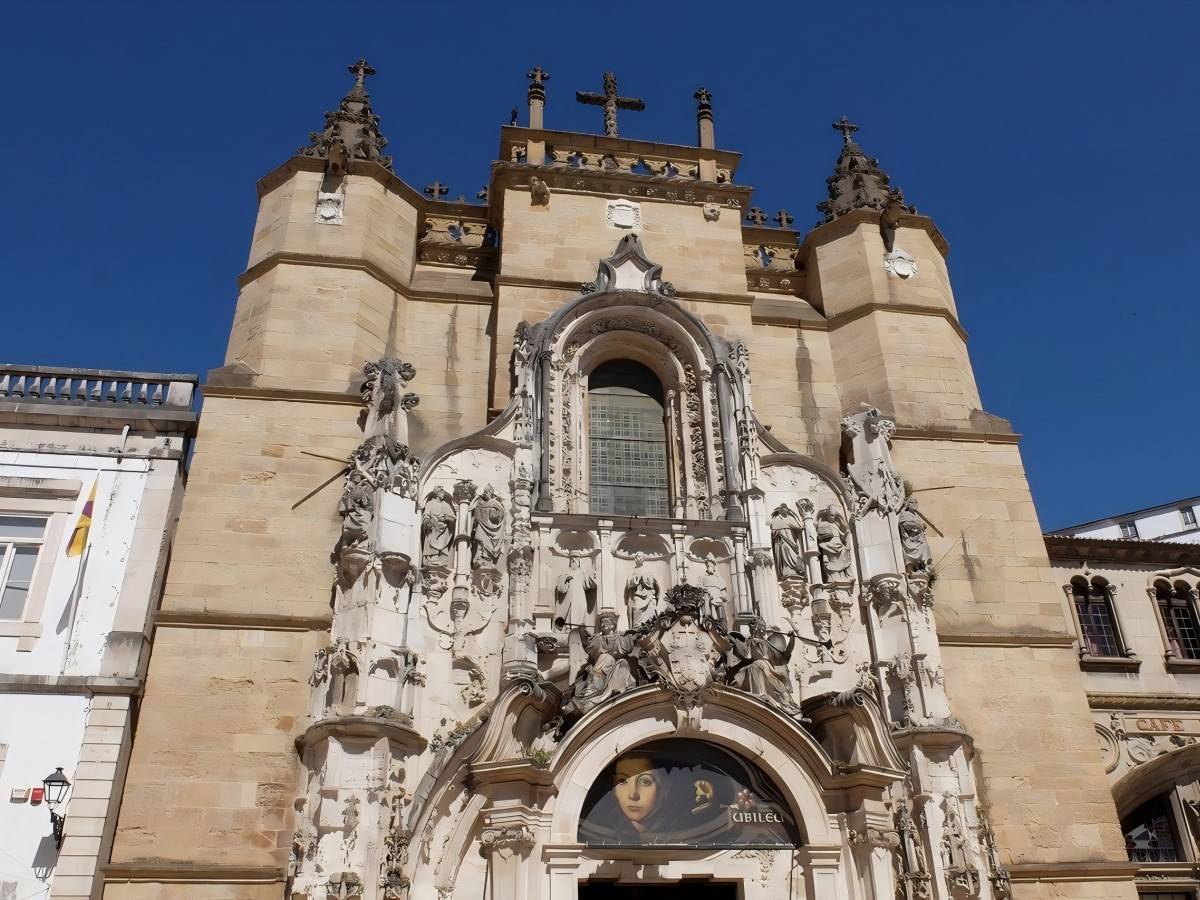
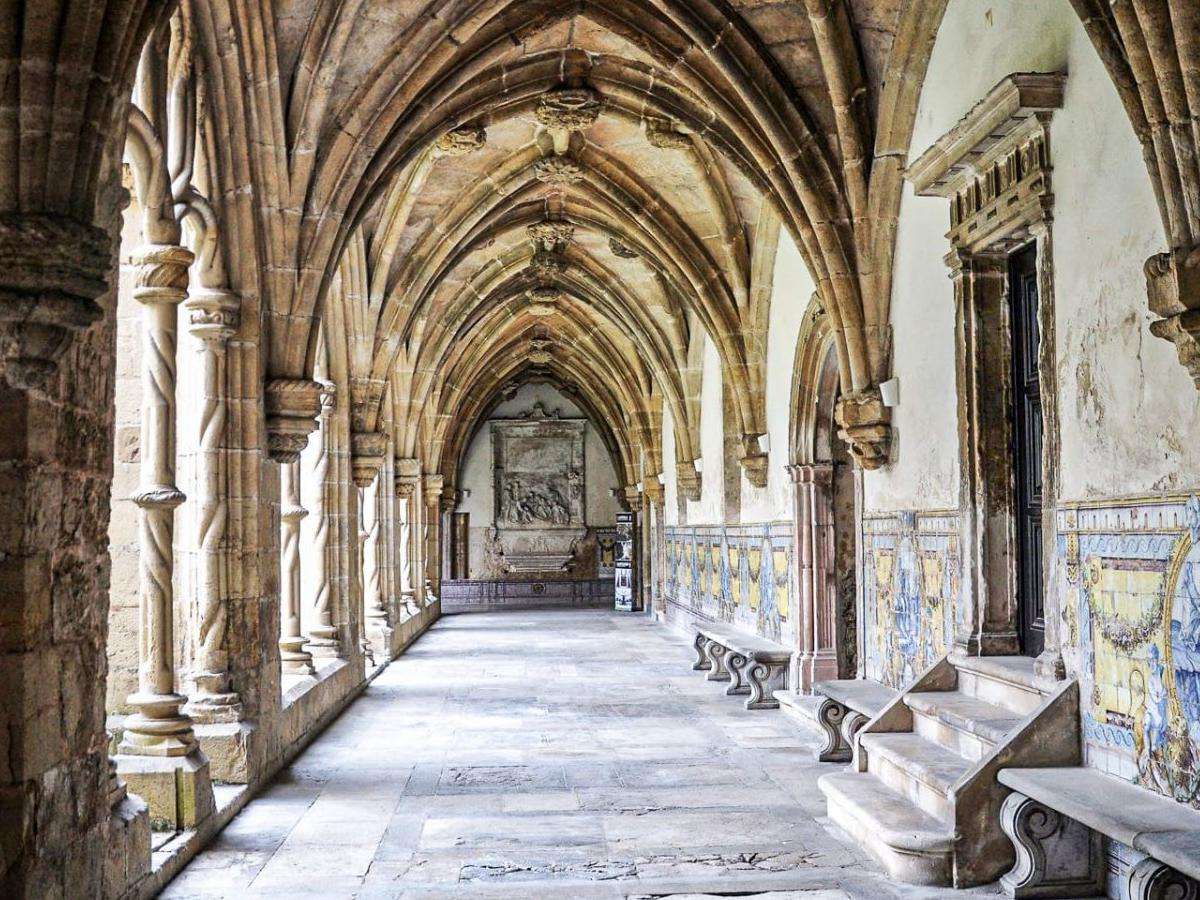
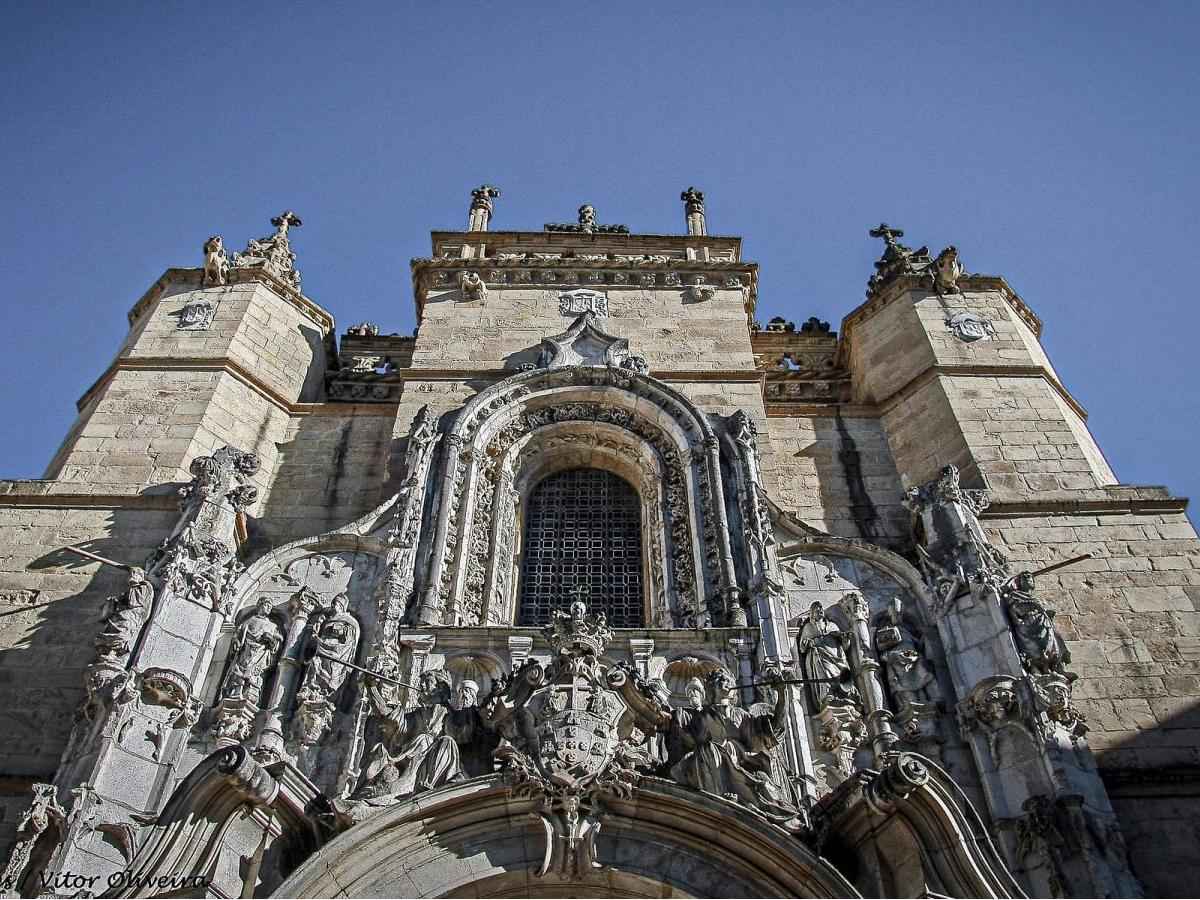
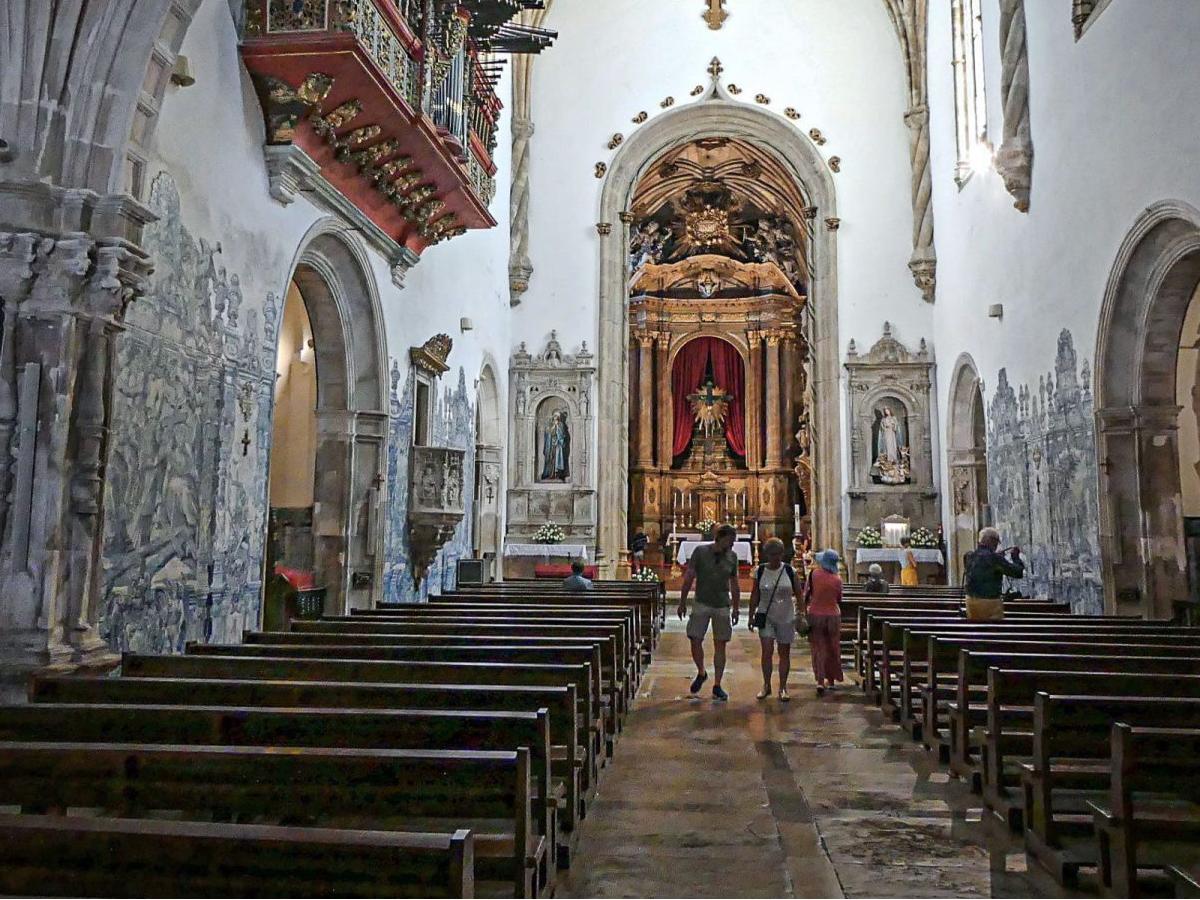
Today, when you visit the monastery, you'll find a stunning blend of Romanesque, Gothic and Manueline architecture that showcases centuries of artistic evolution. You can visit the royal mausoleum of the first king of Portugal, admire the intricate carvings on the facade of the church, and even witness the grandeur of the High Altar, a masterpiece of Baroque art. If you listen closely, you might even hear the echoes of sacred music, reminding you that this is not just a historical site, but a place where faith, knowledge and art have endured for nearly 900 years.