
Advertisement
You wouldn’t normally expect a museum to make you slow down. Most of the time, traveling pushes you to keep moving—from one landmark to the next, from one photo to the next. But stepping into the Louvre Abu Dhabi feels completely different from the very start. It’s not just a place to visit; it’s a place that quietly shifts your pace, your focus, and the way you connect ideas. One can’t help but ask: Is it really worth taking the time to explore? The answer is yes—but the reasons may be different from what you expect.
Advertisement
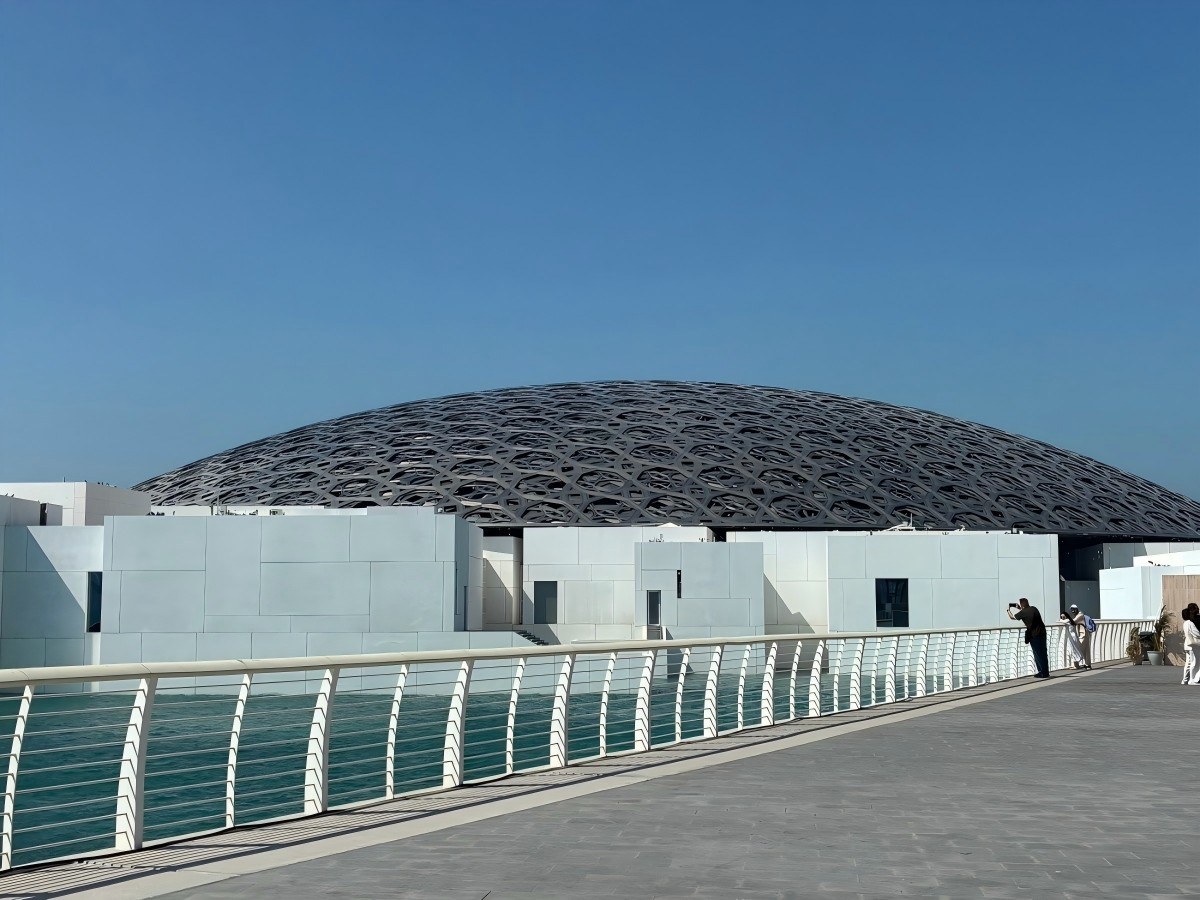
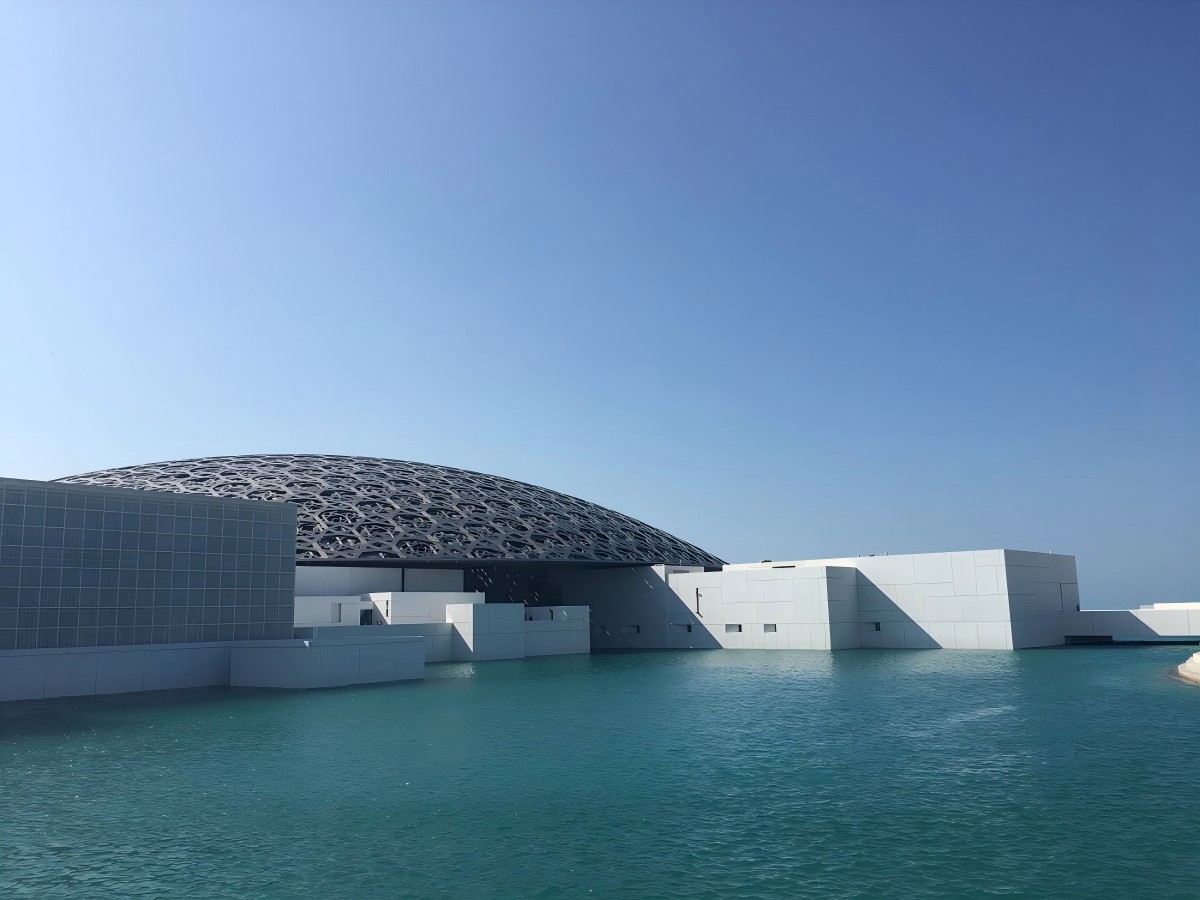
Even before you encounter a single exhibit, the museum’s environment begins to exert its influence. Located on Saadiyat Island, the museum feels neither confined nor oppressive. Surrounded by water, with light streaming through an intricate dome, the entire building conveys a sense of openness rather than confinement. Here, you’ll find yourself naturally slowing your pace, even if you hadn’t intended to. This is more significant than it might seem at first glance. For the experience here isn’t about quickly absorbing information, but about discovering connections between things. The architecture itself cleverly guides you into this state, even before you read the first label. If you’ve been to the Louvre, you might expect something similar here—galleries organized by region, culture, or artistic style. But this museum doesn’t operate that way. Instead, it tells history as a shared human timeline. Artifacts from different civilizations are displayed side by side, not to highlight differences, but to reveal similarities. Religious manuscripts from the Islamic world might be placed alongside Christian texts from Europe or philosophical works from Asia. The effect is subtle yet powerful: you begin to realize that these cultures did not develop in isolation. They posed similar questions, grappled with similar challenges, and sometimes even influenced one another. For travelers, this completely transforms the experience. You are no longer merely viewing exhibits; you are tracing the evolution of ideas.
Advertisement
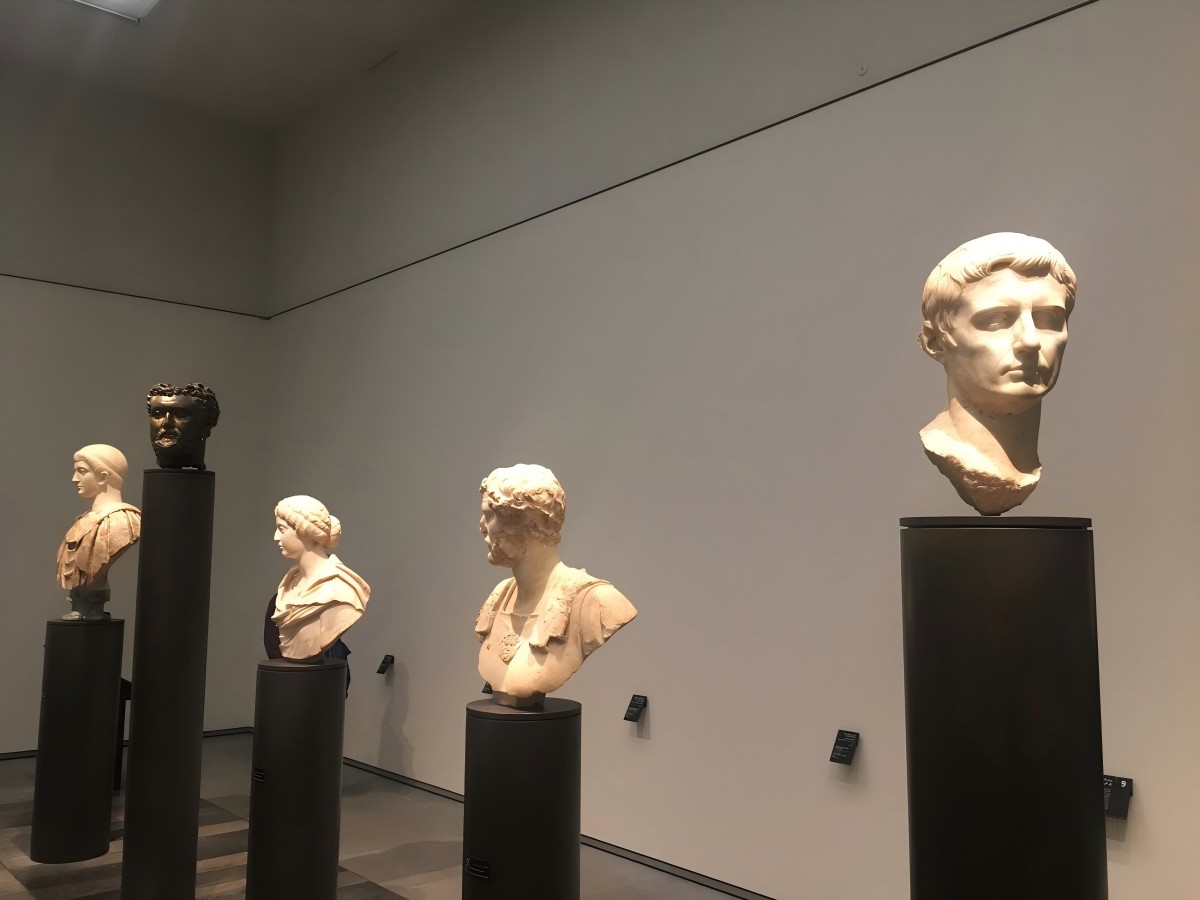
What makes this museum most significant is the way it presents Islamic history. Rather than treating it as a separate or isolated narrative, it places it within a global context. This approach makes the historical story more vivid and authentic. You may see scientific instruments used for navigation and astronomical observation—tools that once guided travelers, merchants, and scholars across vast distances. These are not displayed as abstract achievements, but are intimately connected to daily life: determining direction, measuring time, and understanding the stars. Suddenly, science no longer seems distant or obscure, but becomes practical and even deeply personal. Nearby, you might also see exquisite Qur’an manuscripts. Yet they are not merely viewed as religious objects, but are woven into a broader discussion of language, preservation, and the transmission of knowledge. You will gradually come to understand that religion is not severed from daily life—it shapes education, art, and even scientific exploration. This is precisely what makes this museum unique. It does not merely tell you about the contributions Islamic civilization has made to global knowledge—it shows you how these contributions are naturally woven into the shared narrative of human history.
Advertisement
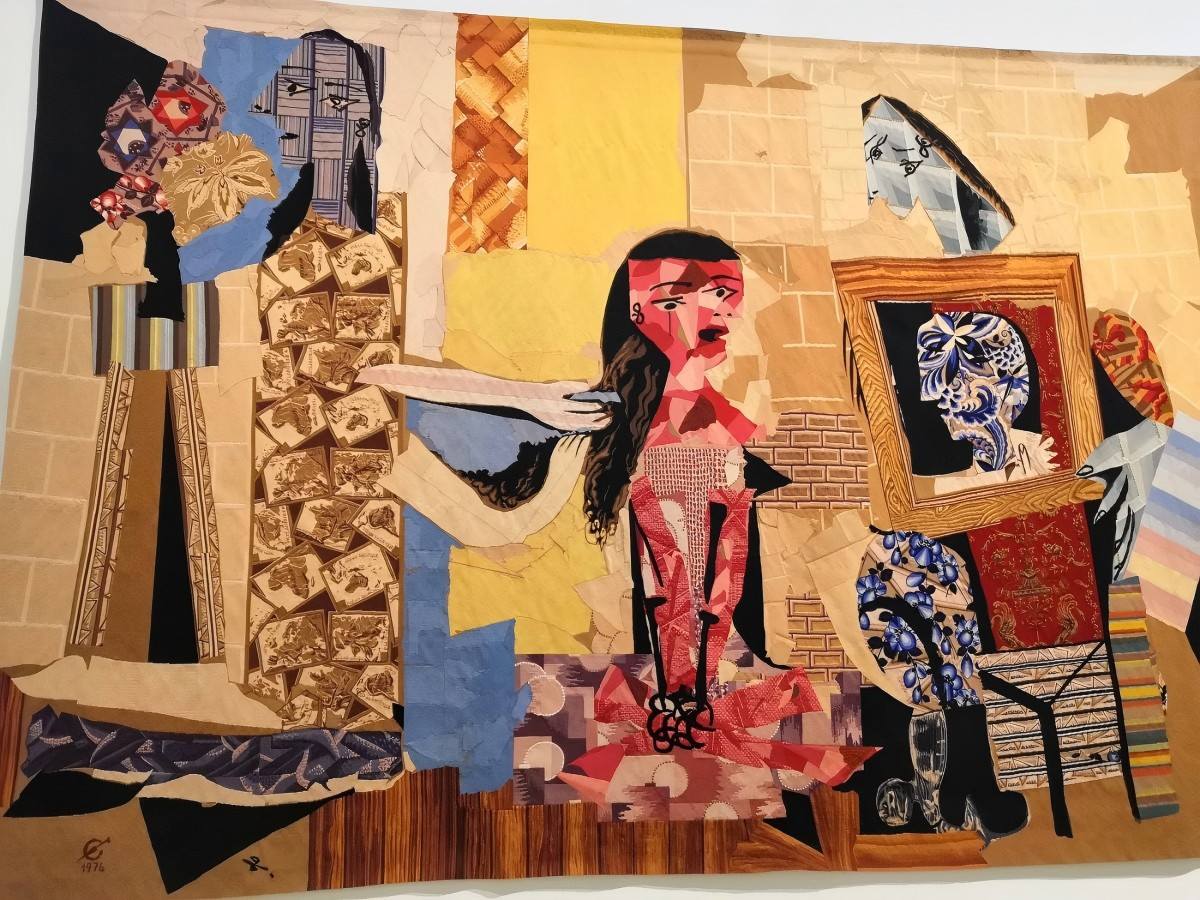
Museums often bombard visitors with grand narratives—empires, revolutions, and prominent figures. While these elements are certainly present, they do not dominate the visitor experience. What truly leaves a lasting impression are often the small objects: a shard of pottery, a fragment of fabric, a handwritten note. These items are unassuming, yet once you notice them, they capture your attention. They represent ordinary life—people cooking, writing, trading, praying. Set against the backdrop of large-scale exhibits, they remind you that history is not shaped solely by major events, but is composed of countless subtle, everyday moments. This balance between the grand and the personal makes the visit feel deeply grounded. You not only learn about different civilizations but also get a glimpse into the lives within them. Most visitors spend two to three hours in the museum, but the key is this: the museum doesn’t force you to rush through. The layout flows naturally and features many spaces where you can pause—whether to sit down, reflect, or simply admire the light streaming through the dome. If you usually find museums tiring, this design will make a noticeable difference. It allows you to slow down without feeling like you’re falling behind. If you enjoy reading the captions and exploring the connections between exhibits, you could easily spend half a day here. But even a shorter visit will feel fulfilling, because the experience here isn’t driven by speed.
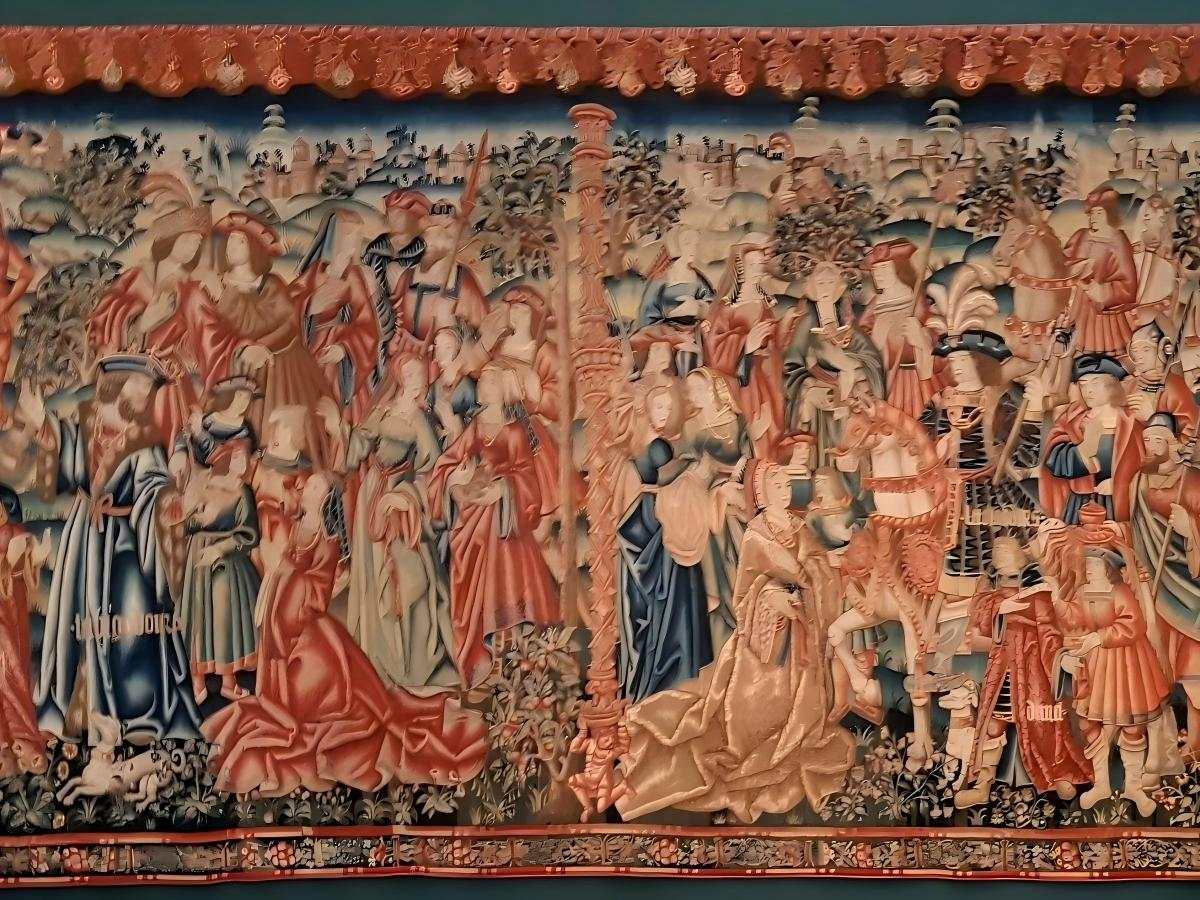
When people ask if a place is “worth visiting,” they usually consider it in terms of price and quantity—how much there is to see, how famous the exhibits are, and how many photos they can take. This museum doesn’t fit that mindset. Its value lies in depth rather than scale. You may not find instantly recognizable masterpieces here, as you would in large, established museums. But what you do get is a carefully crafted narrative—a story that helps you understand how different parts of the world have been interconnected over time. If you visit with a “check-the-box” mindset, you might find it underwhelming. But if you’re willing to slow down and reflect more deeply, its value will become clear. You’ll leave with more than just a stack of photos—you’ll take away a whole new perspective. Not all travelers seek the same things. This museum doesn’t try to appeal to everyone in the same way. If you fit the following descriptions, you’ll likely enjoy it:
* You like to understand the “why” behind historical developments
* You’re curious about how science, religion, and daily life intertwine
* You prefer meaningful experiences over fast-paced sightseeing
On the other hand, if your travel style leans toward quick tours and snapping photos of iconic landmarks, you might find the pace here slower than expected. But that doesn’t mean it isn’t worth visiting—it just means you’ll need to engage with it in a different way.
What makes the Louvre Abu Dhabi unforgettable is not a single exhibit or moment, but rather the accumulation of countless subtle insights. You’ll begin to notice patterns—how similar ideas emerge in different places, how knowledge spreads, and how daily life and belief systems influence one another. None of this is presented in a dramatic or earth-shattering way; instead, it unfolds quietly and gradually. It is precisely for this reason that the experience leaves such a deep impression on your memory. If you believe that a perfect travel experience encompasses depth, reflection, and a sense of cross-cultural connection, then the answer is a resounding yes—the Louvre Abu Dhabi is absolutely worth your time. It is not designed to show off, nor does it aim to overwhelm with grand scale; instead, it offers a quieter, more enduring experience: a way of viewing history as a shared human story. In a world where the pace of travel is often too fast, such an experience is far rarer than you might imagine.