



Advertisement
The Sheikh Zayed Grand Mosque in the UAE is one of the world's most magnificent and famous mosques, attracting tourists from all over the world with its stunning architecture, white domes, and exquisite decorations. As a religious holy site, it has strict dress codes and etiquette requirements. Female tourists who are not careful with their attire may face being refused entry or feeling uncomfortable. Therefore, understanding the dress code of the Sheikh Zayed Grand Mosque is an essential "travel guide" for every female tourist. This article will provide female tourists with a comprehensive and practical dress code guide to help you visit this world-class mosque smoothly while respecting religious culture.
Advertisement
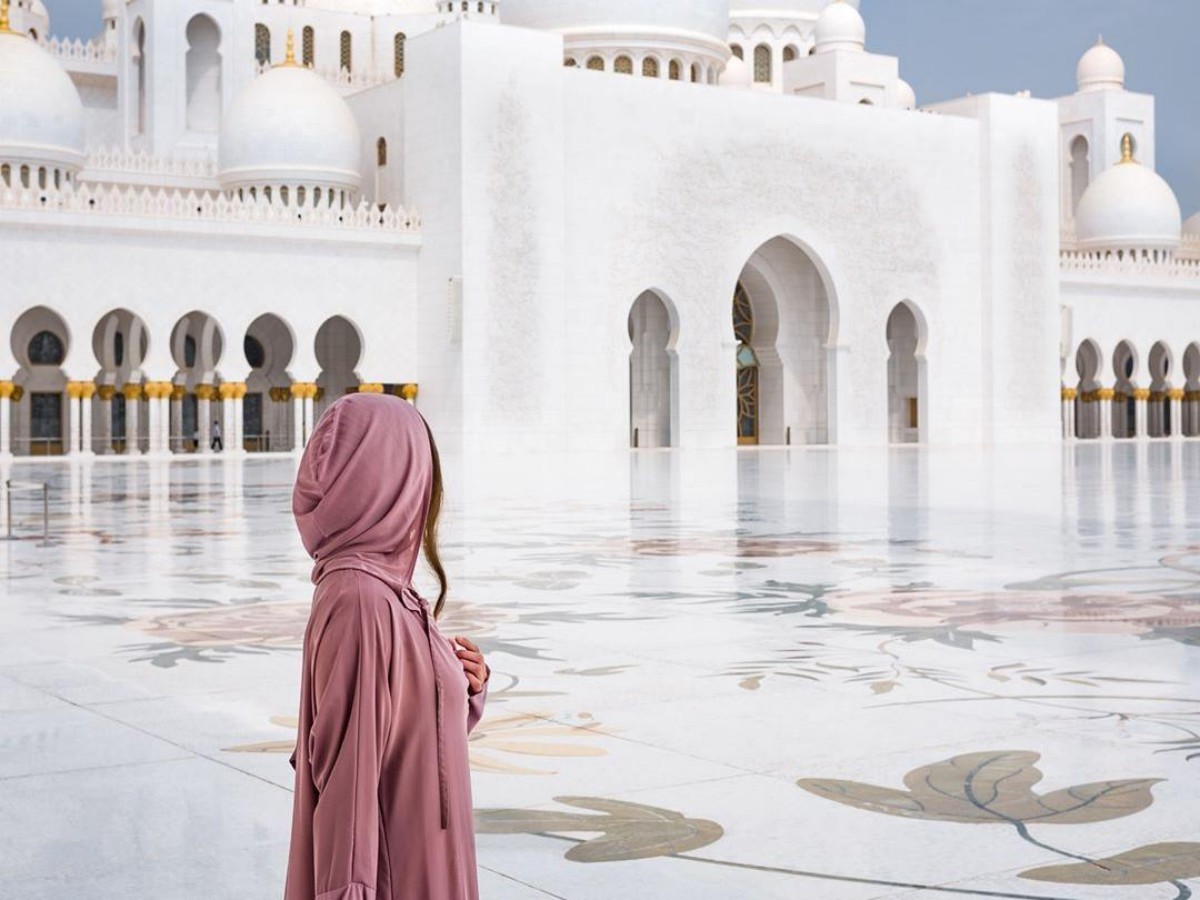
When visiting the Sheikh Zayed Grand Mosque, dressing appropriately is not only a matter of etiquette but also a guarantee of safety and comfort. Mosques are religious sites of Islam, and there are clear requirements for clothing: women must cover their entire body, including hair, arms, and legs. Loose-fitting long-sleeved clothing and long trousers or skirts are basic requirements, while avoiding see-through or tight-fitting clothing. Adhering to these guidelines not only demonstrates respect for religion but also avoids being refused entry at the entrance or having to temporarily borrow an abaya provided by the mosque, thus affecting the visit experience.
Advertisement
Furthermore, appropriate attire is closely related to the weather, comfort, and photography experience. Abu Dhabi, where the Sheikh Zayed Grand Mosque is located, has a hot and dry climate. Wearing overly thick or tight clothing can easily lead to heatstroke or discomfort. Choosing breathable, lightweight, and well-covering clothing is both compliant with regulations and enhances visitor comfort.

According to the official visitor guide of the Sheikh Zayed Grand Mosque, female visitors should observe the following points when visiting the mosque:
Advertisement
Full Coverage: Tops must cover the shoulders and arms, and skirts or trousers must cover the ankles.
Loose Clothing: Clothing should avoid being tight-fitting to match the solemn atmosphere of the mosque.
Headscarf: Women must wear a headscarf to cover their hair, but the face does not need to be covered.
Avoid sheer or overly bright clothing: Avoid sheer fabrics, low-cut tops, short skirts or shorts, and clothing with provocative patterns.
Shoes: Shoes must be removed before entering the mosque. Comfortable, easy-to-remove shoes are recommended.
Accessories and Bags: A small handbag is acceptable, but avoid overly flashy or loud accessories to maintain a dignified appearance.
Official black Abaya and headscarves are usually provided free of charge at the entrance, but preparing appropriate clothing in advance will make your visit smoother and avoid queuing at the entrance.

1. Tops and Outerwear
Long-sleeved shirts or lightweight tops: Choose cotton, linen, or chiffon materials that are breathable and cover your arms. Light or solid colors are best, as they reflect heat in strong sunlight.
Light cardigans or shawls: If your top is short or thin, wear a lightweight cardigan to cover your shoulders and arms for easy adjustment at the entrance.
2. Bottoms Selection
Long Trousers: Loose-fitting casual trousers, wide-leg trousers, or straight-leg trousers are ideal choices, offering both comfort and compliance with regulations.
Long Skirts: Ankle-length A-line skirts, chiffon maxi skirts, or cotton/linen maxi skirts can be paired with tops for a unified style while maintaining breathability.
Avoid Denim Shorts or Skinny Jeans: Trousers that are too short or too tight are not in accordance with regulations and may result in staff requiring you to wear an Abaya (headscarf) to cover your face.
3. Headscarf Selection
Material Selection: Lightweight silk, cotton, or chiffon headscarves are most comfortable. Abu Dhabi's high temperatures mean heavy materials can be stuffy.
Color Matching: Black, white, gray, or light-colored headscarves are both dignified and easy to match with clothing.
How to Wear: The headscarf should completely cover the hair; it does not need to cover the face. Ensure the headscarf is securely fastened to prevent it from slipping during your visit.
4. Shoe Recommendations
Easy-to-Remove Shoes: Flat shoes, sandals, or loafers are best, as shoes must be removed before entering the mosque.
Comfortable walking shoes: The Sheikh Zayed Grand Mosque covers a large area and involves a lot of walking, so comfortable shoes will prevent fatigue.
Avoid high heels or shoes with complicated laces: These are inconvenient to put on and take off and may cause slipping on marble floors.
5. Accessories and Personal Items
Small bag: A small handbag or crossbody bag is sufficient for carrying your passport, phone, and water.
Avoid sparkly jewelry: Necklaces, earrings, etc., should not be too large or emit strong light, so as not to disrupt the solemn atmosphere.
Sunglasses and sun protection: Wearing sunglasses or a hat when visiting outdoors (hats must be removed upon entering) will protect you from the sun, but please follow the rules when entering the prayer area.

Wearing an Abaya at the last minute: Many tourists do not prepare suitable clothing in advance and borrow an Abaya at the entrance. Although it is free, sizes and styles are limited, which may affect taking photos or comfort. Prepare clothing in advance to reduce the inconvenience of changing at the last minute.
Wearing only long-sleeved tops, shorts, or short skirts:
Many tourists overlook the lower garment requirements, only covering their upper body, which will result in being denied entry. Regardless of the weather, lower garments must cover to the ankles.
Tight-fitting or low-cut clothing:
This does not meet the dress code and may also result in being denied entry. Loose-fitting tops or a shawl are recommended.
Ignoring headscarves:
Even wearing long sleeves and trousers, you will not be allowed entry without a headscarf. Bring a lightweight headscarf, or obtain an Abaya headscarf at the entrance.
Wearing non-breathable materials:
Abu Dhabi has a hot climate; wearing heavy fabrics can easily lead to heatstroke or fatigue. Lightweight and breathable materials such as cotton, linen, and chiffon are recommended.

Color Coordination: White or light-colored clothing creates an elegant contrast with the white marble architecture of the Sheikh Zayed Grand Mosque, resulting in better photos.
Avoid excessive accessories: Simple clothing better suits the solemn atmosphere of the mosque and avoids interfering with the overall image.
Layering: A light long-sleeved shirt paired with a long skirt or trousers is both compliant with regulations and allows for easy adjustment to indoor and outdoor temperature differences.
Prepare Sun Protection and Water: The sun is strong outside the mosque; wear sunglasses, apply sunscreen, and bring a water bottle to stay hydrated.

Check Opening Hours in Advance: Female visitors may need to queue for Abaya (prayer vestments) during certain times; it is recommended to avoid peak weekend hours and arrive early.
Respect Photography Rules: Selfie sticks and noisy photography are prohibited in the prayer area; please maintain a respectful demeanor.
Observe Etiquette: Remain quiet during the visit, do not touch religious facilities unnecessarily, and respect the prayers of local worshippers.
Outfit Checklist:
Loose-fitting long-sleeved top
Long trousers or long skirt
Light headscarf
Flat shoes or easy-to-slip shoes
Small handbag
Preparing in advance will make your visit smoother and allow you to better enjoy the beauty and solemnity of the Sheikh Zayed Grand Mosque.
When visiting the Sheikh Zayed Grand Mosque, women's attire is not only a matter of personal comfort but also a sign of cultural and religious respect. By adhering to requirements such as full coverage, loose clothing, and headscarves, avoiding see-through or tight-fitting garments, and choosing lightweight, breathable materials, you can stay comfortable in hot weather and enhance your photo experience. Prepare appropriate shoes and accessories in advance to avoid having to borrow an abaya (traditional Japanese bed and breakfast) on the spot, ensuring a smooth and dignified visit. In short, respecting the rules, prioritizing comfort, and aesthetically pleasing photos are the best dress strategies for women visiting the Sheikh Zayed Grand Mosque. Whether you are a short-term visitor or a long-term traveler, understanding and adhering to the mosque's dress code is an important expression of respect for Abu Dhabi's culture and religion, and will ensure that every visit leaves a beautiful and solemn memory. Remember, dressing appropriately, comfortably, and stylishly is essential to truly enjoying the visual and spiritual awe-inspiring impact of this world-class religious building.