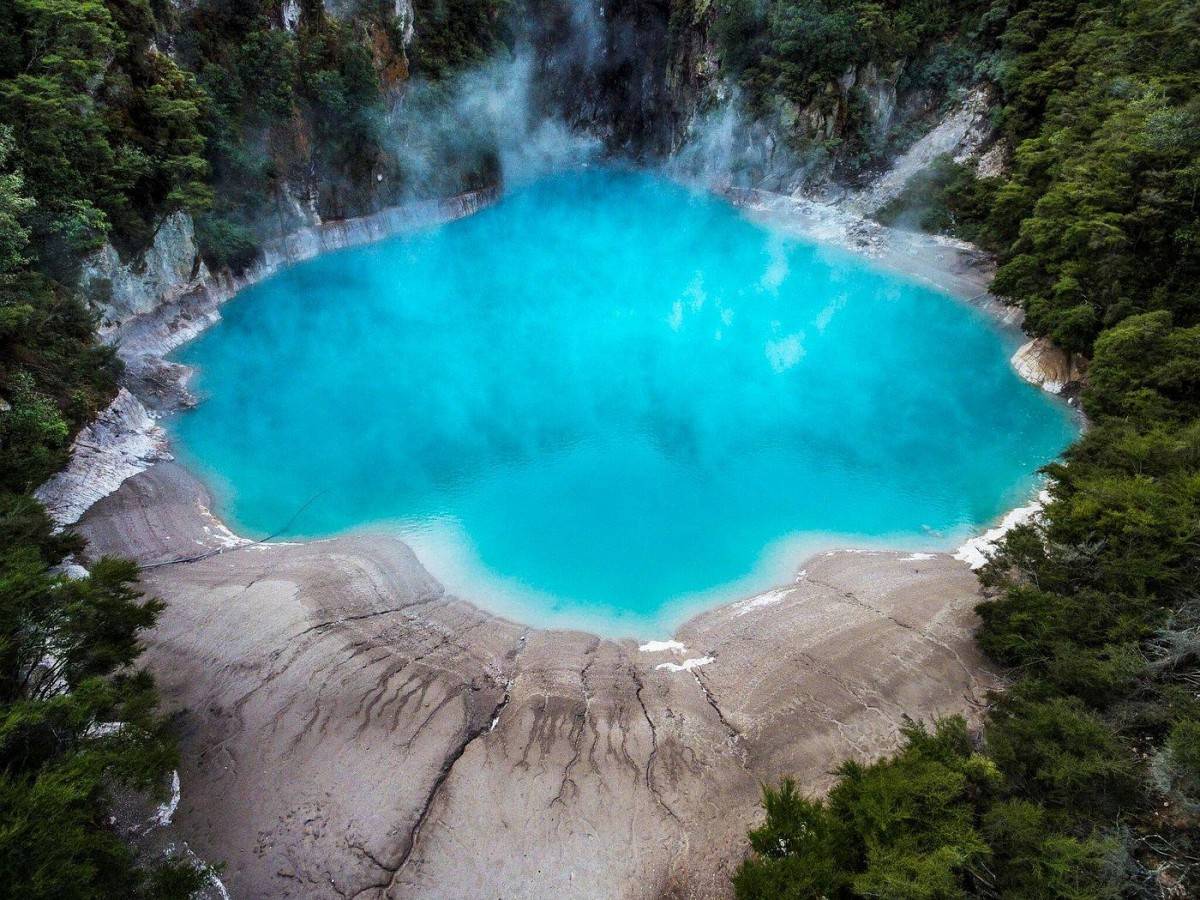
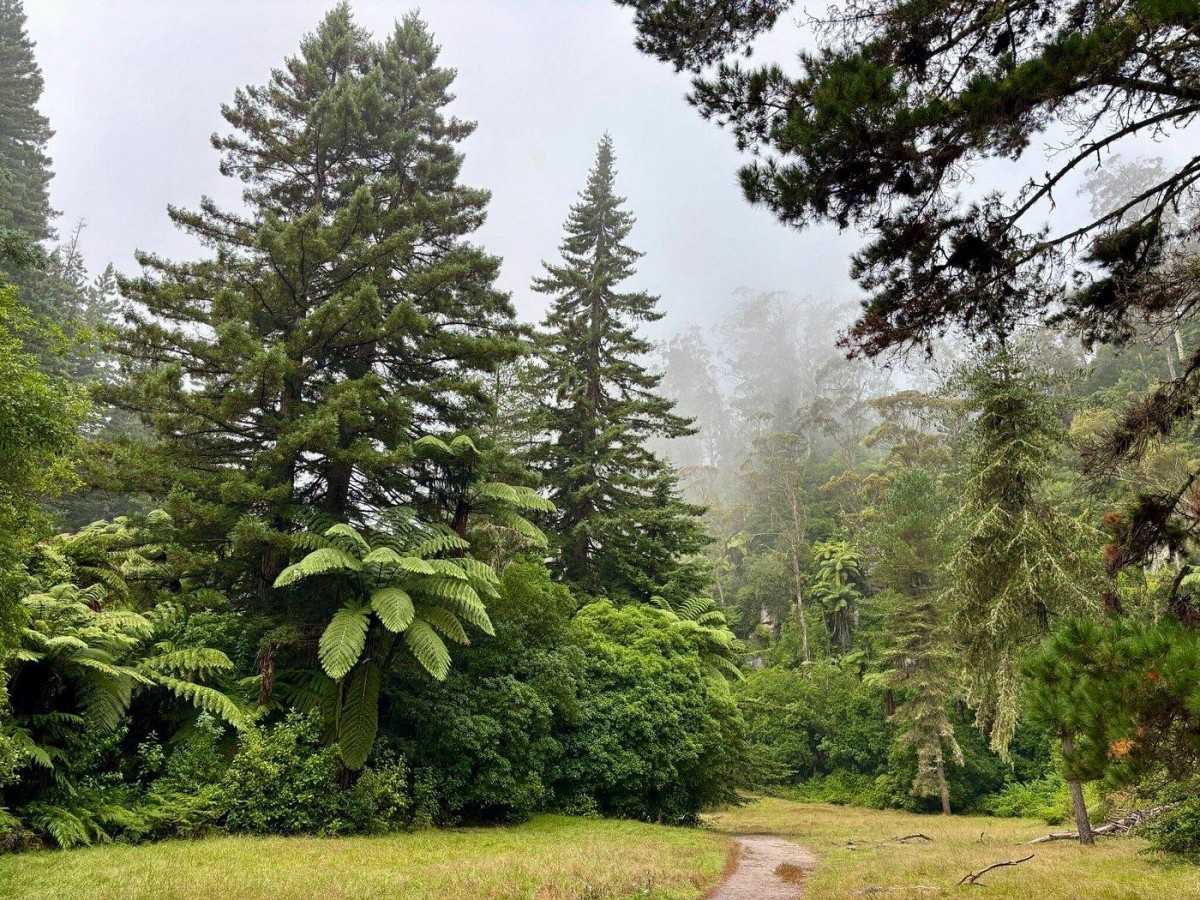
Walking into Te Puia is like entering a place where two worlds meet: underfoot are bubbling mud pools and gushing geothermal springs, the air is a mixture of sulfur and forest, and in front of you are Maori guides dressed in feathered ponchos and singing ancient songs. They greet you with stories and send you off with songs. In this land, nature is never silent and culture is never hidden.
Advertisement
At the heart of Te Puia is not only the geothermal heat, but the Maori people. The real owners of this geothermal valley are the Tūhourangi Ngāti Wāhiao tribe, who have lived here for hundreds of years, and Te Puia is not just a showcase of Māori culture, it's a space for Māori to be themselves: to teach, to perform, to live. You're not 'watching a cultural performance', you're being invited into a real and living tradition.
Advertisement
The Cultural Center's Māori Arts and Crafts Institute has trained hundreds of carvers and weaving artists since 1963. You can see them carving traditional warships and weaving cloaks out of linen, each blade and thread carrying the memories of their ancestors.
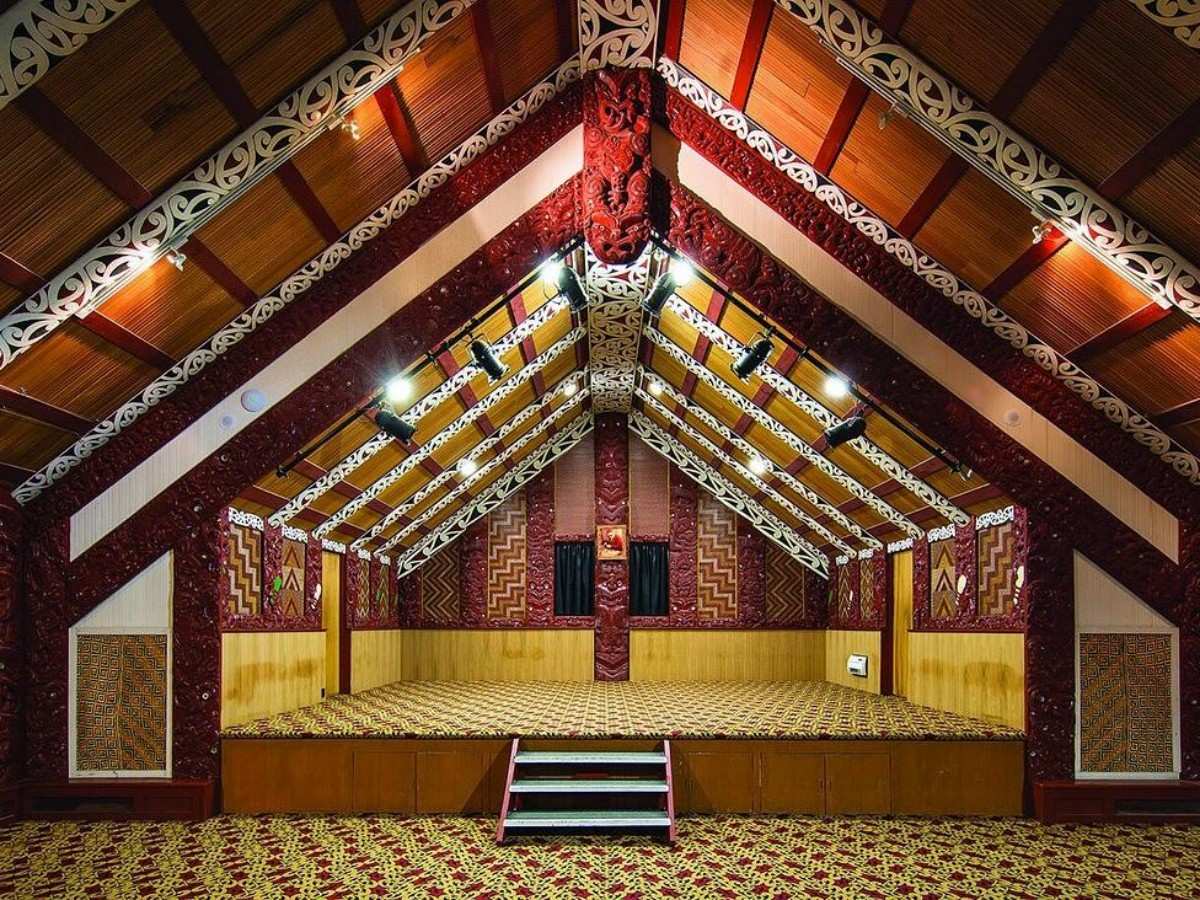
Don't miss a haka (war dance) or poi (softball dance) performance. Performed in a mock traditional Maori hall, the show is a complete expression of the culture, from the welcoming ceremony to the rousing dances, not a simplified version for tourists. If you would like to participate, they welcome you to dance and sing along, even if the moves are not standardized, as long as the heart is sincere.
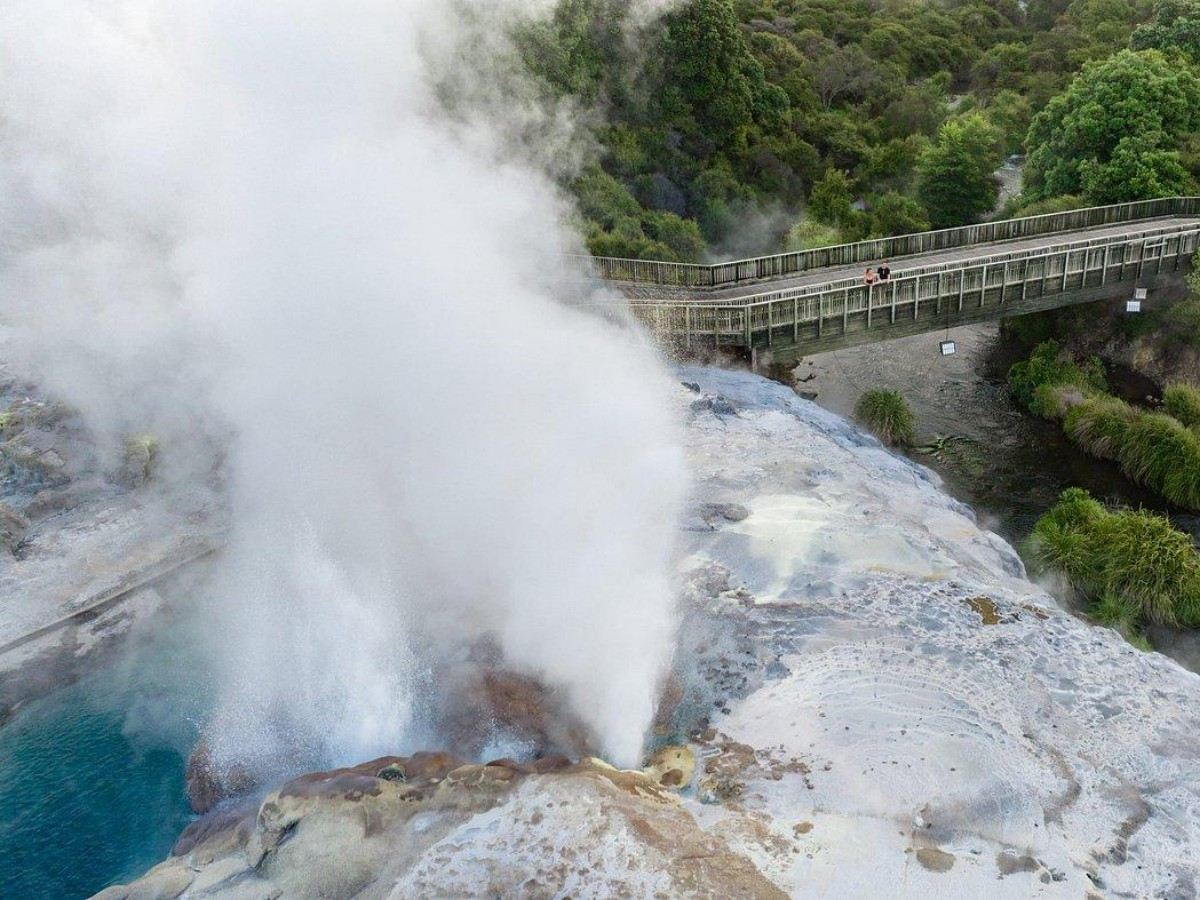
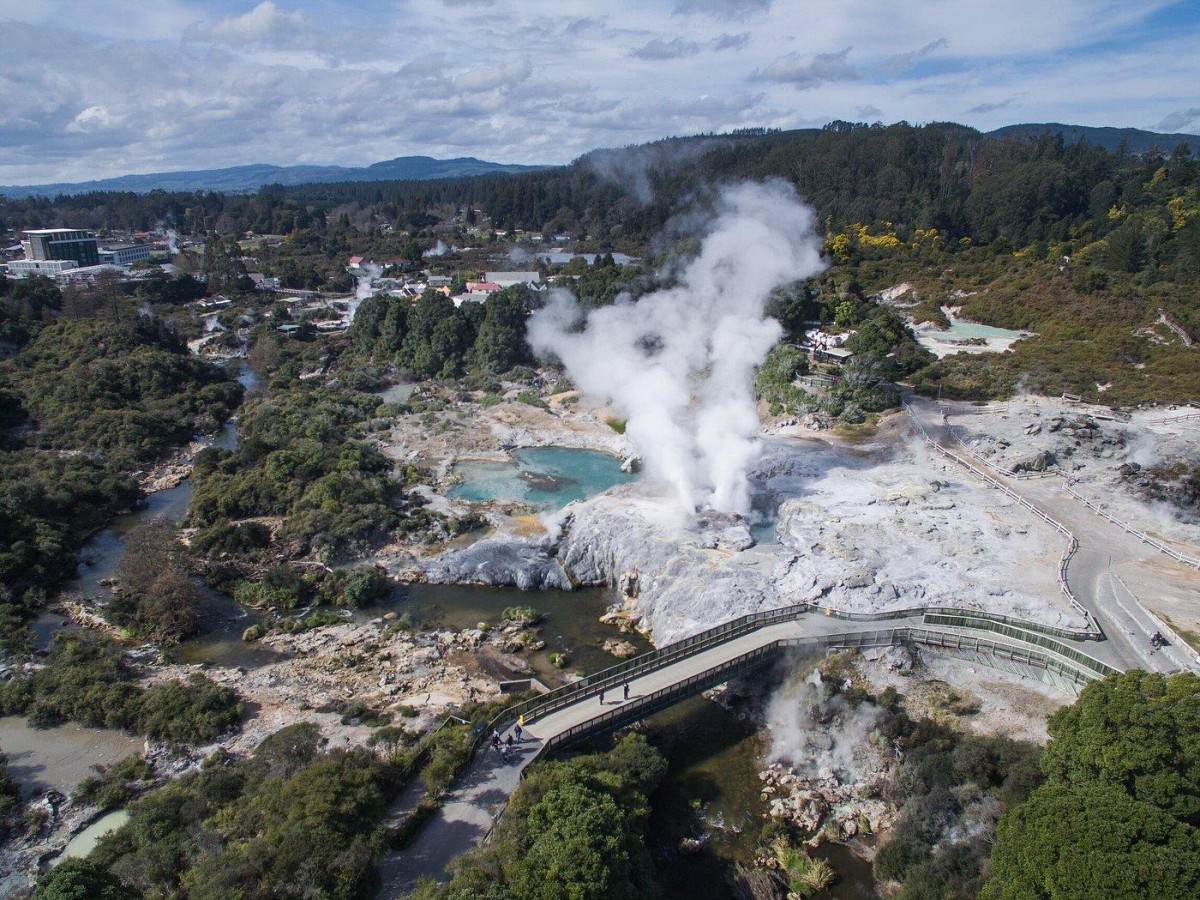
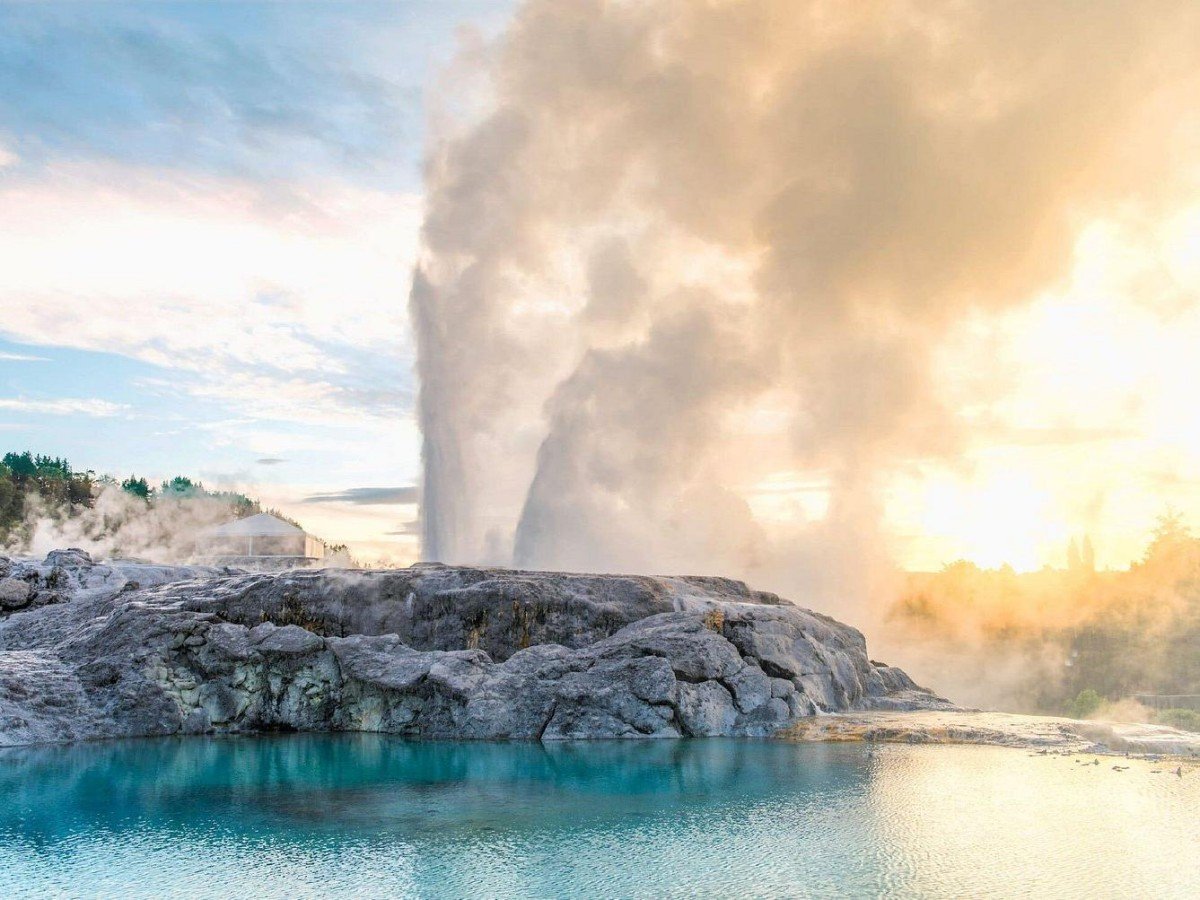
Nature, the other protagonist of Te Puia. Here sits one of New Zealand's largest and most active geysers, Pōhutu Geyser, which erupts almost hourly, reaching heights of up to 30 meters. Watching it churn and roar from the viewing platform is like a drumming of the earth's heart.
Advertisement
Further along the trail, you'll pass a series of fascinating geothermal phenomena:
Mud pools: thick gray mud bubbles and churns, sounding like porridge cooking in a pot, with an eerie sense of healing.
Steam Valley: white mist, the smell of sulfur in the air, and natural hot springs along the way.
Hot Spring Terrace: The richly colored mineral sedimentary layers look like splashes of watercolor, with a strong visual impact.
The entire geothermal valley is not large, but because of the well-designed ramps and platforms, it is easy to walk and also suitable for families or older visitors. It is recommended to leave enough time for 1.5 hours to explore only the geothermal part.
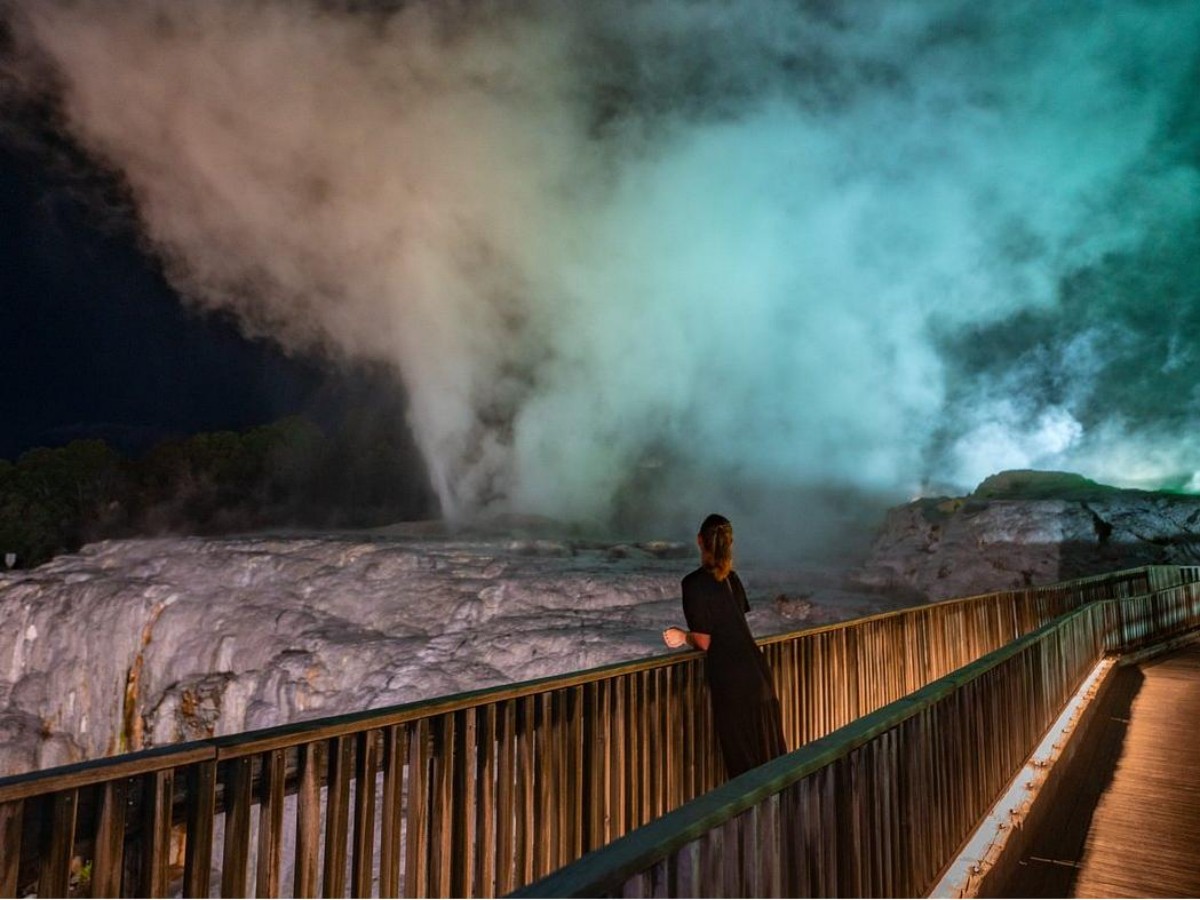
Rotorua's Te Puia is open all year round and is beautiful in its own way, but if you're looking for both visual and emotional experiences, fall and winter (April-September) are the ideal seasons.
This is when temperatures are cooler, geothermal vapors are more pronounced, and early morning mists often linger in the forest, making Te Puia's natural landscape dreamlike. And with fewer tourists, it's easier to take clean aerial photos.
Summer is great for outdoor activities, but the crowds are heavy, especially during the Christmas and New Year's rush, when you have to wait in line to see a show, buy a ticket, or have a meal. Spring (September-November) is also recommended, when the vegetation comes back to life and flowers bloom all over the valley.
Rainy days affect comfort but do not affect the geothermal activity level, which enhances the “fairy atmosphere”. The only caution is to wear non-slip shoes, as some slippery areas may be difficult to walk on.
Located just 5 minutes south of Rotorua's city center, Te Puia is easy to reach by car, taxi or local half-day tours. If you're staying in the city center, walking or cycling is also within acceptable limits.
There is free parking at the viewpoint and electric car charging stations are also available.
Available on site:
Ticket Center: supports electronic payment and advance online ticket purchase
Pataka Kai Café: serves Māori and Western-style light meals, we recommend trying hangi (Māori geothermal steamed meal)
Gift store: selling authentic Maori crafts and souvenirs, including jade carvings and linen weavings.
Accessibility: accessible walkways, wheelchair rentals and stroller friendly access are available
For an in-depth look at the attractions, it is highly recommended to join a guided tour (with a Maori interpreter), which can be signed up on site or booked in advance on the official website.
Ticket prices start at around NZD 60 for adults and NZD 30 for children, and family packages are more economical. There are also combination packages combining Maori performance, dinner and night tour, which are suitable for arranging into a whole night trip.
Get in early: you can get in around 8:30am to avoid the midday crowds and have better light to photograph the geothermal landscape.
Take a cultural tour: although you can walk around freely, a Maori guide will enrich your experience and help you understand the “invisible part”.
Don't wear white shoes: Sulphur geothermal areas tend to retain color, so dark, washable shoes are recommended.
Take photos in the wind: Pōhutu Geyser is often windy, which can get your camera wet; it's recommended that you stand on the windward side of the water when taking photos.
Book a hangi dinner experience: if time permits, opt for an evening package itinerary that includes a Māori meal for a more immersive atmosphere and meal specialties.
Bring a light raincoat or thin jacket: even in summer, some corners of the park can be cold or wet due to geothermal steam.
Te Puia is not a “just take a few pictures and go” kind of destination, it's more like a deep breath on a journey, a cultural encounter, an invitation to a conversation deep in the earth. If you are willing to stop and listen to the legend of a Maori old man, watch a carving knife cut through a thousand years of totems, and then look at the roaring geothermal springs, you will remember not only the scenery, but also the feeling of “being invited by this land”.