You may have seen hot springs and visited valleys, but Waimangu Volcanic Valley will change your imagination of what a “geothermal area” is all about. Instead of the sulfurous smell of noisy crowds, it is an ecological canyon surrounded by virgin vegetation, with hot springs tumbling out of the earth's core, lakes like jewels set in the hinterland, and steam and sunlight intertwined in the forest, as if you have mistakenly entered some ancient world that has not yet awakened. It is New Zealand's youngest geothermal wonder and one of the most “storytelling” cracks in the earth.
Advertisement
The history of Waimangu (Maori for 'black water') is not a distant myth, but a true echo of New Zealand's recent geological catastrophe, when in the early hours of June 10, 1886, Mount Tarawera erupted violently, ripping up the entire earth's surface and creating a series of new craters and geothermal sources. It was after this event that the Waimangu Volcanic Valley was 'born'.
Advertisement
The eruption was the deadliest natural disaster in New Zealand's history, killing more than 100 people and completely destroying the 'pink and white Silicon Steps', once a spectacle of the southern hemisphere. The Waimangu Valley, which evolved in the cracks in the earth's crust created by the explosion, is the only geothermal ecosystem in the world with an exact time of birth.
What's even more amazing is that it was once home to the “world's most active geyser”, the Waimangu Geyser, which spewed hot water up to 450 meters in the air between 1900 and 1904, a level of shock far beyond that of Yellowstone. Though it has fallen silent, the story continues throughout the valley. And the myths and mourning passed down from generation to generation of Maori permeate the land and the waters here.
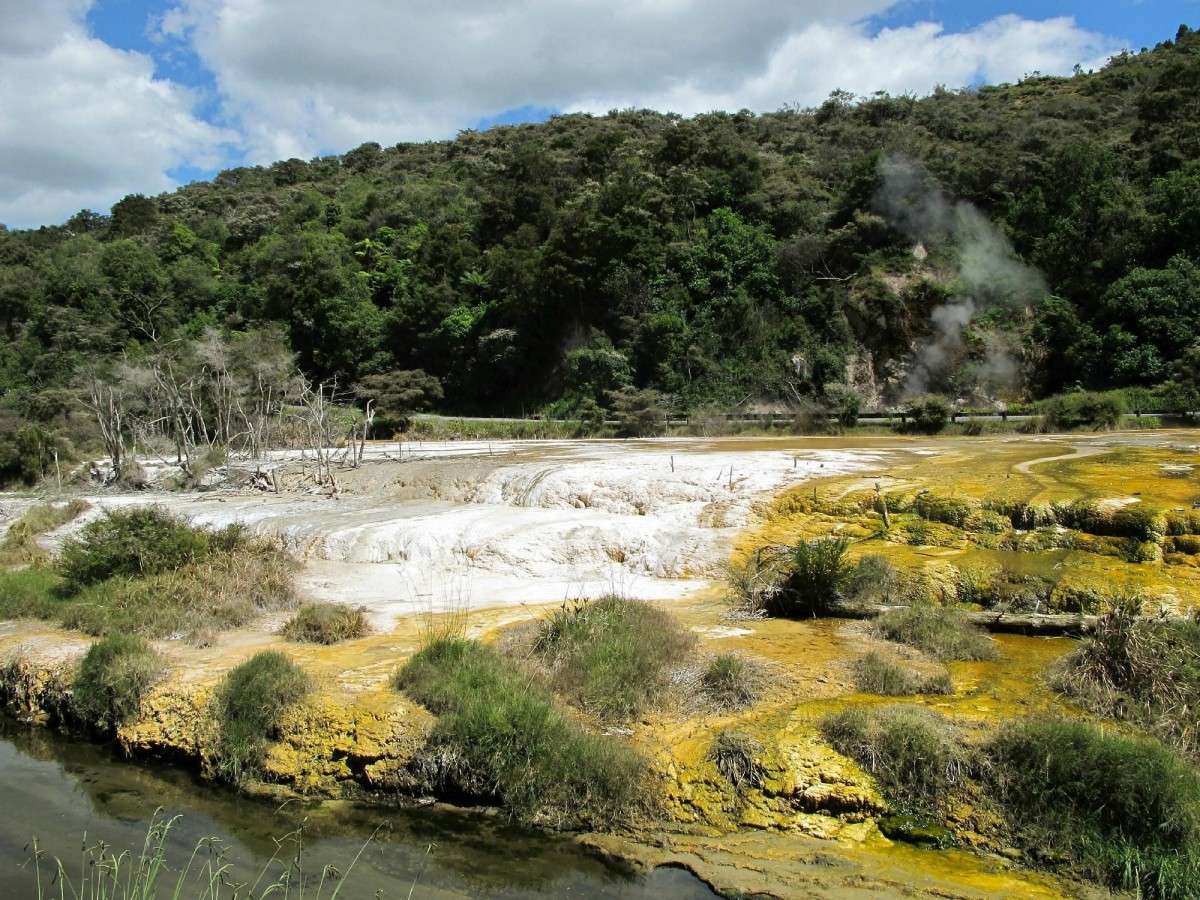
The Waimangu tour is very specific - a gentle walk along a main trail that runs from top to bottom for about 4 kilometers, through gorges, thermal lakes, vents and ash piles, and back to the starting point with a shuttle bus - perfect for seeing and experiencing in depth the changes in the geothermal ecosystem as you go.
Advertisement
Below are some of the core attractions:
1. Frying Pan Lake
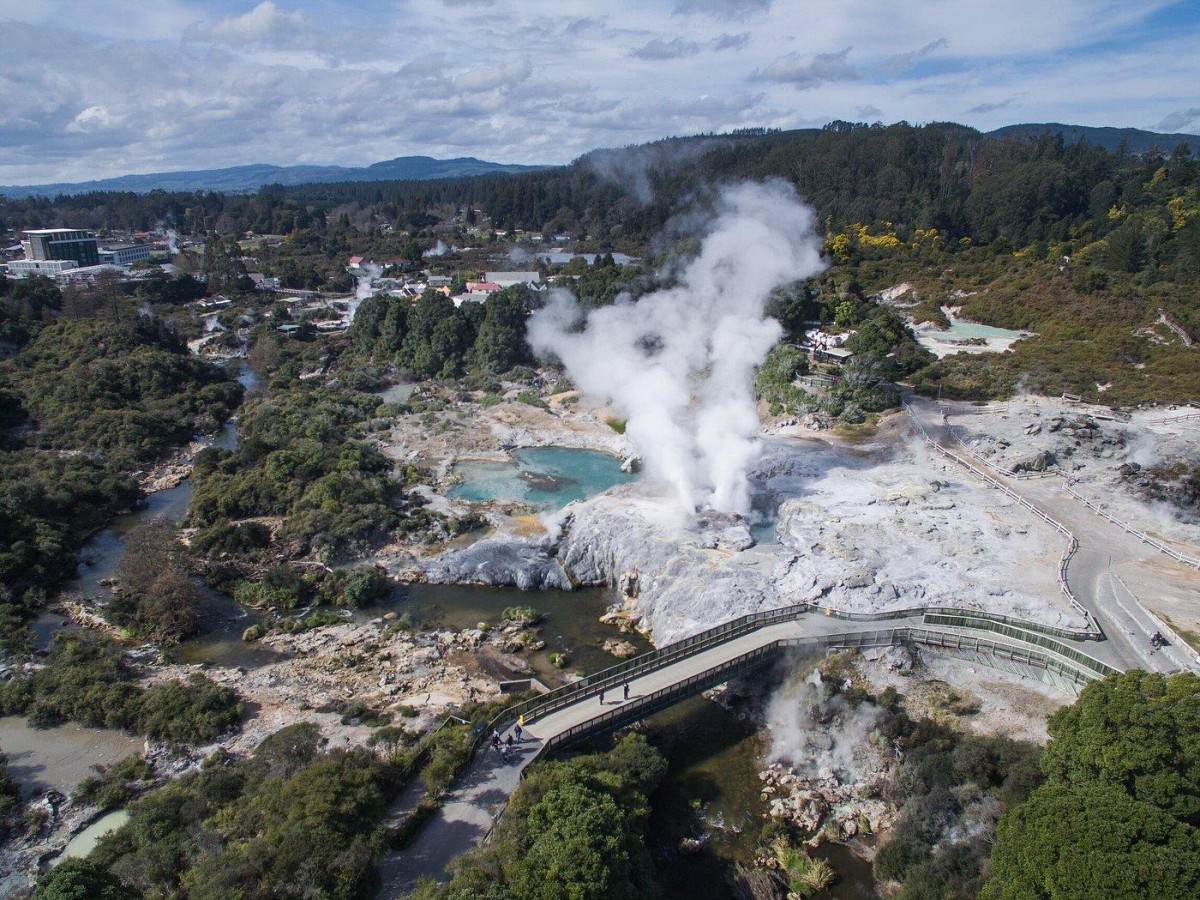
One of the world's largest thermal lakes, the surface of the lake is always steaming with white mist, the temperature of the lake is about 55℃, the PH value is extremely low, and the sound of bubbling is constant, as if it is going to boil at any time - but this pot of “soup” is being cooked by the earth itself.
2. Inferno Crater Lake
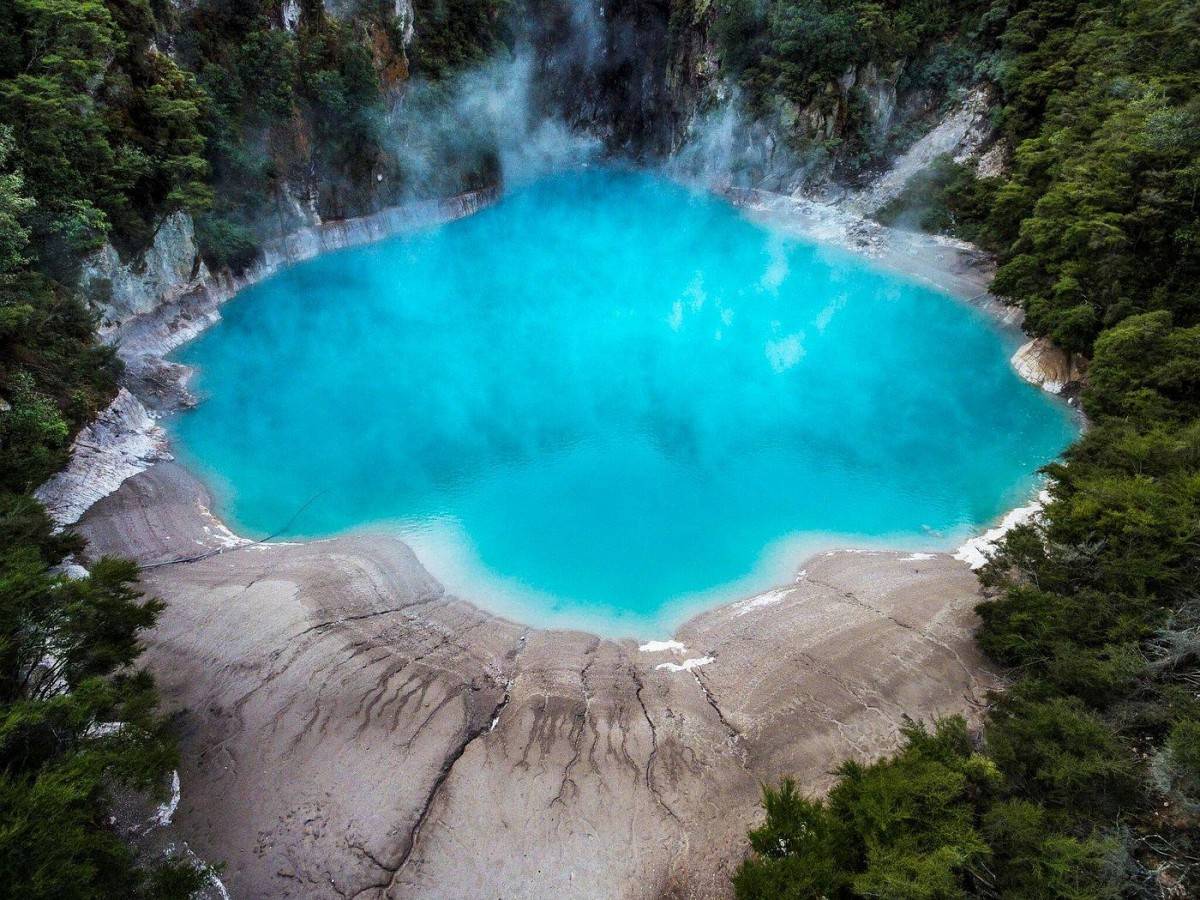
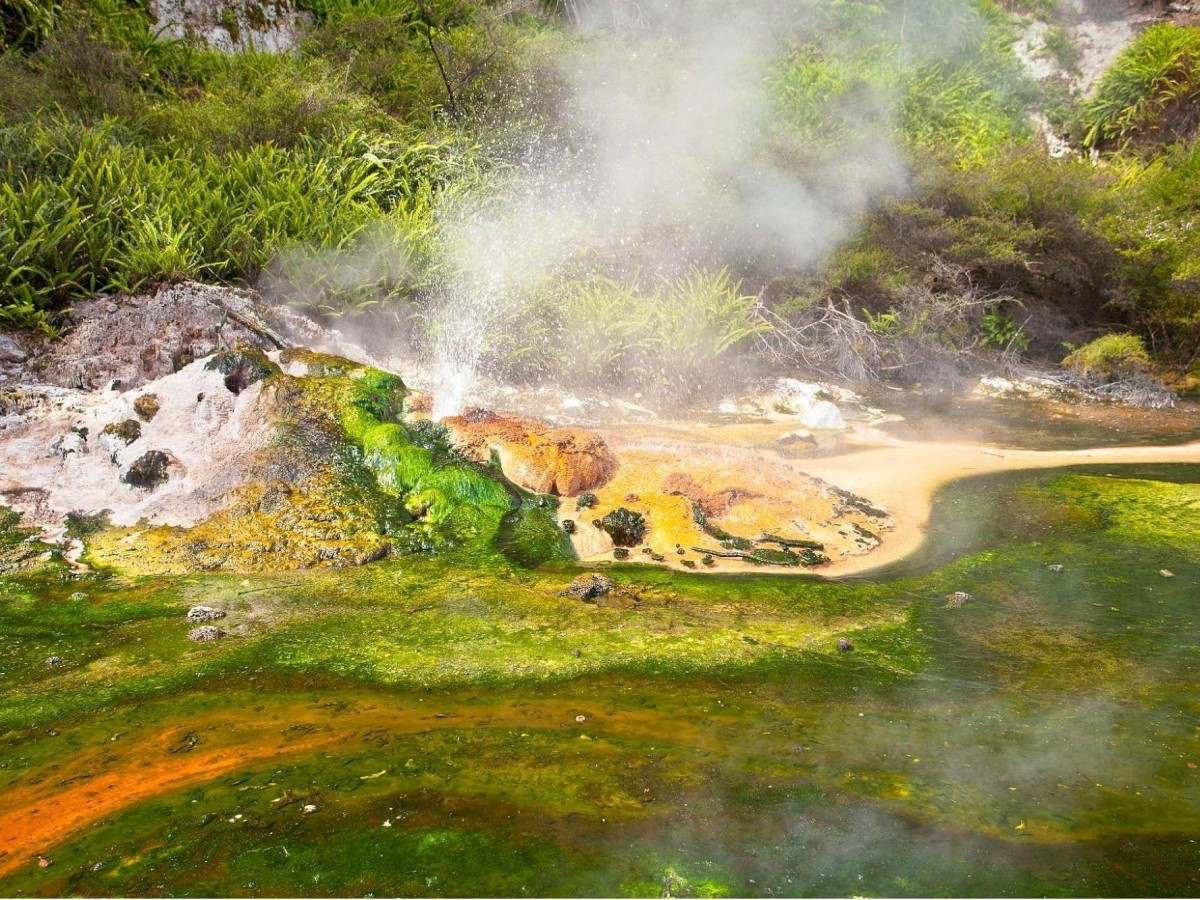
A hot blue-green lake with a fascinating color and an extremely strange self-cycling system: the water level and temperature of the lake completes a natural cycle of rise and fall every 38 days, and scientists are still researching how it works.
3. Cathedral Rocks and Echo Crater
The remains of the huge crater left by the volcanic eruption are now covered with vegetation, and you can see the traces of the cracks in the earth and the restorative power of nature.
4. Waimangu Stream Valley Section
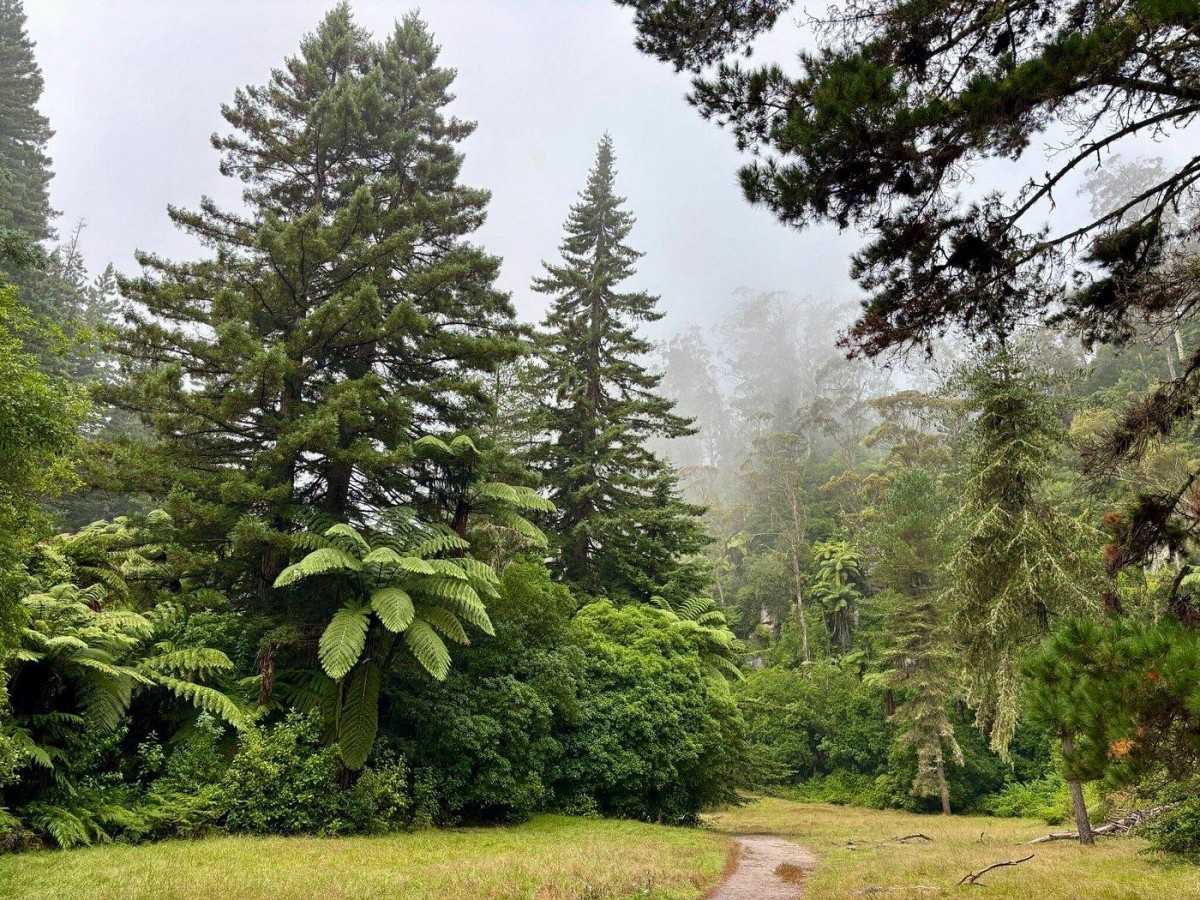
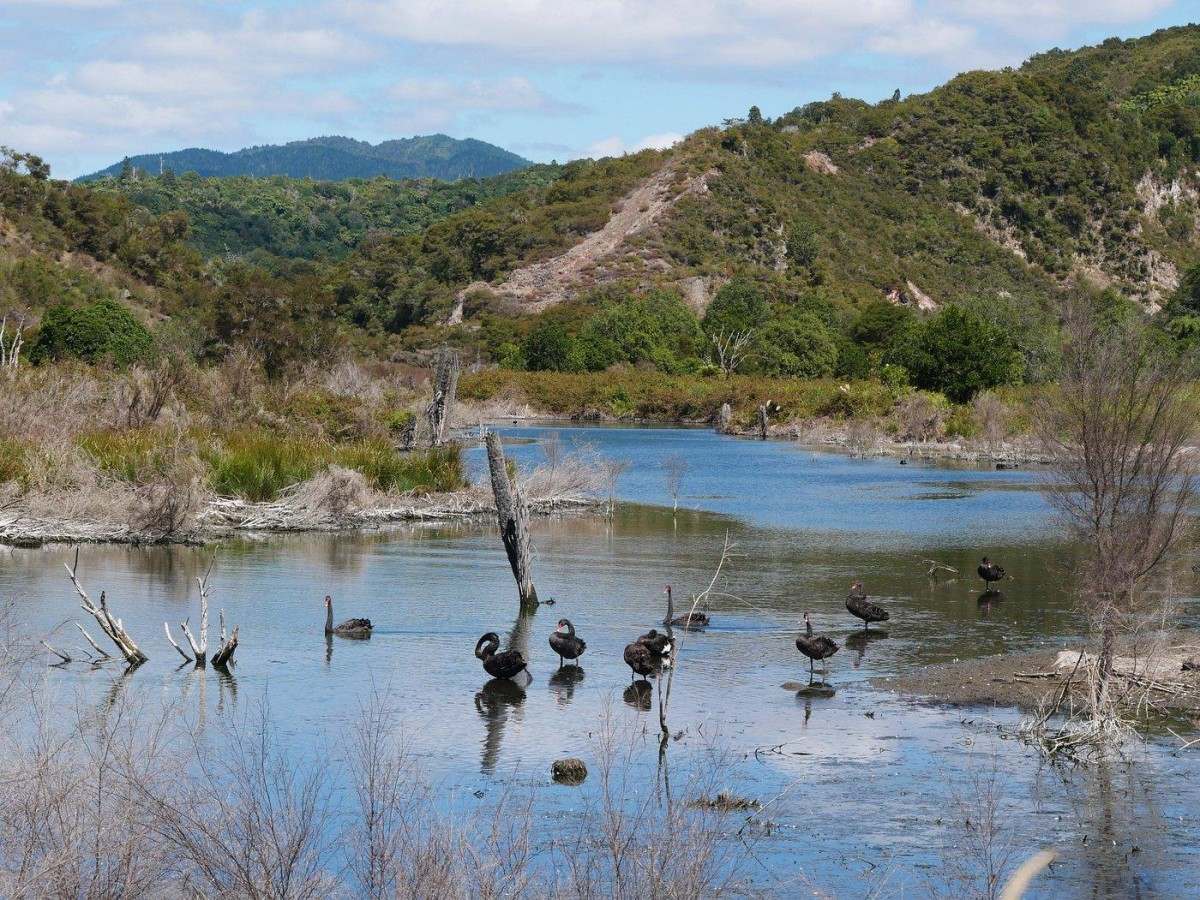
The stream meanders along the road, the water is warm and the banks are covered with native ferns and mosses, making it an excellent section for photography and immersive experiences.
5. Rotomahana Lake Cruise
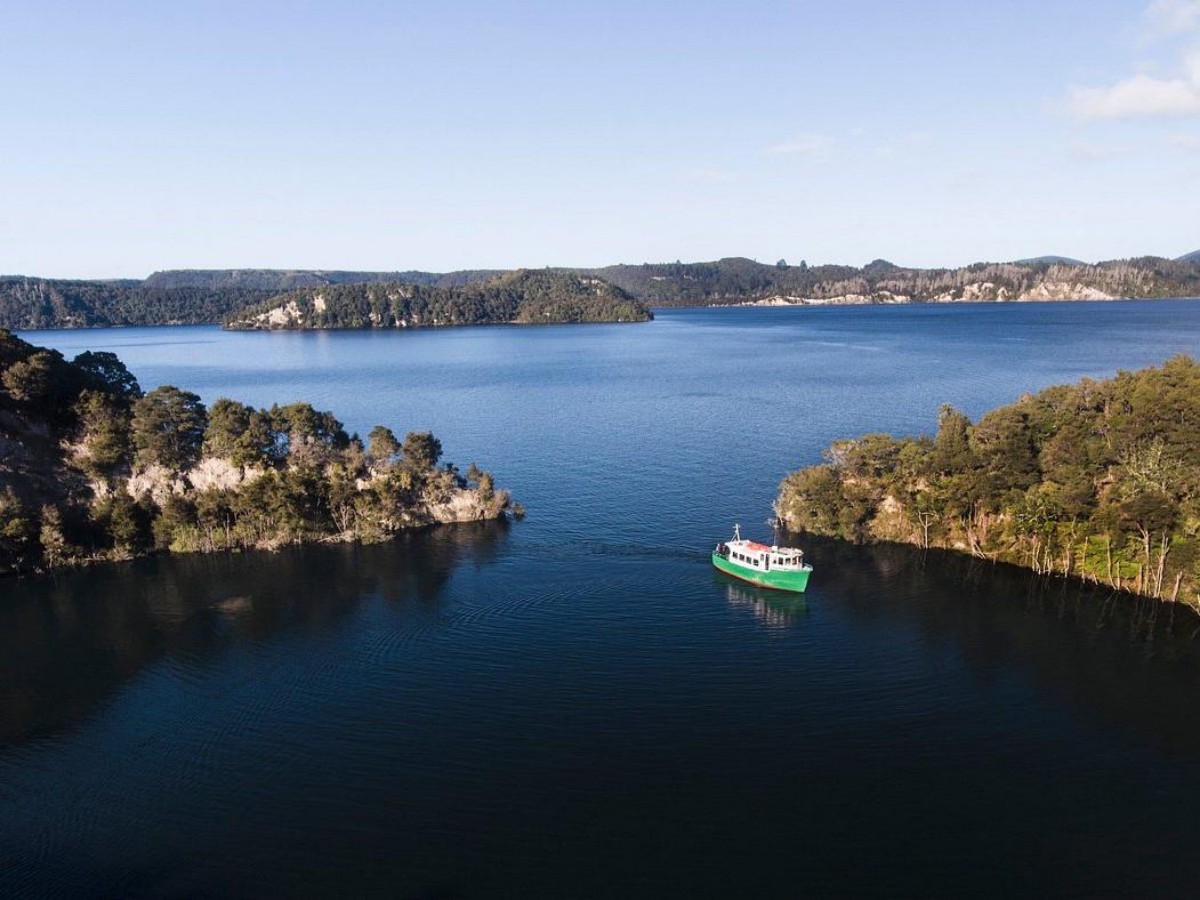
At the end of the trail is a lake that was once engulfed by a volcanic eruption and is now as calm as a mirror. You can choose to take a boat ride into the center of the lake to explore the remains of the underwater Silva Steps (additional ticket required, approx. NZD 49), which is also the most mysterious part of the whole tour.
Tips: It is recommended to allow about 3 hours for the whole tour (including the trail and bus return), or more than 4 hours for the boat experience.
Waimangu Volcanic Valley is only 25 minutes drive from downtown Rotorua, so driving is the most recommended way to get there. There is a spacious free parking lot at the entrance and a direct GPS search for “Waimangu Volcanic Valley”.
For those without a car, the following options are also available:
Tour buses or local small group transfers: several operators offer daytime round trips, often combined with day trips to Te Puia and the redwood forests.
Uber or cab: around NZD 40-50 each way, suitable for small groups.
Facilities are also very thoughtful:
Visitor Center: Tickets, transfers, maps, explanations are all available here, and the staff are happy to provide route suggestions.
Catering: Waimangu Local Store Café is located at the entrance, specializing in light meals and hot drinks. There are no other catering outlets in the area, so it is recommended to prepare water.
Bus shuttle system: There is a regular shuttle bus at the bottom of the valley to return to the starting point, and you can take it for free with your admission ticket, which is very thoughtful.
As for the ticket price, the basic adult ticket (trail + bus) is about NZD 47; with the lake cruise is NZD 89, children and family tickets have discounts, we recommend booking on the official website to enjoy a small discount.
Although Waimangu itself is not a traditional Maori village, it is closely related to Maori culture:
Legend of Mount Tarawera: the 1886 eruption is regarded by Maori as the “wrath of the spirits”, and regular tributes are still made to the foot of the mountain to commemorate the event.
Legend of the Silva Steps: The extinct 'pink and white steps' are considered the starting point of a Māori woman's spiritual journey and are an important symbol of female purification rituals.
Eco-guardian philosophy: In Māori, “Whenua” means land and mother nature, and many of New Zealand's environmental policies are deeply connected to Māori beliefs, which is reflected in Waimangu's philosophy of preserving the wilderness.
Although there are no regular cultural performances, you can hear many Maori myths about the land in the guided tours.
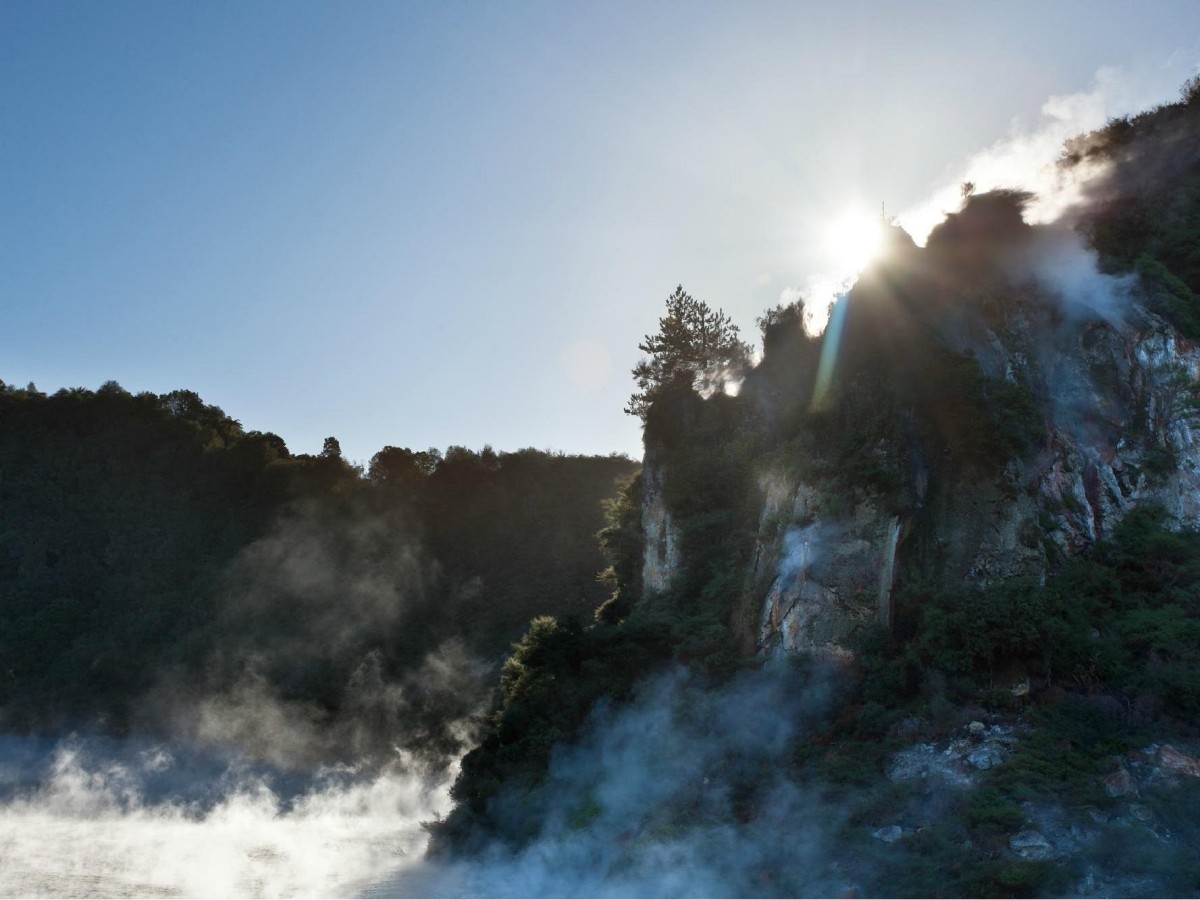
Backlit steam is the best: the sun is at its best around 10am, and the backlit steam is especially dramatic when photographing Frying Pan Lake.
Non-slip shoes are a must: some sections of the trail are wet all year round, with moss or mud, especially in winter and spring.
No cell phone signal throughout: please take a screenshot of the map and reservation ticket in advance to enjoy nature in off-grid mode once you enter the valley.
Separate reservation is required for boat cruises: If you are sure you want to take the Rotomahana Lake Boat Cruise, it is recommended that you book a time slot on the official website the night before.
Don't miss the interpretive signs: the interpretation system along the way is very complete, and scanning the code allows you to listen to the audio, which is a great way to understand the geological evolution.
If New Zealand is one of the youngest lands on earth, then the Waimangu Volcanic Valley is what the land looked like when it was first born: coarse, warm, raw and full of life. This place does not rely on artificial construction, lighting and sound effects, but only on the steam of the earth's core and the silence of the valley, which is enough to take one's breath away for a long time. In this era surrounded by filters, Waimangu gives people a kind of unadorned amazement - how the earth is regenerated in the scars, and how it teaches us reverence in the sound of heat and water.