
Advertisement
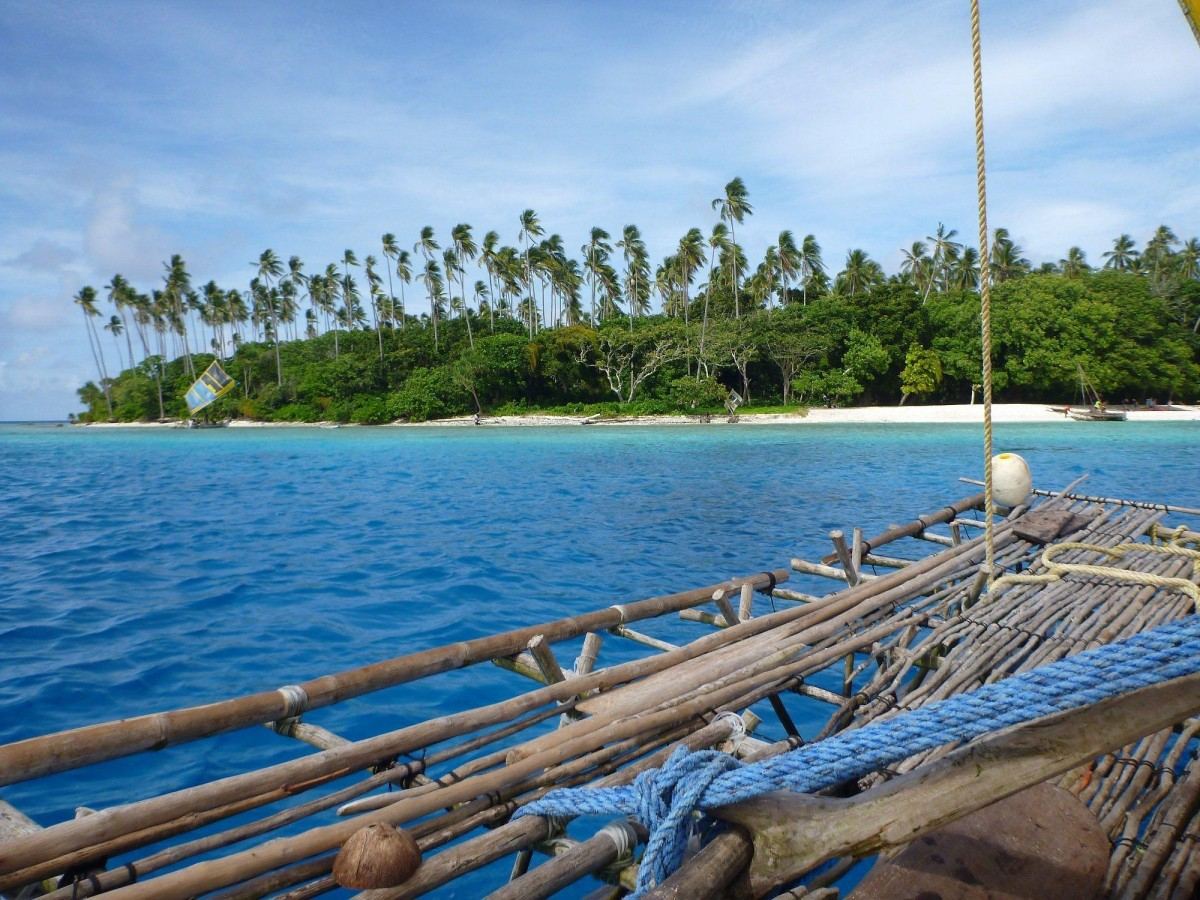
Standing on the beach of Trobriand Islands for the first time, there is not a trace of artificial decoration around, only white sand, emerald-colored water and the sound of children's laughter in the distance, you will understand - this is not the kind of over-packaged resort “island tourism”, but a journey into the deepest texture of Papua New Guinea's life. You will realize that this is not the kind of “island tourism” that is over-packaged by resorts, but a journey into the deepest fabric of Papua New Guinea's life. There are no filters, no need for filters, and every second is like entering an undisturbed parallel world.
Advertisement

The Trobriand Archipelago, also known as The Islands of Love, is located in the northeast of Milne Bay Province in the Alotau region and consists of dozens of small and large islands, the largest of which is Kiriwina, which not only derives its name from the crystal clear waters and stunning landscapes, but also from its distinctive social structure and culture of love.
Advertisement
The cultural system of the Trobriand people has long attracted the attention of anthropologists. Most famously, Bronislav Malinowski's fieldwork here in the early 20th century revealed the “Kura Ring Trade” - a non-commercial gift exchange system, whereby necklaces of red shell and bracelets of white shell were passed from tribe to tribe throughout the whole of the sea area. This system continues today.
Even more surprising is the openness of Trobriand society to sex. Traditionally, young men and women have broad freedom to explore love and sexual relationships, with villages setting up “love huts” for unmarried men and women. Once married, the relationship becomes one of fidelity and family responsibility, and this social structure of intimacy, power and exchange creates a unique cultural landscape.
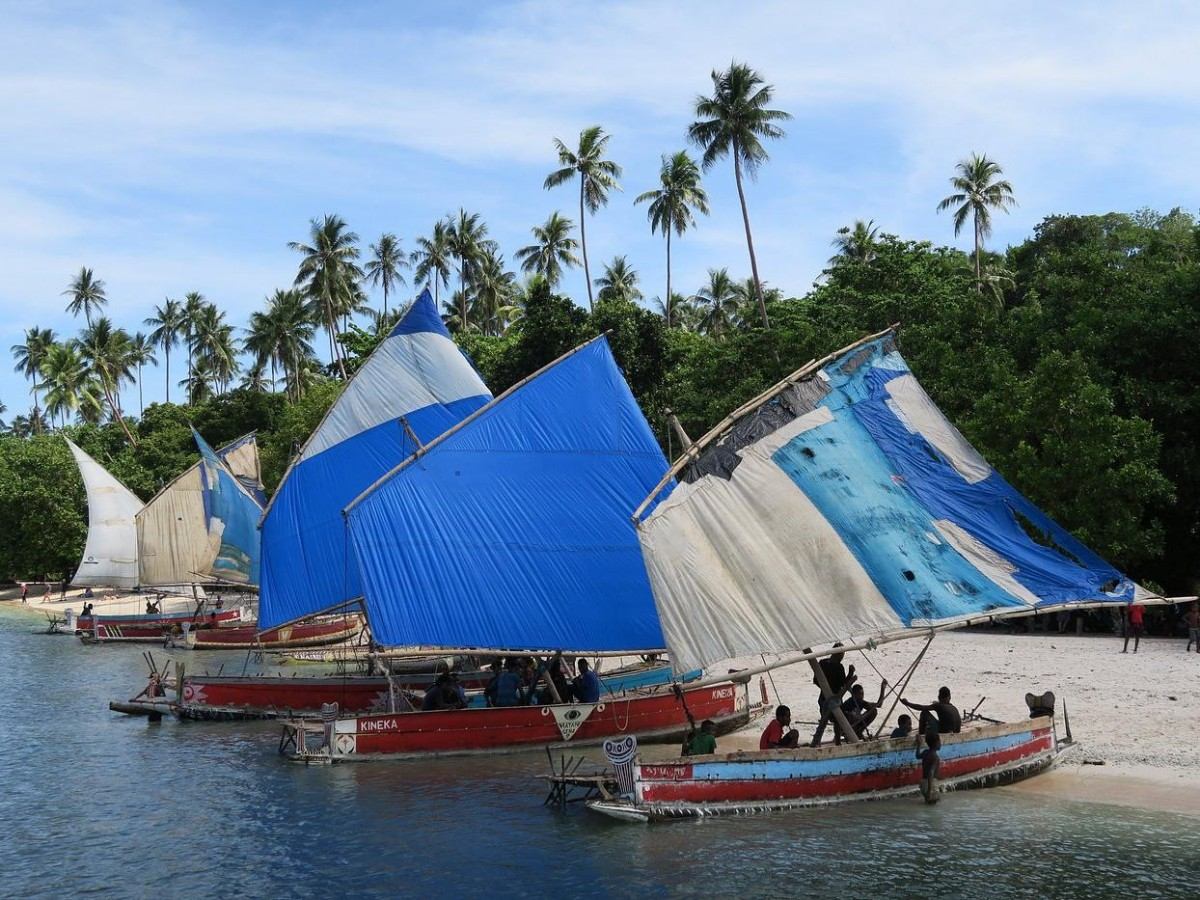
Traveling in Trobriand is not just about seeing the sights, it's about stepping into a very different way of life. You might witness the return of the Kula fleet or attend a village Yam festival - one of the most important celebrations of the year for islanders, symbolizing harvest, power and status.
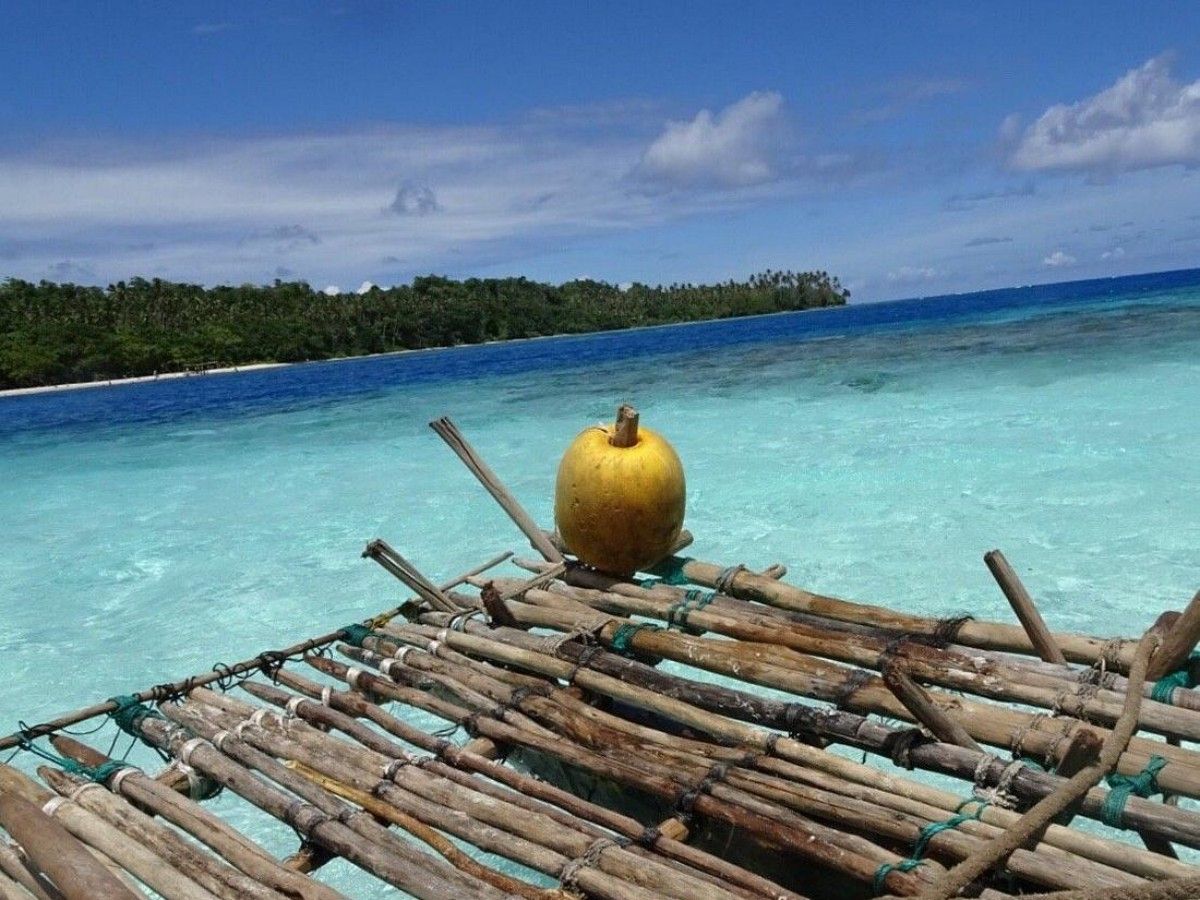
While the appeal of the Trobriand Islands comes mainly from the cultural experience, the natural beauty is also stunning.
Advertisement
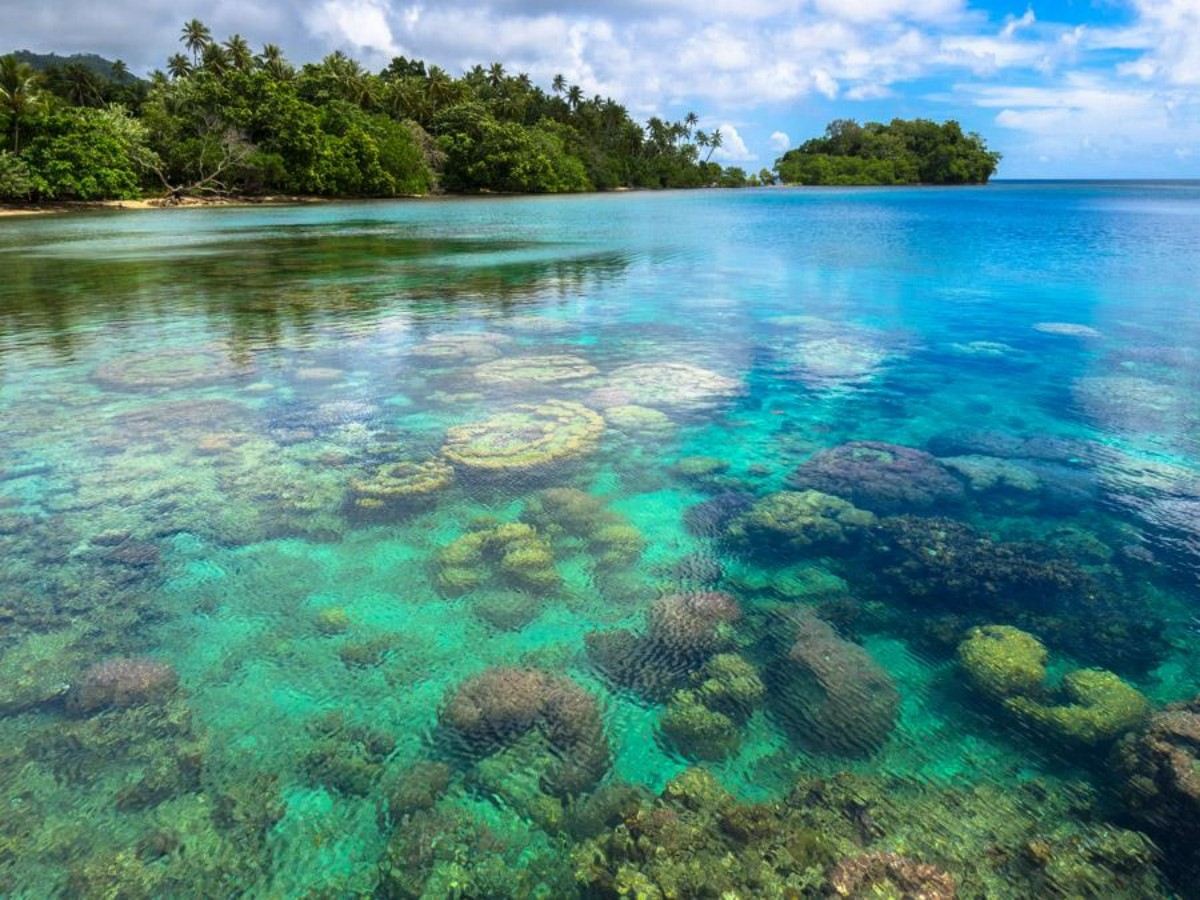
Kiriwina Island is the most visited island, with the longest sandy beaches and the most complete village culture. You can snorkel the beaches of Kaibola village and explore the coral gardens in the crystal clear waters, or you can rent a boat and circle the island, stopping at uninhabited islands along the way to snorkel and picnic.
Kitava Island is much quieter and a great place for the soul to let go. There are only a few small villages on the island, with coconut groves lining the beaches, away from all commercial distractions. Once on the island, you can choose to walk through the villages, where children will often run after you, perhaps inviting you to join in an impromptu traditional dance.
The Yam House is the centerpiece of each village, often ornately decorated and a symbol of family wealth and prestige. Although visitors are not permitted to enter at will, a guided tour of the house allows the village headman to present family stories, a rare opportunity for an in-depth conversation.
Remnants of Cave Paintings: Some of the remote islands still have ancient petroglyphs, said to be the medium through which ancestors communicated with the gods. The location is hidden, and access is by guide, and the hike through the pristine forests is a favorite among explorers.
There are no standard “hotel buildings” throughout the archipelago, and most accommodations are simple inns run by locals, but because of this, they are closer to the essence of primitive island life.
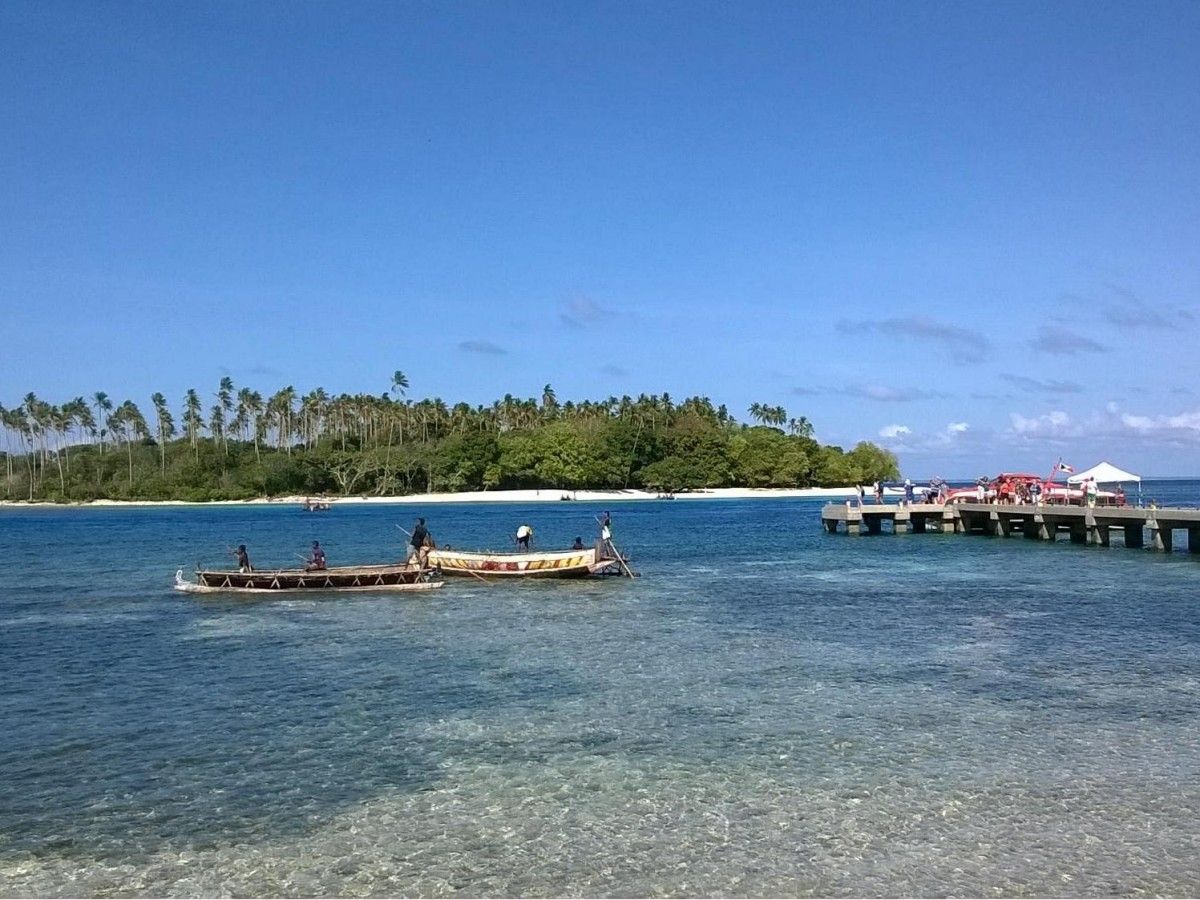
The Trobriand Islands have a tropical maritime climate, with temperatures ranging from 25°C to 30°C throughout the year, which is humid and warm. The best season to travel is from June to October, the dry season, when the winds are light and the skies are clear, making it ideal for sailing and hiking. This is also the time when the Kula flotilla is at its most active and you may be lucky enough to see a spectacular traditional flotilla ceremony.
The rainy season, from November to April, sees more rainfall, but it is usually short and intense and does not affect the whole day's activities. Although snorkeling visibility is slightly worse during the rainy season, the vegetation is greener and mosquitoes are more prevalent, so long sleeves and mosquito repellent are recommended.
If you want to experience the Yam Festival, it is usually held in July every year, and each village is organized according to ancestral traditions, with all kinds of dances, ceremonies and exchange activities. It is advisable to contact your guide in advance to find out the time and arrangements.
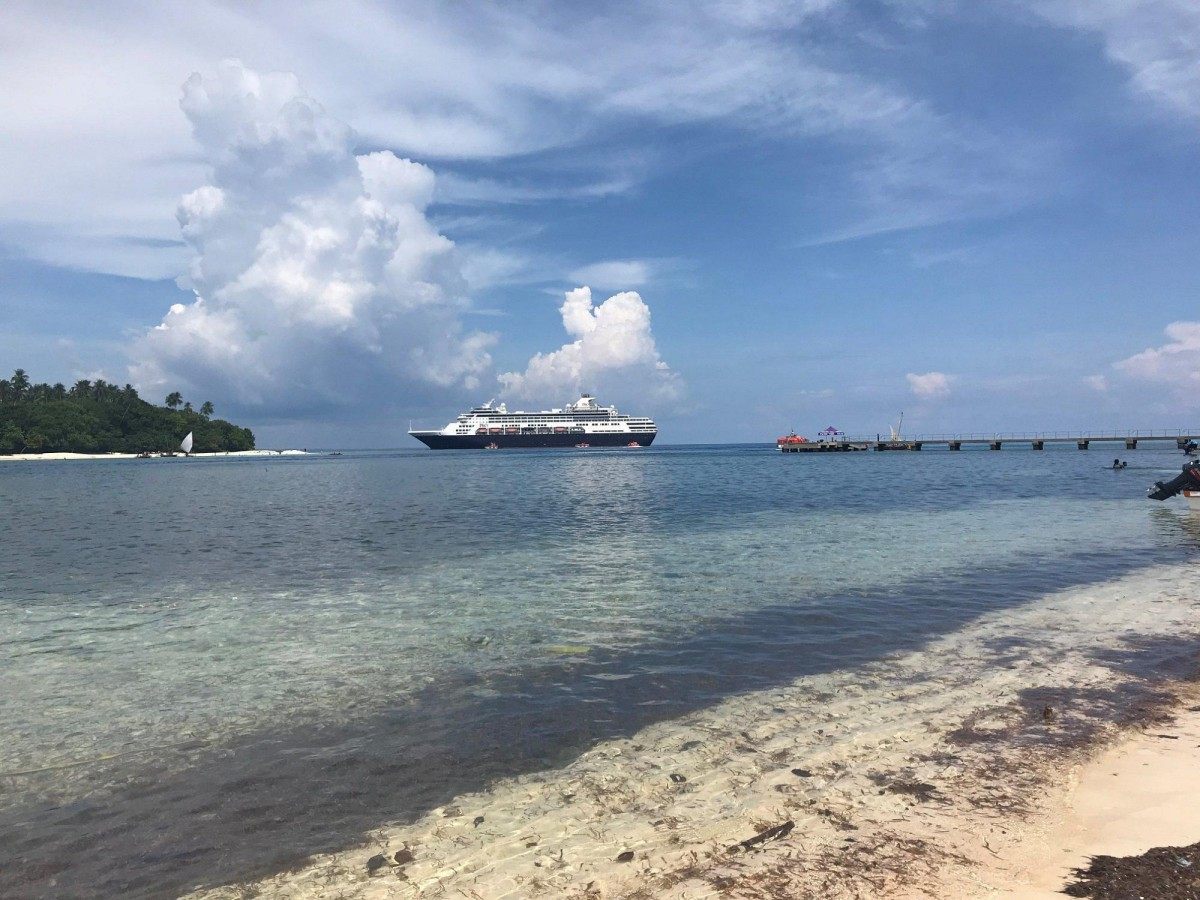
Transportation to the Trobriand Islands is primitive, which is one of the main reasons why it has retained its purity.
The first step is to fly from Port Moresby to Gurney Airport in Alotau, and from Alotau to the Kiriwina Island airstrip by small inland plane (usually operated by Mission Aviation or Tropicair). Flights are infrequent and erratic, so it is advisable to book a full service through a reliable host agency.
There is limited infrastructure on the island and most of the electricity is solar-powered, with some lodges providing electric lighting in the evening, so it is advisable to bring your own headlamp and rechargeable batteries for the evenings. Drinking water is bottled, and toilets are mostly simple flush systems or dry toilets.
Mobile signals are weak, with only occasional 2G connections on Kiriwina Island near the airport and marina, making it a true “digital disconnected paradise”. But this makes it easier to immerse yourself in authentic communication and nature.
Accommodation is mainly in guesthouses run by villagers, with simple but clean rooms and three meals made from local ingredients, such as grilled fish, taro, coconut rice and tropical fruits. Visitors can choose to stay with a family or independently at moderate prices (around 80-150 PNG kina per night), and advance booking is required.
Bring plenty of cash, there are no ATMs or POS machines in the archipelago and bank cards are not accepted.
Respect local customs and ask permission before taking photos, especially of elders, children or ceremonial scenes.
Taking a cultural tour is the key to a deeper experience, and we recommend contacting a local Alotau tour operator or booking a certified guide through the resort.
Anti-mosquito precautions are essential. Wear long sleeves and long pants, and use a DEET-rich mosquito repellent.
Eat a light diet, but bring your own condiments or snacks if you are used to heavy meals.
Preparing small gifts (e.g. pens, books, candies) to give to village children or in exchange is also a way of cultural respect.
Embrace the slower pace, the sense of “time” is different from the city and tolerance, patience and smiles are the keys to unlocking the door to Trobriand.
When you leave the Trobriand Islands, you won't just remember the dazzling sea, but the old man chatting at the entrance of the village one evening, the child dancing with his hands, or the necklace strung with seashells, which isn't expensive, but carries the trust and kindness they give to travelers.
Here, travel is no longer about “how many sights to see”, but about slowing down, hearing the rhythm on the other side of the world, and feeling the flow of a life that is completely different from the modern rhythm.The Trobriand Islands is not a place made for sightseeing, and it invites you to be a short-term neighbor, put down your phone, roll up your pant legs and walk around with the sea, the dirt, the songs and the laughter, The Trobriand Islands is not a place for sightseeing, it invites you to be a short time neighbor, put down your cell phone, roll up your pants legs, and walk the most authentic South Pacific road with the sea, the dirt, the songs and the laughter.