
Advertisement
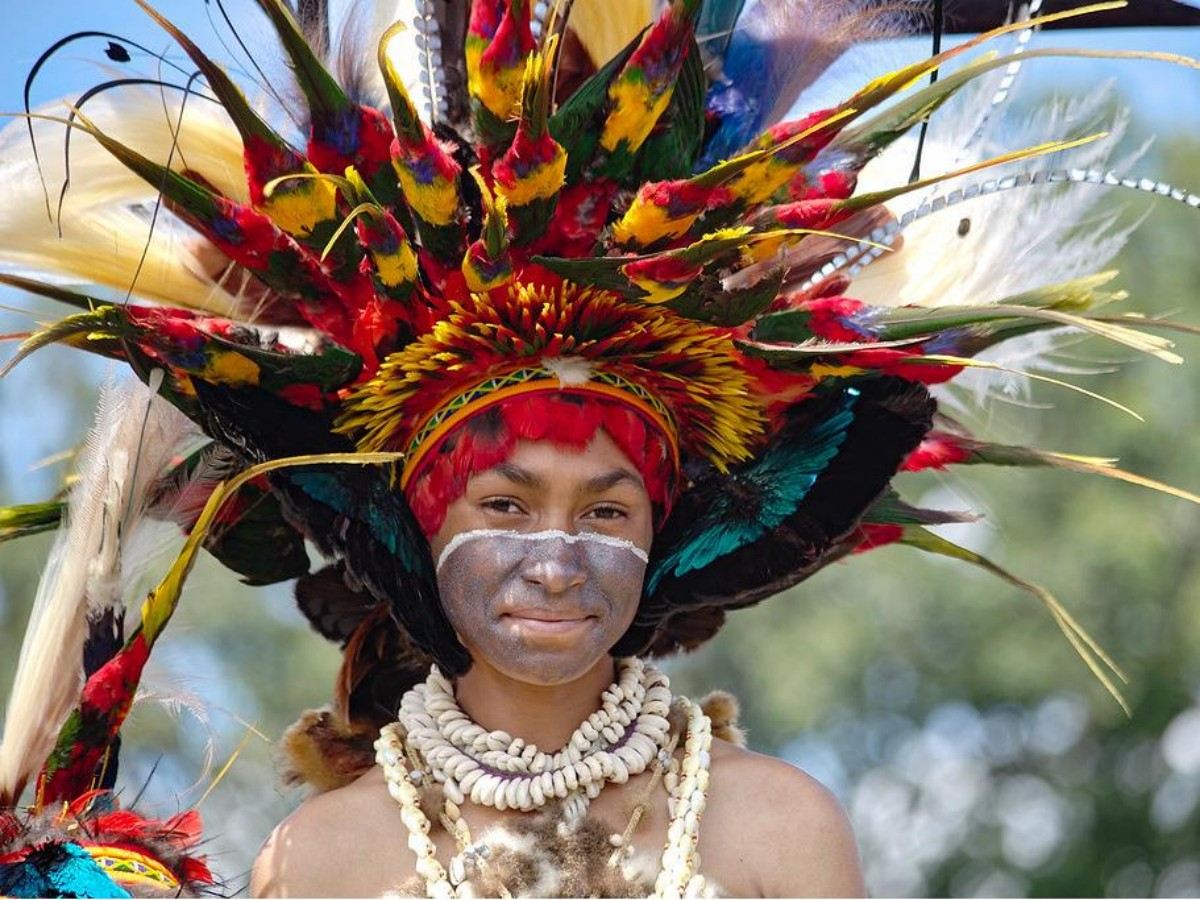
Every September, while the Highland mornings are still misty, the town of Goroka is already buzzing with people. Drums are beating, feathers are flying, and a group of dancers clad in painted bird-of-paradise feathers enter the arena in a rhythm that makes it almost impossible to believe you're still standing in the real world. This is the Goroka Show, one of Papua New Guinea's most fascinating and wildest festivals, an adrenaline-pumping cultural spectacle and the most direct way to get to know this multi-tribal country.
Advertisement
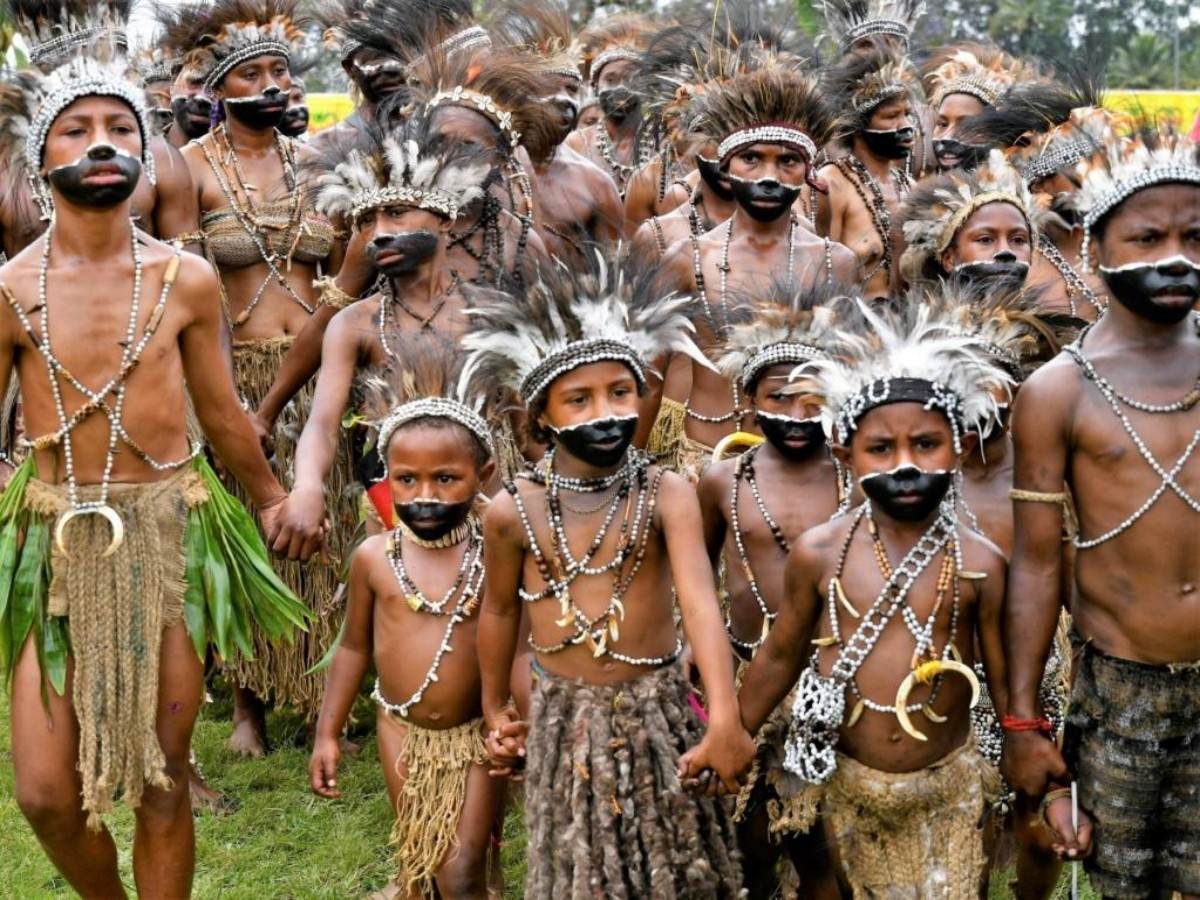
Dating back to 1957, the Goroka Show began as an inter-tribal exchange initiated by the Australian colonial government to encourage the different tribes to display their traditions in a peaceful manner, rather than resorting to armed confrontation. Today, it has grown to become one of the largest and most recognized cultural festivals in the country, attracting more than 100 different tribes and thousands of national and international visitors each year.
Advertisement
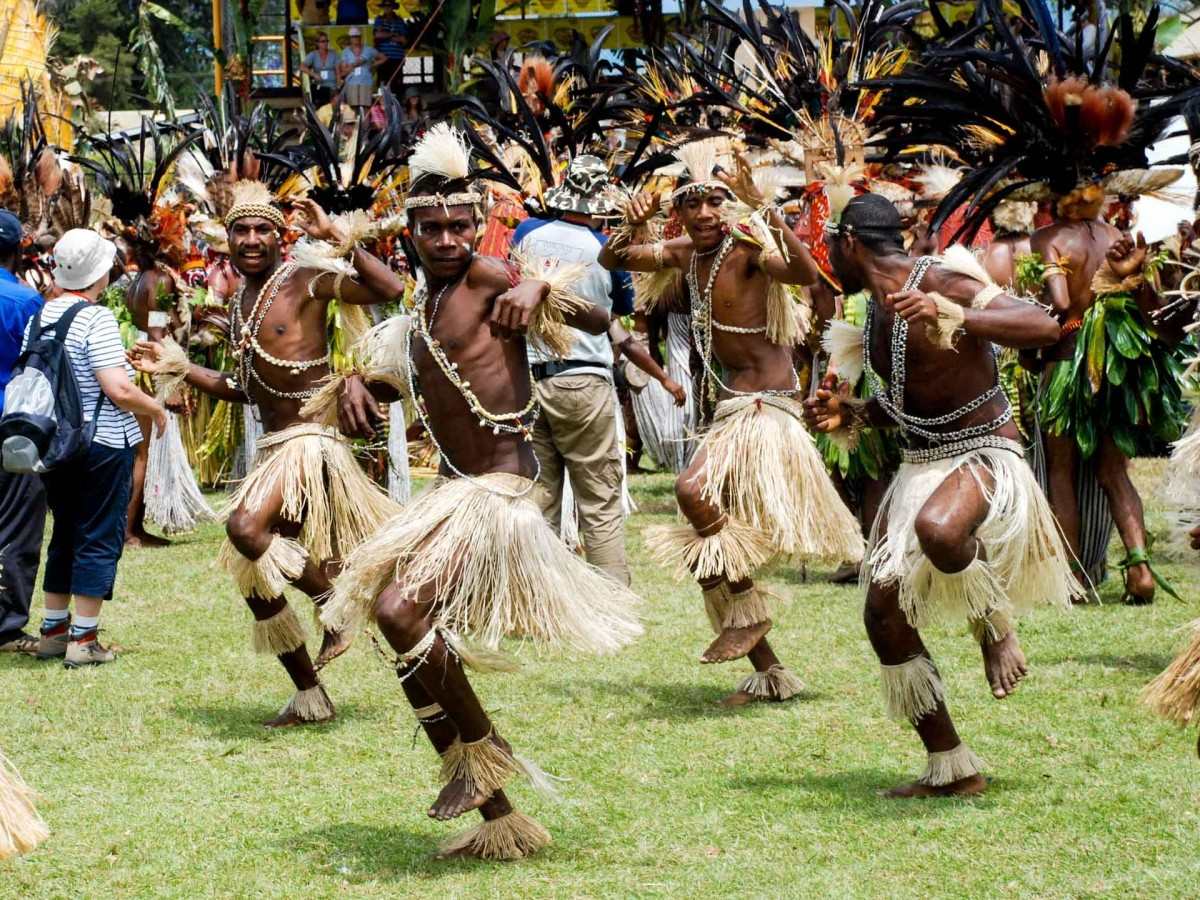
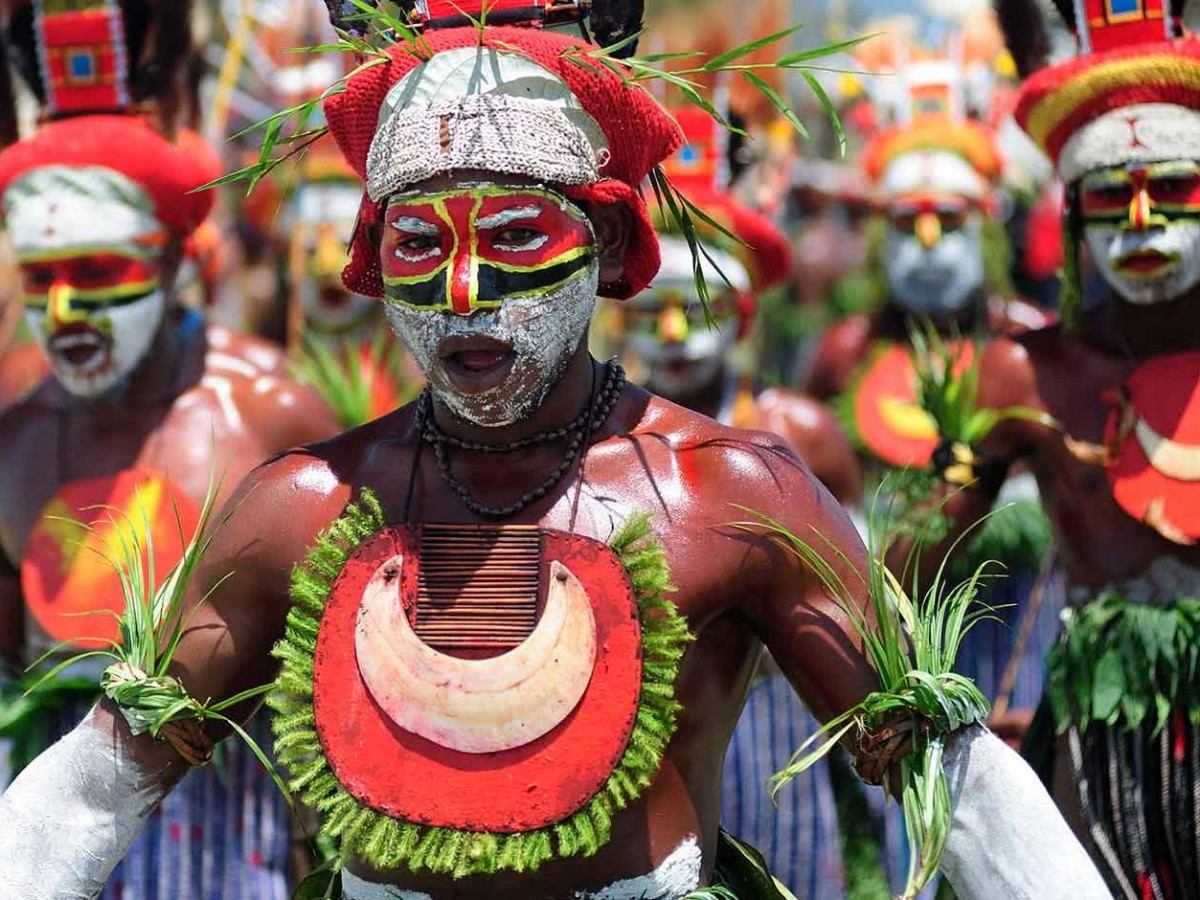
At the heart of the event is “singsing” - a collection of tribal dances and music in which each tribe interprets its cultural identity in a unique way: some are covered in red and white paint to symbolize tribal myths; others dance with feathered shawls, Some people dance feathered shawls and recreate ancestral hunting dances to the sound of traditional drums, while others adorn their bodies with necklaces of pig's teeth, shell money and carved wooden masks to tell the story of their generations.
For visitors, this is not only a colorful visual experience, but also a cultural journey of identity, faith and community relations. In a time of increasing modernization, the Goroka Show is like a flag of perseverance, rooting tribal traditions firmly in the land and the soul.
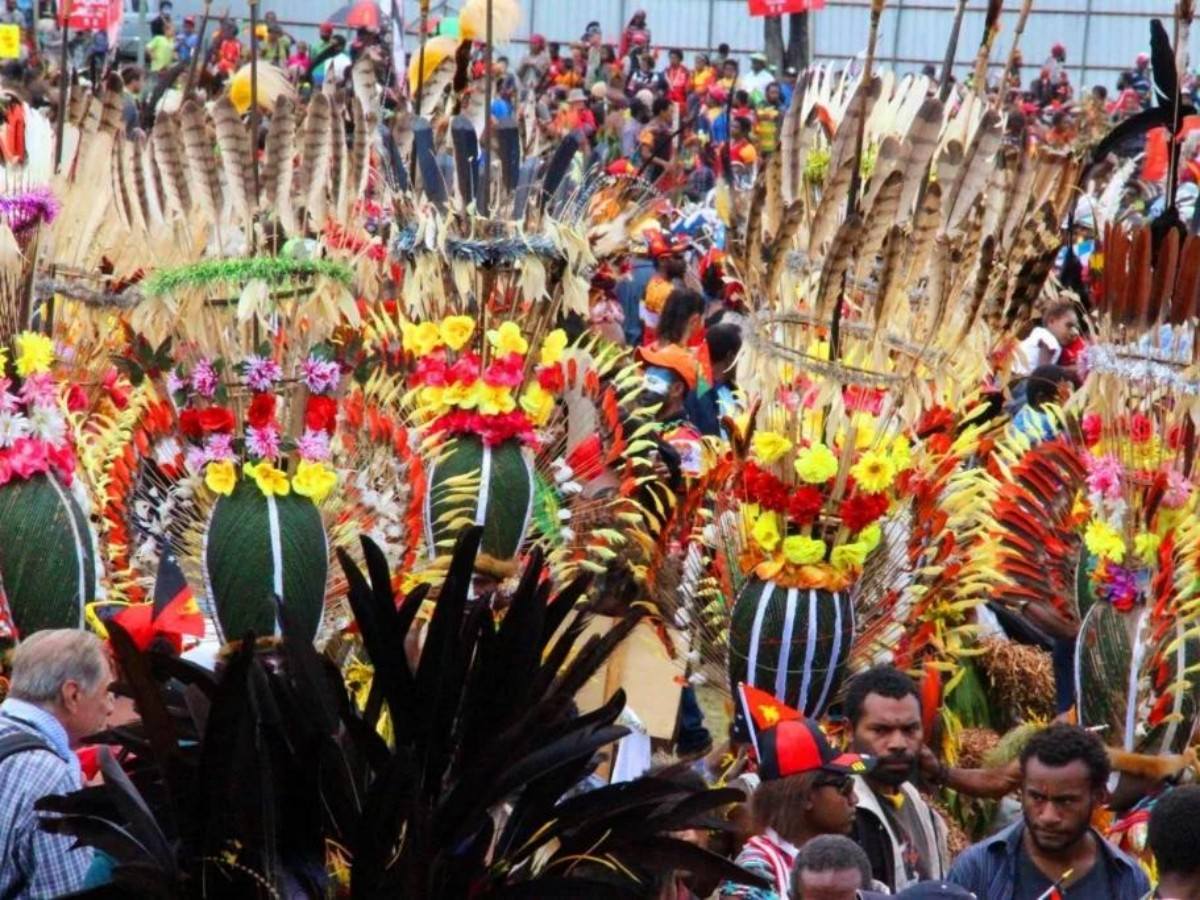
The Goroka Show is usually held around Independence Day in September (the weekend before September 16) for two to three days each year, with events centered around the Goroka Showground arena.
Advertisement
Here are the core experiences not to be missed:
SINGING COMPETITION: This is the centerpiece of the entire event, where tribal teams take turns competing in a dress dance showdown. Visitors can approach the fences to watch and take photos, but should be careful to respect the performers and not interfere with the formations and ceremonial movements.
Face Painting and Traditional Costume Display: Some of the exhibition areas feature interactive experiences where you can ask tribal members to paint your traditional face for you, or try on tribal costumes and take photos, which are popular fodder for photos on social media!
Handicraft and Souvenir Bazaar: A handicraft bazaar is set up outside the Showground, selling authentic crafts such as woven baskets, carved wooden masks, feather headdresses, shell necklaces and more. Prices are affordable and bargains are available.
Highlands Coffee Experience: Goroka is one of the most important coffee producing regions in PNG, and during the festival you can try freshly ground coffee beans at the local coffee stalls and learn the story behind its cultivation and trade.
Photography Workshops and Cultural Talks: Some years the event features English-language photography talks or cultural introduction sessions led by local artists or scholars living in the area, making it ideal for in-depth cultural explorers.
The most recommended way to play is to spend the first full day immersed in viewing, and the second day engaged in interaction and photography, without overworking yourself and gaining a deeper understanding of the festival's multifaceted nature.
Goroka has an upland climate with relatively mild temperatures, ranging from around 22°C to 28°C during the day and possibly dropping to 12°C at night, especially in September during the festival season, which is usually dry and sunny, with sunny but not hot days, making it extremely suitable for outdoor activities and photography.
Breathable and lightweight long-sleeved shirts and pants are recommended to protect you from the sun during the day and keep you warm at night; a fleece jacket is a good idea because of the big difference in temperature between morning and evening. A pair of waterproof hiking boots will come in handy as some of the ground is soft or muddy.
Note that although Goroka Show is the peak festival season, it is also the time when accommodation and transportation are at their tightest, so it is recommended to book transportation and hotels at least three months in advance, and some group tours even plan six months in advance.
Despite Goroka's landlocked highland location, transportation is not out of reach:
Flights: There are regular daily flights to Goroka from Port Moresby (operated by Air Niugini and PNG Air), with a flight time of about 1 hour 15 minutes.
Ground transportation: For the more adventurous, you can also drive or charter a bus from Lae or Mount Hagen to Goroka. The journey takes about 6-8 hours and is scenic, but the road conditions can be quite unpredictable, so it is only recommended for the more experienced traveler.
Goroka itself is a typical highland town with basic but plentiful dining options, including local barbecues, cafes and some Western-style light meals; internet access is limited, so it is recommended to download translation tools and offline maps in advance.
Accommodation is recommended at well-established hotels or guesthouses with good security and reviews, such as the Bird of Paradise Hotel:
Bird of Paradise Hotel (the most famous hotel in town, with restaurant and garden)
Pacific Gardens Hotel (quiet environment, suitable for families or photography groups).
All Show events are centered in the area around the arena and are within walking distance, but due to the large crowds, please carry small amounts of cash, identification and hotel business cards with you. There are police patrols and security volunteers on site during official events, and the overall atmosphere is warm and organized.
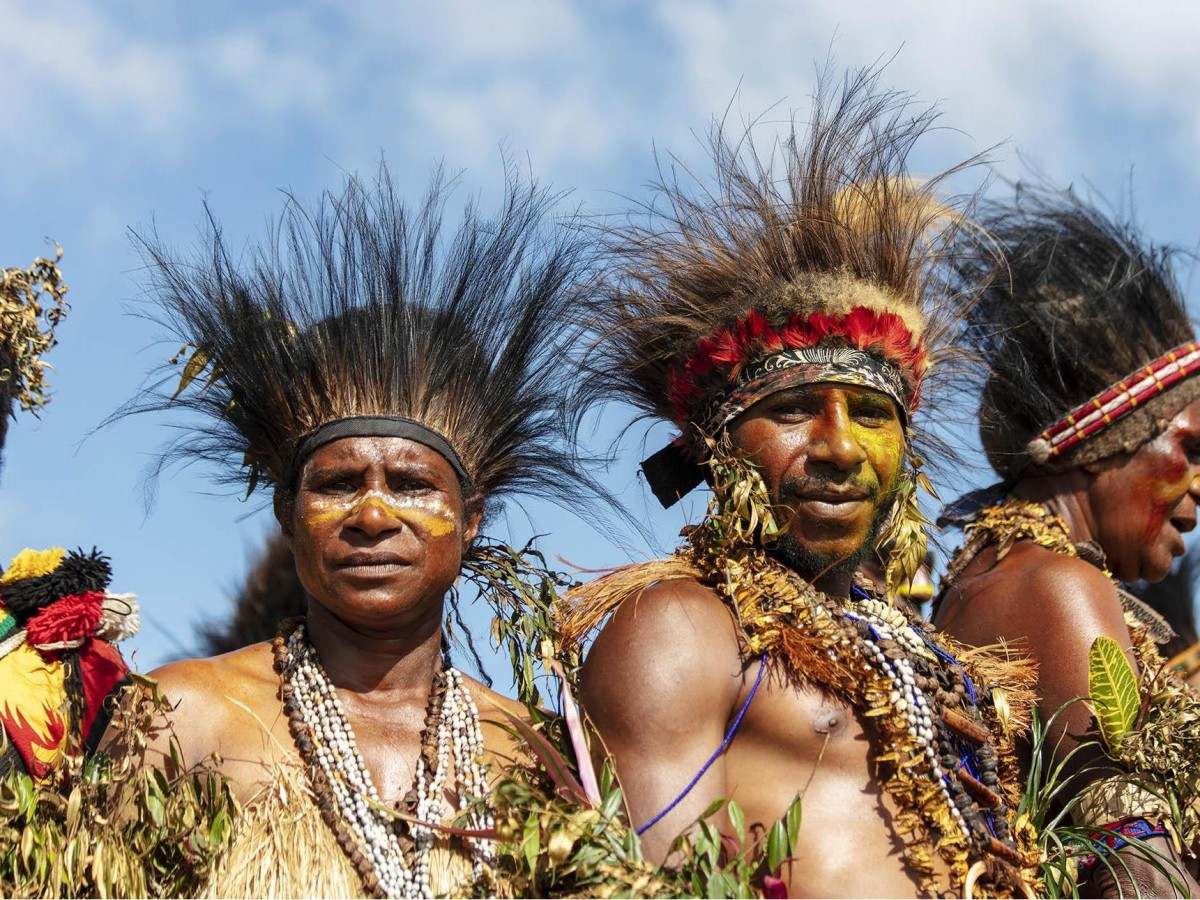
Respect cultural boundaries: costumes and ceremonial objects may involve religious or tribal taboos, so do not touch or mimic them without authorization, and ask permission to take photos.
Prepare a professional camera or telephoto lens: Tribal performances take place in a wide open space, so it may be difficult to capture details with a cell phone.
Bring drinking water and sunscreen with you: there is little shade during the festival, so it is easy to get dehydrated when watching in the sun for long periods of time.
Add depth by joining a cultural tour: Many English-speaking guides are cultural researchers who have lived in the area for many years and can provide context to enhance the experience.
Child-friendly but supervised: The Goroka Show is generally safe but crowded, so be sure to hold hands if you have children with you.
Travel insurance is essential: Covering flight delays, medical and lost property can add to the protection of a remote trip.
As the last dance comes to a close and the crowd slowly disperses, the echoes of drums and songs still fill the air. You realize that this is not just a festival experience, but a glimpse of a civilization - in the early morning of the Highlands, the tribal rhythms and the gaze of those costumed dancers, you feel as if you have traveled through time and into a thousand years of heritage and pride.