
Advertisement
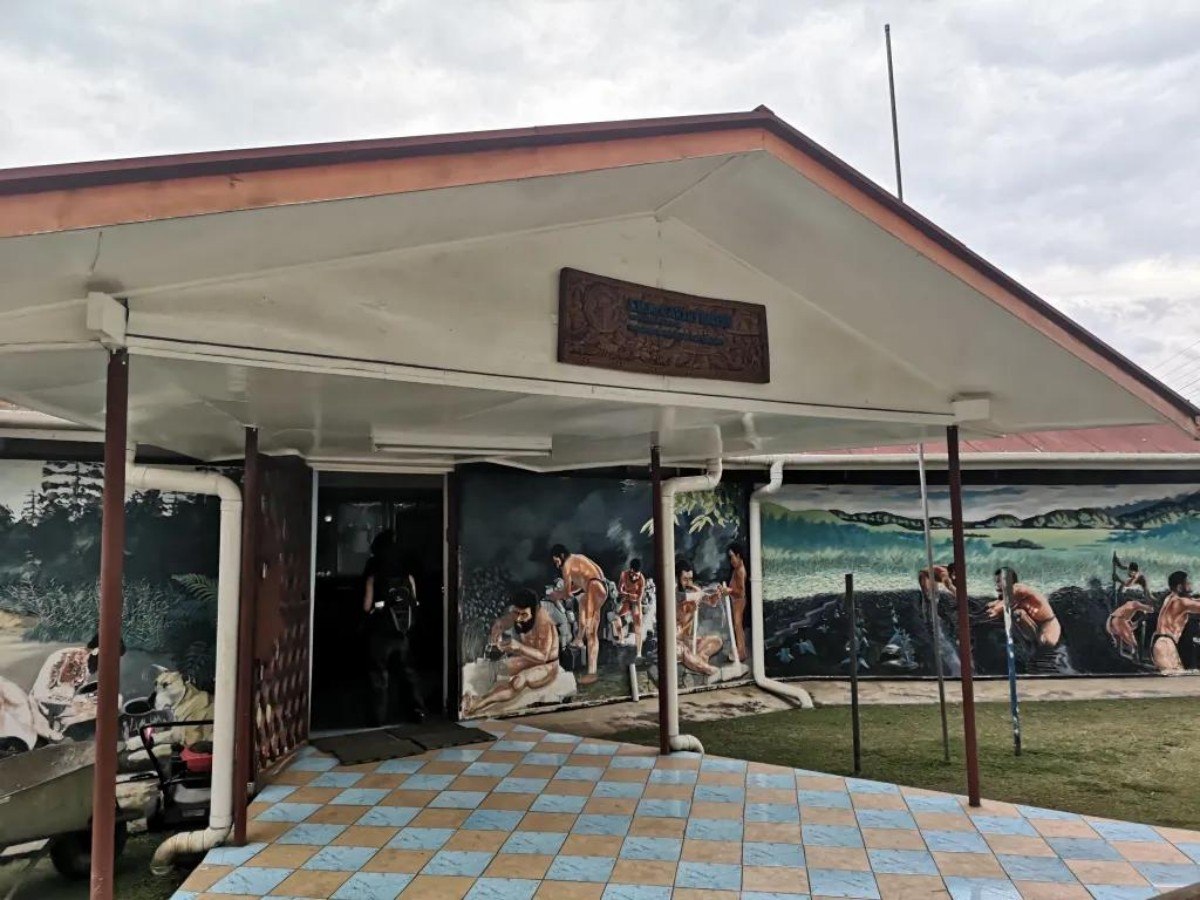
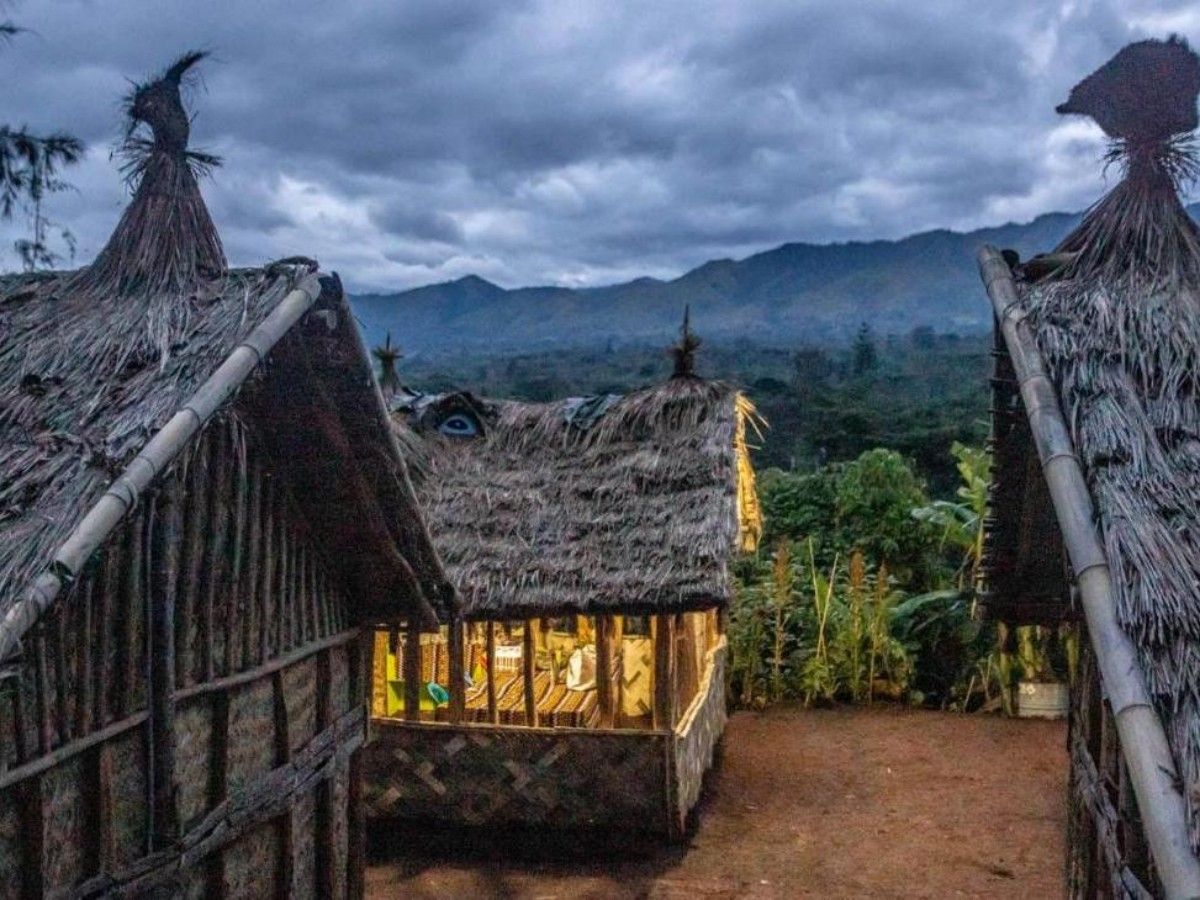
You may have been to countless museums, from London's Great Britain to New York's Natural History, but there's one in the small town of Goroka, in the highlands of Papua New Guinea, that harbors a charm unlike any other. Instead of crowds and cold display cases, the J.K. McCarthy Museum is an open book of tribal history, showcasing the records of colonial explorers while telling the story of the wisdom of the Highlanders over the centuries. If you want to truly understand how the people of this land thought, fought, survived, and believed, then this museum, is the best place to start.
Advertisement
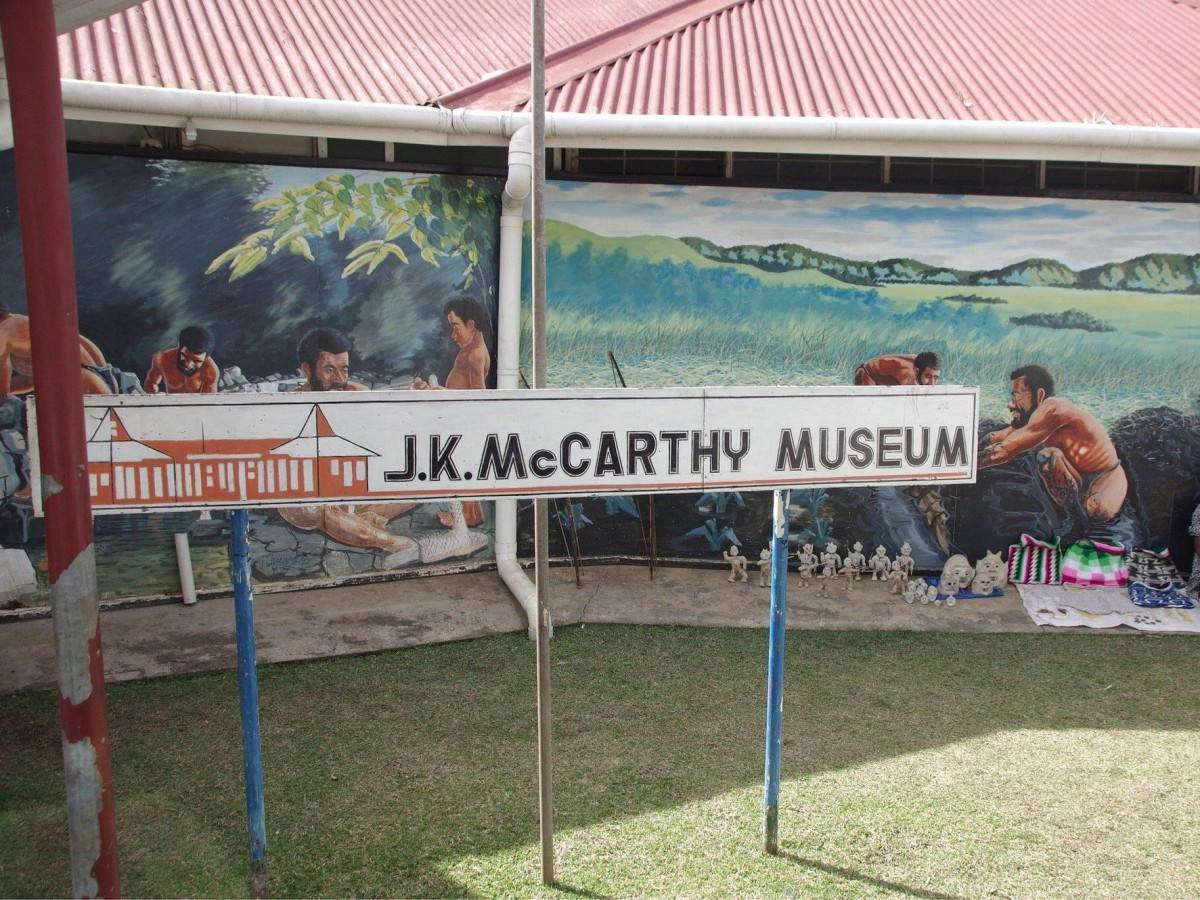
The museum is named after J.K. McCarthy, an Australian who was one of the first colonial administrators to enter the Inland Highlands of New Guinea in the 1930s. At a time when the Goroka region was virtually unknown to the Western world, McCarthy trekked all the way from the coast with a map, a rifle and a thirst for the unknown - his notes on the expedition are now an invaluable source for the study of Highland society.
Advertisement
But what's really admirable about the museum is that it's not just a display of the 'colonizer's perspective'. Instead, it strives to bring out the voices of the local Highland tribes. From traditional masks, tomahawks and ornaments to women's woven baskets, children's games and ancient musical instruments, it creates a balanced narrative - one that allows the visitor to see conflict as well as integration, plunder as well as protection.
The exhibits are small, but the pieces are exquisite. You can see it here:
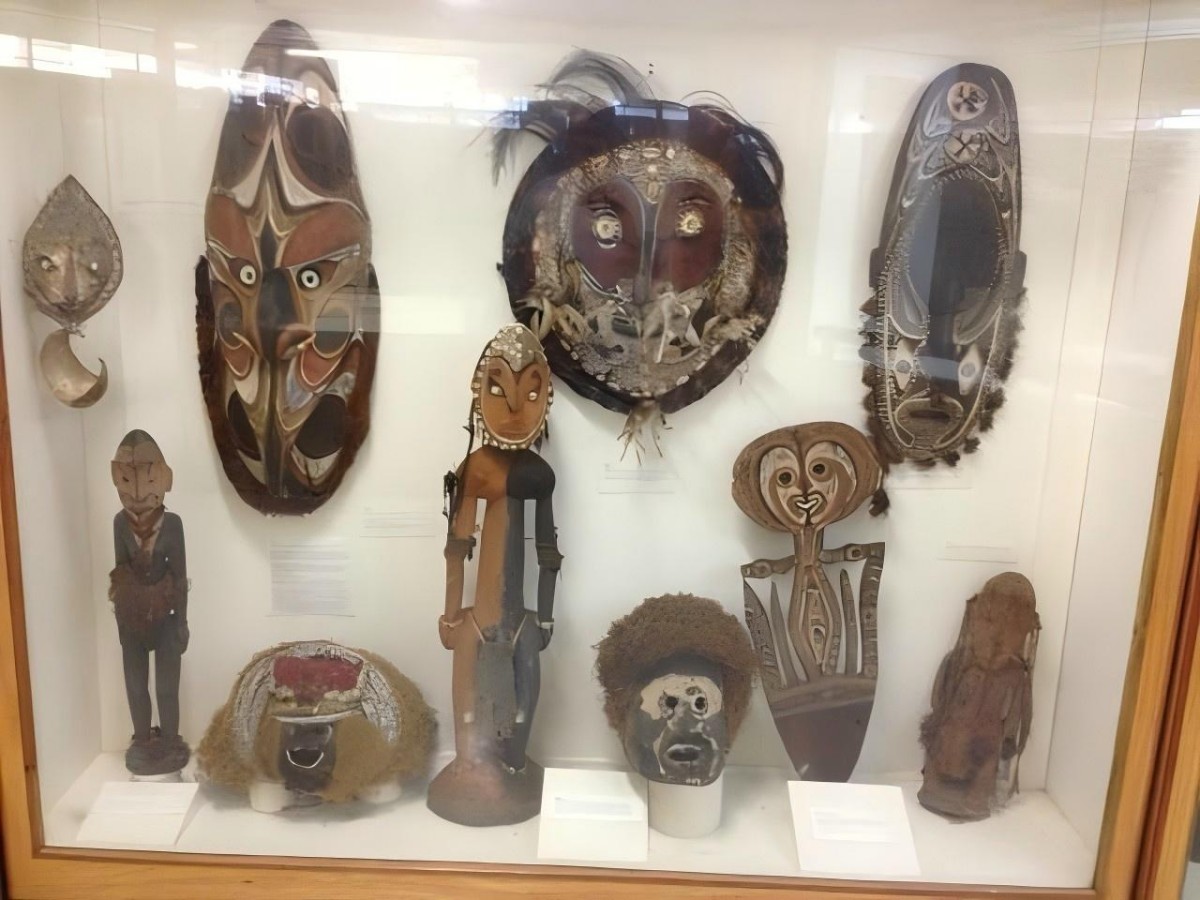
Highland War Masks: a patchwork of pig tusks, bird feathers, and animal skins, symbolizing the totemic beliefs of different tribes
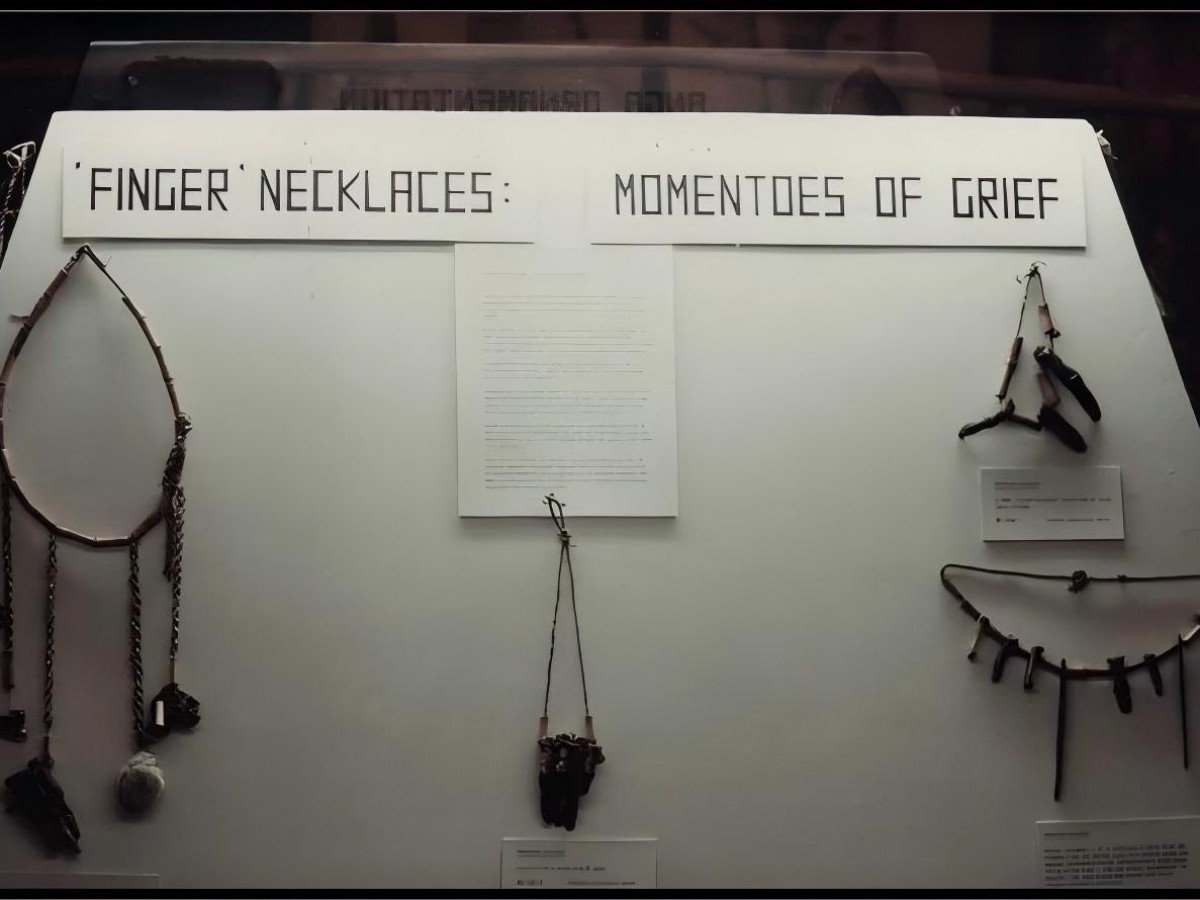
Martyrdom bone ornaments and nose rings: revealing the funerary rituals and physical aesthetics of the Highland tribes.
Handwritten expedition journals and old-time police uniforms: McCarthy's original documents, with handwritten margin notes.
Coffee production tools and photographs from the 20th century: documenting how Goroka moved from a tribal economy to a modern market system.
Each gallery is like a window in time, allowing you to see how tradition and modernity meet, rub together and coexist in this land.
The J.K. McCarthy Museum consists of three main galleries:
Advertisement
1. History Gallery
This is the centerpiece, featuring McCarthy's personal collection, typical Highland tribal clothing and weapons. The exhibits are accompanied by written descriptions, some with QR codes and audio commentary in English, making them ideal for free-standing visitors.
Recommended highlights:
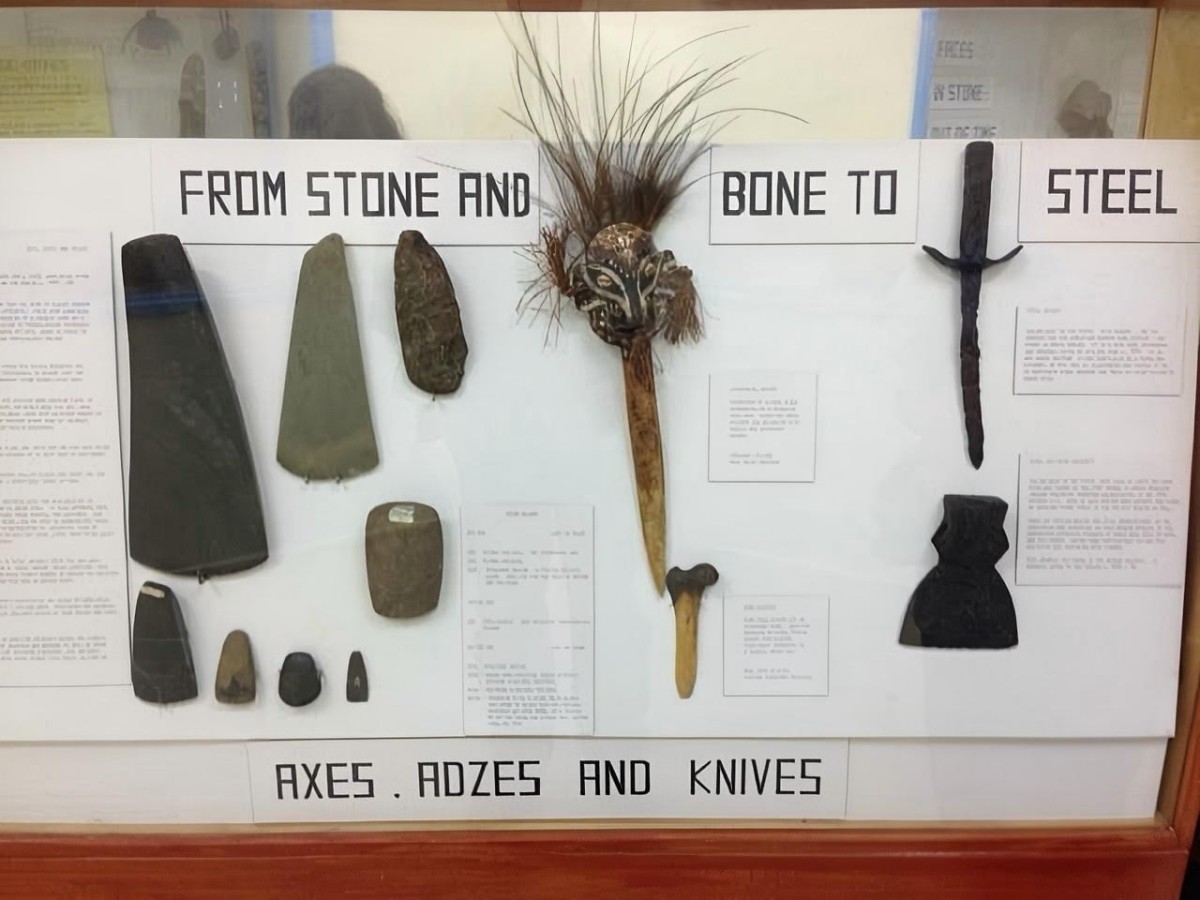
Handmade axe and bamboo spear exhibits
PNG maps of the evolution of the territory from pre-colonization to post-independence.
Wall of authentic tribal masks for close-up photos
2. Folk Culture Center
This section is themed on tribal life and includes wedding costumes, traditional ceremonial tools, and specimens of plants and medicinal herbs. The pavilion will show original documentaries presenting historical images of rituals or Goroka Show, which are authentic and shocking.
Don't miss it:
A restored model of the traditional Highland “mumu” cooking pit.
Demonstration of shell money exchanged at weddings
Live demonstration of women weavers (some sessions)
3. Nature Corner
Although small in size, this little corner showcases New Guinea's rare bird, insect and plant specimens, especially the stunning specimens of several Birds of Paradise. It is perfect for bringing children or nature lovers to have a closer look.
The J.K. McCarthy Museum is conveniently located on the south-east side of downtown Goroka, close to the main road between the University and the airport, and is easily accessible on foot or by car.
Opening hours: Monday through Friday 9:00-16:00, open half day on Saturday (9:00-12:00)
Ticket prices: Adults approx. 10 PGK, students half price, children free of charge
Language Services: English guided tours are available from the pavilion staff, as well as introduction boards and interactive screens in English.
Supporting facilities:
Small gift store selling local artwork, books and replica masks
Simple restrooms and water stations
Free parking lot for minibuses and cars
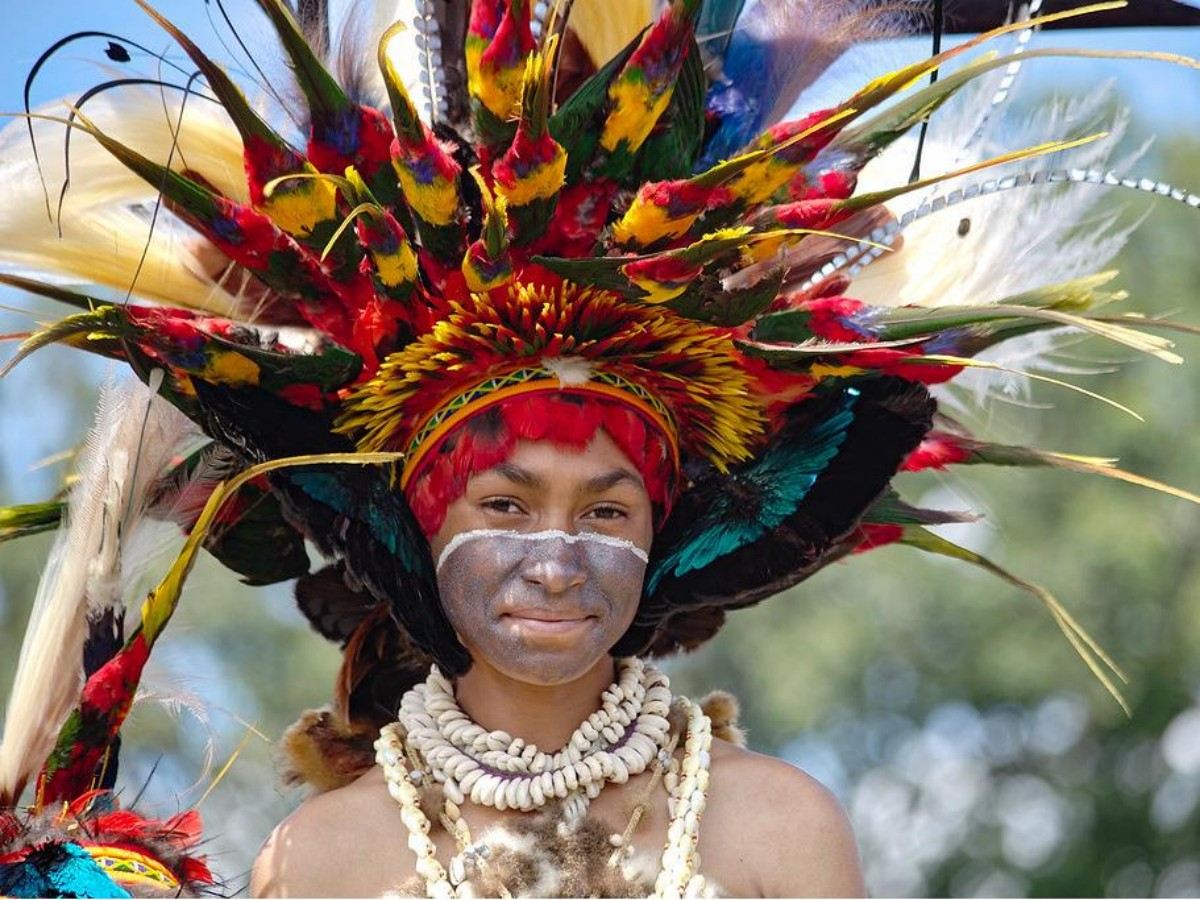
If you coincide with the Goroka Show (mid-September each year), the J.K. McCarthy Museum becomes an auxiliary stage for cultural presentations, with some dancers, mask makers, and craftsmen setting up booths or interactive performances. You can see:
Small tribal dance previews
Live performance of traditional Highland instruments (wood drums, bamboo flutes, etc.)
Children's clay mask coloring workshop for family visitors
In addition, the museum also organizes Cultural Week on a regular basis, inviting local scholars and elders to talk about traditional customs and religious beliefs, which is highly interactive and highly recommended for visitors interested in anthropology.
It is recommended to hire a guide: although it is possible to visit on your own, a local guide (such as an English-speaking university student) will help you to understand more about the cultural context.
Photography must respect the rules: most exhibits can be photographed, but flashes are not allowed and some of the documents should not be touched.
Kids will love it too: there are interactive areas for families; a visit to the University of Goroka Botanical Gardens can also be arranged as part of the tour.
Bring a notepad: many of the exhibits have stories behind them that are worth writing down, and they're also good for meditation on the go!
The J.K. McCarthy Museum is not a “glamorous” museum - it doesn't have a grand building or stellar exhibits - but it's like an old man sitting by the fire, slowly recounting how he walked through the rainforests, dealt with the tribes, and witnessed New Guinea move from the unknown to the world.