
Advertisement
On the other side of the globe in South America, Plaza de Mayo in Buenos Aires, the capital of Argentina, is like a frozen history book, engraved with the country's independent spirit and cultural DNA. Built in 1580, the Plaza de Mayo is not only the origin of the city's geography, but also the center of Argentina's politics, history and humanity. When the purple haze of blue carpets spreads over the streets and lanes, and when the melody of tango flows in the air, Plaza de Mayo tells the story of a nation's journey from colonial resistance to modern civilization with every brick and stone and every building.
Advertisement
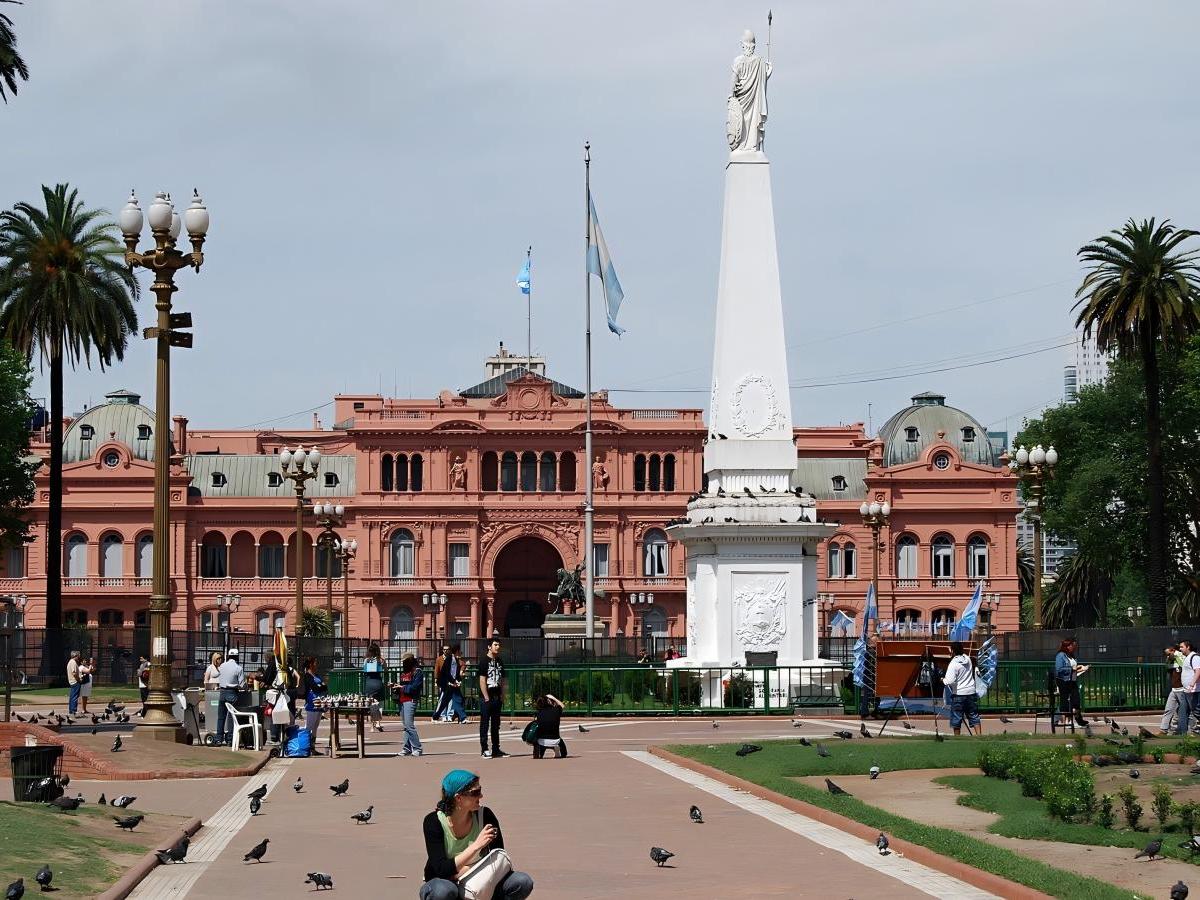
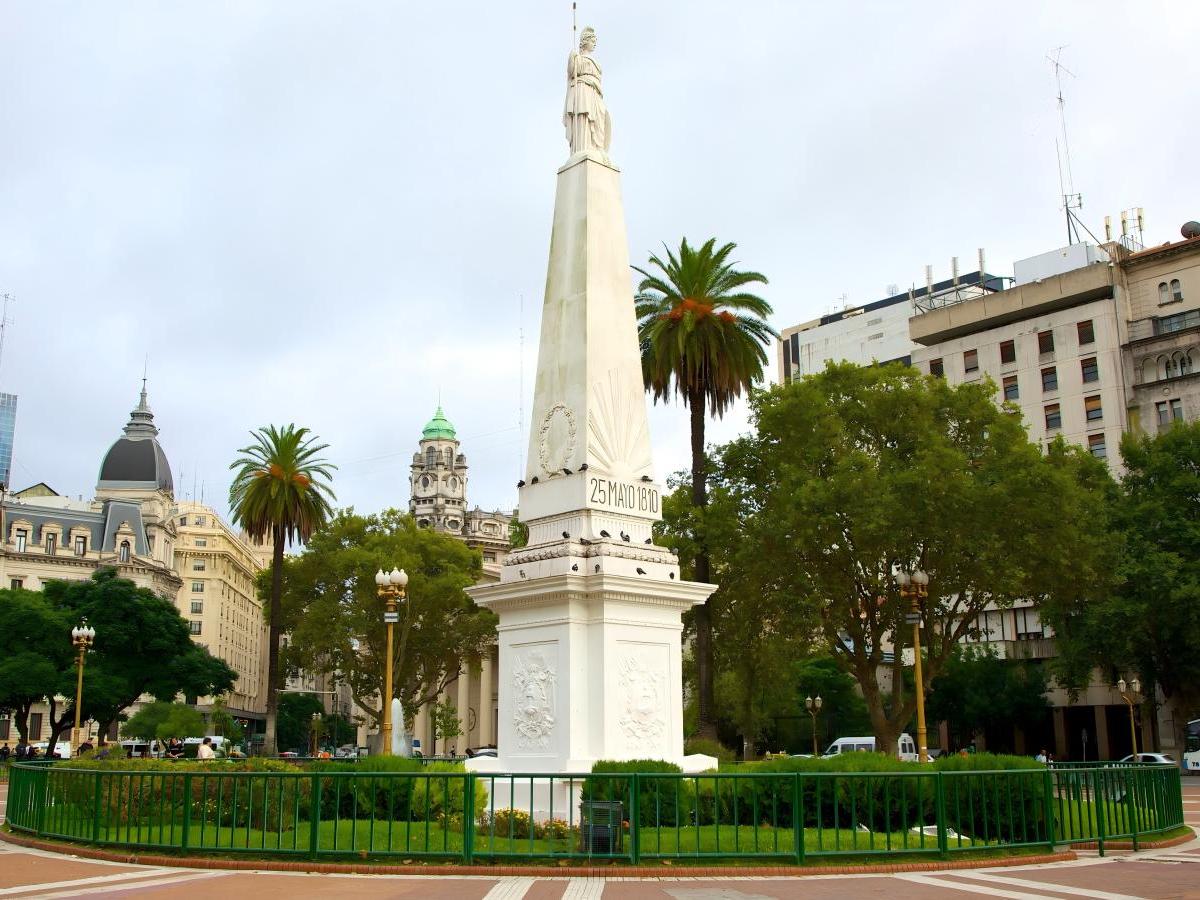
The history of Plaza de Mayo is closely intertwined with the destiny of Argentina: on May 25, 1810, the citizens of Buenos Aires rallied here and declared their independence from Spanish colonial rule, lighting the fuse for the South American War of Independence. The “Pyramid of May” monument in the center of the plaza is 13 meters high, pointing straight up to the sky, and topped by the Statue of Liberty holding a broken chain, symbolizing the determination to break free from the colonial yoke. The inscription “Revolution of May 1810” is still a reminder of the awakening that changed the history of Latin America.
Advertisement
On the east side of the plaza is the Casa Rosada, home to the Argentine Presidential Palace, whose soft pink façade was inspired by a political metaphor from 1873 - red for the Federalists, white for the Unitarians, and white for the Unificationists, both harmonized to symbolize the unity of the nation. It was here that Mrs. Perón delivered her famous “Don't cry for me, Argentina” speech from the balcony, and her legendary life is deeply intertwined with the plaza's historical memory.
The architecture around Plaza de Mayo is a perfect blend of European colonial culture and Latin American local spirit. On the north side, the Catedral Metropolitana, built in 1723, has 12 giant Romanesque columns and a triangular frieze decorated with Biblical bas-reliefs that reflect the sun's rays. The remains of General San Martín, the liberator of South America, are buried in the catacombs of the church, where a long-lasting “Argentine Flame” guards the spirit of this national hero.
Advertisement
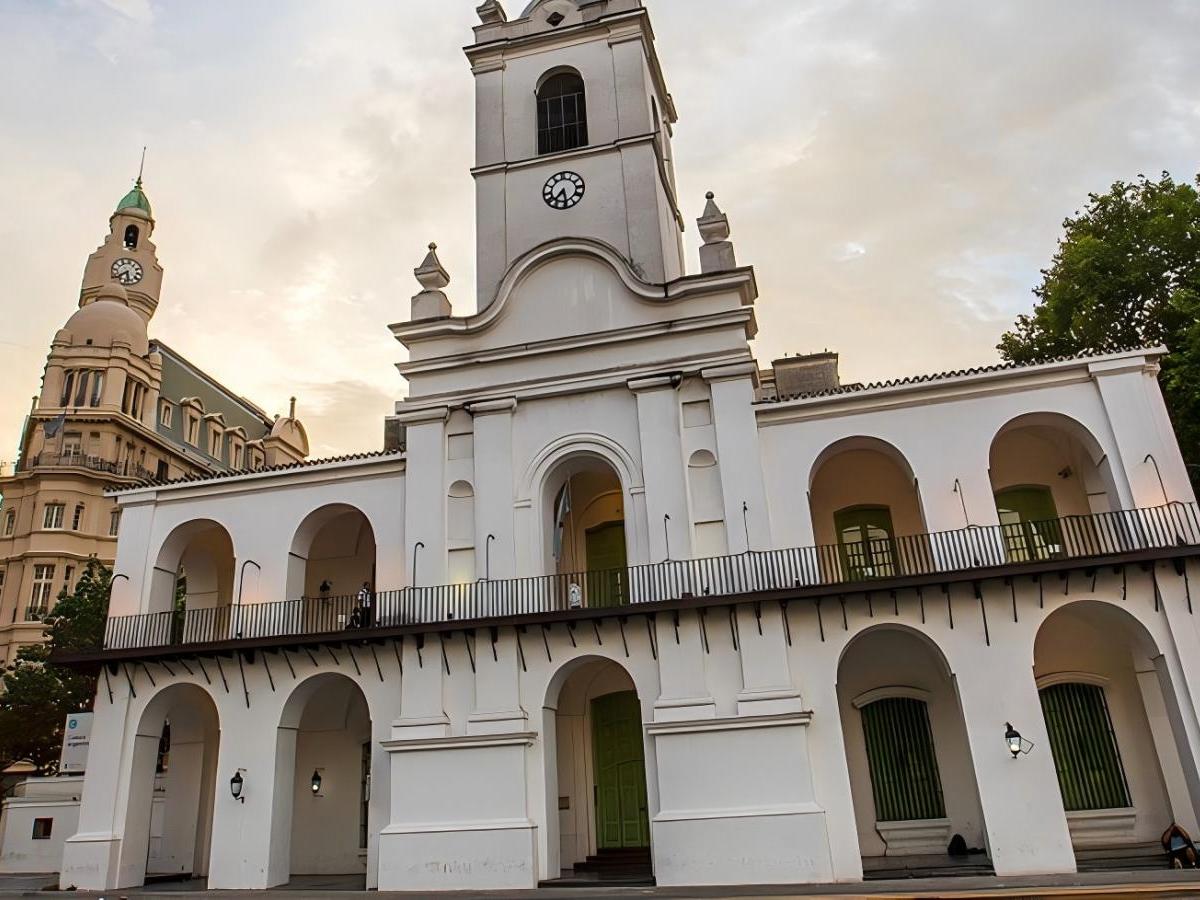
On the west side of the plaza, the white building “Cabildo”, once the colonial town hall, now serves as the Museum of the May Revolution, with documents, weapons and portraits of revolutionaries from the War of Independence. The Avenida de Mayo, which stretches to the Capitol, is the “widest street in South America”, where neo-classical buildings and modern skyscrapers stand side by side, witnessing the city's transition from the past to the future.

Plaza de Mayo is not only a stage for history, but also a microcosm of Argentine culture. On weekends, the square attracts visitors with impromptu tango dances performed by street performers: male and female dancers exchange glances, their feet hit the ground like rain, and their bodies entwine to convey the passionate emotions that characterize Latin America. This dance, which originated at the end of the 19th century, is the crystallization of the Argentinean art of fusing European elegance with African passion.
Soccer culture also flows here. In the cafes around the plaza, locals sit around watching the game, cheering as Lionel Messi scores. On the graffiti walls at the end of the streets, Maradona's portrait and the word “No. 10” are everywhere, as if to tell the story of this nation's almost religious fervor for soccer.
In the plaza's open-air cafes, Argentines share a bitter but refreshing drink with a silver straw, holding a traditional mate. Known as the “national drink,” this plant-based beverage not only serves as a social bond, but also carries the Argentine's reverence for nature and life.
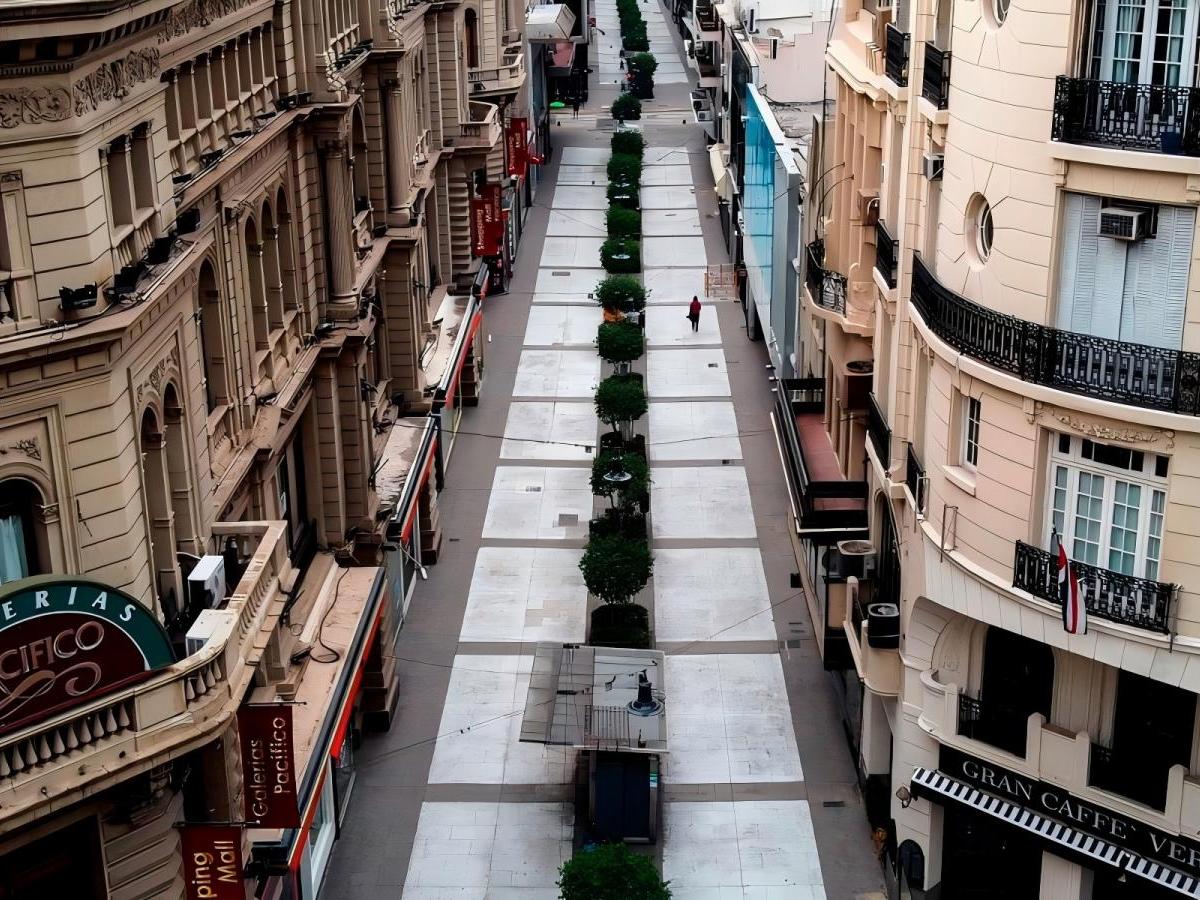
Although Plaza de Mayo carries a rich history, it is still an everyday space for citizens. Early in the morning, office workers in suits rush through the plaza; in the afternoon, elderly people sit on benches to feed pigeons and enjoy the sunshine; in the evening, street artists light up the lamps, and wandering poets improvise readings. On the north side of the square is Calle Florida, a collection of fashionable stores and centuries-old cafes, which contrasts sharply with the solemnity of the square.
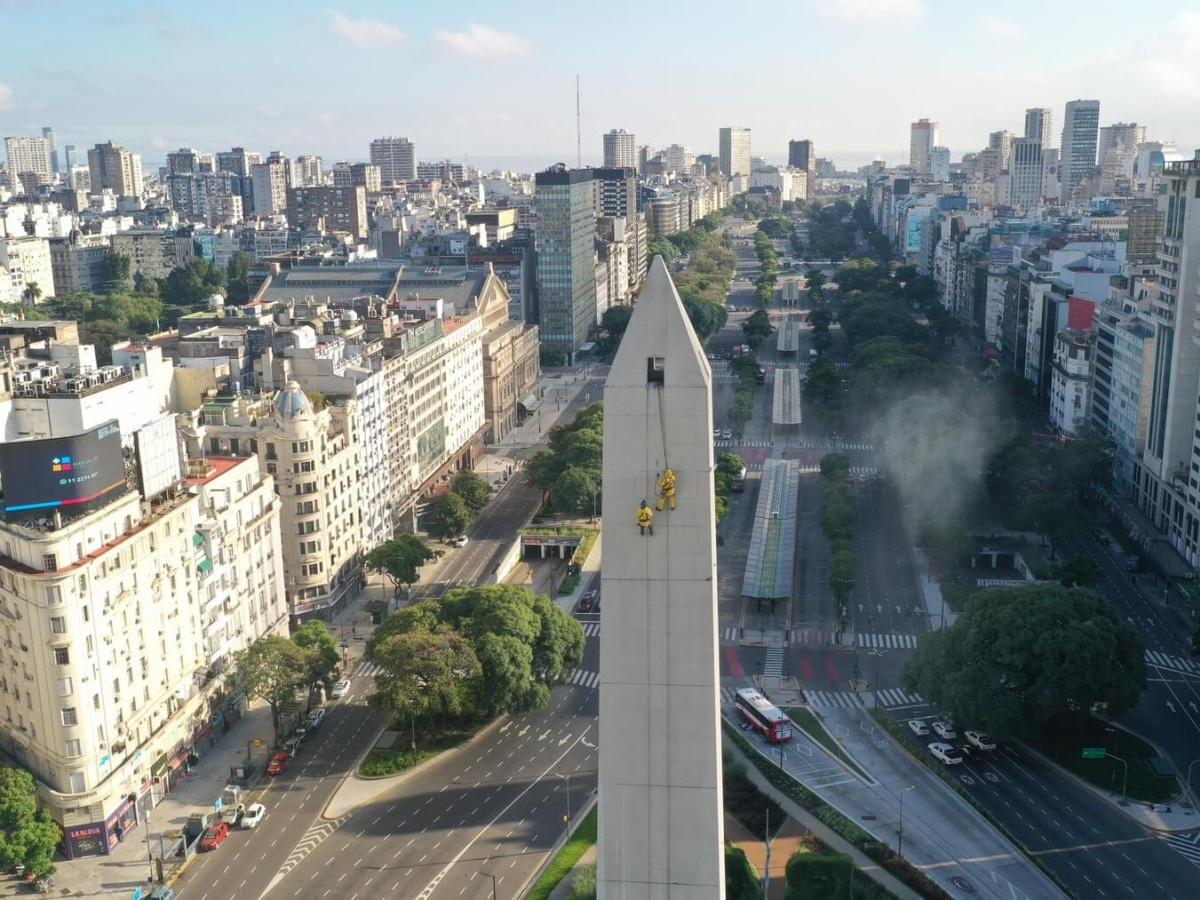
Yet another side of the city is also close at hand. A ten-minute walk east from Plaza de Mayo, across Avenida 9 de Julio, a slum made of tin and plastic sheeting appears amidst the modern buildings. This stark contrast between “heaven and hell” is a true reflection of Buenos Aires - it is both the “Paris of South America” and the epitome of the gap between rich and poor.
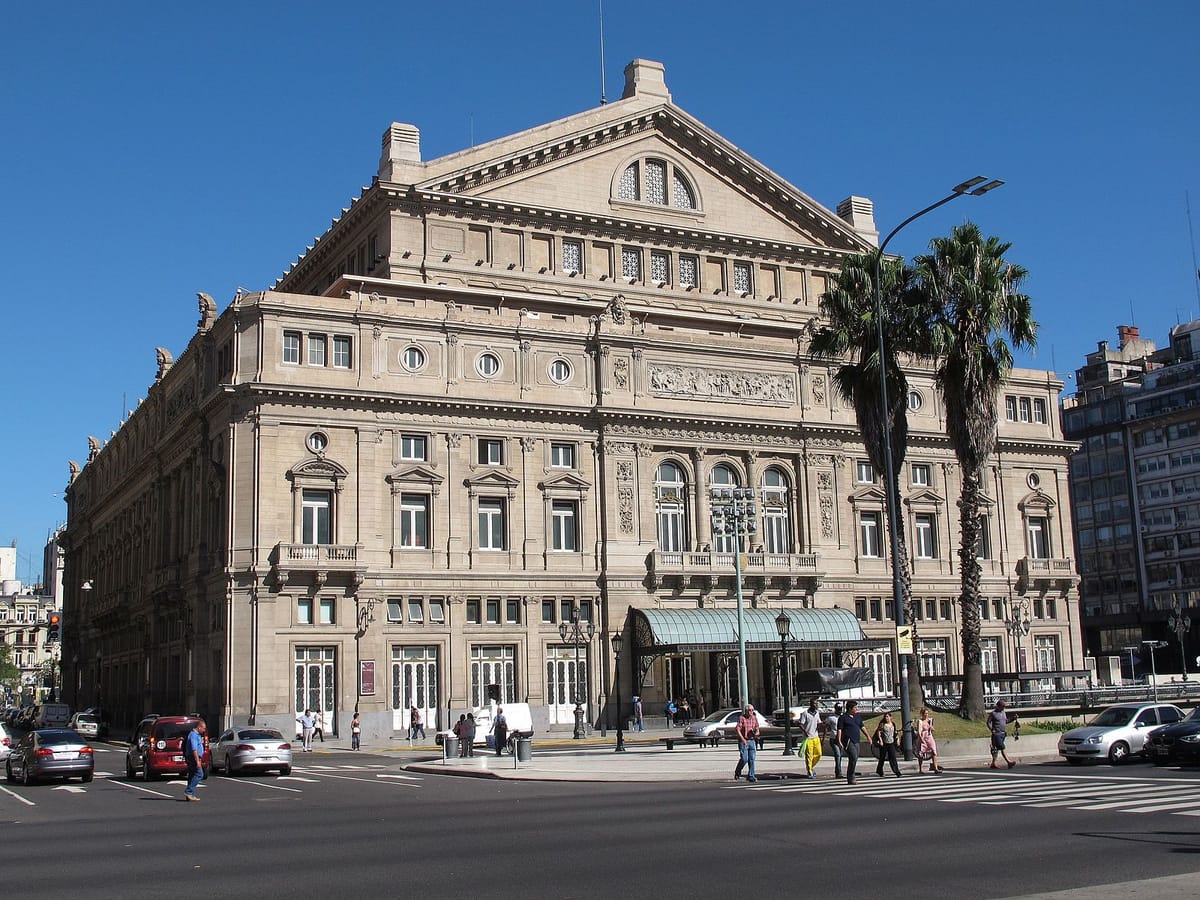
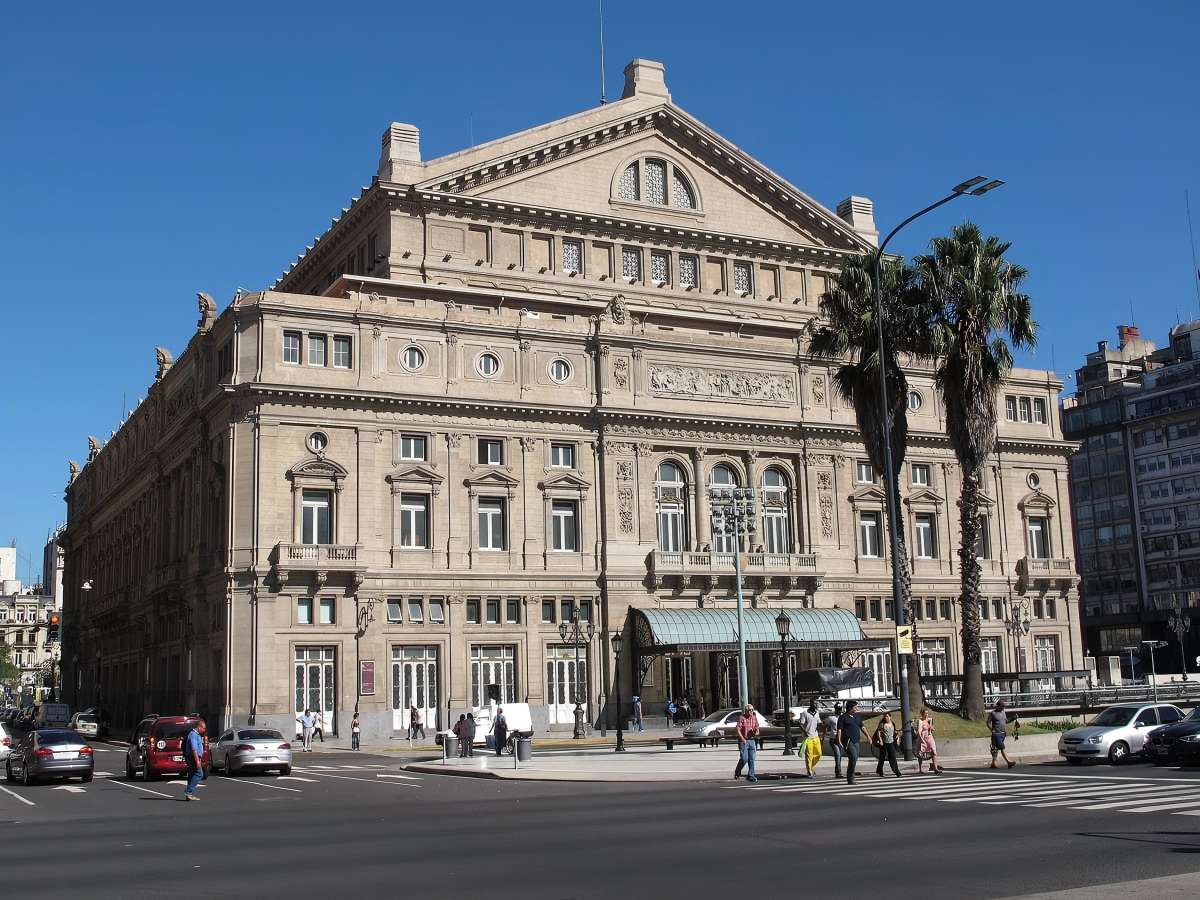
Starting at Plaza de Mayo, several city landmarks are within walking distance. To the west, the golden dome of the Teatro Colón, known as “one of the world's three great opera houses,” shines in the sunlight, witnessing the glorious moments of countless artistic giants; to the east, the “Bridge of Women” along the banks of the Río de la Plata (To the east, the Puente de la Mujer on the banks of the Rio de la Plata, like the silhouettes of a pair of dancers, connects history and modernity.
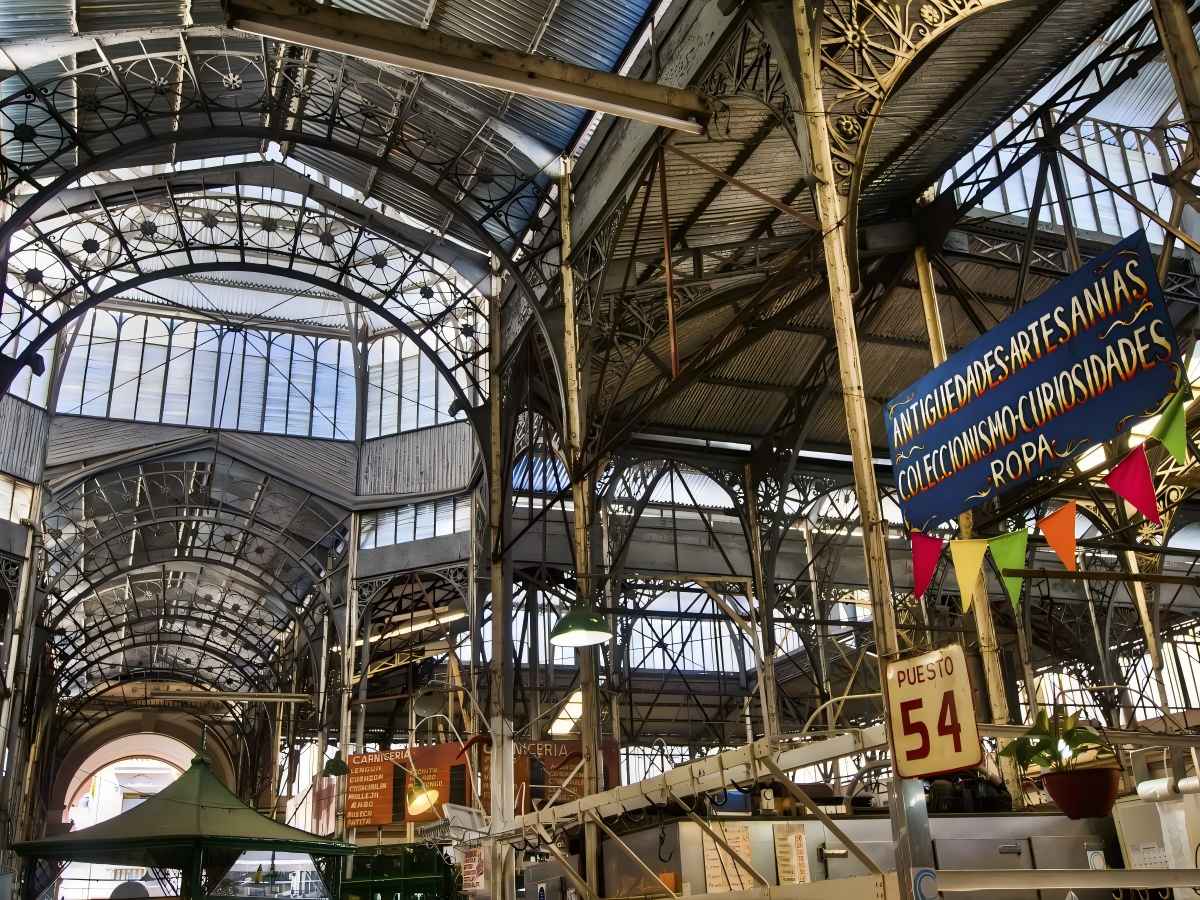
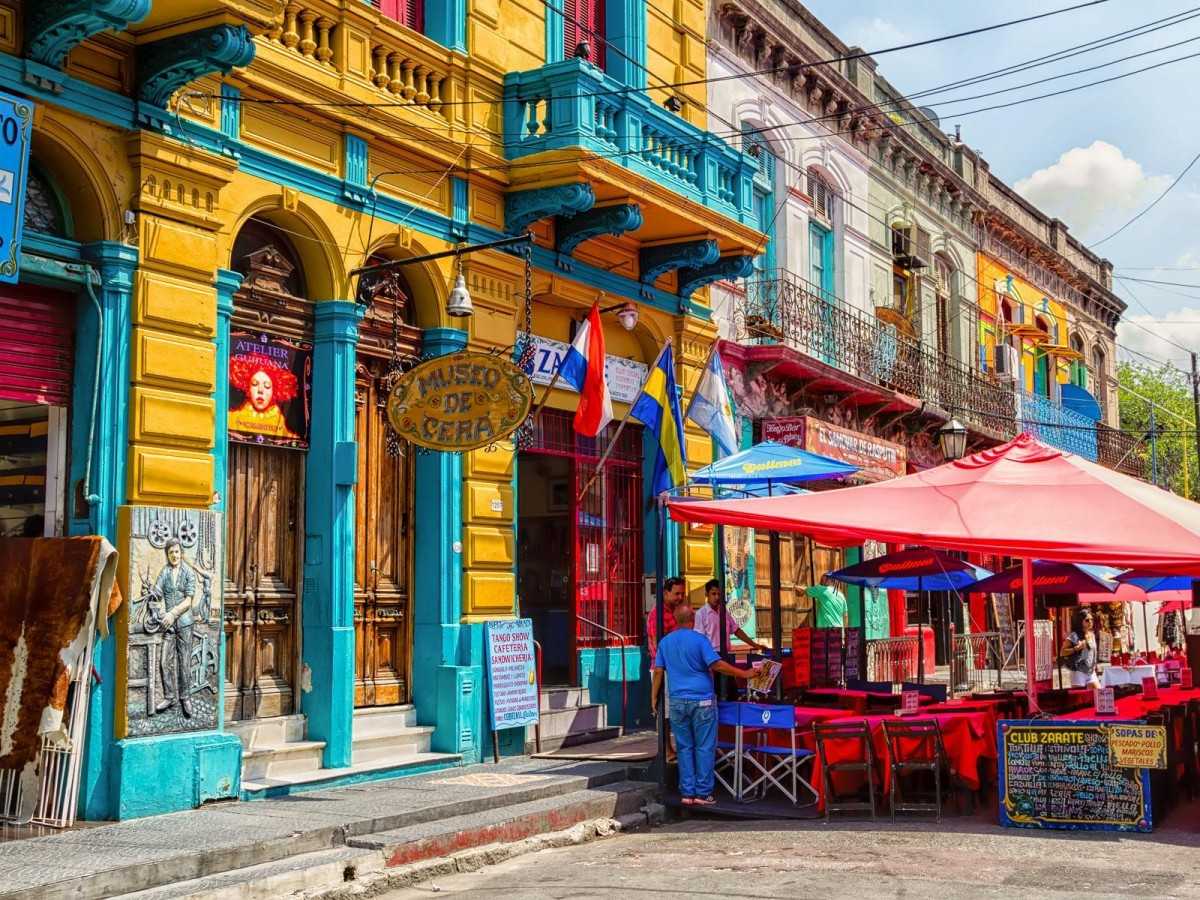
For a deeper experience of Argentina's cultural soul, head to the antique markets of San Telmo or the colorful neighborhoods of La Boca. There, the rhythms of tango, the shouts of soccer and the fireworks of the city are woven into a never-ending urban symphony.
Plaza de Mayo is the heart of Argentina and the key to understanding the country. It has witnessed the smoke of the War of Independence, listened to Mrs. Perón's speeches, witnessed the birth of the tango and the revelry of soccer. When tourists' feet step over the stone paths of the plaza, touch the architectural reliefs, and breathe the air mixed with the aroma of maté tea and barbecued meat, they can feel the soul of a nation leaping in history and reality. This is not only Argentina's past, but also its present and future -- in the fragrance of the bluebonnets, in the melody of the tango, in the smiles and struggles of the common people, the Plaza de Mayo will always beat with the fiery pulse of the South American continent.