
Advertisement
Located in Buenos Aires, the San Telmo Market is one of the city's most representative historical and cultural sites, as well as an important microcosm of Argentina's street culture. As one of the oldest markets in Buenos Aires, San Telmo Market not only carries a deep historical background, but also shows the rich street culture of Argentina, especially tango, street art and traditional food.
Advertisement
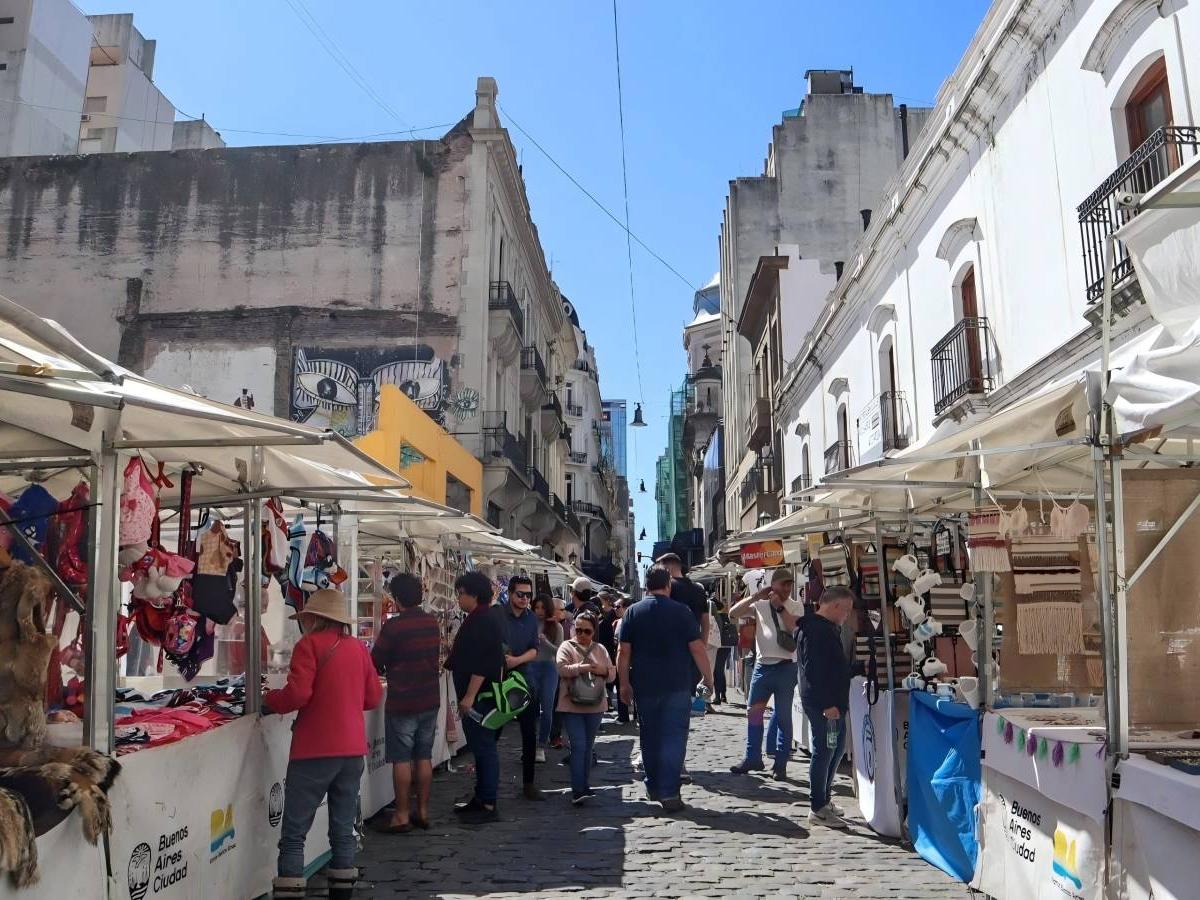
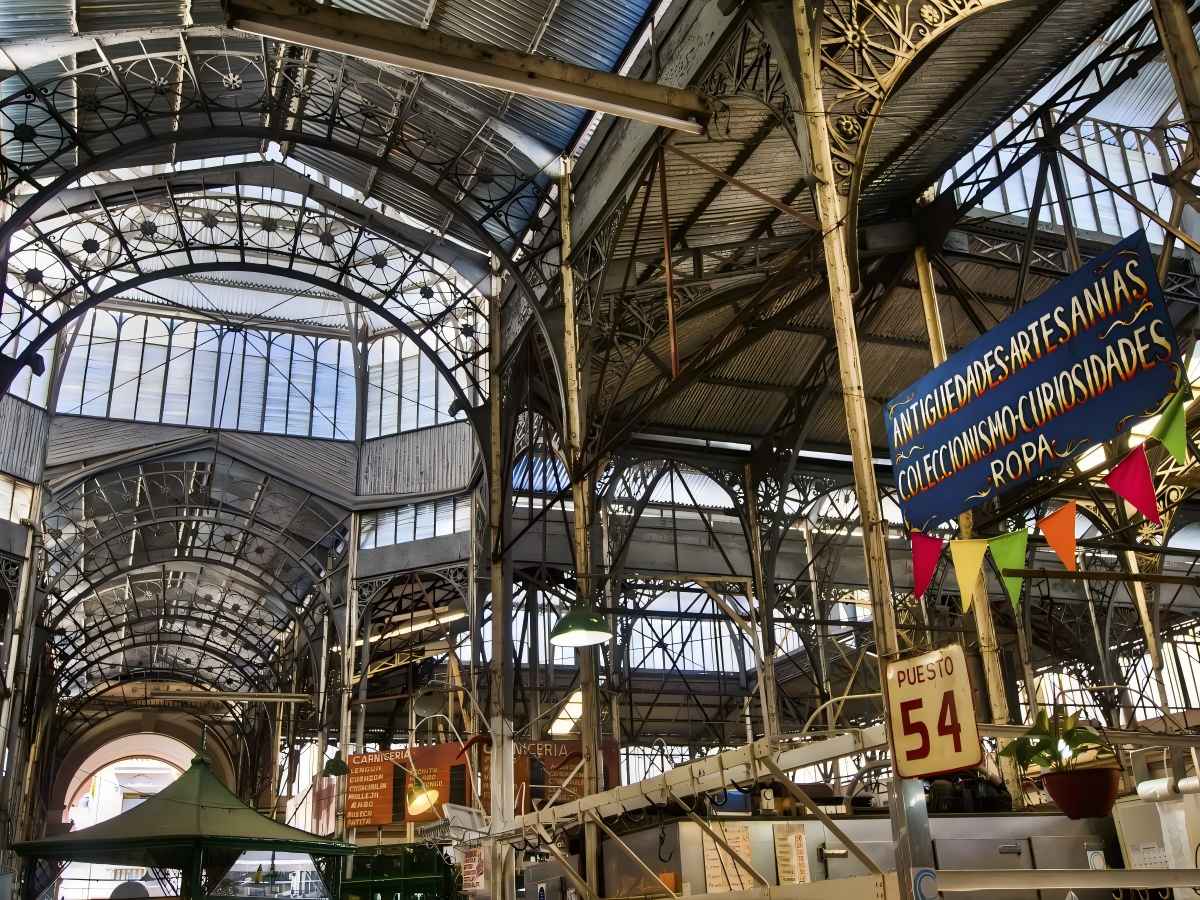
Originally built in the late 19th century, the San Telmo Market is a typical market building that incorporates traditional Argentine architectural styles. It is located in the San Telmo district in the center of Buenos Aires, an area that is itself one of the birthplaces of Argentine history and culture. Over time, it has become one of the most artistic areas of Buenos Aires, attracting many tourists, artists and local residents.
Advertisement
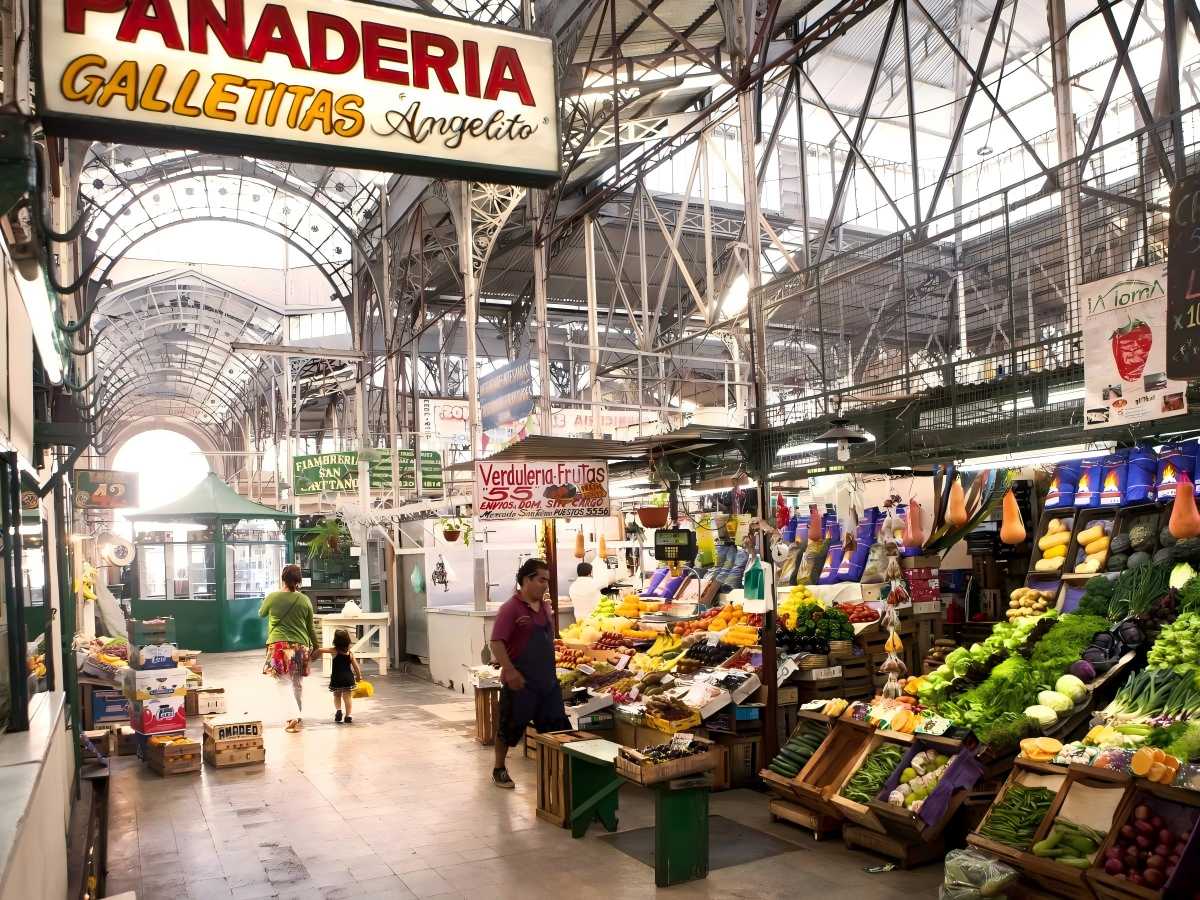
The market building itself has preserved many traces of its history, with a simple but old-fashioned charm, especially in the market's interior, which is still structured in its original style. With the renovation and modernization of the surrounding neighborhood, San Telmo Market has become an important cultural and historical meeting point.
The San Telmo Market is not only a place for shopping, but also a platform for Argentine street culture. Every weekend, the market is surrounded by a large number of street entertainers and performers, with music, dance and food forming a colorful cultural picture.
Advertisement
Tango: the soul of Argentina
When you think of Argentina, the first thing that comes to mind for many people is the tango. The San Telmo Market is just the ideal place to experience Argentina's tango culture. Many experienced dancers and musicians will perform tango in the open space inside the market, attracting a large number of tourists to stop and watch. Tango here is not only a presentation of the art of dance, but also a symbol of the Argentine spirit, where the interaction between the dancers and the audience, every turn and every step of the dance tells the emotions and stories of the Argentine people.
In addition, the alleys and cafes around the market often stage impromptu street tango performances, with both professional dancers and many enthusiasts participating. This kind of communal dance between people not only shows the passion of the Argentinean people, but also highlights the importance of street culture in the daily life of Argentina.
Street art: a fusion of creativity and energy
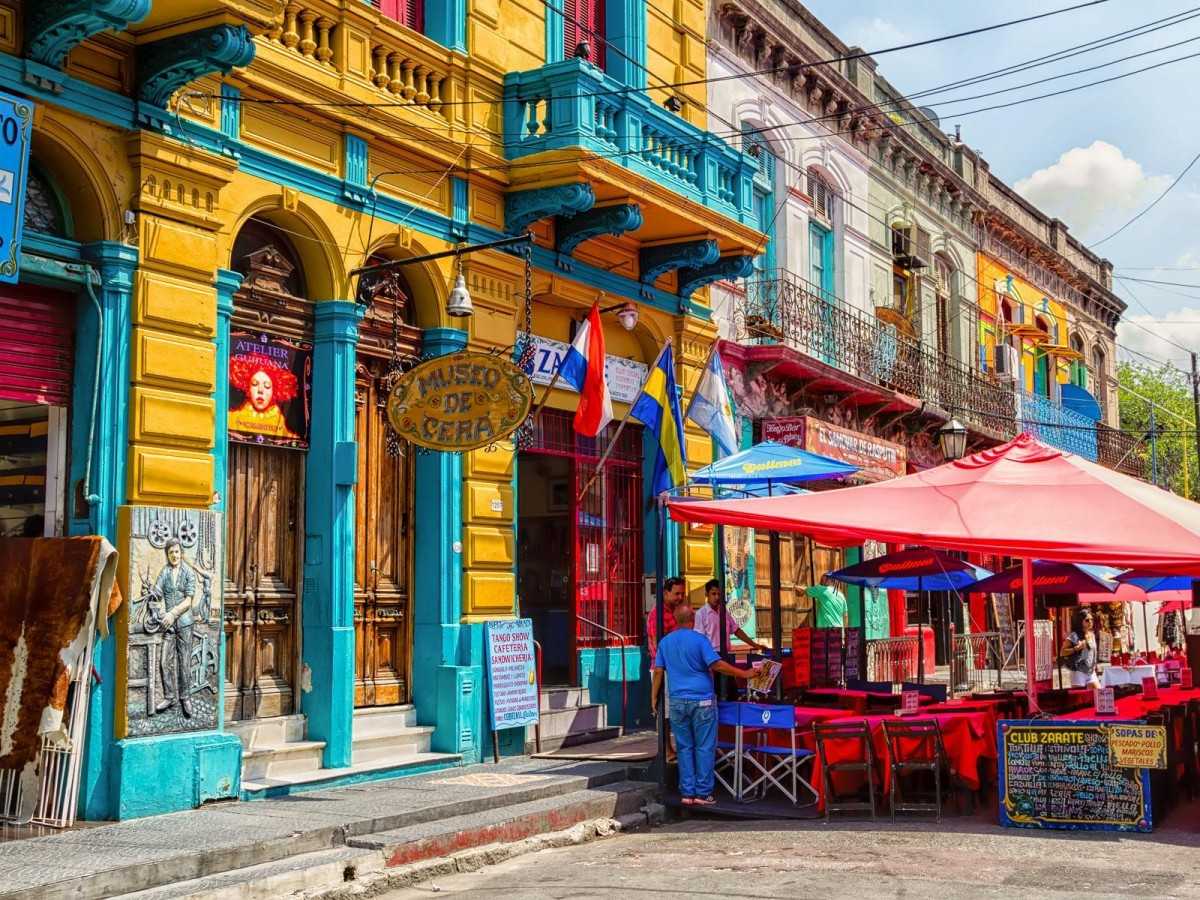
San Telmo district is also one of the major towns for street art in Argentina. The market is surrounded by a wide array of street art, with graffiti, murals, installations and other forms of creativity intertwined, which has become a unique cultural imprint of this area. In particular, the large murals on the walls, with their bright colors and bold compositions, express the political history, cultural changes and living conditions of the Argentine society.
Street art is not only a way for the younger generation to express themselves, but also a way for them to reflect on and criticize society, politics and culture. Street art in San Telmo usually combines traditional Argentine elements with modern creativity, and is an artistic presentation of the emotions of the Argentine people's life.
Gastronomy and Culture: A Taste of Argentina
The San Telmo Market is also a centralized showcase of Argentine cuisine. It offers everything from traditional Argentine barbecue and sausages to a wide variety of local snacks. Most of the stalls in the market carry authentic Argentine food, so visitors can taste the authentic Argentine flavors.
In addition to traditional cuisine, the San Telmo Market is filled with a diverse dining culture. Due to the special location of the market, it not only attracts local residents, but also welcomes a large number of foreign tourists. Here, people can taste innovative dishes that blend Argentine flavors with cuisines from around the world. Whether it's Italian pizza, German sausage, or Asian cuisine, you'll find it here. The traditional Argentine “maté tea” has become one of the market's specialties, with vendors and tourists chatting while sipping the tea, demonstrating the Argentine's relaxed and enthusiastic approach to life.
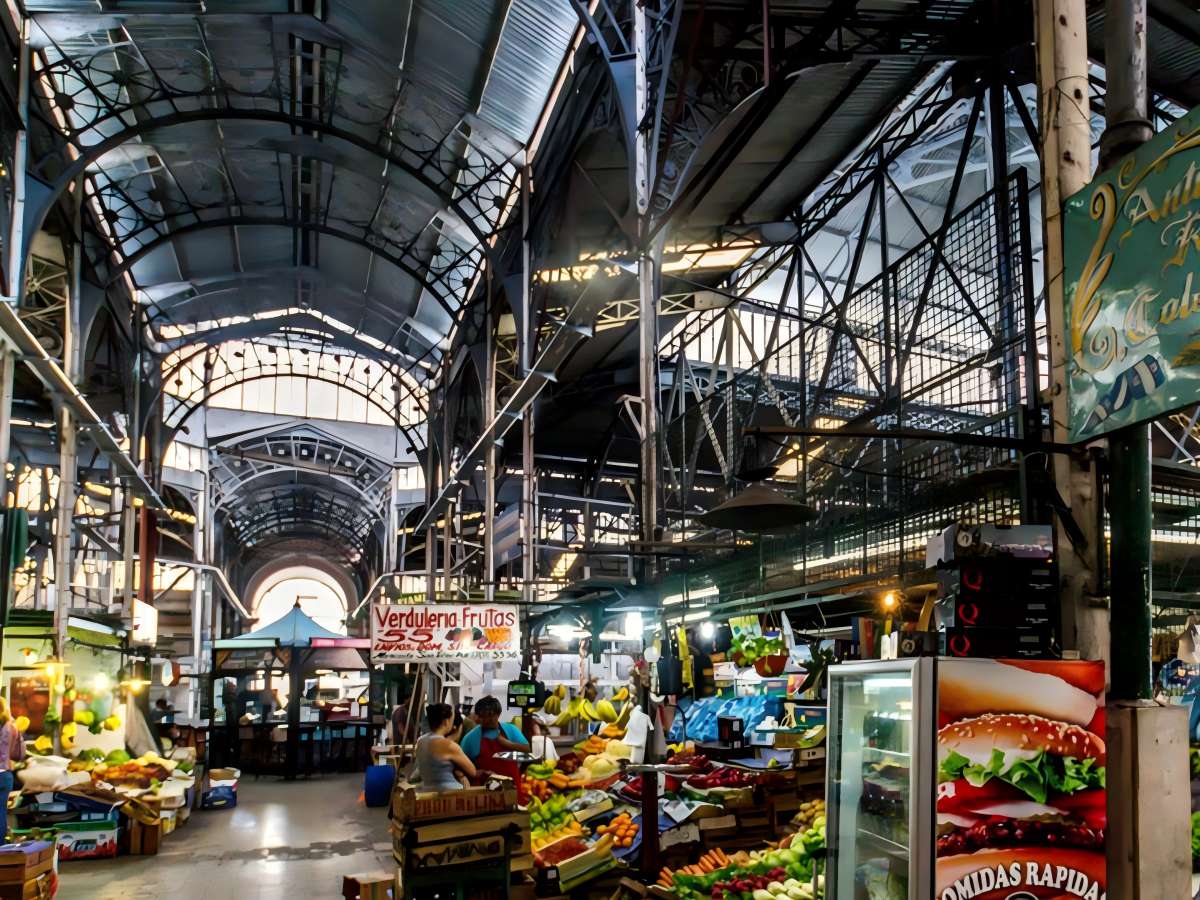
Along with the social changes and economic development of Argentina, San Telmo Market has gone through a number of renovations and transformations. Originally a traditional market, it has gradually transformed into a cultural and artistic area and a tourist attraction. Although the traditional functions of the market still exist, it has become a cultural landmark in Buenos Aires.
Today, the San Telmo Market attracts not only tourists, but also artists, designers and craftsmen. The stores sell local handicrafts, antiques, artworks, etc., attracting tourists who are passionate about art and culture. Here, tourists can not only taste the traditional Argentine cuisine, but also buy souvenir artwork, taking home not only delicious, but also a profound experience of Argentine culture.
As the epitome of Argentine street culture, San Telmo Market carries the rich history, culture and art of Argentina. It is not only a place for shopping and dining, but also a perfect blend of Argentine street art, music, dance and food. In this market, visitors can feel the passion, creativity and wisdom of the Argentine people and deeply experience the unique charm of Argentine street culture.