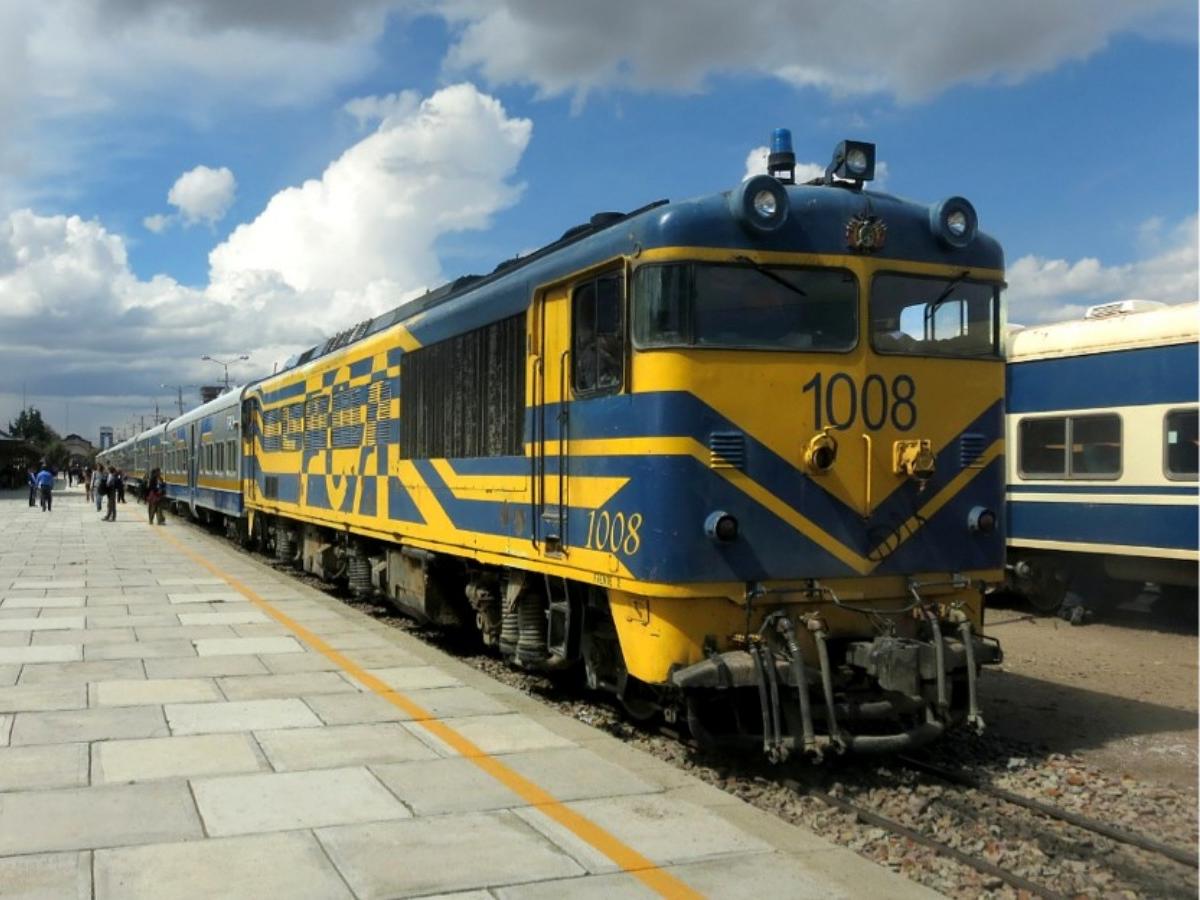
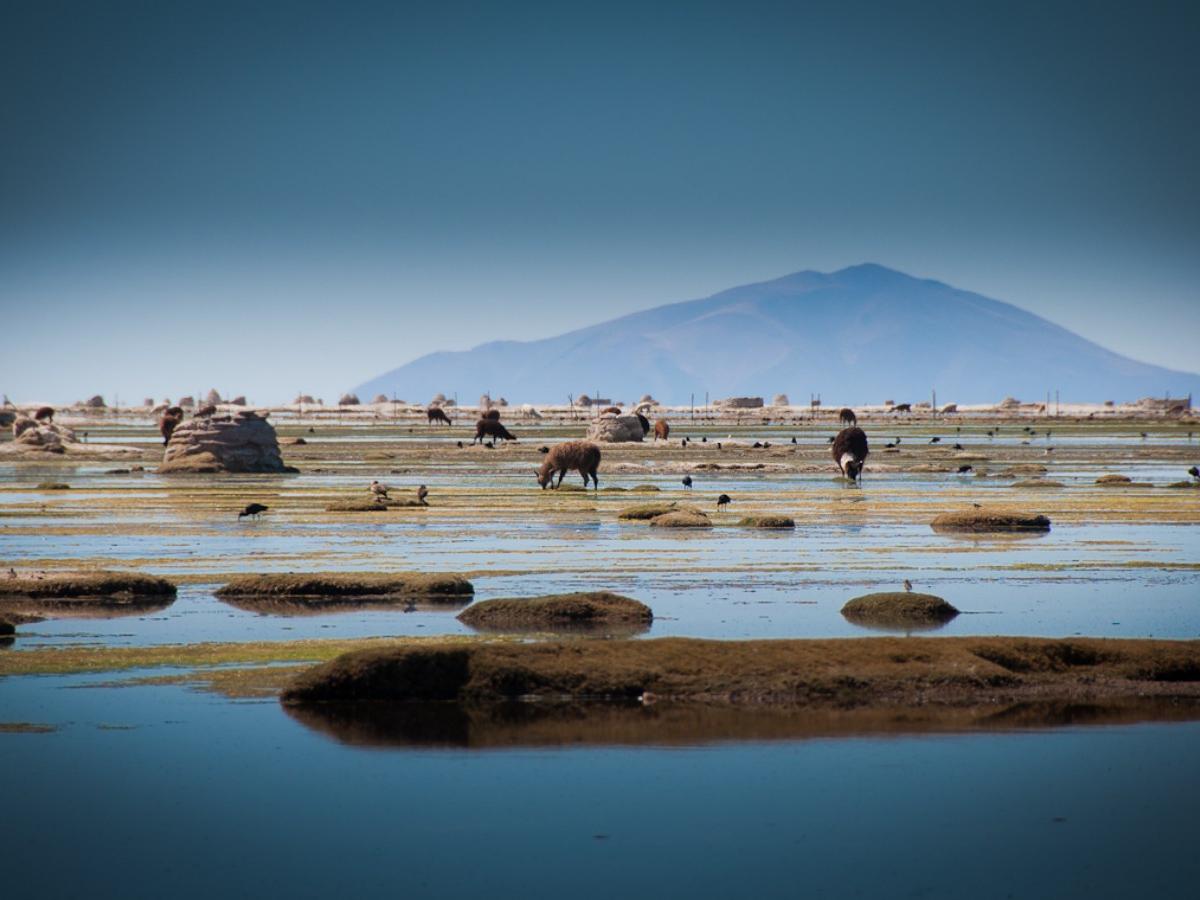
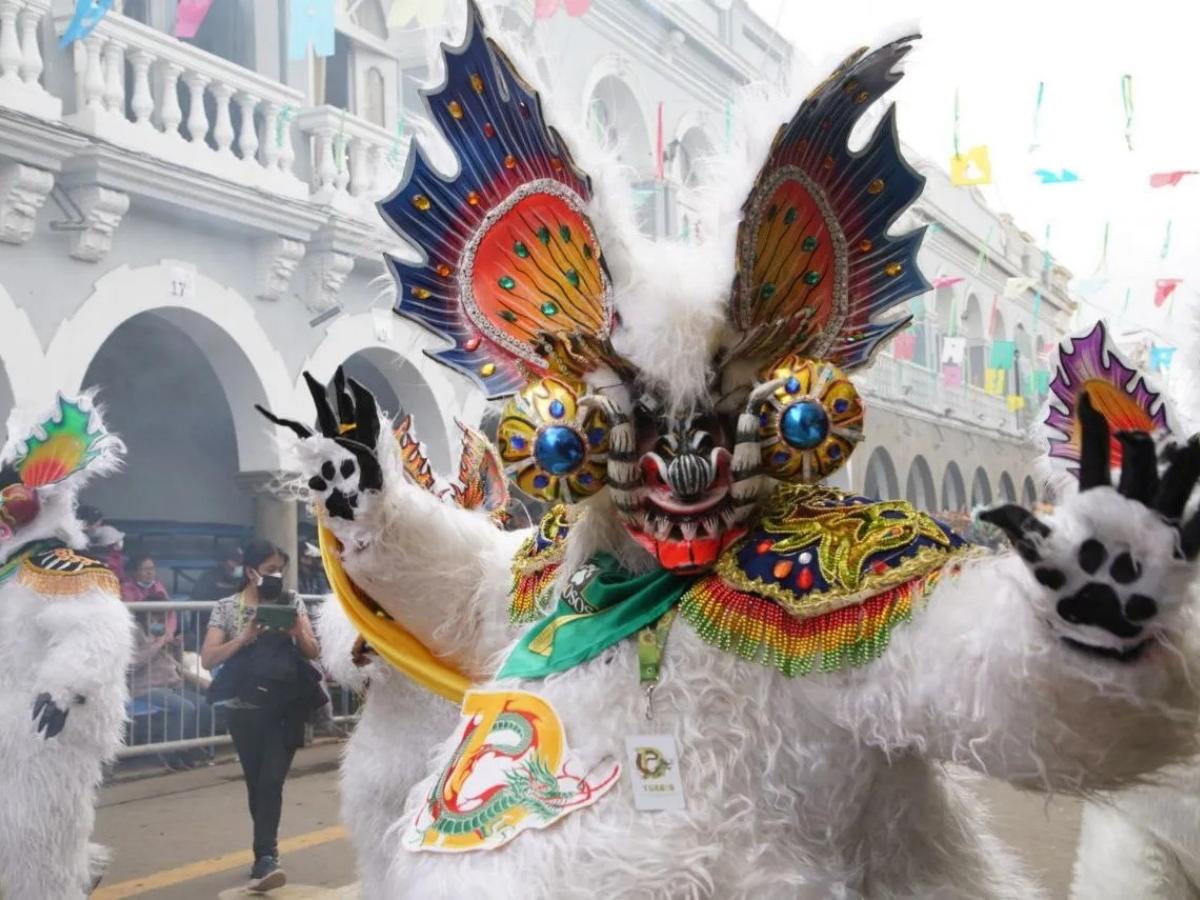
In a corner of the Andes Plateau in Bolivia, there is a small town at an altitude of 3,700 meters - Oruro. During the Carnival season in February or March every year, this seemingly quiet city will transform into the most magnificent and mysterious festival stage in Latin America. The crowds, colors, music and beliefs of the entire city are boiling in these few days - this is the Oruro Carnival, a festival listed as "Oral and Intangible Cultural Heritage of Humanity" by UNESCO in 2001, a grand parade interweaving religion and folklore, magic and reality. This is not just a festival, it is the embodiment of faith, the echo of history, and a ritual theater from the depths of the plateau. And the groups of people dressed in costumes and wearing masks on the streets are not just actors, but "believers", "narrators", and soul travelers who "dance with angels and demons".
Advertisement
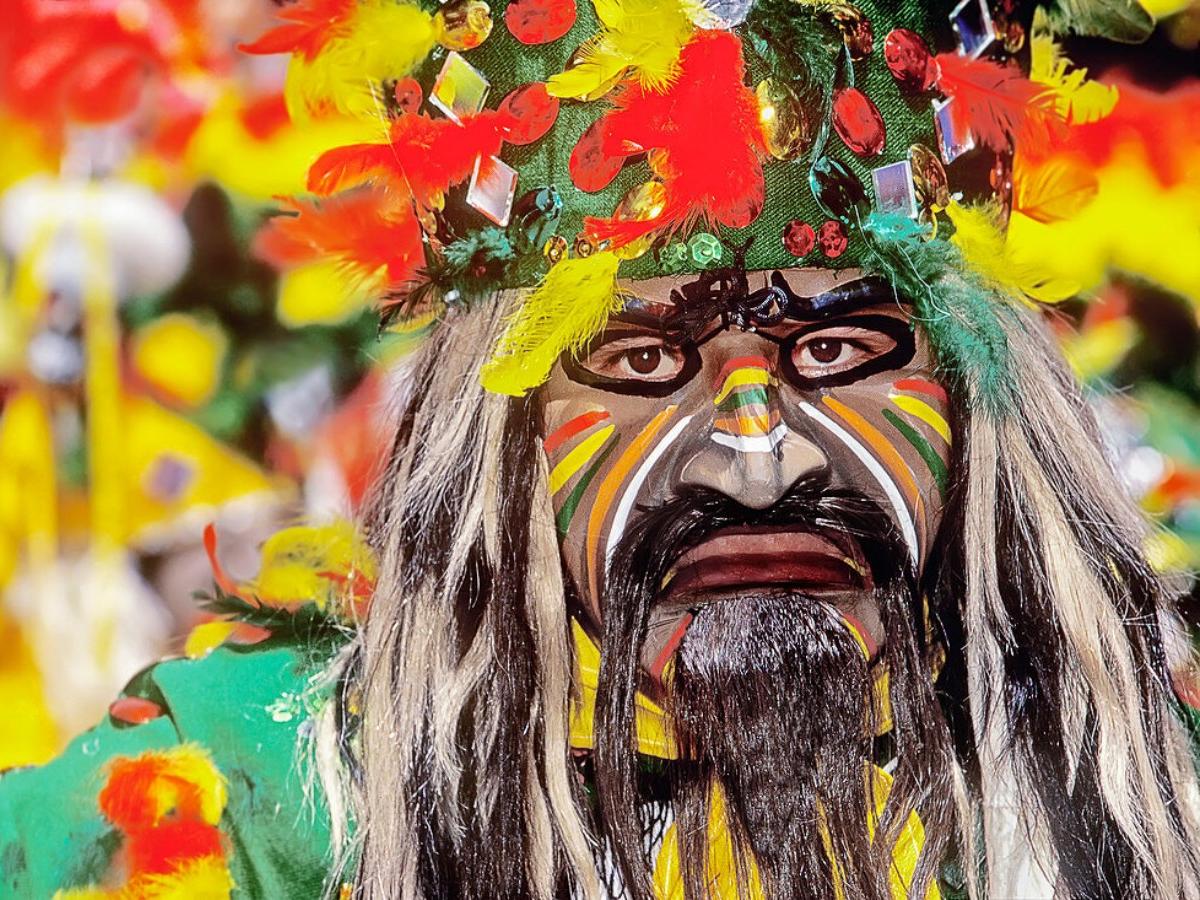
The most core and representative performance of the Oruro Carnival is the devil dance group called "Diablada". "Diablo" means "devil" in Spanish, and Diablada means "devil's dance". This dance originated from the fusion of the mythology of the Andean indigenous people and Spanish Catholicism.
Advertisement
In the annual parade, the "devils" wearing hideous masks, horns, and gold and silver armor seem to be the existence that broke through the seal from the underworld. They danced with heavy and powerful steps and exaggerated movements, sometimes seeming to challenge the gods, and sometimes seeming to express some kind of struggle. The core figure of the devil dance, Lucifer, wanders between the symbols of the indigenous gods and the fallen angels of Catholicism.
However, the devil here is not just a symbol of "evil". In the tradition of Oruro, it represents both human awe of natural gods and resistance to oppression and injustice in colonial history. This dance is both an expression of faith and a protest of memory.
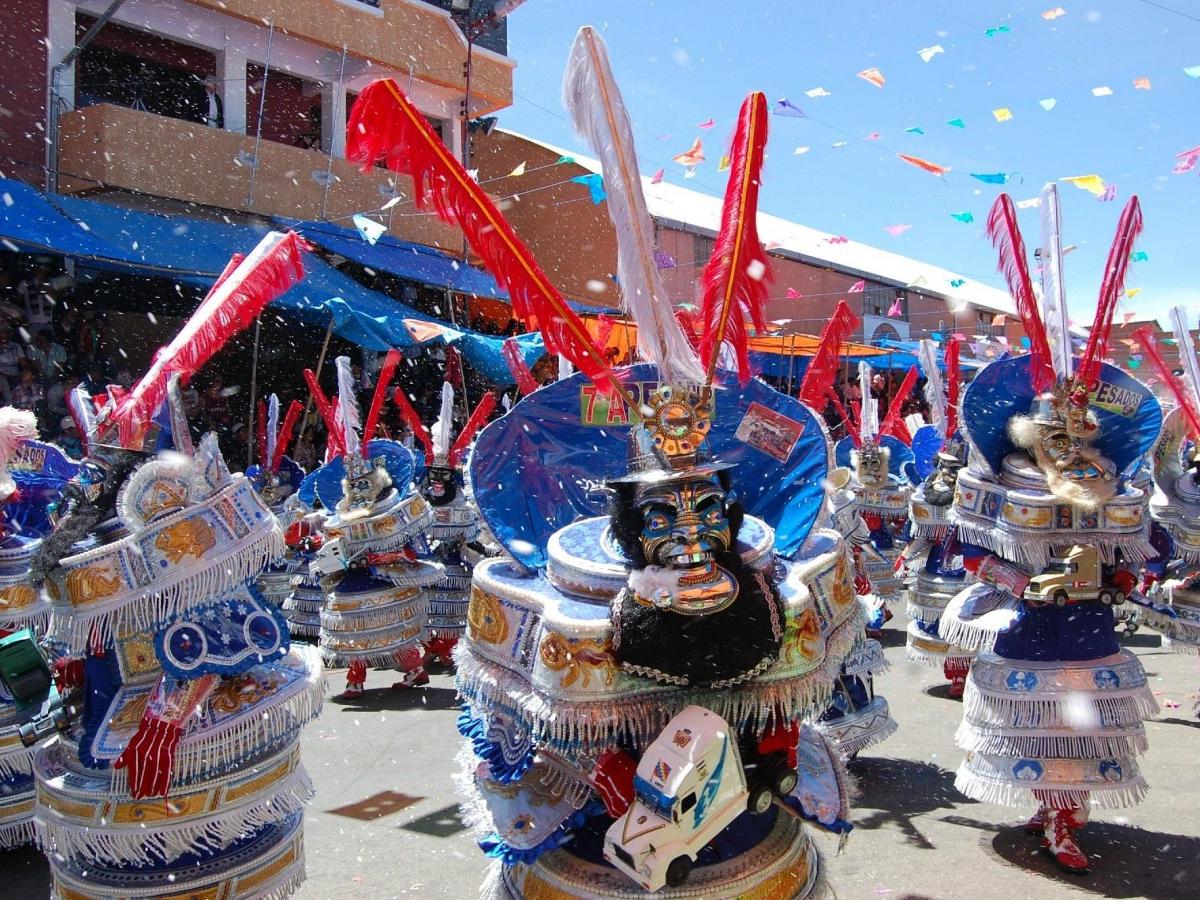
If the devil dance brings shock and impact, then the "angels" dancing with it are the purest existence in the festival. Dressed in white or golden clothes, with shining wings, holding crosses and swords, the image of angels comes from the "messengers of light" in Catholicism. Their dance is light, symmetrical and orderly, symbolizing justice and hope in faith.
Advertisement
In the entire parade, the opposition between angels and demons is actually part of the narrative of the entire festival. They are not isolated from each other, but perform in the same story: the devil seduces, the angels expel, evil deeds breed, and good thoughts awaken. This dance "war" finally reaches its climax in front of the Virgen del Socavón Church, the end of the parade.
When all the dancers kneel down to pray in front of the church, at that moment, whether they are demons or angels, they all pray for forgiveness and absolution as pious people. This scene is both shocking and emotionally powerful, showing the deep beauty of humanity behind faith.
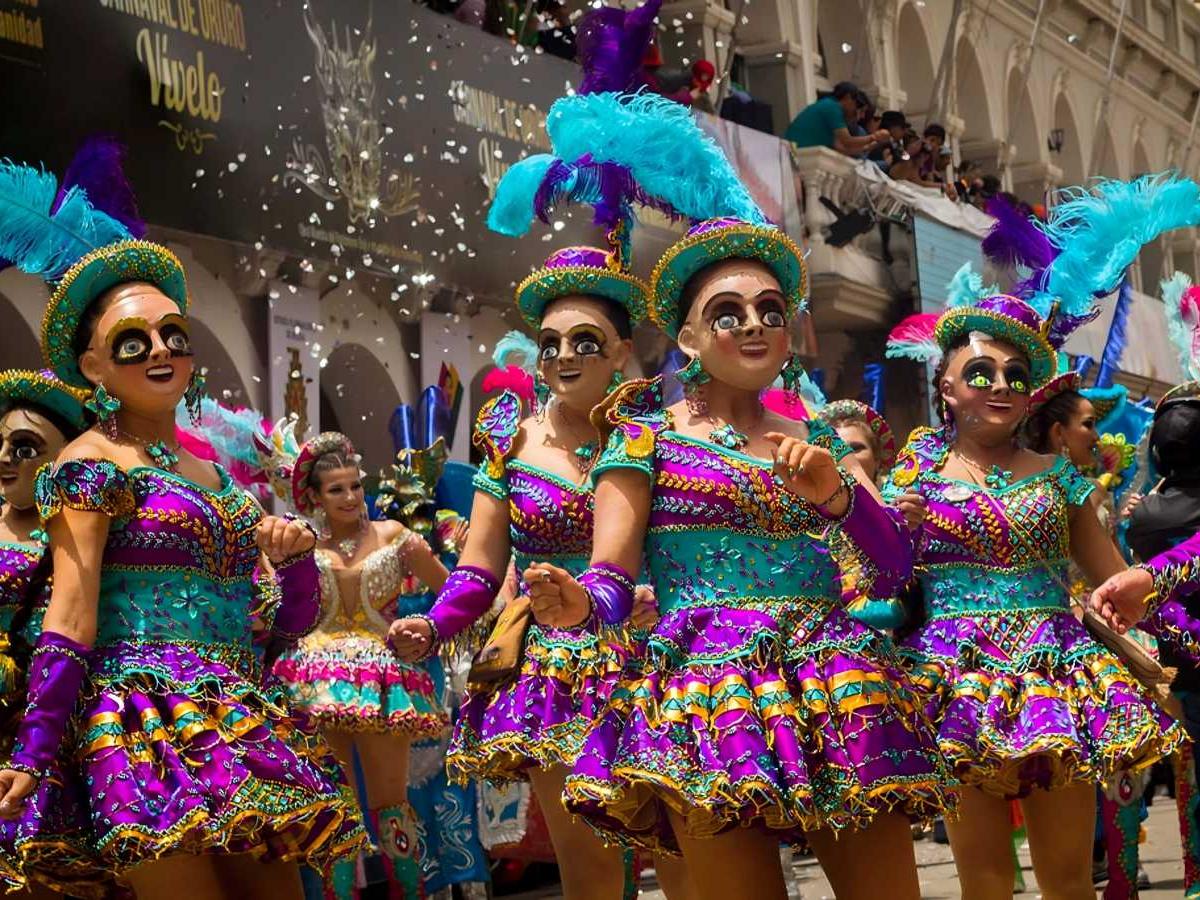
Unlike many closed or indoor festivals, the Carnival in Oruro takes place entirely on the streets. The main roads of the entire city are transformed into a stage. Tourists and residents sit on the ground around the Church of Our Lady, and the parade lasting more than 20 hours passes by one after another. Dancers, bands, mask craftsmen, float designers, everyone plays an indispensable role in this huge street ceremony.
The buildings on the street have also been given new life in these days: colorful cloths are hung on the windowsills, and the balconies have become temporary viewing platforms; large and small vendors sell corn drinks, fried beef, and hot cheese bread, making the entire festival a visual feast and a carnival for the taste buds. Children wear miniature angel or devil costumes and shuttle through the crowd, with expressions of curiosity and excitement on their faces.
At night, lights, fireworks, and colorful smoke together decorate the streets into a fairy tale world. At this time, you will find that Oruro is not just a carnival city, it is a dream folded in time and space, an urban theater that lives at the intersection of faith and art.
Dancing with angels and demons on the streets of Oruro is not only a sensory enjoyment, but also a journey across reality and myth. This festival that combines faith, folklore, history and art reminds us that in this impetuous world, there are still some places and moments that belong to true collective memory and soul resonance. Are you willing to dance this dance that does not distinguish between angels and demons?