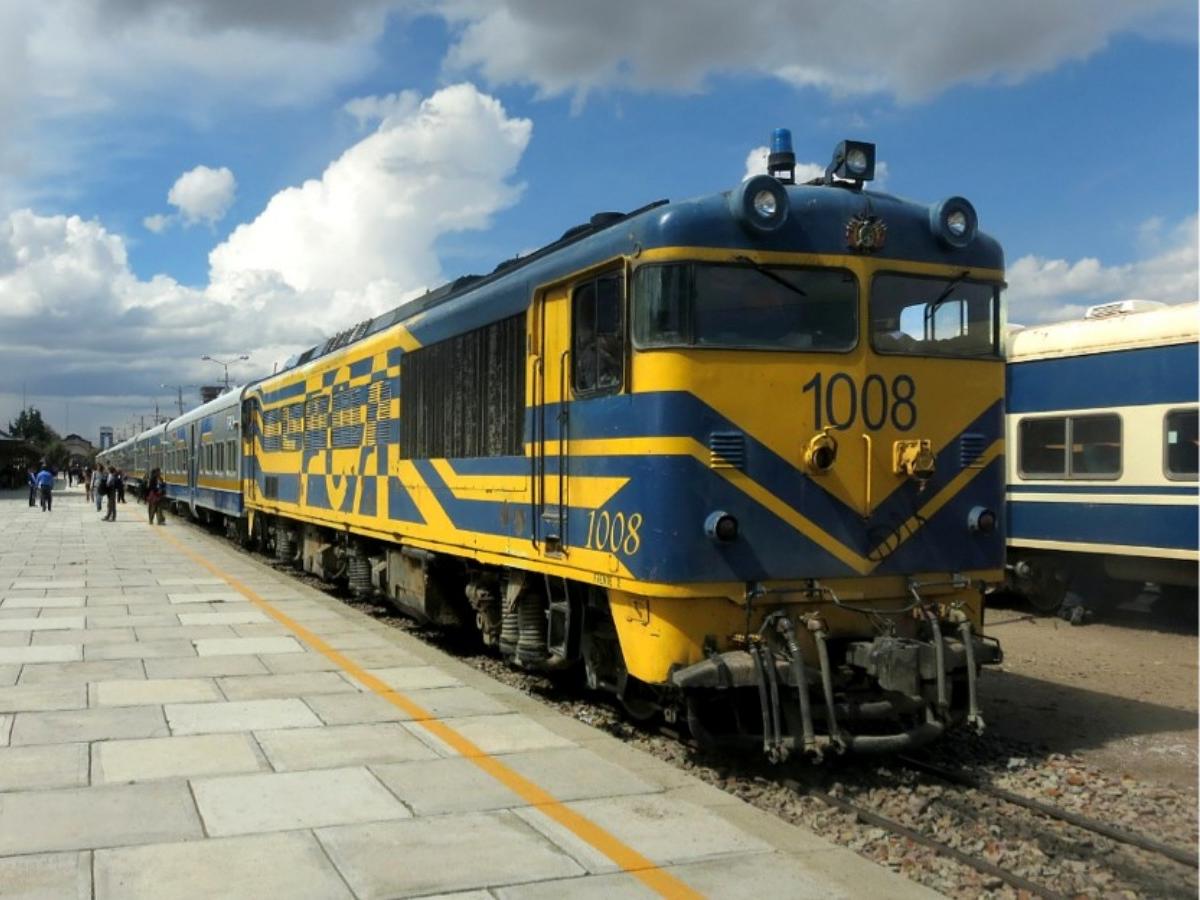
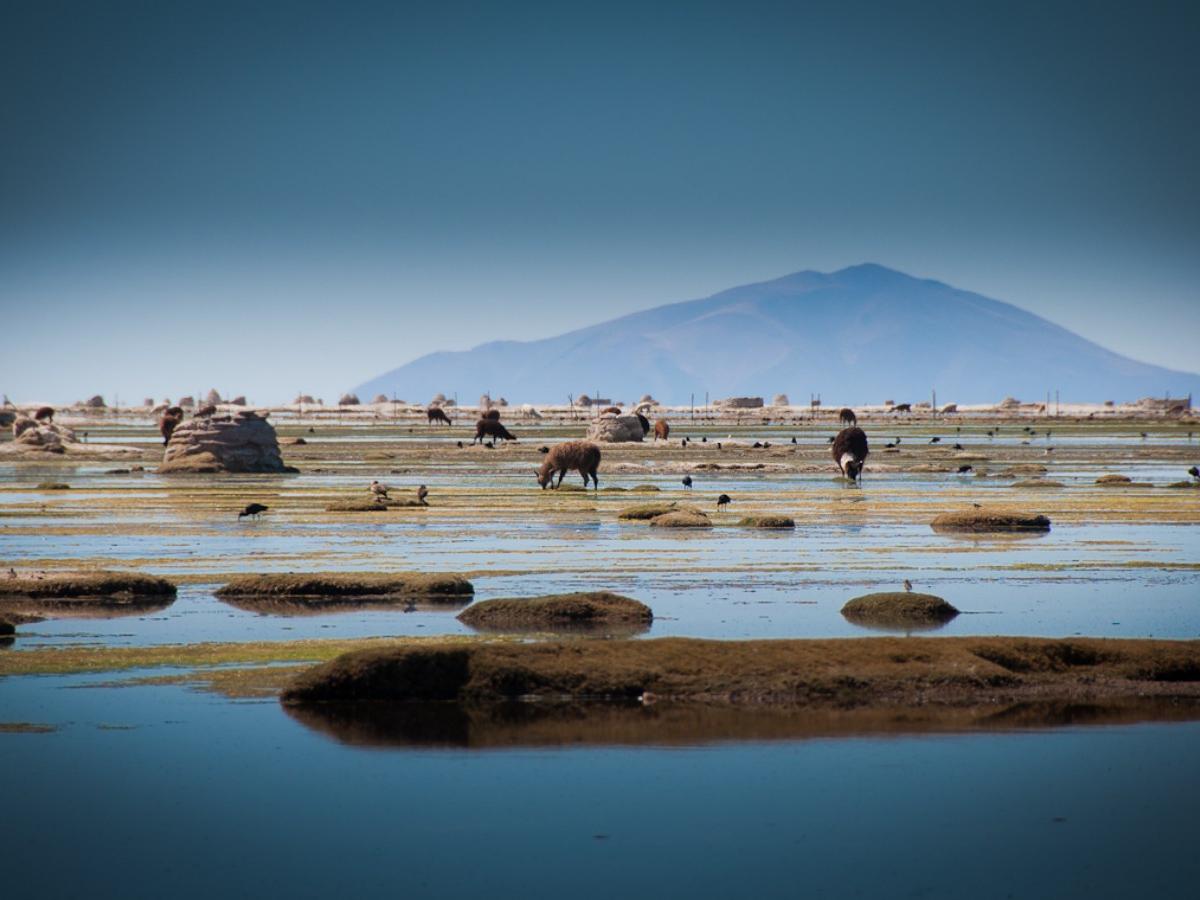
As the train slowly pulls into Oruro on the Bolivian plateau, the heart of a highland city beats quietly. Instead of lush forests and tropical sea breezes, the view from the train window is of bare earth, silhouettes of the Andes, and the heavy air of history and time; Oruro's train station is not just a stopover for a quick glimpse of the journey, but a doorway to the past, a page of memories carried by the wind and sand of the old days. This city, this train station, witnessed the rise of Bolivia's industry, the clash of cultures, the intertwining of beliefs, and quietly hides stories of migrations, festivals, workers, music, and gods.
Advertisement
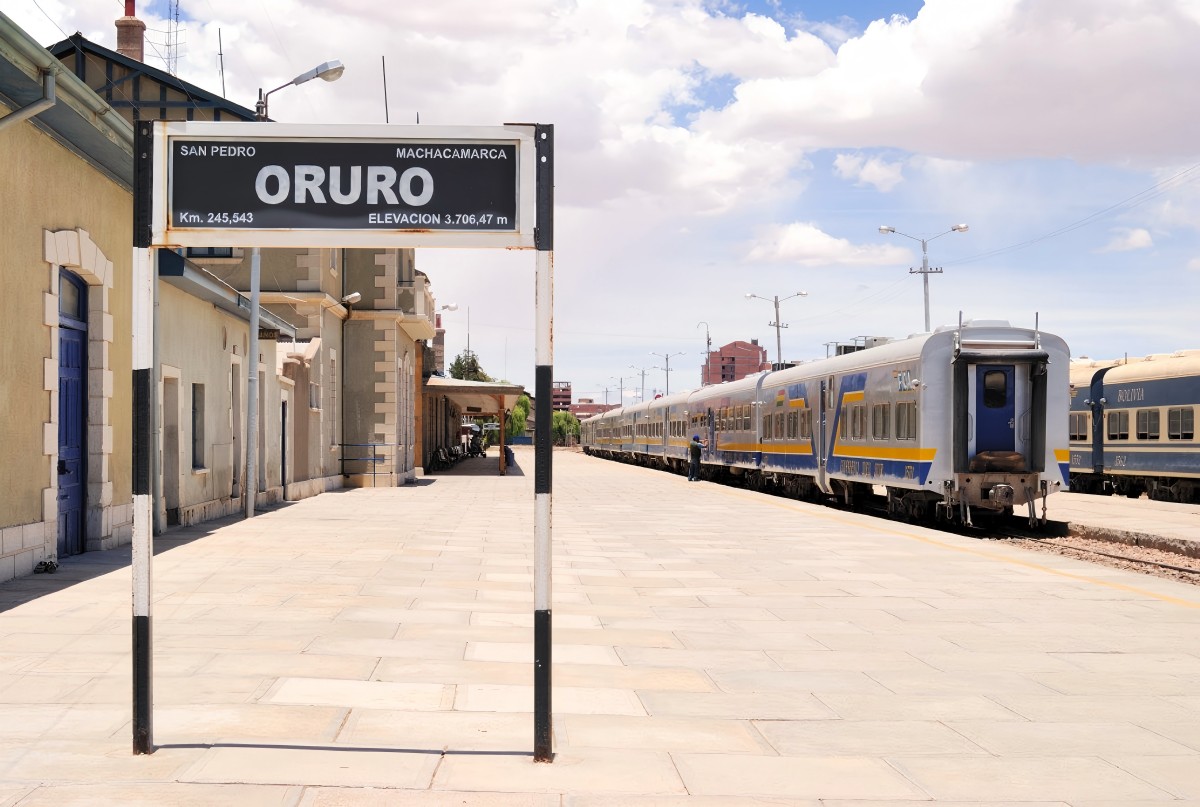
Oruro's story begins with the mine. Its birth and prosperity are inextricably linked to minerals, especially tin. As early as the 16th century, it was a “treasure” for the Spanish colonizers. With the advent of the industrial age, the laying of railroads became the key to transporting ore to the world market, and Oruro's train station was the lifeblood of this transportation line.
Advertisement
Built in the late 19th century, this station is one of Bolivia's oldest railroad hubs. It was not only a transit point for goods, but also a place of hope and sorrow for thousands of miners. When the first rays of the morning sun hit the tracks, miners with their tool bags set off on their journey to the mines; at dusk, dusty miners return slowly, waiting for a train full of ore to send the gifts of the land to the world.
Oruro's urban pattern is also based on the railroad. The area around the station gradually developed with residential areas, markets, restaurants, and later even theaters and concert halls. The train station was not an isolated building, but the centerpiece of a way of life, the starting point of an urban fabric.
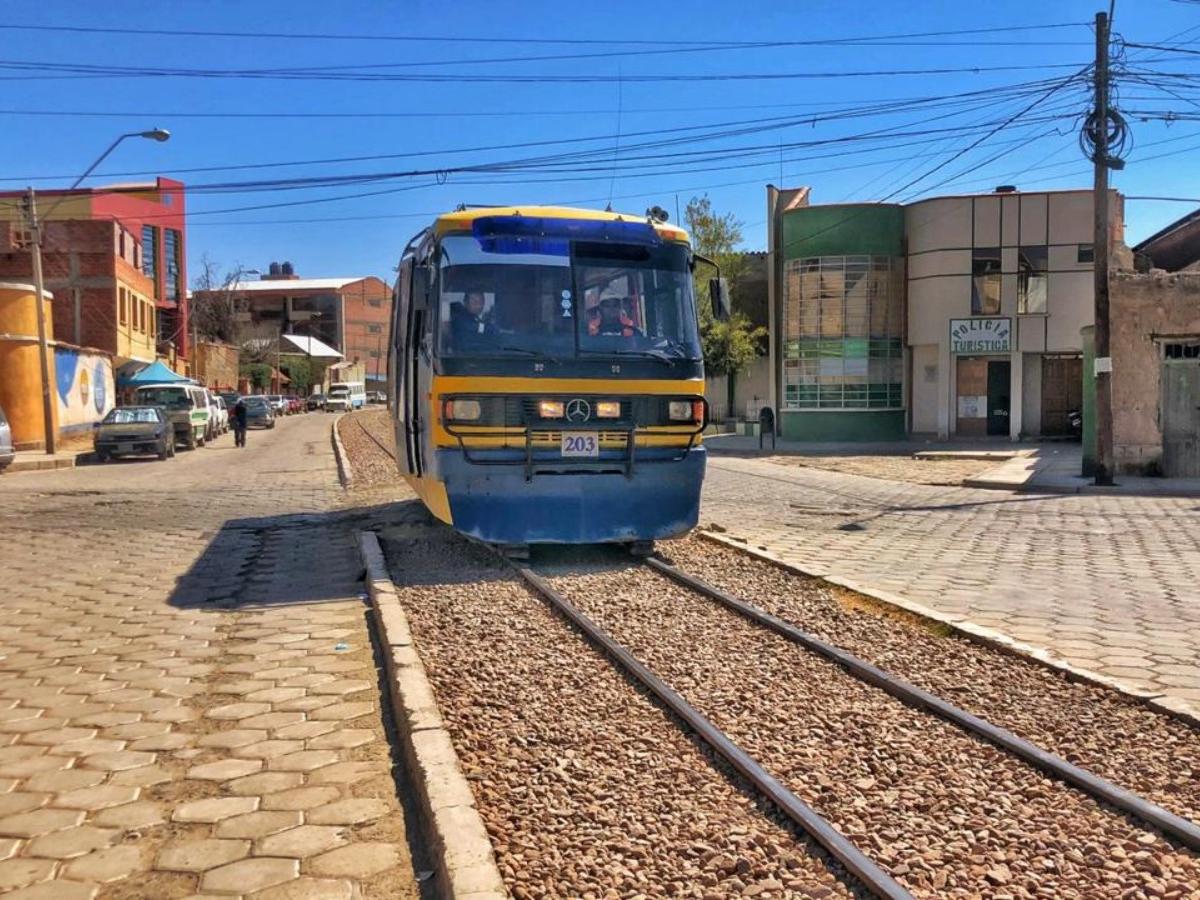
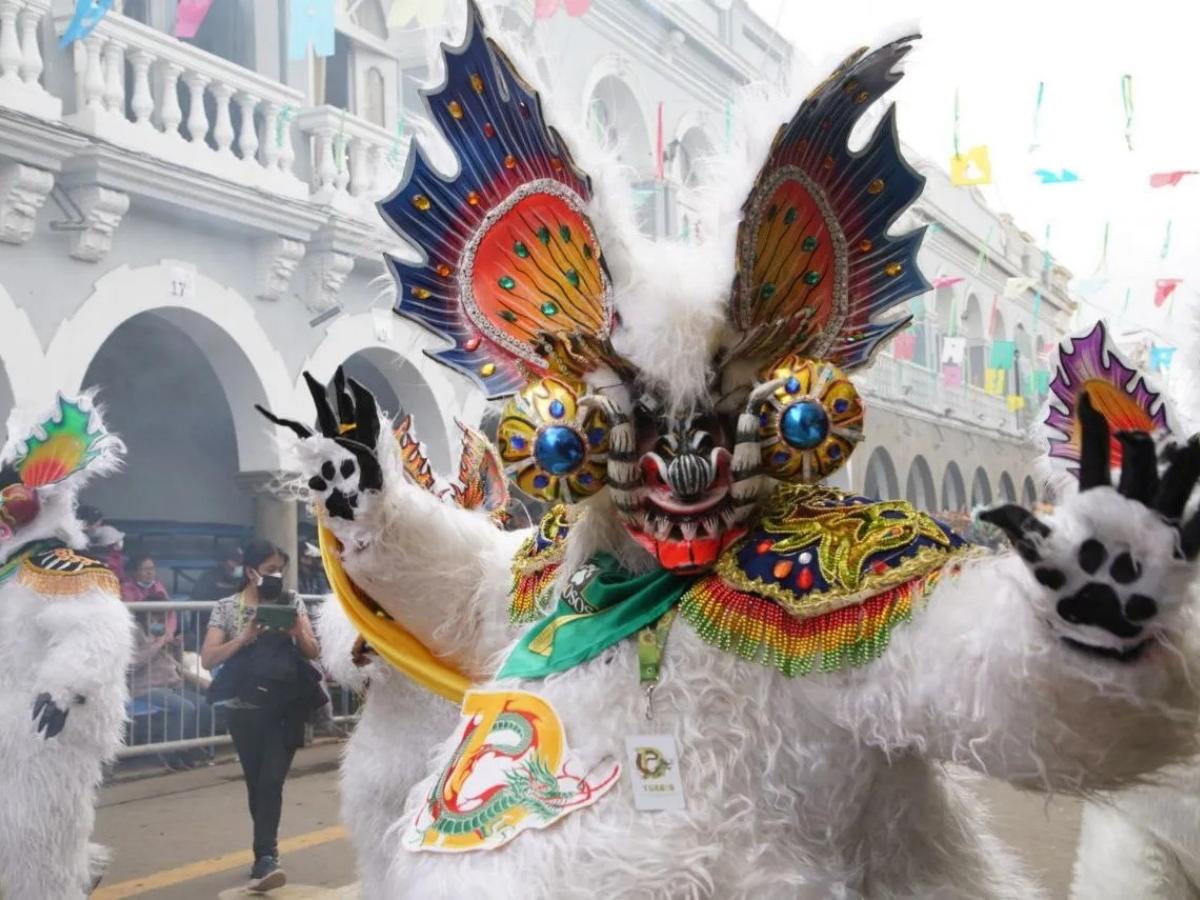
When one thinks of Oruro, the first thing that comes to mind is not the mines, but the Carnaval de Oruro, a UNESCO Masterpiece of the Oral and Intangible Heritage of Humanity, which has been recognized as one of the most important events in the history of the city. The Carnaval de Oruro is the first event that comes to mind.) And the train station has always played an important role in this celebration.
Advertisement
Every February, travelers from all over Bolivia and South America flock to the city by rail. Drums, horse bells, masks and feathers are waiting outside the station when the train stops. As soon as the travelers step off the train, they are drawn into a dream world where myth and reality are intertwined.
The centerpiece of the carnival is the “Diablada” (Devil's Dance), a ritualistic dance derived from a fusion of Andean indigenous beliefs and Catholicism, symbolizing the eternal confrontation between good and evil, heaven and hell, saints and demons. This complex cultural symbolism is a unique expression of Oruro, and the dancers' route often begins at the train station, extends to the sanctuary, and travels throughout the city before converging on the church of Socavón.
The plaza of the train station is decorated as a temporary cultural stage during this time, where folk bands, street vendors, and traditional artists come together to form a symphony that mixes tradition and modernity, the sacred and the urban. Those seemingly disorderly bustles are in fact a rewriting of cultural memories, an invocation of ancestral wisdom.
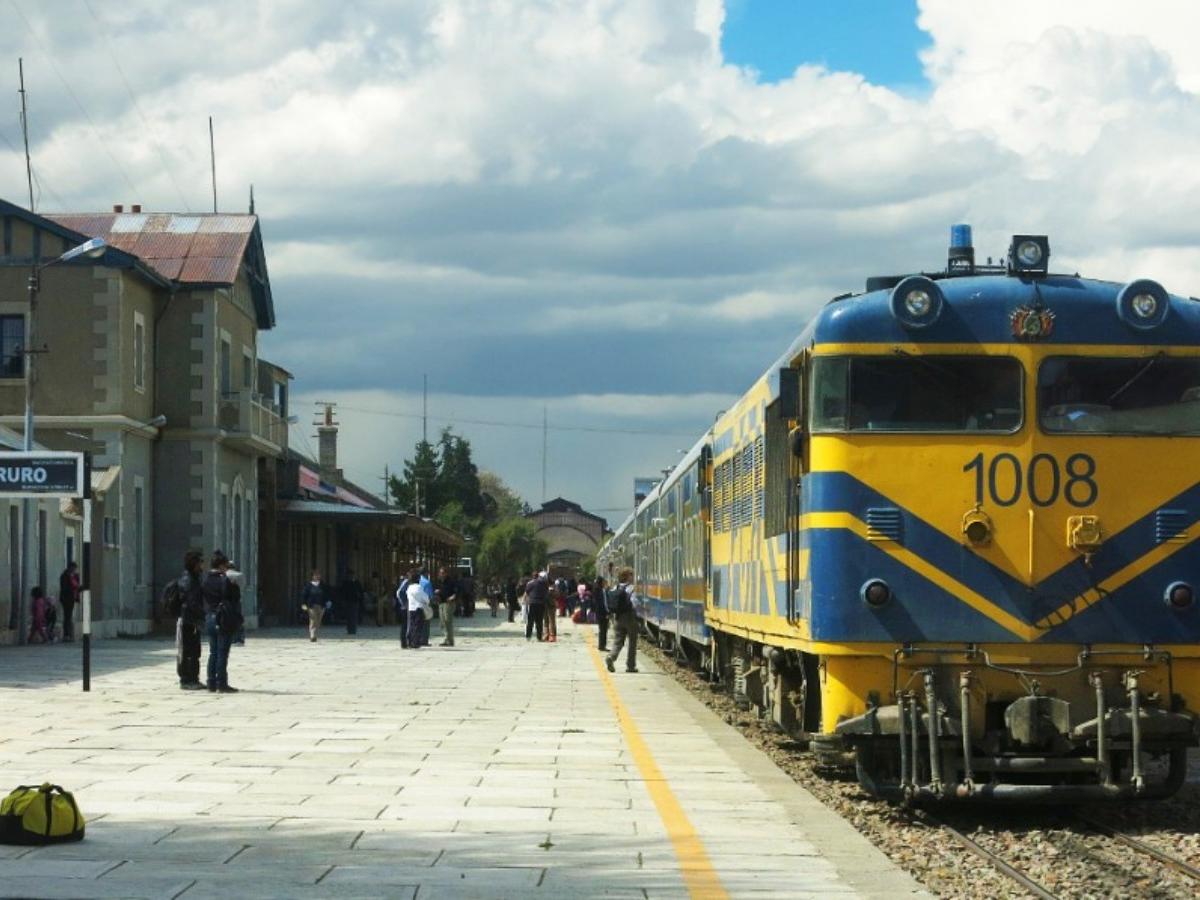
But beyond Carnival, Oruro's train station continues its more prosaic existence. Early every morning, there are always people sitting on the waiting benches, staring at the end of the tracks where the red dirt flies. There are people with duffel bags visiting relatives, or people sending off their children to La Paz to study. It is the silent moments between the tracks that often provide the deepest emotional flow between people.
The vendors by the station never stop either. Steaming api (corn drinks), empanadas (Bolivian shortbread), and chicharrón (fried pork) fill the waiting hours of travelers. The old radio broadcasts Bolivian highland folk songs, sometimes with the melancholy melody of the quena (Andean flute), sometimes with the jumping rhythm of the charango (highland lute). Even a short stay in the city is enough to make you fall in love with it.
Sometimes an old man sitting by the platform will tell a story about his youthful train ride to work in the mines; sometimes a young photographer will frame a memory on the old railroad tracks. Train stations not only record the passage of time, but also store the emotional temperature of the city.
In Oruro, the train station is not the beginning or the end of a journey, it is a reflection of life, a mirror that reflects the city's yesterday, today and tomorrow. It not only carries the trajectory of economic development, but also imprints the evolution of culture, and witnesses the real and passionate life of ordinary people. The next time you embark on a journey, you may wish to stop at Oruro, not just to change trains, but to enter a period of silent but affectionate history, and to feel how a city slowly unfolds its soul between the wind and sand and the tracks.Potosí is a famous Bolivian highland city located in the Andes Mountains, which was one of the richest cities in the world during the colonial period due to its rich silver deposits. The city is centered on Cerro Rico, the “rich mountain” that supplied the Spanish Empire with so much silver. Today, Potosí attracts tourists with its historical monuments, colonial architecture and mining culture, and is recognized as a UNESCO World Heritage Site that combines former mining glory with modern-day resilience.