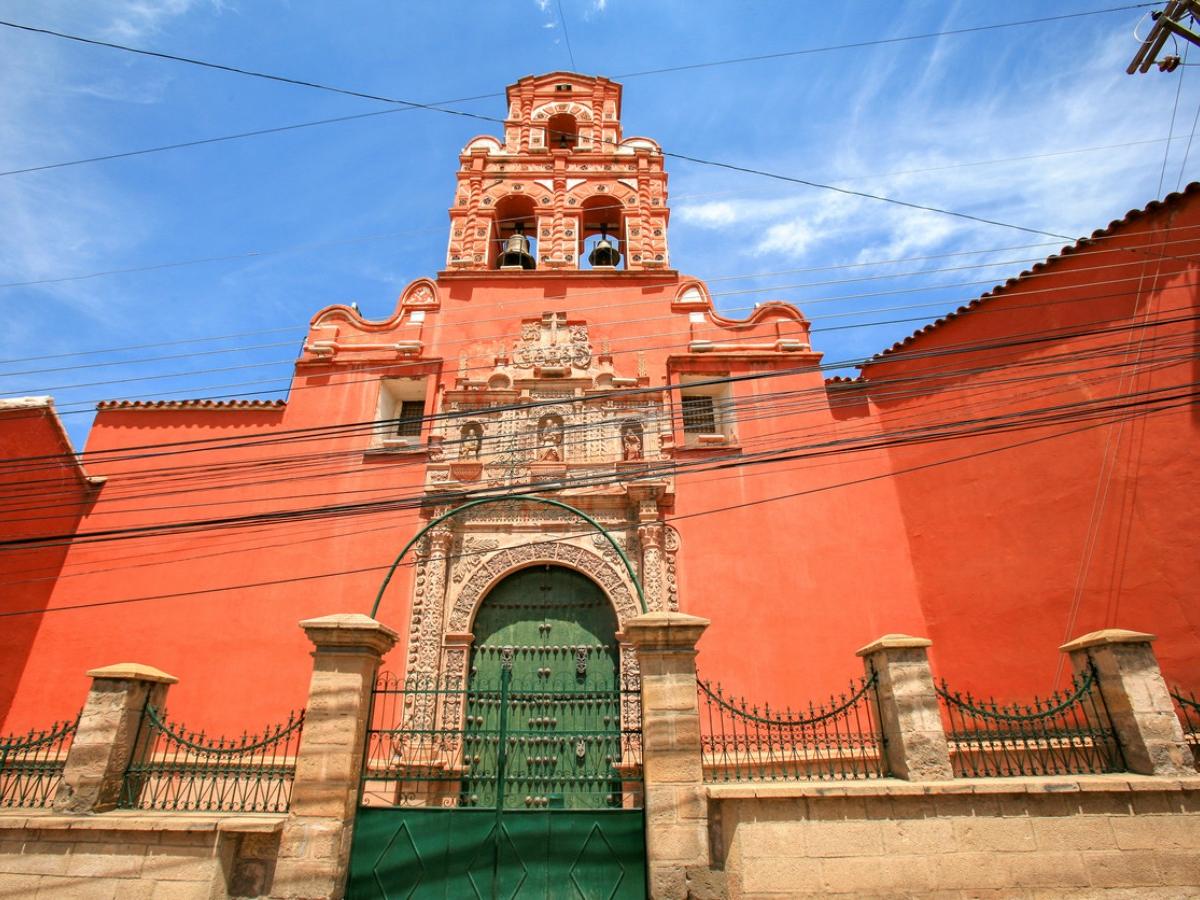
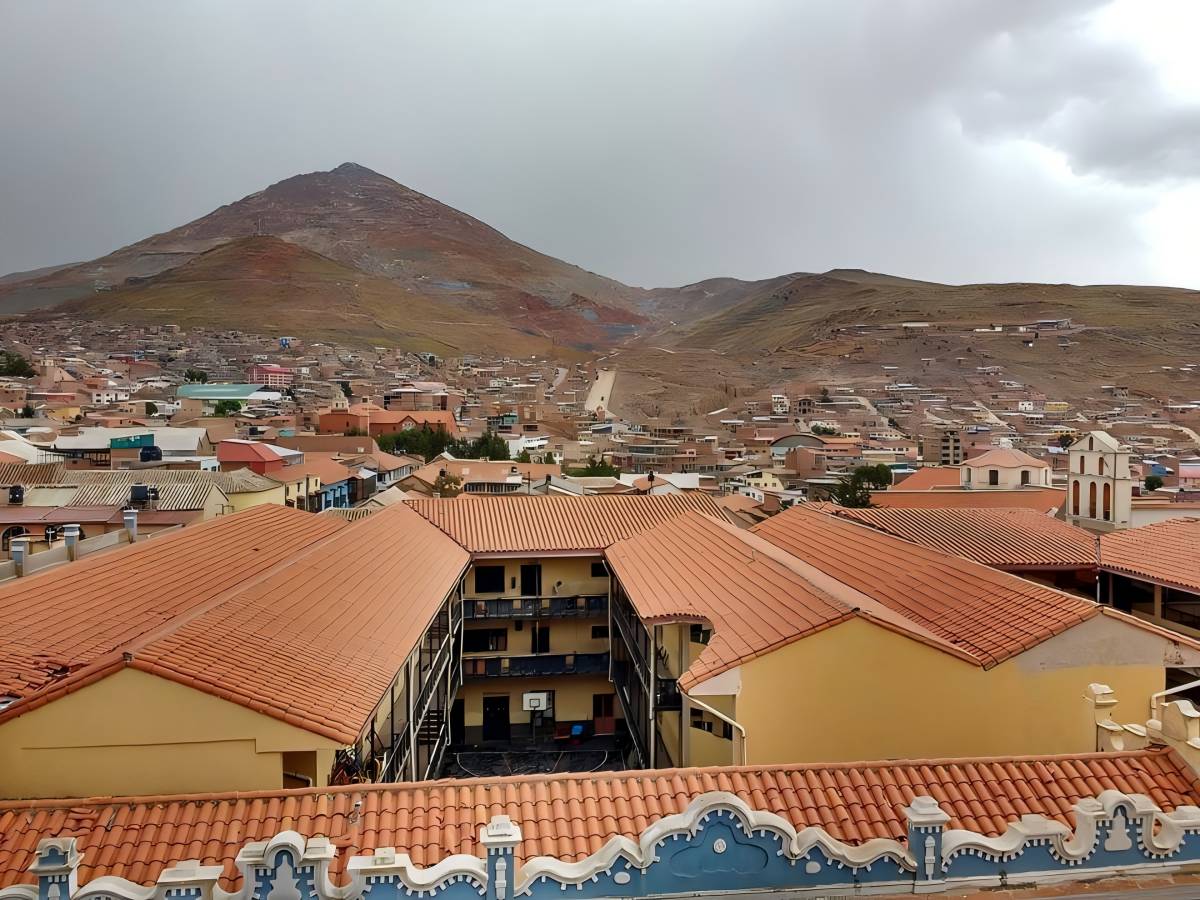
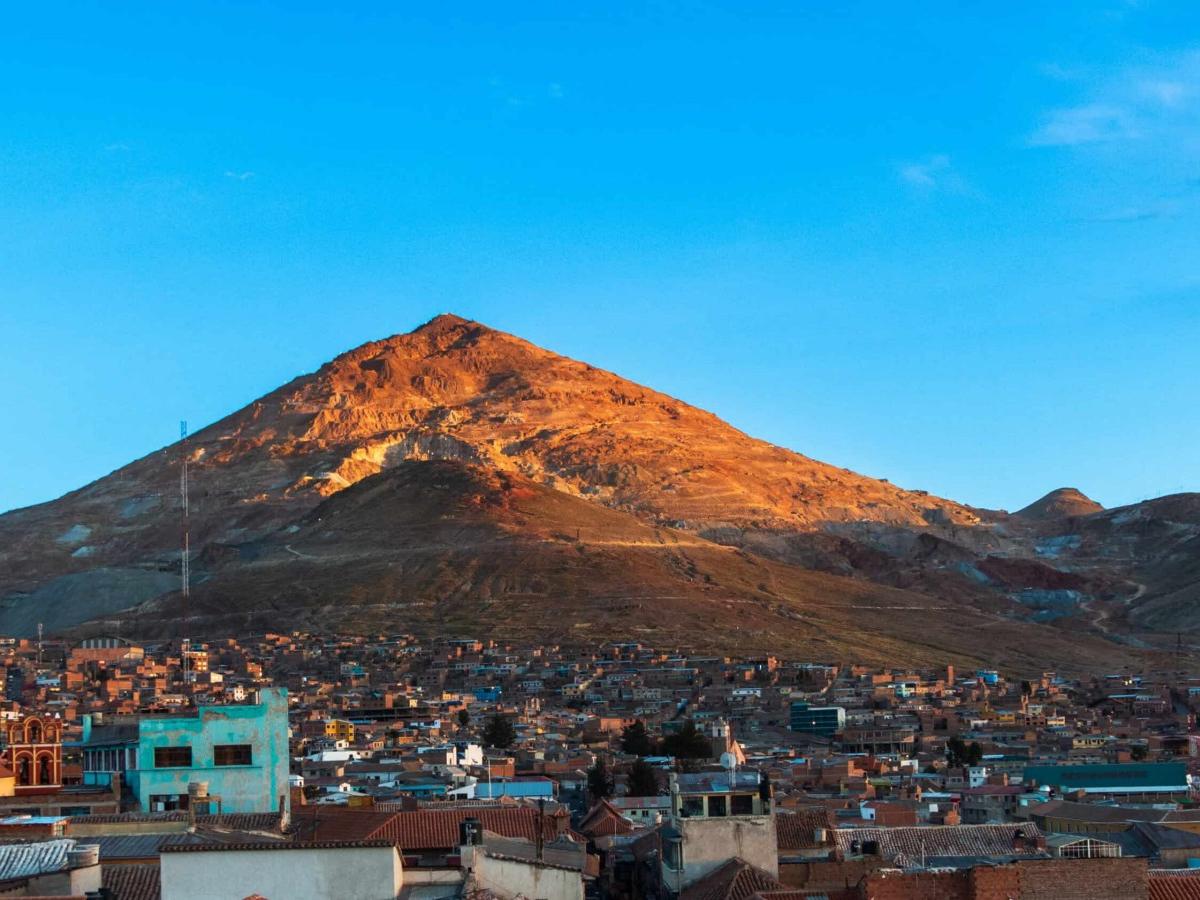
In the Bolivian Andes lies a hill called Cerro Rico, famous for its rich silver deposits. However, the mountain's name represents more than just wealth - it's a bloody, painful history.The story of the Cerro Rico Silver Mine is one of colonial oppression, labor exploitation, and countless deaths. In the shadow of the mine, the exchange of money and human lives constitutes one of the heaviest chapters of its history.
Advertisement
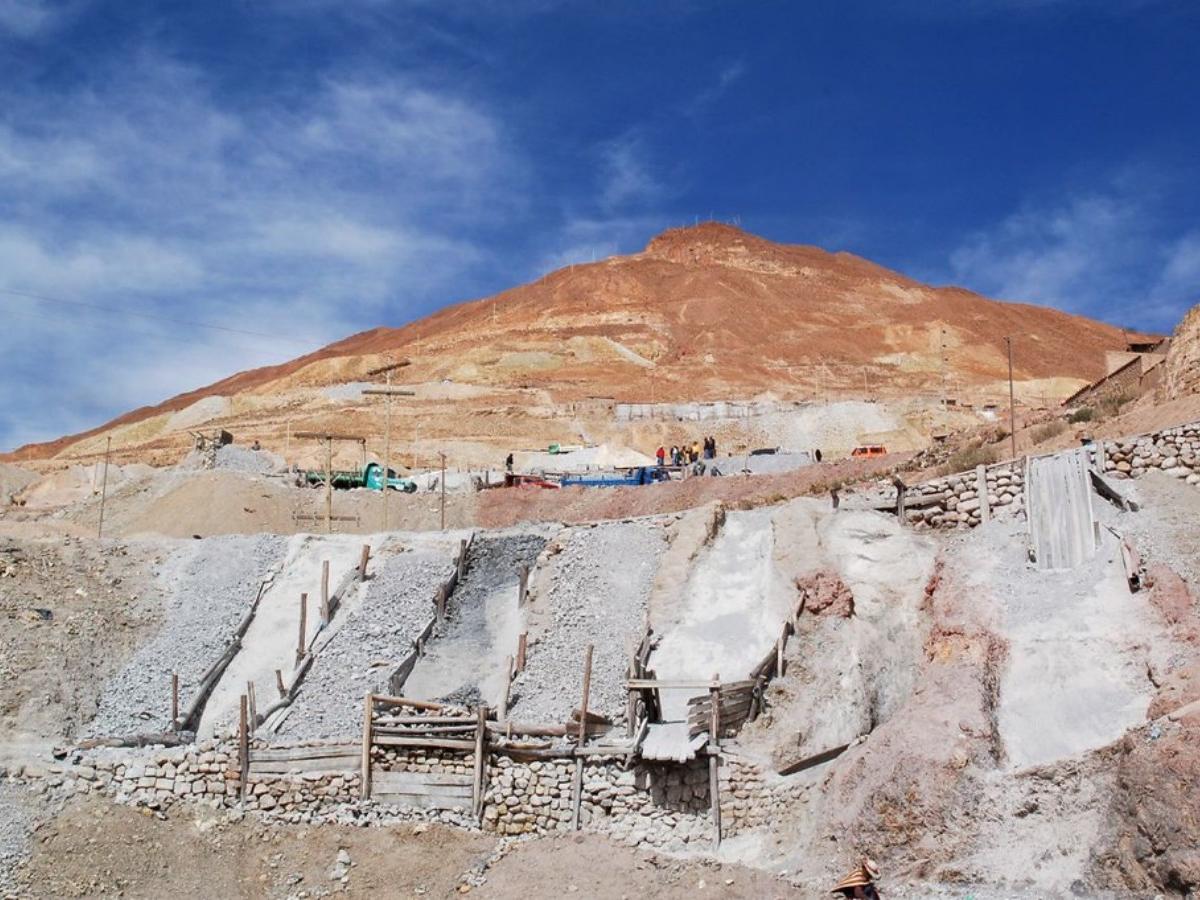
Cerro Rico, located in the city of Potosí in southern Bolivia, is one of the oldest and most famous silver mines in the world. Since the Spanish conquest of South America in the 16th century, the mines became one of the centers of the Spanish imperial economy. Through forced labor, brutal oppression and enslavement, Spanish colonizers forced indigenous peoples and African slaves from all over the world to perform the grueling work of mining.
Advertisement
The discovery of silver dates back to 1545, when the Spaniards made countless fortunes and changed the face of the global economy by exploiting the silver ore of Cerro Rico Mountain. At one point, the city of Potosí became one of the richest cities in the Spanish Empire. The mining of large quantities of silver not only brought great wealth to the Spanish crown, but also had a profound effect on the global economy, especially the circulation of metals in Europe. However, hidden behind this prosperity was human suffering and bloodshed.
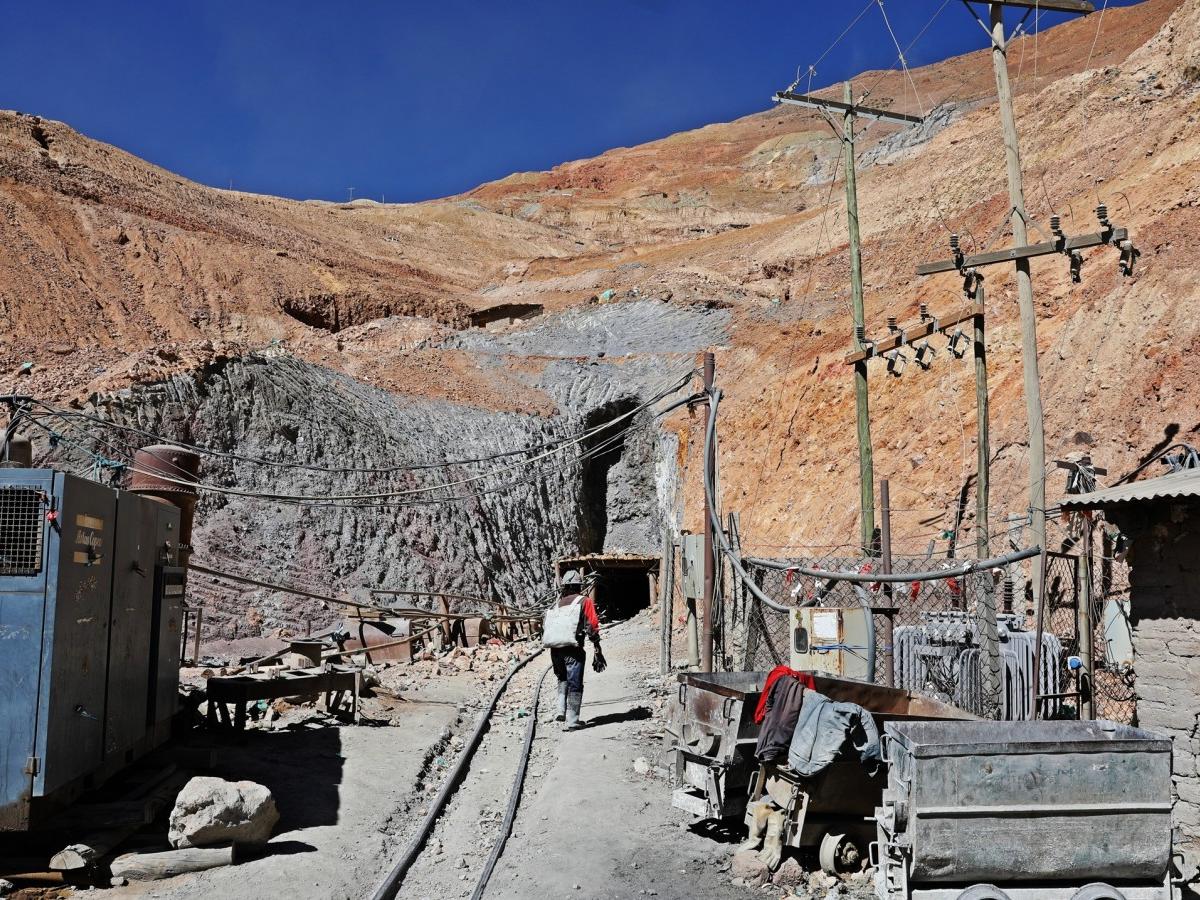
The development of silver mines in Cerro Rico did not bring any benefits to the local people. On the contrary, the exploitation of the mines depended on countless indigenous peoples who were subjected to forced labor and suffered unimaginable pain in extremely harsh conditions. Beginning in the 16th century, Spanish colonizers forced local Indian miners into the mines through a system of “forced labor”. They were deprived of their freedom and reduced to “mining slavery”, working all day in the mines without any human rights protection.
Advertisement
In the depths of Cerro Rico's mines, the lives of the miners had little value. Violence, exploitation and hunger are the norm in the mines. Miners are forced to dig for silver ore with rudimentary tools in unsecured conditions. The air in the mines was foul, and deadly toxic gases and cave-ins were frequent. The health of the miners deteriorated rapidly and many died in the mines from poisoning, disease and overwork.
Not only that, but the Spanish introduced African slaves in order to increase productivity. These slaves were forced to work in the mines and their bodies rapidly weakened from the constant labor. The death rate in the mines was so high that thousands of miners lost their lives here every year. Despite this, the profits of the Spanish empire continued to roll in while the lives of the natives and slaves were lost in an exchange that had no value.
This inhumane method of mining continued for centuries until the outbreak of the War of Independence in the 19th century. During this time, Cerro Rico became one of the bloodiest mining areas in the world and a symbol of colonial oppression.
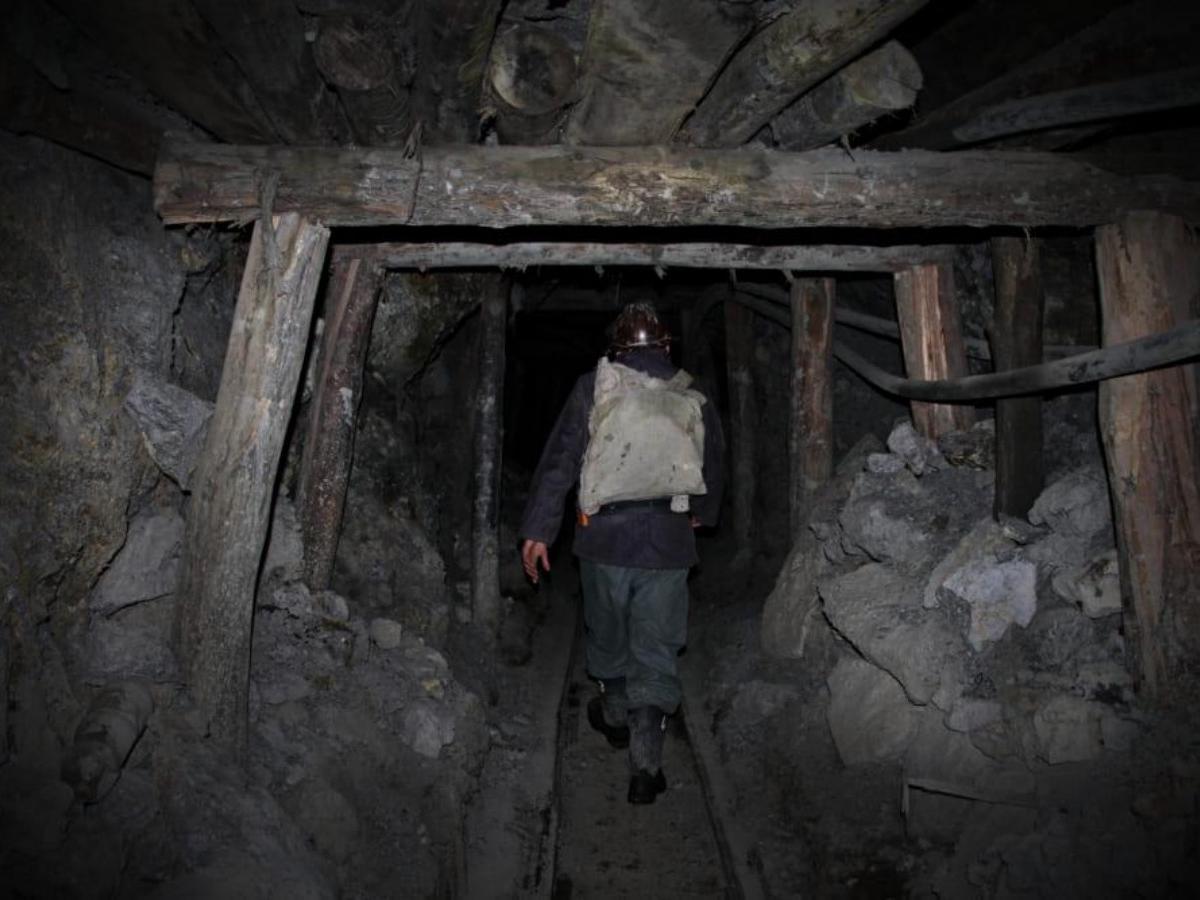
Although Cerro Rico's mines underwent several important transformations at the end of the 19th century, the shadows of its bloody history still loom over the mountain. Over time, the mine has shrunk in size, but there are still people who fight their fate for a glimpse of life in this dangerous land. Today Cerro Rico, although no longer a source of wealth for the Spanish empire, remains one of the important economic pillars of the city of Potosí and Bolivia in general.
However, the plight faced by modern-day miners hasn't changed much. Although the equipment in the mines is more modern than ever before, the conditions in which the miners work are still difficult. Most of the local miners come from poor families and are forced to continue working in these dangerous mines in order to survive. Inside Cerro Rico's mines, there are still no proper safety facilities, and miners are still exposed to deadly dust, gas, and the risk of mine cave-ins.
Even more worrisome is the fact that Cerro Rico's mines have been mined for hundreds of years, and the mine's resources are gradually being depleted. While miners still work hard, the silver mine's production continues to decline. As the mine's depth increased, mining became more difficult and the stability of the mine became extremely fragile. In recent years, Cerro Rico's ecosystem has also suffered serious damage due to the aging of the mines and the deterioration of the mining environment, with soil contamination and water resource pollution becoming increasingly serious problems.
Against this backdrop, Cerro Rico's miners continue to suffer a fate similar to that of the past. Although today's Bolivian government has strengthened the protection of miners' rights, problems remain. Poverty, social injustice and an inadequate system of protection for miners continue to force many to choose to enter this dangerous industry.
The history of the Cerro Rico silver mine is one that cannot be forgotten. Not only does it represent the brutal oppression of indigenous peoples during the colonial period, but it has also witnessed the changes in the global economy. Today, the mountain's name is still closely associated with “blood”. While we can't change the past, we can learn from it and think about how to better protect the rights of miners and prevent similar tragedies from occurring again, and the story of the Cerro Rico Silver Mine is still unfinished. The mine's dark history has been deeply embedded in the fabric of this land and has become a memory that can never be erased. It is hoped that future mining will bring more social responsibility and moral reflection, so that this land will no longer only leave behind the legend of “blood and silver”, but will bring real hope and light to the miners.