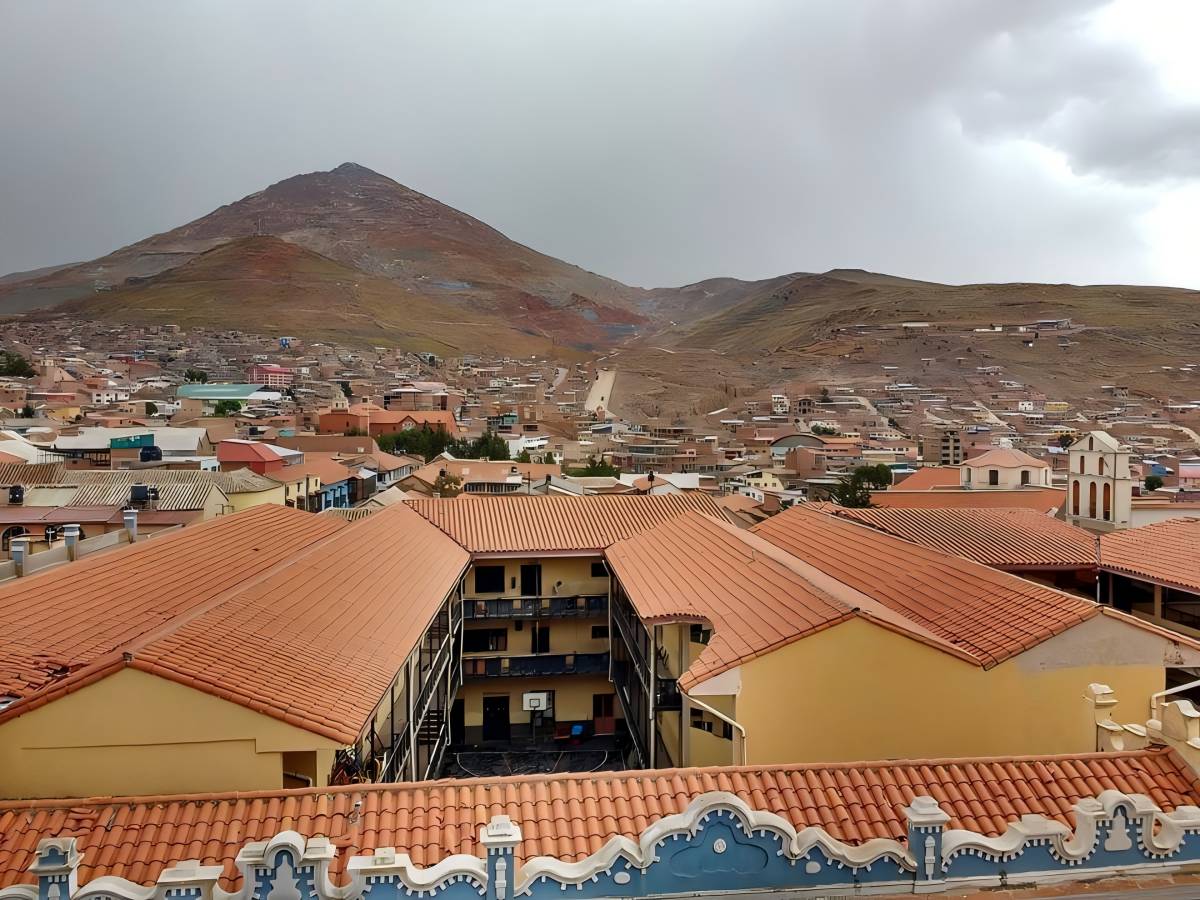
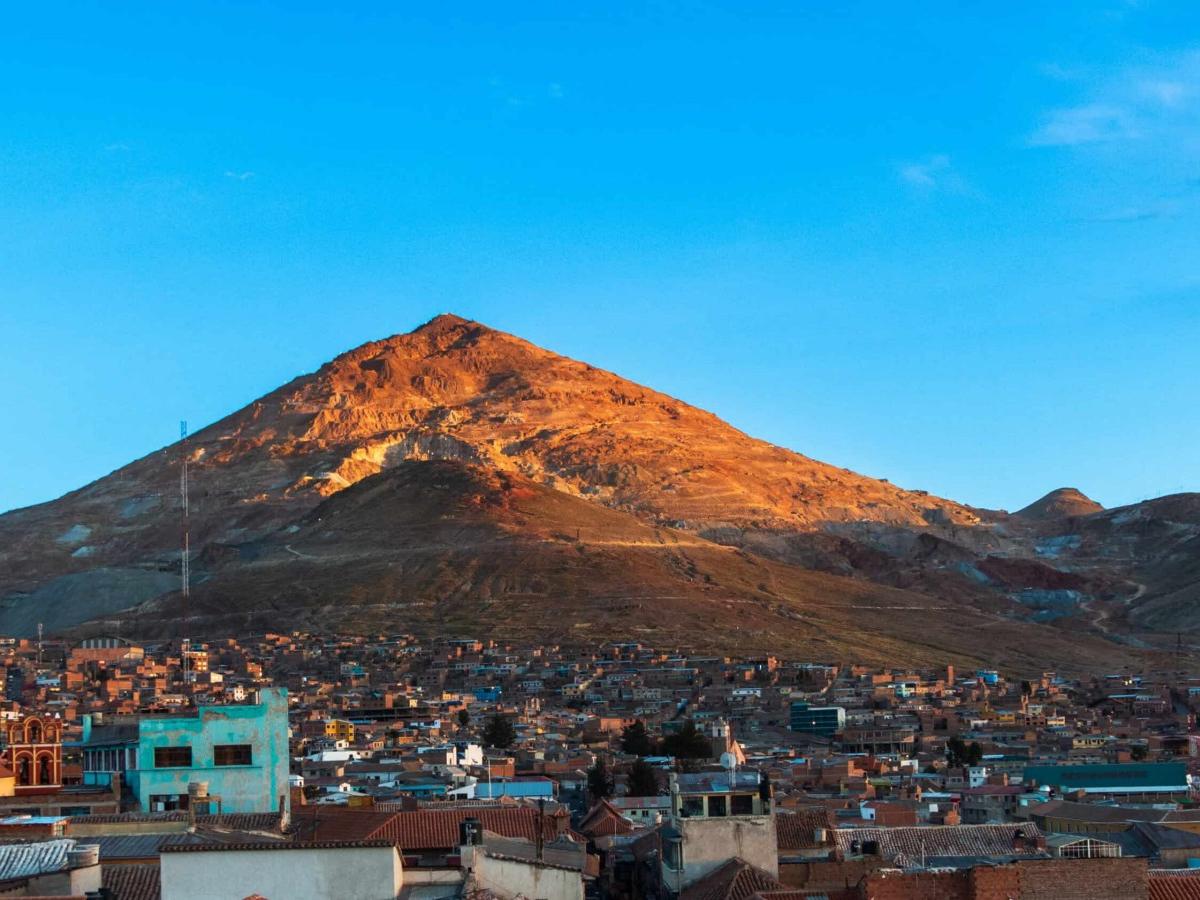
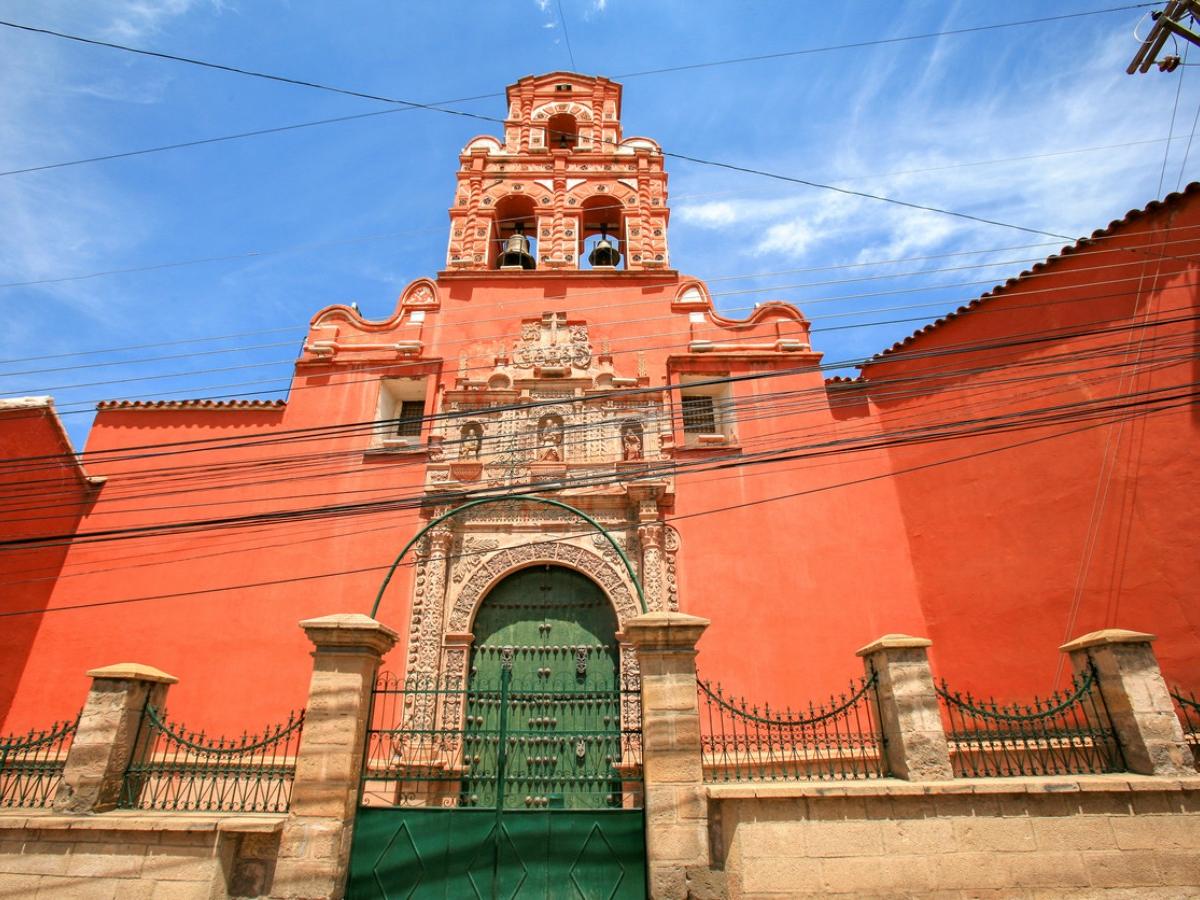
In the Bolivian highland city of Potosí, a former city that flourished in the silver mines, has not only left behind echoes of the splendor of the colonial empire, but has also given rise to a quiet but profound cultural sanctuary - the Walking into the Convento Museo Santa Teresa is like stepping back in time to the monastic life of 17th century South America, where the hustle and bustle of the city was absent, and there was only the sound of deep prayers, patches of religious art, and the scent of faith that had been steeped in for centuries. The monastery is not simply a historical site, but a living museum, a cultural memory solidified between the stone walls. It is a living museum, a cultural memory cemented between stone walls, and a place of rare sophistication and elegance, with religious life as its axis, linking art, architecture, women's retreats and Spanish colonial history. Among the many cultural landmarks in Potosí, St. Teresa's Monastery is like a silent jewel set in sunken silver, not dazzling, but very significant.
Advertisement
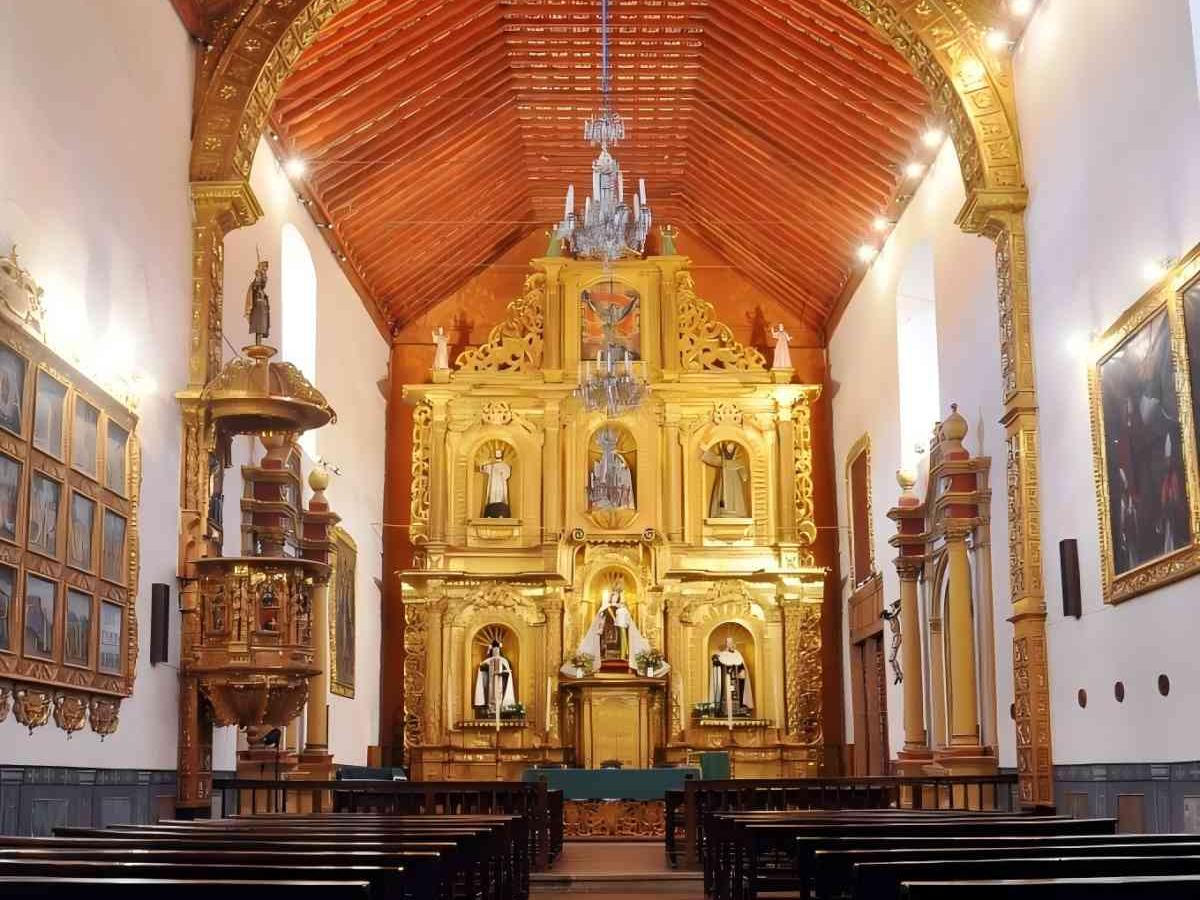
St. Teresa's Monastery was founded in 1685 and has been in existence for over three hundred years. It was a retreat for Carmelite nuns, a Carmelite order known for its extreme asceticism and introspection, whose members were required to make a lifelong commitment to a life of seclusion and no contact with the outside world. For us today, this lifestyle is almost unthinkable, and that's what makes this convent so moving - it preserves the structure of the cloistered space almost intact, and faithfully documents the lives of the women who spent their days in silence behind the walls.
Advertisement
The cloisters, prayer rooms, kitchens, weaving rooms and nuns' bedrooms have all been preserved in their original state and exude an aura of simplicity and piety. What is most touching is that the traces that originally belonged to the “silent ones” are quietly displayed - hand-embroidered altar cloths, brass candlesticks, murals depicting the Virgin Mary, and even handwritten poems and journals by the nuns.
These are not cold exhibits, but extensions of emotion and faith, silent biographies that generations of nuns have spent their lives silently writing.
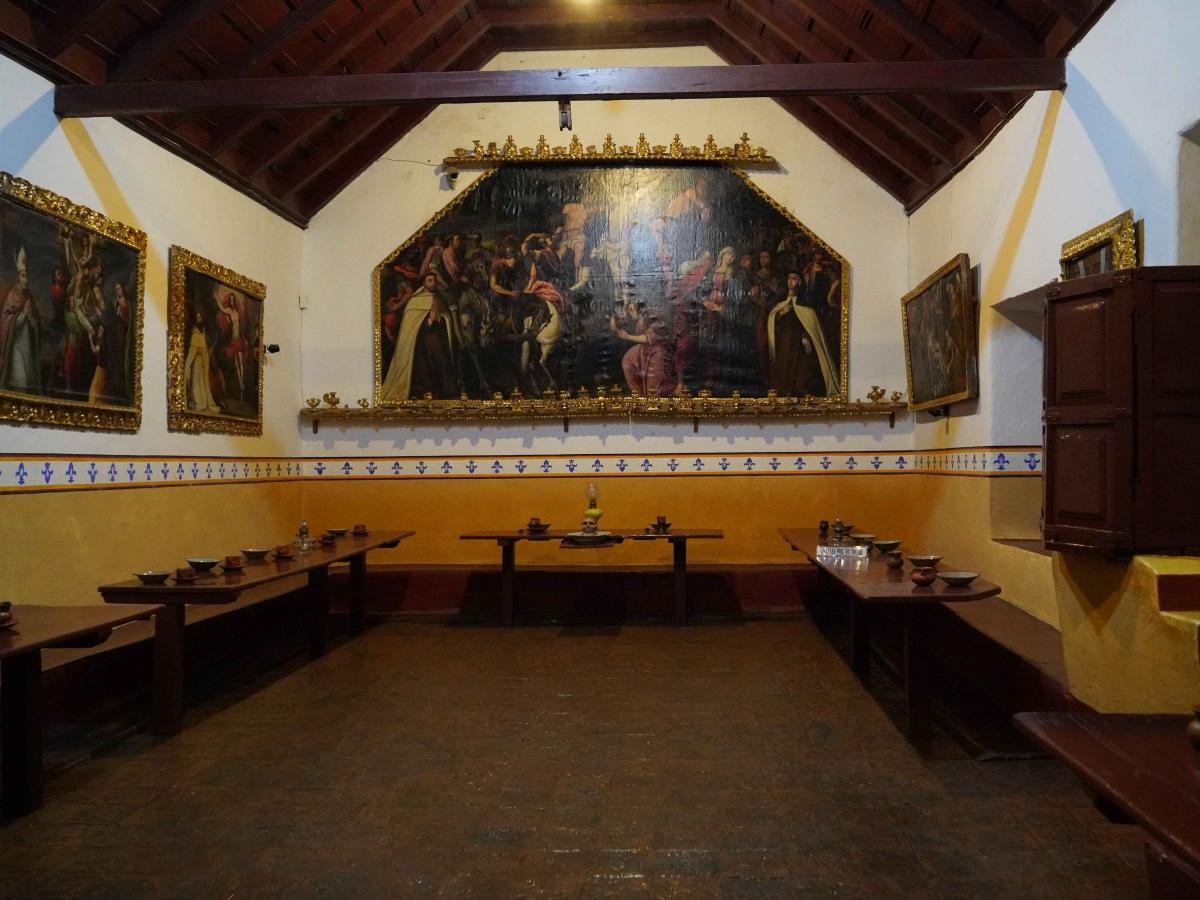
St. Teresa's Monastery is not only a religious space, but also a concentration of religious art from the colonial period in Potosí. Thanks to the wealth of the mines of the time, the convent contains a large number of works of art in a mixture of Spanish and Quechua styles, which reflect not only religious beliefs, but also the interaction between local art and European traditions.
Advertisement
The entire monastery is a living gallery: from the baroque wooden altars to the biblical illustrations painted by local Bolivian artists, everything reveals the craftsmanship and emotion of the religious art of the 17th and 18th centuries. Particularly noteworthy is the collection of religious portraits, which, with their rich colors, layers of gold leaf, and finely etched faces, are not only aesthetically pleasing, but also spiritually striking.
In addition to the paintings, the convent has a collection of religious statues, carved wooden chairs, altarpieces and painted ceramics from the 17th century, which are rare testimonies of Bolivian colonial art. In particular, the Crucifixion and the Madonna of Lamentation, with their compassionate expressions and delicate lines, are particularly moving in low light, almost touching a devotion that transcends the material.
Here, art is no longer just an aesthetic specimen to be admired, but a way of being that intertwines with faith and dialogues with the soul. Every painting and every statue carries a confession to God, a quiet word of communication with eternity.
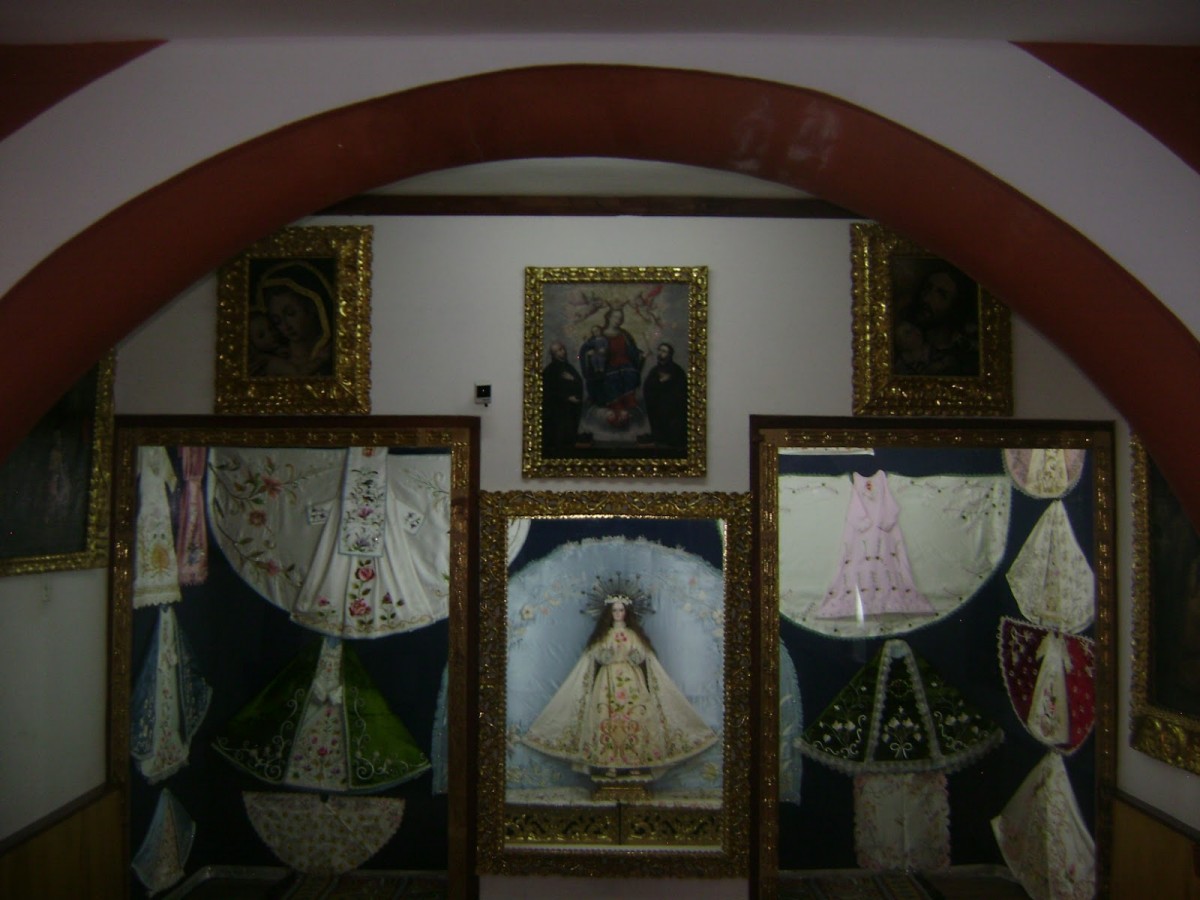
The essence of Potosi as a World Heritage City does not lie only in the towering silver mines or majestic churches, but also in the spiritual history that lies deep within the stone walls of monasteries such as the Monastery of St. Teresa. The monastery is a key window into Potosí's past, Bolivian religious culture and colonial history.
Visitors can delve into the daily routine of monastic life with a docent and hear the dusty stories of women: why did 13-year-old girls choose lifelong abstinence? How did they dialog with the world in their closure? Did they ever regret it? There are no standard answers to these questions, but they emerge quietly during the visit.
In addition, the convent also organizes special cultural events every year, such as sacred music performances during Easter and exhibitions of nuns' handicrafts, which give this silent space a different kind of life during certain festivals. It is not a frozen history, but a cultural heritage that can be touched and resonated.
When you stand in the sunlight in the courtyard inside the convent, watching the dappled branches of an ancient olive tree casting spots of light and shadow, with the sound of bells echoing in the distance in your ears, you may understand at that moment why this convent is not only a treasure trove of art, but also a refuge for the soul.
Convento Museo Santa Teresa is not the kind of attraction that wows you at first sight, but it possesses a kind of charm that permeates slowly and deepens the more you savor it. Here, time is slow, quiet, and awe-inspiring. You will not just be a tourist, but a listener invited into the depths of history and faith. In the fast-paced and frenetic world of today, St. Teresa's Abbey may be just the place for us to stop for a short while and listen to our inner voices. With art as its boat and faith as its shore, it quietly waits for those who are willing to resonate with it to step through the stone doors of the monastery and begin a contemplative journey of beauty, faith and humanity.