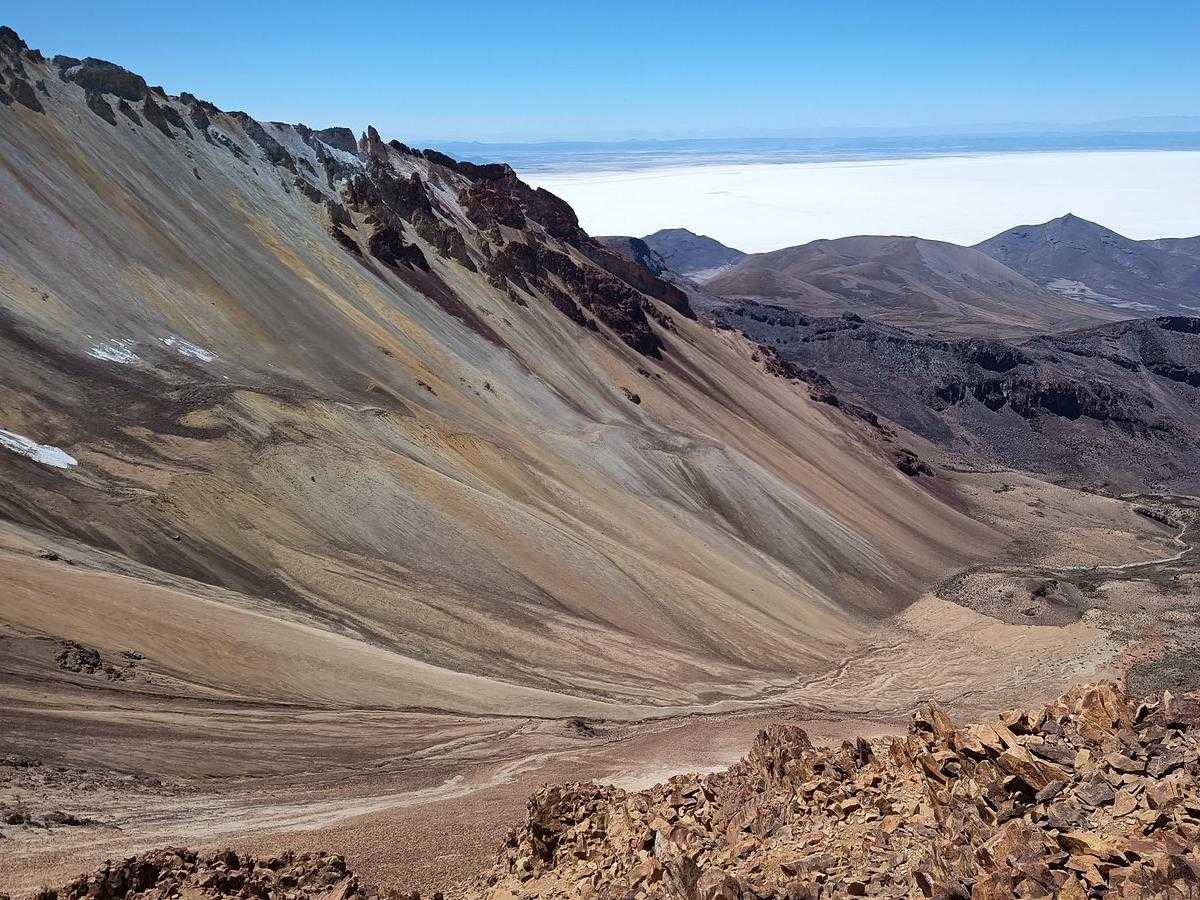
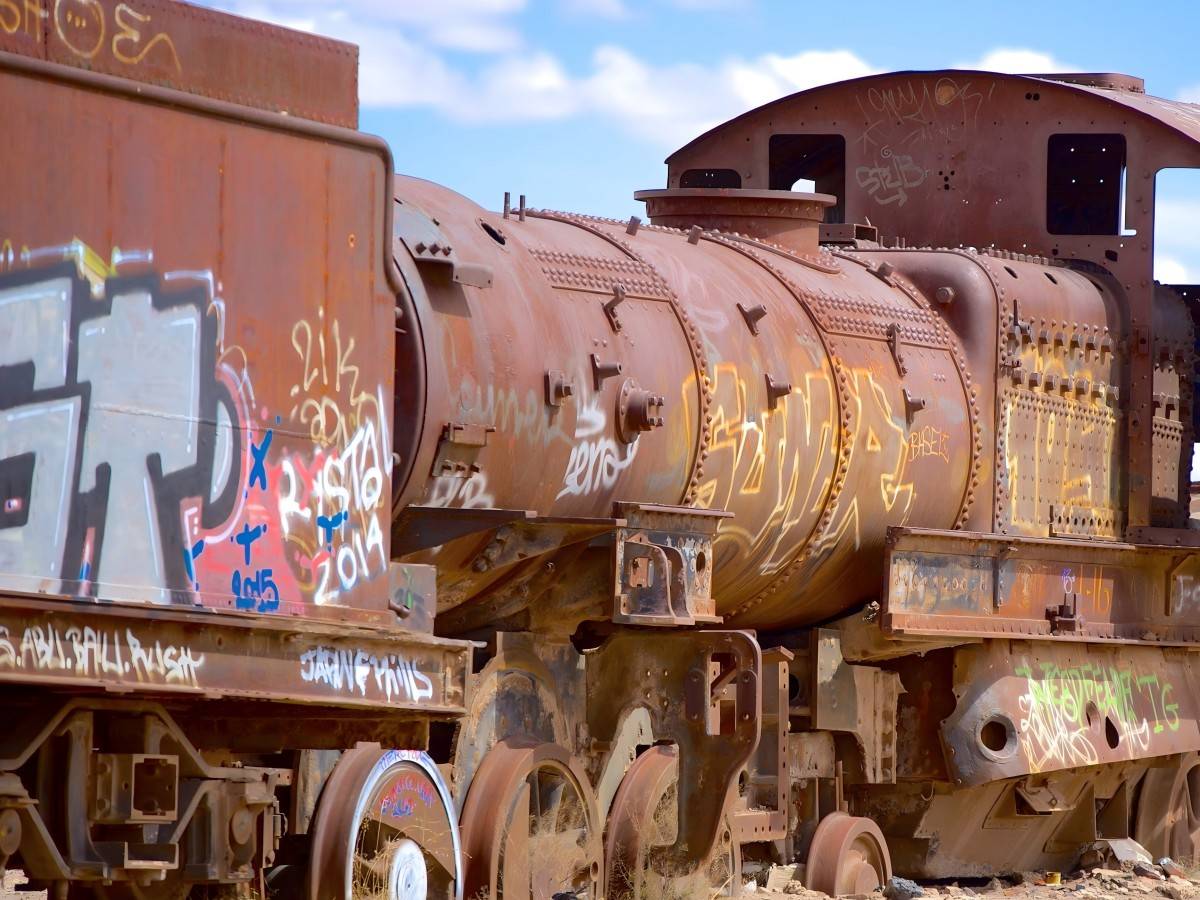
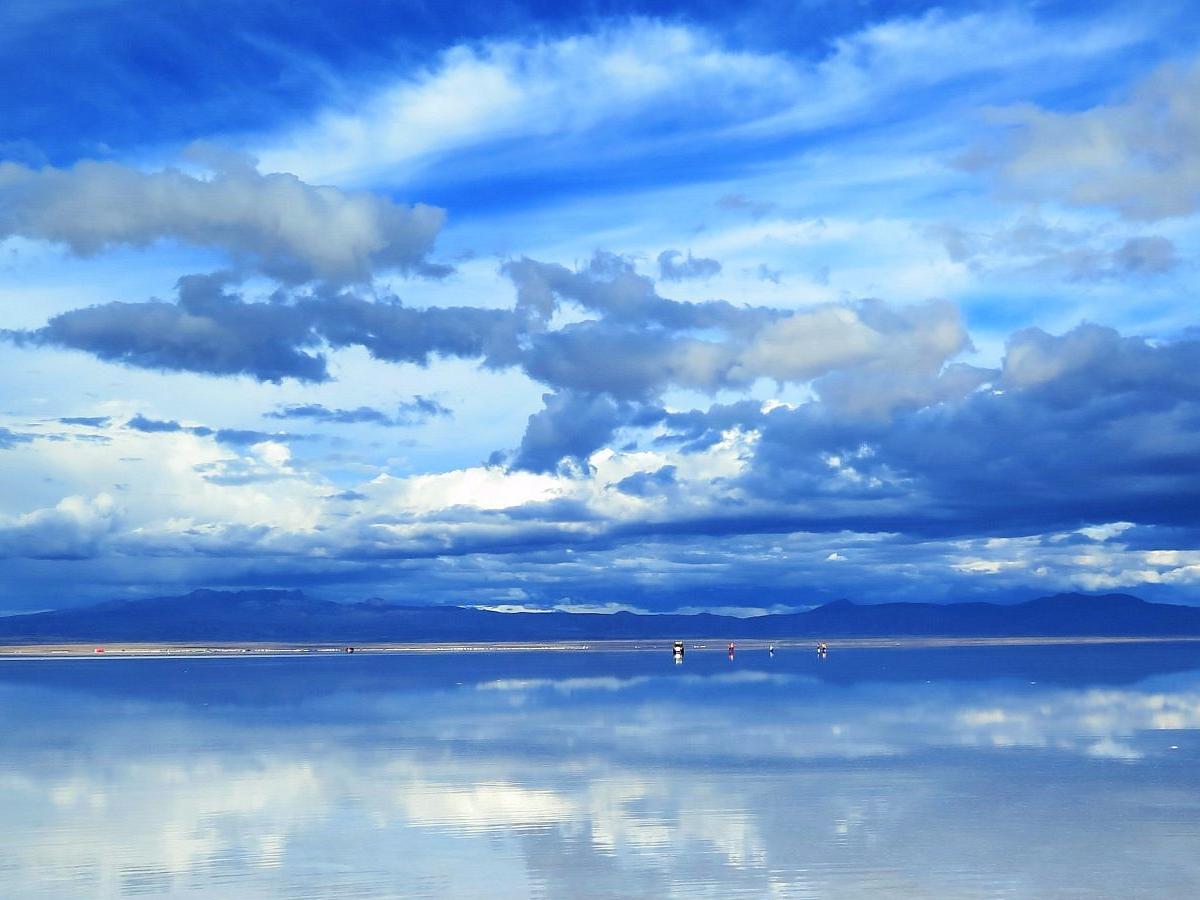
Welcome to the land of the nameless, standing under a vast sky where the air is thin, dry, and every breath feels like a mixture of dust and plateau. There is silence all around - the kind of silence that buzzes in your ears because the place is empty. Then over the white salt flats and cracked earth, a strange sight comes into view: dozens of rusting trains, broken wheels and metal skeletons sprawled across the desert in what feels like a scene from a post-apocalyptic movie. Just outside the town of Uyuni, Bolivia, at Cementerio 6de Trenes, it's easy to think at first glance that it's just a quirky tourist attraction, but if you stop for a moment and dig a little deeper, you'll find a story - a story of ambition, abandoned dreams that turned to dust, and steel giants that refused to disappear.
Advertisement
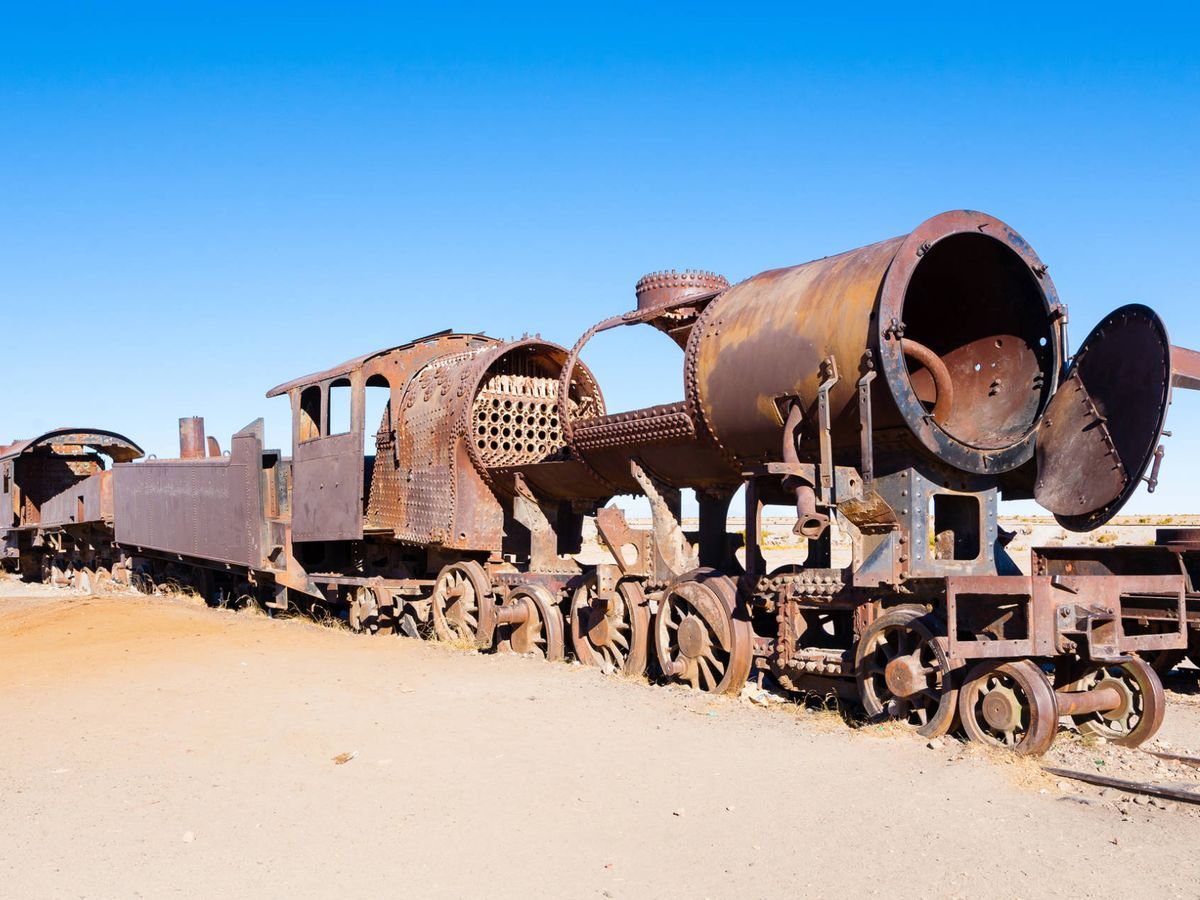
Close your eyes and turn back the clock. It is the end of the 19th century, and Bolivia is full of dreams.Bolivia is rich in minerals - silver, tin, lead - and the world is hungry for them. Foreign investors, mainly from Britain, see Bolivia as a gold mine. Like all gold mines, it needed a way to transport its treasure. That's when someone came up with a great idea: to build a vast network of railroads on a plateau thousands of meters above sea level. You can almost picture the scene: engineers laying tracks in the harsh desert, workers sweating under the relentless sun, and huge steam locomotives huffing and puffing their way across the landscape. These are no ordinary trains. They are state-of-the-art imported machines - sturdy, sleek, and symbolic of progress. Uyuni, a small town in the middle of nowhere, suddenly finds itself at the center of this vast iron network.
Advertisement
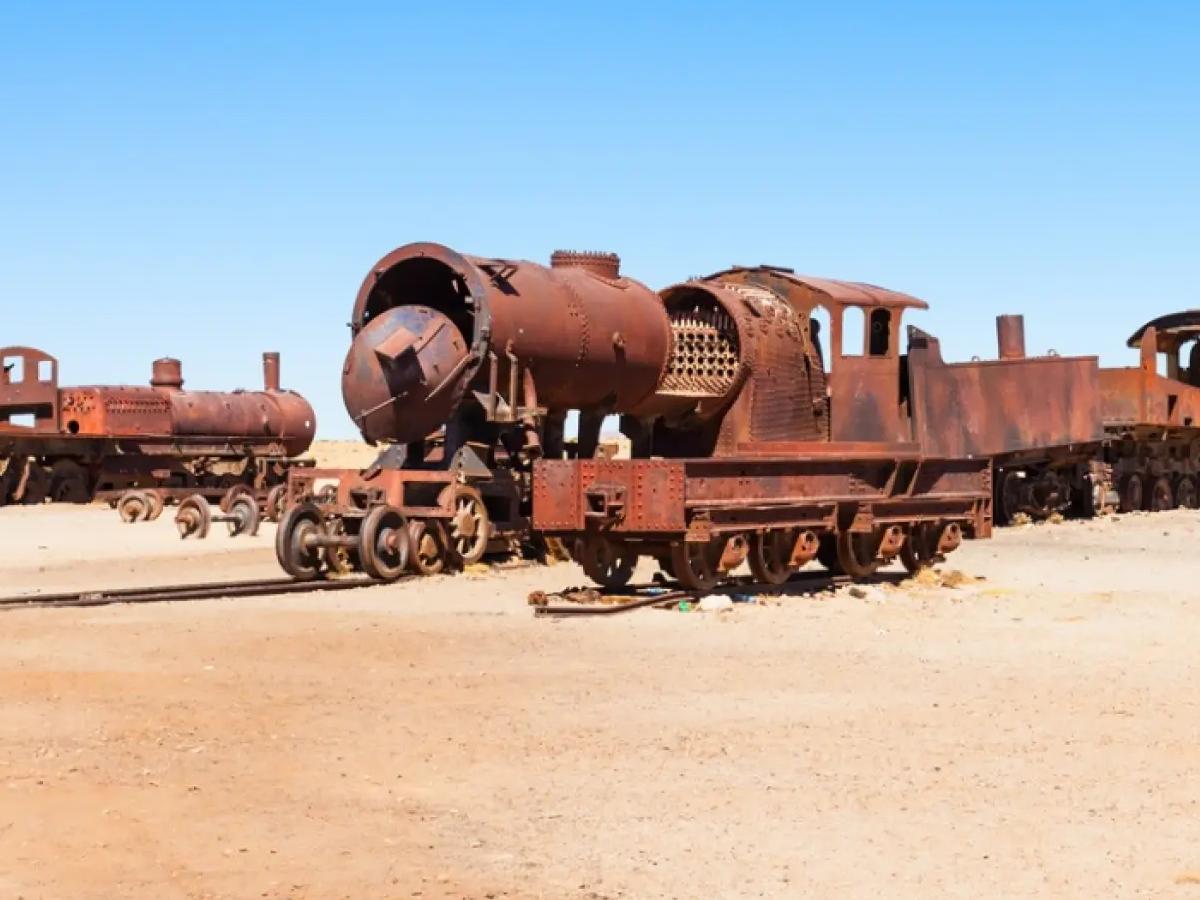
The name Uyuni doesn't always appear in travel books. But thanks to the train, the name Uyuni is there. Think of it as the desert version of the Wild West. The trains came, bringing supplies, people and industry. Workshops were built. Train stations developed. Miners, mechanics and merchants settled here, and Uyuni flourished, becoming a dusty jewel in Bolivia's transportation crown. And then, like so many stories with big dreams, everything began to fall apart. Rumors of depleted mines, rumors of new modes of transportation, rumors of old industries swallowed up by change, and by the middle of the 20th century, Bolivia's mining industry was in steep decline. The minerals that had once made people rich were either drying up or becoming less profitable. As mining slowed, so did train capacity. By the 1940s and 1950s, railroad use began to decline dramatically. Once a symbol of modernity, the train was now a rusting burden. When the train is no longer needed, it won't be sent to a cozy museum, it will be abandoned. It will be abandoned. And so they do - transport them to Uyuni, disconnect them, and leave them there like metal bones to be baked by the sun.
Advertisement
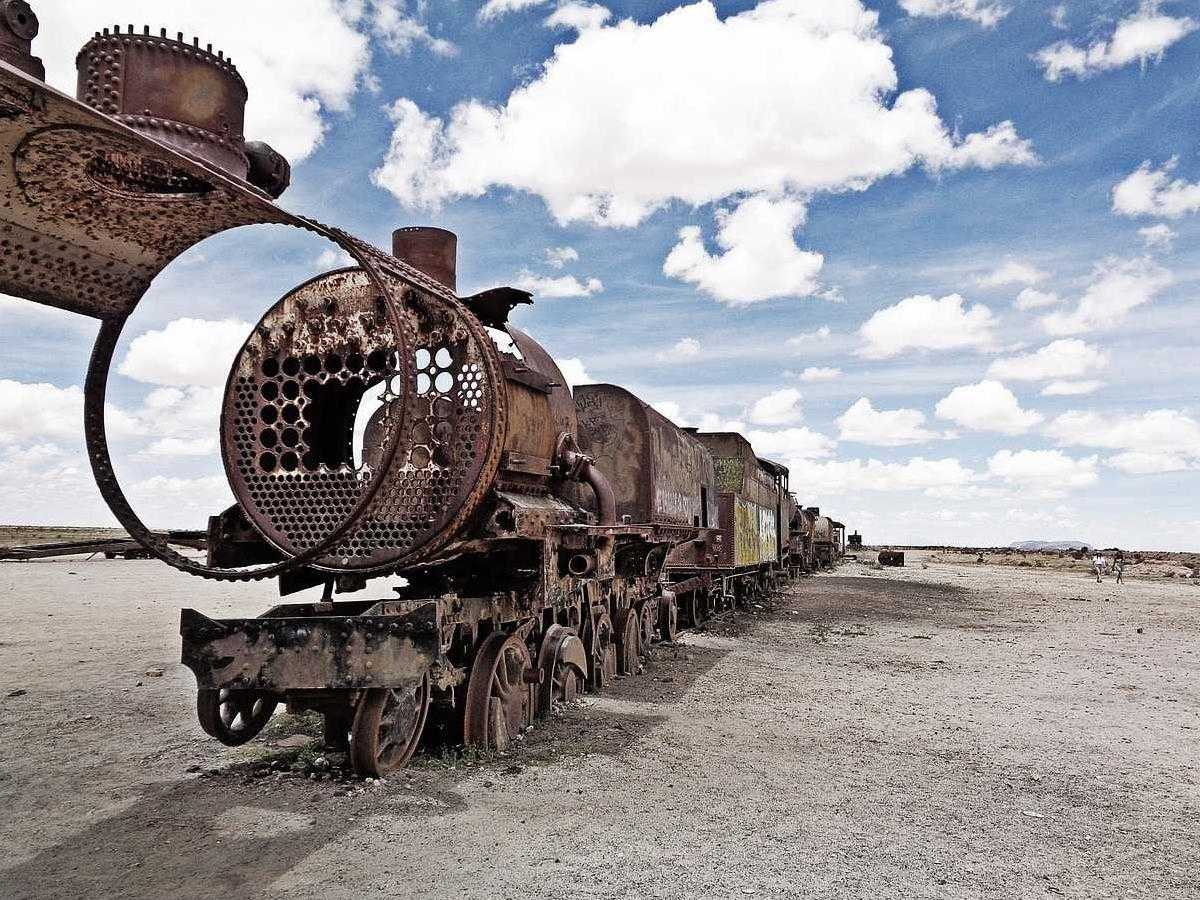
They didn't just dump a few old engines. They dumped dozens of entire trains of cars, locomotives, fuel tanks - all laid to rest. But there were no headstones, no plaques, no ceremonies. Just the endless desert wind whistling through the empty cabins. Slowly, nature took over. The sun flaked the paint. The wind scratched deep marks into the metal. Sand blew through broken windows and doors, behemoths that had been falling apart for decades - not with a bang, but with a slow, agonizing groan. Walking past a cracked-in-half boiler tank, you'll see old wheels half-buried in the sand, as if trying to escape. Some of the trains have graffiti on them - not modern street art, but ghostly names scratched in sharp stones long ago. This is not a museum. Like its name, this is a cemetery. A place for the dead to be forgotten - except that these dead were once life-changing machines.
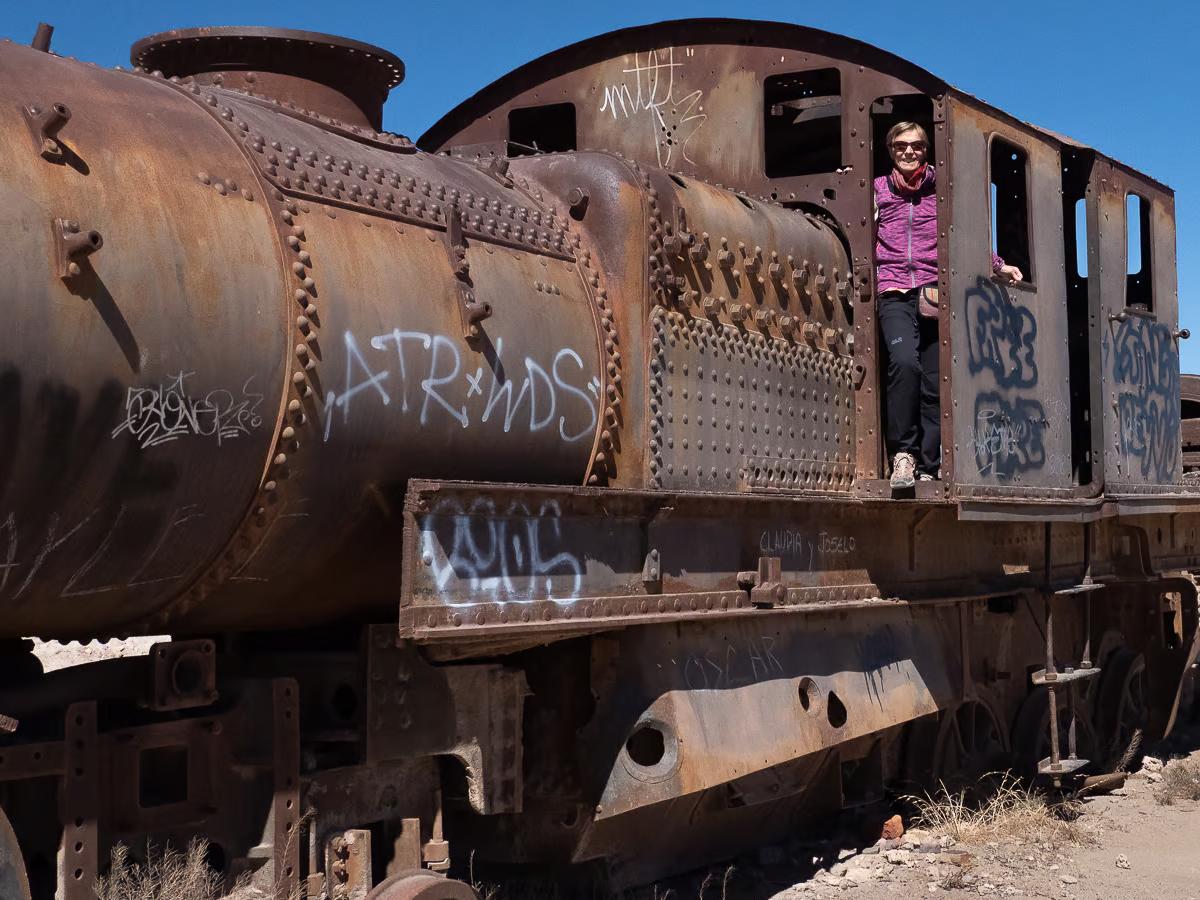
Then the unexpected happened - the world changed again. Trains were abandoned, but the Internet came along. The Internet brought photographs. Suddenly, people from all over the world were seeing these eerie images of trains in the desert, and they were hooked. Tourists began to arrive in droves, and then flocked to the Salar de Uyuni - the large salt flats nearby - which became a must-see on people's travel lists, with travelers needing to stop along the way. So the Cementerio de Trenes became that stop. These scrapped trains were given a second life - not as moving machines, but as photographic props. Now you can see backpackers posing on rusty engines, newlyweds taking wedding photos between carriages, and travel bloggers shooting videos on top of trains at sunrise. This place is famous not for what it is, but for what it looks like.
Get a feel for the place, walk slowly, touch the peeling iron, sit in the cabin where the conductor used to sit. Close your eyes and try to hear the old whistles, the chatter of the workers, and the clanking of tools in the nearby workshop. Imagine what it would be like to believe that these trains are the future. Walk in the broken promise of Bolivia - a dream of prosperity that has not materialized. Yet, in the midst of such decay lies a certain eerie beauty. Something haunting. Something human. Every bolt and beam seen here once had a purpose. Every train had a route, every stop had meaning. And now? Only a story can be pieced together from the rust and the silence, and such a story will never die.