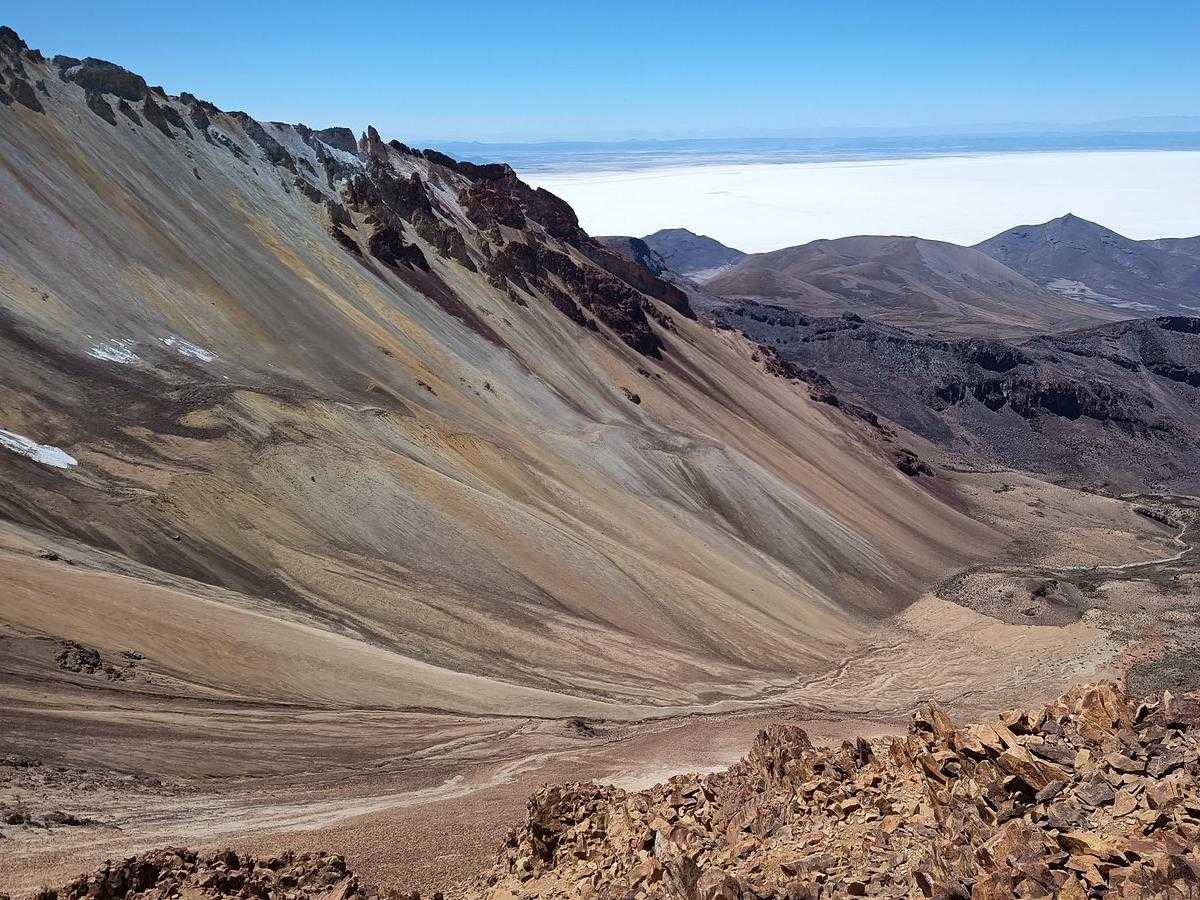
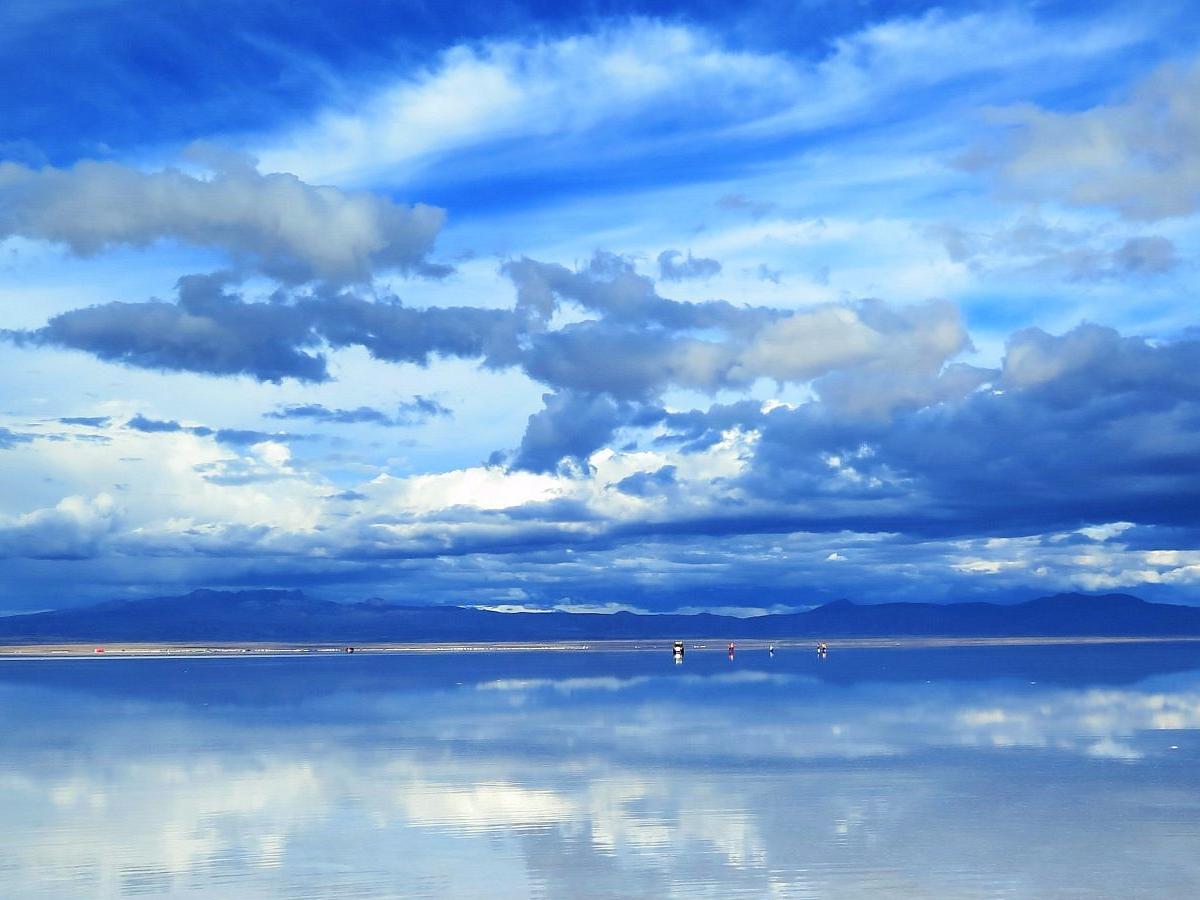
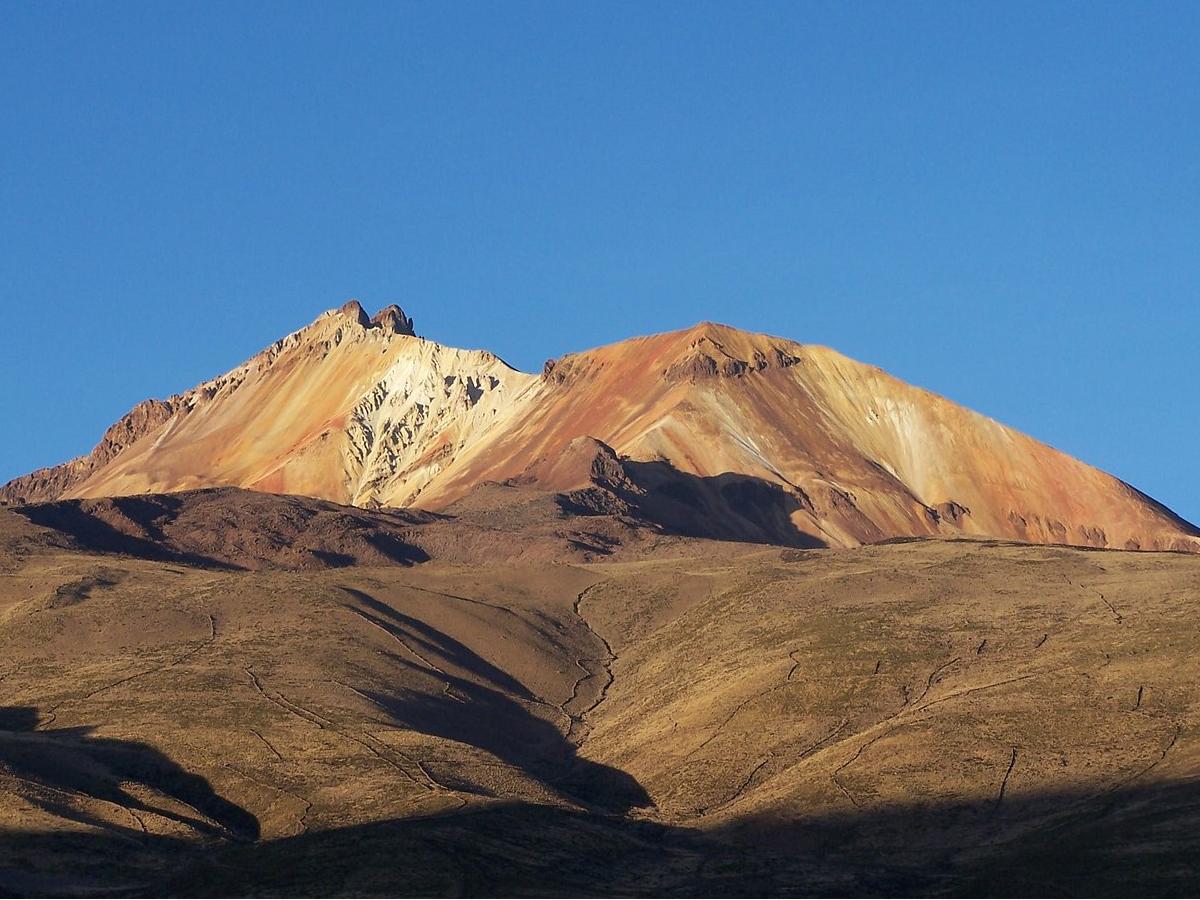
The air is crisp, almost too fresh to be real, and the sky seems to stretch on forever. Standing on the edge of Salar de Uyuni, the world's largest salt flats, with Tunupa Volcano on the horizon like a giant frozen in time, Tunupa Volcano, at more than 5,000 meters above sea level, isn't exactly Bolivia's tallest volcano, but it has an indescribable power, a quiet sadness that grips you in the chest and won't let go. The locals don't just call it a mountain. They call it “La Diosa Dormida” - the sleeping goddess. When you learn her story, when you really get it into your bones, you understand why this is more than just a geological landmark. It's a living legend.
Advertisement
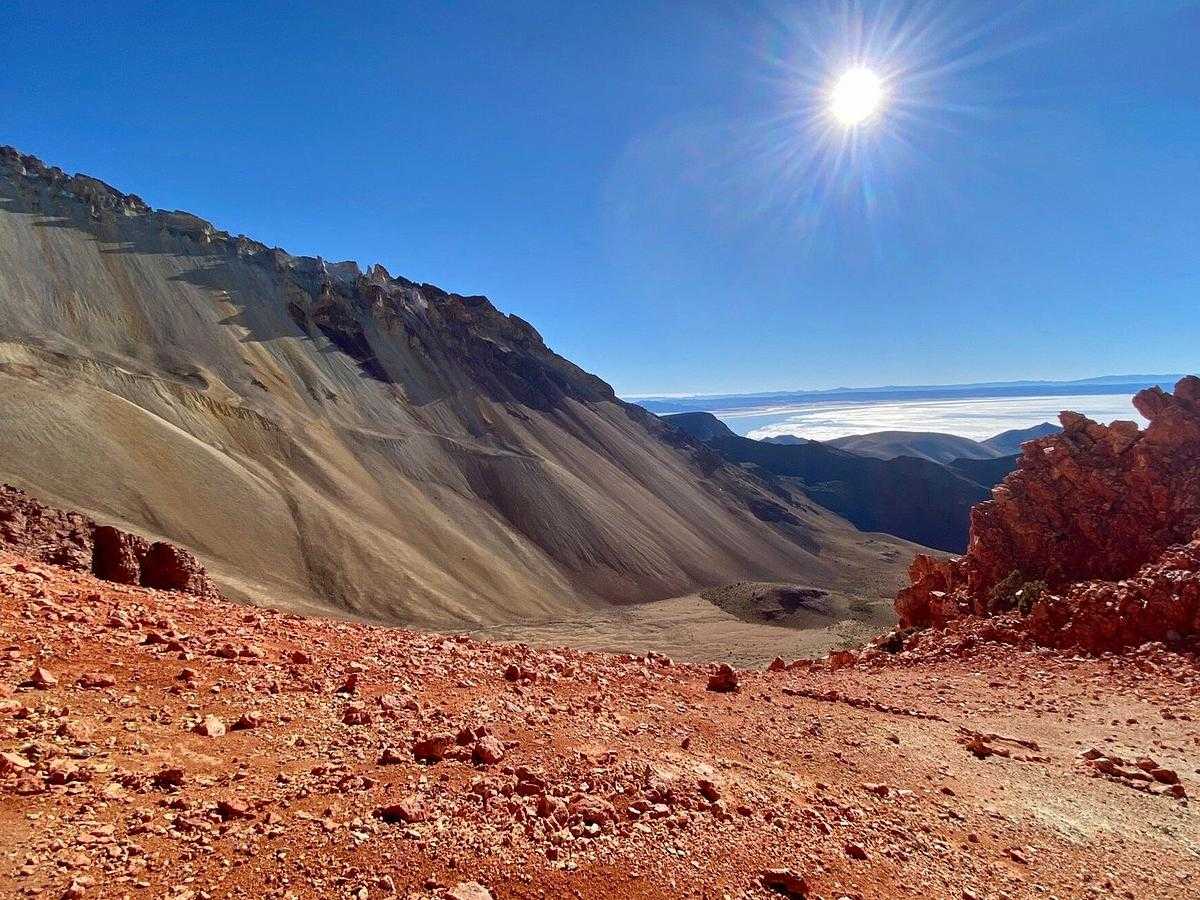
Tunupa Volcano is more than just a volcano. It is a mysterious mountain wrapped in myth, wrapped beneath the rugged surface of the Andes. When you ask local guides about it, their voices change. Their voices become soft and careful, as if they are about to tell you a secret that has been passed down through generations. You know, long before science tried to explain crustal plates and lava caves, people here knew why the earth cracked and why salt stretched endlessly across the land. These answers came in the form of legends, shaped by mountains, skies and the tears of a heartbroken goddess. Thousands of years ago, the mountains here were once alive, truly alive with life, emotion, sound and story. At that time Tunupa was more than just a mountain. She was a woman, a goddess, a mother. According to legend, Tunupa was one of the first beings to walk the earth. She was graceful, wise, and powerful, with fiery red hair and eyes that could see beyond the horizon. She lived in harmony with the other mountains that were also gods. Together they guard the land and its people.
Advertisement
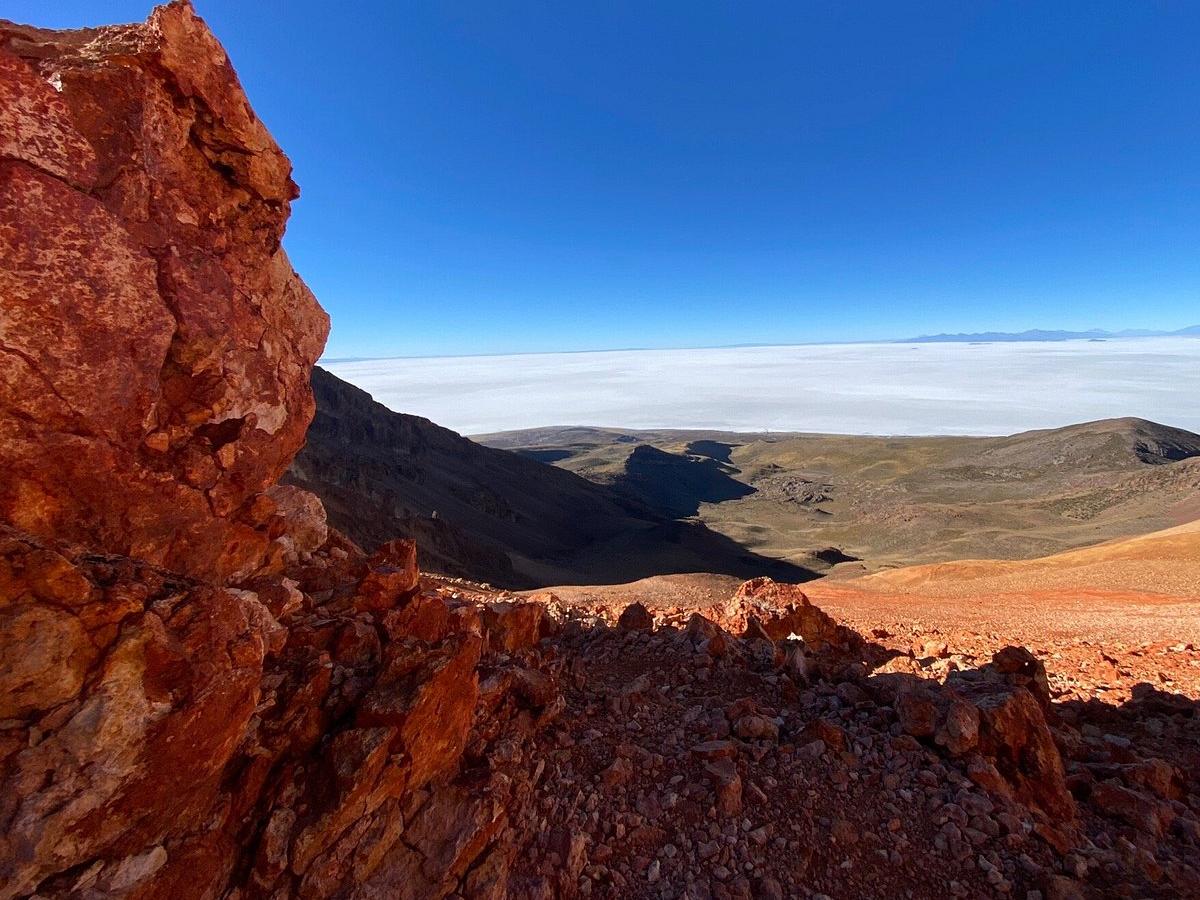
A dramatic scene emerged. Of all the powerful mountain gods, one was mesmerized by Tunuba. He admires her strength, kindness and beauty. So does another mountain god. A tale of jealousy, passion and betrayal ensues - as old as any Greek myth and just as tragic. According to existing versions of the legend, Tunuba either fell in love with one of the mountain gods, or she stayed out of it, refusing to choose between them. Some say that she bore a child, a little god of her own, and that one of the jealous mountain gods snatched the child and hid it from her because he couldn't bear the thought of her giving her love to another. Heartbreak almost destroyed her, and her pain was so deep that it resounded throughout the plateau. Her tears flooded the land, and the milk that flowed from her breasts as she searched for her lost child mixed with the water to form what we now know as the Salt Lake of Uyuni. This sea of white salt beneath your feet is more than a natural wonder; it is the frozen sorrow of a goddess.
Advertisement
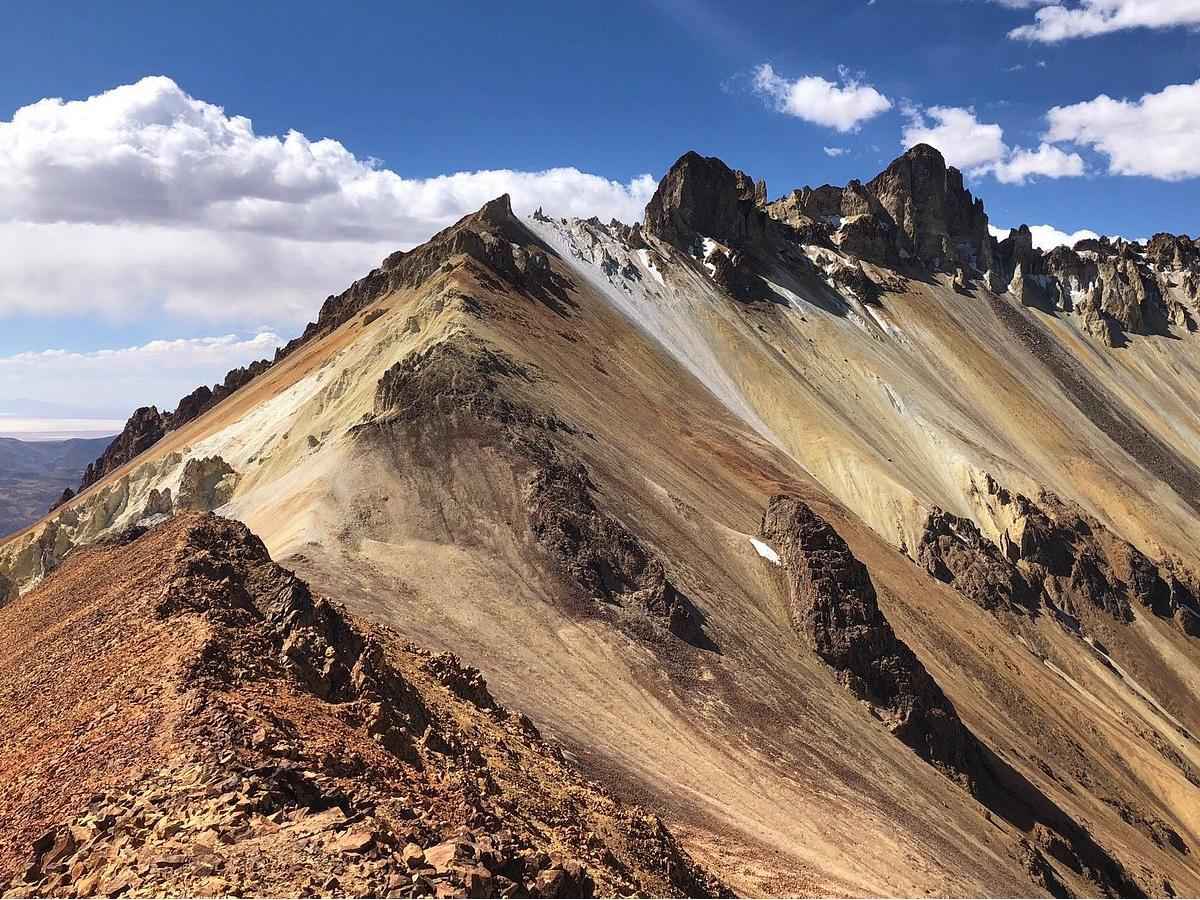
Look again at Tunupa Volcano, do you see how she sits differently? She's isolated, quiet, stoic. This is no coincidence. According to legend, other peaks banished her out of fear of her grief and power. Her cries shook the earth, her love was too fierce, her story too painful, so they silenced her. They anchored her body to the earth and turned her into a sleeping volcano. Spilling her tears all over the land, her children never returned, her voice was never heard again. The land was turned forever into a glistening white desert that stretched on forever. You see more than a mountain. You see a mother frozen in time. In Uyuni, people still whisper Tunuba's name like a prayer. They light candles at her base. Some even say that on certain windy nights you can hear her crying softly among the rocks. They believe she is a real presence that still affects their lives today. This is not just because of its beauty or its economic value, but because it is the body and soul of Tunuba.
Of course, you can also take a step back and listen to the scientists' explanations. They'll tell you that the Salar de Uyuni was formed by the evaporation of a prehistoric lake over thousands of years, leaving behind a crust of salt that shines like glass after a rain. They'll talk about crustal shifts, volcanic activity and mineral deposits. They're not wrong. But science can't explain everything, it can't explain the tingling sensation on your skin when you stand near Tunuba. It can't explain the deep ache in your chest when you learn her story. And it definitely can't explain why people still leave little offerings at the foot of her hillside - coca leaf fragments, coins, even baby dolls - to honor her lost children. So maybe science and myth can coexist. Maybe volcanoes do form through lava and time, but their souls are shaped by heartbreak.
If you are adventurous enough, you can really climb Tunupa Volcano. it's not easy due to the high altitude, but it's still possible. And the view from the top? Unreal. You'll see the salt flats like a sea of white stretching out below you. There are no buildings. No cars, just sky, salt and silence. But this is more than a hike. It's a spiritual pilgrimage. One step at a time, walking on sacred ground. Tracing the body of a goddess through a legend. Upon arriving at the crater and seeing the vivid red and orange volcanic rock against the blue sky, one may feel something stirring deep inside. Something ancient, something powerful.
Tunupa Volcano is more than just a volcano, more than just a shape on the skyline.Tunupa Volcano reminds us that landforms hold memories, that the earth holds love, loss and longing. Even in a place as quiet and silent as Uyuni, the wind still tells a story - if you are willing to listen. When your trip is over and you leave Uyuni with salt dust still on your boots, Tunuba will remain in your memory, perhaps in a photograph, perhaps in a journal. But more likely, her story will creep into your mind as you look out over the mountains back home.