
Advertisement
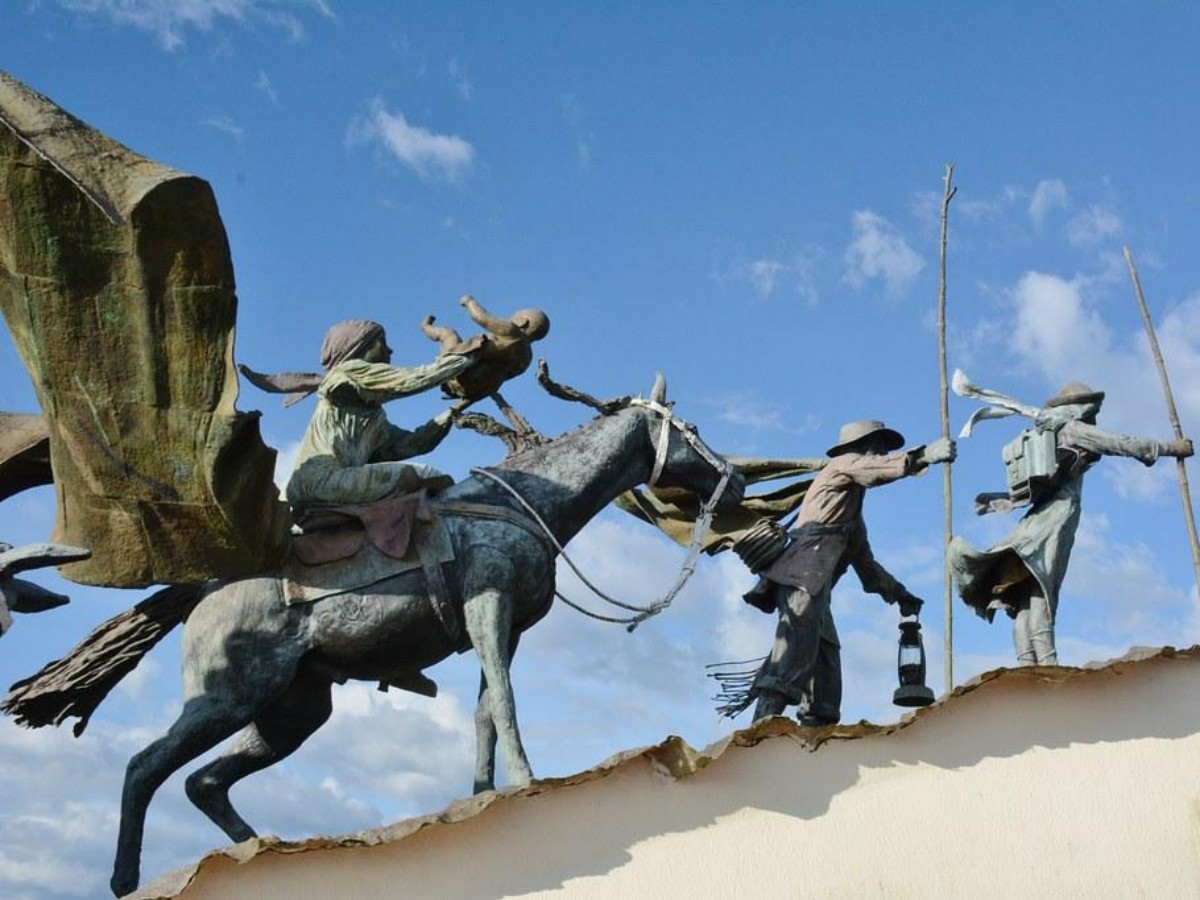
In the center of Manizales, stands a bronze group statue full of stories - Monumento a los Colonizadores. This 18-meter-high sculpture depicts the feat of Antioqueño Colonizers in the 19th century to cross rugged mountains and open up the coffee zone. It is known as one of the most symbolic public art in western Colombia. This monument is not only a tourist attraction, but also a three-dimensional history textbook. Through sculptures, reliefs and surrounding environment, it vividly reproduces the arduous process of the formation of the Colombian coffee culture zone. If you are exploring this "coffee city" but only have a short stay, don't worry! This guide will take you to the core attractions of the monument in 30 minutes, and provide the shortest walking route, so that you can deeply experience this history in a limited time, and you can also take amazing photos for your friends.
Advertisement
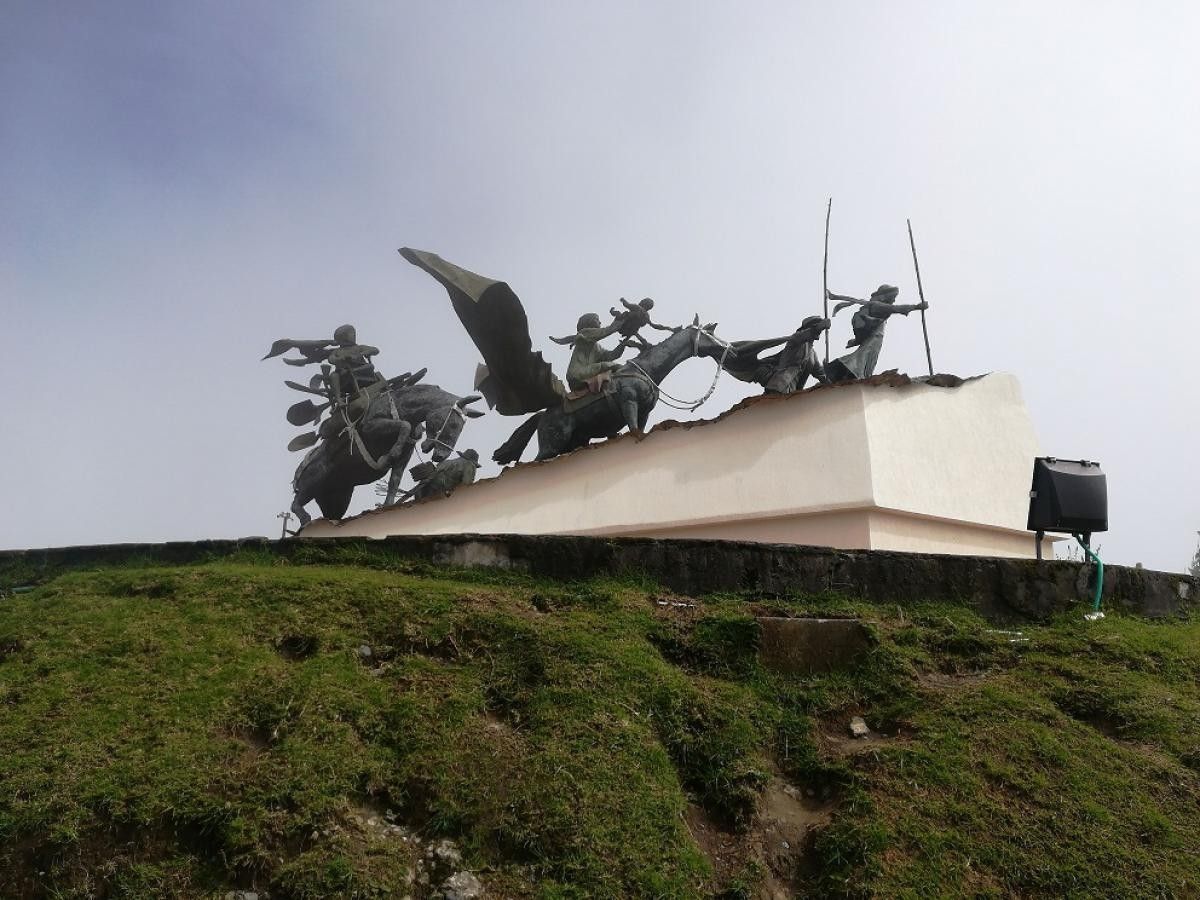
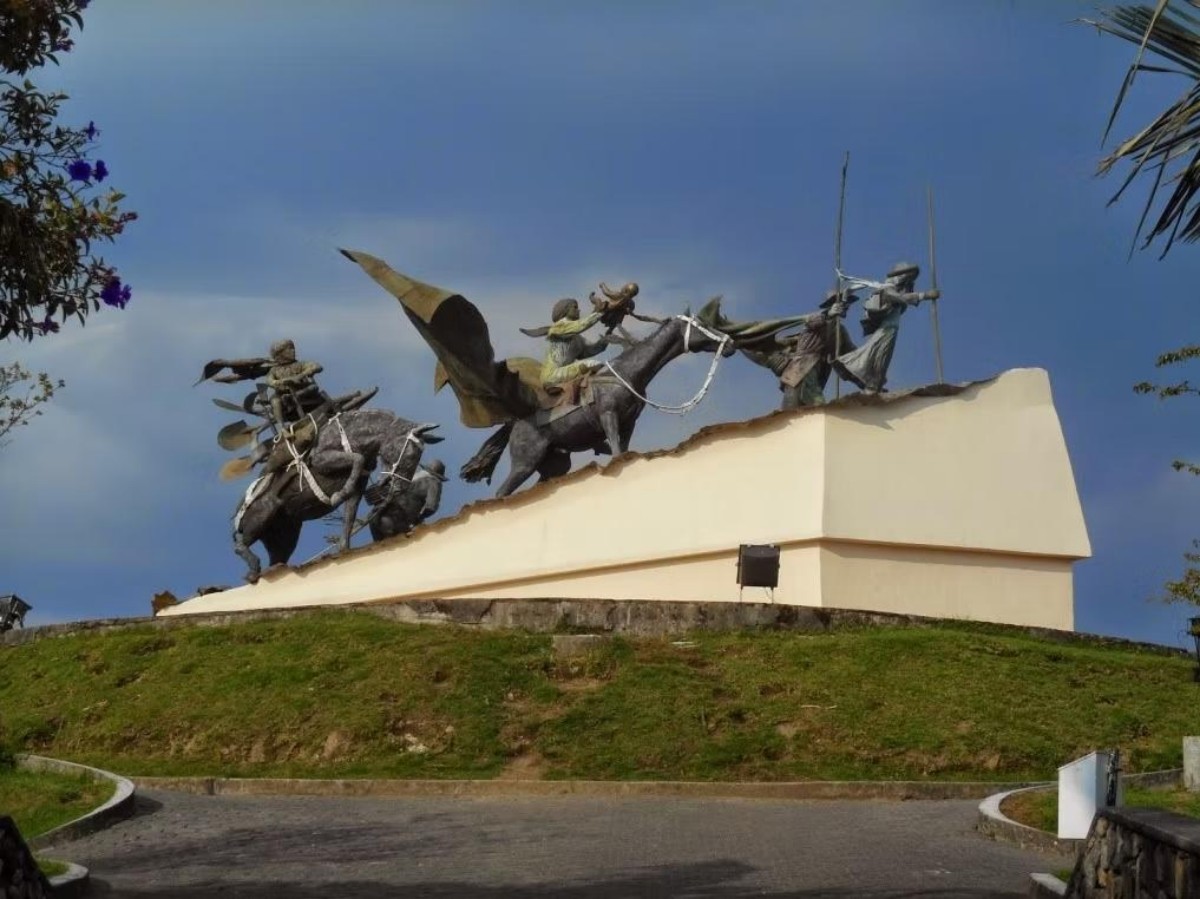
The centerpiece of the monument is a bronze statue of seven colonists, holding tools or carrying bags, vividly recreating the difficult journey of immigrants in the 19th century. These sculptures were created by the famous artist Luis Guillermo Vallejo, and every detail has been carefully designed:
Advertisement
Central figure: The leader points to the distance, symbolizing the spirit of exploration of unknown lands. Note his firm eyes and slightly forward posture, which perfectly show the determination of the pioneers.
Female image: The female statue holding a child on the right is particularly eye-catching. She represents the strong female role in the immigrant family. Observe her clenched fist and protective posture, which reflects the resilience of women at that time.
Old man and dog: The old man and dog at the end of the team are the most easily overlooked details. The image of the old man with a cane symbolizes the inheritance of wisdom, and the dog actually played the role of warning danger at that time.
Clothing details: All the characters are dressed in typical Antioquia immigrant clothing, especially the wide-brimmed hat (carriel) and woolen shawl (ruana), which are symbols of local culture.
Best shooting angle: In the morning, stand on the northwest side of the monument to capture the perfect combination of the sculpture and the Manizales Mountains; in the afternoon, it is recommended to shoot on the southeast side to capture better light and shadow effects.
Professional Tips: Walk around the sculpture counterclockwise, and you will find new details from every angle. Especially at sunrise and sunset, the bronze sculpture will show different gloss changes.
Time allocation: 8 minutes (it is recommended to spend some time observing the details)
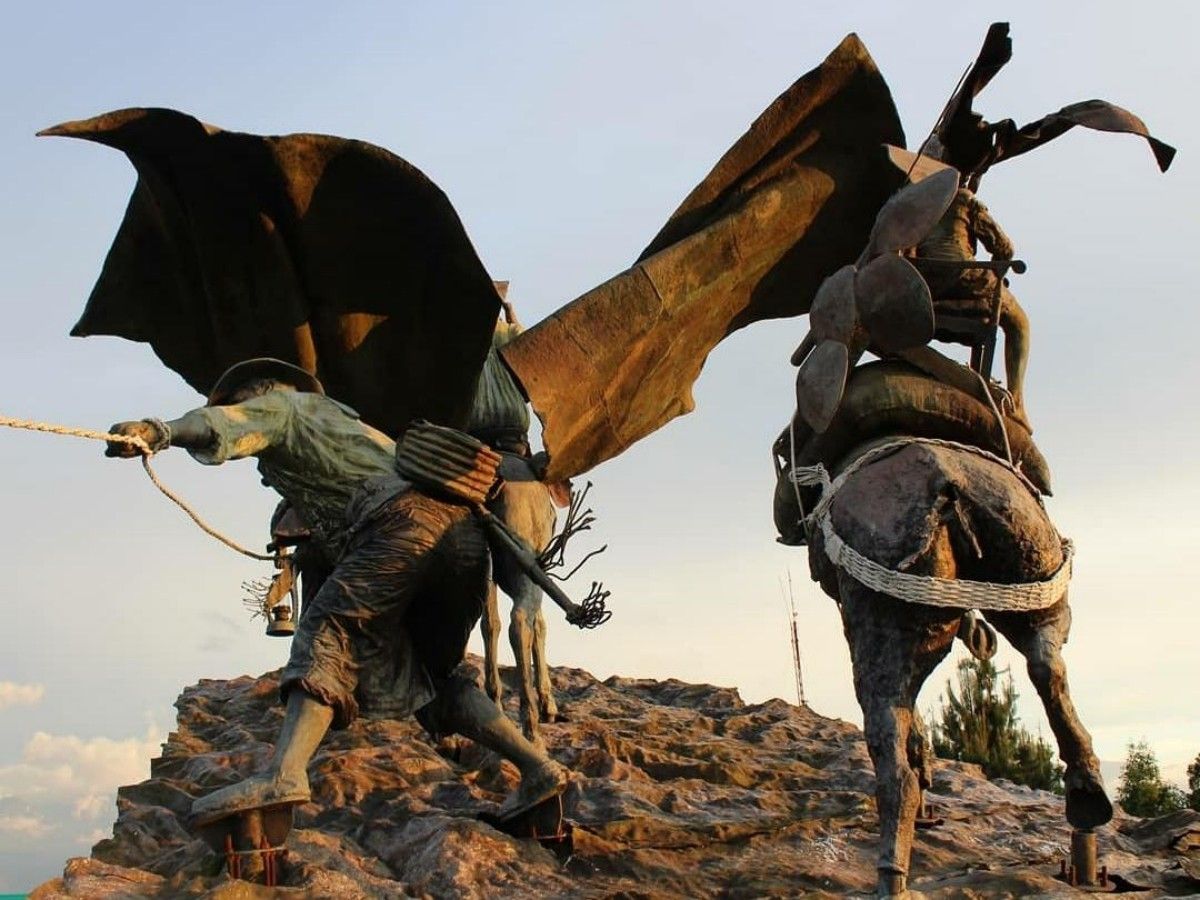
Behind the main sculpture is a 10-meter-long granite relief wall, which uses six pictures to tell the historical context from colonization to coffee prosperity. This wall can be called a three-dimensional history book:
Advertisement
The first picture "Expedition": shows the immigrant team crossing the steep Andes Mountains. A careful observation will reveal that the sculptor cleverly uses rock textures to express the ruggedness of the mountain road, and the perseverance in the characters' expressions is particularly moving.
The second picture "Settlement": depicts the scene of immigrants building their first hut. Note the woman making a fire in the lower left corner, which is a tribute to the key role of women in pioneering.
The third picture "Farming": shows early agricultural activities. Look for coffee plants that have begun to appear in the picture, which is a foreshadowing of the subsequent economic prosperity.
The fourth picture "Coffee Planting": The most exquisite picture, the scene of women picking coffee berries occupies the center. The relief especially depicts the details of the coffee berries, and even the ripe red berries can be seen clearly.
The fifth picture "Trade": shows the scene of the formation of the coffee economy. The mules in the caravan are particularly vivid, as they were once the main means of transporting coffee.
The sixth picture, "Prosperity", shows the rise of a modern city. Compared with the original scene in the first picture, it perfectly presents the development process.
In-depth highlights:
There is a short description (in Spanish) under each relief. It is recommended to use a mobile phone translation software to assist understanding.
Look for the artist's signature hidden in the picture (between the coffee leaves in the lower right corner of the fourth picture).
When the sun shines obliquely from 3 to 4 pm, the relief has the strongest three-dimensional sense, which is the best time to take pictures.
Time allocation: 10 minutes (it is recommended to appreciate it in order)
The Bosque Popular Park where the monument is located is worth seeing in itself, and the observation deck on the east side is not to be missed:
Panoramic view of the city: From here you can see the iconic red roofs of Manizales, with the majestic Sierra Nevada in the distance. On sunny days, you can even see snow-capped peaks.
Ecological observation: There are many local tree species planted around the platform, including the wax palm (Colombian national tree), which symbolizes the region. Various orchids can also be seen in spring.
Photography tips:
Shooting in the early morning can avoid backlighting and get the clearest city view
Try to use the relief wall as the foreground and the city as the background to create a sense of layering
Sunset is suitable for shooting silhouette effects
Hidden benefits: There is a path below the observation deck leading to a small botanical garden, which can be quickly browsed if you have enough time (additional 5 minutes).
Time allocation: 7 minutes (viewing + taking photos)
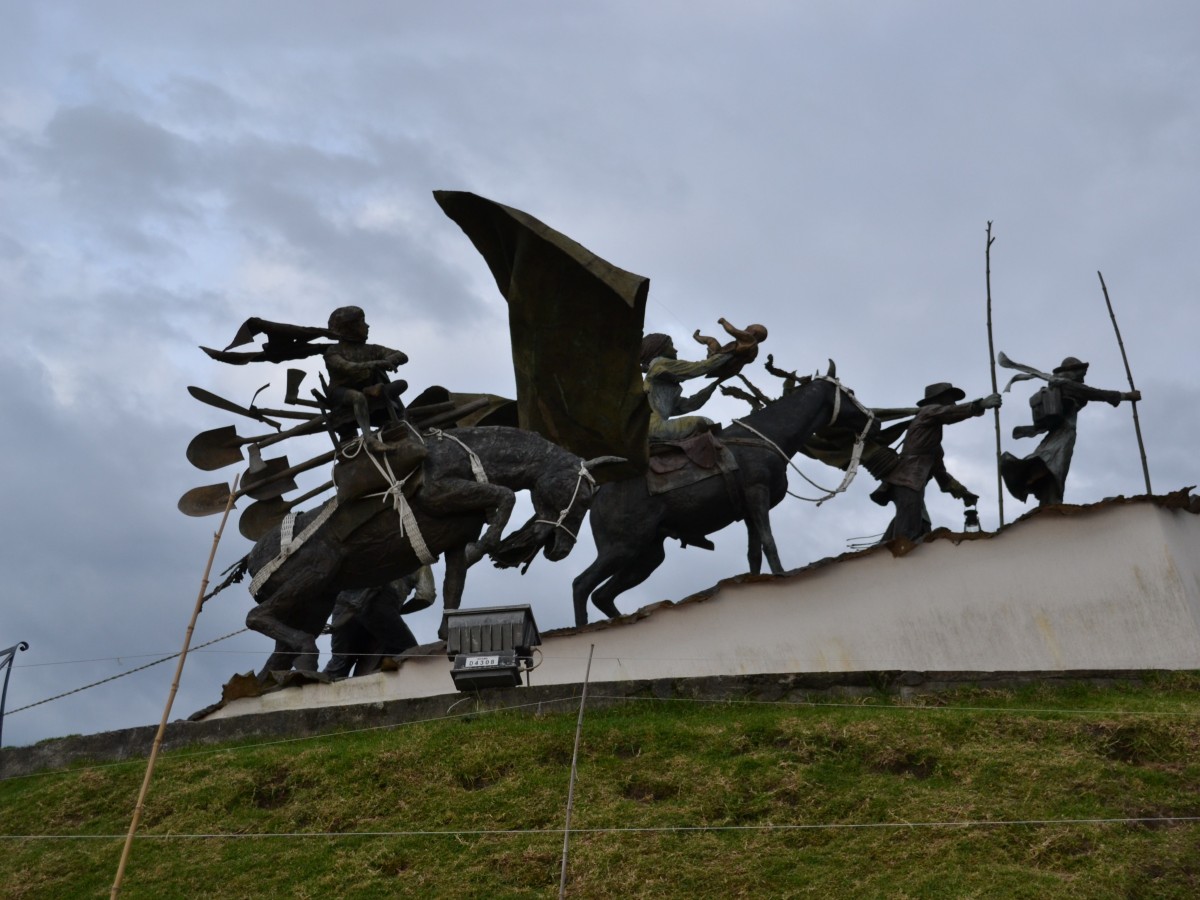
0-8 minutes: Go straight to the main sculpture from the entrance, focusing on the details of the central figure, the image of the woman, and the old man and the dog, and shoot from multiple angles.
8-18 minutes: Move to the relief wall and enjoy the six pictures in sequence, paying special attention to the coffee planting and trade scenes.
18-25 minutes: Go up to the observation deck, take a panoramic view of the city, and observe the surrounding vegetation.
25-28 minutes: Return to the sculpture to make up for any missed angles.
The last 2 minutes: Quickly browse the souvenir stalls.
Flexible suggestions:
If you are particularly interested in history, you can sacrifice some viewing time (reduced to 5 minutes) to read the relief description more carefully.
Photography enthusiasts can appropriately extend their stay at the main sculpture and the observation deck.
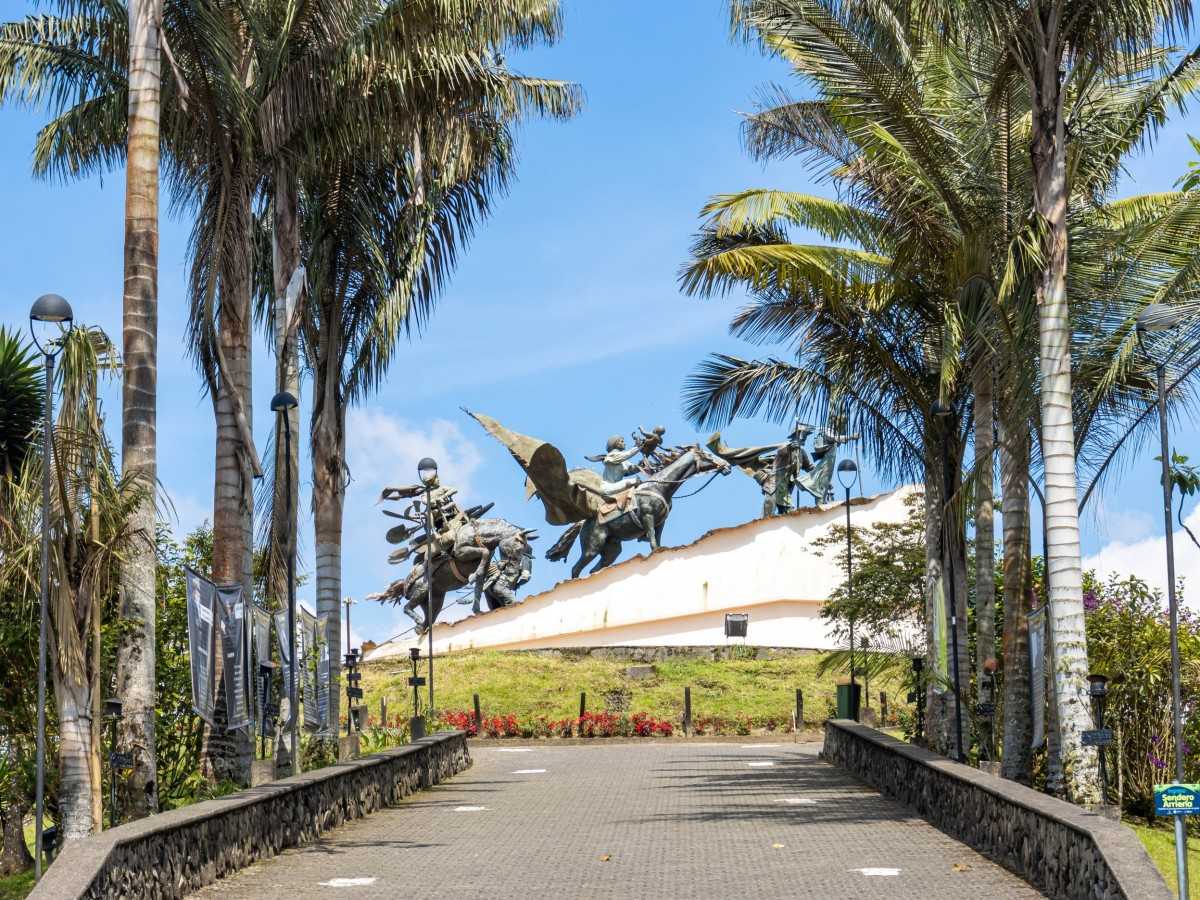
Transportation options: It is about a 15-minute walk from the city center, but there are several uphill sections. If you are short on time, it is recommended to take a taxi directly to the entrance for 6,000 COP.
Best time: 8:00-10:00 am on weekdays when there are the least people and the light is suitable for taking photos. There are often many local tourists on weekend afternoons.
Facility information: There are clean and free toilets in the park (to the right of the entrance), which are more convenient than the nearby cafes.
Dress recommendation: The weather in Manizales is changeable, so it is recommended to bring a light jacket even on sunny days. Comfortable walking shoes are a must.
The Monument to the Colonists is like a window through time and space, allowing us to glimpse the birth of Manizales and the entire Colombian coffee region. Through our 30-minute efficient route, you can not only capture the best parts of the monument, but also deeply understand the historical significance behind it. Remember, the value of this monument lies not only in its artistic expression, but also in the pioneering spirit it carries - just like the coffee culture, bitter with a lingering fragrance. If time is really tight, at least make sure to see: the central figure of the main sculpture, the coffee planting scene on the relief wall, and the panoramic view of the city from the observation deck. A final reminder: you might as well stop at a nearby cafe and order a cup of locally grown coffee to make this historical journey a perfect end.