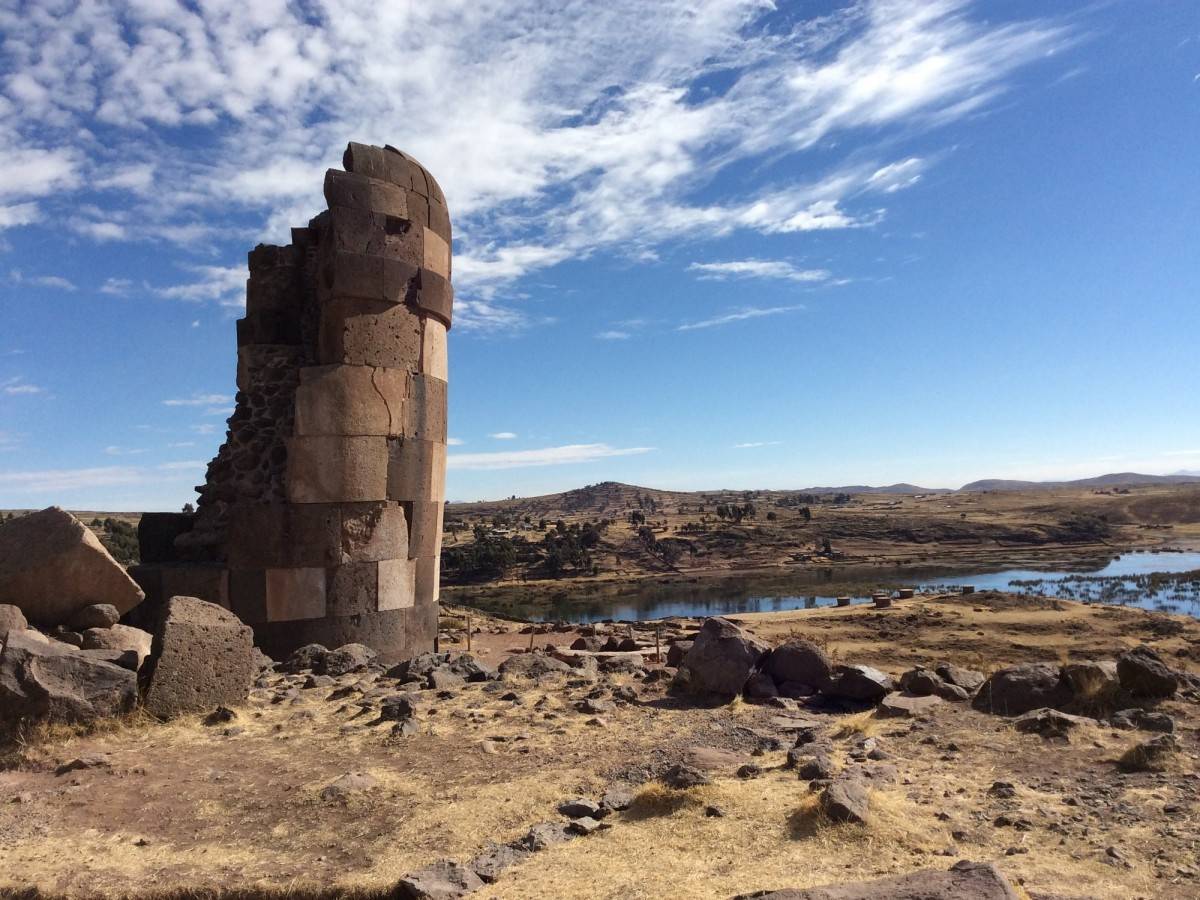
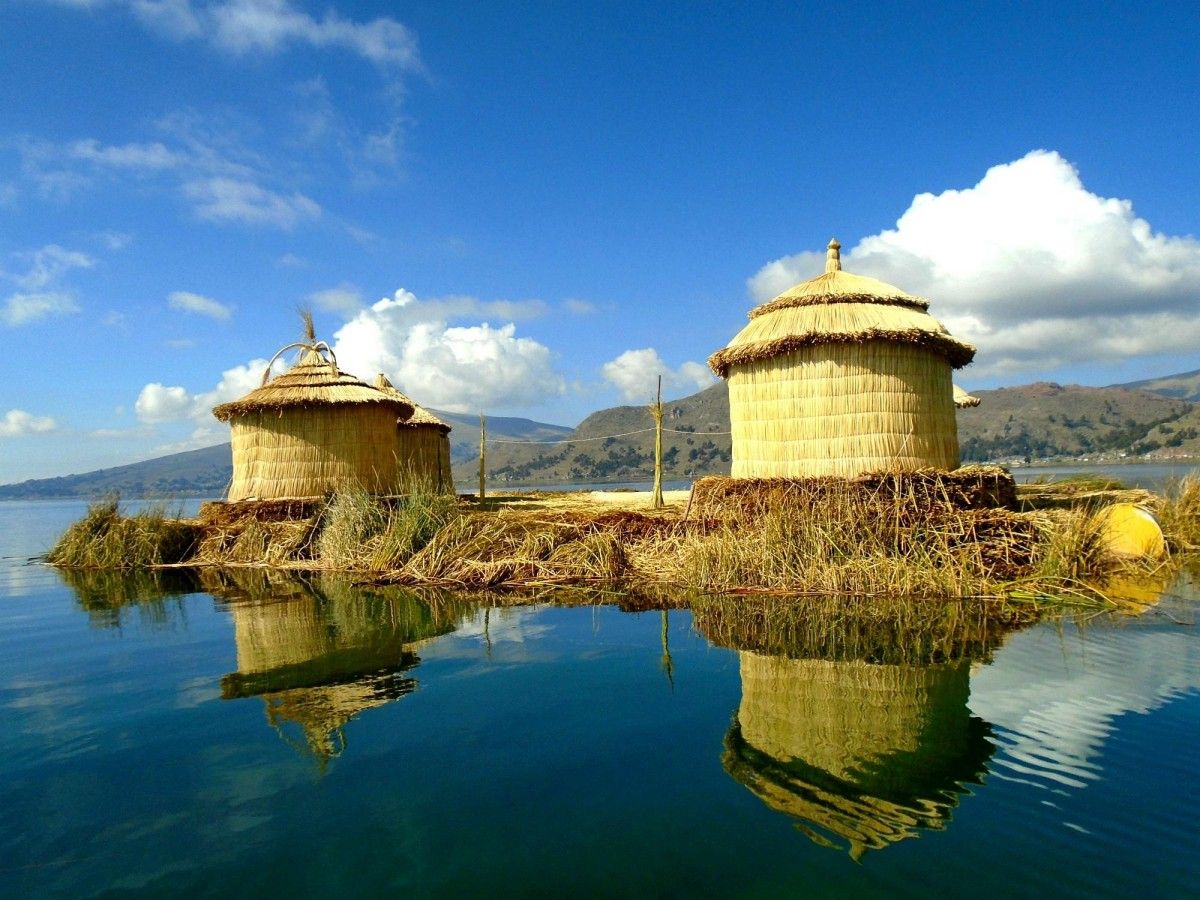
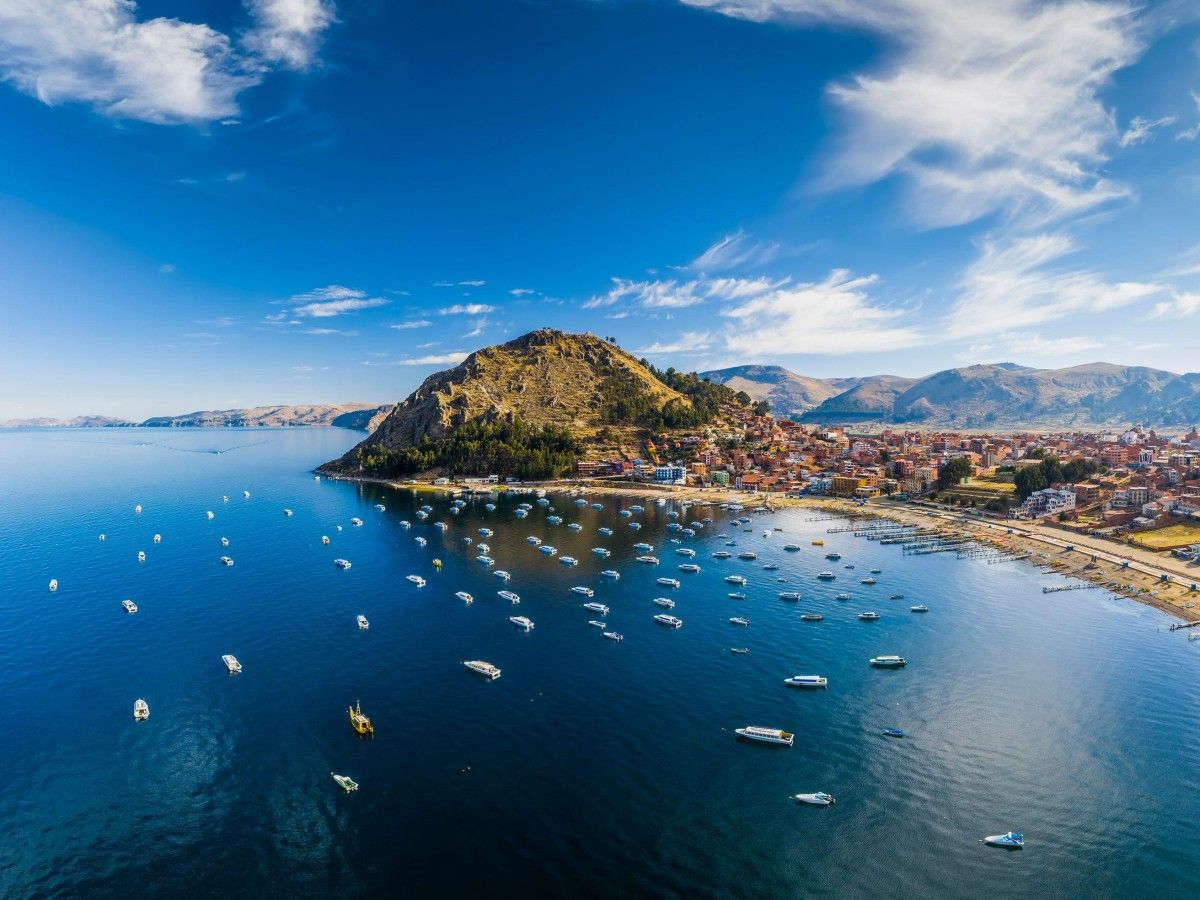
Standing on the edge of Lake Puno watching the sunrise, it feels like the whole person is gently wrapped in the end of the world. The surface of the lake is as quiet as a mirror in the early morning, with only the occasional gurgling sound of reed boats gliding across the water. It's not a place to “check out”, but a journey to be immersed in, conversed with, departed from, and returned to. If you're wondering how to get the most out of Lake Titicaca - don't worry, here are a few things you'll have to try to get the most out of your visit.
Advertisement
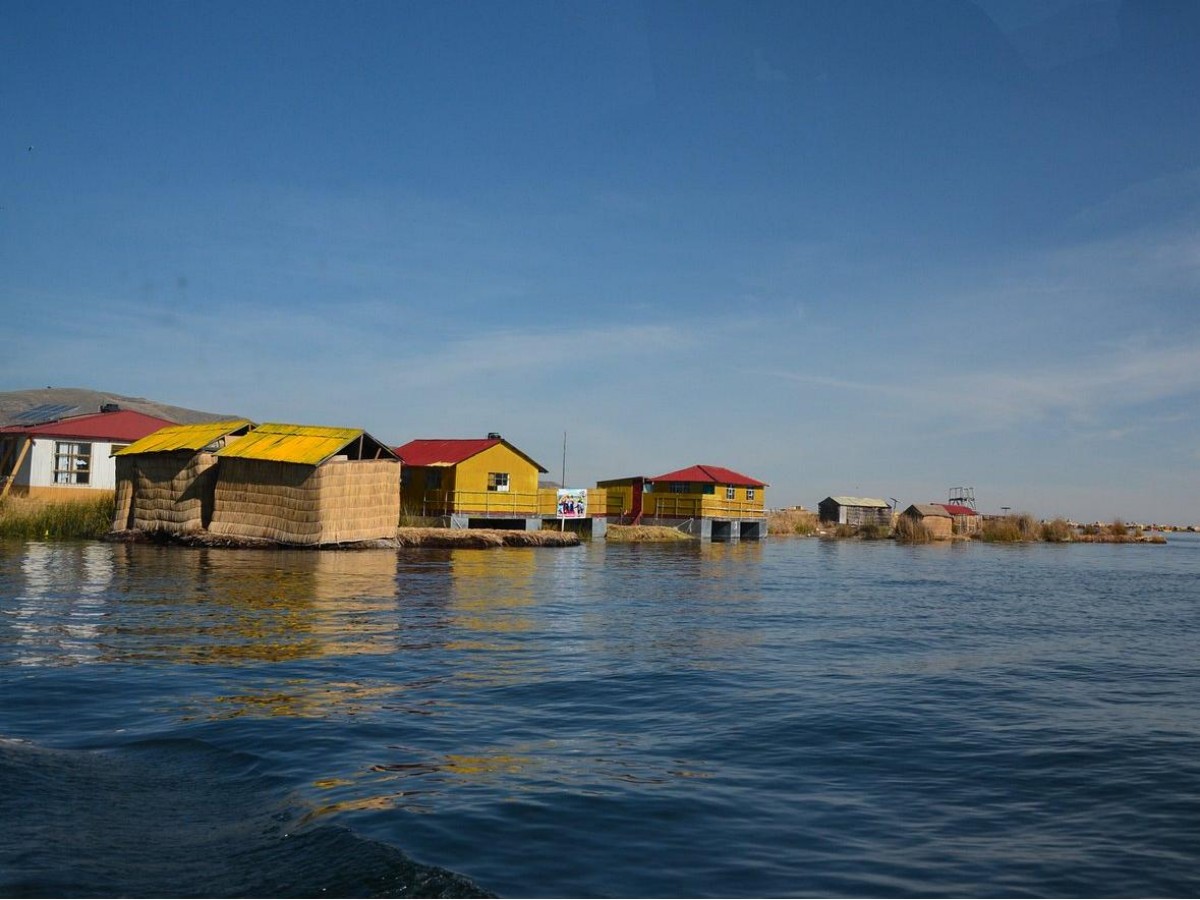
If you only take a boat ride around Lake Titicaca, you'll miss one of the most magical parts of the lake: the Islas Flotantes, which are not a gimmicky “bed and breakfast on the sea,” but a real part of human life that's rooted in the lake's surface.
Advertisement
Hundreds of years ago, the Uros fled conflict by making thick mats of reeds and building floating “homes” on the lake. Today's floating islands are reinforced with modern materials, but the way of life is still quite intact. You can either visit or - and I recommend this - stay overnight on the island.
What you'll experience:
A night's sleep on a reed bed, with the lake right outside your window;
Listening to the locals talk about how to mend the island by hand and how to cook;
You can even dress up in traditional costumes for photos, not “show” style, but the islanders really dress like this;
At night, you can see the Milky Way over the lake without the pollution of city lights.
Remember to choose local family-run accommodations (there are many on Airbnb), which are not only more authentic, but also directly support the local economy.
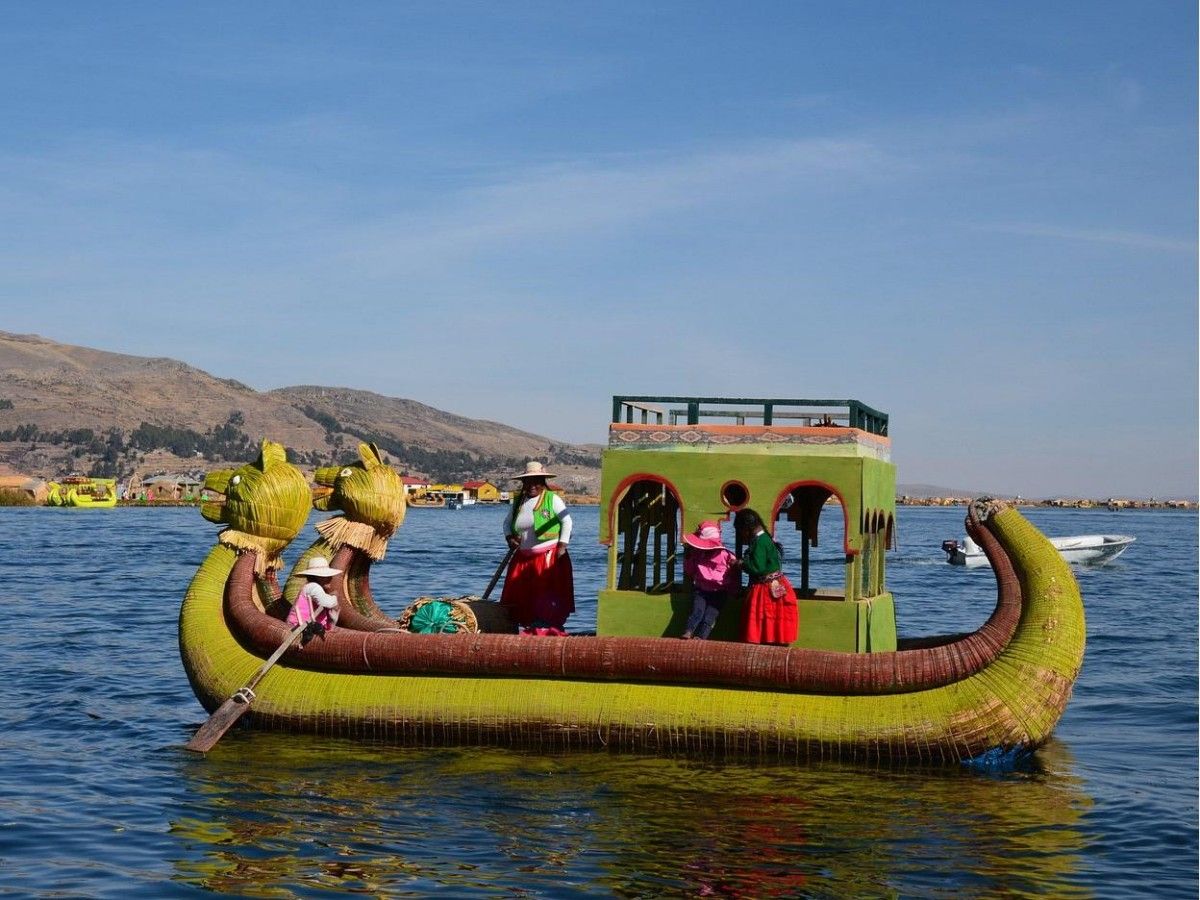
Think boating is a “process”? Rowing a handmade “Totora” reed boat on Lake Titicaca is a different experience - it's like entering a mobile ethnography.
Advertisement
In the Uros Islands or around Isla Taquile, you can rent a reed boat from a local who will teach you how to tie the bow and control the direction. The water is very calm, suitable for slow skating, and the only sound in your ears is the wind blowing the water plants. The most recommended time is early in the morning or late in the evening, when the light is soft and you can see the sun pulling out a golden line on the lake.
You will meet:
Duck herders sliding around from the island;
Children standing on the bow of a boat smiling and waving to you;
The smoke from the reeds suddenly rises from a corner, like a movie scene.
You can also see a lot of wild birds on the way of rowing, bring a telescope or telephoto lens, there will be unexpected surprises.
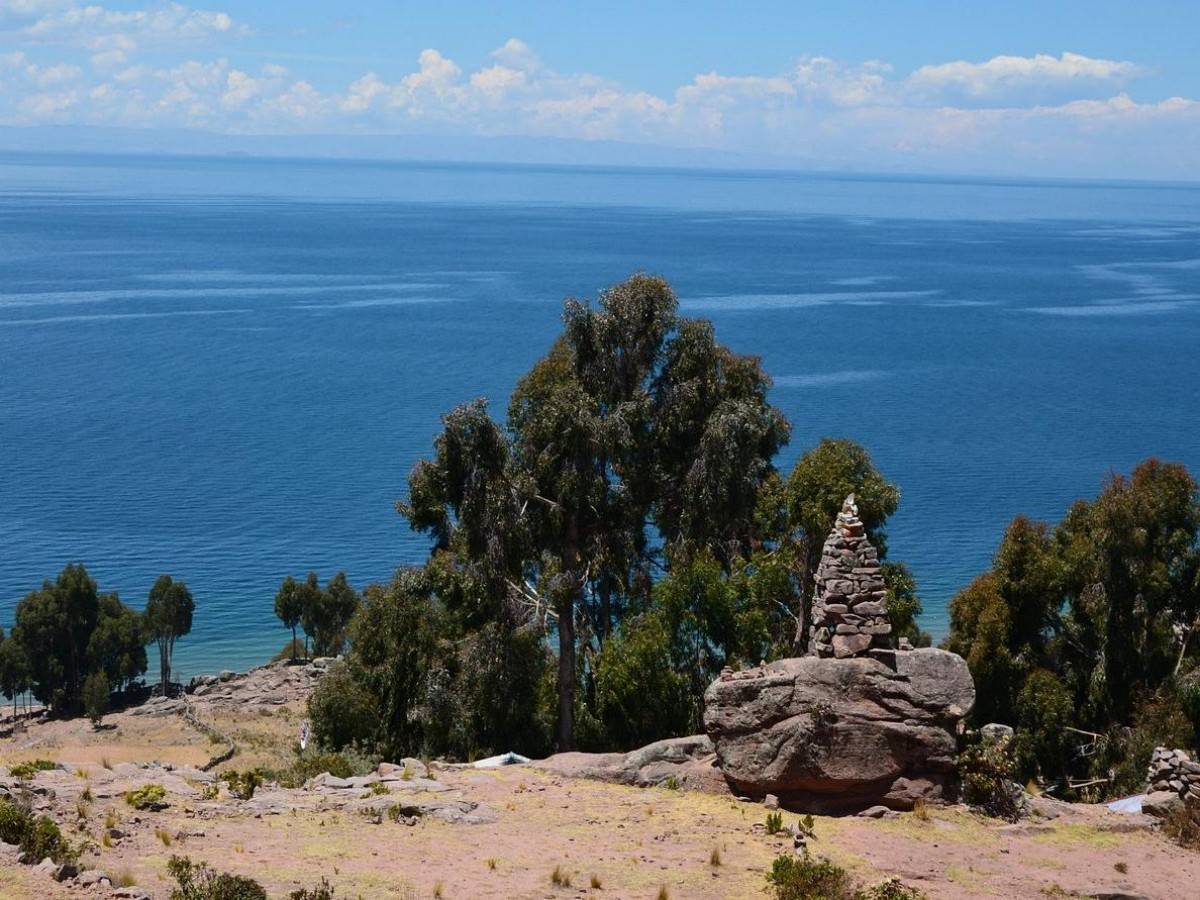
About two hours by boat from Puno is Isla Taquile, a UNESCO Intangible Cultural Heritage of Humanity, where men learn to weave from an early age, by hand and without machines.
Plastic is banned on the island, cars are almost invisible, and the pace of life is as slow as a stopped clock. Visitors can sign up for “cultural exchange” experiences, including:
Learn to knit a bracelet;
Seeing how they dye cloth (from plants and minerals);
Eating a traditional lake fish lunch (trucha, grilled to a crisp) in an islander's home.
If time permits, you can also stay overnight. The cool breeze blows in from the lake at night through the cracks in the stone houses, and the kind of quiet that is hard to find elsewhere.
Tip: The island is steep and not suitable for people with mobility problems. There are a lot of stone steps to walk up, so hiking shoes are recommended.
Birdwatching in the morning or stargazing in the evening.
In addition to humanities and culture, the natural beauty of Lake Titicaca is also worth dedicating half a day to. The following two are especially recommended:
1. Morning Bird Watching
We recommend the wetland areas around the lake outside Puno town, especially in the direction of Chucuito, where 5 or 6 a.m. is the best time. You may see:
Andean flamingos;
Black-necked swans;
Waterbuck and kingfishers among the reeds.
Remember to wear windbreakers and bring binoculars or a telephoto lens. Many local guides offer a charter + binoculars combo, so you can leave in the morning and be back for breakfast by 9am.
2. Evening Starry Sky
The nights in the highlands are cold, but the air is clear. If you live in the suburbs or near a lake, you can look at the stars directly from your yard or the lake shore. The Milky Way is as clear as a layer of white sugar, and sometimes there are shooting stars. Certain hotels also arrange nighttime stargazing activities with laser pointer explanations, suitable for traveling with children or couples.
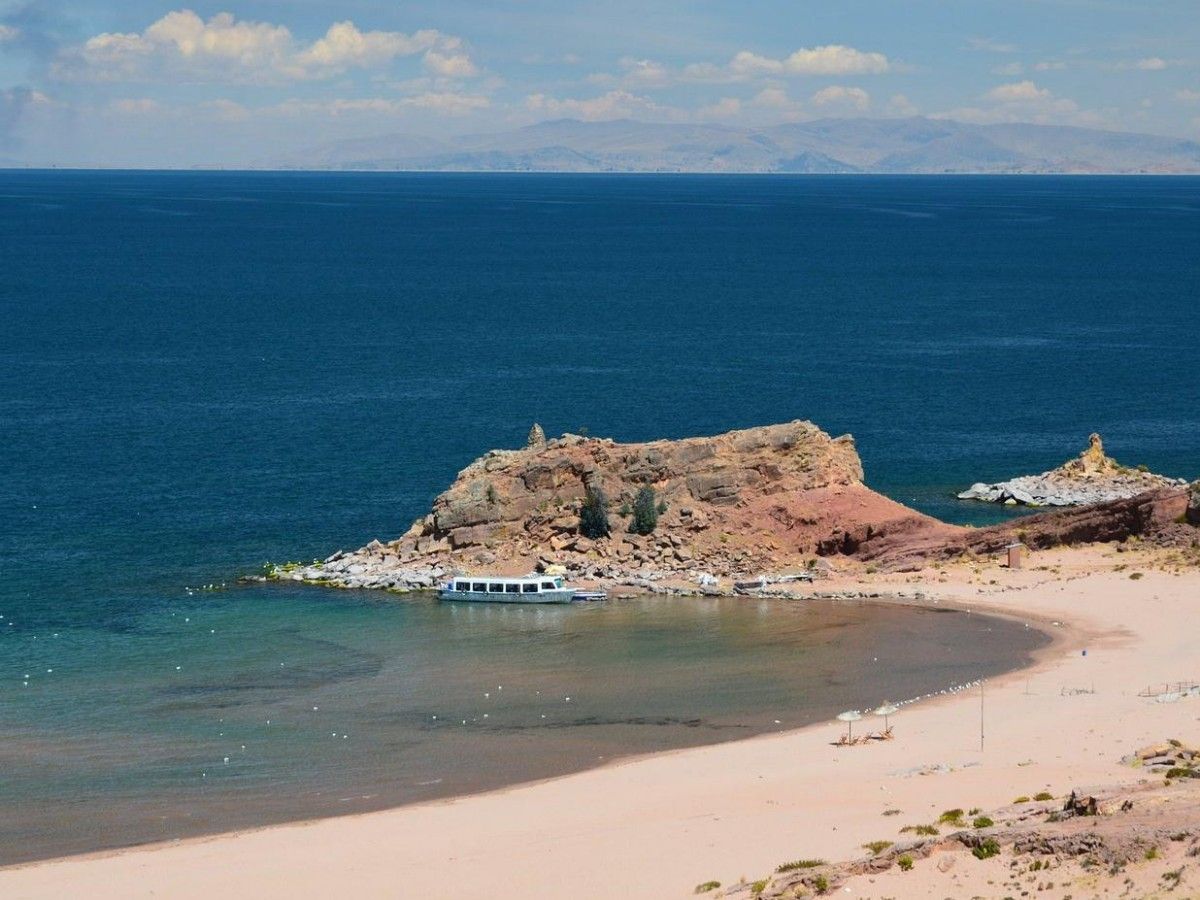
How to reach Puno: Most people come by long-distance bus from Cusco or Arequipa (6-10 hours), or you can reach Puno by car from Juliaca Juliaca airport in about 1.5 hours.
Best Season: May through October is the dry season, when the weather is sunny and the lake is calm for all outdoor activities. The rainy season (November-March) is less visited but the lake rises and the floating islands are more vibrant.
Recommended length of stay: It is recommended to schedule at least 2 nights (including 1 night on the floating islands) in order to have the main experience without rushing around.
Dressing suggestions: cold in the morning and evening, hot at noon, windy on the plateau, please make sure to bring sunscreen, hats, thick jackets and non-slip shoes.
High reaction to: altitude of 3800 meters above sea level, it is recommended that the first day to slow down the pace, drink more water, do not immediately strenuous activities. If necessary, you can prepare coca tea or plateau drugs (such as Soroche pills).
Lake Titicaca is not the kind of place that wows you at first glance, but it will impress you with details. That's the night you watch the Milky Way from a bed of reeds, the afternoon you knit a bracelet on an island, the morning you glide across the tranquil lake in a reed boat. It's a place of still waters and cultural heritage, but also grounded and real everyday life. If you're willing to slow down, it's a gentle way to fall in love. So, on your next trip to South America, put Puno and Lake Titicaca on your wish list, and - don't just “visit here” - come live seriously for a day.