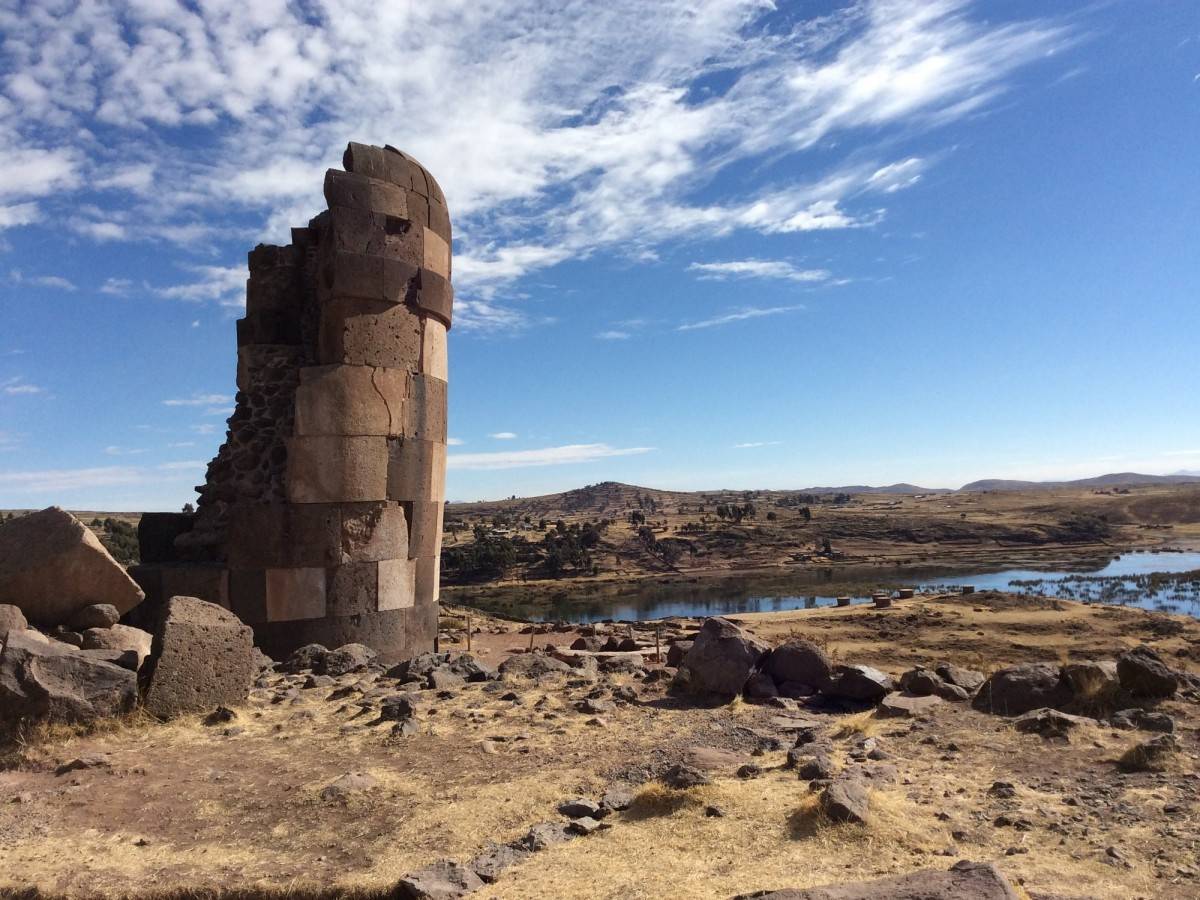
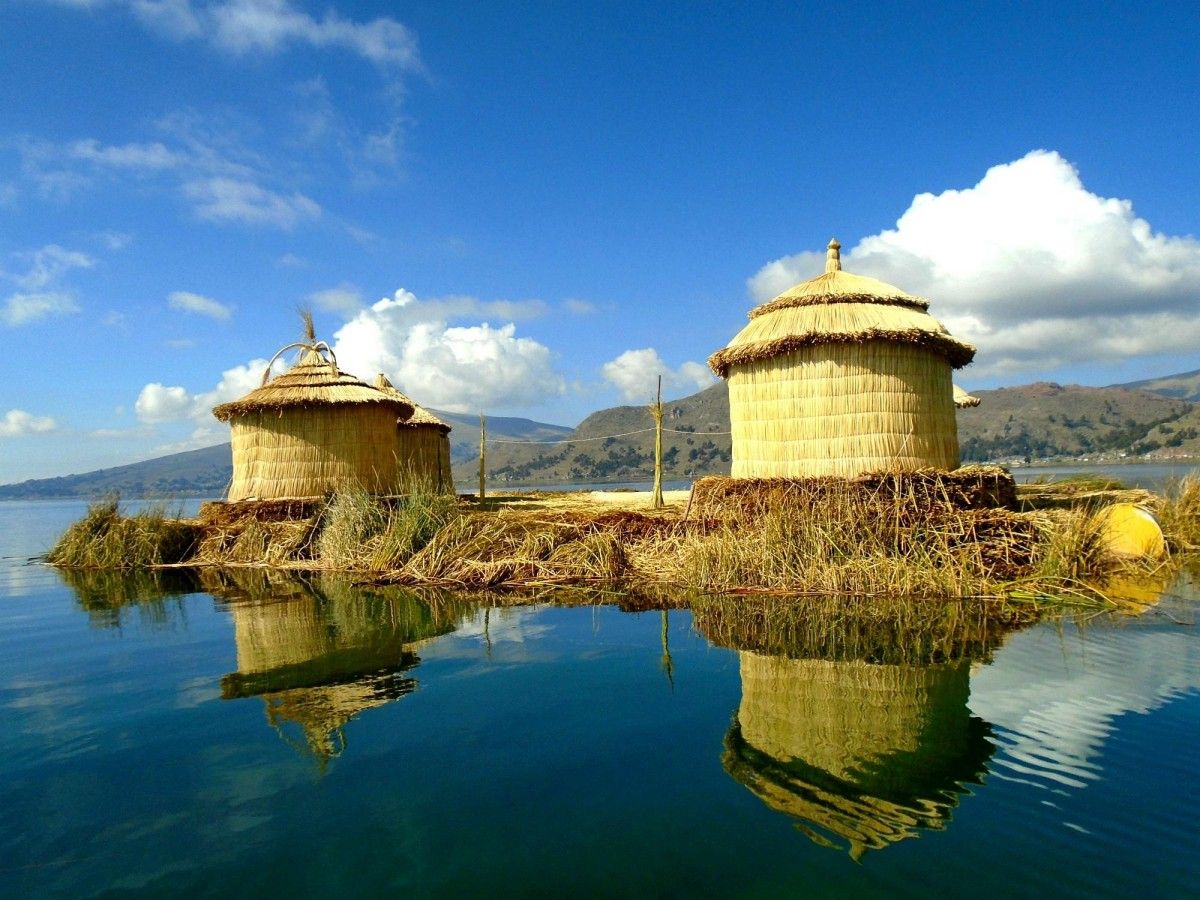
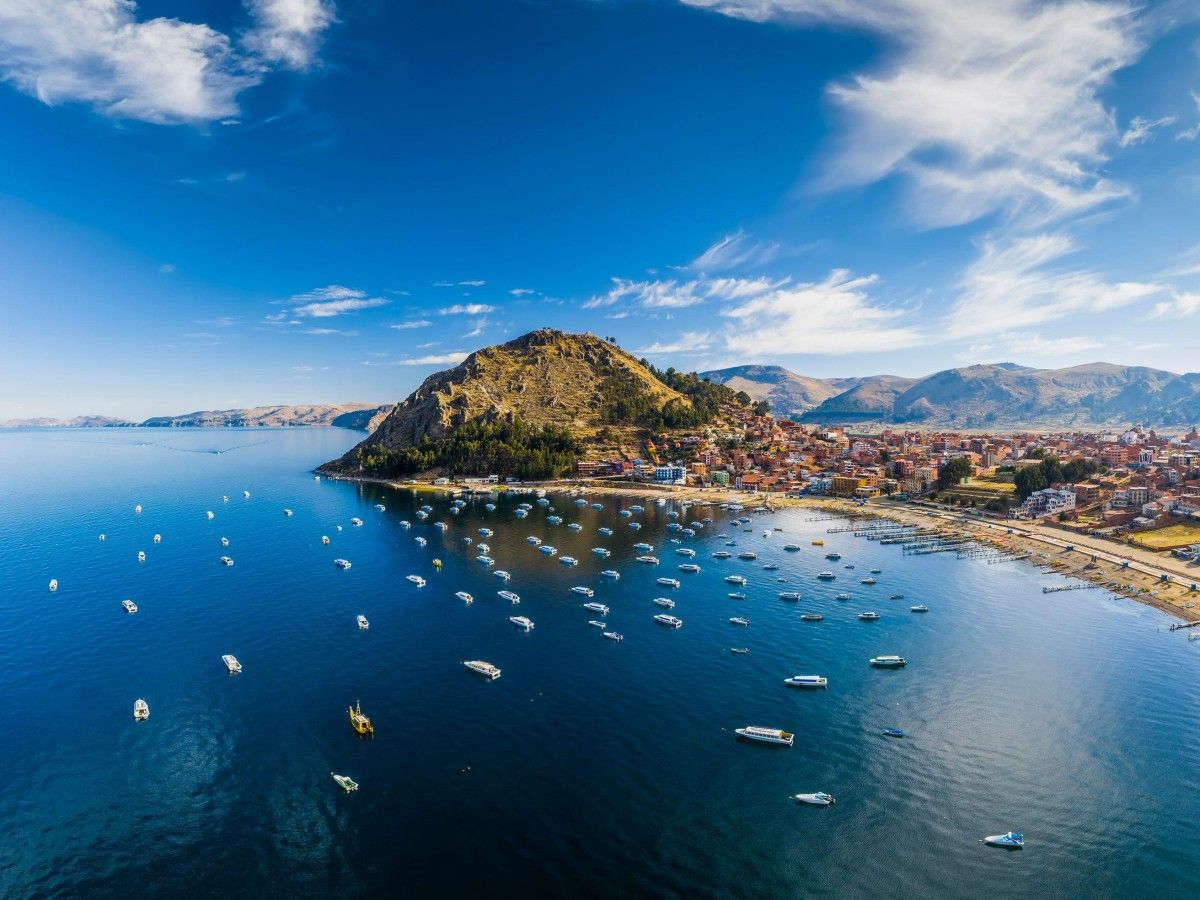
The moment I stepped on the Uros Floating Islands, I was a bit skeptical - this is not a stage, nor is it an attraction, but a “floating village”. The bottom of the foot is thick reeds, soft but stable, the lake breeze, surrounded by endless blue sky and lake, feel the whole world has been softened. It's not the kind of place that looks “wow” at first glance, but if you're willing to stay for a while, you'll realize that the details, the people and the life here are a hundred times more beautiful than in photos.
Advertisement
The most special thing about the Ulu Floating Island is that it is “alive” - it literally floats on the lake. The island is made of layers of Totora reeds, which have to be replenished every 15 days, otherwise the reeds will rot and the island will sink. So it's not a once-and-for-all project, it's maintained day in and day out.
Advertisement
On the floating island, you can see:
Women squatting on the ground to tie one reed at a time to cushion the bottom;
Children using reeds as toys, biting and laughing;
Elderly people talking about their “mobile history” - they hid on the lake to escape the war, not realizing that they had floated out into the world.
This kind of life is not displayed for tourists, it is their daily life. The Ulu people don't “show” life, they invite you to come and see them as they really are.
Tip: Choose to visit one of the less crowded, family-run floating islands (contact a local guide in advance) for a quieter, more authentic experience.
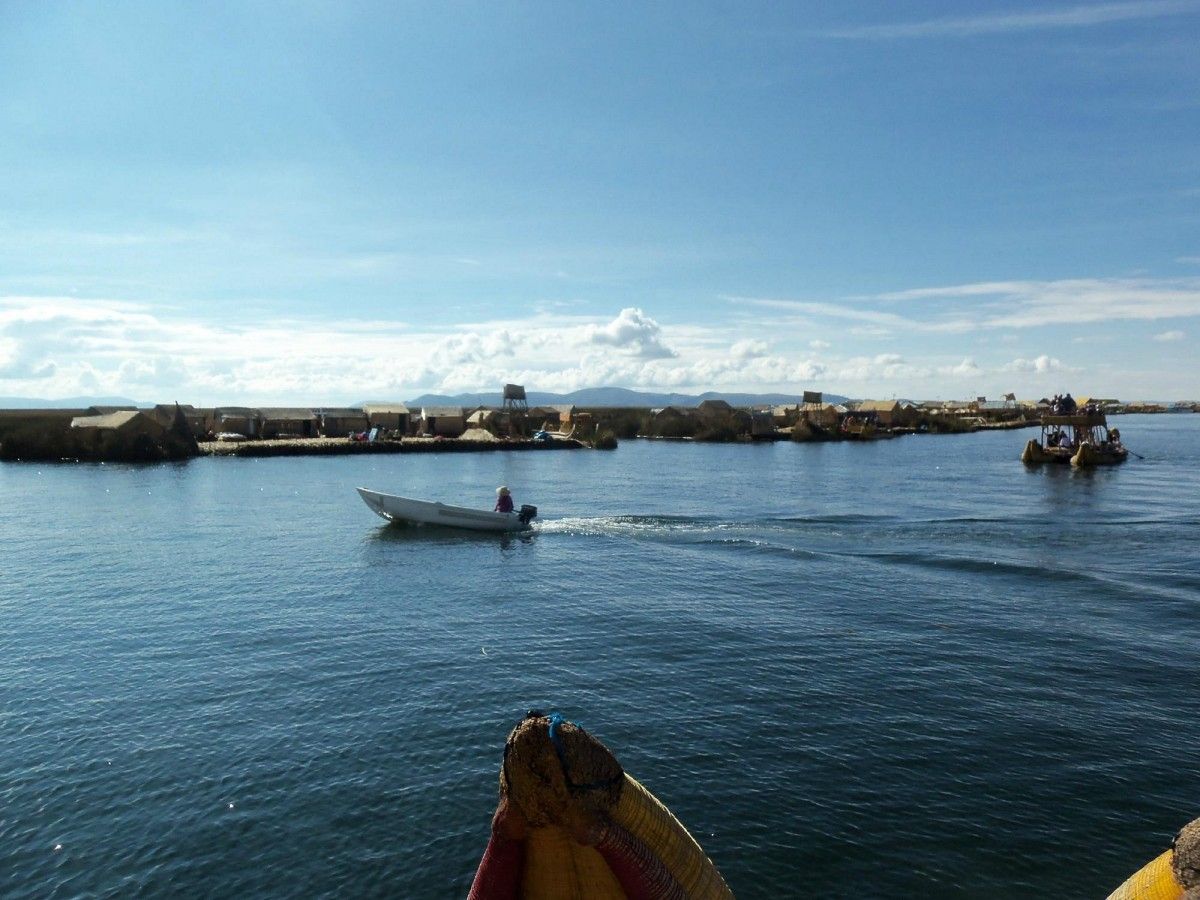
Not every floating island is the same. Some specialize in handicrafts, some in lifestyle, and some in ecological restoration. Here are a few “details” that we suggest you focus on:
Advertisement
1. Small schools and solar panels
Some of the floating islands have their own small schools, where you can see children writing in their alphabet books in small sheds, with homemade alphabet charts on the walls. The roofs are fitted with solar panels, a combination of government aid and self-build, so you can light a lamp and read at night.
2. Reed boat workshops
Some families demonstrate how to make a “totora boat”, which is not a common craft, but a skill that has been passed down. You will see how they choose the reeds, how they tie up the skeleton of the structure, and even let you try to stick a few reeds into it to experience “boat building”.
3. Floating Kitchen
Some islands will invite you to see their “kitchen” - a stone cooking stove with wet mud underneath to prevent fire from burning the reeds. With such a simple system, they can make fragrant lake fish soup and reed cakes.
4. Reed craft stalls
Don't underestimate the stalls with colorful dolls and necklaces, many of which are hand-woven by islanders. If you listen to the stories they tell you while you buy them - for example, that a certain pattern is “the home of our ancestors on the water” - you'll feel like you're not buying a souvenir, but rather a piece of memory.
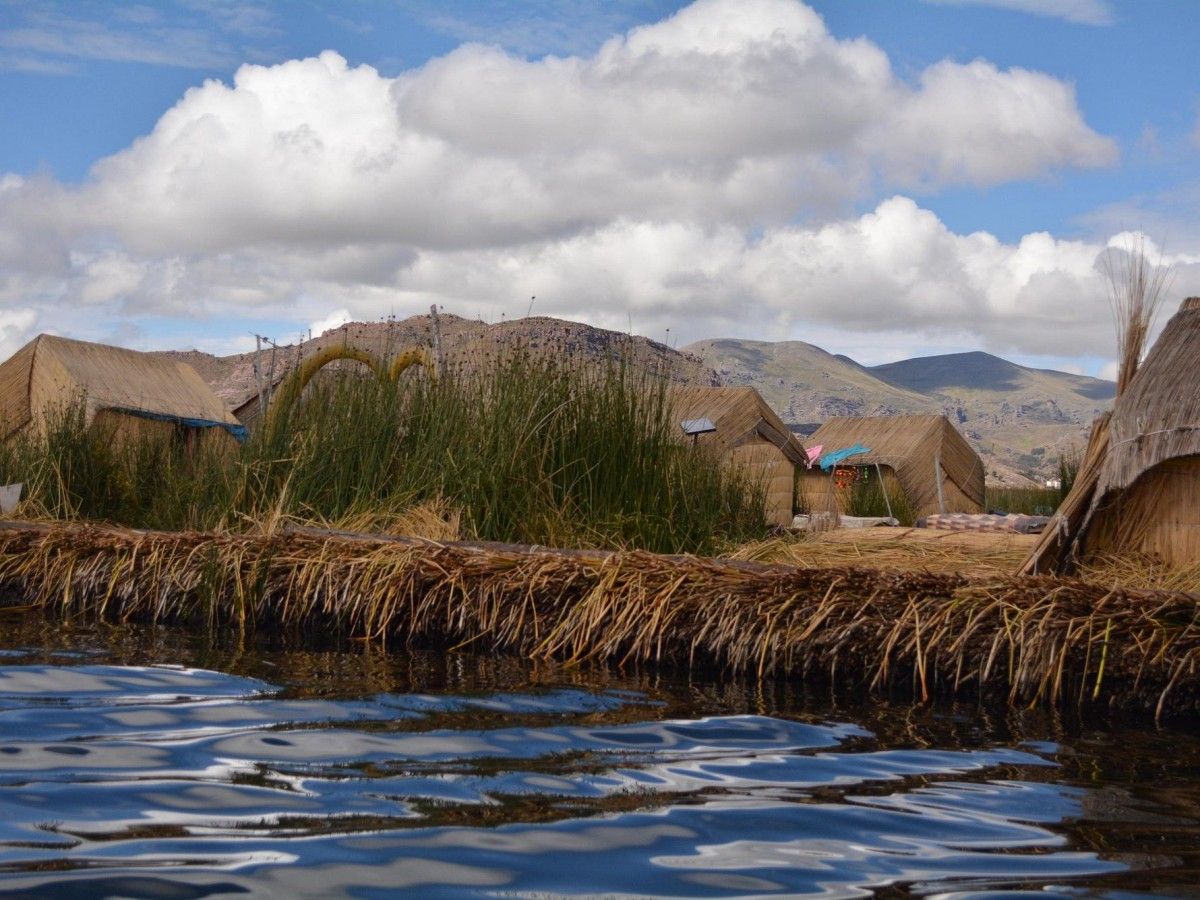
If you only come here to take pictures, then Uluwatu Island is just an attraction; but if you stay for a night, have a chat, row a boat - you will find that this is actually a complete society living on the water.
Recommended way to experience it:
Stay one night: choose a homestay on a floating island where the beds are platforms made of wood and reeds, and overnight you'll hear underwater grunts and in the morning there's sunlight streaming in through the thin windows - a very unique sleeping experience. You can also cook dinner with the host family.
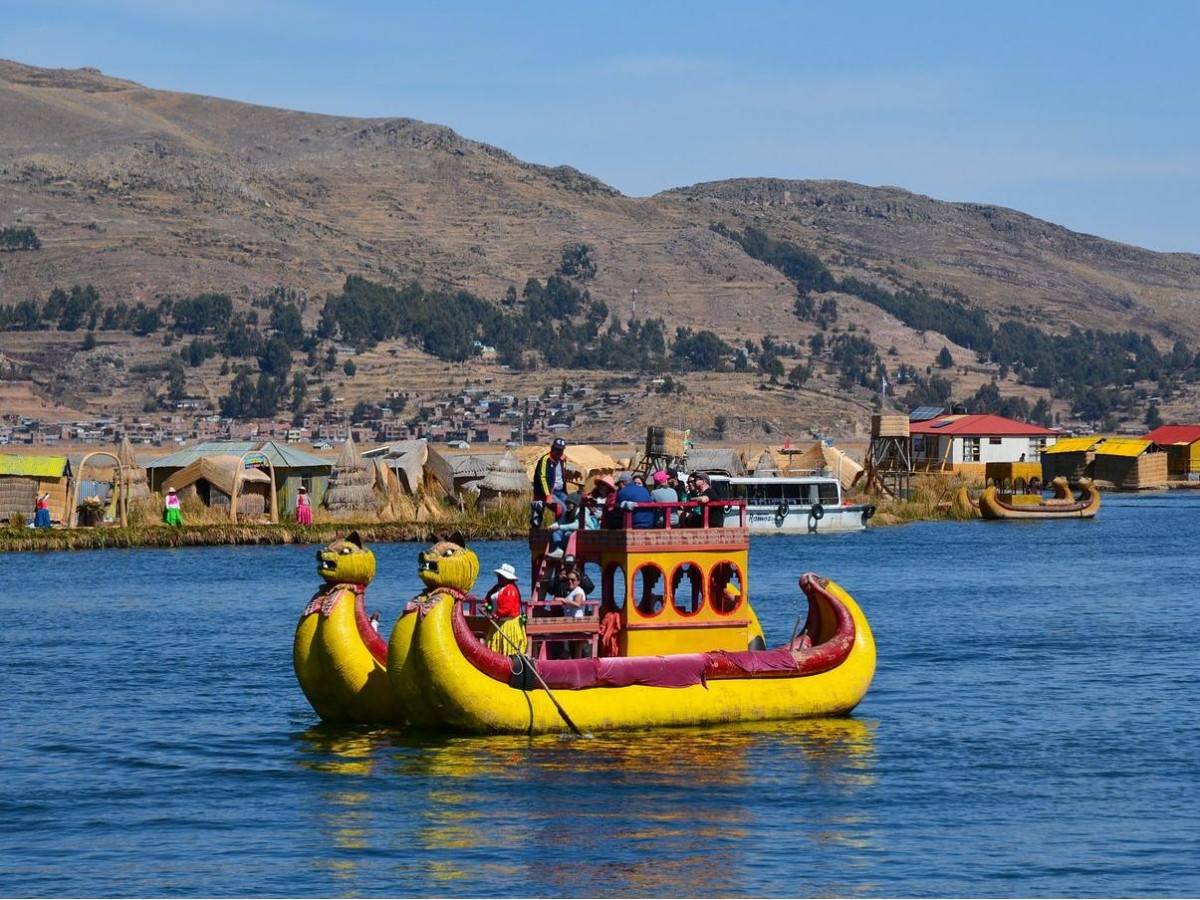
Row a reed boat once: a guided tour around the island in their traditional type of boat. The water is calm and the boat propels slowly, like floating in a dream. It's especially good for taking photos and videos, or just sitting around doing nothing.
Chat & Do: Don't be shy to ask questions, most Ulu people are willing to talk about their culture, history, and relationship with the lake. Sometimes you can even join them in their handicrafts, try your hand at weaving a small basket, and experience the daily “life at your fingertips”.
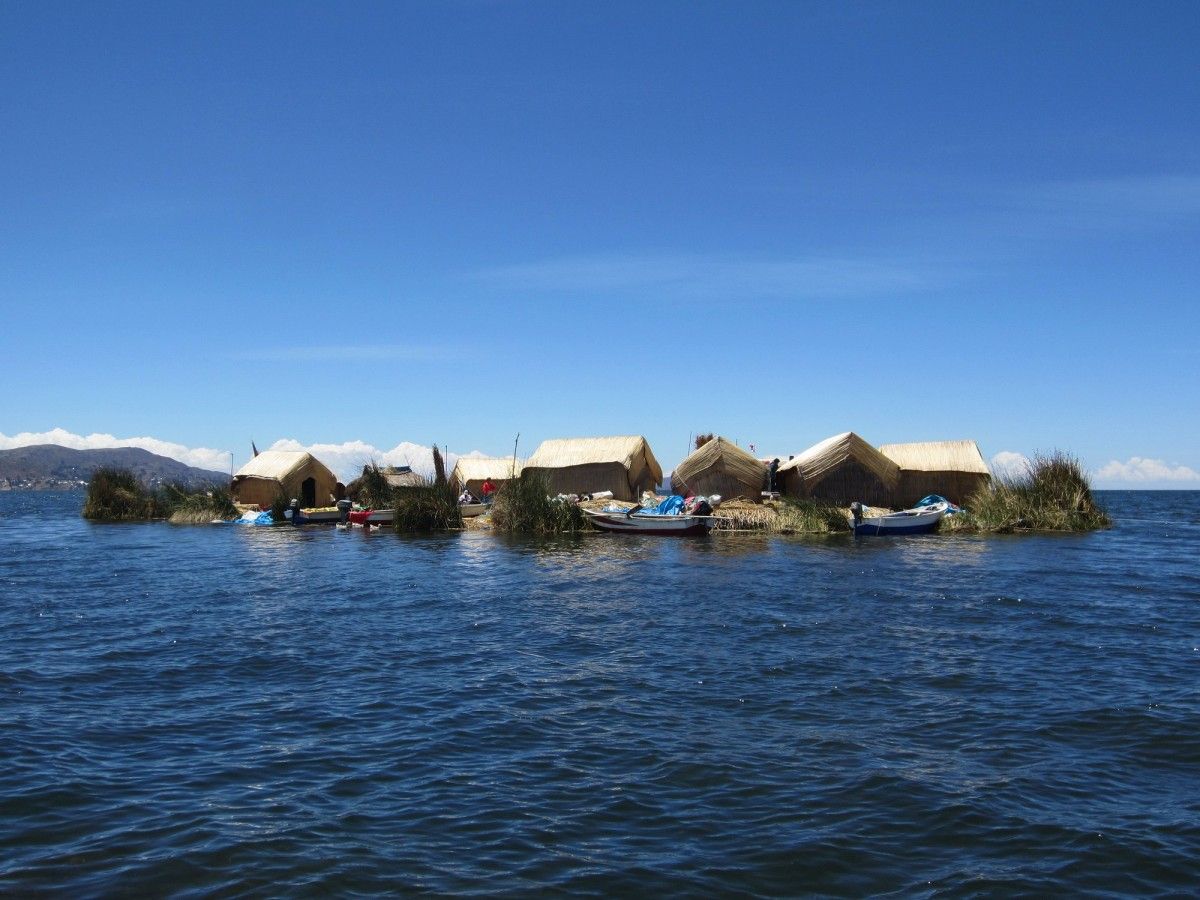
How to get there:
A boat ride from Puerto de Puno takes about 30 minutes. Choose between a group boat (cheaper but slightly rushed) or a charter boat (more freedom). We recommend leaving in the morning for less crowds and better light.
How long to stay:
Ideally, arrange for one and a half to two days, including at least one night's accommodation and half a day of free time. If you are only visiting and not staying, it is also recommended to set aside half a day to take your time and experience.
Best Season:
May-October is the dry season, with clear skies and a stable lake, suitable for photography and overnight stays; November-March is the rainy season, when the floating islands are slippery, so it is recommended to bring waterproof shoes and thick socks.
Internet & Electricity:
Some islands have solar power, but the internet signal is weak. It is recommended to download offline maps/translation tools in advance. Power bank must be brought!
Packing List Suggestions:
Thick clothes (big temperature difference between morning and evening on the lake)
Sunscreen (strong UV rays)
Rain poncho/lightweight raincoat
Small gifts or learning local vocabulary (to make it more interactive)
You will realize that this is not a “museum” or “folklore exhibition”, but a real community floating on Lake Titicaca - they eat, they weave, they make fires, they raise their children, and they are no different from any village on land. They eat, weave, make fire, raise children, and are no different from any village on land, except that they choose to live on the water. The floating islands don't have the “high speed development” that we think of, but they have a rare sense of balance: preserving traditions and adapting to reality. Not perfect, but real. So if you ask me: what is the best thing to see on a floating island? It's not the reed houses or the solar panels, but the Uru people themselves, who sustain their lives with their hands on the lake. Their smiles, their stories, are the most memorable part of your visit.