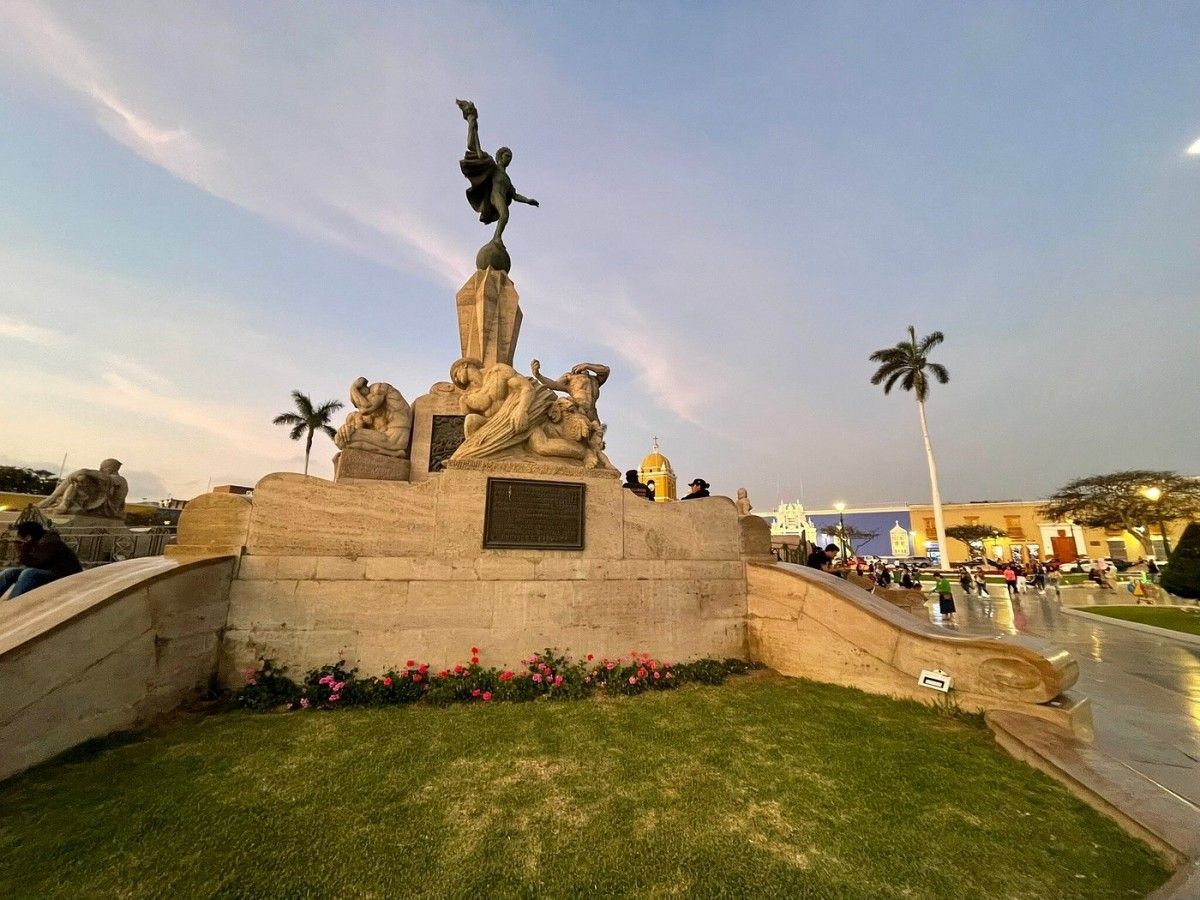
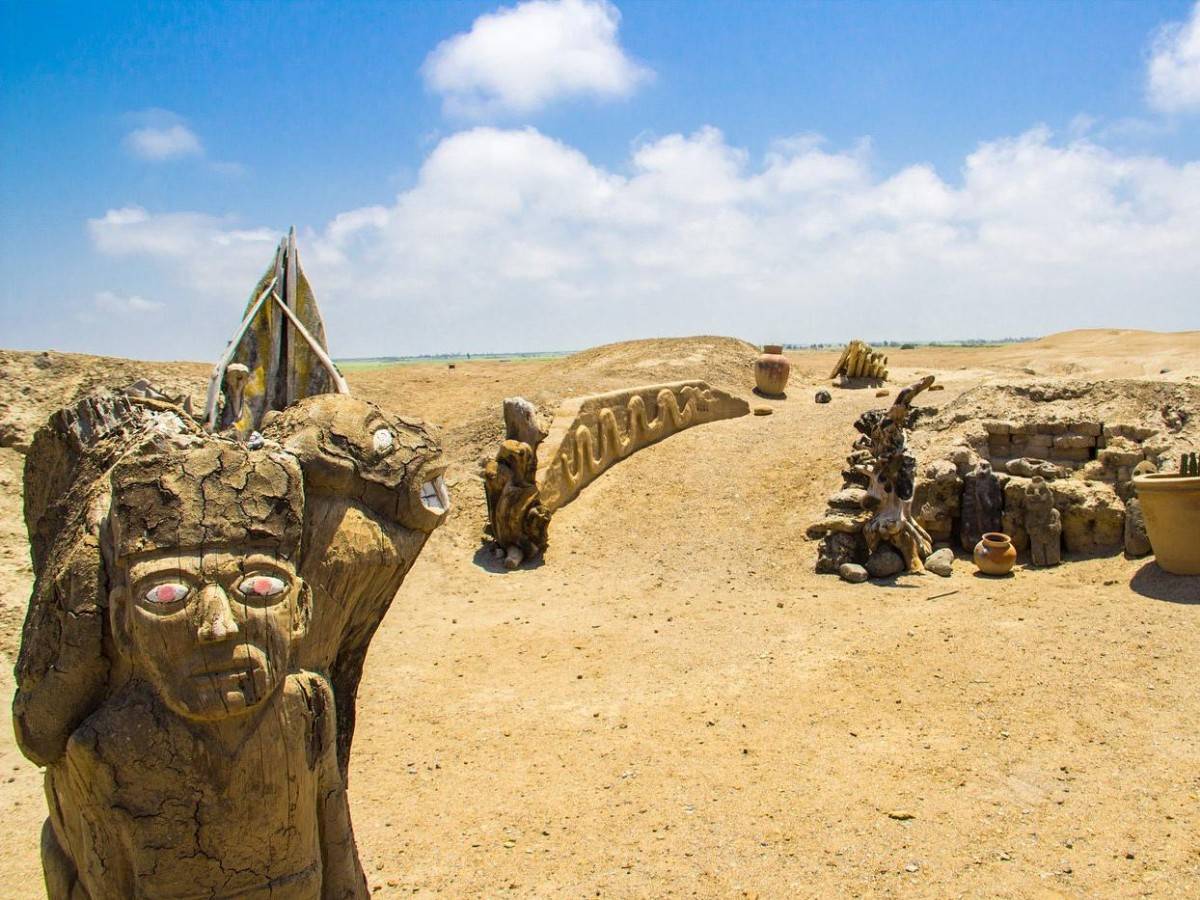
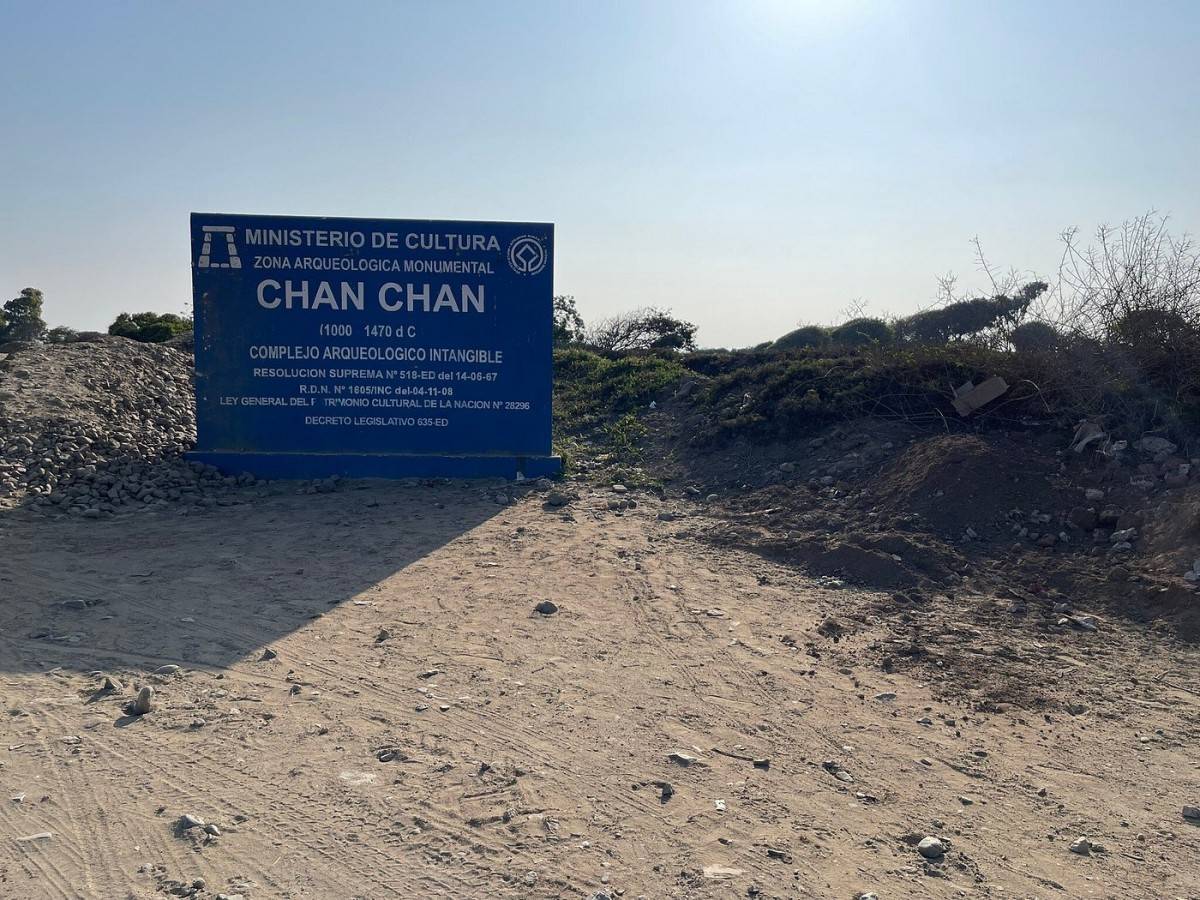
Standing in front of the Chan Chan Archaeological Zone in Trujillo, it's as if a doorway through time and space opens instantly. This city in the desert is a splendid witness of the Chimu civilization of the past. You can feel its magnificence, delicacy and thousands of years of historical precipitation. The ruins of the city of Chanchaan are different from other ruins of the Inca period, full of the luxurious feeling of an ancient kingdom and the mysterious atmosphere in the desert, which makes it impossible not to be captivated. As the largest sandy urban site in the world, Chanchaan City is listed as a UNESCO World Heritage Site. If you're planning to visit this historically rich land, here are three must-see highlights that you can't miss. Get ready to follow me as I explore the secrets of this ancient city!
Advertisement
The impressive layout of the city of Chanchaan, the capital of the Chimu Empire and at one time one of the largest and most complex cities in the world. The first thing that strikes you when you walk into the ruins are the towering walls, which are uniquely shaped from piles of mud and straw. You may wonder how these walls, which look like mounds of earth, have survived to this day. This is a reflection of the wisdom of the Chimu people. Although the materials were not precious, they made these walls stand in the desert today, some 800 years later, through their unique building techniques.
Advertisement
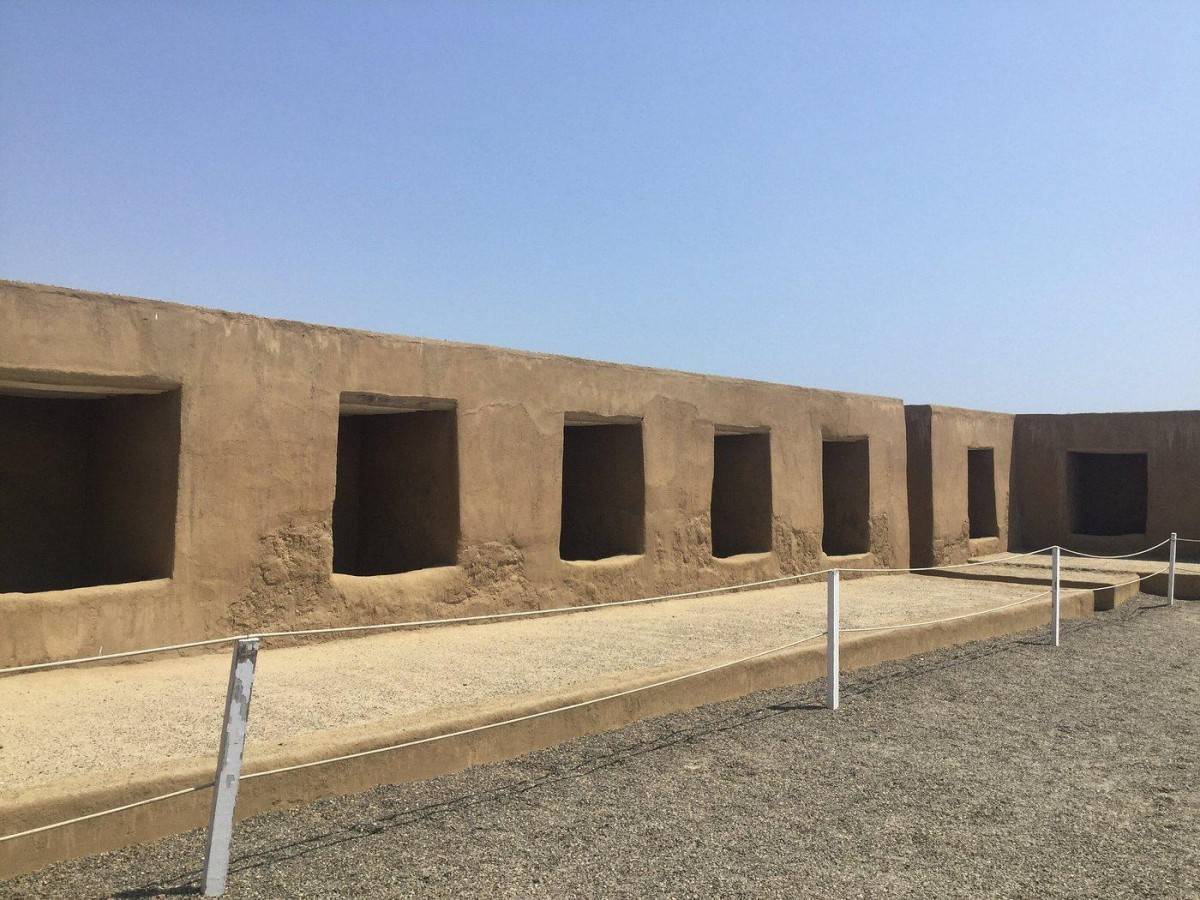
Upon entering the walls, you will see a succession of interconnected palaces and courtyards. Different areas had different functions, from rulers' residences to places of religious ceremonies, each site tells the story of an ancient civilization. What struck me most were the dual symbols of religion and politics: the central square was carefully planned and surrounded by spaces of life and culture, everywhere reflecting the structure of Chimu society and their worldview.
There is no need to rush your way through this place, and it is advisable to follow a guide or take a self-guided tour, exploring each detail step by step to understand how the Chimu civilization expanded from this desert city to the wider region.
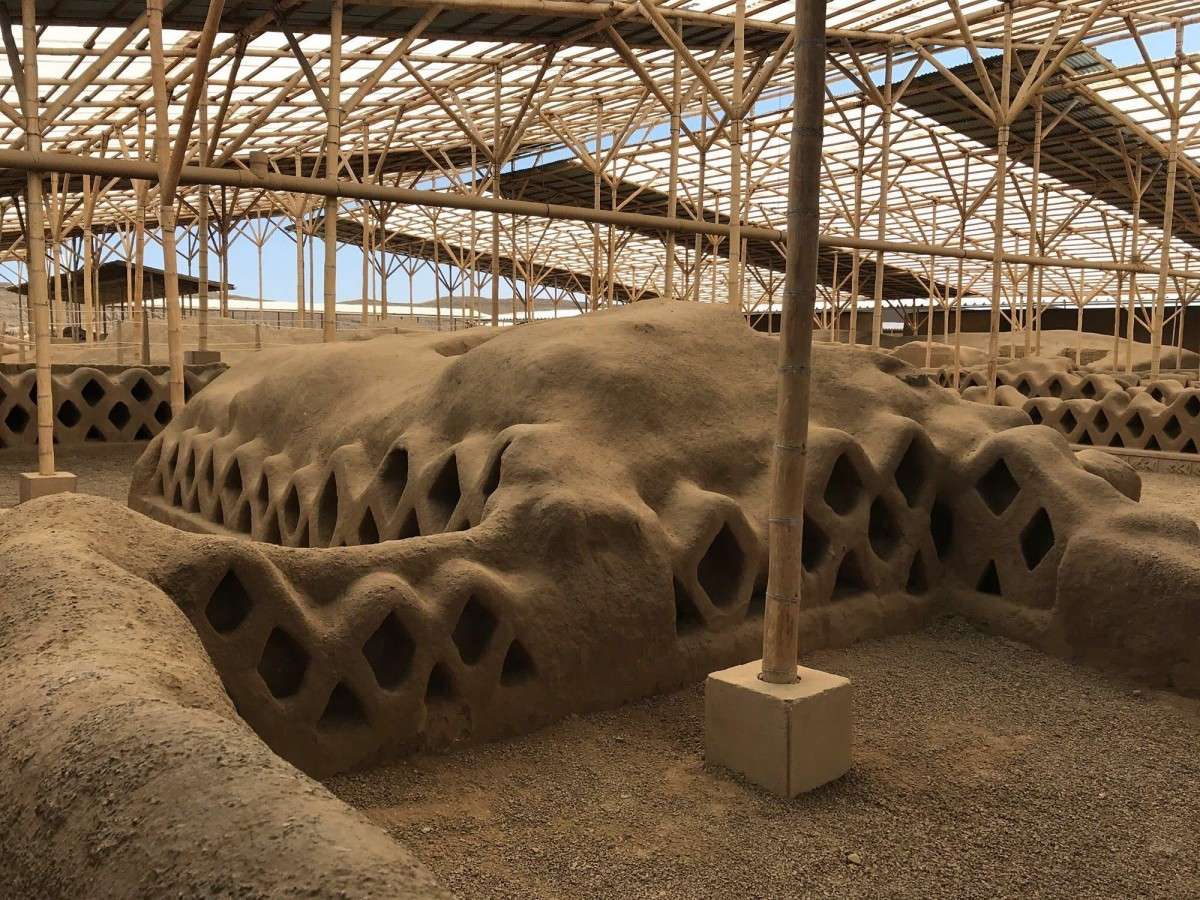
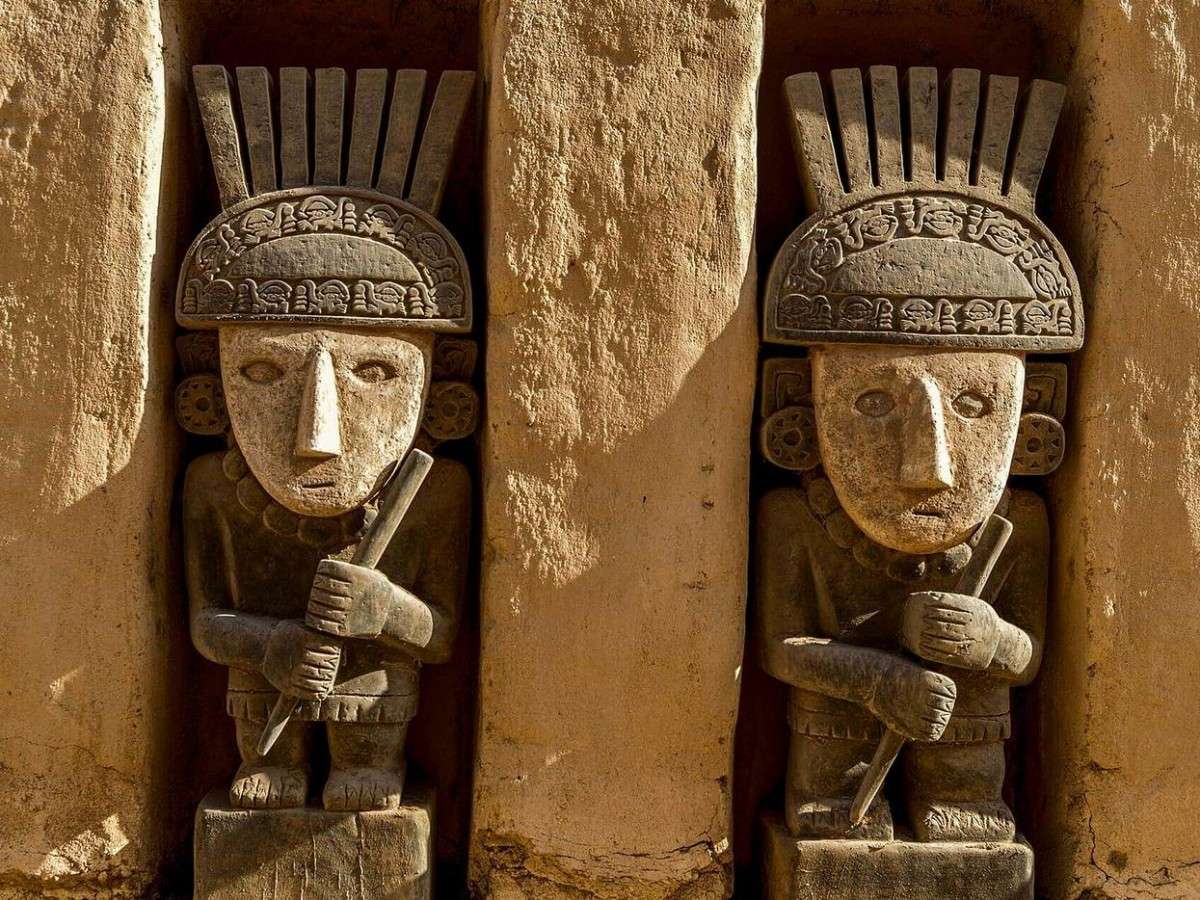
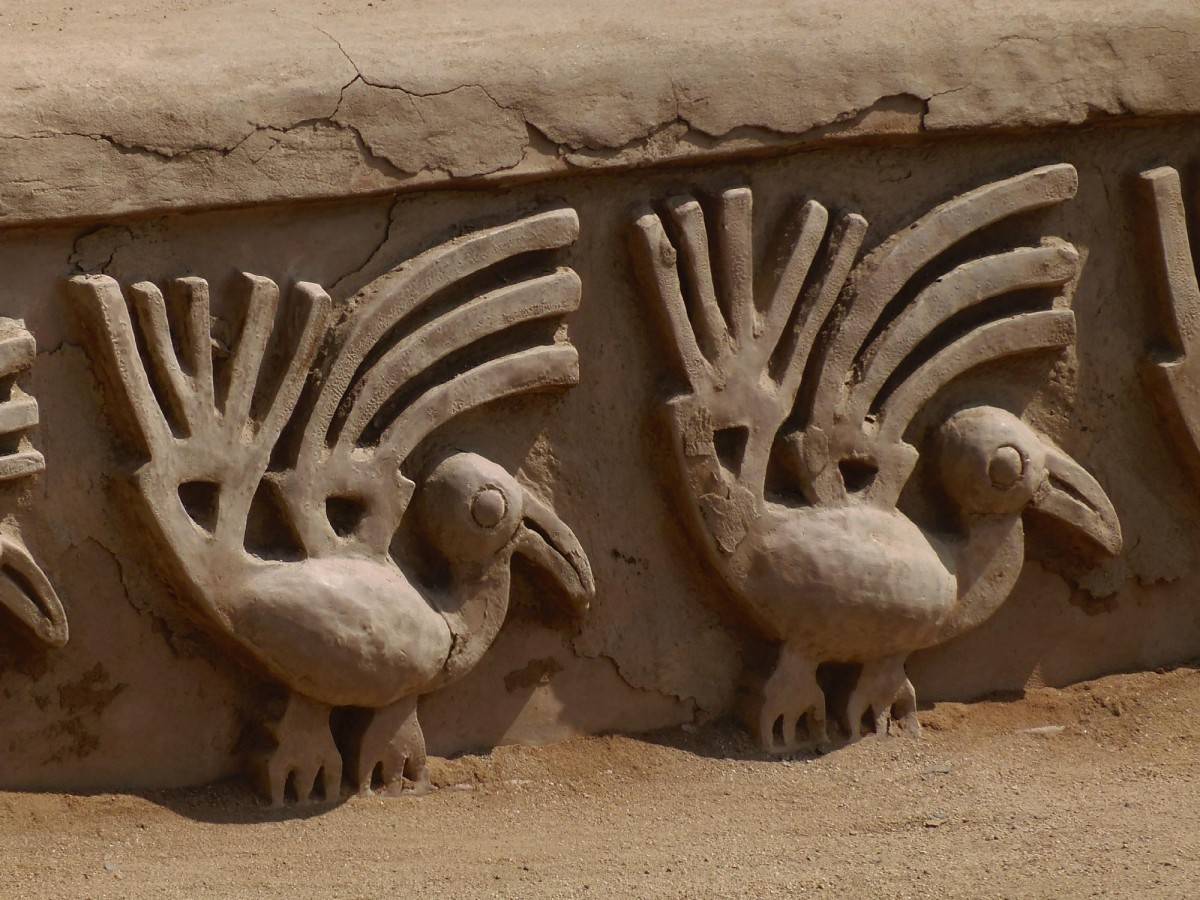
Artistic reliefs are almost everywhere in the city of Chanchaan. The Chimu people were skilled carvers, incorporating religious, mythological and social stories into walls, doorframes and corridors. The most iconic reliefs are expressions of maritime mythology and animal motifs. Beautifully detailed and vivid in form, these carvings express the Chimu people's reverence for nature and their connection to its forces.
Advertisement
One of the most striking areas is the mural paintings, whose vibrant colors and intricate geometric patterns are remarkably well preserved to this day. These murals record the religious rituals of the Chimu civilization, images of deities, and social customs. You can see special animal and deity symbols like dolphins, snakes, and even sunlight motifs. These works of art not only reflect the belief system of the society at that time, but also show the Chimu people's pursuit of aesthetics.
Especially when you enter the Tschudi Palace, the patterns and reliefs on the massive walls are breathtaking. Behind these works of art are not only religious symbols, but also the crystallization of the wisdom of generations of artists. These carvings, whether they represent mythological figures or historical events, are a tangible expression of the spiritual world of the Chimu civilization.
For most tourists, Can Cha-Am may be a pile of ruins and broken walls, but to me, it is more like a “living” museum of a lost civilization. It is not only a historical site, but also a cultural center that reflects the way of life of the Chimu people.
You can see the ancient waterway systems, pools and courtyard layouts, all designed to reflect how the Chimu people lived in abundance and comfort in the arid desert environment. As a desert kingdom, the construction of Canchaan City relies entirely on their fine management of water resources. You can feel how they supported the long-term survival of the city by providing water to the city through underground waterways and artificial channels.
Also of great interest are the plazas and bazaar sites that allow you to imagine how the ancient inhabitants traded, socialized and held ceremonies in these areas. Although these scenes have faded away, the structures and furnishings that remain can still take you back to those times, as if you became one of them, walking and talking with the ancient people in the marketplace.
Best time to visit:
The ruins of Chanchaan City are located in a desert area with a large temperature difference. The best time to visit is in the morning and evening, when the temperature is favorable and the sunlight is mild, so you can take the best pictures. The strong midday sun can make you feel a bit uncomfortable, especially if you like to spend more time in the open ruins area.
Dressing Suggestion:
Most of the city of Chanchaan is an open site and walking is the main way to explore. We recommend wearing lightweight, comfortable sneakers and bringing a sun hat and sunglasses. Try to wear long-sleeved clothing to prevent sunburn and bring sunscreen, especially in the summer months.
Water and Food:
Facilities here are relatively spartan, so it is recommended that you bring plenty of water and some snacks. There aren't many restaurants or stores in Chanchaan City, so it's easier to prepare food in advance.
Tour Guide Recommendation:
If you are interested in history, hiring a professional guide is highly recommended. Through them, you will be able to gain a deeper understanding of the history, cultural background, and significance of each site in Chanchaan City. While self-guided tours are convenient, a professional tour will allow you to become more immersed in the atmosphere of the Chimu civilization.
Chanchaan City is not just an archaeological site, it is a living fossil of the Chimu civilization, an ancient kingdom in the desert. Every mural, every relief, every carving speaks of the splendor and wisdom of a vanished civilization. From walls to palaces, waterways to plazas, the ruins of the city of Chanchaan show how ancient civilizations thrived in harsh environments. If you're interested in history or want to learn more about ancient civilizations through travel, the ruins of Kanchanaburi are a must-see destination. Ready to touch the stories of thousands of years ago and experience the shock and emotion? Let's go into this ancient kingdom and uncover its hidden secrets!