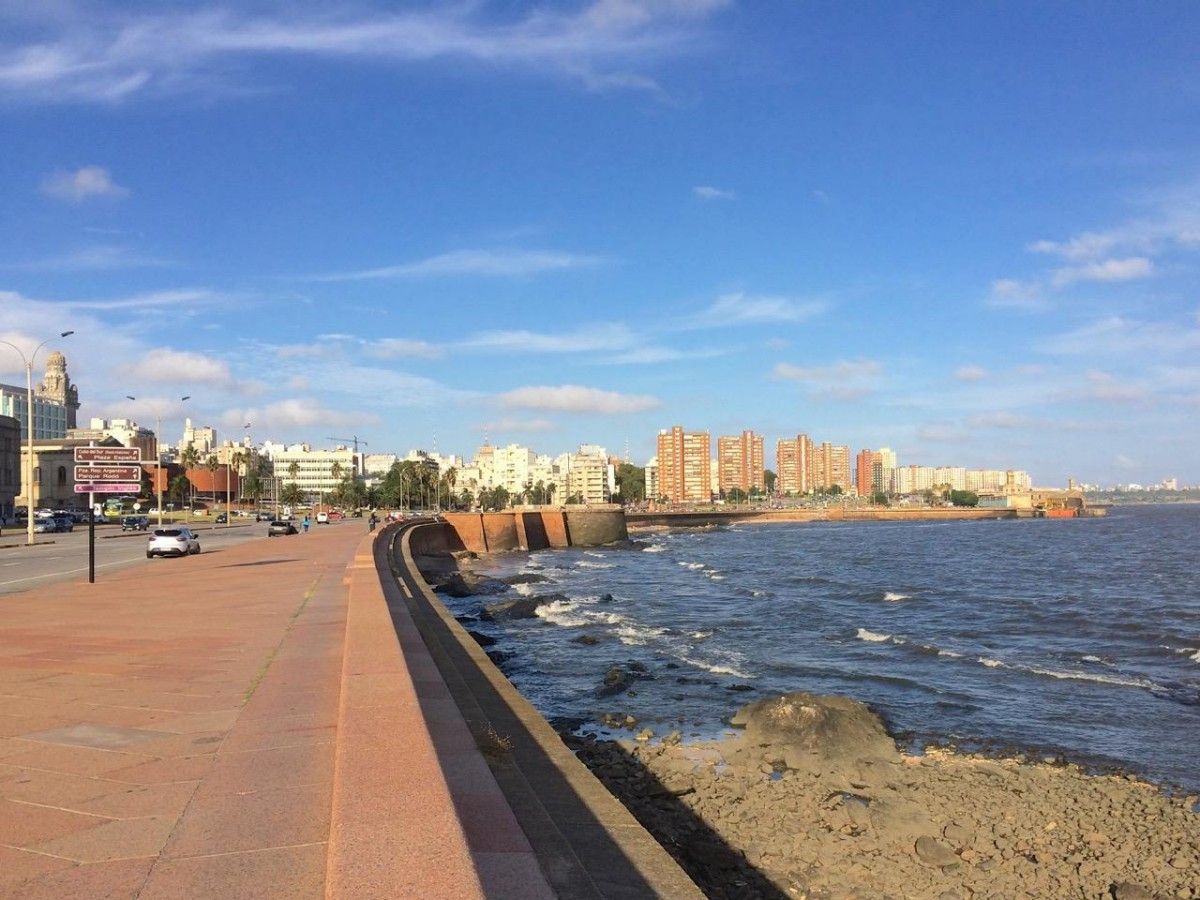
If you ask the people of Montevideo where their favorite place is, the answer is probably “La Rambla”. This boulevard, which stretches for more than ten kilometers along the coast, is not an attraction, but a way of life. Stretching from the city's old port area to Carrasco in the east, each section has a different view, but what remains the same is the sense of freedom facing the sea, and the atmosphere of “slowing down time”. On the contrary, it is more like a backyard of the city, suitable for walking, running, biking, relaxing, drinking tea, or even doing nothing, just sitting and listening to the sea breeze, which is also a kind of enjoyment. Walking on the Rambla, you can see children playing soccer, couples kissing, old people sunbathing, young people playing guitar and singing, everything is so natural and casual. You don't feel like an outsider, but rather have the illusion that “I could live here”.
Advertisement
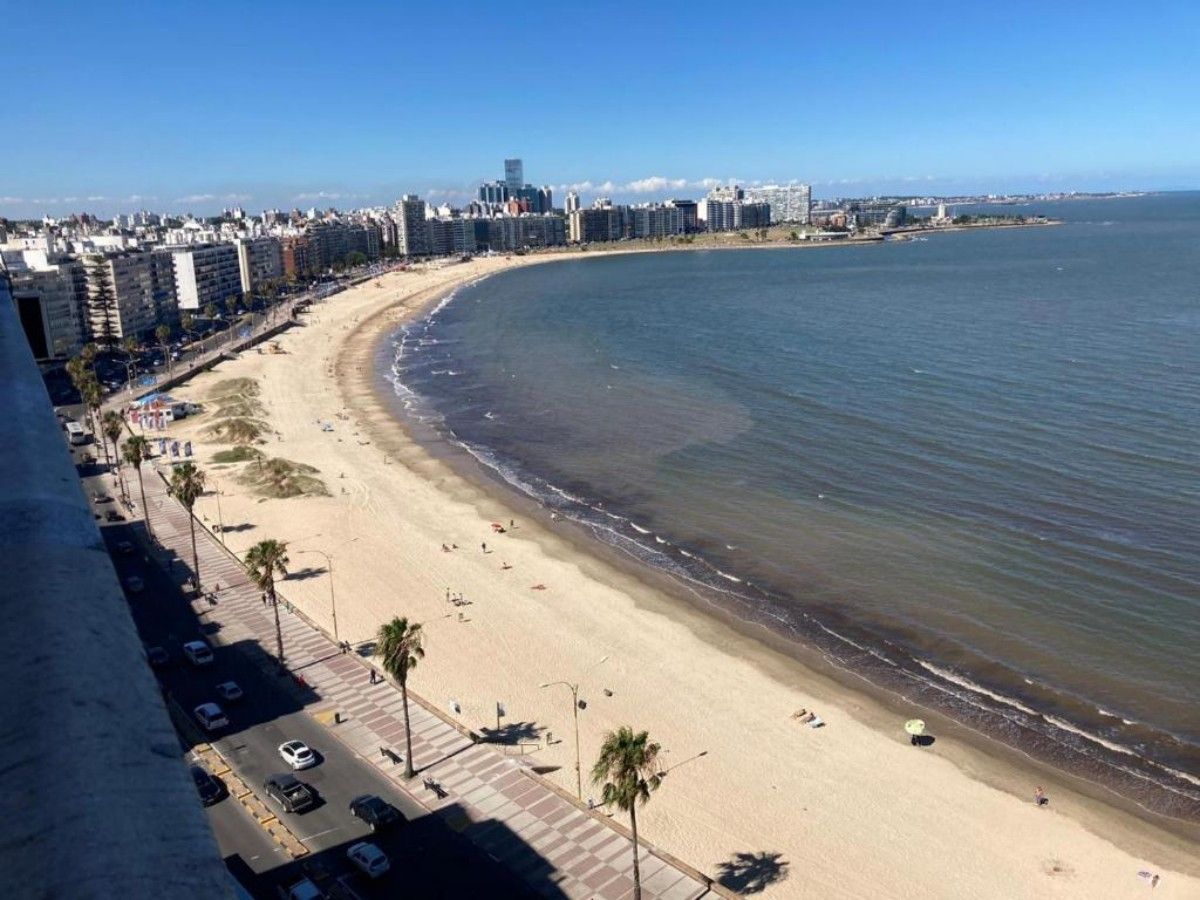
La Rambla's predecessor was actually a piece of fortification by the sea. Back then, the Spanish colonizers built a stone wall from the port side of the old city in order to prevent pirates and enemy countries. However, as the city developed, the defensive function was gradually diluted, and the coastline was slowly transformed into a public space. By the beginning of the 20th century, Uruguayans were treating this area as part of the city, rather than as a borderline.
Advertisement
Later, the city government began to plan the boulevard, paving it with sidewalks, bike lanes, streetlights, greenery, and a number of viewing platforms. Slowly, La Rambla became the main venue for civic events, whether it was a festival parade, a marathon, a street art performance, many events would be held here. La Rambla is a link that connects the city not only to the neighborhoods, but also to the Uruguayan people's love of freedom, the sun and the sea.
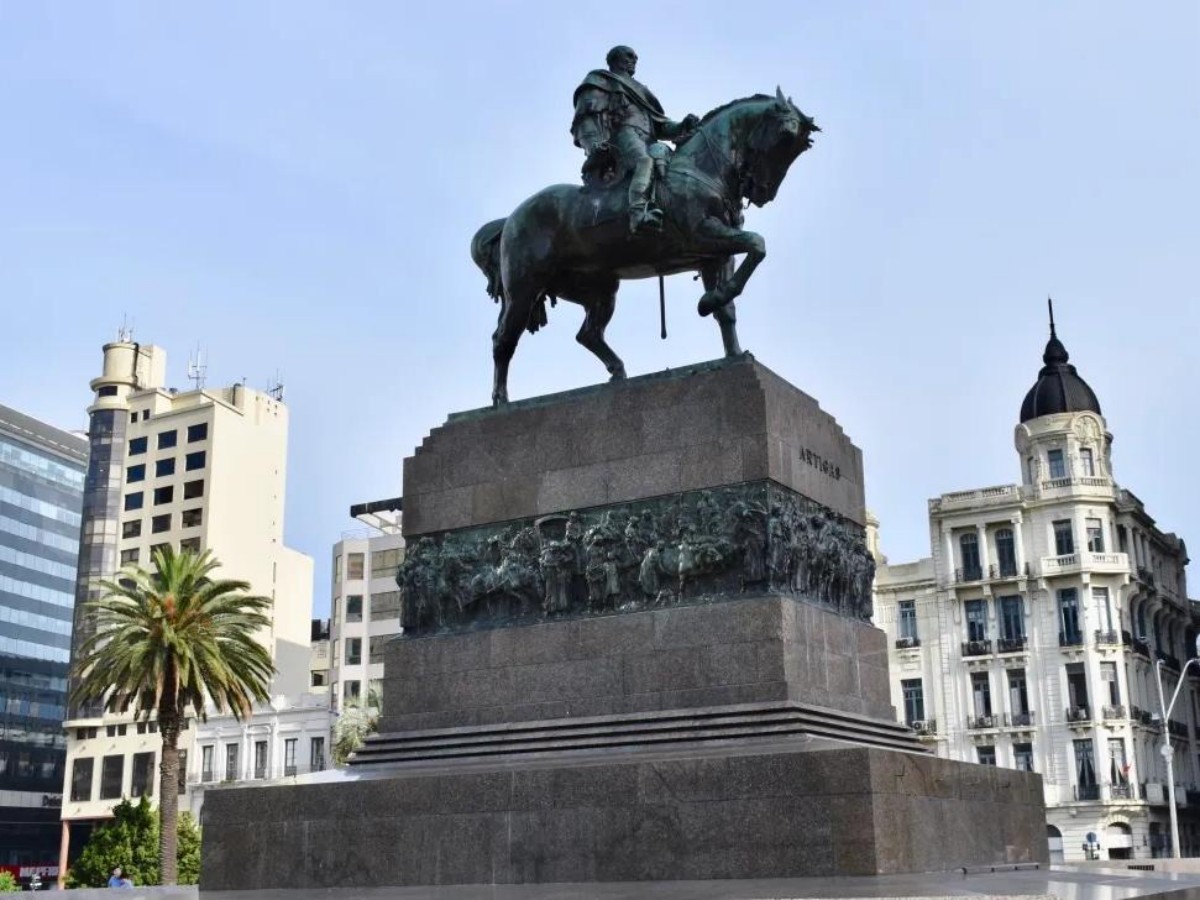
In addition to the scenery, the area also carries a number of historical traces. For example, along Rambla Sur there are a number of monuments honoring the navy, immigrants, resisters, and more. Along the coast there are several sections of old buildings, some converted into museums, some into community cultural centers, and some directly into art graffiti walls, each section of the road has a story to tell, if you are willing to stop and listen.
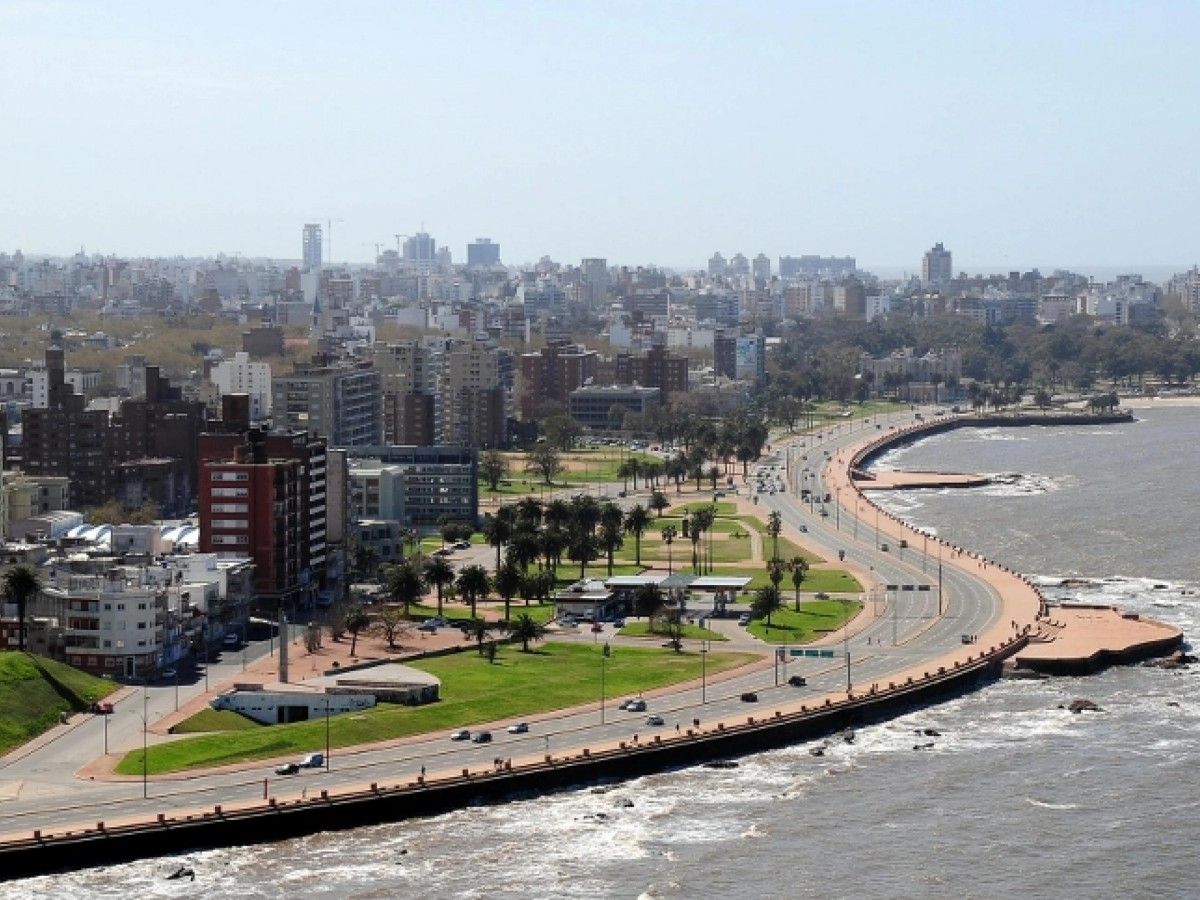
La Rambla can be wandered around all year round, but when it comes to the most comfortable seasons, most people would recommend spring and fall, which are roughly September to November and March to May every year. This is the best time to come here for a slow walk or bike ride, with moderate temperatures, good sunshine, not too windy, and not too many people.
Advertisement
Summer (December to February) is the peak tourist season in Uruguay. The weather is hot, but it's always more comfortable by the sea than in the city, and this is the time of year when there are the most festivals and the atmosphere is the most lively. You can watch musical performances by the beach or dance and drink maté tea with the locals on the grass. Just be careful with sun protection, the sun is really poisonous.
Although it is not too cold in winter, the wind is strong and it is easy to catch a cold while walking on the beach. This is a good time to dress warmly and experience the “empty version” of La Rambla, where the sound of the waves is clearer, the light is softer, and there is a different flavor. If you don't like crowds, this is a great time to visit.
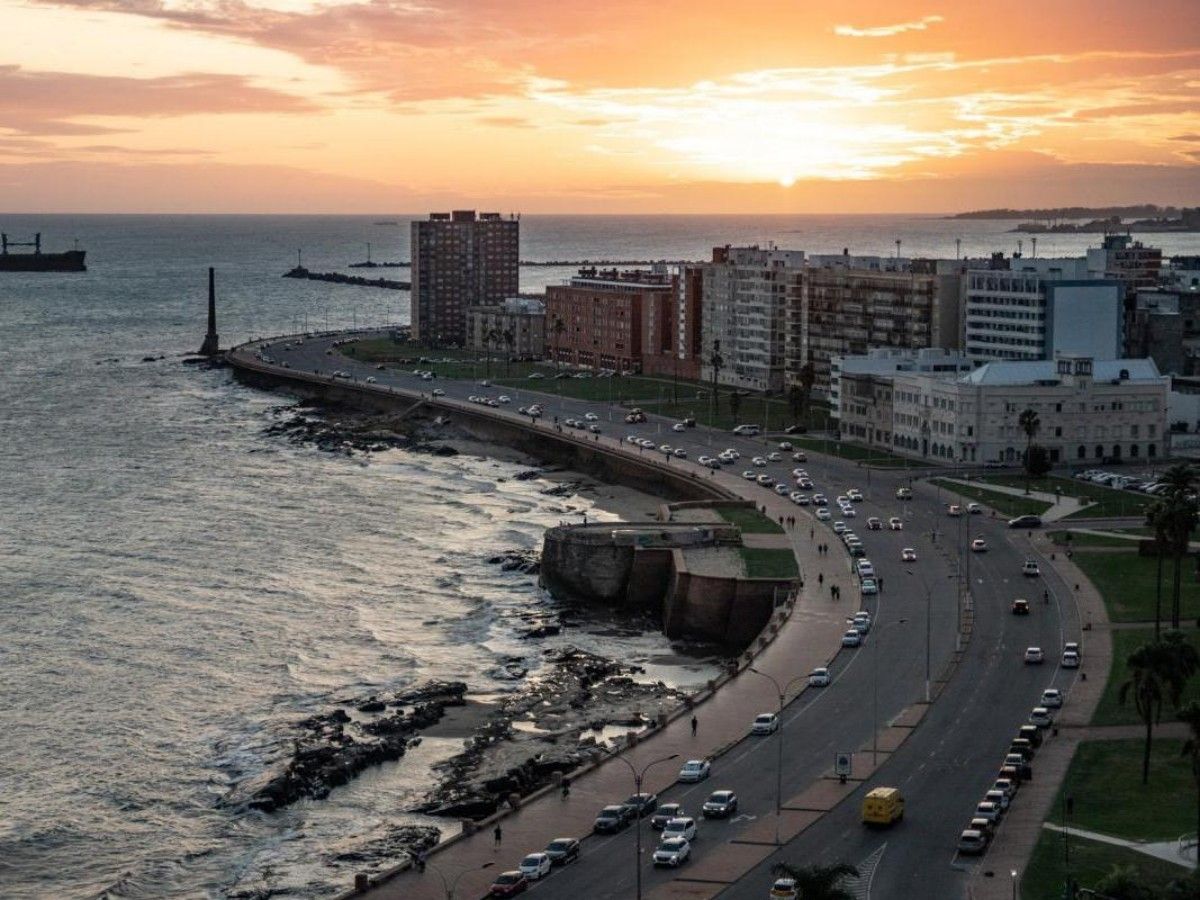
La Rambla is not the kind of place where you can just take a look and leave, it's more of an “experiential” space. You can spend the whole day here walking slowly, from the old town to Pocitos, and then from Pocitos to Buceo, looking at the scenery, people and life.
Especially on weekends and holidays, many locals come here to “show up”. Not to do anything, but to feel the sea breeze, meet acquaintances, have a drink and chat. Like them, you can buy a cup of maté tea, bring your favorite snacks, and sit down somewhere with an open view, and no one will be surprised if you don't do anything for an afternoon.
La Rambla is a natural stage for cultural events. The Carnival parade often kicks off along the Rambla every summer, with drum corps, masked dancers, and floats parading around the city in festive fervor. Other things like beachfront film festivals, street jazz concerts, eco-themed bazaars, and more are often found here as well. Most of these events are free, some are government-organized, some are self-initiated by the private sector, and all in all, there's just one word: lively.
If you're lucky and it's the day of a Uruguayan national soccer team game, the bars and cafes along the Rambla will be packed with fans in jerseys. If they win, they sing the national anthem and dance, and if they lose, they walk home laughing and joking. It's easy to get caught up in this “we're all living life together” atmosphere.
Firstly, don't be in a hurry, La Rambla is not the kind of attraction where you need to plan in advance “what time to go where”, it's a slow-paced place, so it's not too late for you to come, and you can go any way you want. We recommend bringing a bottle of water, snacks and a hat, and resting while you walk.
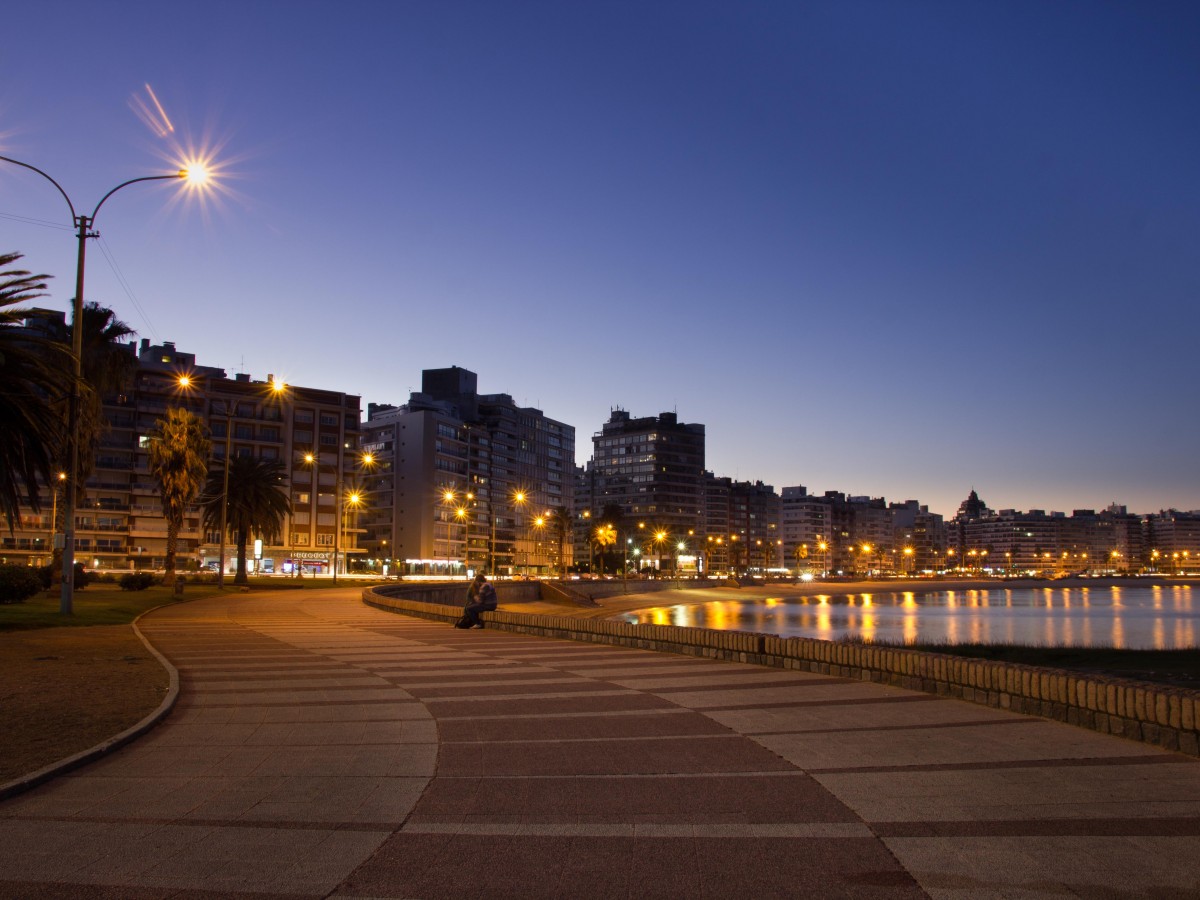
Second, don't miss the evening. The coastline at sunset is the most beautiful, with golden light hitting the water, and even the buildings in the distance are flooded with gentle light. It's the best time to take pictures, and people slowly gather around, kind of like a city party.
Third, respect the local rhythm. Uruguayans are very attached to the coastline, so don't make a lot of noise, litter, or hog the public seats for too long. They may not say anything, but they will silently think “this tourist doesn't know what he's doing”.
Fourthly, if you ride a bike, keep to the right; Rambla has a special cycling path, which is a great experience, but don't go too fast when there are many people, especially during holidays, when there are a lot of children, pets, and people walking around, so pay attention to safety.
Fifth, moderate nighttime wandering. Parts of the area get quieter at night, so if you plan to walk outside after dark, it's recommended to do so in a group, especially near the harbor area.
At the end of the day, La Rambla is not one of those “famous places to visit”, but it is the kind of place that makes you “feel” something. It doesn't have skyscrapers, flashing neon signs, or the kind of “historical stories” that are forced upon you, but it does use a stretch of coastline to tell you what it means to “live” and “be at ease”. The city has a coastline that tells you what it means to “live” and “be at ease”. Many people who have traveled to Montevideo say, “La Rambla is the place I'll never leave behind”. Because as you walk here, you don't want to rush back; as you sit here, you want to stay for a few more days. It's not because it has any special scenery, but because it gives you a sense of longing that “I can live like this”. So, if you come to Uruguay, don't rush to schedule too much, leave one or two afternoons to La Rambla, even if it's just to laze around, you'll find that the meaning of traveling is sometimes to find a place that makes you want to slow down your breathing.