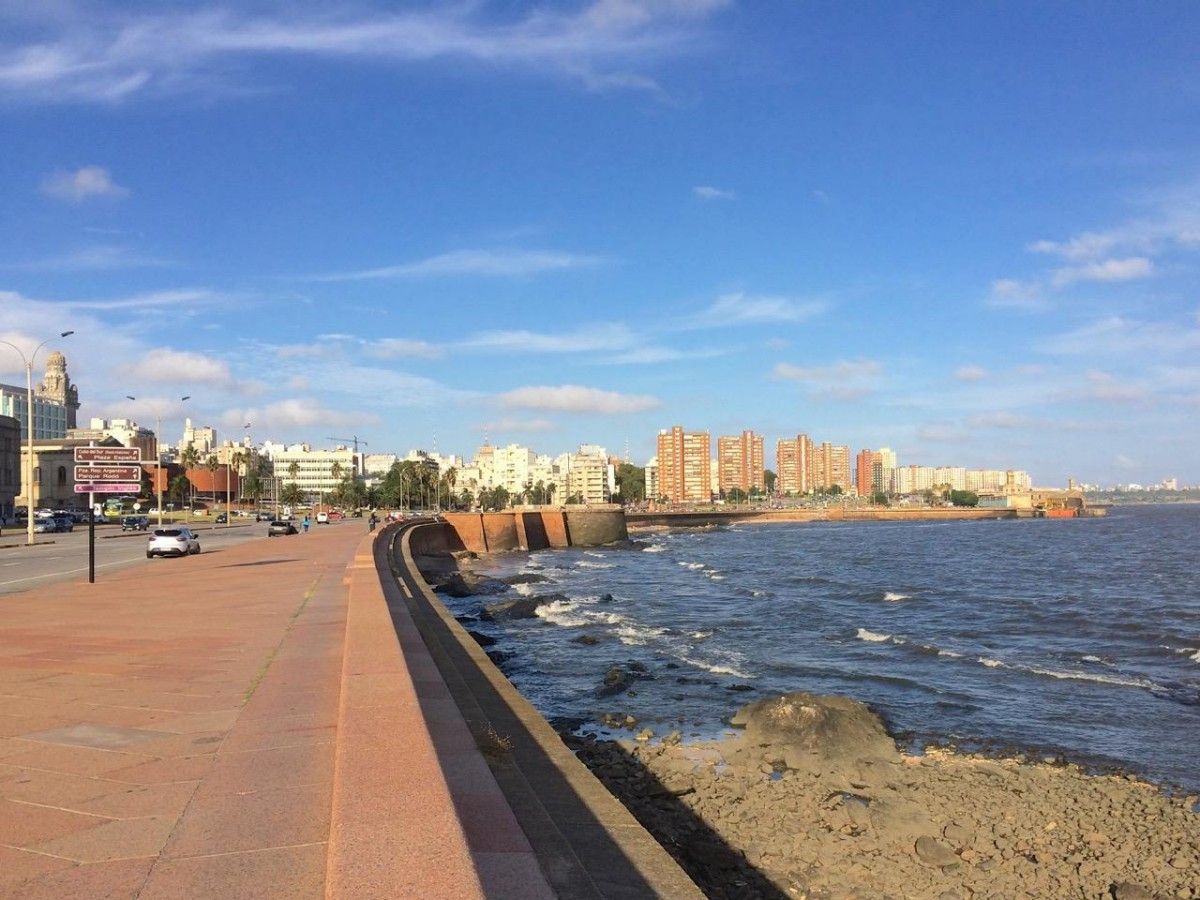
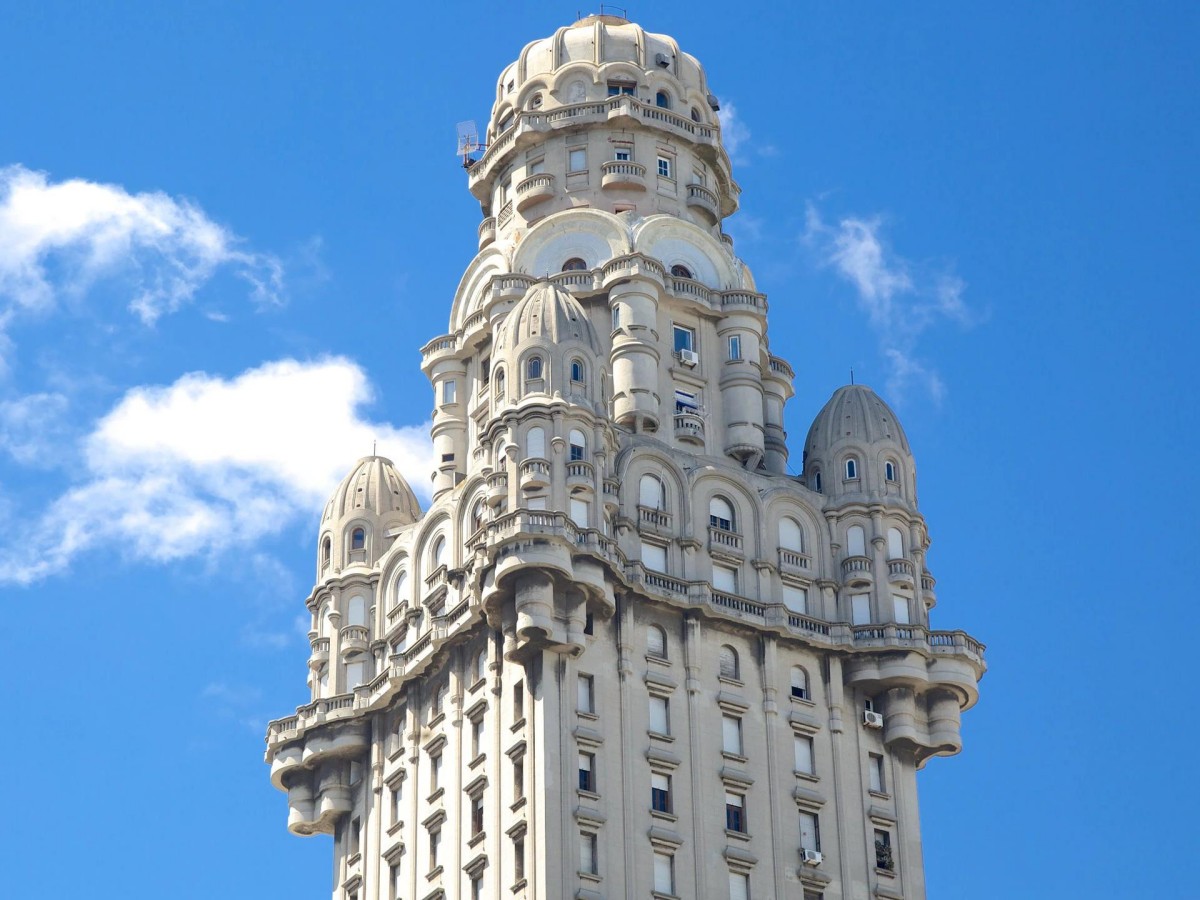
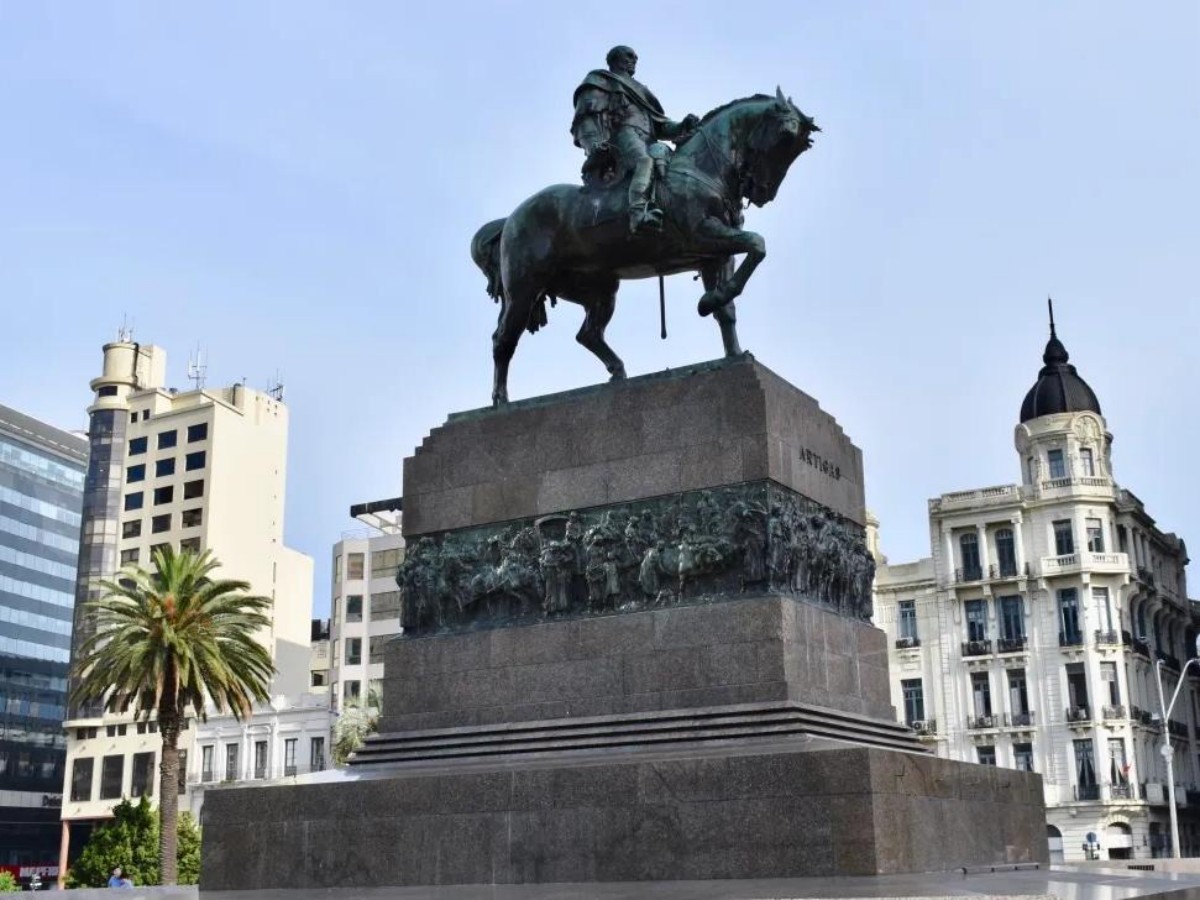
If you walk into Montevideo's Independence Square for the first time and are immediately struck by an old building that's “a bit too tall for its own good”, it's basically the Salvo Palace. It looks like a gothic castle that suddenly appeared out of a European fairy tale, and its tall, thin figure stands out in the square, making it hard to look away from it, no matter which direction you're coming from. For tourists, this building is not just a landmark, but also a piece of epitome about the golden age of Uruguay, a little retro, a little mysterious, and a little indescribable sense of romance. Although nowadays there are more and more modern buildings around, the Salvo Palace is always standing there, like a quiet old man telling stories, watching the city step by step from the past to the present day. Many people come to Montevideo for the first time, do not remember the name of the street, also do not understand the direction, but once they see the Salvo Palace, immediately know that they are in the “center of the old town”. It is not only beautiful to look at, but it also has a special ability to conjure up images of the past.
Advertisement
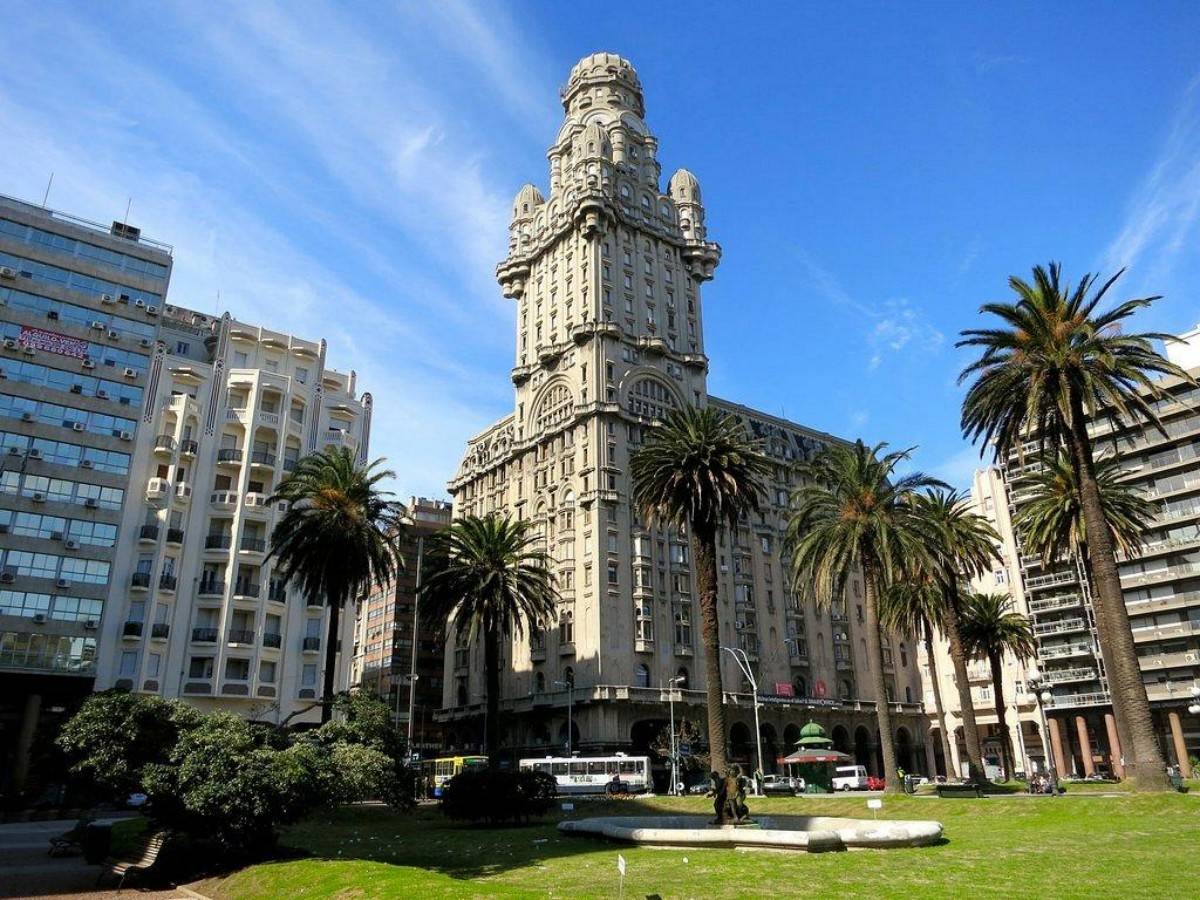
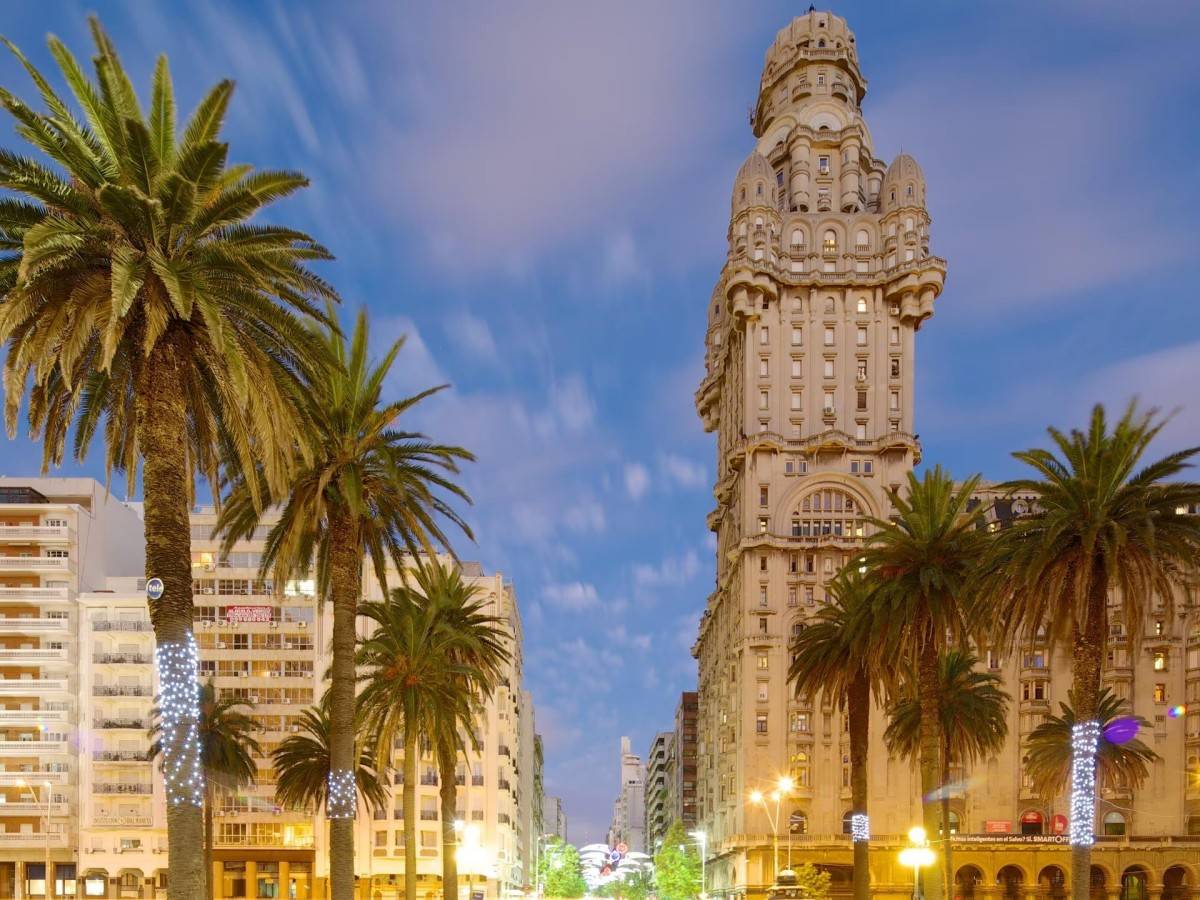
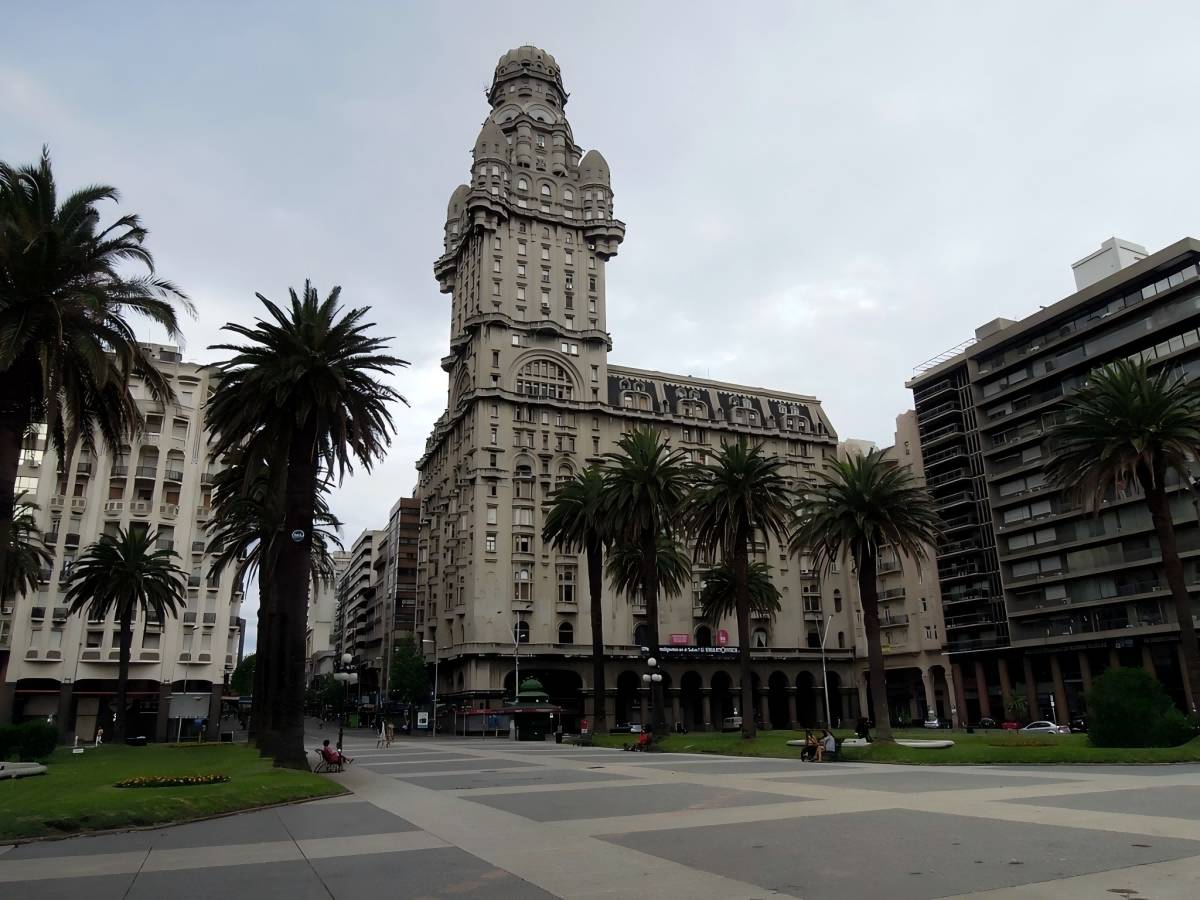
The history of the Salvo Palace dates back to the 1920s, when Uruguay's economy was booming and it was one of the richest countries in South America. The palace was designed by Italian-born architect Mario Palanti, the same dude who designed the very similar Barolo Palace for Buenos Aires, Argentina, a twin version if you will. The Salvo Palace was completed in 1928, and at that time, with 27 floors and a total height of over 100 meters, it was the tallest building in South America and one of the few large buildings in the world that combined luxury, practicality and symbolism.
Advertisement
However, do not look at the name “Palace”, in fact, it was not for the royal family to live in the beginning, but a businessman built private property. Back then, it was positioned as a high-class building, with hotels, high-end offices, and even ballrooms, cafes and bars. In the 1920s and 1930s, it was a “status symbol” to work in the Salve Palace. But as times have changed, the building has seen its ups and downs. Much of the space has been converted into private apartments and commercial units, but there are still some areas that are open to the public.
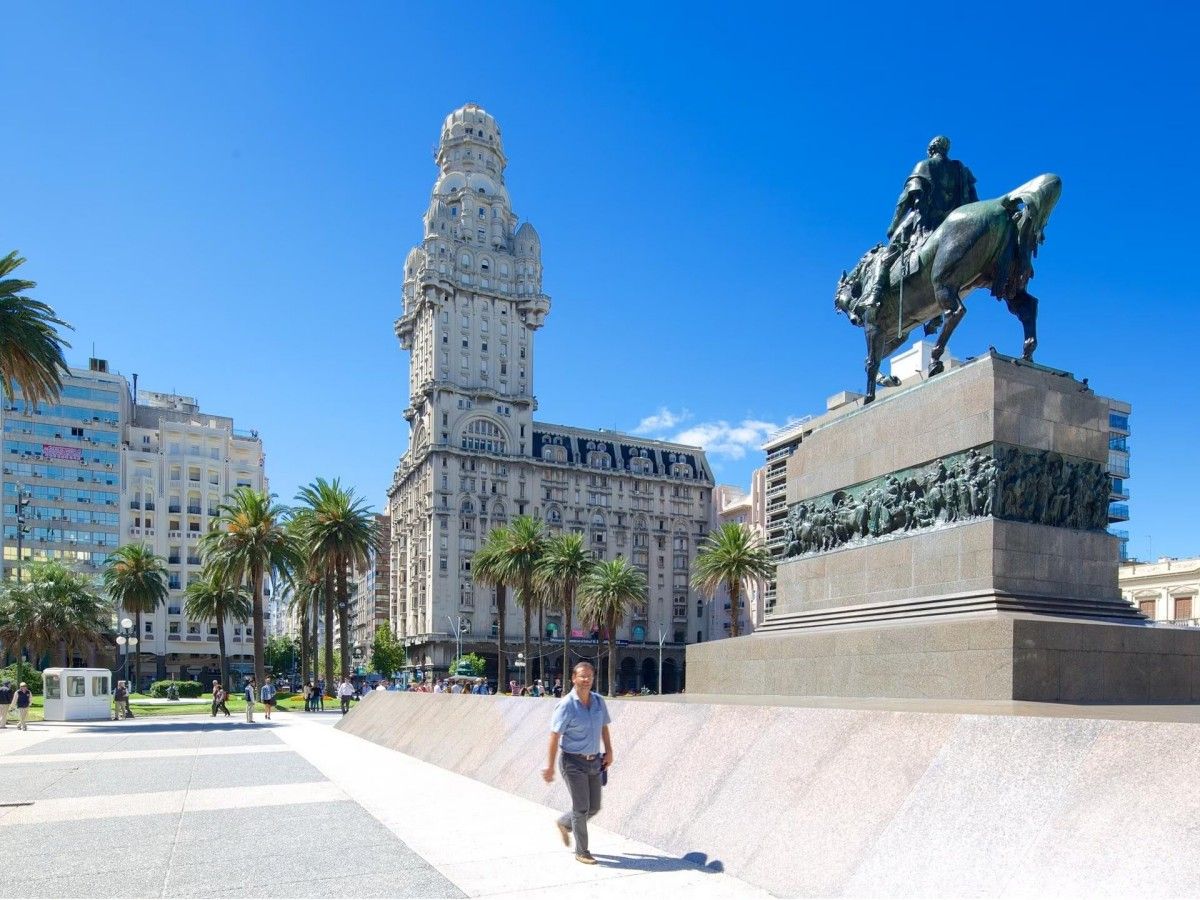
The exterior of Salvo Palace resembles a labyrinthine Gothic-style castle, with towers, balconies, spires and all sorts of intricate decorations that make it look classical and avant-garde. But when you walk in, you realize that the interior is more complicated than you think. The hallways are like a maze, the elevators run in sections, and the rooms are distributed in an irregular manner, so it may take some time to get used to it if you're new to the city. Visitors can now take a guided tour from the ground floor all the way up.
Advertisement
What's special is that there is also an area upstairs where you can go up to the top and have a great view of Independence Square, the old town and even the sea in the distance. This viewpoint is to follow the guide in order to enter, their own alone on not go, so if you want to shoot the cityscape blockbuster, be sure to arrange a good time to participate in the guided tour, do not miss it.
There is also a very special small museum in the building about the history of the Salvo Palace, its architectural design, and some of the interesting stories that have taken place behind it, such as ghost stories from back in the day, political events, and even depictions of it in certain well-known Uruguayan literature. If you are interested in history, it is recommended to take a closer look at these exhibition materials, which are not long, but very informative.
The Salvo Palace is now largely managed by private owners, but the exterior and some of the interior areas are still visitor-friendly. There is a tourist information point right at the entrance, and guided tours basically leave at a fixed time every day, usually in English, and can be booked online or registered on-site in advance for a modest fee, usually in the range of a few dollars.
Surrounding amenities are also very complete, the square is bordered by cafes, restaurants, bookstores and some small souvenir stores. There is also a cultural center not far away, which sometimes hosts exhibitions by local artists or a craft fair. After strolling through the Salvo Palace, you can find a bistro to sit down, drink a cup of maté tea, and watch the crowds coming and going, which is especially comfortable.
If you are a self-driving tourist, there is also a parking lot next to it, although there are not many spaces, but the surrounding streets can be temporary parking. Public transportation is also very convenient, almost all lines passing through the city center will stop near Independence Square. It's even more convenient for walking tourists, as you can basically walk around and string together a few of the main attractions in the old town.
However, because the building is old after all, although the elevator is working properly, certain corners are not very friendly to people with mobility problems, such as the need to climb stairs between some floors, and the toilet facilities are not very modern. Visitors in need are advised to explain the situation in advance when signing up for a guided tour so that a more suitable route can be arranged.
Although the Salvo Palace is partially open to the public, it is not always possible to enter and visit. The best way is to go through an official or authorized guided tour, which not only allows you to get in on more floors, but also has someone to take you through the stories and history, so you don't have to wander around on your own without a clue. Guided tours are usually offered two to three times a day, and advance reservations are recommended during peak seasons, especially the afternoon hours which are more popular and have the most tourists wanting to see the sunset view.
Random photography of private residential areas is prohibited in the building, and you can't just enter in non-guided areas. Try not to use flash when taking photos; some exhibit areas are particularly sensitive to light. Also note that although the building has a Wi-Fi hotspot, the signal is not very stable, so it is recommended to download important information in advance.
When the weather is good, it is recommended to go there early, because the viewing area on the roof is relatively small, and when there are a lot of people, you need to queue up, and one batch of people will restrict the next batch of people to go up after they have finished watching. Early to go not only less people, the light is also good, out of the photo more beautiful.
Salvo Palace is not the kind of look at the “wow good modern” new landmark, it is more like a gentleman in vintage dress, quietly standing there, waiting for you to approach, listen to its story. From the glory of the golden age, to the present cultural landmark, it has experienced the wash of time but still has a strong aura. The building itself is not noisy, it does not rely on lights and neon to steal the spotlight, but rather rely on a brick by brick, a piece of history, to bring people quietly into another era. If you come to Montevideo, in addition to going to the beach to blow the wind, go to the market to eat barbecue, don't forget to come to Salvo Palace to take a look, or stay for a while. It's not just a place to hit, it's a memory of a city, a witness of an era. When you climb its tower and look down on the city, perhaps you will suddenly understand that the charm of this old building lies in the fact that it allows you to slow down, to see, to hear and to feel.