Standing in front of the massive gates of Karnak Temple, power, history and heritage collide spectacularly. What you see is not just stone or carvings, but centuries of divine rule, stunning architecture and the glory of Ancient Egypt. It's like staring directly into the past and realizing that this is what true power is. As you walk past the towering columns, you begin to understand why the pharaohs once stood here, larger than life, ruling over the heavens and the earth. Karnak Temple is more than just a place, it is the heart of Egypt, a living testimony to the union of religion, kingship and engineering genius.
Advertisement
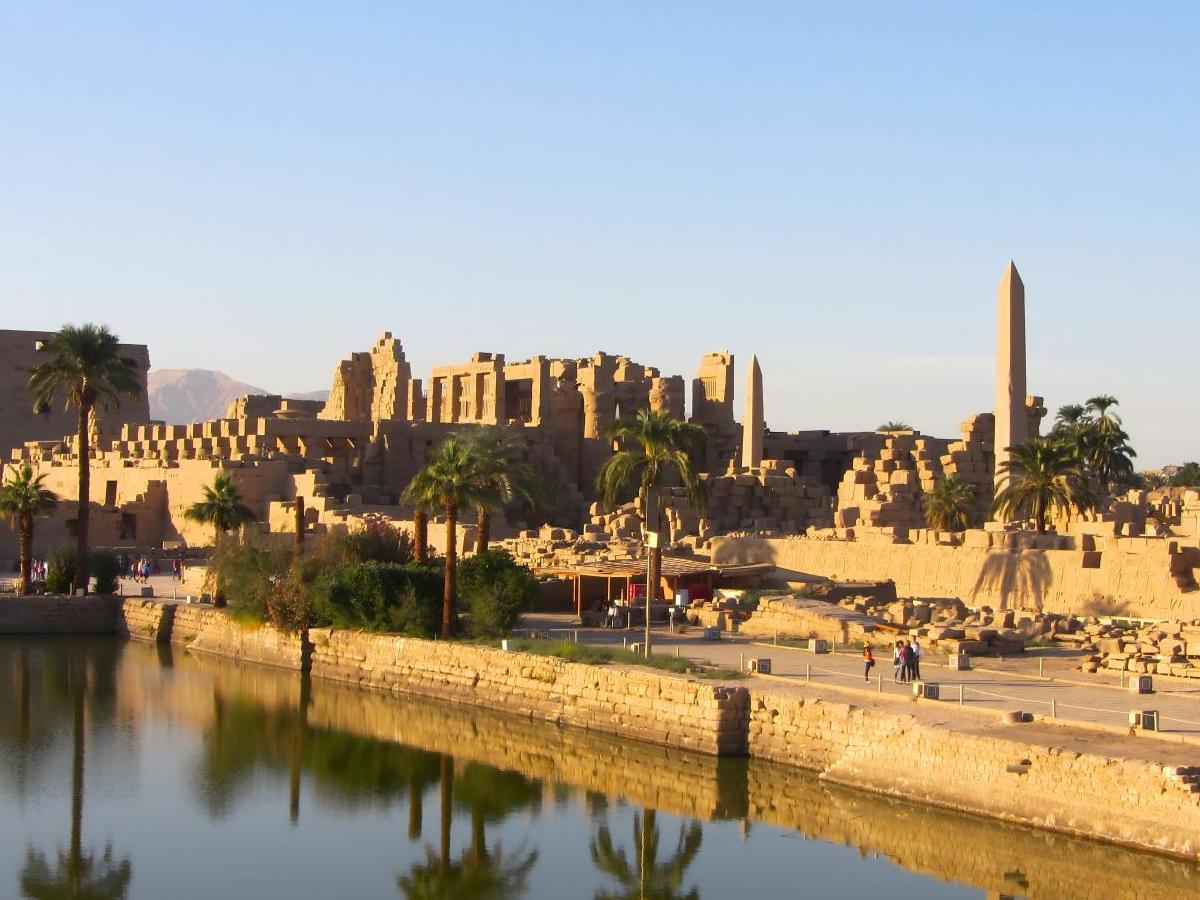
Stepping into the Karnak Temple complex is like nothing you've ever seen before, and the sheer scale of it is astounding. The entrance alone is more than just a gate, and as you pass through the massive pylons that guard the temple (those massive stone walls), you can almost feel the power of the pharaohs still lingering in the air. It's like entering another time and place, a world where gods walked among men and kings ruled with divine authority. Every stone here is a piece of history, carefully placed to honor the gods and show the power of the pharaohs. Can you imagine the noise of the crowds, the smell of incense, and the whispers of the priests chanting in honor of Amun, the god of gods? It must have been a spectacular sight, and you're standing right where it all happened.
Advertisement
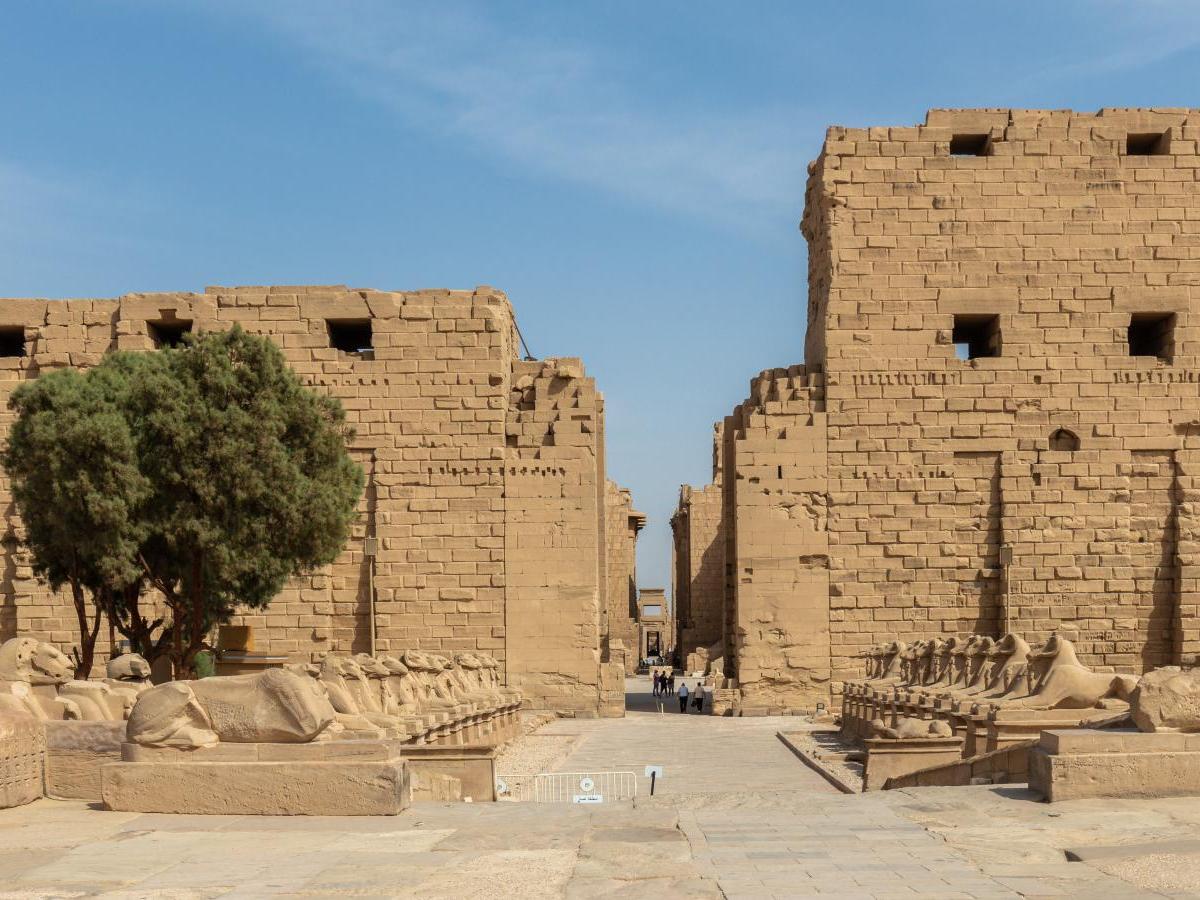
Karnak Temple wasn’t built for just anyone. It was the sacred place of the greatest pharaohs of ancient Egypt, where they performed their most important religious ceremonies. It was where power was declared. The pharaohs were seen as more than just kings, they were gods in their own right, walking among mortals and commanding divine forces to obey their will. Karnak Temple was the stage, and the pharaohs were the stars. Every wall, every statue, every column was a reminder of their divine rule. The pharaohs were more than just political leaders, they were the link between the human world and the gods. They were seen as living gods, and what better way to show off their power than by building the largest, most awe-inspiring temple complex known to man? The temple’s massive walls and towering columns told stories of the pharaohs’ exploits, their victories on the battlefield, and the endless wealth they brought to Egypt.
Advertisement
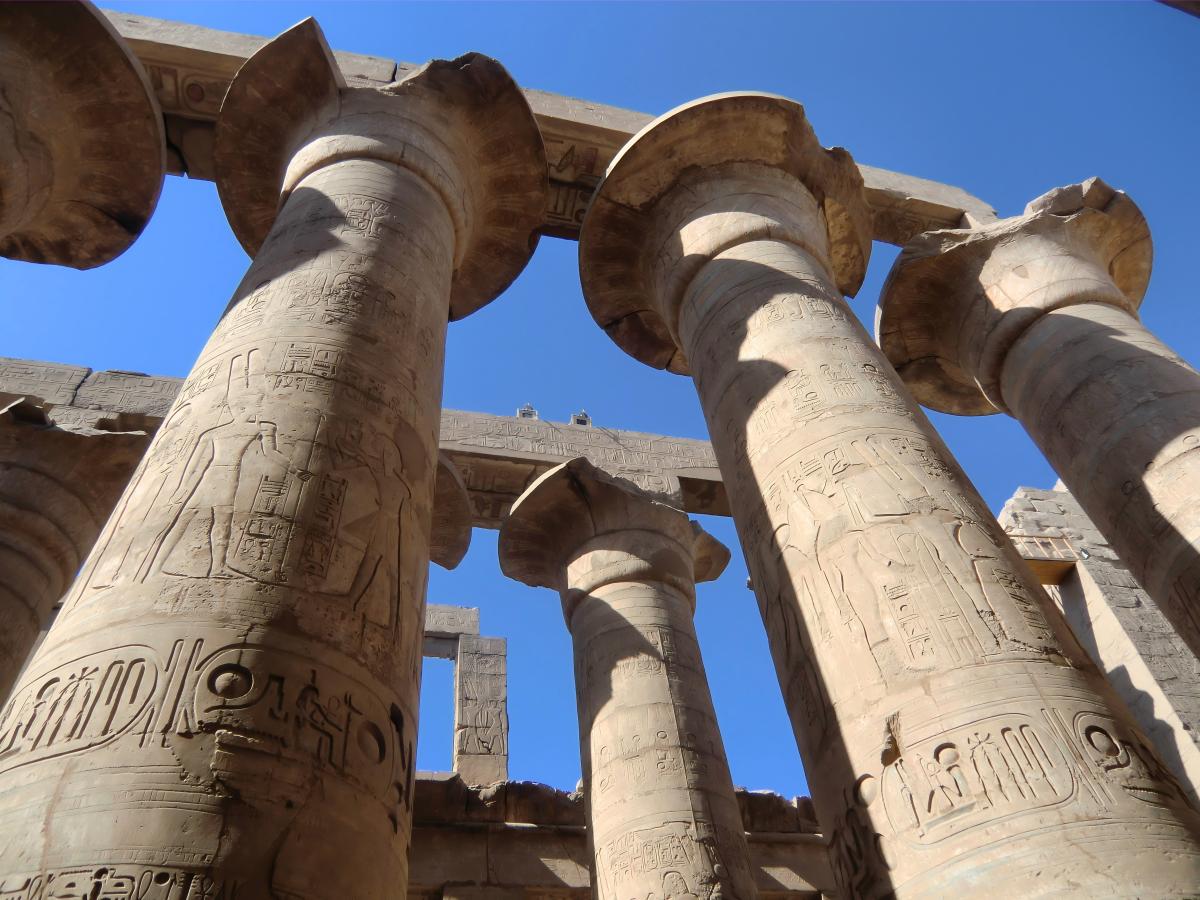
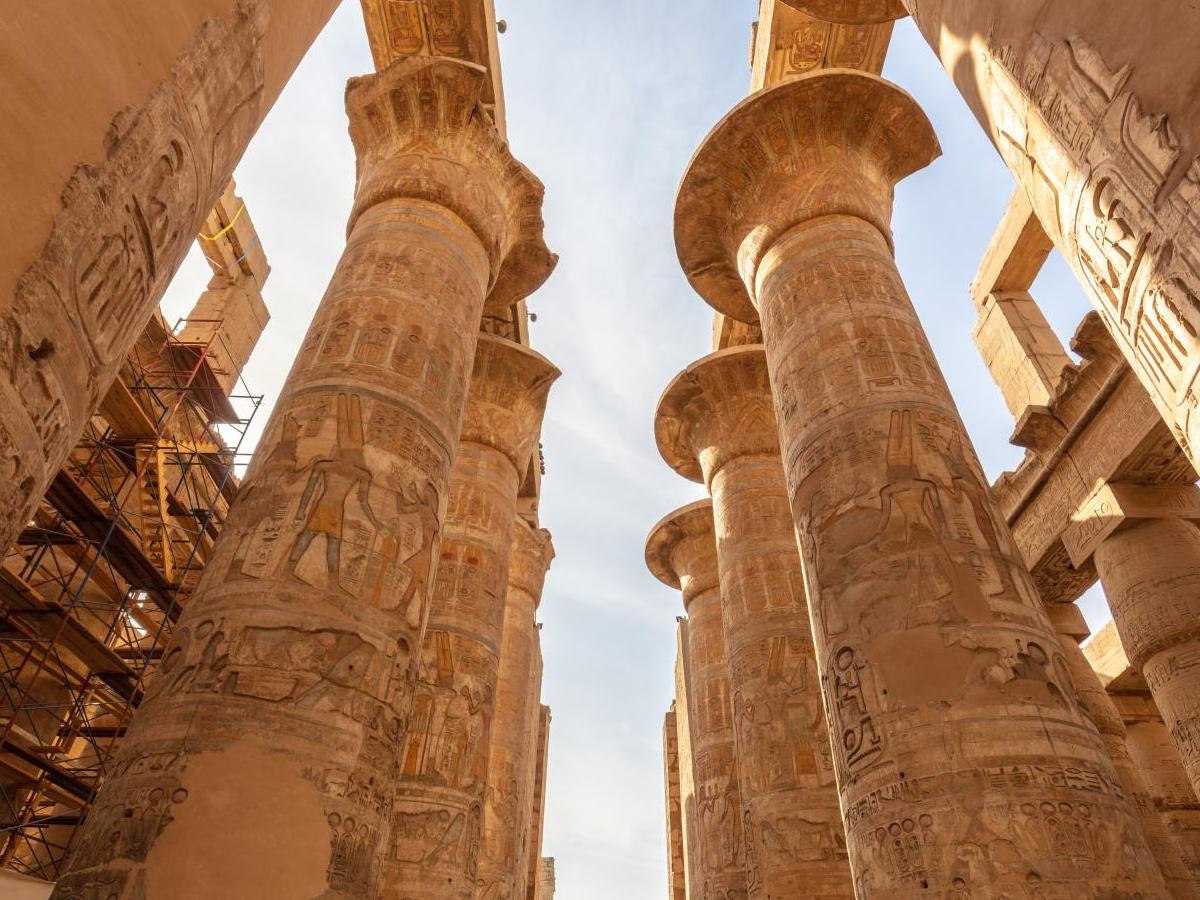
This temple is massive. The temple complex covers over 200 acres, the size of a small city! And that’s just the beginning. The entire complex is filled with towering obelisks, massive pylons, and grand halls that seem to go on forever. It wasn’t built to be big for the sake of being big, it was built to impress. The ancient Egyptians were big on statement pieces, and what better way to make a statement than by building a temple complex so large, so intricate, and so incredible? The main hall – or the so-called “Hypostyle Hall” – is the most famous part, and it feels like a scene from an action movie. Walk into a room with 134 massive columns, each 69 feet tall, covered in intricate carvings that tell stories of divine victories. Standing in the center of a space so large and so awe-inspiring, you can’t help but feel like you’ve stepped into a world where gods walk. The colors on the ceiling are so vivid that it’s as if the sky itself is part of the room, and the bright colors and detailed carvings sparkle in the sun.
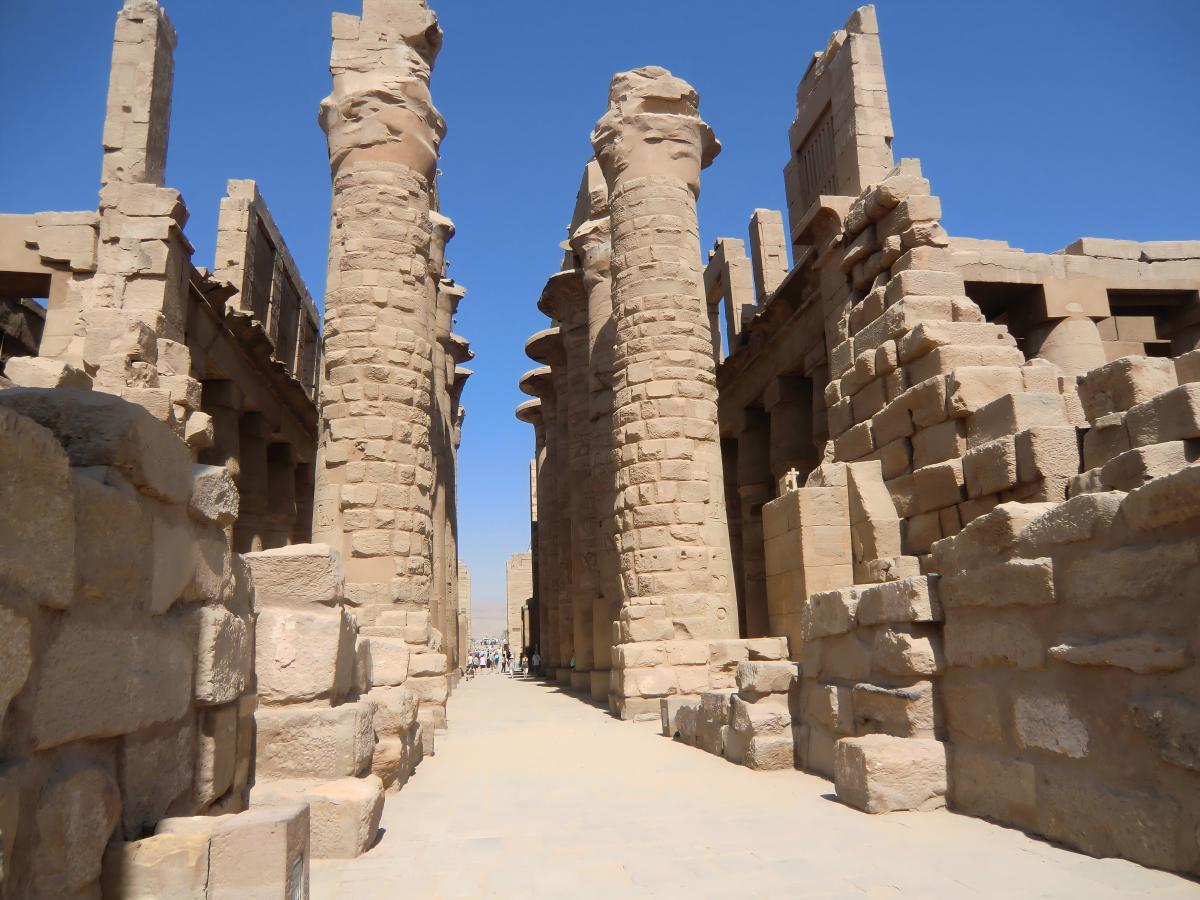
At the heart of the Karnak Temple legend: the pharaohs who ruled Egypt from here. These were no ordinary kings. The pharaohs were considered the incarnation of the gods, the living gods of Egypt. Where did they display their power? In the Karnak Temple. Pharaoh after pharaoh came to the temple to thank Amun, the king of the gods, and ask for his blessing in war, floods, harvests, and rule. It was like their personal connection with the gods - the temple was not just a building, but their connection to immortality. The pharaohs did not just pray to the gods in the temple, they made proclamations. They used the temple as a stage to announce their victories, conquests, and divine right to rule. The walls of Karnak are covered with huge inscriptions recording the most famous military battles, such as those of the pharaoh Ramses II, who was immortalized in history for his military genius. Ramses II was immortalized in history for his military genius, and his victories are almost completely engraved on the walls, engraving his name in the annals of history. Every victory was a symbol of divine favor, and every wall and statue was a legacy of his reign. It wasn't just Ramses II. Every pharaoh who ruled Karnak made his own contribution, expanding the temple, adding new statues, and building more towering columns to outdo the last pharaoh. It was like an ancient version of an architectural competition, with each pharaoh trying to outdo his predecessor and prove who was the most powerful.
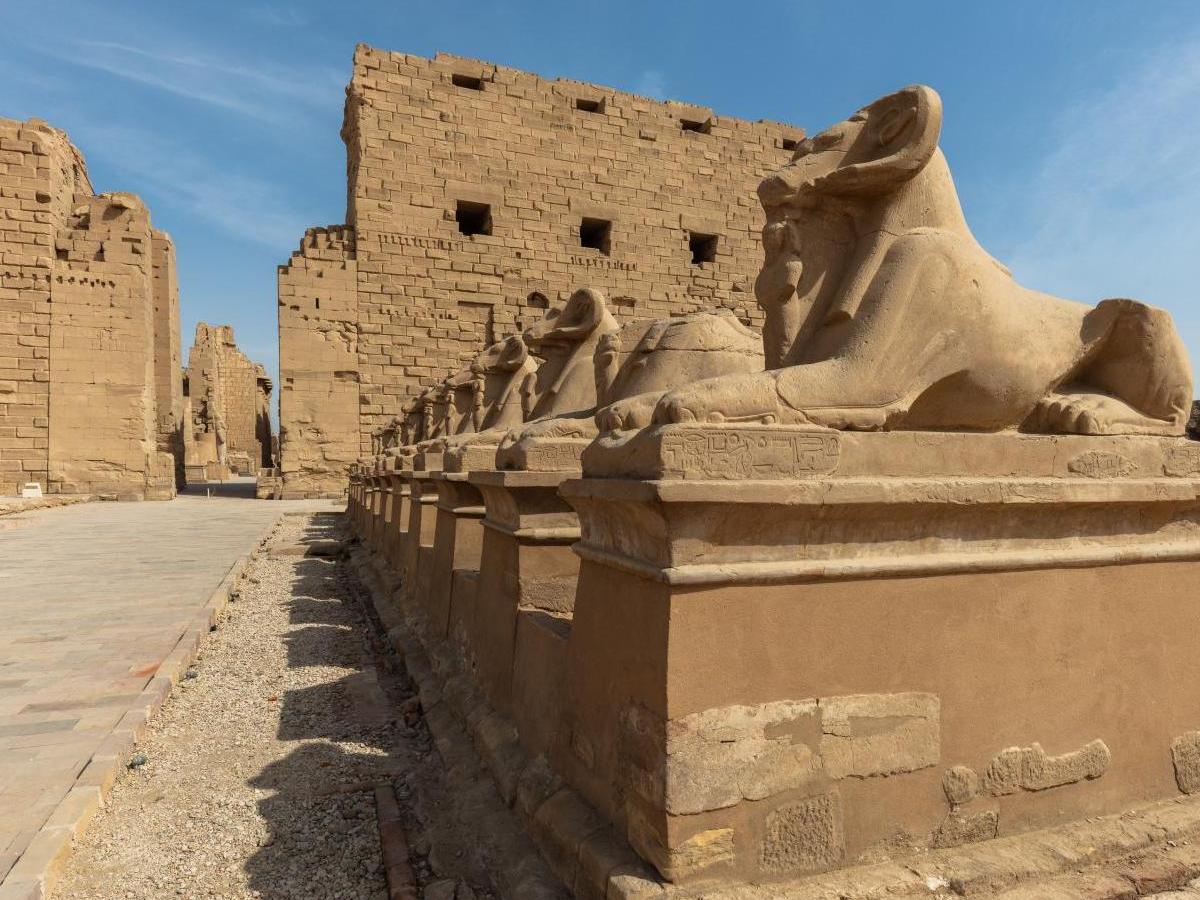
What’s incredible about the Karnak Temple isn’t just its size or its stunning beauty, but the way it tells the story of Egypt’s rulers. When you see the massive statues and towering obelisks, you’re looking at more than just stone. You’re looking at the lasting mark left by the pharaohs. These men (and women) wanted their names to live on for thousands of years. They knew the best way to ensure their immortality was to build something extraordinary that would outlive their own lifetimes. And let me tell you, they succeeded. Although the temple has survived centuries of natural disasters, invasions, and attrition, it still stands as a testimony to the ambition and vision of the pharaohs. Every inscription, every statue, every colossus is a window into their world, showing how they saw themselves as the divine rulers of Egypt. Today, when you walk through the Karnak Temple, you’re walking through history—a history that still holds incredible power even today, thousands of years later.
Karnak Temple is more than just a historical site, it is a living legacy that continues to inspire people around the world. When you stand in its shadow, you can't help but feel like you are part of something greater than yourself. Here, the past is not only remembered, but alive. Every stone, every column, every relief on the wall is a puzzle piece of Egypt's magnificent history. The pharaohs left their mark at Karnak, and now it's your turn to feel the power of their legacy.