In the mysterious and ancient Egypt, many monuments are scattered on this land like bright stars. Among them, the Temple of Hatshepsut attracts countless tourists and archaeology enthusiasts with its unique charm and profound historical heritage. It is like a silent history book, quietly telling the glory and legend of ancient Egypt.
Advertisement
The Temple of Hatshepsut was built for Queen Hatshepsut of the 18th Dynasty of Ancient Egypt. Hatshepsut occupies an extremely important position in the history of ancient Egypt. She is the first female pharaoh in Egyptian history with a long reign and outstanding political achievements. In the male-dominated ancient Egyptian society, Hatshepsut ascended the throne with outstanding political talents and firm determination. During her reign, she actively developed trade, making the Egyptian economy prosperous; she built many magnificent buildings, and this mausoleum named after her is the most outstanding representative.
Advertisement
The mausoleum was built in 1479 BC and was designed and built by Senmut, a famous architect at the time. It is not only the resting place of Hatshepsut, but also a monumental building that shows her ruling achievements and promotes theocracy. However, after Hatshepsut's death, her stepson Thutmose III, for various reasons, carried out large-scale destruction of related traces of Hatshepsut in an attempt to erase the mark of her rule. Despite such hardships, the mausoleum has been tenaciously preserved. After thousands of years of wind and rain, it has become an important window for future generations to understand the history and culture of ancient Egypt.
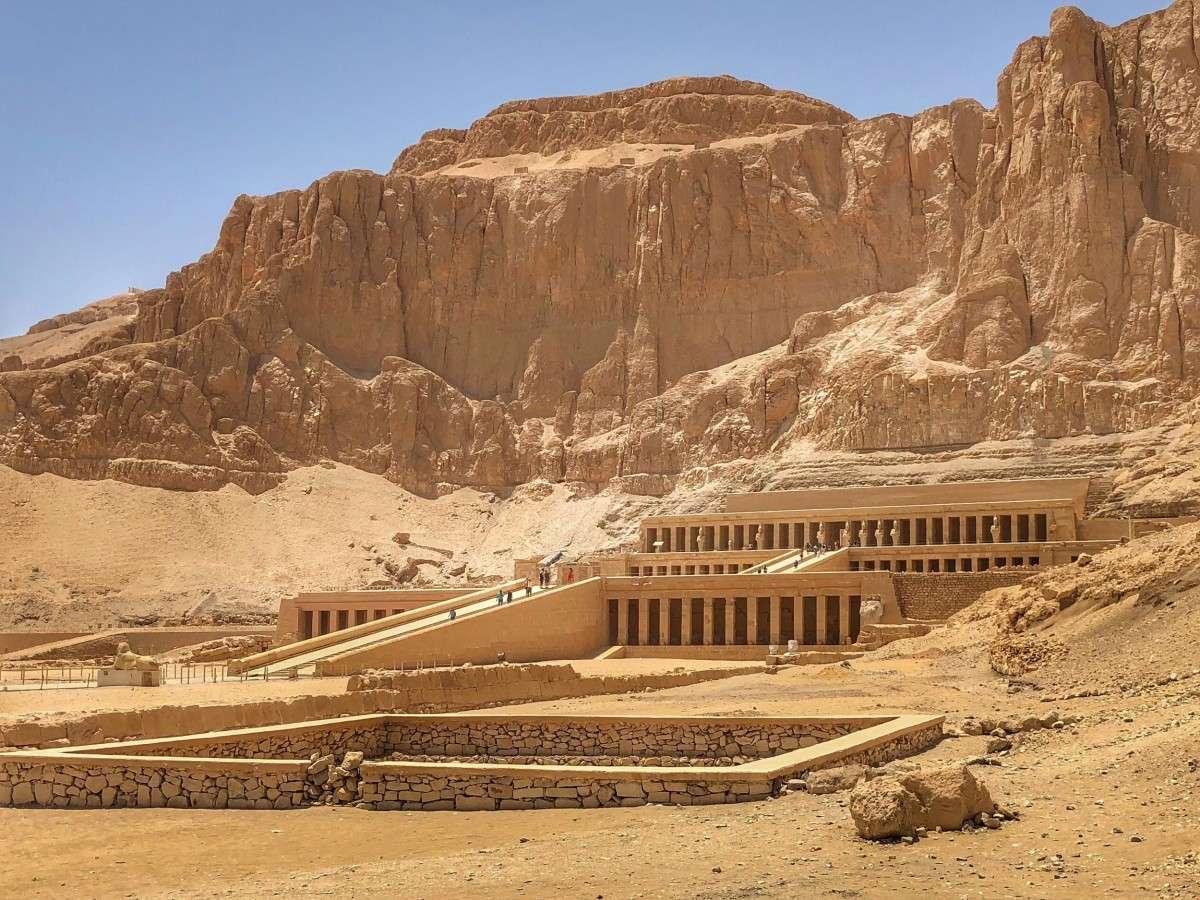
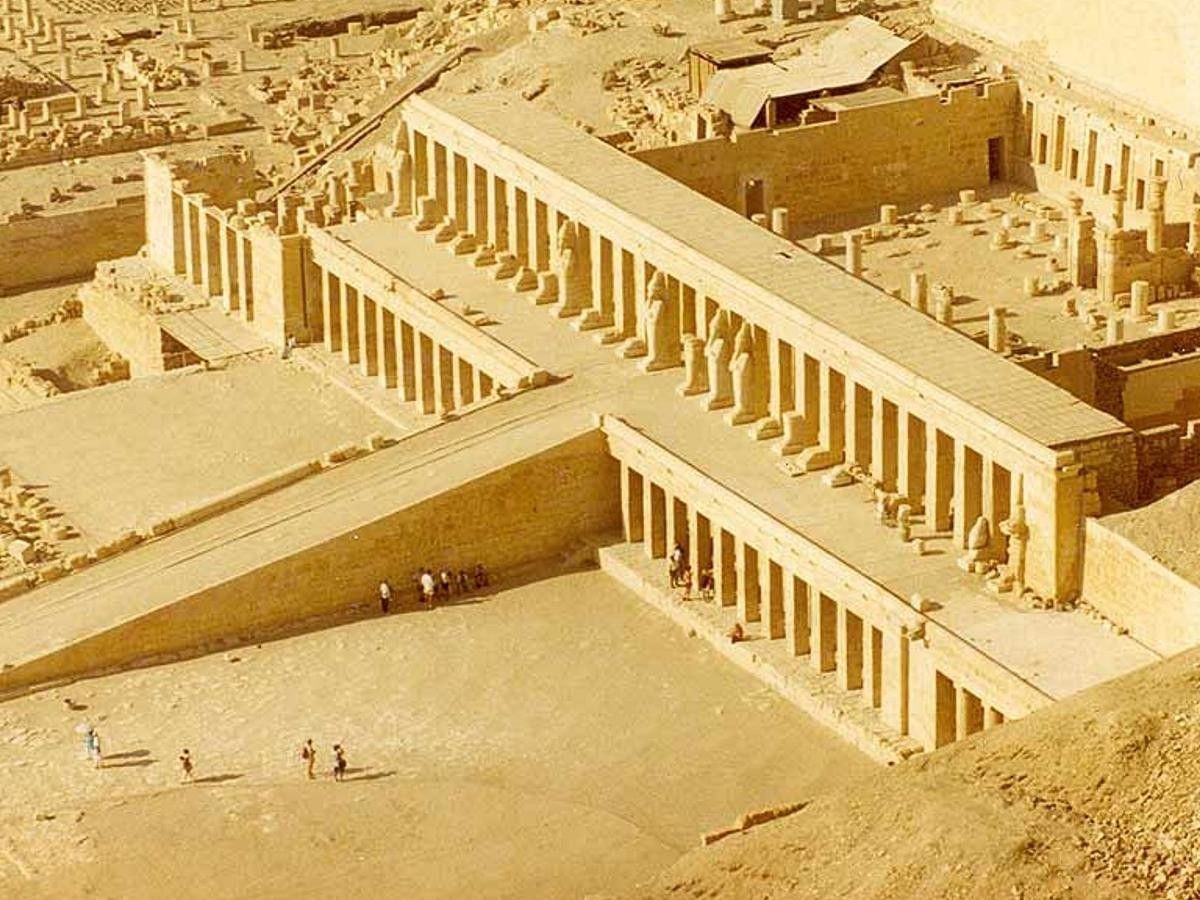
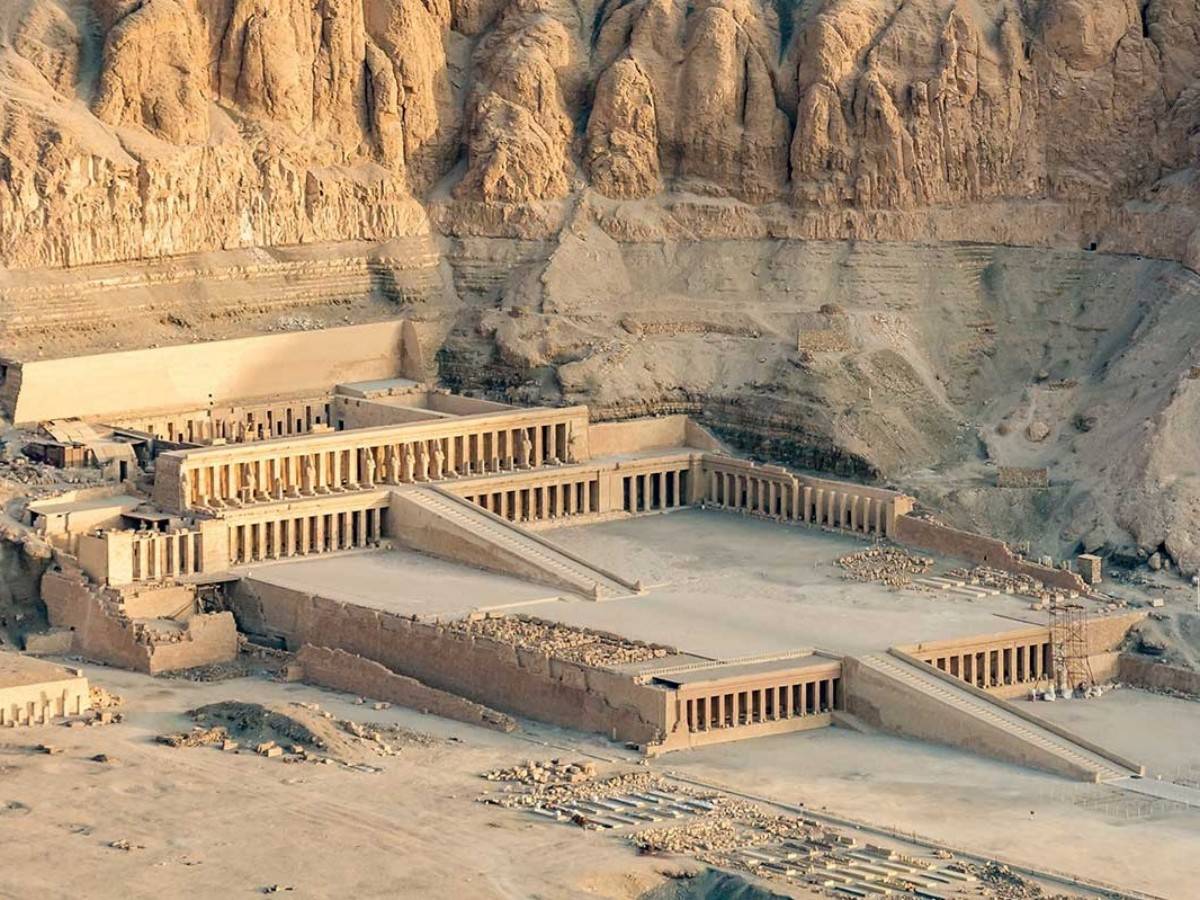
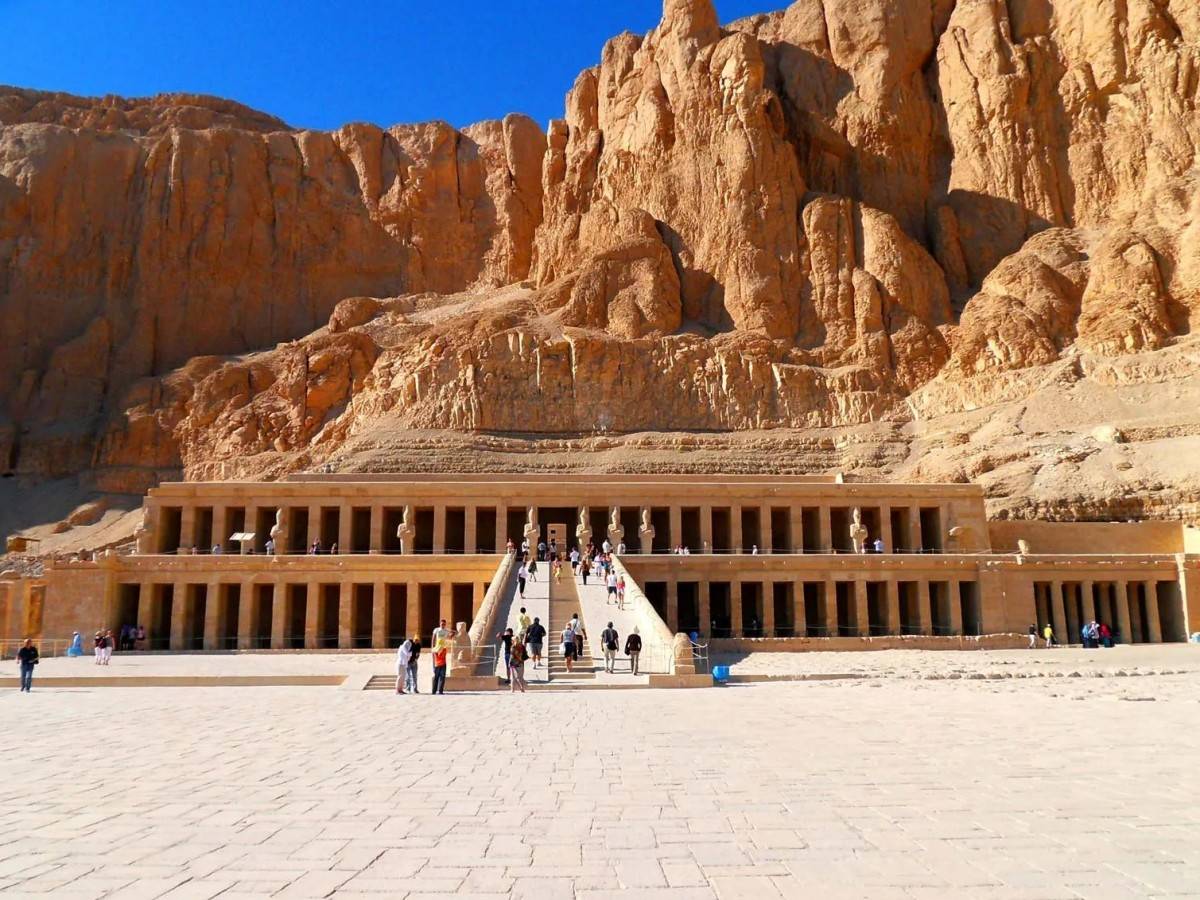
The Temple of Hatshepsut is located at the northernmost end of the Acropolis of Thebes on the west bank of the Nile River. It is backed by steep cliffs and faces the vast Nile Plain. The geographical location is unique. The architectural style of the entire mausoleum is unique. It adopts a three-tier terrace layout. The various parts are cleverly connected together through ramps and colonnades, creating a solemn and harmonious beauty.
Advertisement
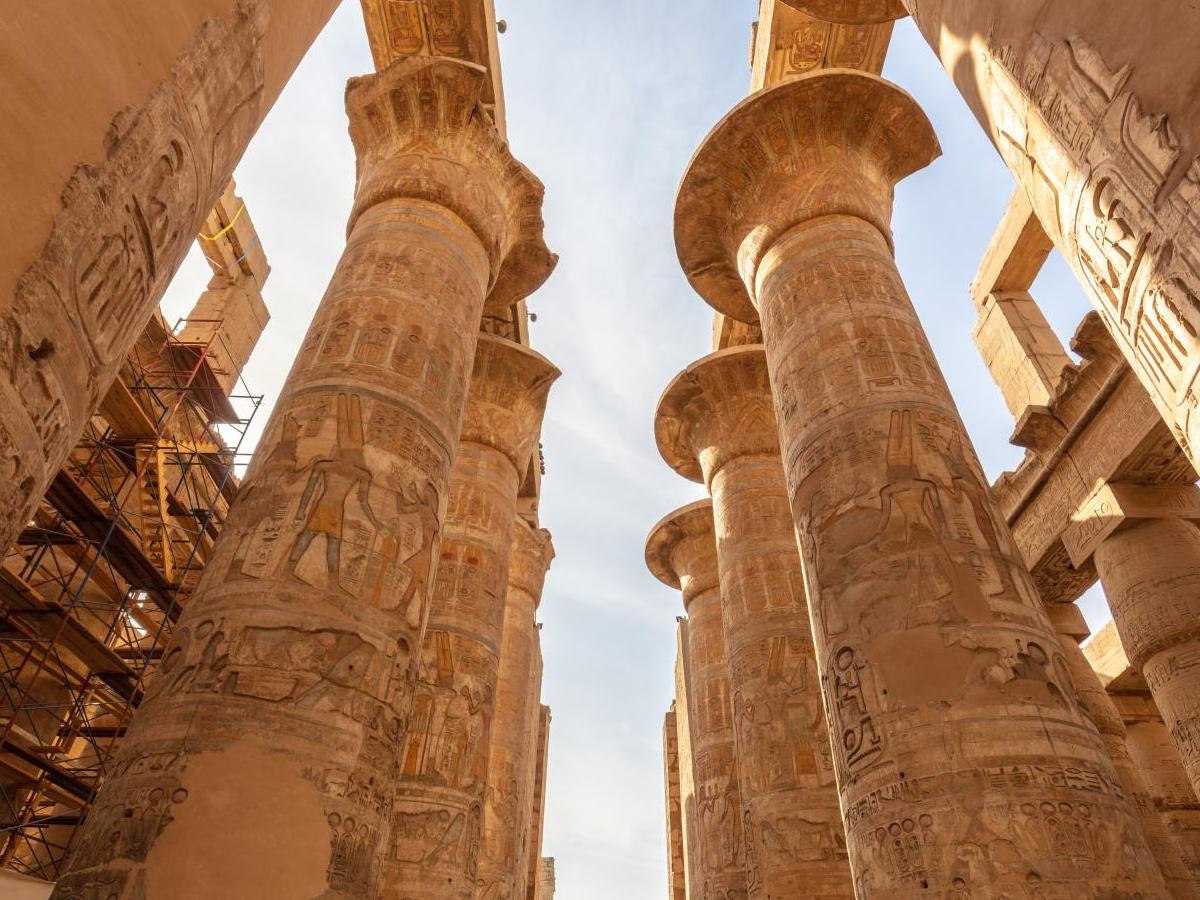
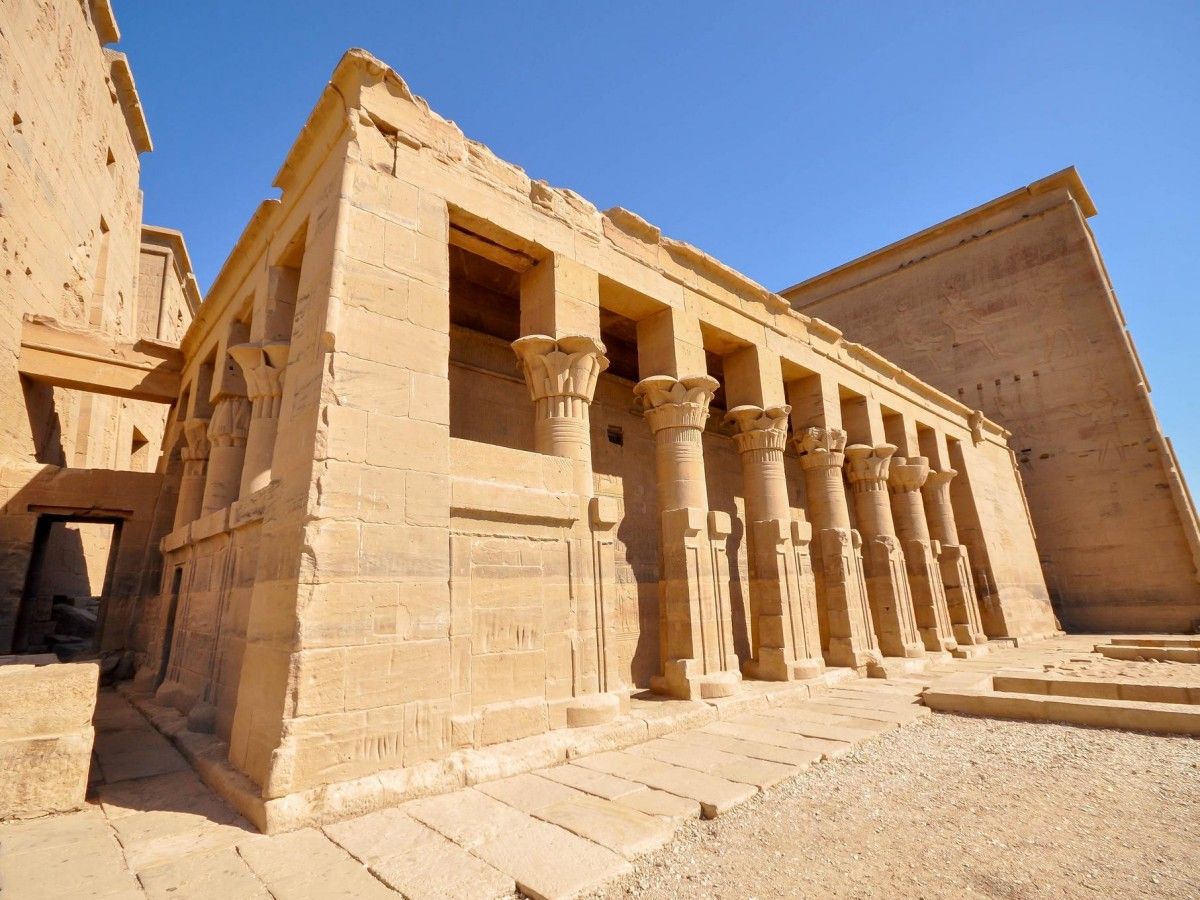
When you approach the mausoleum, the first thing that comes into view is the huge and regular stone columns. These stone columns are tall and straight, with exquisite patterns and hieroglyphs carved on them. The design of the colonnade is not only practical, providing people with shade and walking space, but also a manifestation of architectural aesthetics. Walking between the colonnades, it seems to travel through time and space and return to the glorious era of ancient Egypt.
Go up the ramp to the second terrace. There is a quiet courtyard here, and the walls of the courtyard are full of reliefs. These reliefs are rich and diverse in content, vividly depicting the life of Hatshepsut, her achievements in rule, and the religious rituals and myths and legends of ancient Egypt. Among them, the relief about the Punt trade is particularly eye-catching. It shows in detail the trade between ancient Egypt and the Punt region (probably located in present-day Somalia or Eritrea), including the scenes of the Egyptian fleet setting off with full cargo, trading in Punt, and returning, providing precious information for the study of ancient Egypt's foreign trade.
Climbing the third terrace, you can reach the core area of the mausoleum - the sacrificial hall. The interior of the sacrificial hall is spacious and the atmosphere is solemn. The murals on the wall are still brightly colored, depicting the scene of Hatshepsut communicating with the gods, highlighting her close connection with the gods as a pharaoh and emphasizing the sacredness of her rule.
The reliefs and murals of the Temple of Hatshepsut are treasures of ancient Egyptian art. The reliefs are exquisitely carved, with smooth lines and lifelike figures. When expressing characters, ancient Egyptian artists adopted the unique principle of "frontal law", that is, the head of the character is in profile, the eyes are in front, the body is in front, and the feet are in profile. This unique expression method makes the character image both three-dimensional and solemn. The colors of the murals are bold and bright, mainly red, yellow, blue, green and other colors. These colors still maintain a high saturation after thousands of years of baptism. The patterns and symbols in the murals contain profound religious and cultural connotations, and every detail is worth savoring. For example, the images of gods depicted in some murals, their shapes and hand-held objects have specific symbolic meanings, representing the ancient Egyptians' worship and awe of gods.
The Temple of Hatshepsut is not only a building, but also an important inheritor of ancient Egyptian civilization. It carries information about ancient Egypt's religious beliefs, political system, artistic achievements, social life and other aspects. Through the study and visit of the mausoleum, people can have a deep understanding of the ancient Egyptians' ideas about life and death, gods, and their superb skills in architecture, sculpture, painting and other fields. At the same time, the mausoleum also witnessed the status and influence of ancient Egyptian women in society. The rule of Queen Hatshepsut provided an important example for later studies on the role of ancient Egyptian women. It is like a bridge connecting the past and the present, allowing modern people to cross the boundaries of time and space and feel the charm and wisdom of ancient Egyptian civilization.
Exploring the Temple of Hatshepsut is like embarking on a wonderful journey through time and space. Here, you will appreciate the magnificence of ancient Egyptian architecture, the exquisite art, and the profound history and culture. This ancient monument, which has experienced vicissitudes, is waiting for every tourist who loves history and culture to come and unveil its mysterious veil and feel the unique charm that spans thousands of years.