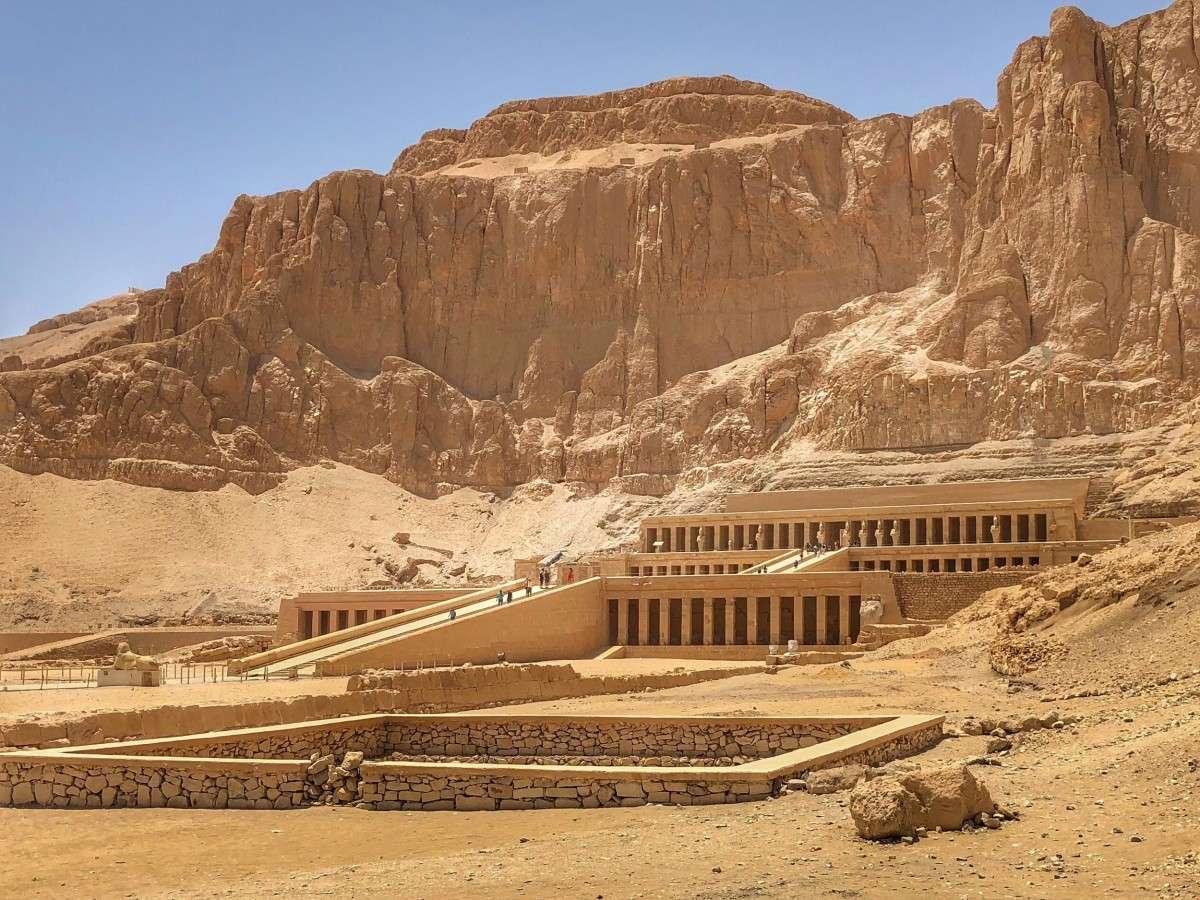
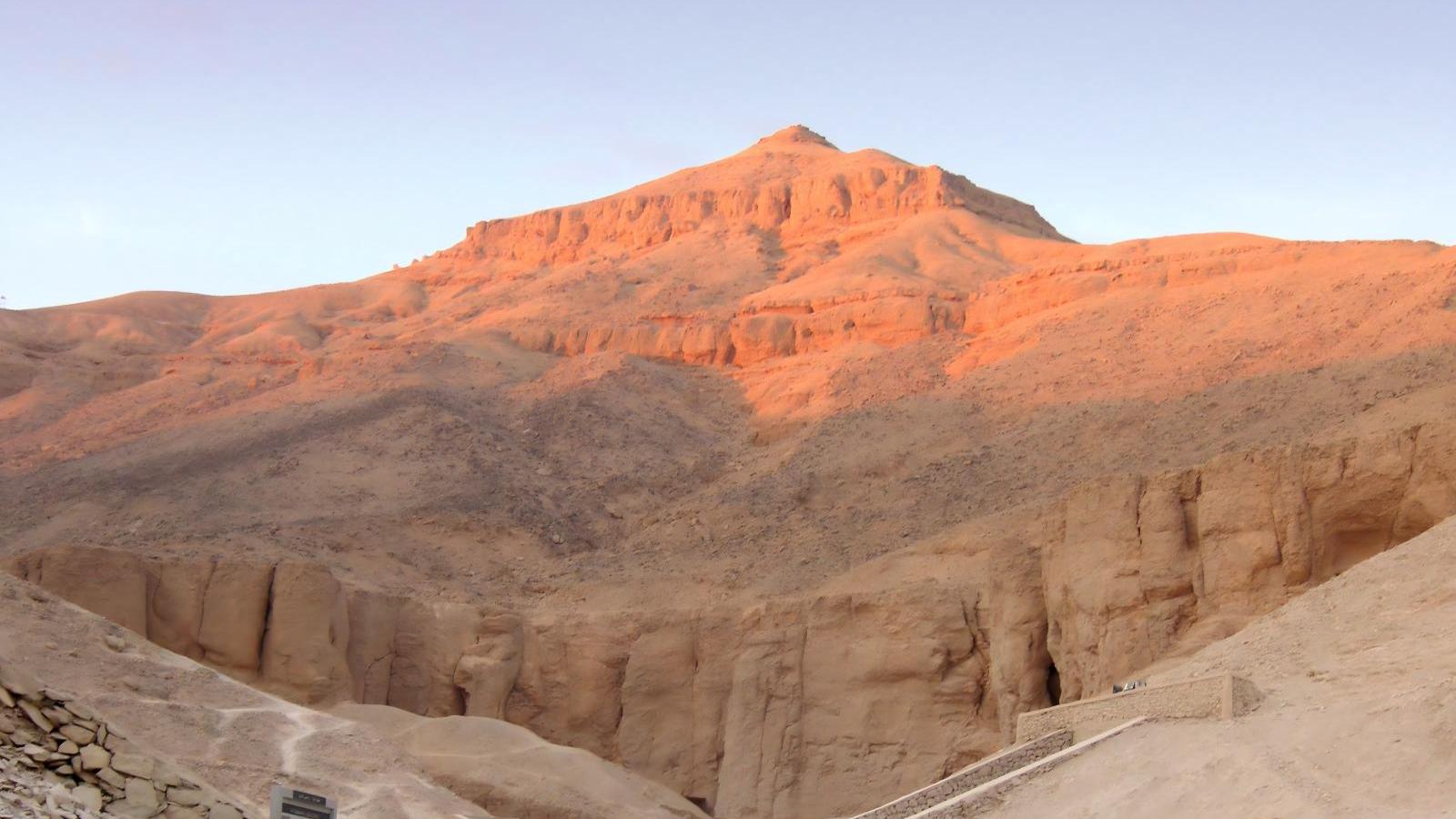
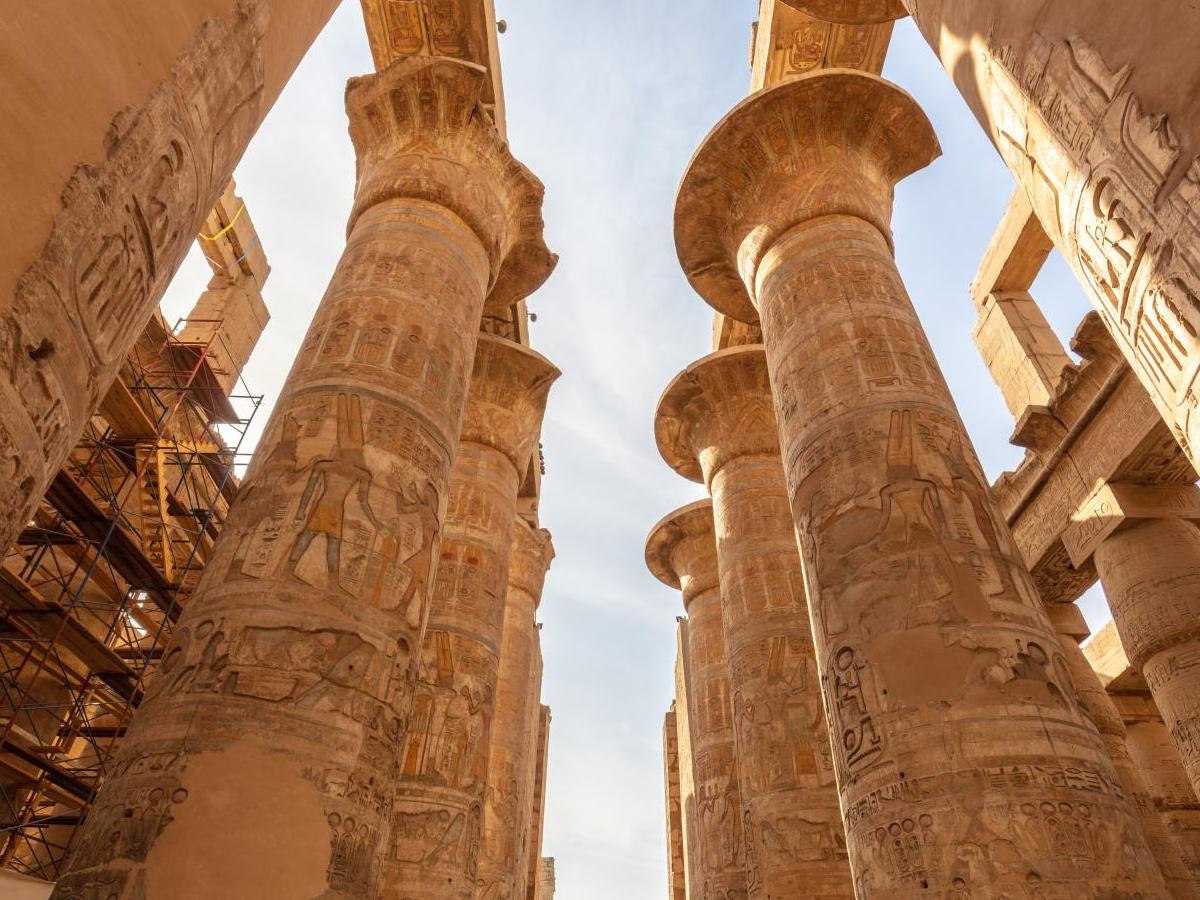
The moment you step into Valley of the Kings, it's like stepping into another world - a world shrouded in mystery, secrets and strange history. You can almost hear the ancient Egyptians whispering their stories, and yes, even the legend of the infamous "Curse of the Pharaohs" seems to hang in the air. Whether you're a thrill-seeker or just curious about Egypt's rich history, Valley of the Kings is sure to thrill you. After all, this is no ordinary place - some of Ancient Egypt's most powerful pharaohs are buried here, and their legacy still rules here today... What exactly is the Pharaoh's Curse all about? Is it all just made up, or is there some dark truth buried in the tombs of the Valley?
Advertisement
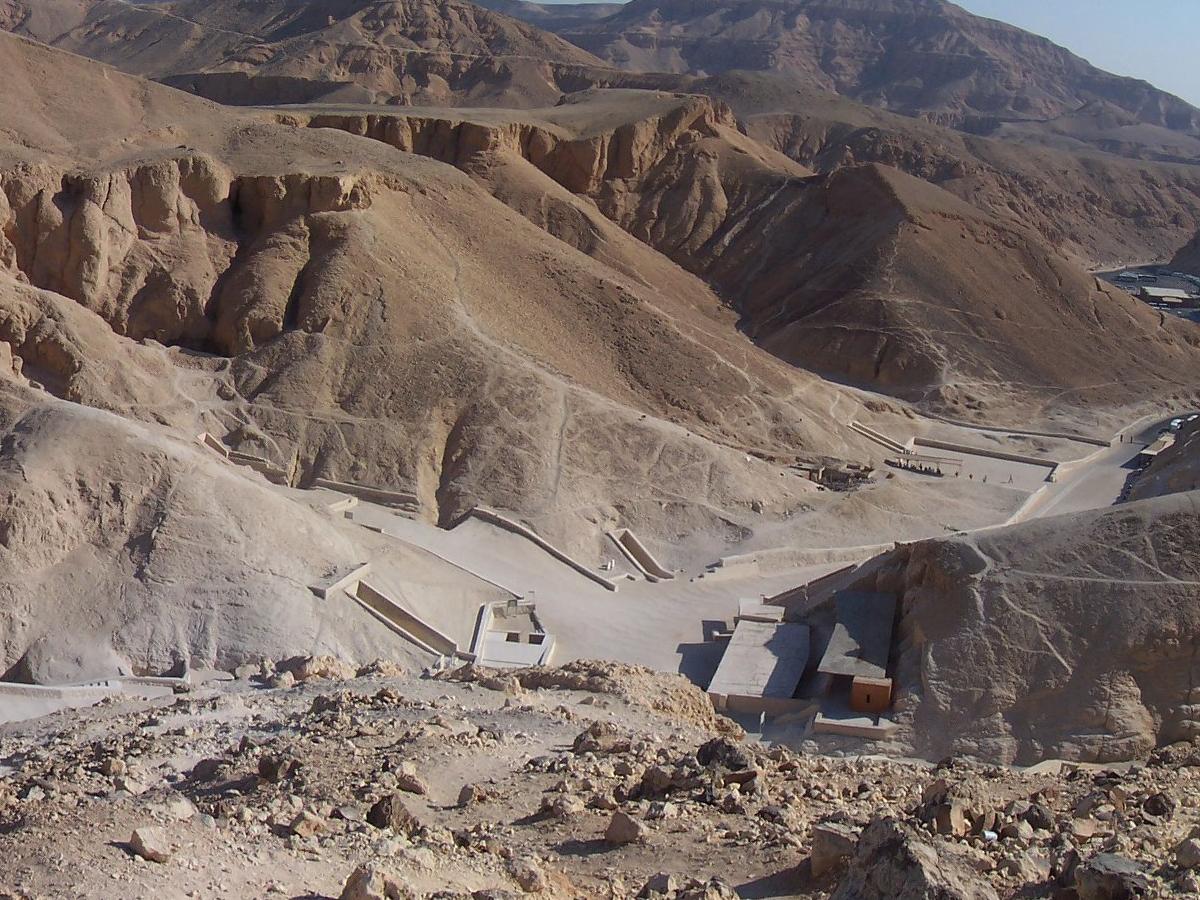
Before we get into the curse itself, let’s talk about the Valley of the Kings. At the foot of a steep, rocky mountain, surrounded by cliffs that rise to the sky. This is no ordinary tomb, but the resting place of ancient Egyptian kings and some of their most important queens. It’s like the ultimate royal cemetery, and it has been shrouded in mystery for centuries. The Valley of the Kings has 63 tombs dating back to the New Kingdom (c. 1550-1070 BC), each of which is a window into the powerful world of the pharaohs. The weight of history is palpable the moment you step into this ancient cemetery. Each tomb tells the story of the pharaoh’s life, royal wealth, and elaborate funeral rituals. Even more fascinating is the dark side of this place that has fascinated people for generations - anyone who disturbs a pharaoh’s tomb is said to be cursed.
Advertisement
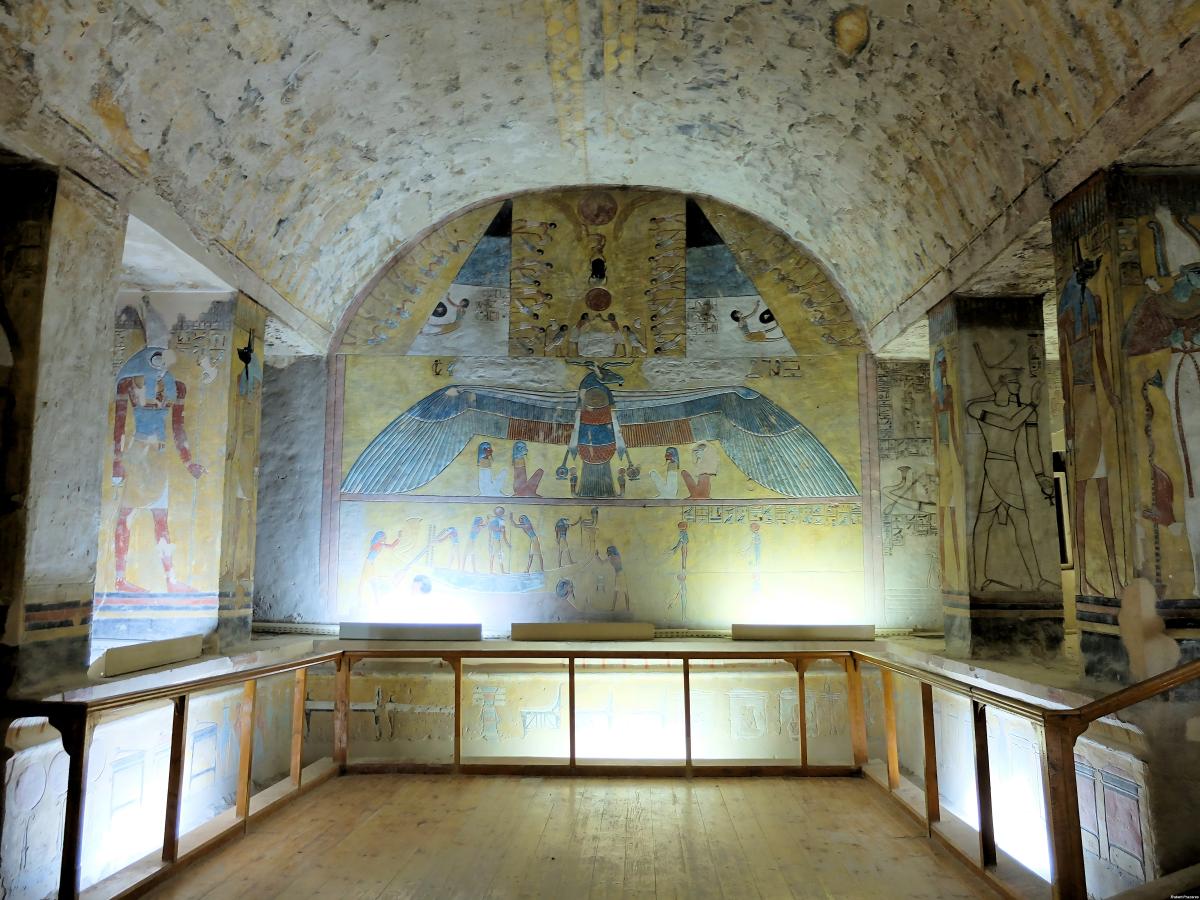
Let's talk about curses. You may have heard the term, "The Curse of the Pharaohs" is a legendary story that has been passed down through the ages, and you may have come across it if you have watched movies about Egypt or read books about Egypt. Legend has it that anyone who disturbs the tombs of the Pharaohs, especially the tomb of King Tutankhamun, will be cursed to death. It sounds chilling. But is it just a legend? Although the "curse" is an exciting story, it is not as simple as it seems. In 1922, British archaeologist Howard Carter discovered the tomb of King Tut, which was the first recorded mention of the "curse". Soon after the tomb was opened, the people involved in the expedition died young one after another. The most famous death was Lord Carnarvon, who funded Carter's excavation. Just a few days after the tomb was opened, Lord Carnarvon died mysteriously due to a mosquito bite, which made many people believe that a curse had beenfallen. Now, the story becomes even more interesting. The media went crazy for the concept of the curse, and soon every little incident was linked to the "Curse of the Pharaohs". Some even claim that the curse has claimed the lives of more than 20 people associated with the tomb.
Advertisement
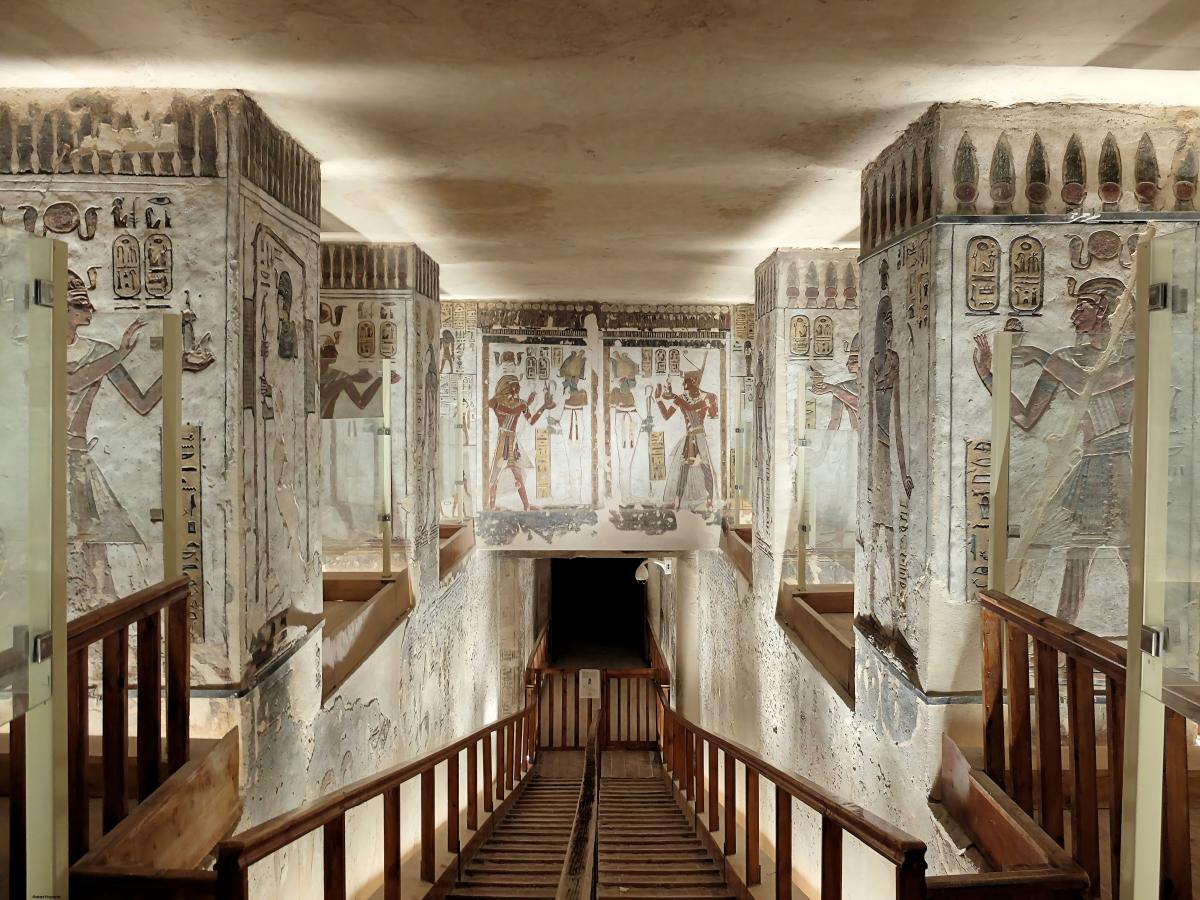
Can curses actually cause people to die? Probably not. Curses are a bit...supernatural, after all, but here's where it gets interesting: While the idea of a curse may be more myth than fact, it's undeniable that the deaths and oddities surrounding the discovery of King Tut's tomb helped fuel the legend. In fact, most historians and archaeologists agree that the causes of these deaths and unfortunate events are nothing more than bad luck, poor hygiene, or simple coincidence. Lord Carnarvon's death, for example, was probably caused by an infected mosquito bite - something that was unfortunately all too common in Egypt at the time. As for other causes of death? Let's just say that with so many people involved in the expedition, and so many lives tied to the tomb, it's not surprising that some misfortunes occurred. So, was there a curse? Probably not. But what about the media hype? Oh, there definitely is. The legend of the "Pharaoh's Curse" still circulates to this day, in part because of the weird coincidences and spooky reputation of the Valley of the Kings.
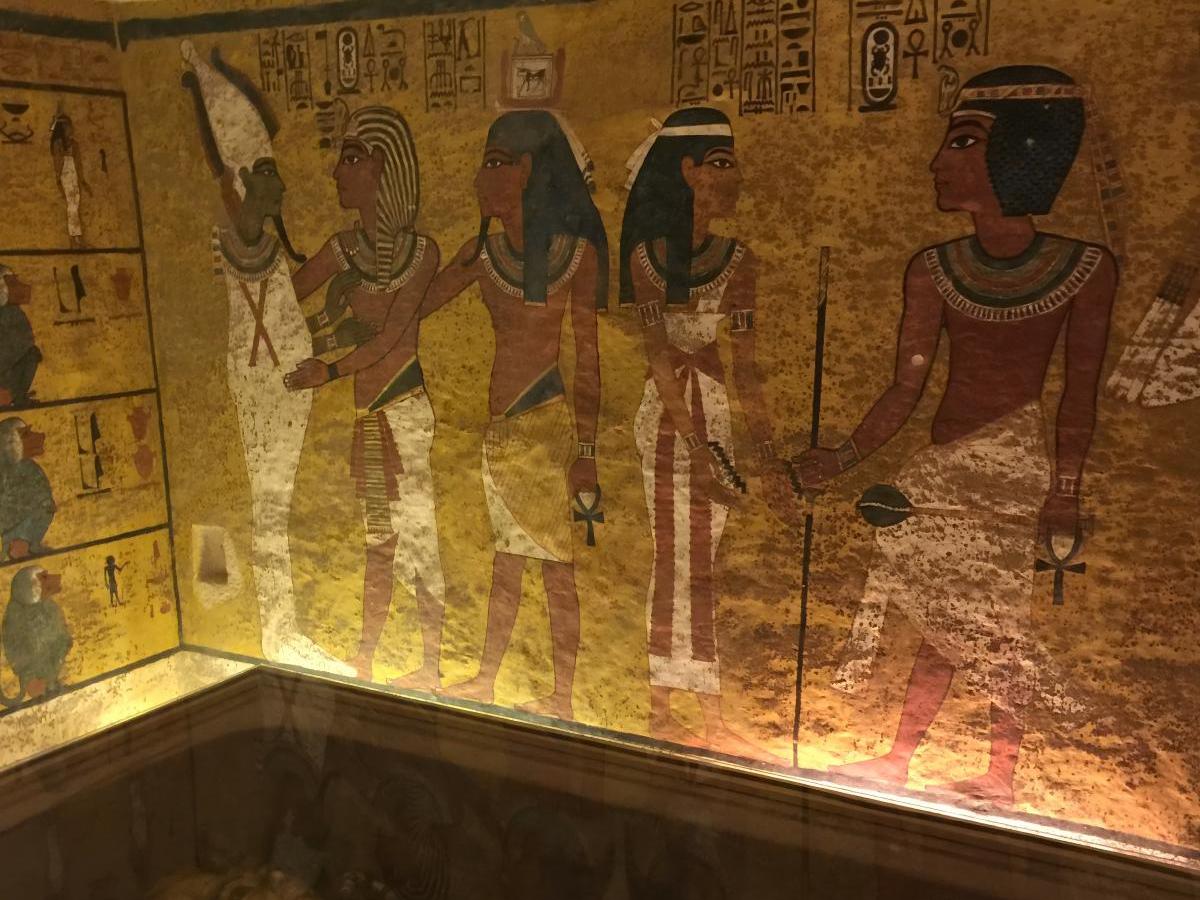
Whether or not there was a curse, one thing is certain: this place was built to honor Egypt's most powerful rulers and ensure their immortality. The tombs here are more than just burial places - they are magnificent spaces designed to carry the pharaohs into the afterlife. Each tomb is filled with treasures, statues, and paintings that provide guidance for the king or queen's journey to the underworld. The ancient Egyptians believed that death was not the end, but the beginning of a new journey. They believed that the pharaoh's soul would travel to the afterlife, where they would continue to rule and enjoy eternal life. This is why the tombs are so elaborate - each one was designed to honor the king's greatness and ensure they had everything they needed in the afterlife. Wander through the valley and see tombs like Ramses VI's, where the walls are lined with carvings of gods and details of the journey to the underworld. This is more than just art, it's a spiritual road map designed to help the pharaoh make a smooth transition to the afterlife.
Today, the valley is a protected site, and archaeologists are constantly unearthing new discoveries that reveal Egypt's fascinating history. While the "curse" may have been debunked as a myth, the real magic of Valley of the Kings is the way it makes you feel connected to one of the world's oldest and most powerful civilizations. You can't help but be struck by the sheer scale of the tombs and the exquisite art that has been preserved so well after thousands of years. This isn't about curses or ghosts, it's about history, heritage, and the lasting legacy of the pharaohs.