
Advertisement
21 kilometers southwest of Iringa City in central Tanzania, in a sandstone canyon carved by wind erosion, lies the most shocking prehistoric code on the African continent - the Isimila Stone Age Site. This was once a paradise for early human hunting 300,000 to 600,000 years ago, but now it has become what archaeologists call the "East African Prehistoric Open-air Museum" with its 30-meter-high stone pillars, Acheulean hand axes scattered all over the ground, and giant animal fossils. When you step into this geological wonder created by wind and water, every piece of gravel under your feet may have witnessed the first time humans learned to use fire, and every rock wall touched by your fingertips is engraved with the survival wisdom of 100,000 years ago. This article will reveal to you how to use half a day to travel through the folds of time and space and unlock the ultimate gameplay of this site.
Advertisement
Transportation: Self-driving and chartering
Advertisement
There are two main transportation options from Iringa city to the Isimila site: self-driving or chartering. If you choose to drive yourself, you need to drive about 20 kilometers southwest along the A104 highway, and then turn into a dirt road under the road signs. This dirt road is in poor condition and is covered with gravel. It is recommended to drive an SUV or off-road vehicle and prepare a car navigation (such as Maps.me offline map) to prevent signal interruption. If you choose to charter a car, you can book it at a travel agency or hotel in Iringa. The cost is about US$15-20 per person (including the driver). The driver is usually familiar with the route and can provide explanations along the way.
Key nodes: the entrance to the site and the thatched house museum
Upon arriving at the site, the first thing that comes into view is a miniature museum built in a thatched house. Representative artifacts unearthed from the site are displayed here: Acheulean hand axes, stone knives and ball stones from 60,000 to 70,000 years ago, as well as mammal fossils related to modern giraffes. The museum is open to the public free of charge, but please note the opening hours (usually from 8:00 am to 5:00 pm), and some exhibits are not protected by glass, so visitors should be careful when touching them.
Practical tips:
Best departure time: It is recommended to depart from Iringa at 7:00 in the morning to avoid the high temperature at noon, and to leave enough time to explore the site.
Road condition warning: The dirt road is bumpy, so it is recommended to bring motion sickness medicine and prepare sun hats and sunglasses.
Guide service: If you want to learn more about the history of the site, you can contact the local guide in advance (the cost is about US$10/hour). They can take you to find hidden fossil sites and tell the stories of archaeologists' discoveries here.
Route highlights: stone pillars, fossil sites and Acheulean hand axes
Advertisement
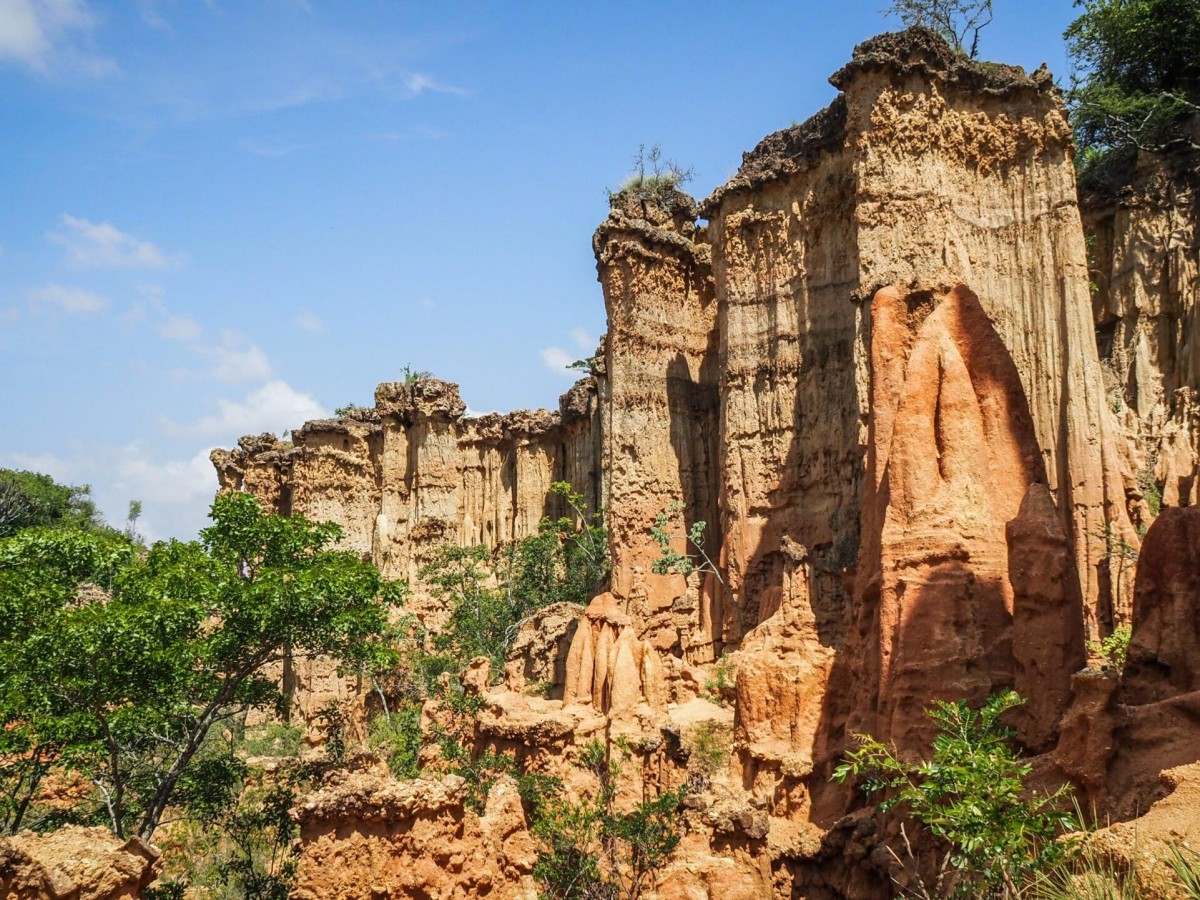
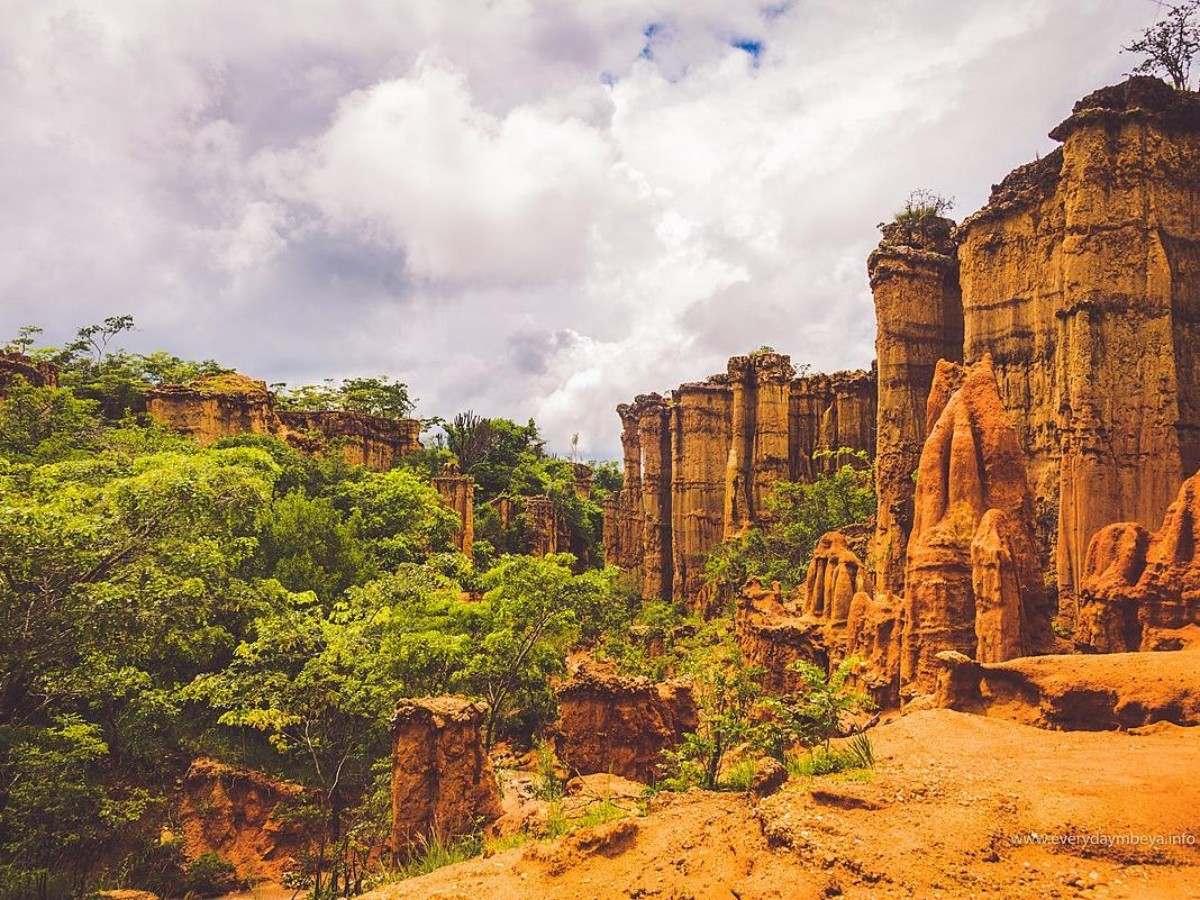
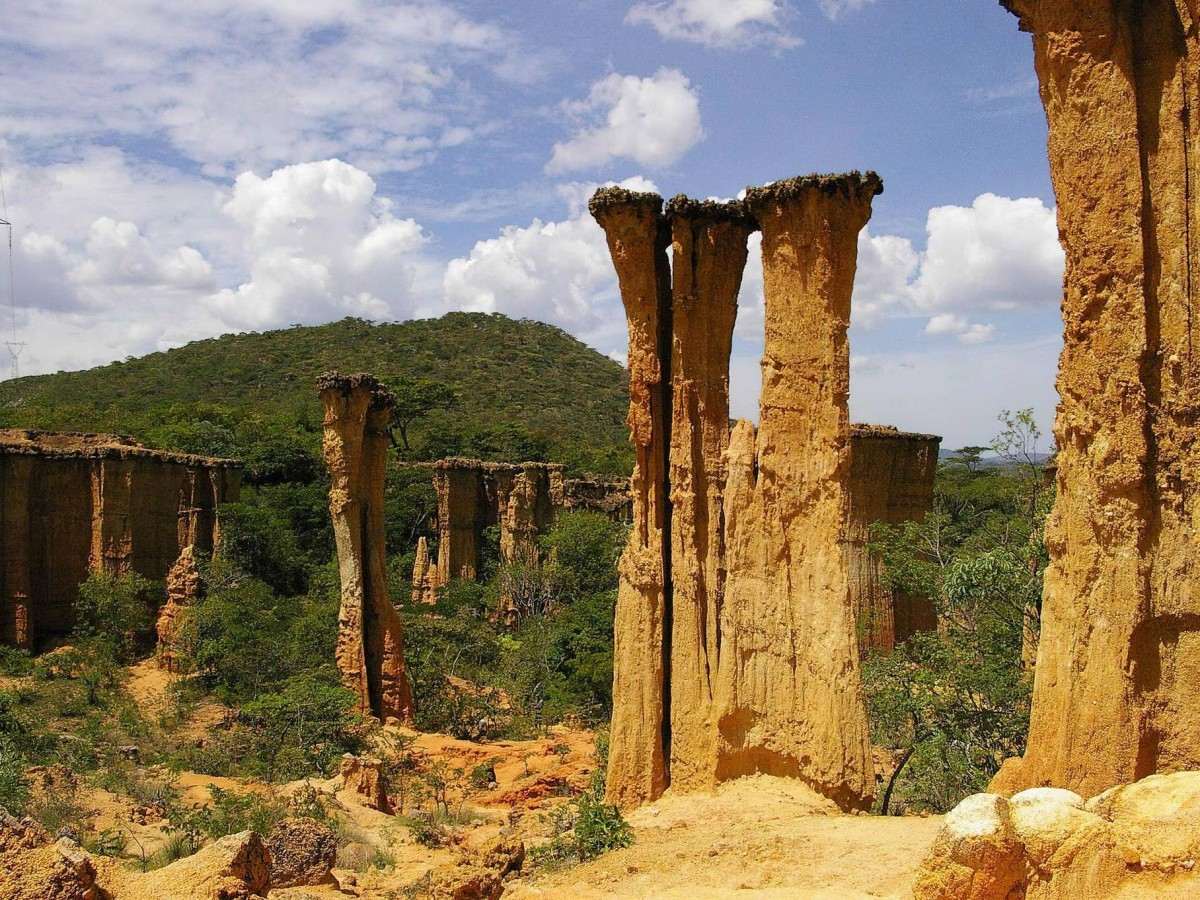
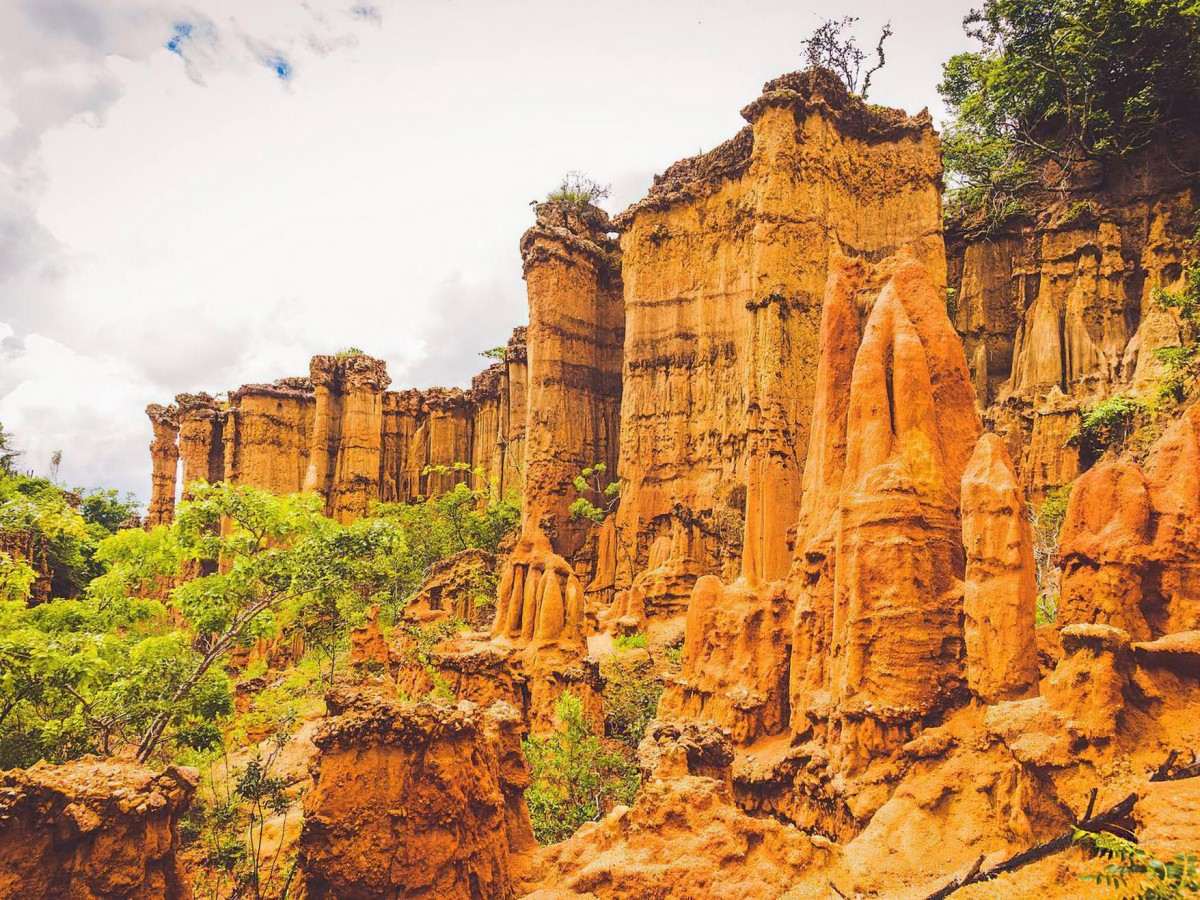
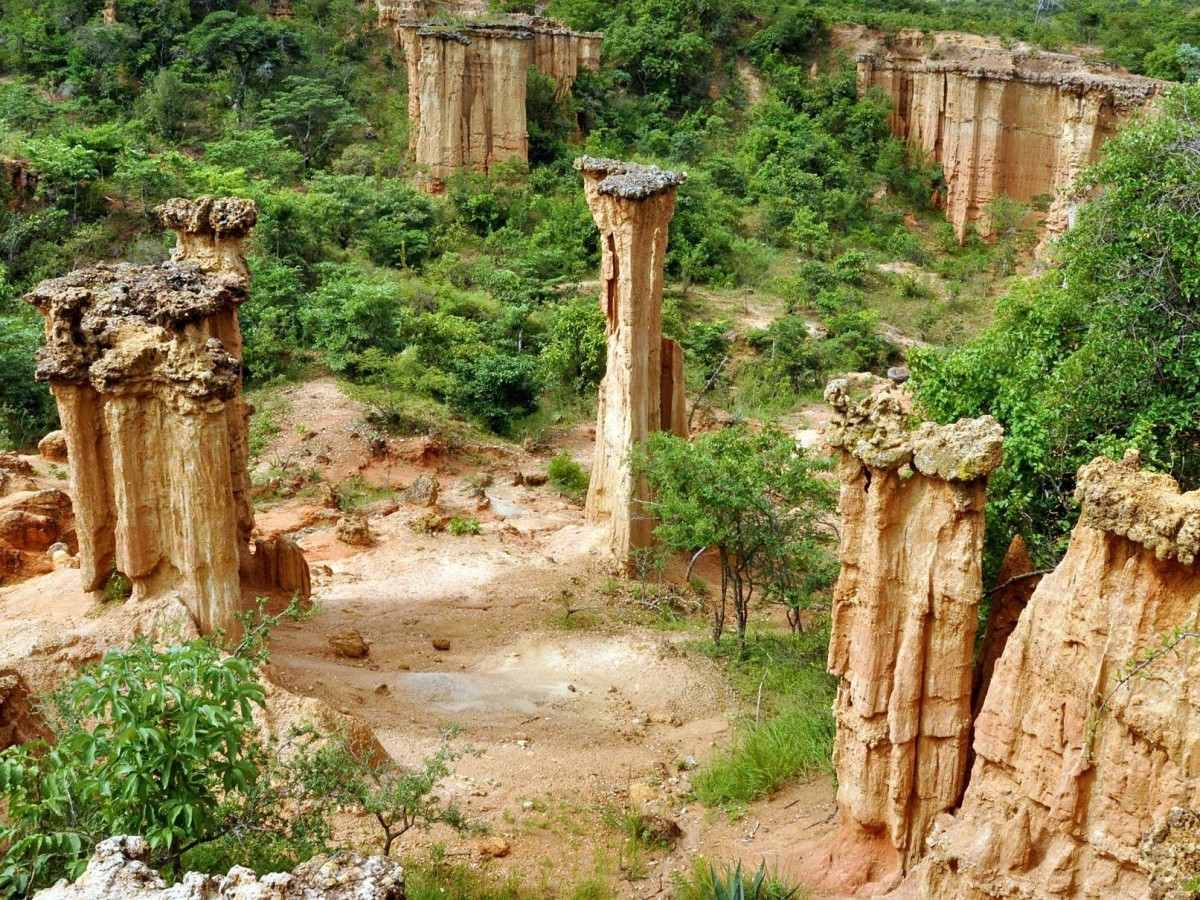
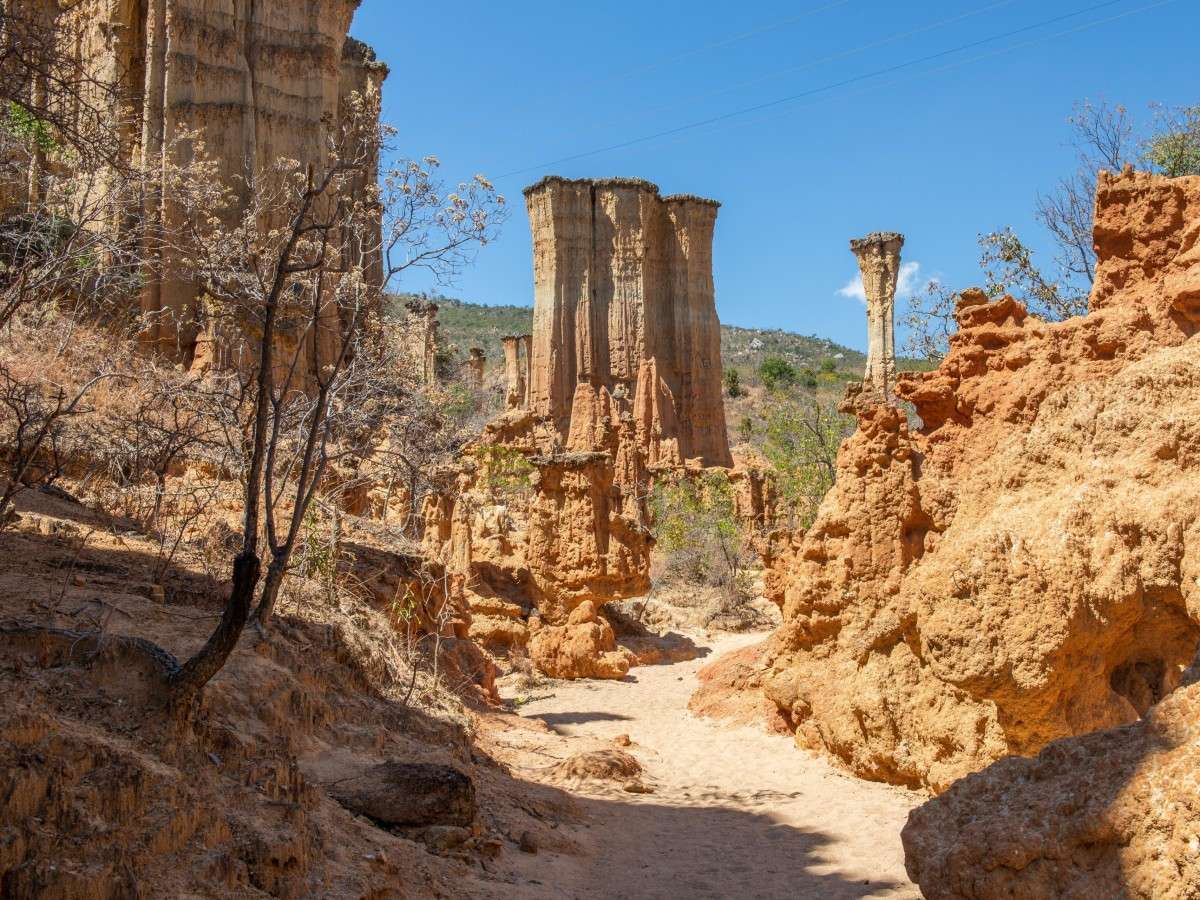
The core area of the Isimila site is a sandstone canyon formed by wind erosion. The stone pillars are towering into the sky and have various shapes, as if they were discarded by giants at will. Walking along the canyon trail, you will pass through three must-see areas in turn:
Stone pillar group viewing platform: This is the iconic landscape of the site. The 30-meter-high stone pillars are like knives and axes, casting dramatic shadows in the sun. Standing on the viewing platform, you can overlook the entire canyon and feel the majestic power of geological movement.
Fossil site: On a gravel beach on the east side of the canyon, there are scattered fossil fragments of giant animals. These fossils belong to long-extinct prehistoric creatures, such as the ancestors of giraffes and giant antelopes. Archaeologists speculate that this was once a dry riverbed of a shallow lake, where early humans hunted and left tools.
Acheulean hand axe discovery site: On a rock wall on the west side of the canyon, archaeologists have found a large number of Acheulean hand axes. Made of quartzite and finely polished, these hand axes are a symbol of early human wisdom. Standing here, you can almost see humans 100,000 years ago using these tools to cut prey and make weapons.
Schedule: Compact half-day tour
8:30-9:00: Arrive at the site, visit the thatched house museum, and learn about the background of the site.
9:00-10:30: Hike through the stone pillars, take panoramic views of the canyon, and look for fossil fragments.
10:30-11:30: Go to the site where the Acheulean hand axes were discovered, observe the tool marks on the rock wall, and listen to the guide's explanation of the archaeological discoveries.
11:30-12:00: Return to the entrance of the site, summarize the trip, and buy souvenirs (such as site restoration maps and stone tool models).
In-depth half-day tour (with guide)
8:30-9:00: Arrive at the site, meet with the guide, and visit the museum.
9:00-11:00: Guided by a guide, hike through the canyon, search for hidden fossil sites, and learn how to identify prehistoric tools.
11:00-12:00: Go to the site where the Acheulean hand axe was discovered and participate in simulated archaeological activities (such as making hand axes with replicas).
12:00-12:30: Return to the entrance, exchange experiences with the guide, and buy souvenirs.
Hiking equipment: Lightweight and functional
Shoes: A pair of non-slip hiking shoes is key. Some areas of the site are covered with gravel, so you need to choose shoes with deeper soles to prevent slipping.
Clothing: Use the "three-layer dressing method": quick-drying underwear (such as wool) + fleece/soft shell jacket + windproof and waterproof jacket. The temperature in the site varies greatly, and may drop to 15°C in the early morning and evening, and may rise to 30°C at noon.
Backpack: It is recommended to carry a 20-30 liter hiking backpack with a rain cover. What you need to bring in your backpack:
Drinking water (at least 2 liters per person)
High-calorie snacks (such as nuts, energy bars)
First aid kit (including band-aids, disinfectant cotton pads, painkillers)
Sunscreen (SPF50+) and mosquito repellent spray (there are few mosquitoes in the site, but be careful of the surrounding grass)
Photographic equipment: Capturing the beauty of prehistory
Camera: It is recommended to bring a lightweight micro-single camera (such as Sony A7 series) or a sports camera (such as GoPro) to cope with dusty environments.
Lens: Wide-angle lenses (such as 16-35mm) are suitable for taking panoramic views of the canyon, while macro lenses (such as 100mm) can capture the details of fossils.
Accessories: Rain cover, lens cleaning cloth, spare batteries and memory cards. The light in the site is complex, so it is recommended to bring a polarizing filter to reduce reflections.
Other essential items
Cash: There is no ATM machine in the site, so you need to bring enough cash to pay for the guide fee and souvenirs.
Documents: Copy of passport, vaccination certificate (yellow fever vaccine is mandatory).
Environmentally friendly supplies: reusable water bottles, garbage bags (littering is prohibited in the site).
Simulated archaeology: Make an Acheulean hand axe yourself
In some areas of the site, visitors can participate in simulated archaeological activities. The guide will provide replica materials and teach you how to make a simple Acheulean hand axe with quartzite. From material selection, grinding to shaping, the whole process takes about 30 minutes. After completion, you can take the hand axe away as a souvenir (a small fee is required).
Experience tips:
Be patient when making it, and avoid using too much force to cause the material to break.
You can ask the guide for the purpose and production techniques of the hand axe to increase interactivity.
Night tour of the site: Prehistoric secrets under the stars
If you choose to camp, you can participate in the night hiking activities organized by the site (reservation is required in advance). Under the illumination of the headlamp, you will see:
Luminous fungi: On the wet rock wall, fluorescent green fungi flicker like stars.
Nocturnal animals: such as owls, bats and small mammals.
Play suggestions:
Keep quiet when traveling at night to avoid disturbing animals.
Bring a telescope (8×42 magnification) to observe the stars and animals from a distance.
Geology Class: Unraveling the Mystery of the Formation of Stone Pillars
The stone pillars at the Isimila site are masterpieces of wind erosion. With the guide's explanation, you will learn:
The stratified structure of sandstone: rock layers of different colors represent different sedimentary environments.
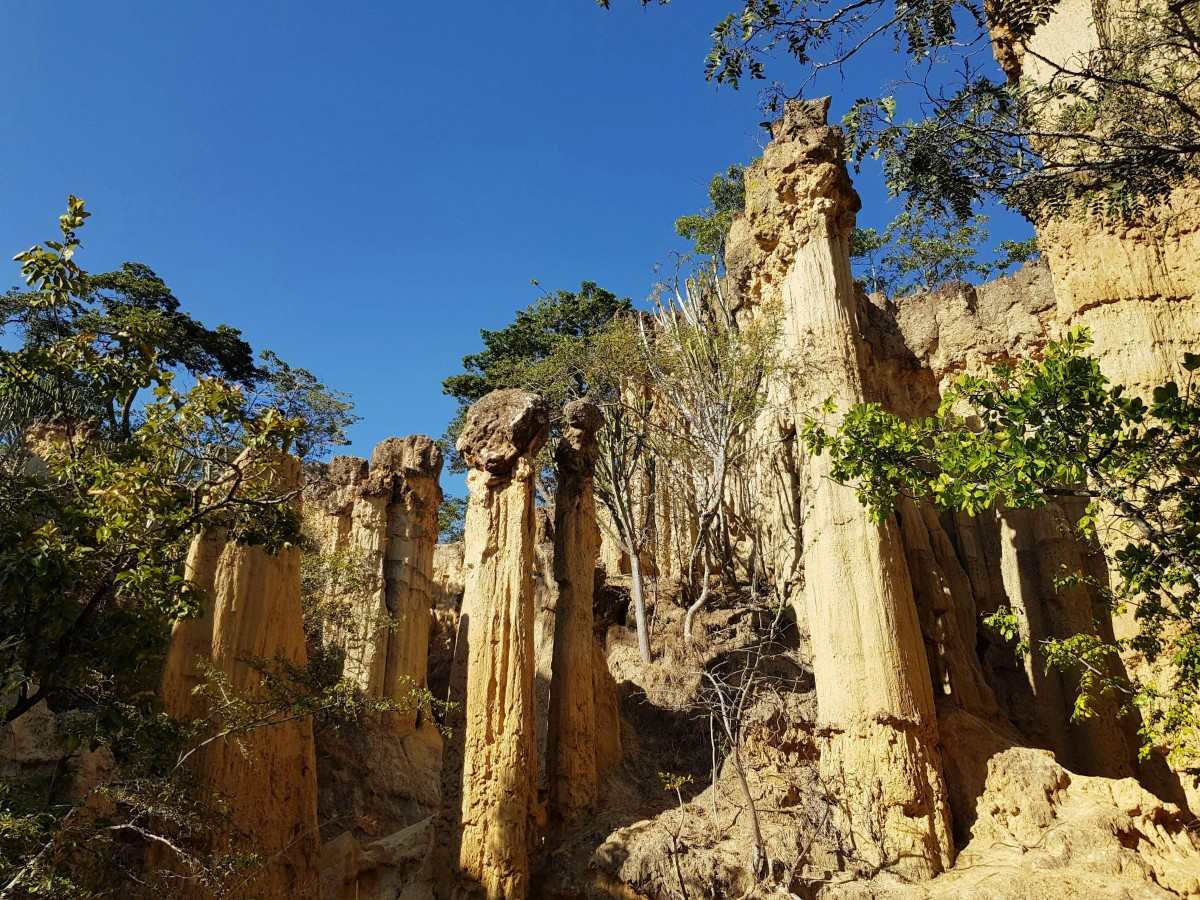
The formation of wind-eroded pillars: long-term wind and rain erode the weak parts of the rock, leaving the hard parts to form stone pillars.
Learning Tips:
Carry a geological hammer (with the guide's permission) and gently tap the rock wall to observe the hardness differences of different rock layers.
Use your mobile phone to take pictures of the texture of the rock layer, and check the information after returning home for in-depth study.
Safety Tips
Weather changes: The climate in the ruins is changeable and it may rain at any time. Check the weather forecast before departure and bring rain gear.
Wildlife: Snakes and small mammals may appear in the ruins. Do not touch or disturb them at will.
Physical condition: You need to assess your physical strength when hiking. If you experience symptoms such as dizziness and difficulty breathing, you should stop the activity immediately and seek help.
Environmental protection guidelines
Leave no trace on the mountains and forests: Take away all garbage, including food scraps and packaging.
Protect vegetation: Avoid trampling on rare plants and do not pick flowers or fruits.
Respect culture: The ruins are a sacred place for local tribes. You need to maintain awe and do not graffiti or destroy them at will.
Gangilonga Rock: Overlooking the panoramic view of Iringa
After returning to Iringa from the Isimila ruins, you can go to Gangilonga Rock. This rock is located on the east side of Iringa city and is an excellent place to overlook the panoramic view of the city. There are many graffiti by local young people on the rock. Although it is a bit messy, it also adds a bit of life. Please note that there was a robbery here in 2012. It is recommended to travel in groups and avoid carrying valuables.
Neema Handicraft Workshop: Elephant dung papermaking experience
In the city of Iringa, there is a handicraft workshop called Neema, which is famous for making paper with elephant dung. Visitors can drink coffee and eat cakes while watching how craftsmen transform elephant dung into exquisite paper and crafts. If you are interested, you can also experience the papermaking process yourself and make a souvenir of your own.
Ruaha National Park: Tanzania's Wildlife Paradise
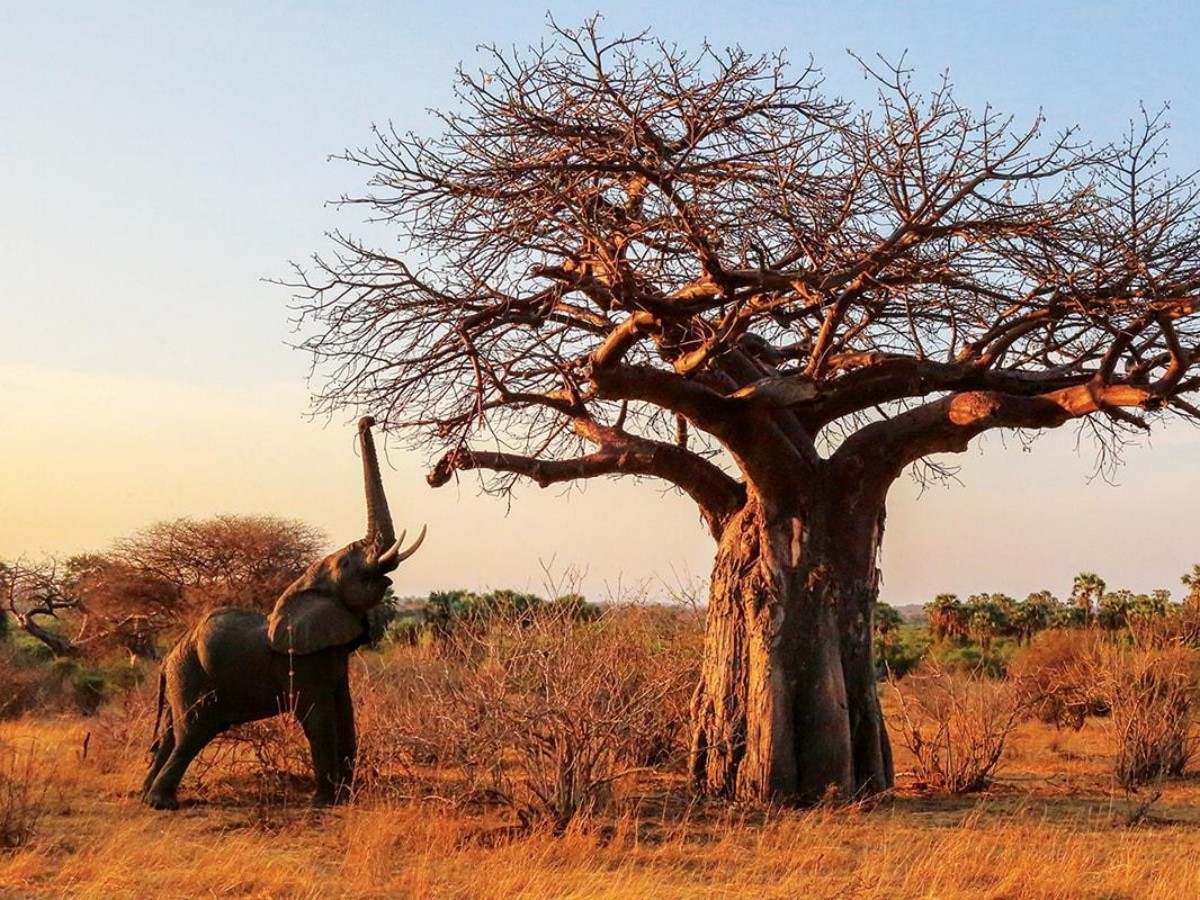
If you have enough time, you can arrange a day to go to Ruaha National Park. This is the largest national park in Tanzania, famous for its unique semi-arid scrub ecology. The park is home to wild animals such as antelopes, lions, cheetahs, African wild dogs, and various rare birds. Compared with the famous scenic spots far away in the Serengeti, this place is not only close in distance, but also has only half the ticket and Safari prices, making it an ideal choice for ordinary tourists.
Starting from Iringa, crossing roads and canyons, the moment you arrive at the Isimila ruins, you will feel a shock that transcends time and space. There are no noisy crowds or signs of commercialization here, only wind-eroded stone pillars, scattered fossils and silent prehistoric tools. Whether it is a compact exploration of a half-day tour or an in-depth experience of multi-day camping, this site will redefine your understanding of human history with its wildness and mystery. Take this guide and embark on a journey-in the canyon of Isimila, you will meet an older self.