
Advertisement
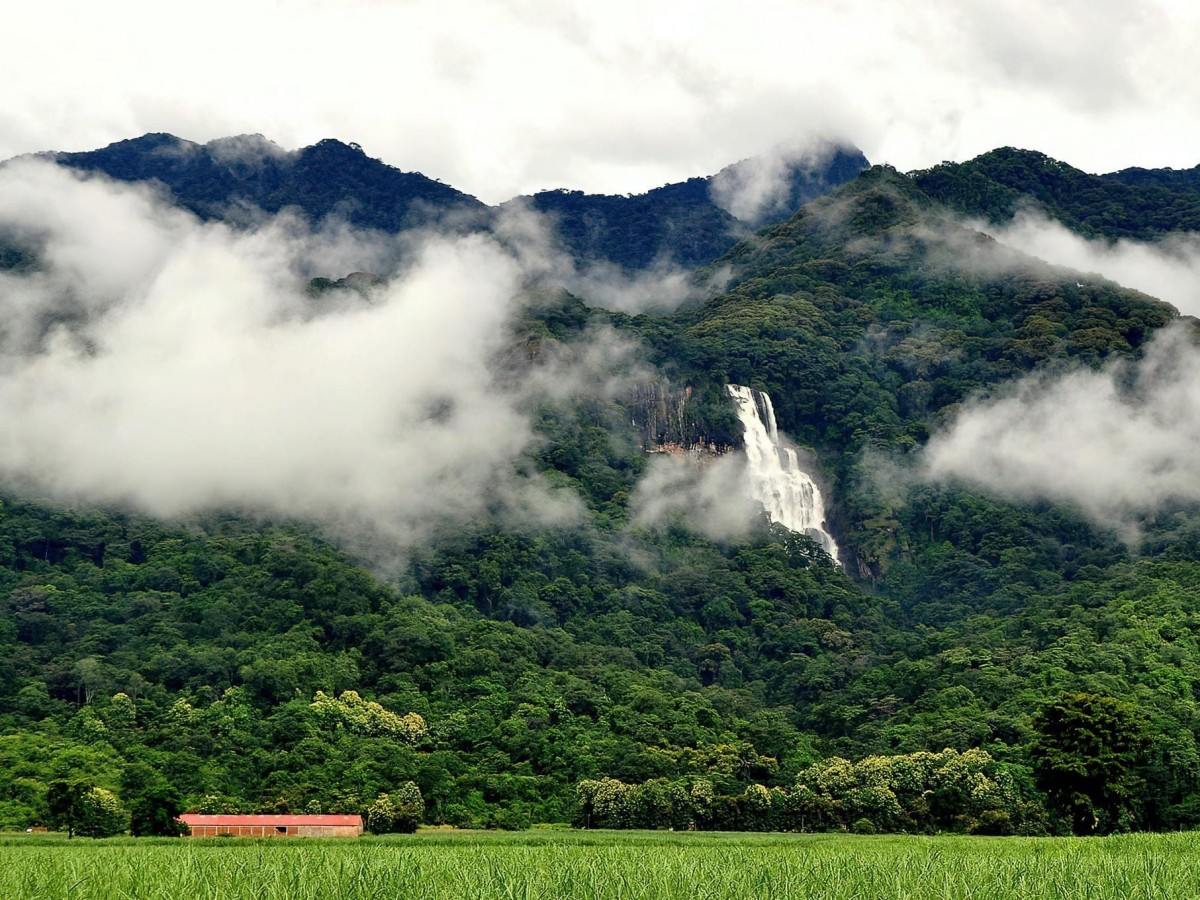
On the jungle plains in southeastern Tanzania, a mountain covered with virgin forest rises from the ground. This is the Udzungwa Mountains National Park, known as the "Galapagos of Africa". As the only national park in Tanzania with continuous virgin forest, it is not only a paradise for biodiversity, but also the ultimate pilgrimage site for hiking enthusiasts. Starting from Iringa, crossing the winding road, you will step into a secret place awakened by the roar of waterfalls and the singing of birds - the 170-meter-high Sanje Falls pours down from the clouds, the Iringa red colobus monkeys jump between the treetops, and more than 400 species of birds shuttle through the forest, as if walking into a living natural documentary. This article will reveal the route planning, best time arrangement, and the list of necessary equipment to conquer this jungle from Iringa.
Advertisement
Transportation: Self-driving and chartering
Advertisement
There are two main ways to get to Udzungwa Mountains National Park from the center of Iringa: self-driving or chartering. If you choose to drive yourself, you need to drive about 65 kilometers southwest along the A104 road to Managa Gate at the entrance of the park. The road is in good condition, but some sections need to pass through villages. It is recommended to travel in the early morning or evening to avoid the high temperature. If you choose to charter a car, you can book it at a travel agency or hotel in Iringa. The cost is about US$20-30 per person (including the driver). The driver is usually familiar with the route and can provide explanations along the way.
Key nodes: Managa Gate and Sanje Waterfall Entrance
After arriving at Managa Gate, you need to pay the entrance fee (about US$20 for adults and half price for children) and register for a hiking plan. The most popular route in the park is the Sanje Waterfall Half-Day Tour, which starts at the Sanje Waterfall Entrance in the south of the park, about 15 kilometers from Managa Gate. If you have enough time, you can continue to Mwanihana Peak and challenge the hiking route at an altitude of 2,576 meters.
Practical tips:
Navigation tools: It is recommended to download offline maps (such as Maps.me) in advance. Some areas in the park have no signal.
Refueling and supplies: Iringa is the last supply station. Be sure to fill up the gas before departure and prepare enough drinking water and dry food.
Safety tips: It is forbidden to enter the park at night. It is recommended to arrive at the entrance before 3 pm at the latest.
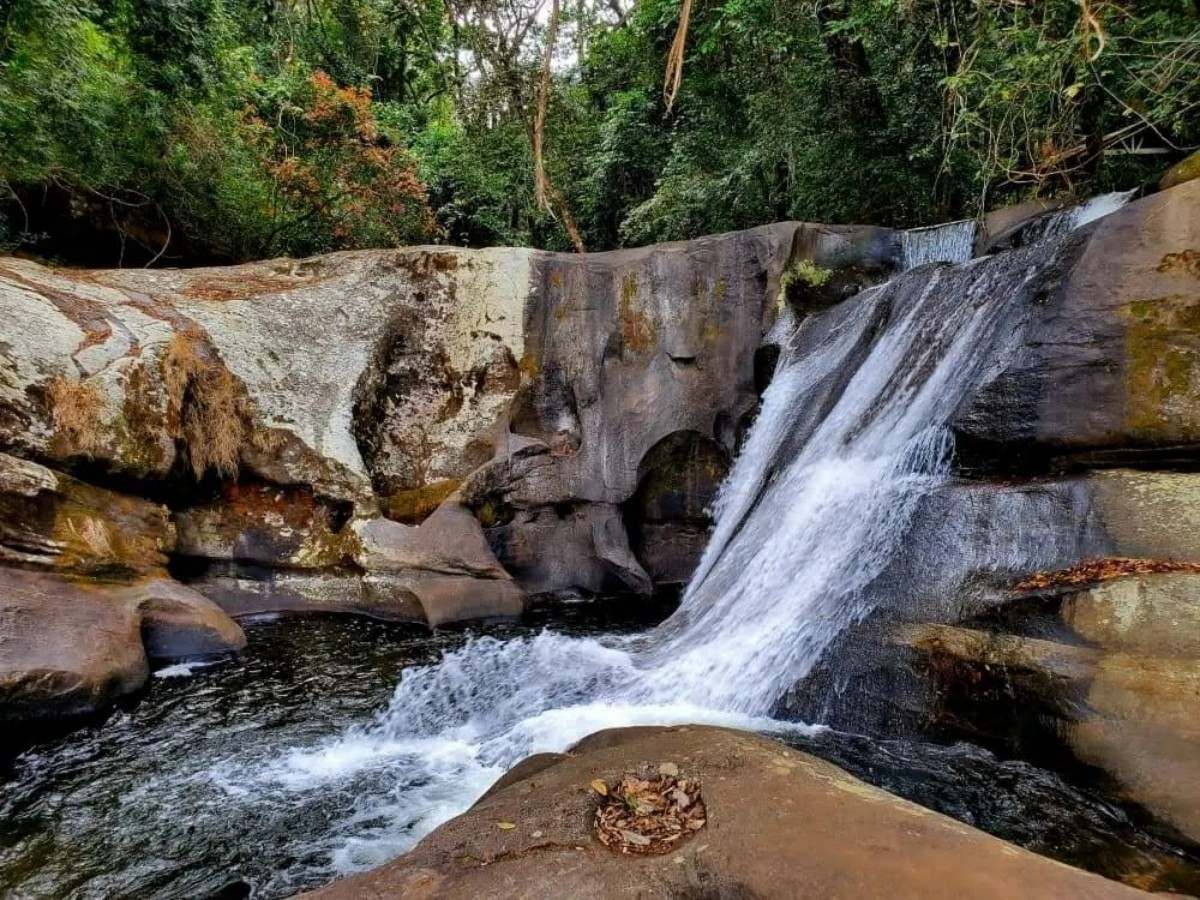
Half-day Tour: Sanje Waterfall Hiking
Advertisement
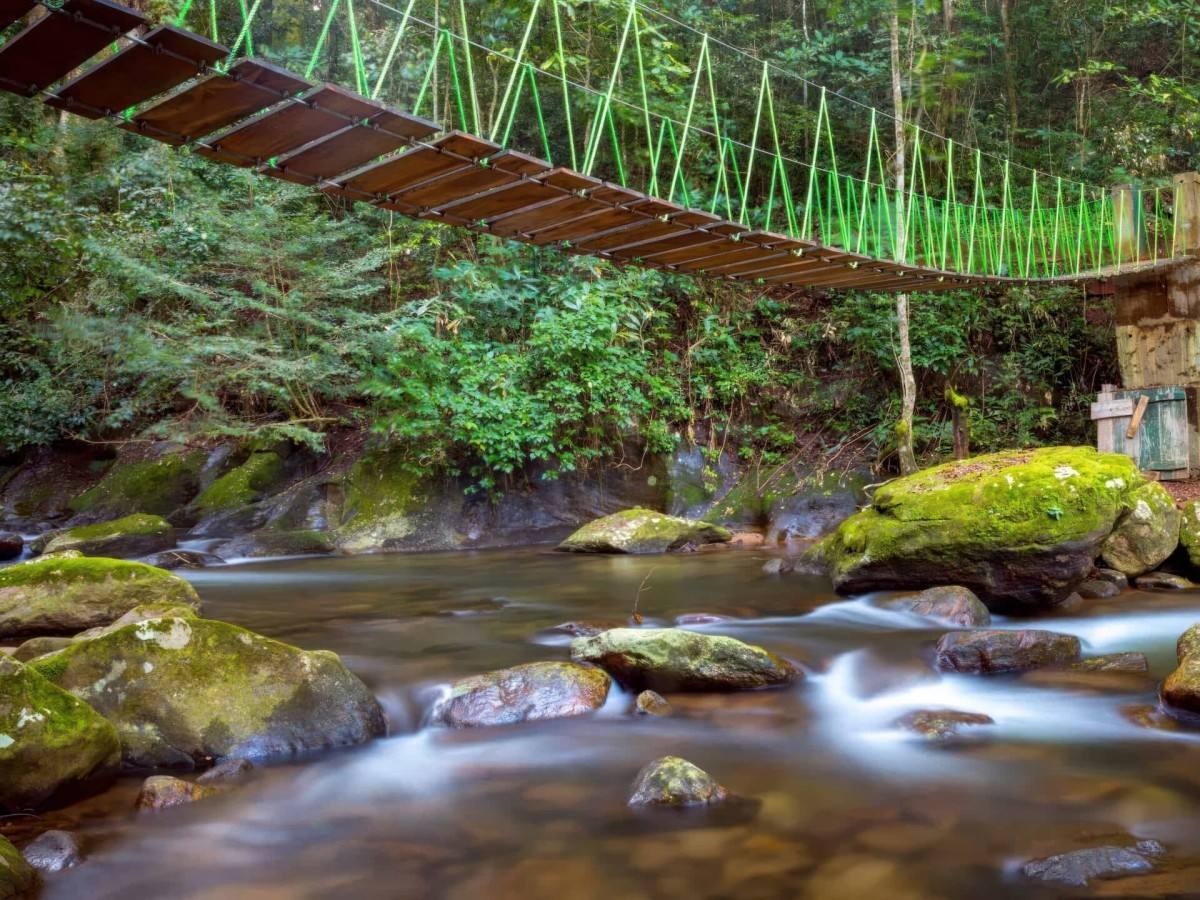
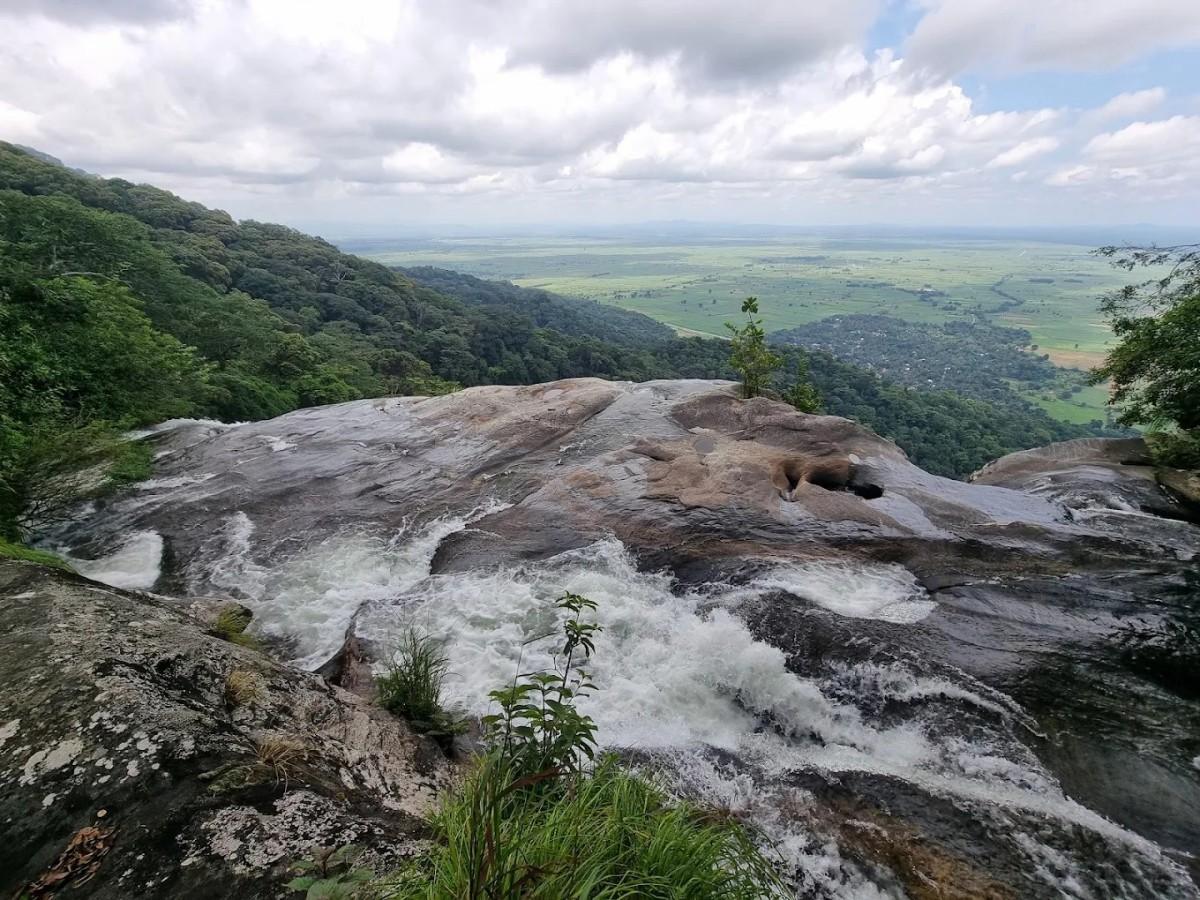
Route Highlights: Sanje Waterfall Half-day Tour is a classic route in the park, with a total of about 5 kilometers and a duration of 2-3 hours. Along the way, you can pass through lowland rainforests, bamboo forests and alpine meadows, and finally reach the waterfall viewing platform. The waterfall pours down from a height of 170 meters, and rainbows can often be seen in the mist, making it a great place for taking photos.
Time Arrangement:
Depart from Iringa at 8:00 and arrive at Managa Gate at 10:00.
10:30 Arrive at the entrance of Sanje Waterfall and start hiking.
12:30 Arrive at the waterfall viewing platform, have lunch and rest.
14:00 Return, return to Managa Gate at 16:00.
One-day Tour: Mwanihana Peak Challenge
Route Highlights: Mwanihana Peak is the second highest peak in the park. The hiking route is about 12 kilometers and takes 6-8 hours. Along the way, you can overlook the surrounding sugar plantations and the jungle. The viewing platform on the top of the mountain is a great place to take pictures of the sunrise and the sea of clouds.
Schedule:
Depart from Iringa at 6:00 and arrive at Managa Gate at 8:00.
Arrive at the entrance of Mwanihana Peak at 8:30 and start hiking.
Arrive at the top of the mountain at 12:00, have lunch and rest.
Return at 14:00 and return to Managa Gate at 17:00.
Multi-day tour: in-depth exploration and camping
If you have enough time, you can choose to spend the night in the camping site in the park. There are two camping areas in the park: Sanje Falls Camping Area and Mwanihana Camping Area. You need to apply for a permit from the park management office in advance (the cost is about US$10/person). Camping allows you to avoid the crowds in the early morning and evening and enjoy the tranquility of the waterfall and the jungle.
Hiking equipment: Lightweight and functional
Shoes: A pair of waterproof and non-slip hiking shoes is the key. It is recommended to choose mid-top styles to protect the ankles from gravel and tree roots. If you plan to challenge Mwanihana Peak, you can bring trekking poles to reduce the pressure on your knees.
Clothing: Use the "three-layer dressing method": quick-drying underwear (such as wool) + fleece/soft shell jacket + windproof and waterproof jacket. The temperature in the park varies greatly, and it may drop to 10°C in the early morning and evening, and may rise to 30°C at noon.
Backpack: It is recommended to carry a 30-40 liter hiking backpack with a rain cover. What to bring in your backpack:
Drinking water (at least 2 liters per person)
High-calorie snacks (such as nuts, energy bars)
First aid kit (including band-aids, disinfectant pads, painkillers)
Headlamp/flashlight (spare batteries)
Sunscreen (SPF50+) and mosquito repellent (containing DEET)
Photographic equipment: Capture the beauty of nature
Camera: It is recommended to bring a lightweight micro-single camera (such as Sony A7 series) or action camera (such as GoPro) to cope with humid and dusty environments.
Lens: Wide-angle lenses (such as 16-35mm) are suitable for shooting waterfalls and jungle panoramas, while telephoto lenses (such as 70-200mm) can capture birds and primates.
Accessories: Rain cover, lens cleaning cloth, spare batteries and memory cards.
Other essential items
Cash: There is no ATM in the park, so you need to bring enough cash to pay for tickets and camping fees.
Documents: Passport copy, vaccination certificate (yellow fever vaccine is mandatory).
Eco-friendly items: reusable water bottles, garbage bags (littering is prohibited in the park).
Tracking endemic species: Iringa red colobus monkey and Sanje white-necked white-maned monkey
Udzungwa Mountains National Park is home to six primate species, of which the Iringa red colobus monkey and the Sanje white-necked white-maned monkey are endemic species. The red colobus monkey is known for its red face and fluffy tail, and often jumps between the tree canopies; while the white-necked white-maned monkey was not discovered by scientists until 1979, and its white neck and eyelids make it particularly conspicuous in the jungle.
Observation tips:
Early morning and dusk are the most active time periods for primates.
Keep quiet and avoid using flash.
Carry a telescope (8×42 magnification) for long-distance observation.
Explore Sanje Falls: Rainbow in the mist
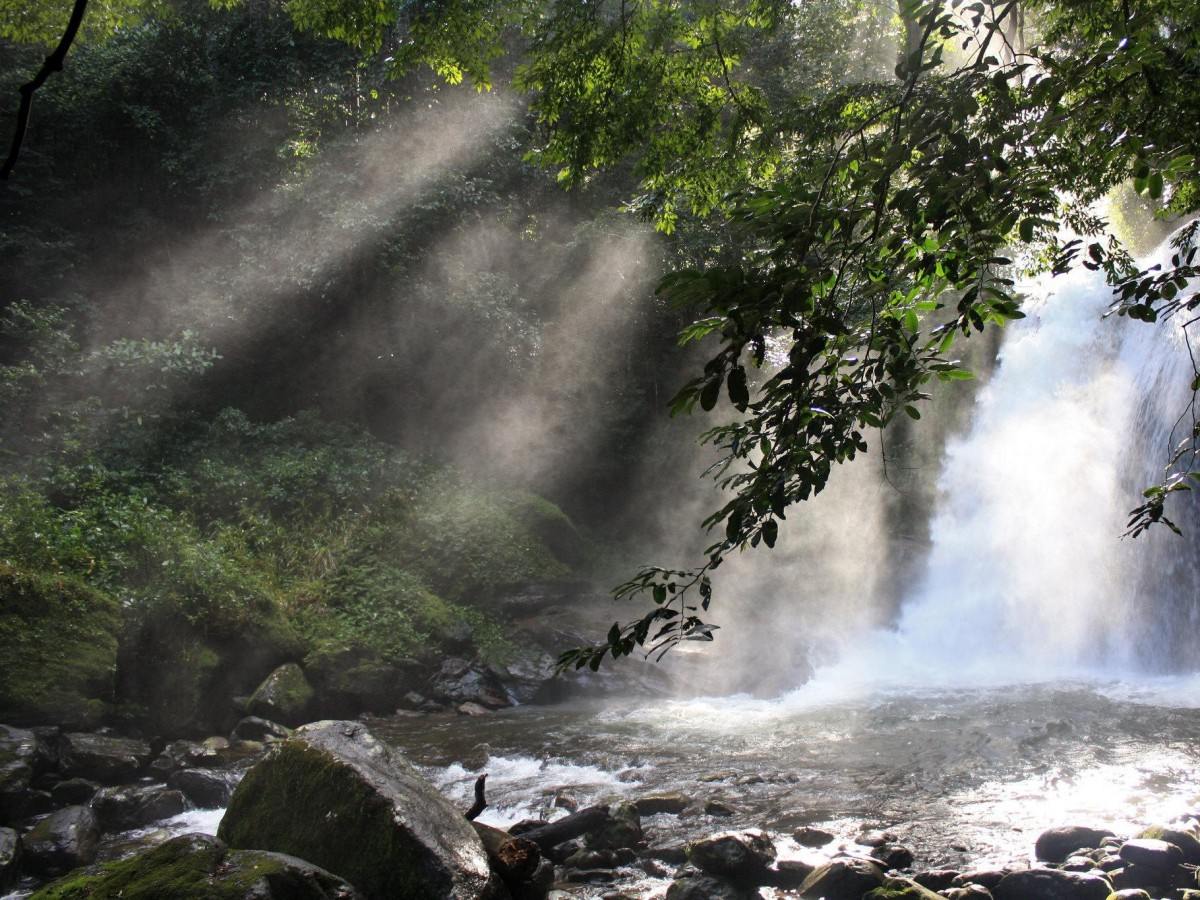
Sanje Falls is not only an iconic landscape of the park, but also the core of an ecosystem. The pool below the waterfall is home to a variety of fish and amphibians, while epiphytes and ferns grow on the rock walls around the waterfall.
Suggestions for playing:
When you stop at the waterfall viewing platform, you can try to close your eyes and listen to the roar of the waterfall and the symphony of birdsong.
If your physical strength allows, you can go down the trail on the right side of the waterfall to the edge of the pool (pay attention to safety).
Night tour of the jungle: encounter nocturnal creatures
If you choose to camp, you can participate in the night hiking activities organized by the park (reservation is required in advance). Under the illumination of the headlamp, you will see:
Luminous fungi: On the wet tree trunks, fluorescent green fungi flicker like stars.
Nocturnal animals: such as jungle cats, honey badgers and owls.
Safety Tips
Weather changes: The climate in the park is changeable and it may rain at any time. Check the weather forecast before departure and bring rain gear.
Wildlife: When encountering wild animals, keep at least 10 meters away and do not feed or disturb them.
Physical condition: Before hiking, you need to assess your physical strength. If you experience symptoms such as dizziness and difficulty breathing, you should stop the activity immediately and seek help.
Environmental protection guidelines
Leave no trace on the mountains: Take away all garbage, including food scraps and packaging.
Protect vegetation: Avoid trampling on rare plants and do not pick flowers or fruits.
Respect culture: The Maasai and Hehe tribes live around the park. If you meet local residents, you need to be polite and ask if you can take pictures.
Starting from Iringa, crossing the road and jungle, the moment you arrive at Udzungwa Mountains National Park, you will feel a primitive call. There are no noisy crowds and no signs of commercialization here, only the roar of waterfalls, the symphony of birdsong, and primates jumping between the treetops. Whether it is a half-day light hike or a multi-day camping in-depth exploration, this secret place will redefine your understanding of nature with its wildness and vitality. Take this guide and embark on a journey - in the jungle of Udzungwa, you will meet a more real self.