
Advertisement
In the heart of the wilderness in central Tanzania, there is a forgotten wild land - Ruaha National Park. It is located east of the Iringa region, straddling the edge of the Great Rift Valley of East Africa, covering an area of more than 20,000 square kilometers. It is the largest national park in Tanzania, but less than 5% of tourists have set foot in it. There is no hustle and bustle of the Serengeti, no crowds of Ngorongoro, only elephants walking under acacia trees, leopards staring at boulders, and the most primitive wilderness atmosphere on the African continent. If you are longing for a truly "isolated" Safari experience, 72 hours in Ruaha will open a door to the wild soul of Africa for you.
Advertisement
Keywords: Wilderness hiking, elephant tracking, sunset viewing platform
Advertisement
Morning: Wilderness hiking - measuring the pulse of Africa with your footsteps
The charm of Ruaha begins with a walking safari. At 6 o'clock in the morning, when the first ray of sunlight penetrates the morning mist, you will follow the armed guide and professional forest ranger to step into the primitive jungle that has not been run over by wheels. There is no fixed route here, and you may encounter surprises at every step:
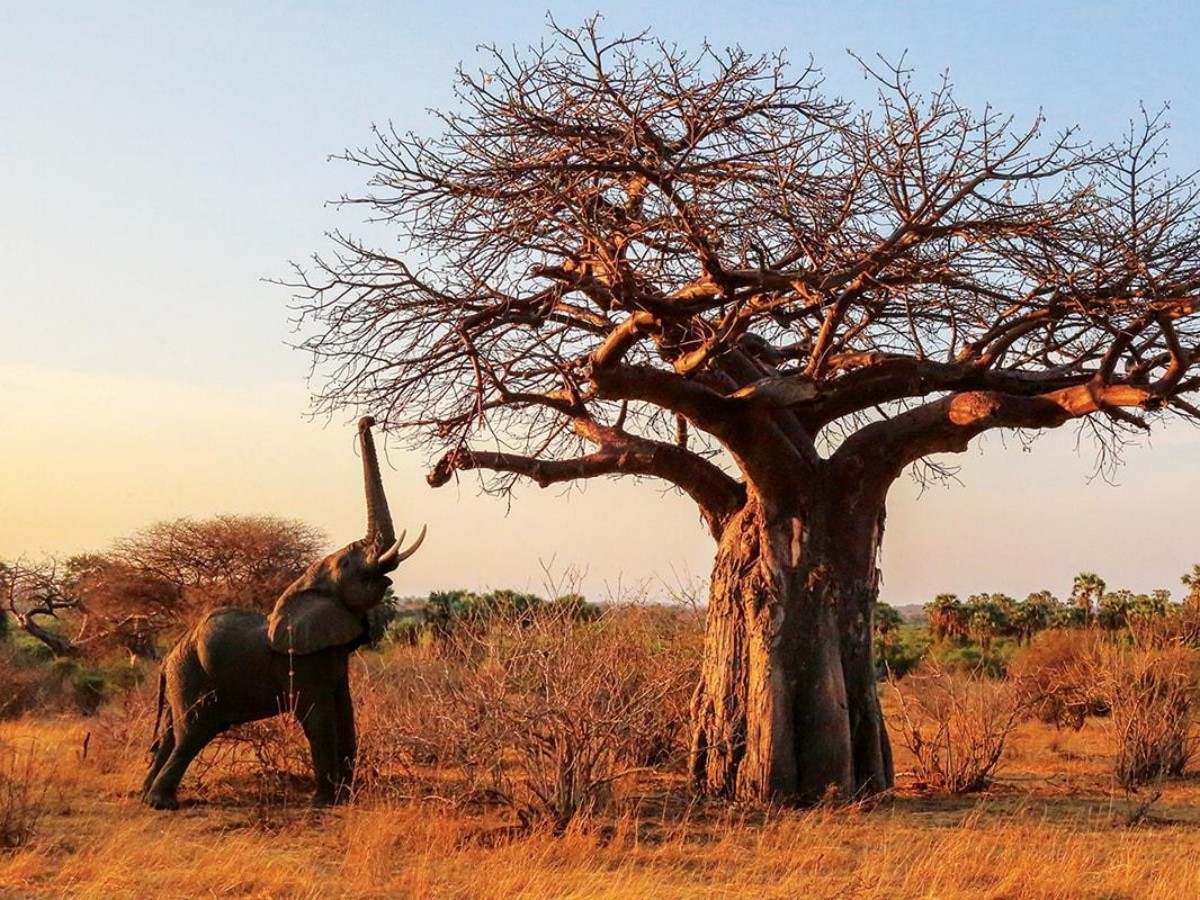
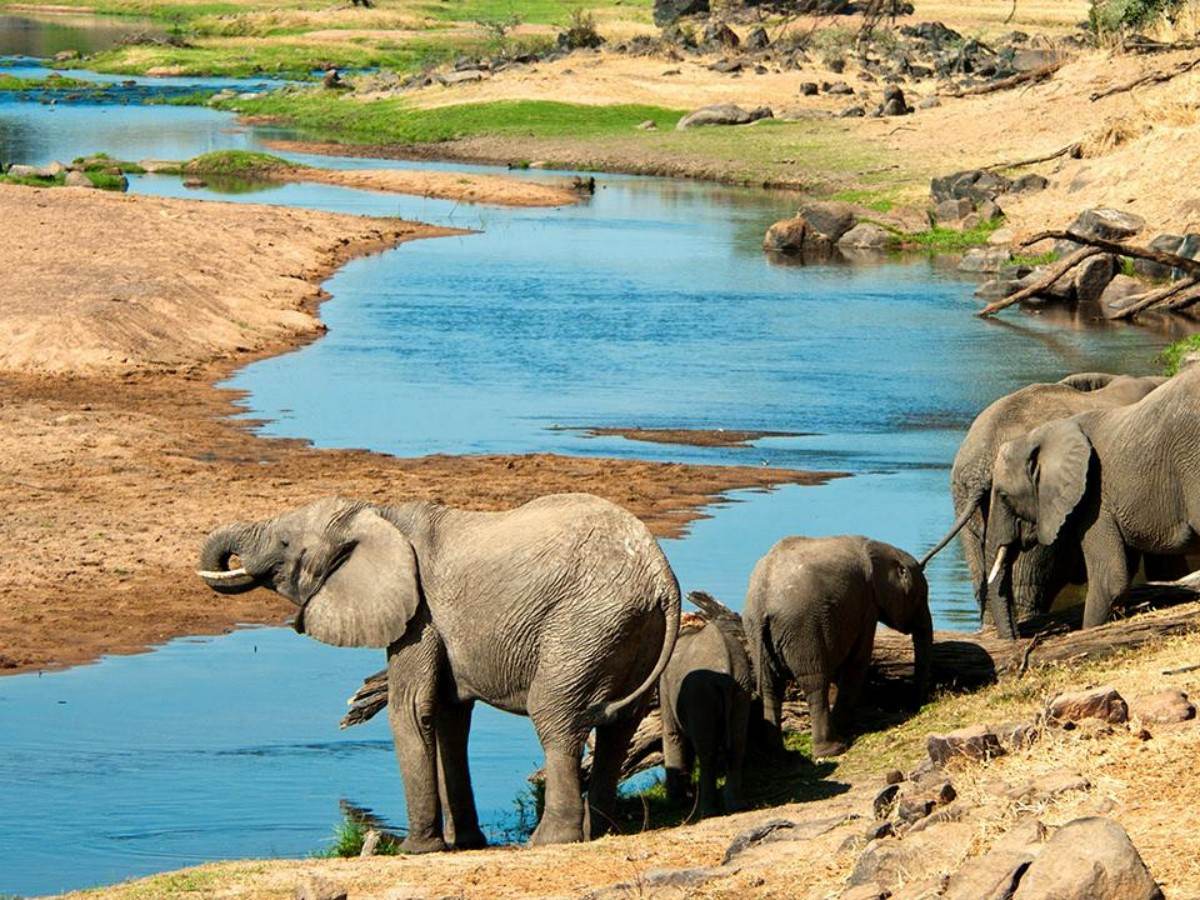
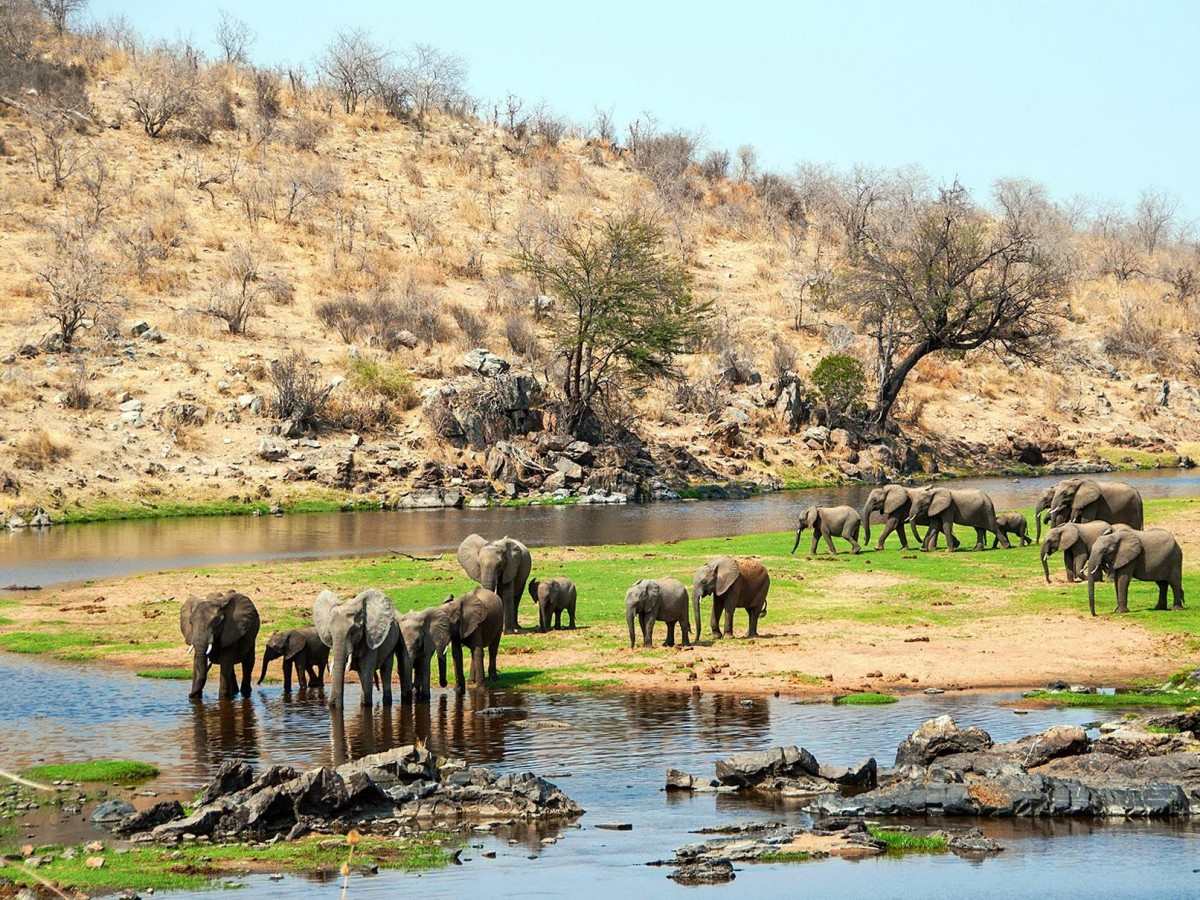
Elephant "breakfast party": Ruaha has one of the largest elephant herds in Africa. You may encounter them eating young leaves under the acacia tree while hiking. The guide will teach you how to keep a safe distance (usually more than 30 meters) and observe the dexterity of the elephants rolling up branches with their trunks.
Clues of the "micro battlefield": The forest ranger will teach you to identify animal traces - lion paw prints, antelope hoof prints, and even the direction of vultures circling are all codes for interpreting the wilderness.
"Survival Master" in the plant world: The plants in Ruaha are also full of drama. You will see the poisonous sap of the "curare tree" (the tree of blood-curdling poison), or a baobab tree that was pushed down by an elephant but still reborn.
Tips: Wear high-top hiking shoes, long-sleeved clothes and pants when hiking, and carry at least 2 liters of water. The guide will provide binoculars and a simple first aid kit.
Afternoon: Safari in an off-road vehicle - Tracking the "invisible giant"
After lunch, switch to a modified off-road vehicle and go deep into the core area of Ruaha. The animal behavior here is closer to the natural state:
Leopard's "high-altitude territory": Ruaha has a very high density of leopards, and they prefer to rest on boulders or baobabs. The guide will turn off the engine and scan the tree canopy with a telescope to look for the iconic rose pattern.
Lion "family gathering": Along the Great Ruaha River, lions can often be seen hunting antelopes or hippos. If you encounter cubs, they may play and roll next to the car, but don't get out!
Variations of the "Big Five": In addition to the classic Big Five, Ruaha is also home to rare African wild dogs, striped hyenas, and the world's only remaining East African oryx.
Evening: Sunset Observation Deck - Golden Curtain Call of the Wilderness
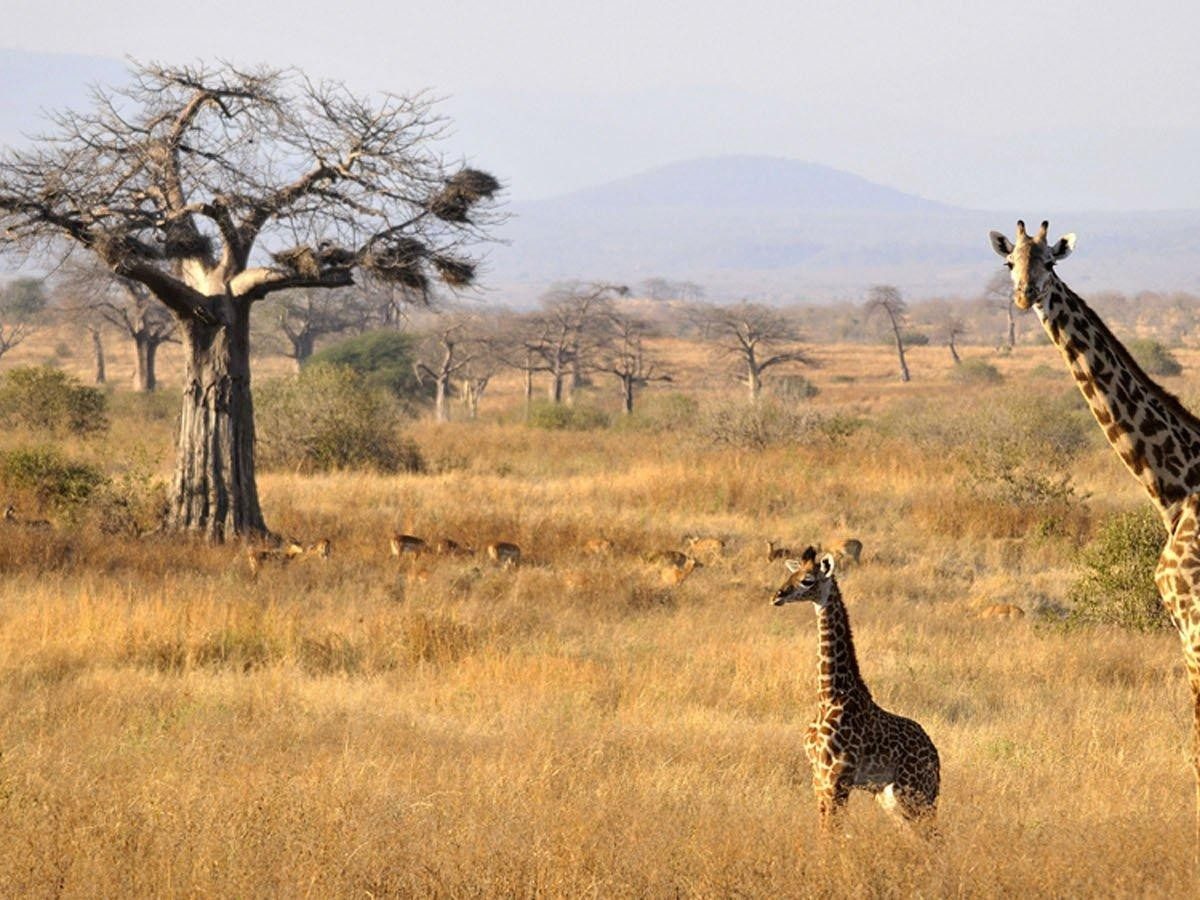
At 6pm, drive to the Mdonya Old River Observation Deck. This is Ruaha's "golden photography spot": the setting sun casts the silhouette of acacia trees on the red sand, elephants slowly walk to the river bank to drink water, and the echo of lion roars can be heard in the distance. Remember to bring a cup of hot coffee and wait quietly for the last ray of sunlight to disappear on the horizon.
Keywords: Canyon hiking, hippo night patrol, starry sky dinner
Advertisement
Morning: Mwagusi Canyon - the "geological epic" of the wilderness
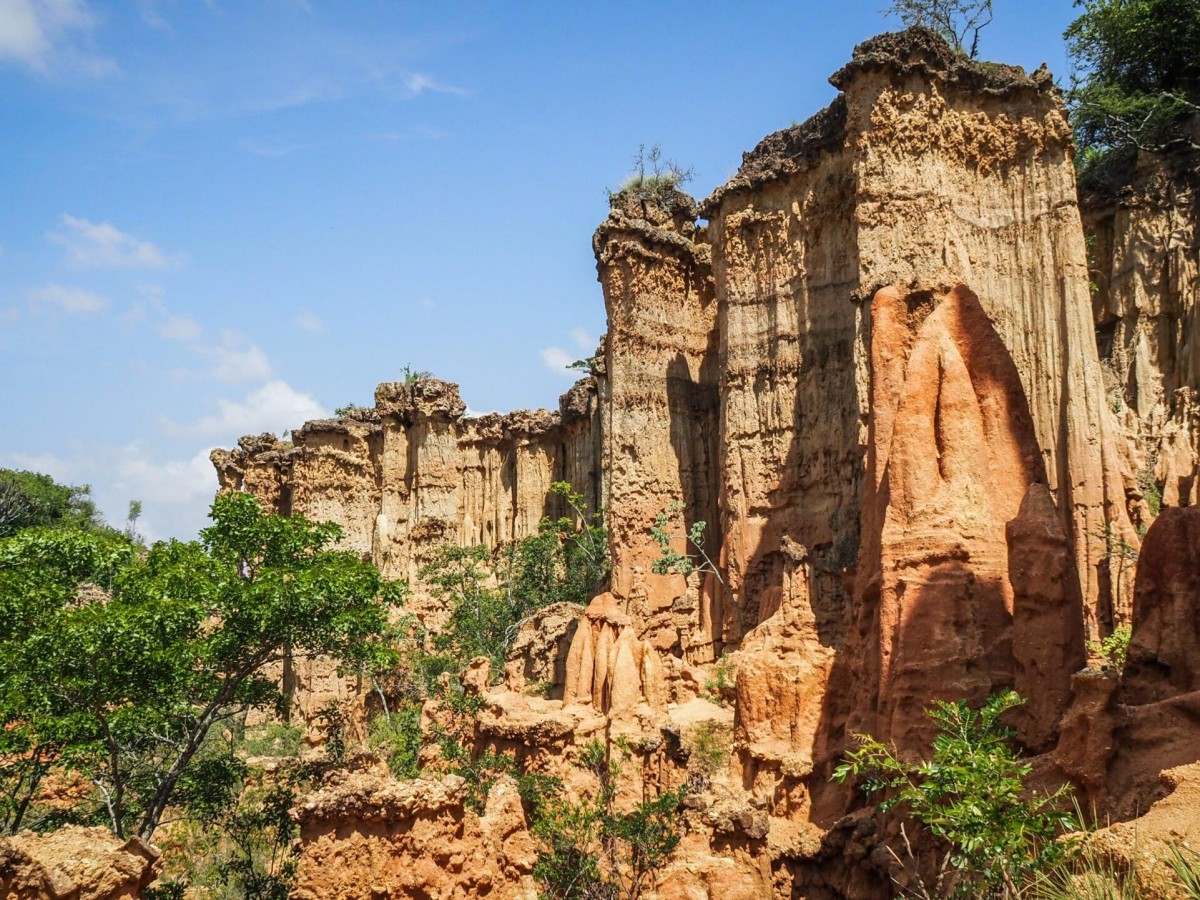
The canyon landform of Ruaha is a miniature version of the Great Rift Valley of East Africa. After breakfast, drive to Mwagusi Canyon, which was once an ancient riverbed and is now covered with steep sandstone cliffs and traces of dried waterfalls.
The miracle of "vertical ecology": the bottom of the canyon is tropical savanna, while the top is dry shrubs. While hiking, you will see how plant communities at different altitudes coexist - from tall acacia trees to low cacti.
The Easter egg of the "rock painting hunter": the guide may take you to find ancient rock paintings hidden on the rock walls. These patterns drawn by nomads record the interaction between humans and nature thousands of years ago.
Afternoon: Great Ruaha River - "Dangerous Encounter" with Hippopotamus
The soul of Ruaha is the Great Ruaha River. This seasonal river turns into a mud pool in the dry season, but it feeds the entire ecological chain.
Hippos' "nap party": Take a modified boat (dry season) or off-road vehicle (rainy season) to cruise along the river, and you will see hundreds of hippos crowded in the shallows, opening their mouths to cool down, and occasionally making low roars.
Crocodile's "death stare": Nile crocodiles lurk on the river bank, waiting for antelopes or zebras to drink water and launch a surprise attack. The guide will remind you to keep quiet - these cold-blooded hunters have extremely sharp hearing.
Night: Starry sky dinner - the romantic finale of the wilderness
When night falls, the starry sky of Ruaha will make you forget the traces of human civilization. The camp staff will set up a starry sky dinner by the river:
Candlelight dances with the Milky Way: The long table is covered with white linen, and next to the silver tableware is Tanzanian barbecue (Nyama Choma) and tropical fruits.
The guide's "starry sky story": After dinner, the guide will turn on the laser pen, point to the Southern Cross and Scorpio, and tell how the Maasai use the stars to navigate.
The background music of "Symphony of the Wilderness": the sounds of lions roaring, hyenas laughing and hippos burping in the distance are the most unique "white noise" in Africa.
Keywords: cultural experience, handicraft market, return preparation
Morning: Visit the Maasai village - the border between the wilderness and civilization
On the edge of Ruaha, there live semi-nomadic Maasai people. After breakfast, drive to the nearby Maasai village (advance reservation required):
"High jump competition" and red warriors: Maasai youth will perform traditional dances, they can jump up to 2 meters high to show their strength. Women wear colorful beaded skirts and show you how to build houses with cow dung and clay.
"Wilderness survival class": Maasai people will use branches to demonstrate how to drill wood to make fire, or let you try to make water bags with cow bladders.
The fun of "barter": There is a handicraft market in the village, you can exchange Maasai beads, wood carvings or honey with cash or small gifts (such as stationery, clothes).
Afternoon: "Ultimate Hunting" before the return trip - Photography or Rest
Depending on the flight time, you can choose:
"Photography Maniac" Mode: Return to the Great Ruaha River to capture close-up shots of hippos yawning and crocodiles basking in the sun.
"Lie Flat Mode": Drink ginger ale by the infinity pool of the camp while looking through photos from the past three days to acclimate your body to the upcoming civilized world.
Return Tips: Ruaha Airport (RUH) has flights to Dar es Salaam or Kilimanjaro International Airport every day. It is recommended to arrive at the airport 3 hours in advance (the airport facilities are simple and security check time needs to be reserved).
If this article makes you yearn for Ruaha, please remember: A true wilderness trip is not about conquering nature, but about becoming a part of nature. I hope you will find something more precious than the scenery during your 72 hours in Ruaha - a reverence for life, curiosity about the unknown, and the purest love for "the distance".