
Advertisement
The Summer Palace, located in the Haidian District of Beijing, is one of the largest and best-preserved royal gardens in China. As a representative of the royal gardens of the Qing Dynasty, the Summer Palace is not only a world cultural heritage, but also carries the splendor and deep cultural heritage of traditional Chinese garden art. From its historical development to its cultural connotation, the Summer Palace is undoubtedly a vivid history of Chinese gardens, rich in royal culture and artistic achievements.
Advertisement
The history of the Summer Palace can be traced back to the Qianlong period. Initially, the Summer Palace was not the size and style it is today, but a garden built by Emperor Qianlong for his mother, called “Garden of Clear Ripples”. During his reign, the Qianlong Emperor spent a great deal of effort and wealth on the construction of this garden. He focused not only on the natural beauty of the garden, but also on its cultural and historical significance.
Advertisement
However, the splendor of the Summer Palace did not stop at the Qianlong era. During the Xianfeng period, the political and social situation of the Qing Dynasty changed dramatically, and in 1860, the British and French armies invaded Beijing, and the Garden of Clear Ripples was severely damaged. Against this backdrop, the Empress Dowager Cixi began to rebuild the Summer Palace in 1864, completing a large-scale restoration of the gardens and renaming them the “Summer Palace”, meaning “Harmony and Longevity”. Since then, the Summer Palace became the summer palace and summer resort of the Qing emperors, and also one of the important political activities of Empress Dowager Cixi.
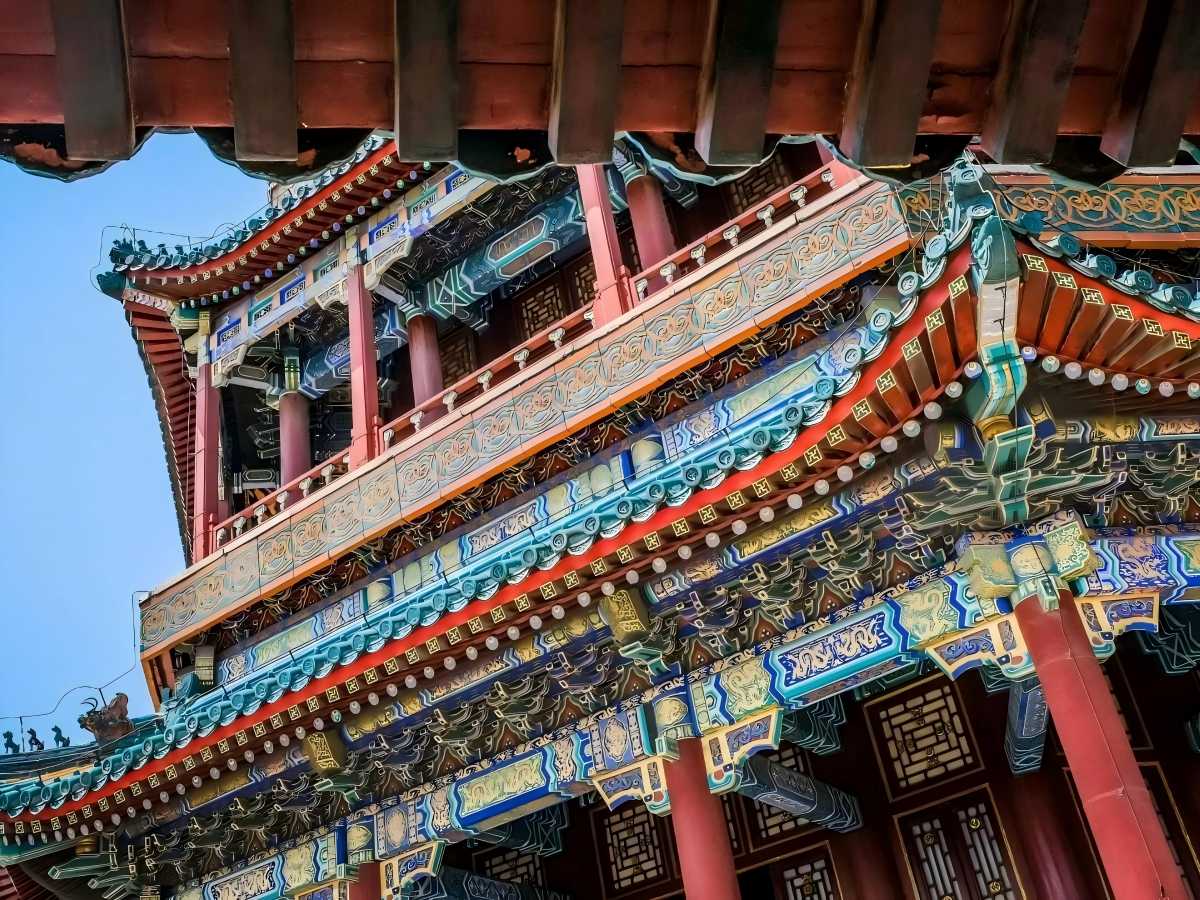
The Summer Palace is a model of ancient Chinese garden art, combining landscape, architecture, painting, sculpture, literature and other art forms, showing the deep cultural heritage of the royal gardens. The architectural style of the Summer Palace is characterized by elegance, refinement and harmony, demonstrating the grandeur and taste of the ancient Chinese emperors.
Advertisement
The Promenade: As one of the landmarks of the Summer Palace, the Promenade is 728 meters long, making it the longest gallery in the world. The interior of the promenade features colorful paintings depicting ancient Chinese historical stories, scenic spots and myths and legends. The promenade not only provides visitors with a beautiful view, but also has a profound cultural symbolism, symbolizing the continuation and inheritance of traditional Chinese culture.
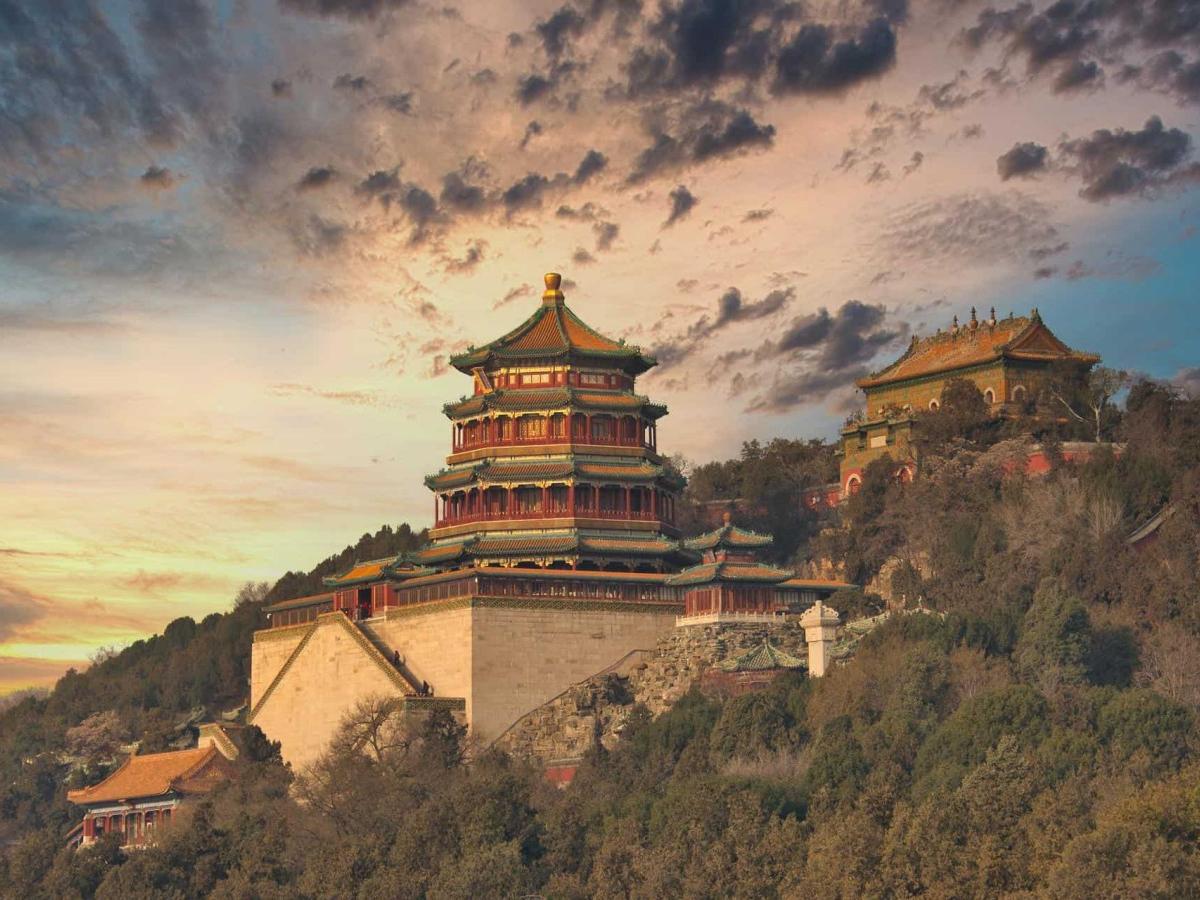
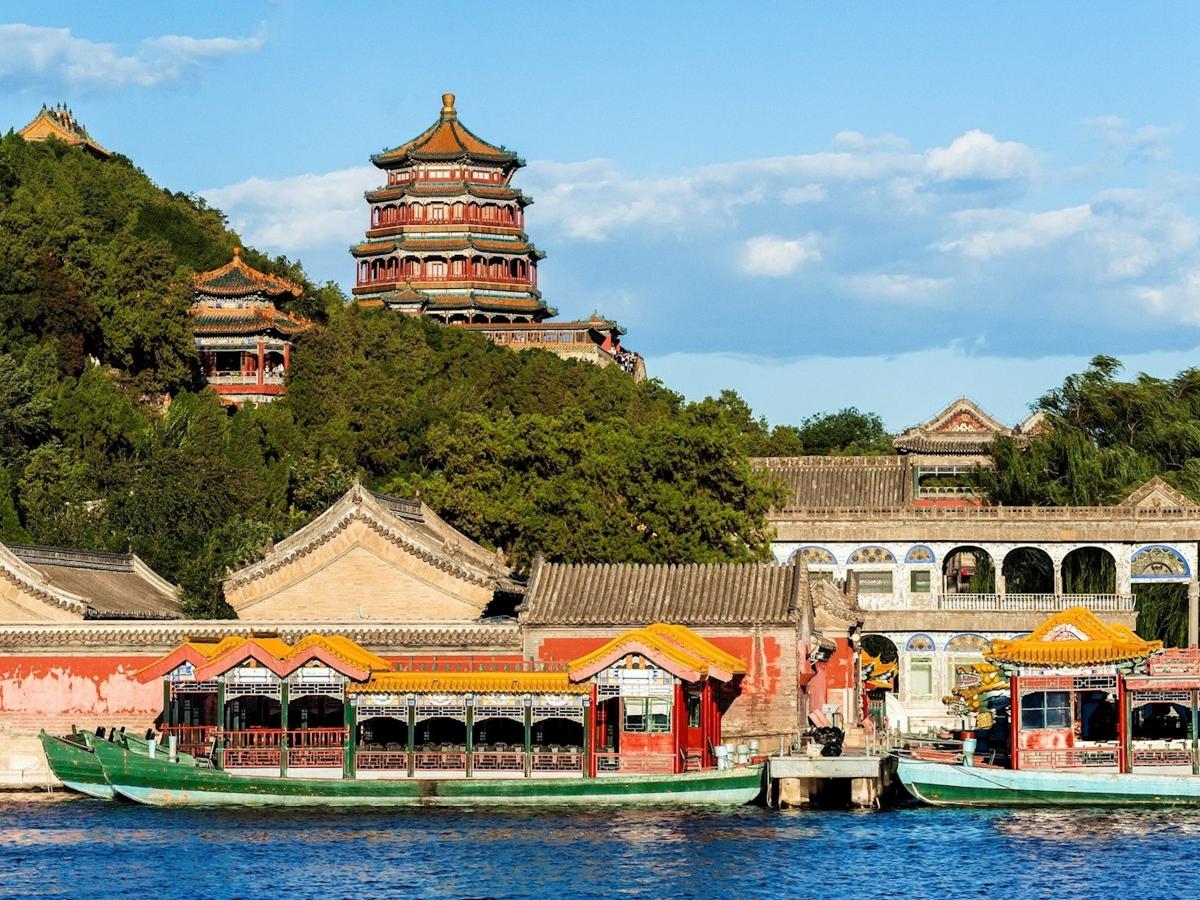
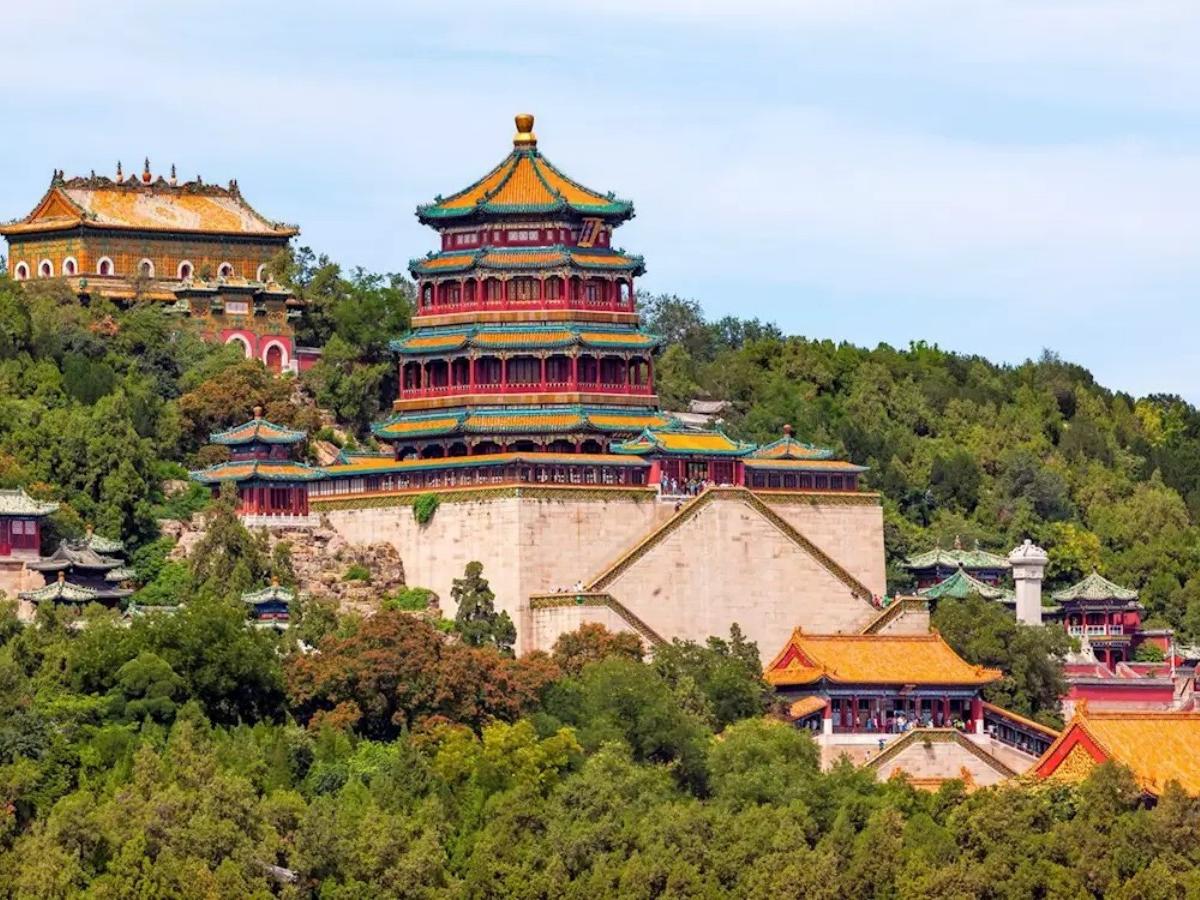
Buddha's Fragrant Pavilion: Located at the top of Wanshoushan Mountain, Buddha's Fragrant Pavilion is one of the most representative buildings in the Summer Palace. The pavilion is soaring and stacked on top of each other, and the overall architectural design draws on ancient Chinese Buddhist architectural style. The Buddhist Pavilion is not only the high point of the Summer Palace, but also symbolizes the Qing Dynasty royal respect and belief in Buddhist culture.
Kunming Lake: Kunming Lake is one of the core scenic spots of the Summer Palace, with a vast lake, a small bridge spanning the island in the center of the lake, surrounded by exquisite pavilions, the lake water and garden architecture complement each other. Kunming Lake is not only a beautiful natural landscape, but also a resort for summer vacation and play for emperors, which demonstrates the artistic pursuit of “landscape with love” in ancient Chinese gardens.
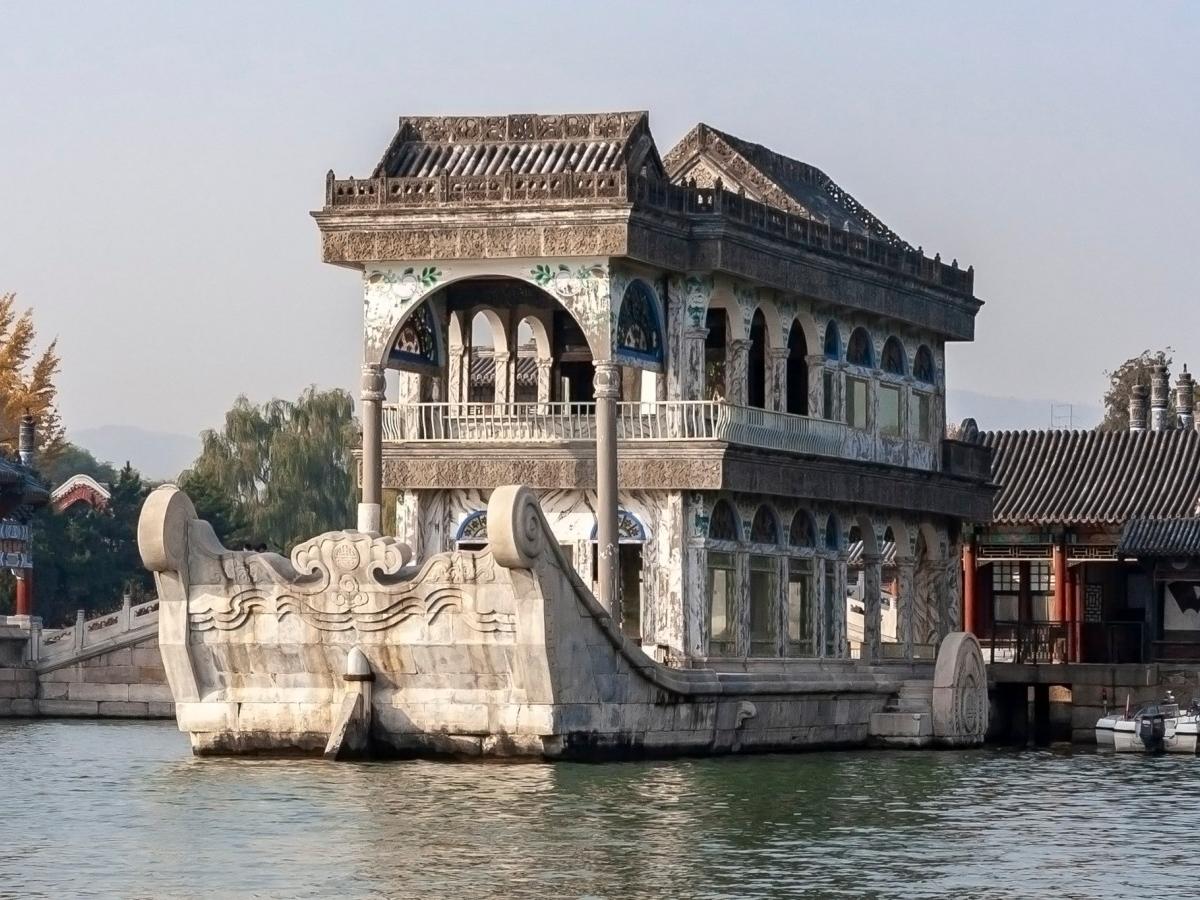
Stone Floating Boat: Stone Floating Boat is one of the most characteristic buildings in the Summer Palace. This boat-shaped building is located on the shore of Kunming Lake and is famous for its stone-carved hull and pavilion structure. The stone boat represents the perfect combination of ancient Chinese architecture and natural landscape, and it is also one of the most symbolic buildings in the royal garden, signifying the never-sinking splendor and solidity of the royal family.
Philosophy of the unity of man and heaven: Ancient Chinese gardens emphasize the unity of man and heaven, and the Summer Palace is no exception. The landscape layout, architectural design and plant configuration in the garden are deeply influenced by Taoist thought, emphasizing the harmonious coexistence of man and nature. The whole garden is not only an aesthetic enjoyment, but also a carrier of communication with nature. Here, the boundaries between man and nature are blurred and everything is interconnected, showing the reverence and respect for heaven and earth and nature in traditional Chinese culture.
Embodiment of Confucian culture: In the architecture and landscape of the Summer Palace, the influence of Confucian culture cannot be ignored. For example, the names of the buildings in the Summer Palace, such as the “Pavilion of Virtue” and the “Hall of Benevolence”, embody the core Confucian ideas of virtue, benevolence and etiquette. In addition, many cultural sites and historical legends in the Garden also reflect the elegance and morality of ancient Chinese scholars.
Symbol of Royal Culture: As a royal garden of the Qing Dynasty, the architecture, carvings and landscape design of the Summer Palace reflect the royal authority and honorable status. Every pavilion, every stone carving, every flower and tree in the garden carries a profound symbol of royal culture. Especially during the reconstruction process by Empress Dowager Cixi, the Summer Palace was not only a place for leisure, but also a symbol of political power and imperial dignity.
Inheritance and Innovation of Ancient Chinese Garden Art: The garden art of the Summer Palace not only inherited the tradition of ancient Chinese gardens, but also made some innovations in the design and incorporated more artistic expressions, such as the construction of Western galleries and the introduction of Western architectural elements such as stone boats. The fusion of these innovations and traditional elements demonstrates the artistic charm of ancient Chinese gardens that are constantly developing in inheritance.
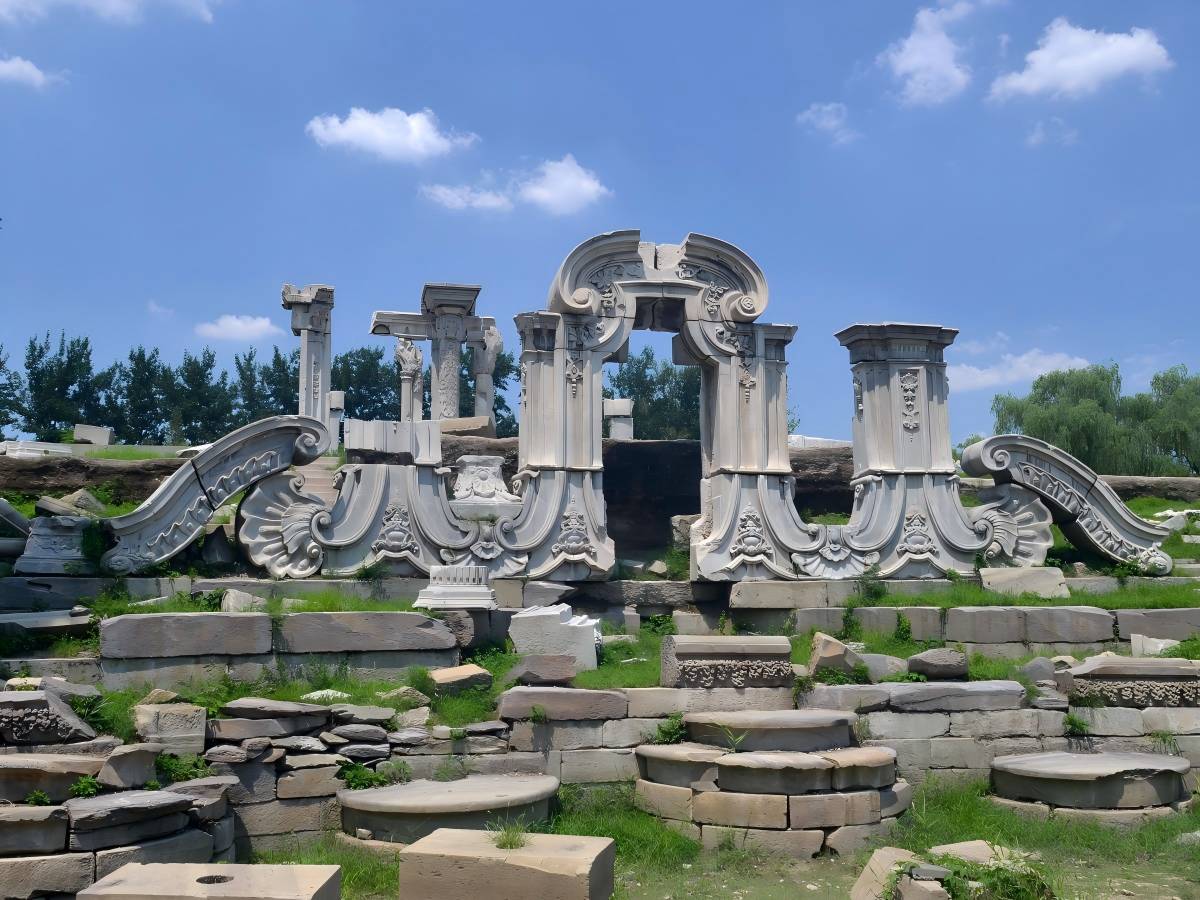
The Summer Palace is not only a treasure of Chinese culture, but also an important part of the world cultural heritage. Since its inclusion in the World Cultural Heritage List in 1998, the Summer Palace has become a cultural site of interest to tourists from all over the world, attracting countless tourists to visit and learn from it. As a garden that blends natural landscape with humanistic history, the Summer Palace demonstrates the brilliant achievements of ancient Chinese garden art and reflects the profound understanding of ancient Chinese emperors of art, culture and nature.
The cultural heritage value of the Summer Palace lies in the fact that it not only preserves rich historical relics, but also embodies the philosophical thoughts, artistic pursuits and social values of traditional Chinese culture. It is not only a model of ancient garden architecture, but also an important bridge between Chinese culture and the world culture exchange.
As a representative of ancient Chinese royal gardens, the Summer Palace, with its profound historical background and rich cultural connotations, has become a cultural treasure of world attention. From Qianlong to Cixi, the Summer Palace carries the history of the Qing Dynasty and the royal style, and shows the essence of Chinese garden art and the charm of natural philosophy. Today, the Summer Palace is not only a place for royal vacations, but also an important place for the study of ancient Chinese garden art, cultural philosophy and historical heritage. With its unparalleled beauty and cultural heritage, it attracts visitors from all over the world and has become a part of traditional Chinese culture that deserves to be savored and passed on by everyone who cares to do so.