
Advertisement
As one of the four most famous gardens in China, the Summer Palace is not only a cultural symbol of Beijing, but also a World Heritage Site with a long history and rich cultural connotation. Every year, thousands of tourists and photography enthusiasts come to this royal garden from all over the world, trying to capture the beautiful scenery here with their lenses. Whether it is the exquisite garden landscape, the magnificent palace architecture, or the rippling Kunming Lake, all provide photographers with a wealth of creative material.
Advertisement
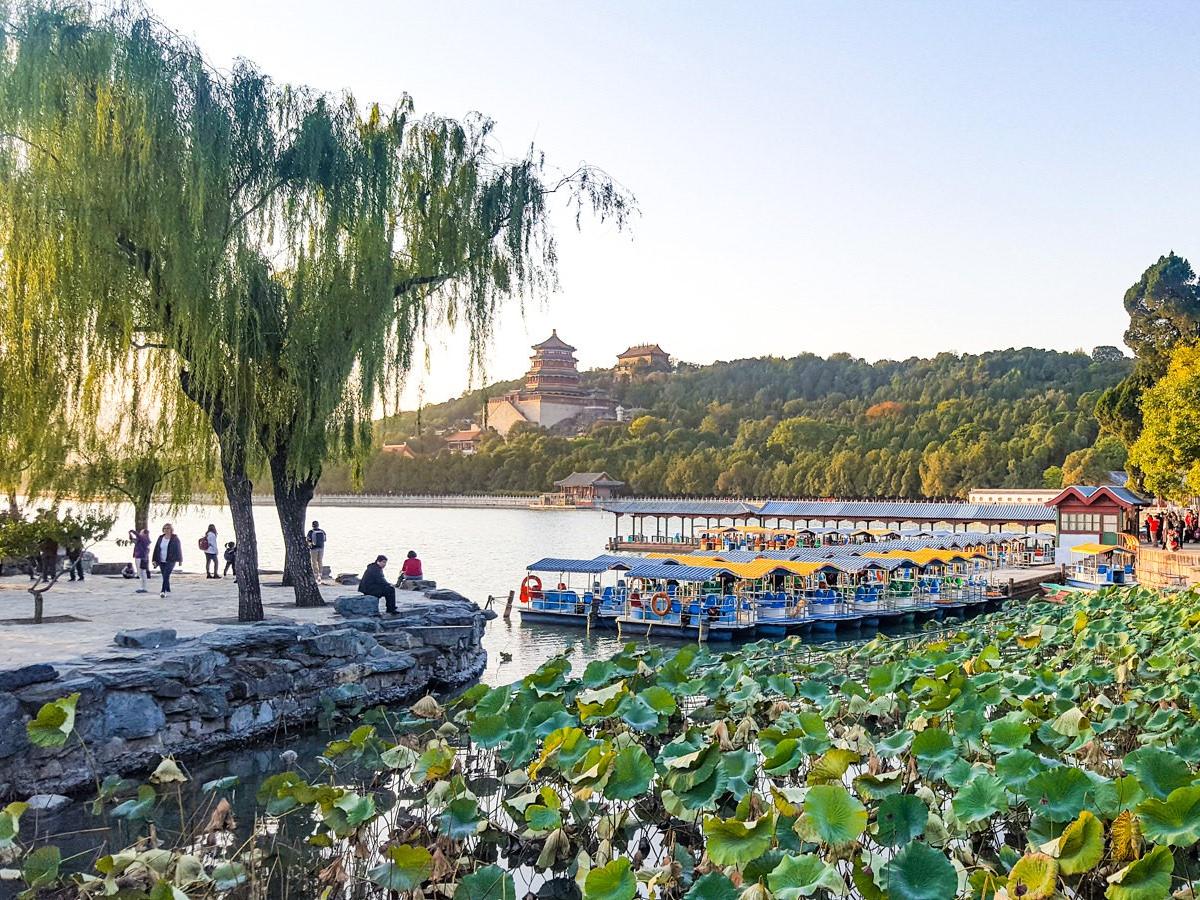
In the Summer Palace, the change of light has a crucial impact on the effect of photos. Therefore, choosing the right time to shoot is crucial. Generally speaking, the following time periods are suitable for shooting:
Advertisement
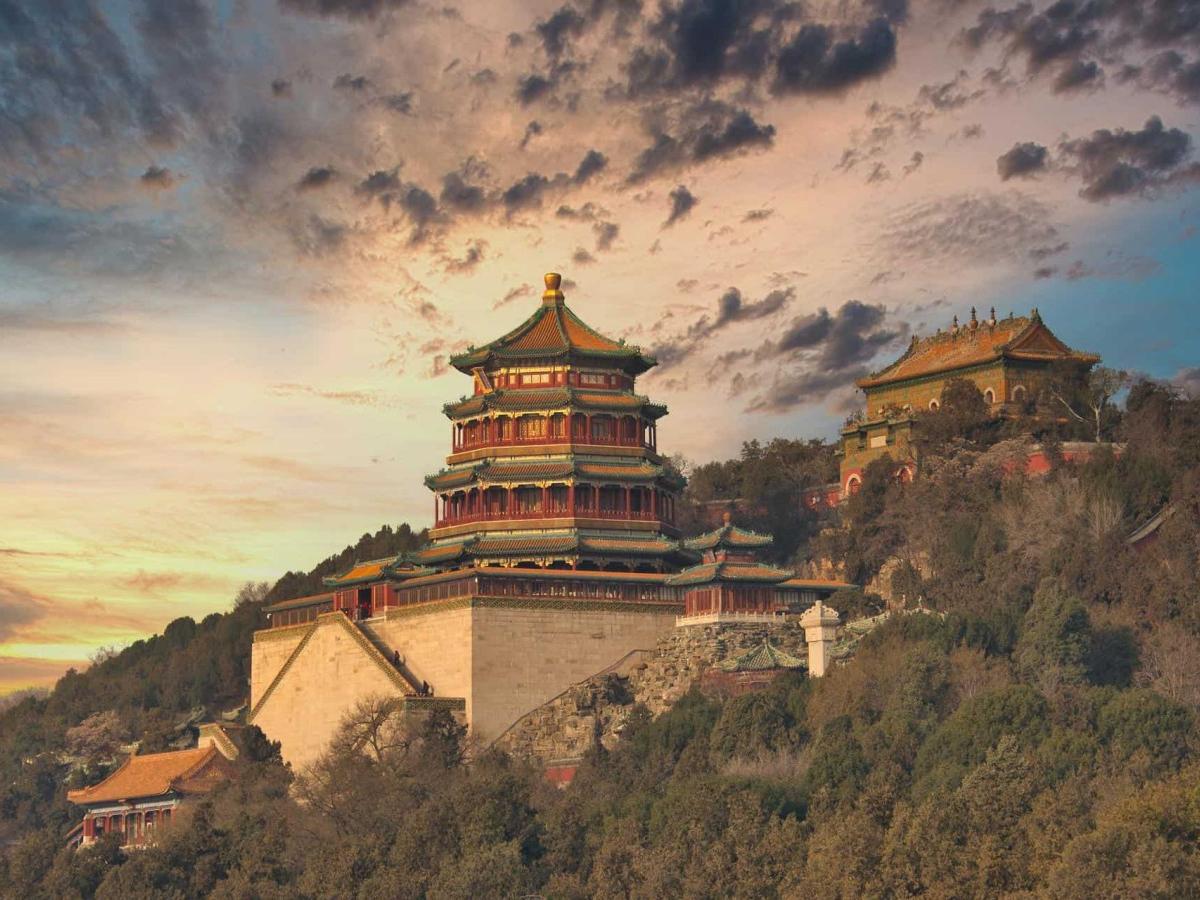
The golden hours of early morning and evening: The soft light of early morning and evening, with the sunlight shining from the side, can create a warm and soft atmosphere, which is especially suitable for photographing garden landscapes and palace buildings. At this time of day, the angle of the light is lower, which can bring richer shadows and layers to the buildings and scenery, making the picture more three-dimensional.
Strong light at midday: Although the sunlight at midday is harsher, if you want to shoot the water reflection of Kunming Lake or clear building silhouettes, the sunlight at this time of the day can provide high contrast and bright colors, which can enhance the visual impact of the photo.
Cloudy and hazy weather: The soft light of cloudy days is suitable for shooting some images with a sense of mystery, especially the landscape and architecture of the Summer Palace. In hazy weather, the distant scenery is often wrapped in mist, bringing a hazy sense of beauty, especially suitable for the creation of some moody works of art.
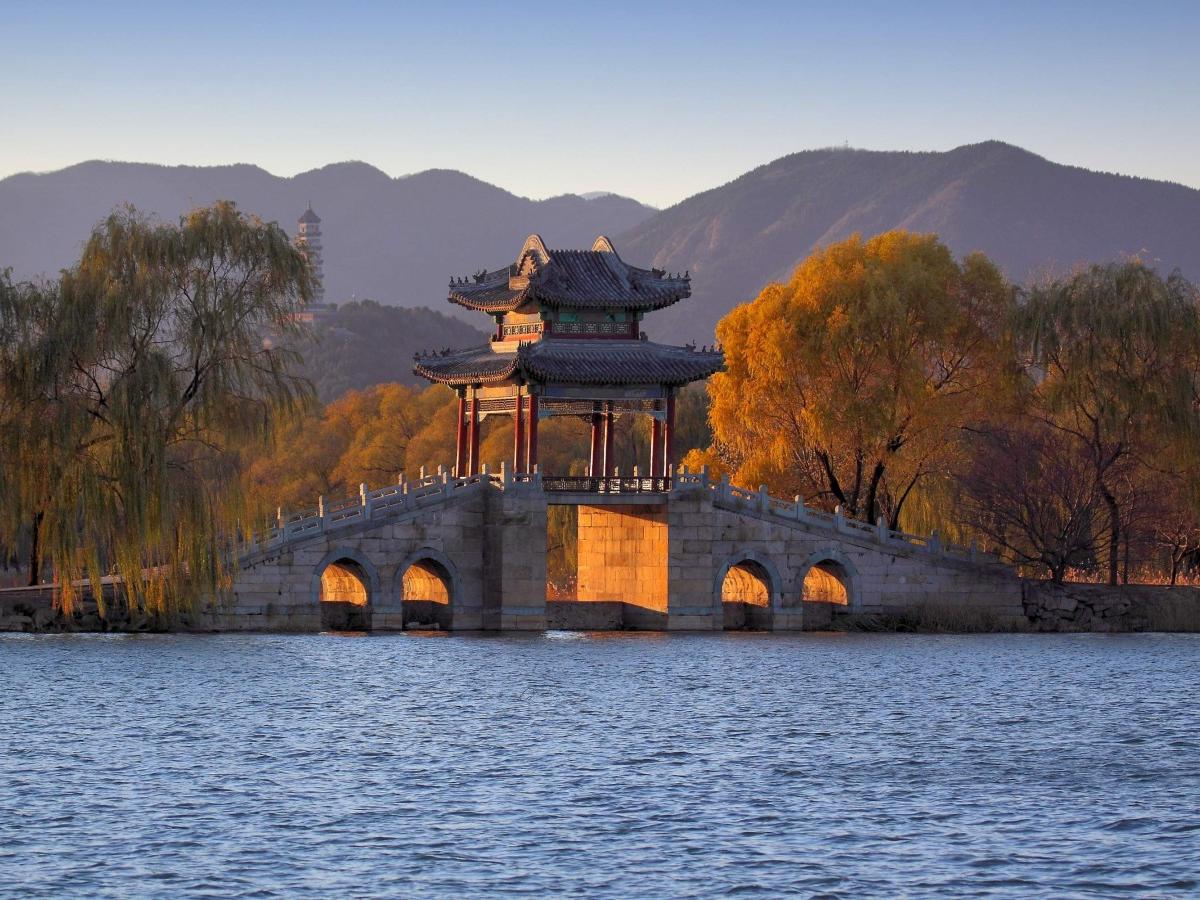
The landscape of the Summer Palace is rich and diverse, and the choice of shooting angle will directly affect the final effect. The following are some common suggestions for shooting angles:
Advertisement
Low-angle shooting: If you want to highlight the grandeur of the buildings, you can choose to shoot at a low angle and utilize the extended lines of the ground to enhance the depth of the buildings. Low-angle shooting is especially suitable for shooting tall buildings such as the Buddhist incense pavilion and the promenade, which can make them look more majestic.
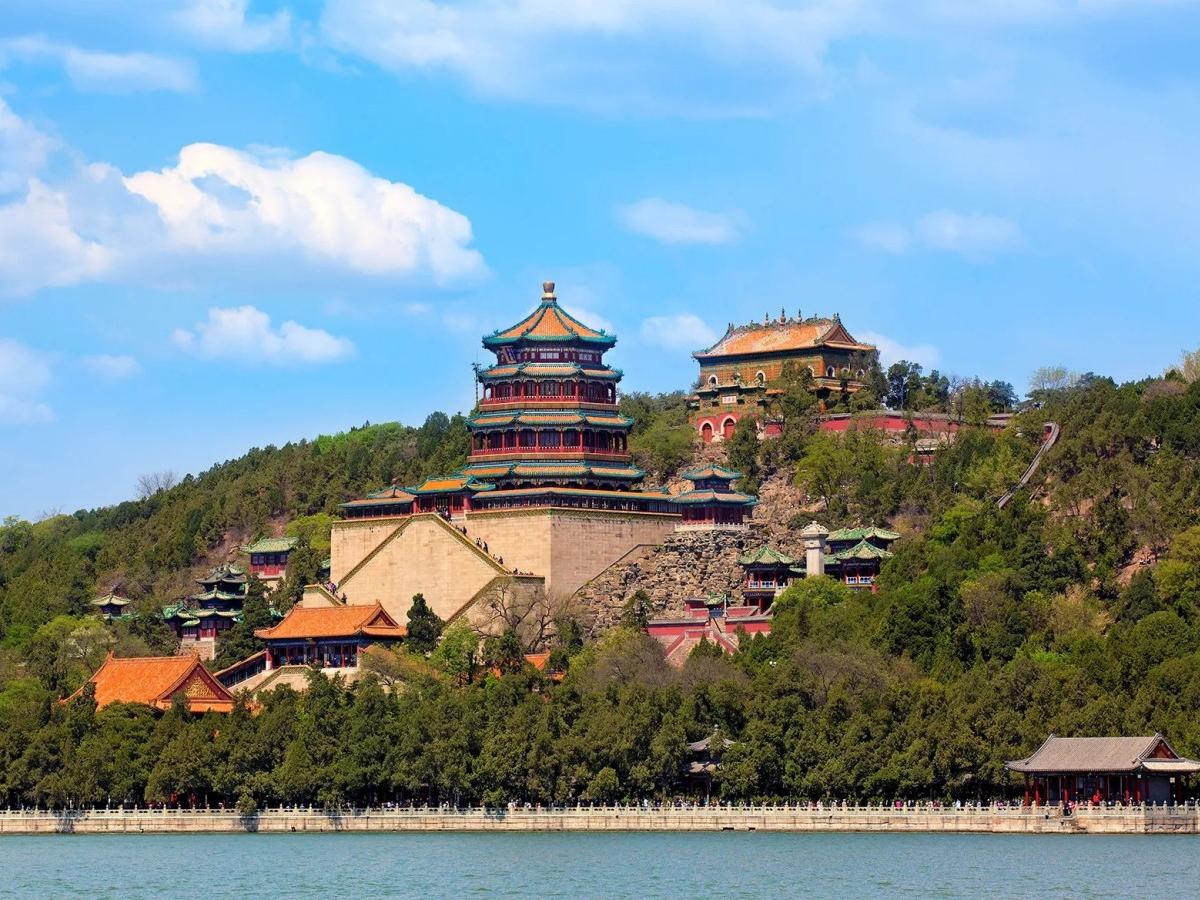
High-angle shooting: If you want to show the garden landscape in a panoramic view, it is recommended to choose some higher positions for shooting. Highlands such as Wanshou Mountain and Fo Xiang Ge in the Summer Palace provide ideal shooting locations. Looking down from high places, you can get an open view of Kunming Lake, the promenade and various attractions in the garden.
Reflection Shooting: The water surface of Kunming Lake is an important element of Summer Palace photography, and the reflection of the lake water can add layers and richness to the picture. By photographing reflections on the water surface, you can create a symmetrical aesthetic and make the photo more dynamic.
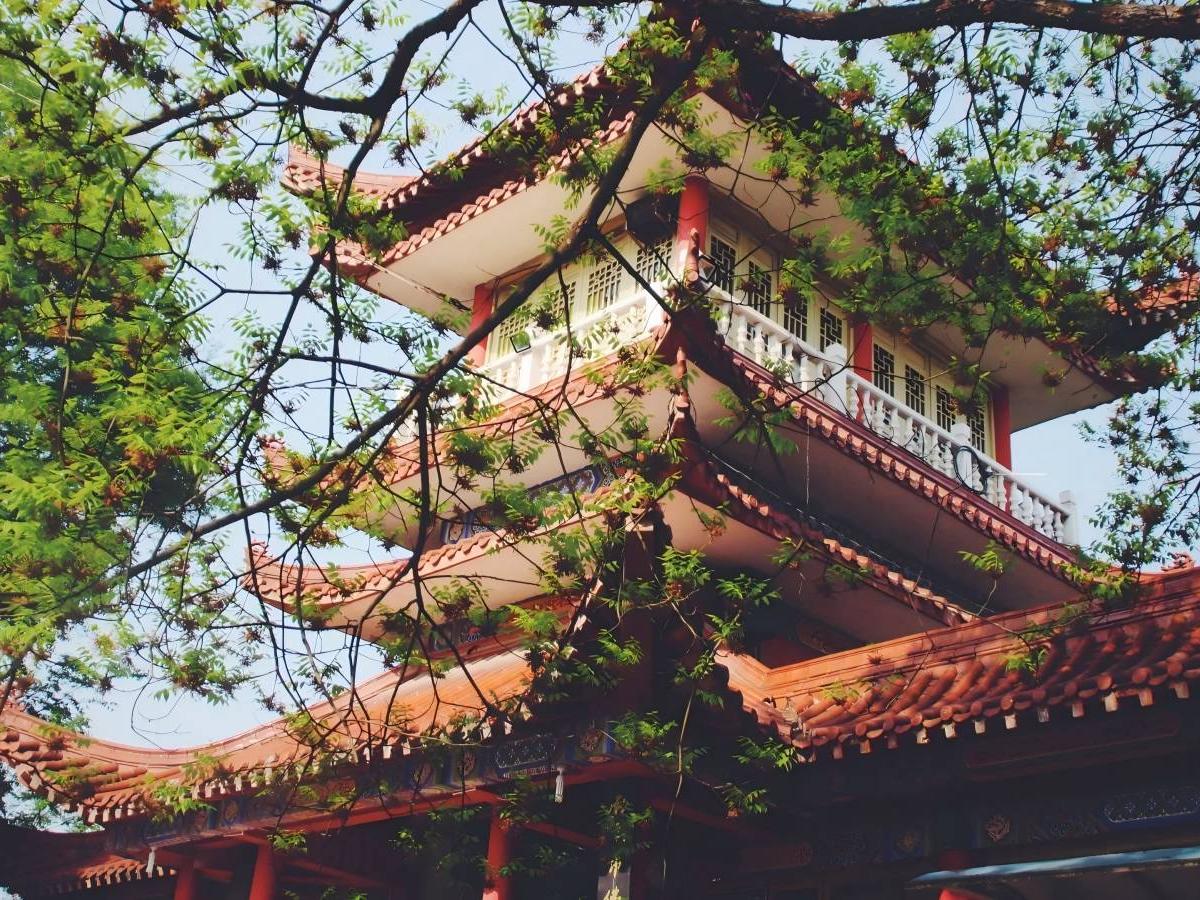
Detailed shots: The Summer Palace is not only about the magnificent architecture, but also about the details of the garden. For example, the stone carvings, the decoration of the palace's roofs, the paintings on the promenade, and the ancient trees are all good subjects to photograph. Details of the shooting can show the unique flavor of the garden and the sense of history.
In order to ensure that the photographs taken are of high quality, the following are some technical points of photography:
Utilize the rule of thirds: The rule of thirds is a classic way of composing a picture, dividing it into nine equal parts, and important elements should be placed on these dividing lines or intersections. Whether you are shooting the water reflection of Kunming Lake or the symmetrical beauty of buildings, you can use the rule of thirds to enhance the balance and visual impact of the picture.
Pay attention to exposure control: When shooting in strong sunlight, overexposure is easy to occur, which can be reduced by lowering the exposure compensation to minimize the loss of details in the bright parts. And in cloudy or hazy weather, due to the softer light, the exposure is more balanced and relatively easy to shoot, but still pay attention to adjust the white balance to avoid color distortion.
Shooting Long Exposure: Long exposure shooting is suitable for showing the combination of static and dynamic scenes such as calm water and flowing clouds. If you want to photograph the ripples on Kunming Lake or the clouds in the distant mountains, try to use ND filter and shoot with long exposure to get a soft water effect and hazy background.
The choice between deep and shallow depth of field: The choice of depth of field can be decided according to the subject. If you are photographing an expansive garden landscape, using a larger aperture value (e.g. f/8 or f/11) will ensure that both the foreground and background are clear. If you want to highlight a detail (e.g., an old tree, a sculpture, etc.), use a smaller aperture value (e.g., f/2.8 or f/4) to defocus the background and highlight the subject.
There are several spots in the Summer Palace that are suitable for shooting, and the following are some of the shooting locations that are often visited by photography enthusiasts:
The Promenade: The Promenade is one of the landmarks of the Summer Palace, with a total length of 728 meters and over 1,000 paintings on the walls. When photographing the promenade, you can choose to shoot from the end of the promenade, utilizing its sense of extension and symmetry to create works of deep visual impact.
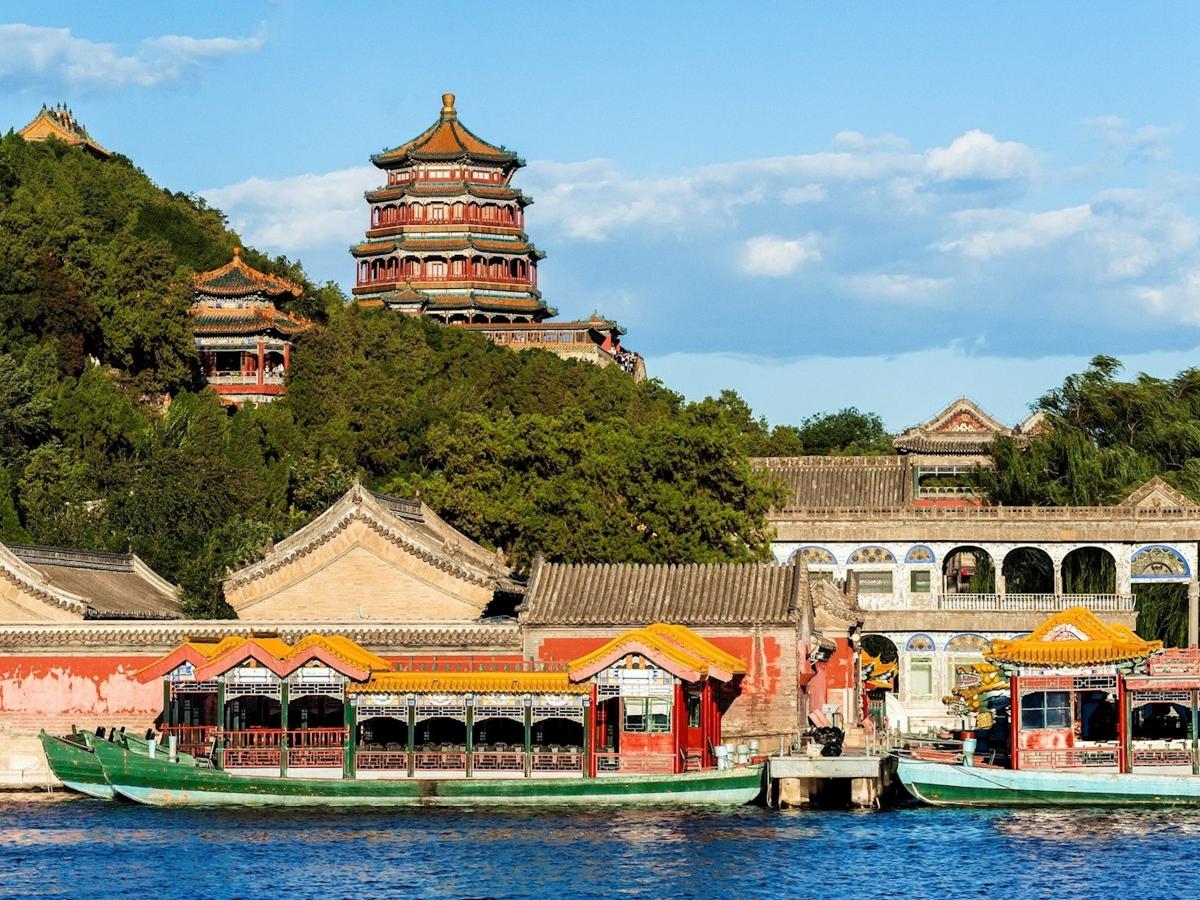
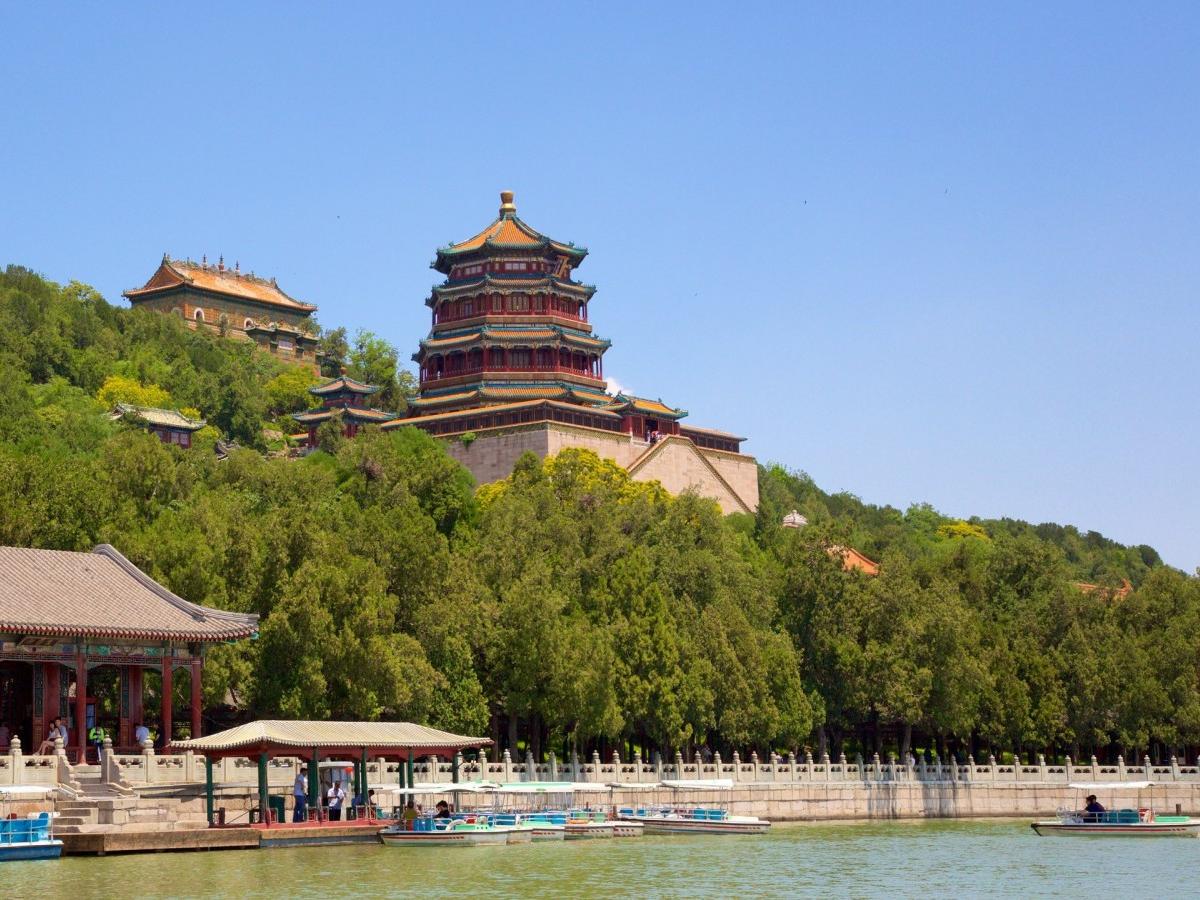
Kunming Lake: Kunming Lake is the largest body of water in the Summer Palace, with a vast surface and rippling water. Whether you are shooting the reflection of the water under the sunlight during the daytime or the soft light at dusk, Kunming Lake is a not-to-be-missed shooting location.
Fo Xiang Pavilion: Located on Wanshou Mountain, Fo Xiang Pavilion is one of the tallest buildings in the Summer Palace. When shooting, you can utilize the majestic stature of the Pavilion of Buddha's Fragrance and its relationship with the surrounding scenery to create a layered photo.
Paiyun Hall: Paiyun Hall is an important palace in the Summer Palace with an elegant appearance. Through skillful angle and light treatment, you can capture the grandeur of this building and its delicate carvings.
Suzhou Street: As an ancient commercial street, the landscape of Suzhou Street is full of the flavor of the Jiangnan water town. The water features, ancient bridges, stone paths and other elements here are all suitable for photographs with a sense of history.
Post-processing is an important step to improve the quality of photos. With post-processing software such as Adobe Lightroom or Photoshop, you can make the following adjustments:
Adjust exposure and contrast: Adjust the exposure and contrast according to the actual shooting situation to make the photo brighter and more colorful.
Remove clutter: Sometimes there may be some unwanted items or visitors in the photo, through the retouching tool you can remove them and keep the picture pure.
Adjust the color: According to your own creative intent, you can adjust the color temperature, saturation and other parameters of the photo to increase or decrease the saturation of the color to make the photo more vivid or artistic.
Summer Palace is a set of natural beauty and human history in one of the royal gardens, is every photographer's dream place. By reasonably choosing the shooting time, angle and shooting techniques, you will be able to capture those beautiful moments with a sense of history and art. Whether it's the magnificent architecture, the serene lakes, or the detailed landscaping, the Summer Palace will provide you with a constant source of inspiration. We hope that the photography guide in this article will help you take amazing photos and make beautiful memories in this royal garden.