
Advertisement
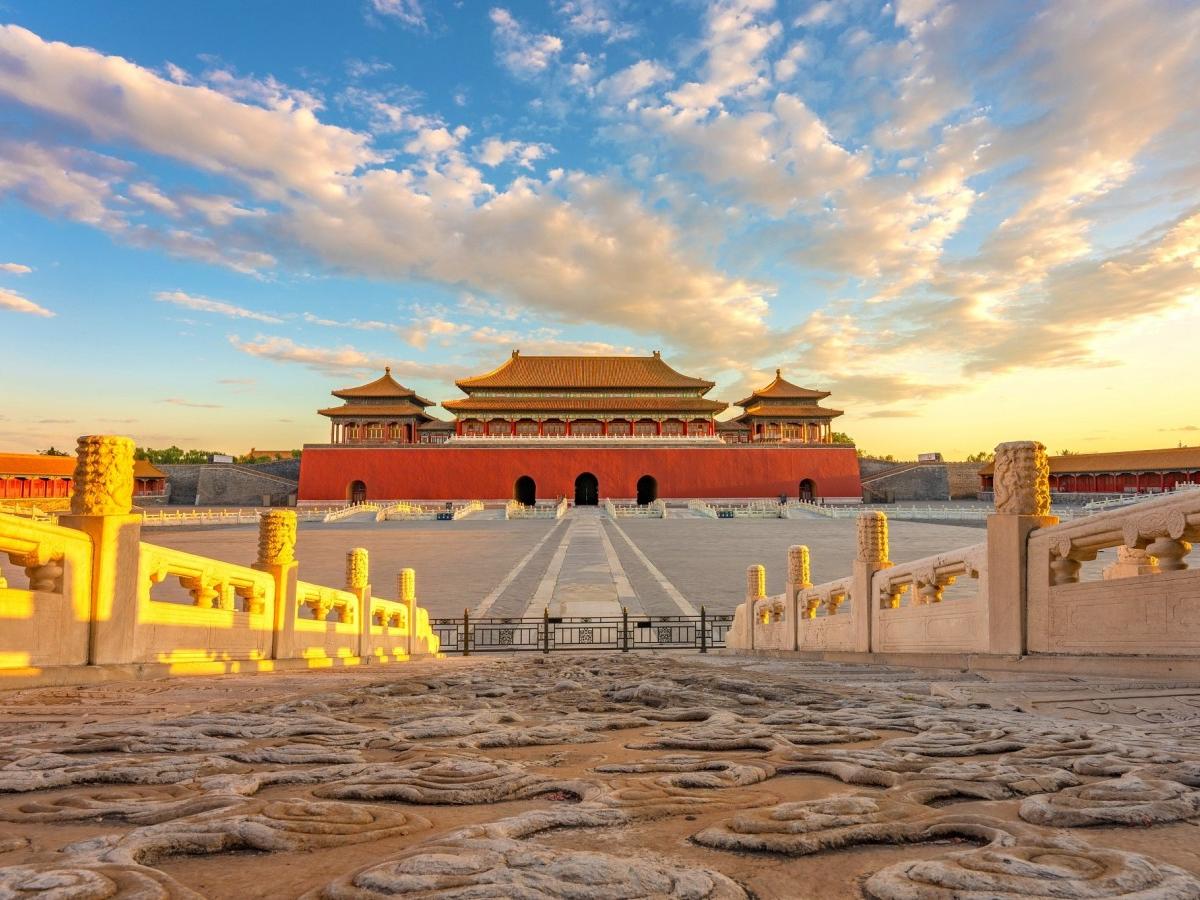
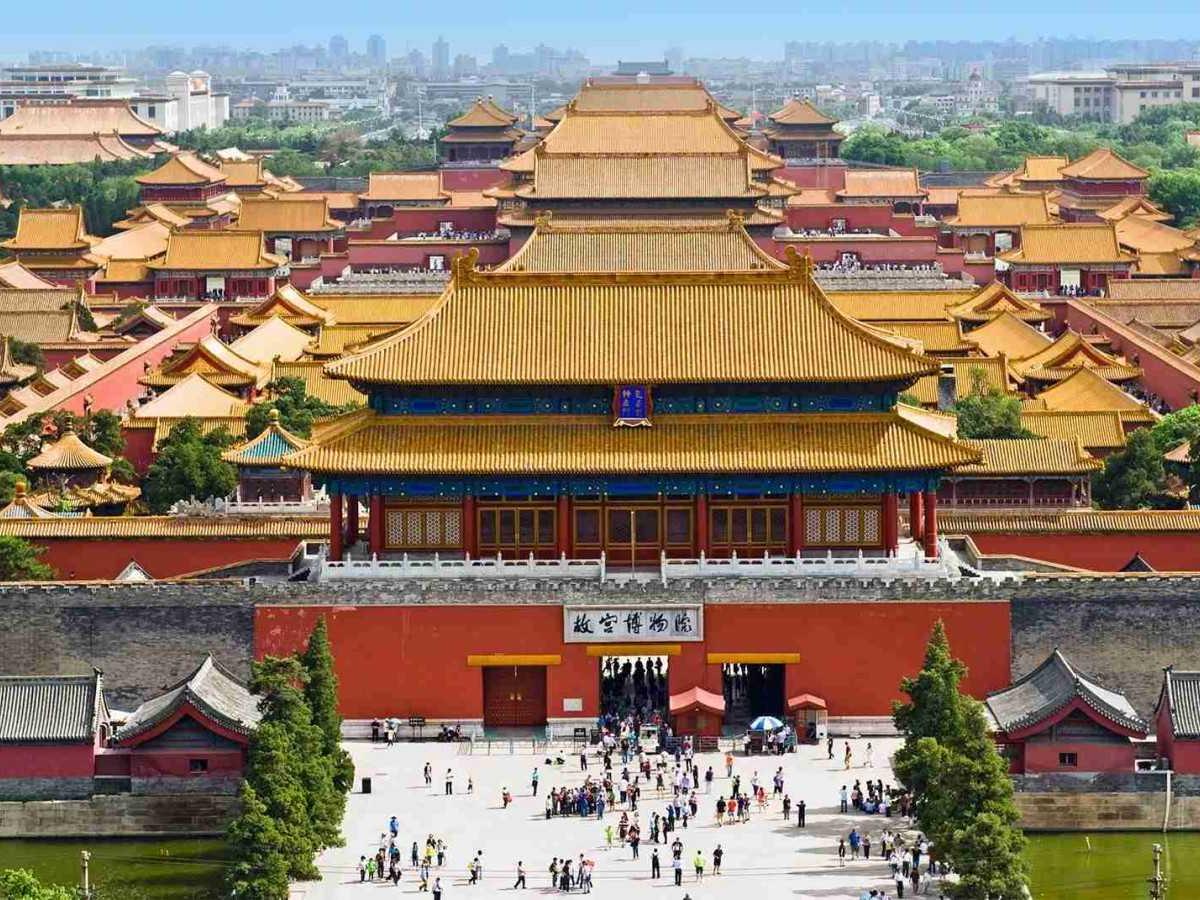
The Forbidden City, a royal palace in the heart of Beijing, is a symbol of ancient Chinese court culture. for more than 600 years, it was not only a center for the Ming and Qing emperors to deal with government affairs, but also a temple of art that housed countless treasures. The collection of national treasures from different dynasties, covering porcelain, painting and calligraphy, jade, enamel, embroidery, clocks and watches, etc., each of which carries the magnificent splendor of Chinese history. Today, let's go into the Forbidden City together, unveil the mystery of those heirloom treasures, and feel the pinnacle of the charm of Chinese court art.
Advertisement
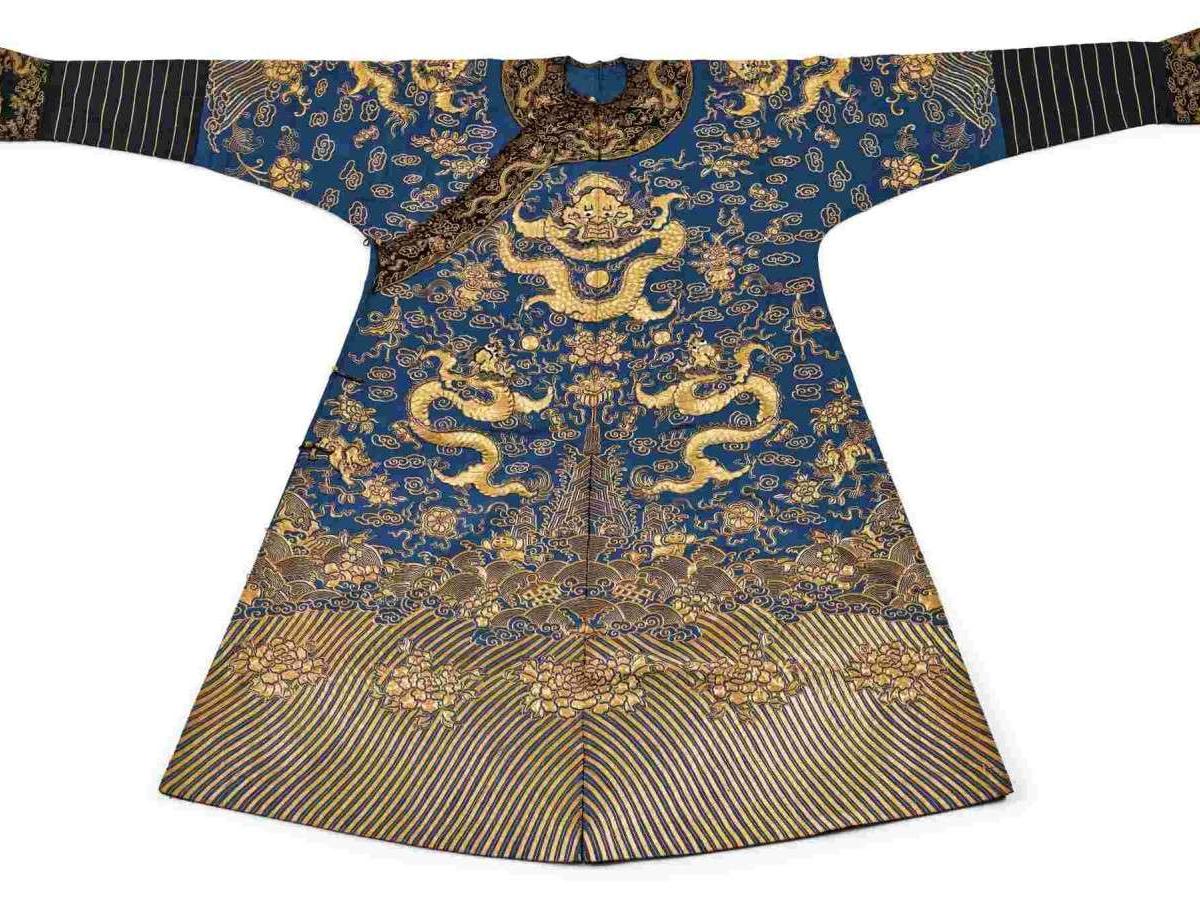
In the collection of the Forbidden City, the emperor's dragon robe is undoubtedly one of the most iconic cultural relics. The dragon robe is not only a piece of clothing, but also a symbol of imperial power, representing the majesty and identity of the Son of Heaven. The dragon robe is usually embroidered with five-clawed golden dragon, implying the supremacy of imperial power, while the cloud pattern, water waves, mountains and other patterns decorated to show that “the power of the emperor” concept.
Advertisement
The emperor's dragon robe of the Qing Dynasty is particularly exquisite, such as the Emperor Qianlong's bright yellow robe, using the finest silk weaving, embroidery is exquisite, bright colors, still glittering. Through this dragon robe, people can not only feel the excellence of the royal dress craft, but also a glimpse of the ancient court etiquette of the strict hierarchy.
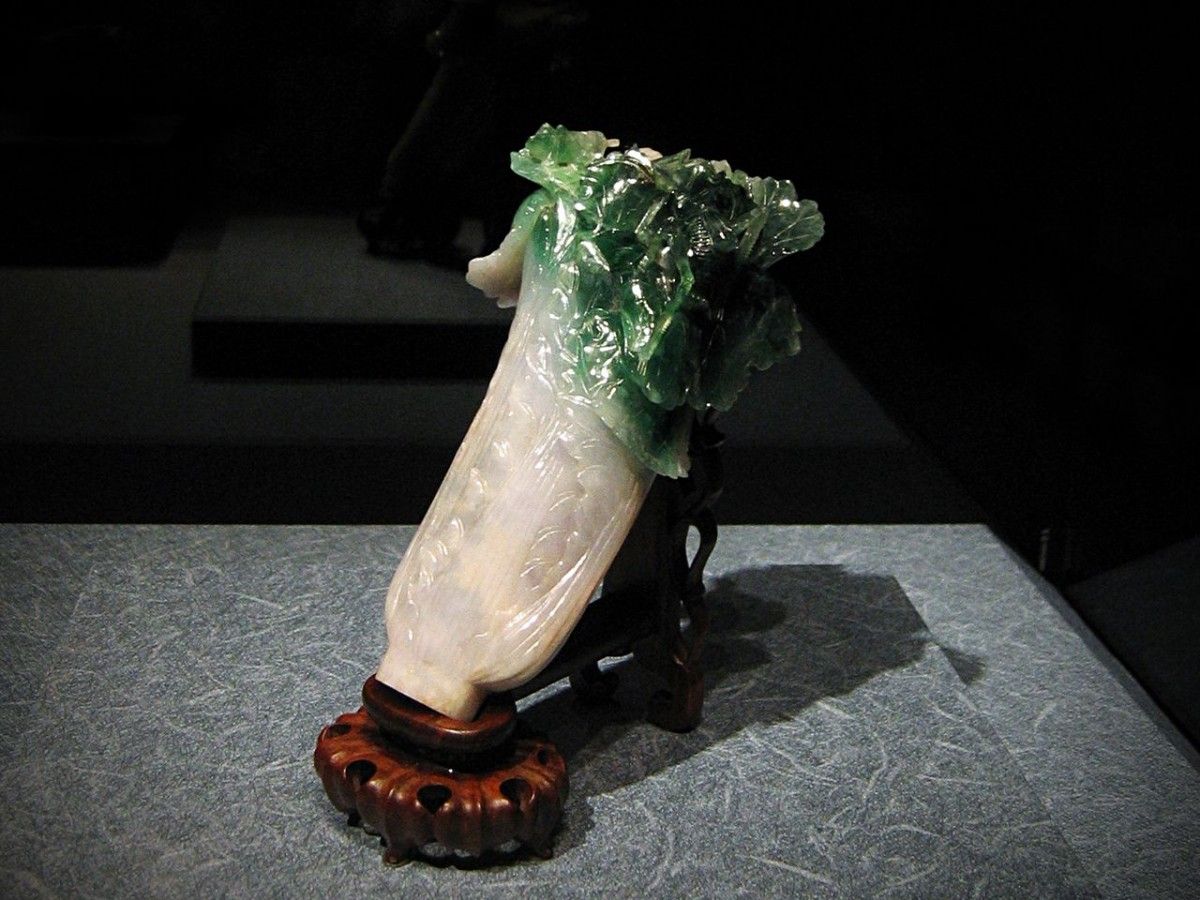
When it comes to the treasures of the Forbidden City, the Jade Cabbage is definitely one of the most highly regarded national treasures. This jade carving work skillfully utilizes the natural color of jade, carving the white as fat jade into the leaves of the cabbage, while the greenish part is transformed into the vitality at the top of the cabbage leaves, and even two lifelike katydids (symbolizing many children and many grandchildren) are carved on the leaves.
Advertisement
This work not only shows the high skill of jade carving in the Qing Dynasty, but also carries the court's pursuit of good meaning. The cabbage, which means “hundred wealth”, signifies wealth and good fortune, while the katydid signifies a prosperous progeny, which is why this piece was loved by the Empress Dowager Cixi and treasured in the palace.
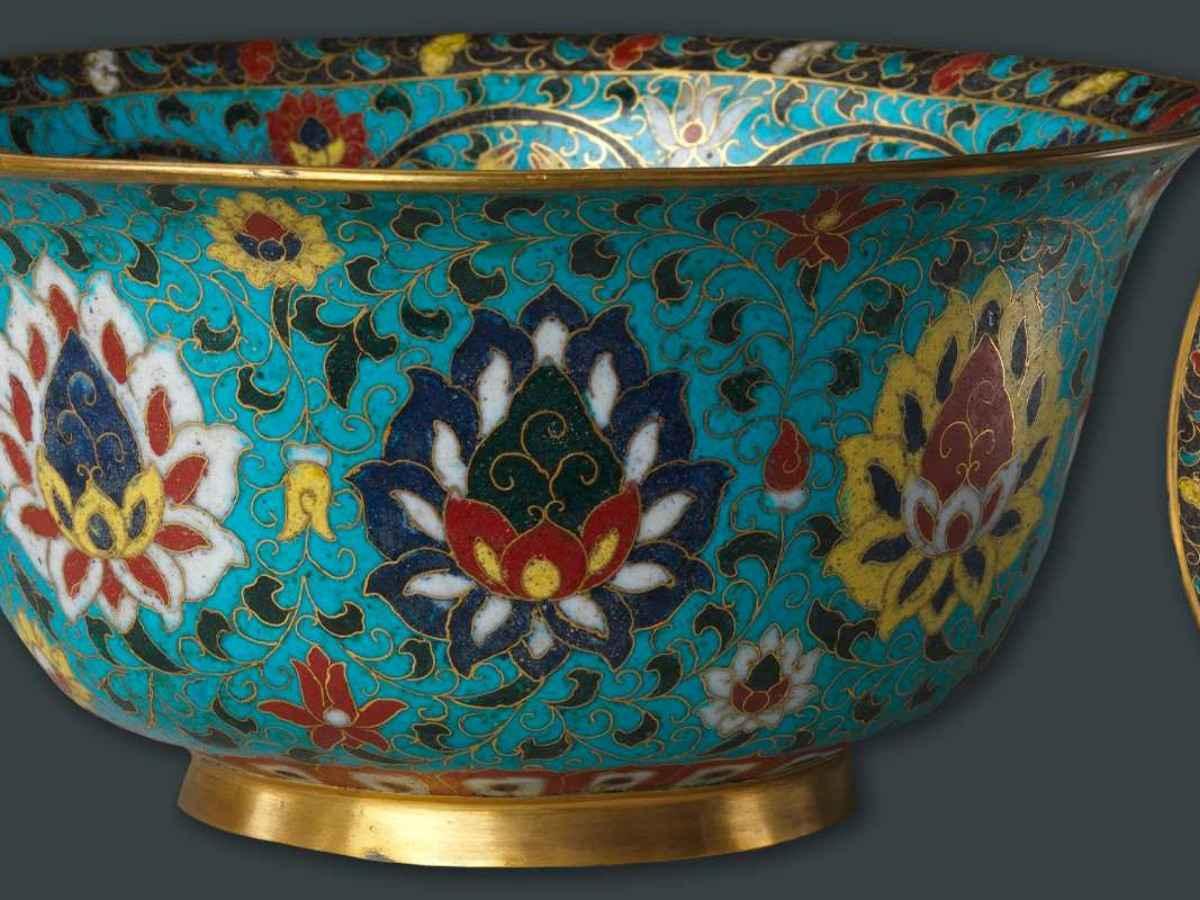
Enameled porcelain is one of the most precious porcelains in the Forbidden City, and its production process is extremely complex, and it was only used by the imperial family. Enameled porcelain first appeared in the Kangxi period, and reached its peak in the Yongzheng and Qianlong periods. Characterized by bright colors and exquisite decorations, common themes include birds and flowers, landscapes, figures, etc., fully reflecting the elegant tone of the court aesthetic.
Among them, qing yongzheng pastel enamel flower bowl can be called masterpiece. This porcelain is fine, glossy glaze, painted flowers vivid, as if you can smell the faint fragrance. Enamel porcelain firing process is extremely difficult, because of its exquisite and rare, known as “the queen of porcelain”, is the Forbidden City collection of rare artistic treasures.
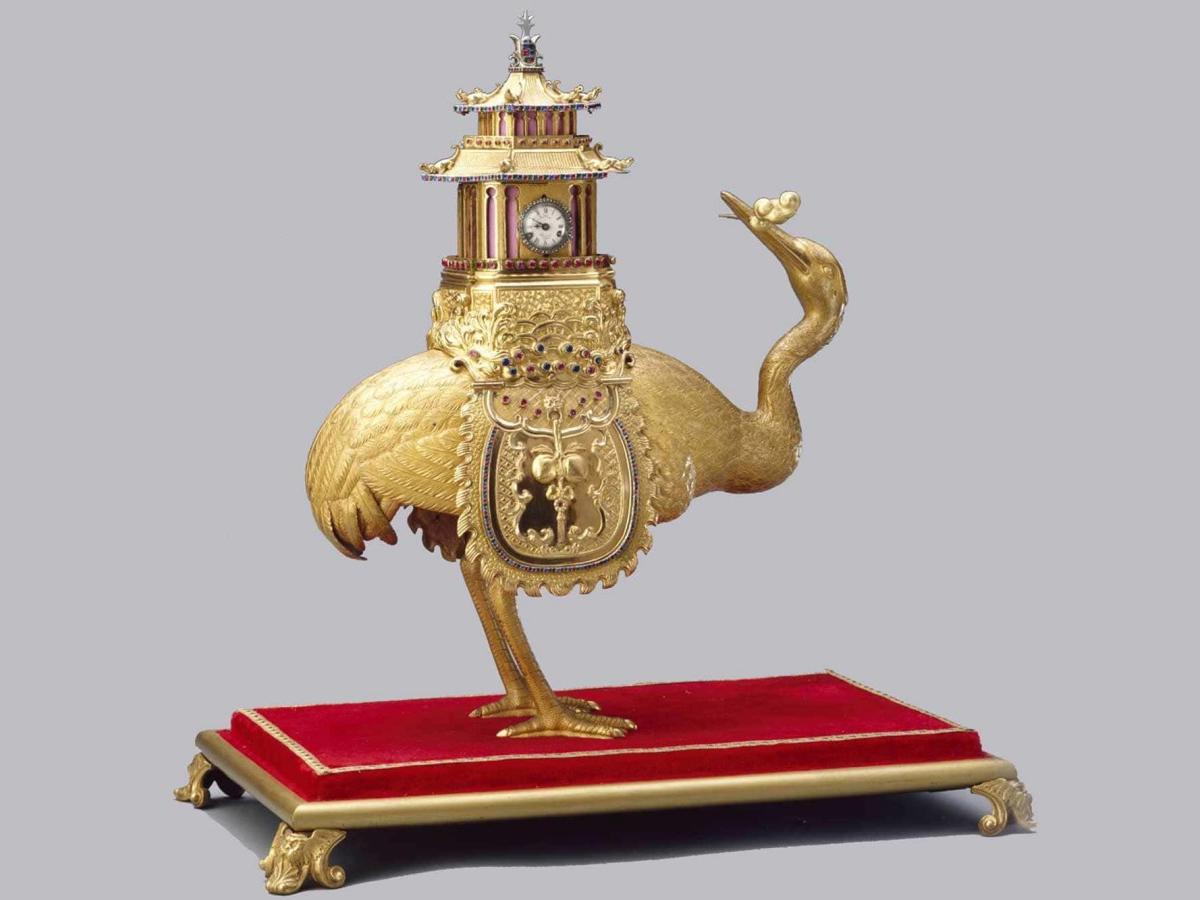
Qing dynasty palace clocks and watches are another highlight of the Forbidden City collection. Most of these clocks were imported from Europe or made by the palace workshops during the Kangxi, Yongzheng and Qianlong periods, blending Western mechanical craftsmanship with traditional Chinese art.
The most famous of these clocks is the “Chiming Clock”, which was a favorite of the Qianlong Emperor. This clock not only accurately chimes the time, but also has the function of music performance, auto-doll performance, etc., decorated with gold and blue, extremely luxurious. It not only shows the Qing Palace on the Western craft enthusiasm, but also reflects the historical process of cultural exchanges between the East and the West.
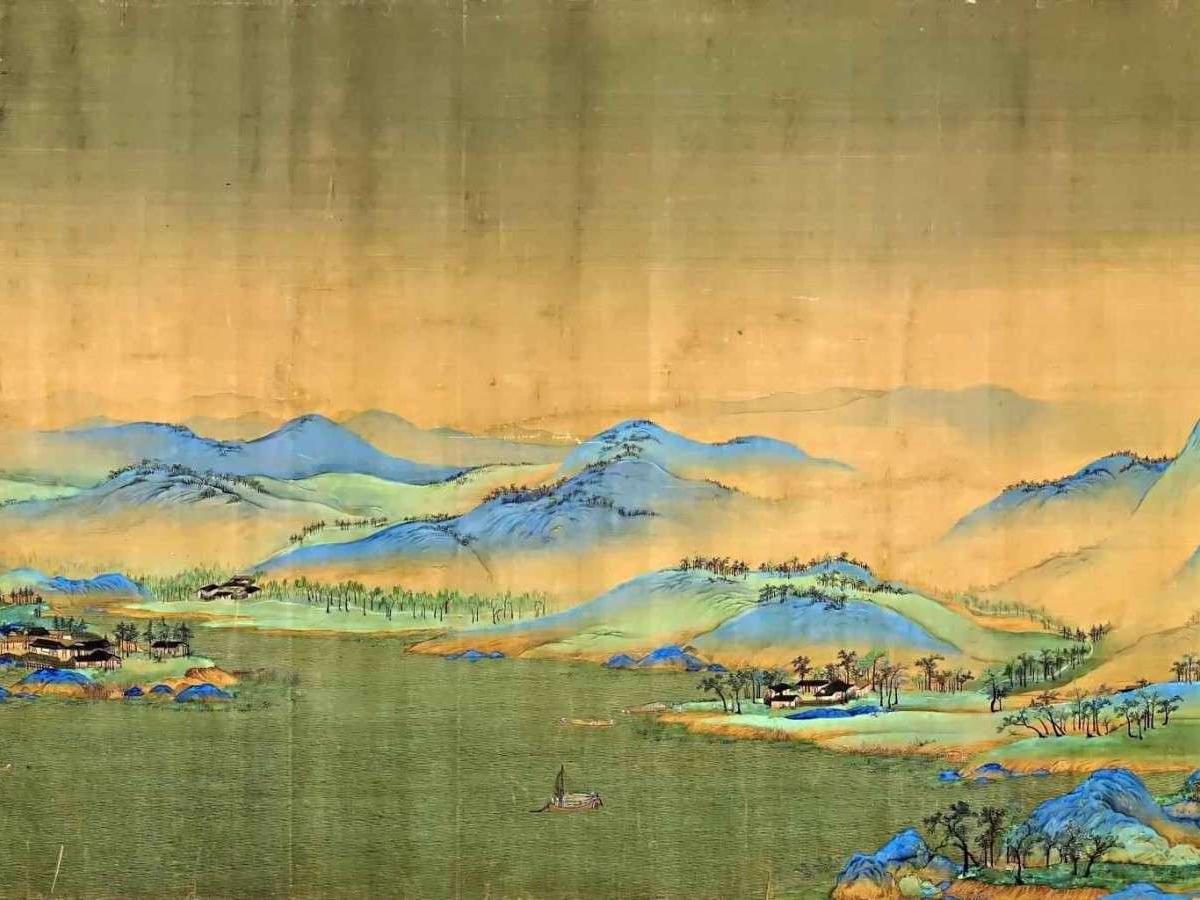
Among the paintings and calligraphy collected in the Forbidden City, the Thousand Miles of Rivers and Mountains by Wang Ximeng of the Song Dynasty is a national treasure. This scroll uses the green landscape technique to outline the magnificent rivers and mountains stretching for 10,000 miles with mineral pigments, showing the peak skill of landscape painting in the Northern Song Dynasty. The picture is so imposing with its mountain ranges and meandering rivers that the viewer feels as if he or she is in the middle of a flowing landscape scroll.
This painting is not only highly skilled and far-reaching, but also symbolizes the royal prayer for the eternal stability of the river and the mountain, which is a rare treasure in the palace paintings.
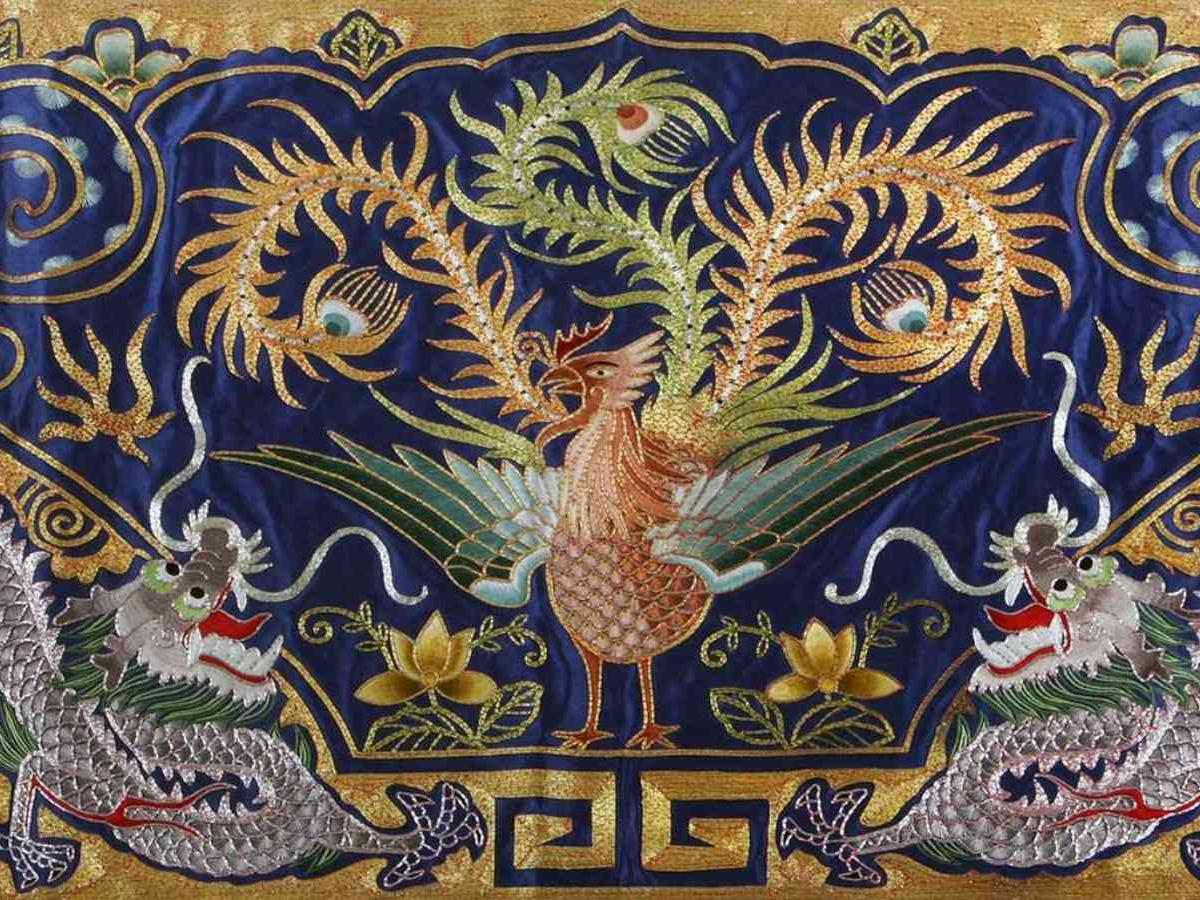
The Qing Dynasty's palace embroidery craft was at its peak, with dragon robes, phoenix robes, and palace screens all displaying fine embroidery techniques. Among them, the Xiapi (Feng Guan Xiapi) of the Empress of the Qing Dynasty was particularly precious, embroidered with gold threads and colorful silk with patterns of phoenixes, peonies, and auspicious clouds, symbolizing dignity and auspiciousness.
In addition, the palace brocade screen is also a major highlight, such as the Qianlong period of the “longevity” brocade screen, with exquisite woof technique weaving out the pattern of longevity, symbolizing the long-lasting imperial power, the country's prosperity and people's peace.
He national treasures of the Forbidden City are the jewels of Chinese palace art and the precious heritage of Chinese culture. From dragon robes to jade cabbages, from enameled porcelain to palace clocks, these treasures not only represent the extreme skills of ancient craftsmen, but also carry the unique aesthetics of royal culture. Today, these artifacts are still quietly displayed in the Palace Museum, telling the world about the glorious chapters of Chinese history. Through time, into the world of treasures in the Forbidden City, we were able to glimpse the splendor of the former court, feel that deeply rooted in the Chinese civilization of craftsmanship and wisdom. This is not only a testimony of history, but also the pinnacle of art, and a cultural treasure to be treasured for generations.