Advertisement
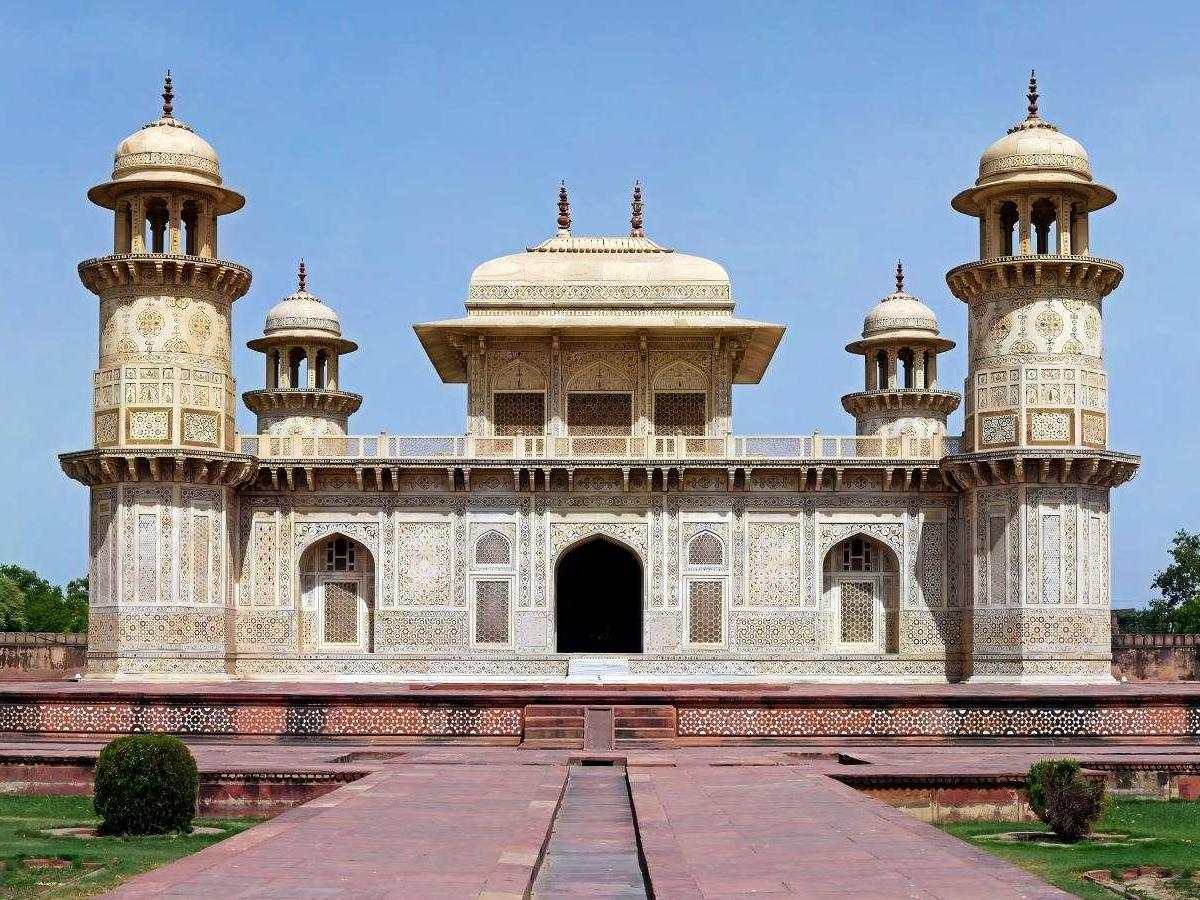
People call it the “Little Taj Mahal,” but when you first see the Itmad-ud-Daulah Tomb glistening in Agra's soft sunlight, you realize it's no miniature replica—it's something entirely different. More serene, more ethereal, more intimate, it feels like a whispered poem carved into marble. Passing through the stone gateway, the clamor of the outside world—India's distinctive honks, shouts, and chaos—fades away. In an instant, you step into a story written four centuries ago, where love, sorrow, and artistry intertwine in every mosaic.
Advertisement
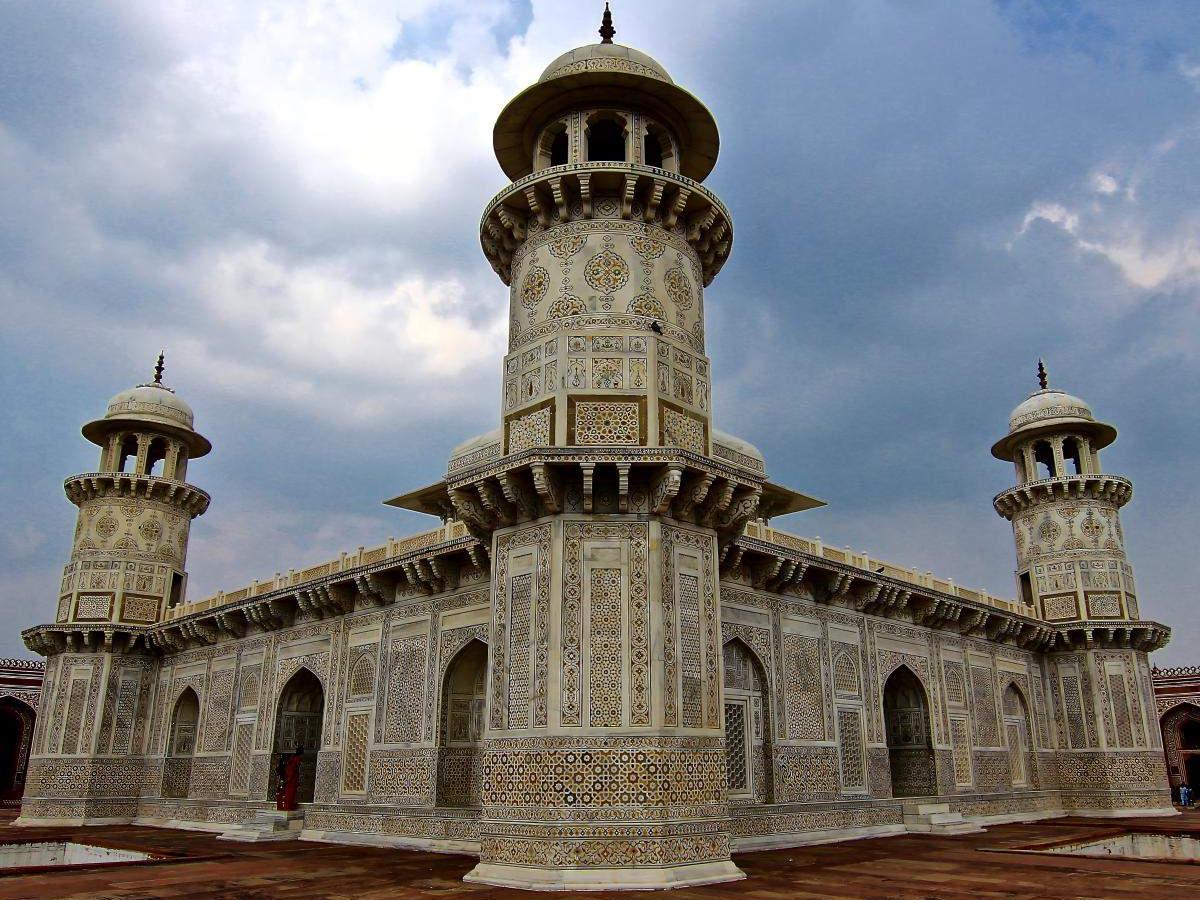
Time rewinds to the early 17th century, the zenith of artistic achievement in the Mughal Empire. The Itmad-ud-Daulah Tomb stands unique in Mughal history for one reason alone: it was commissioned by a woman. Nur Jahan, wife of Emperor Jahangir, a woman of immense power and extraordinary independence, erected this mausoleum for her beloved father, Mirza Ghiyas Beg. He was honored with the title “Itmad-ud-Daulah,” meaning “Pillar of the State.” Imagine the scene: a grieving yet resolute daughter, determined to honor her father not with words or ceremonies, but with an edifice that would endure across the centuries. Rather than another monumental mausoleum, she envisioned a sanctuary of refinement, grace, and poetry. She commanded a revolutionary design: abandoning the red sandstone typical of early Mughal architecture for pure white marble, adorned with semi-precious stone inlays.
Advertisement
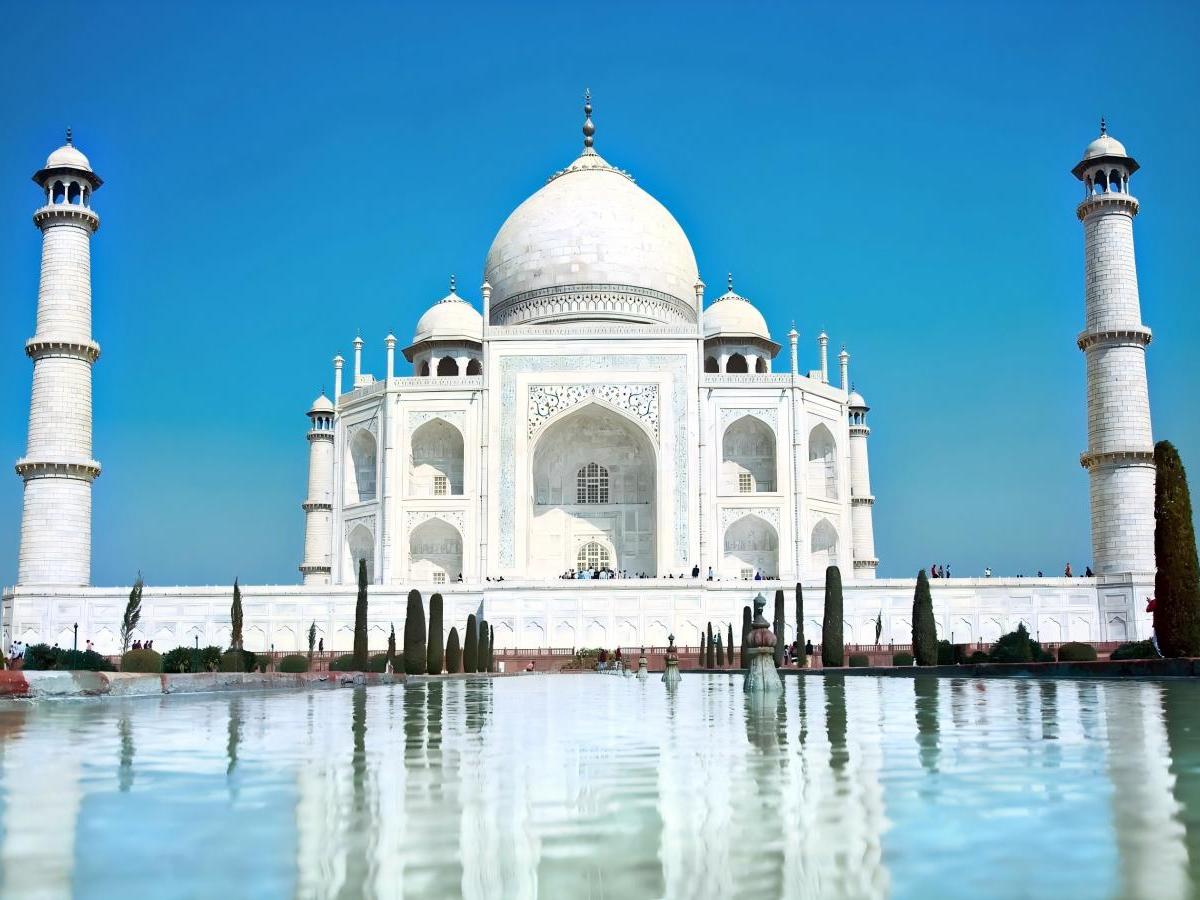
This choice altered the course of history. The techniques employed here—hardstone inlay, symmetrical gardens, and the pursuit of geometric perfection—later became the very inspiration for the Taj Mahal. In a sense, the Itmad-ud-Daulah Mausoleum marked the elegant transition of Mughal architecture from masculine grandeur to feminine refinement.
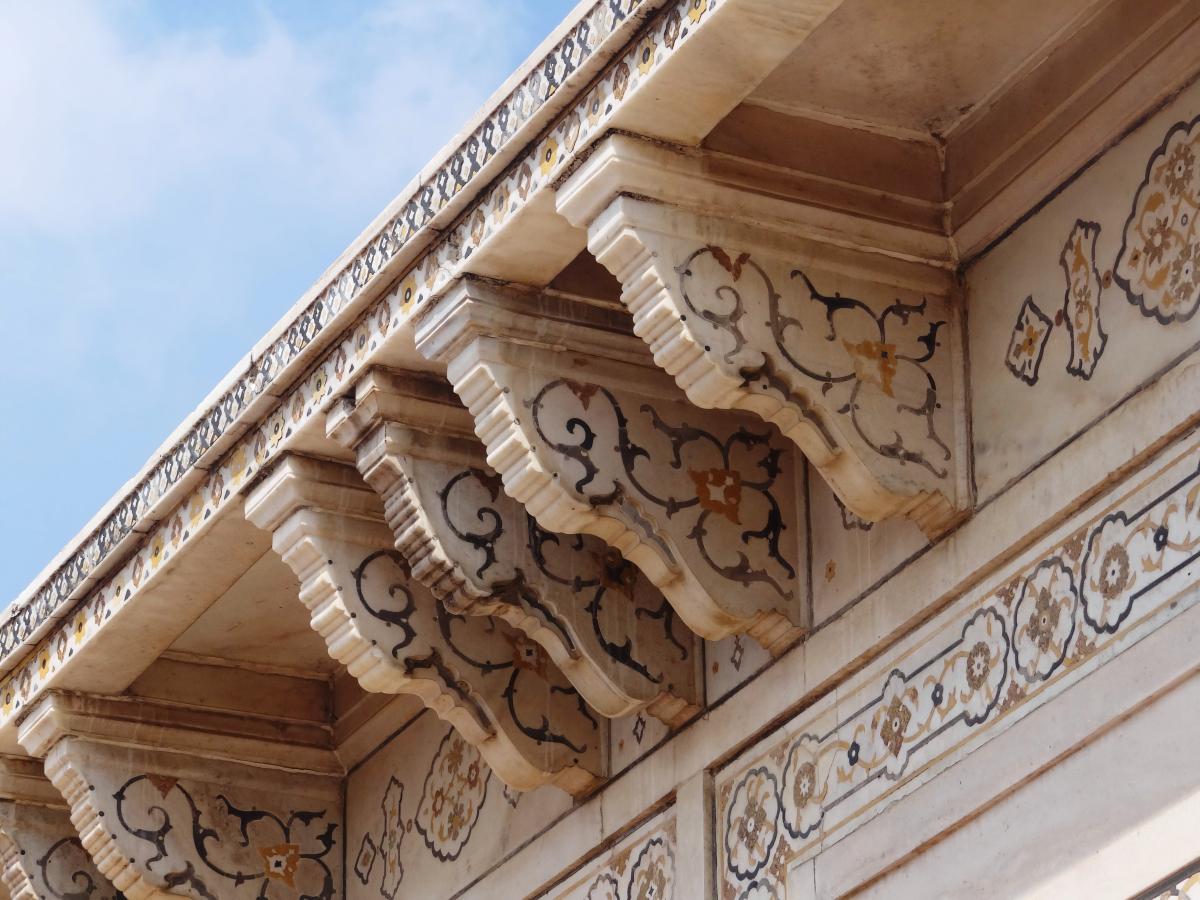
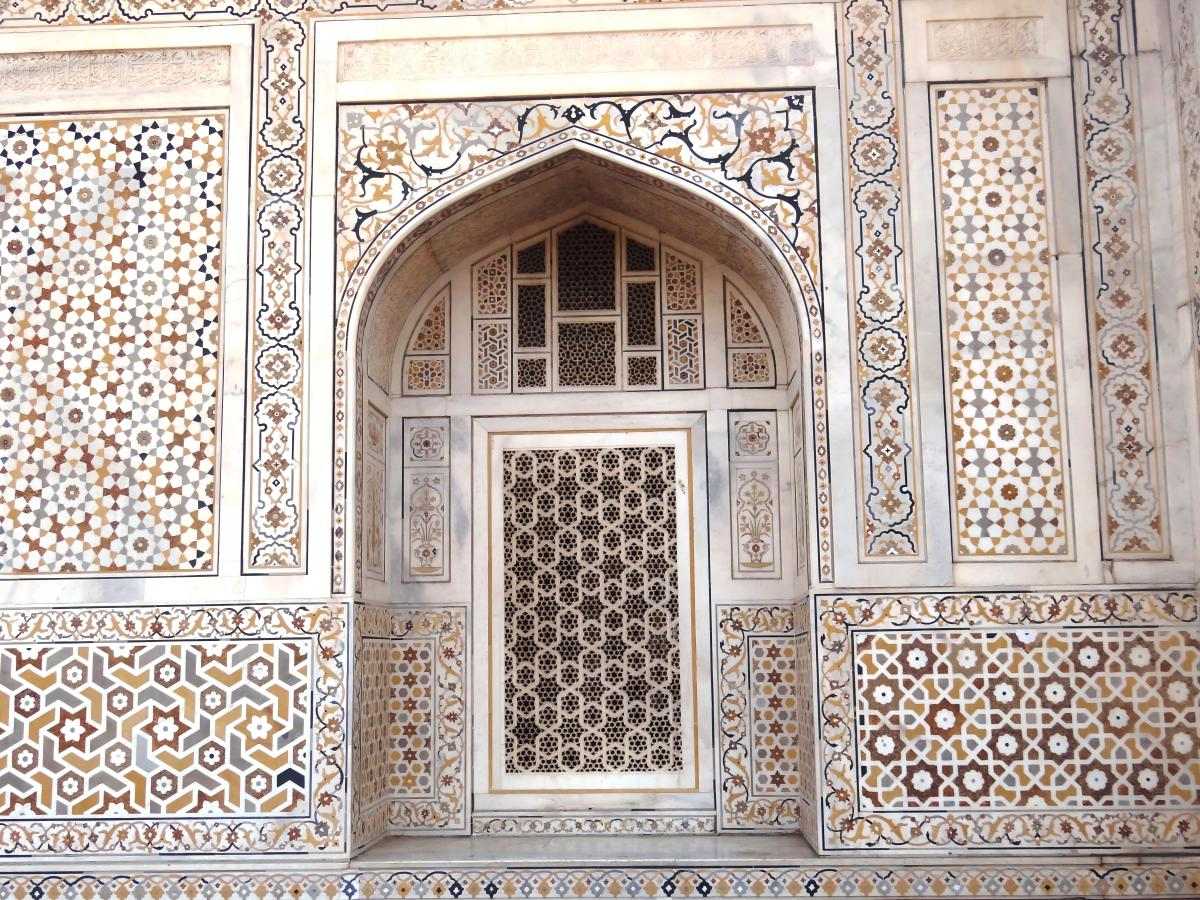
At first glance, the mausoleum seems far less grand than the Taj Mahal, but as you draw near, its exquisite craftsmanship takes your breath away. Marble shimmers like silk, inlaid with lapis lazuli, agate, jasper, topaz, and carnelian to form delicate vines, blossoms, and arabesque scrollwork. Every inch of the structure seems to whisper, “Please look closely.”
Advertisement
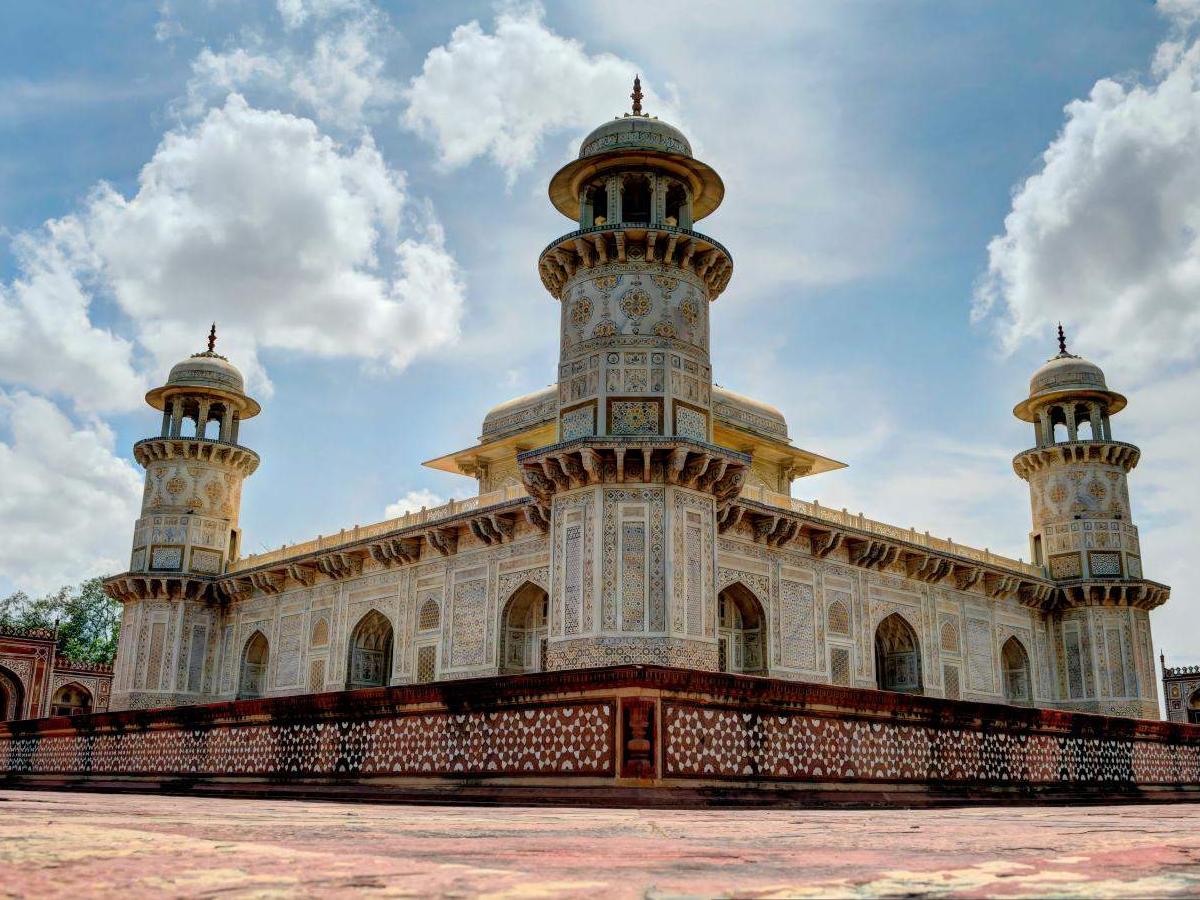
The mausoleum rises from a central plinth within a Persian-style “Chalbagh” garden—a square expanse divided by water channels symbolizing paradise. The symmetry is almost hypnotic, each path guiding the eye toward balance and grace. Four slender minaret-like towers rise from the corners of the main structure, while within the central burial chamber, the sarcophagi of Imad ud-Daulah and his queen stand side by side, silently bearing witness to eternal devotion.
Most astonishing is how artisans carved lace-like patterns from solid marble. Openwork screens (*Jali craftsmanship*) filter sunlight into intricate patterns, casting dancing, dappled light that shifts with the passing hours. Morning light drapes the hall in soft gold, while afternoon brings a cool silver glow. If you visit at sunset, the marble takes on a pinkish hue—as if breathing.
The Itmad-ud-Daulah Tomb lies like a gentle sigh. Resting by the Yamuna River, far from the crowds, here you can truly hear the rustle of leaves and the cooing of pigeons. Arrive before nine in the morning, when the morning mist still hangs low over the gardens. You might encounter the caretaker sweeping the marble paths or a few locals out for their morning stroll. The light is soft, the air carries the fresh scent of damp earth, and the entire mausoleum feels almost entirely yours. Slow your pace. Wander along symmetrical paths, peek through marble grilles at hidden vistas, and gaze toward the distant, shimmering Yamuna River.
At midday, sunlight bathes everything in more vivid hues, the marble gleaming like polished ivory. This is the golden hour for photography—every inlay shimmers, every floral pattern comes alive. You'll marvel at how artisans could make hard stone appear as delicate as embroidery.
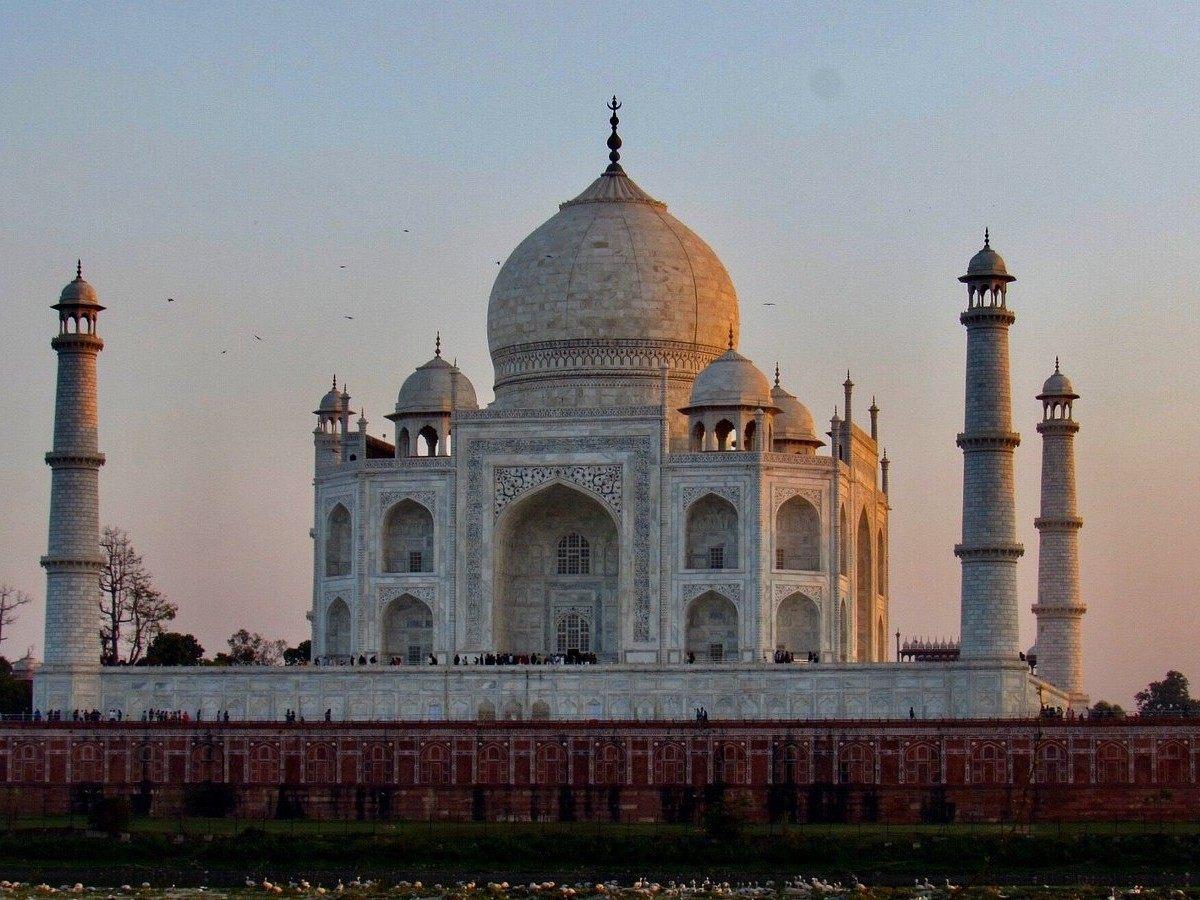
After exploring, cross the river bridge to the Moonlight Garden on the opposite bank. Here, you can frame both the Taj Mahal and the tomb of Ihtimad-ud-Daulah in a single shot—two love stories from successive Mughal dynasties, mirrored in the same river. This perspective, seldom captured by tourists, leaves an indelible impression.
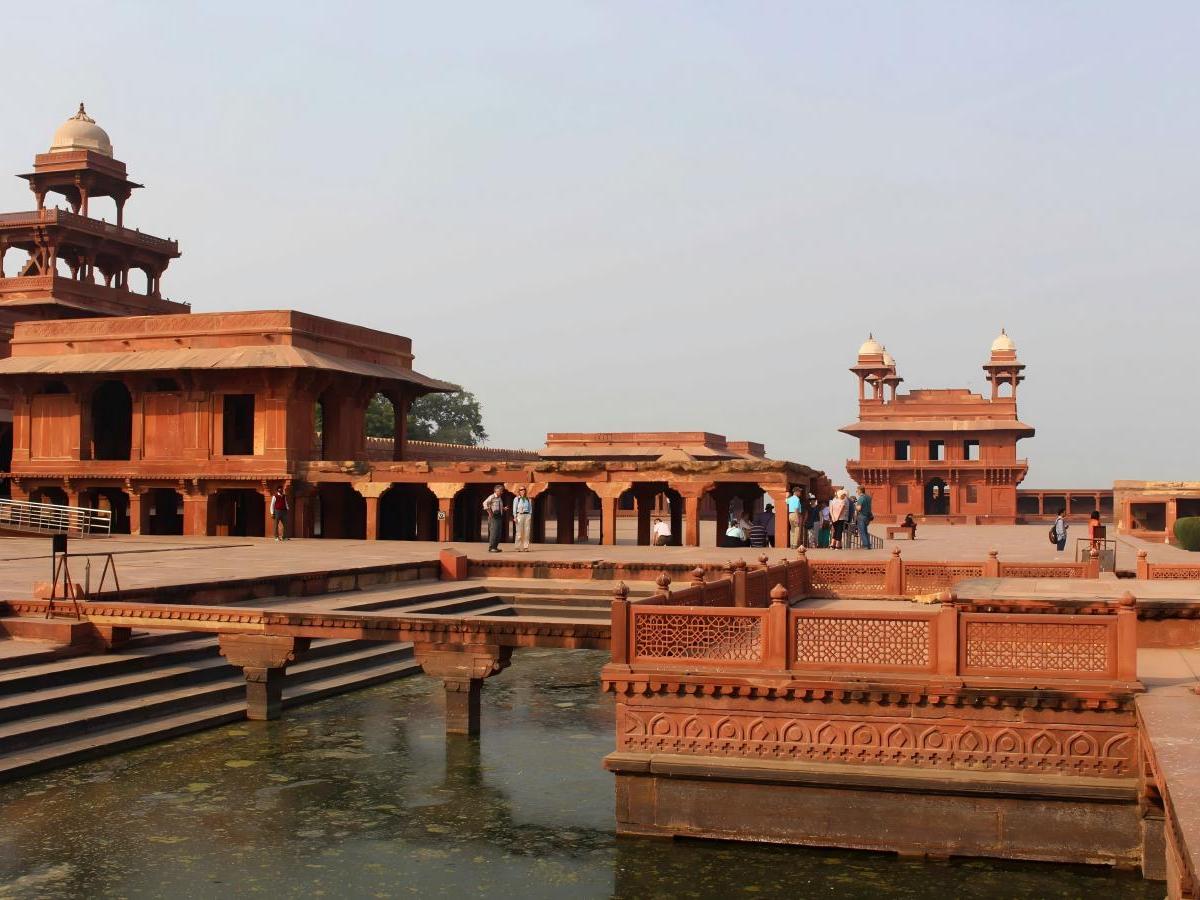
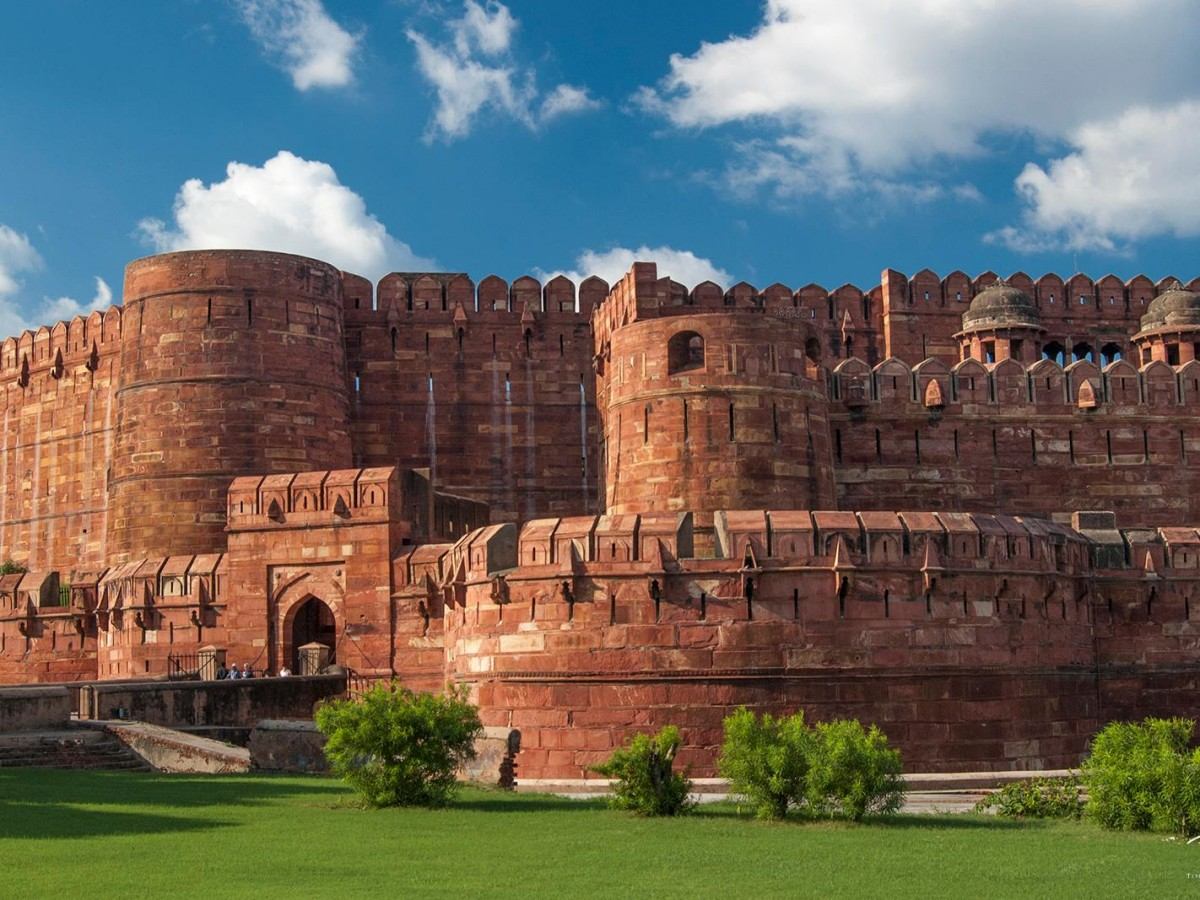
After strolling through the tranquil Itmad-ud-Daulah Tomb, your senses will crave a more down-to-earth experience—and Agra knows exactly how to deliver. Just a 15-minute drive away lies Agra Fort, where you can follow in the footsteps of Mughal emperors through its red sandstone corridors. The Taj Mahal lies even closer—dawn, when the rising sun bathes the marble in golden hues, offers the most sublime viewing moment.
Yet Agra's allure extends far beyond its monuments. Before departing, savor Agra halwa, a translucent sweet made from squash and syrup. This delicacy glistens like jewels in glass jars at street-corner shops. When shopping for souvenirs, look for marble inlay crafts inspired by the design of the Itmad-ud-Daulah Tomb. Local artisans still employ ancient techniques—tiny chisels, patience, and precision—to create tabletops, jewelry boxes, and coasters that gleam with the same stone radiance as the mausoleum. Practical Tips:
* Morning or evening light best showcases the marble's brilliance.
* Wear comfortable shoes as you'll be walking between gardens and marble terraces.
* Admission is affordable, and visitor numbers are lower than at the Taj Mahal, so advance booking isn't necessary.
* For deeper insights, hire a local guide—they often share poetic anecdotes that bring this monument to life.
* Remember this is a tomb; speak quietly and never touch the inlaid works.
Finally, slow your pace. Sit quietly beneath the cypress shade for a moment, gaze at the marble's shifting hues as light dances across it, and imagine Noor Jahan herself once strolling here—this woman ahead of her time, whose artistry remains vibrant to this day. As the sun sinks below Agra's horizon, the marble walls of the Itmad-ud-Daulah mausoleum glow with a soft pink radiance. Soft sounds drift through the gardens—the whisper of flowing water, the chirping of birds returning to their nests, the distant rustle of the breeze. As you gaze upon it one last time, it seems as though the monument itself is gazing back—serene, eternal, with memories flowing vividly within.