Advertisement
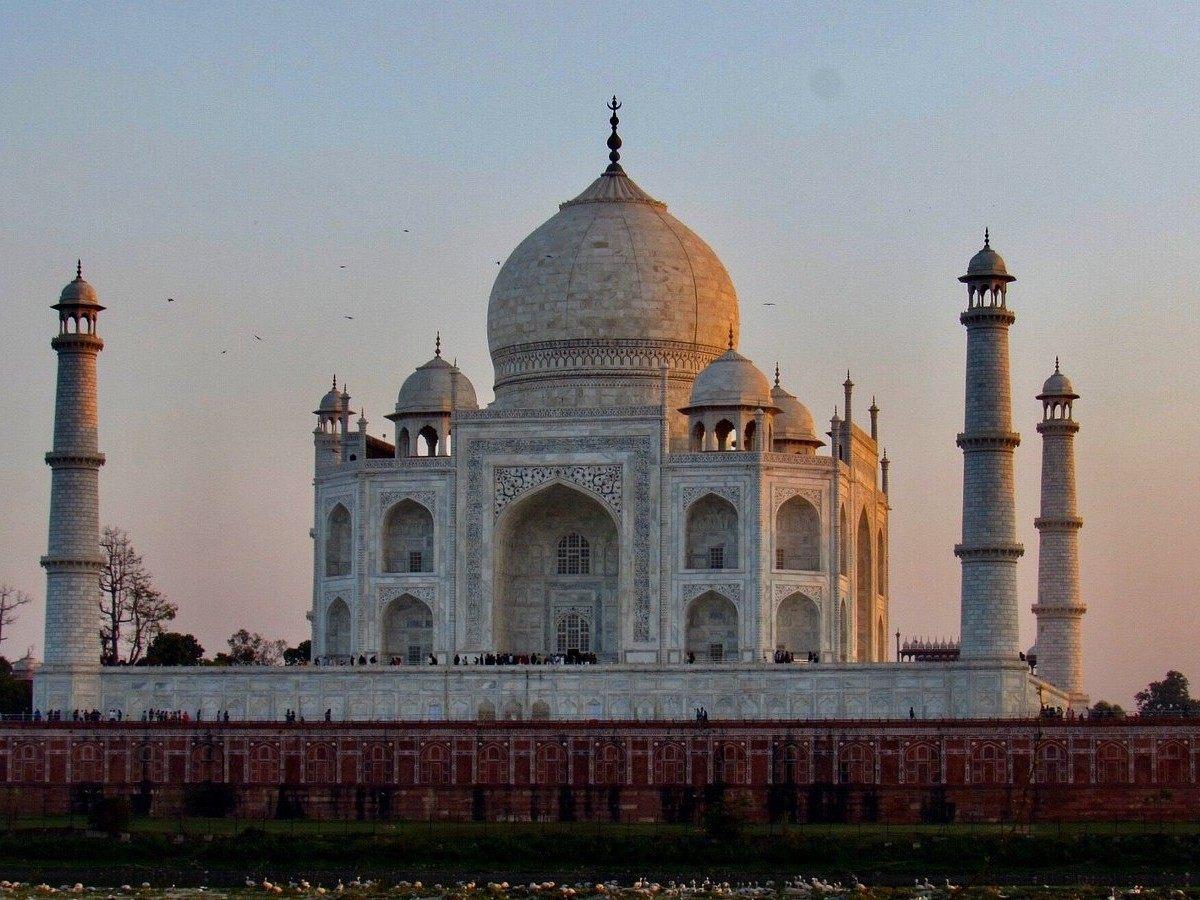
If you've ever dreamed of seeing the Taj Mahal bathed in soft golden light, its reflection rippling across tranquil waters, then Mehtab Bagh is the hidden gem you've been missing. This Mughal-era garden, nestled on the opposite bank of the Yamuna River, is no ordinary viewing spot—it's a complete sensory feast. Only here can you truly grasp why Emperor Shah Jahan, the Taj Mahal's builder, believed that the beauty of symmetry could reach the divine.
Advertisement
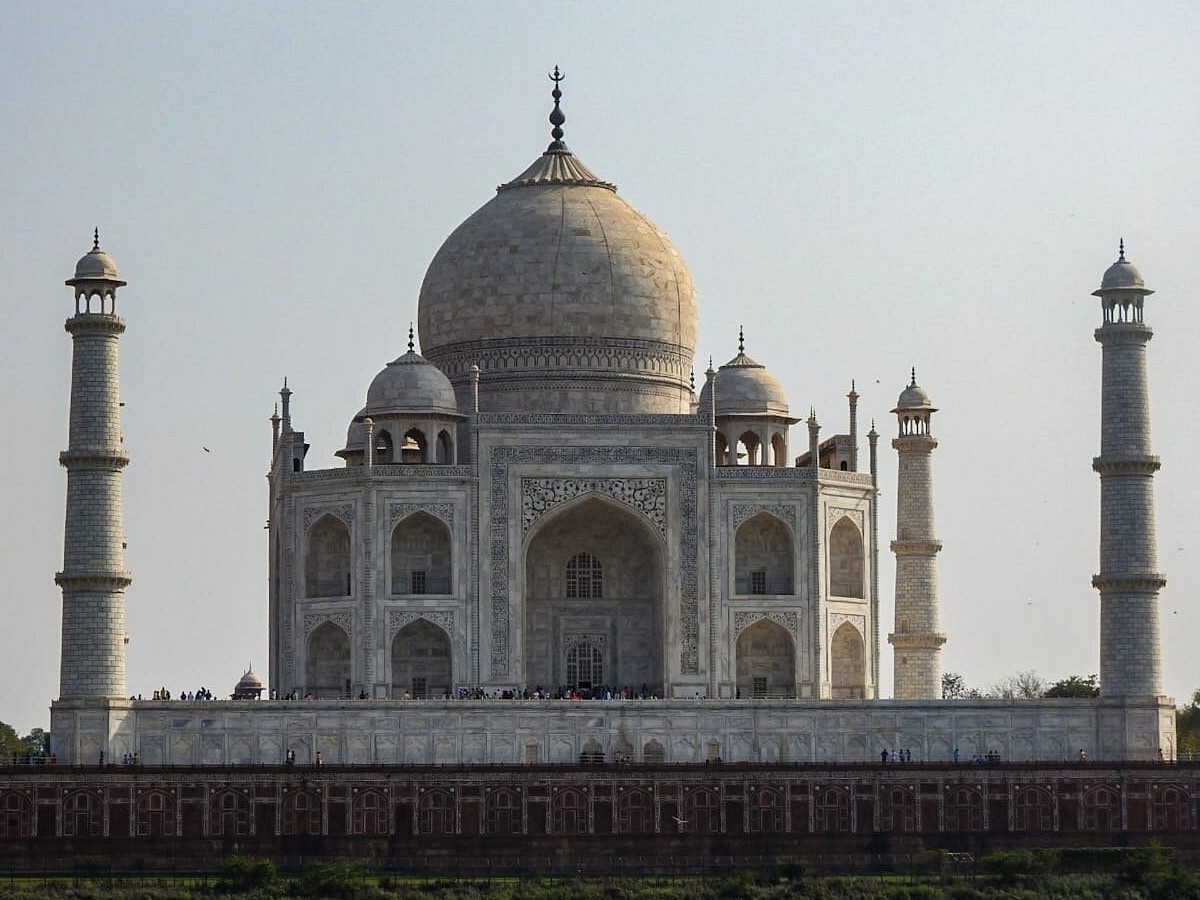
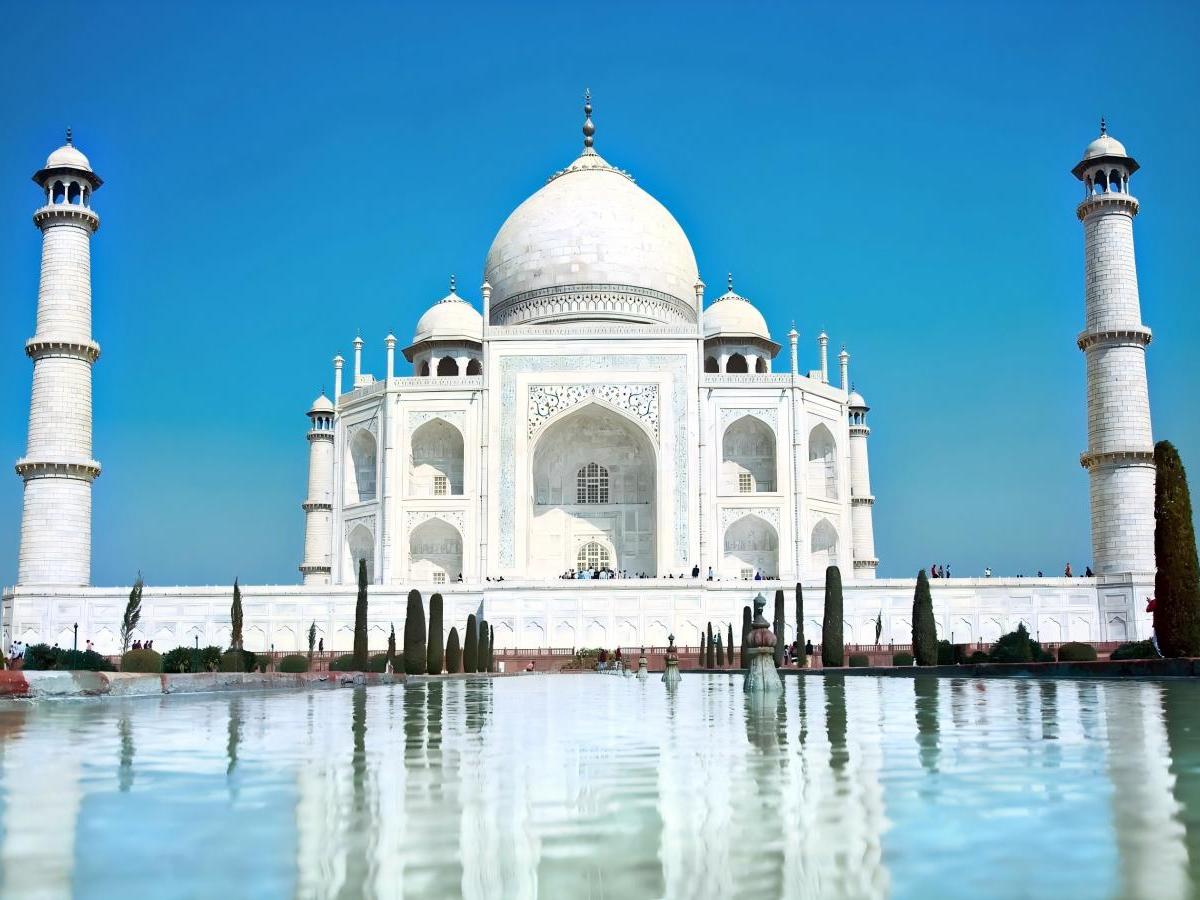
Let us turn back the clock several centuries. Imagine seventeenth-century Agra—majestic palaces, marble fountains, and the echoing verses of Mughal poets. Shah Jahan had just completed the Taj Mahal for his beloved Mumtaz Mahal, a monument so exquisite it seemed suspended between heaven and earth. Yet the emperor remained unsatisfied. He yearned for this masterpiece to be flawless from every angle. Thus, across the river, he created the Moonlight Garden—a mirror image of love, reflecting the Taj Mahal.
Advertisement
Some say Shah Jahan planned to build a black marble Taj Mahal here, creating twin shadows of black and white marble. Historians doubt this, yet standing in the Garden of the Moon at sunset, one easily believes the legend. Their symmetry is so precise it seems deliberate—the Taj and the garden destined to gaze at each other eternally.
Over centuries, floods and neglect buried the garden deep in silt; locals even farmed its grounds. It wasn't until the 1990s that archaeologists rediscovered its foundations, revealing the original Mughal layout: elevated walkways, square terraces, and an axis perfectly aligned with the Taj Mahal. Today, this tranquil green oasis has been meticulously restored, suspended in time like a serene sanctuary.
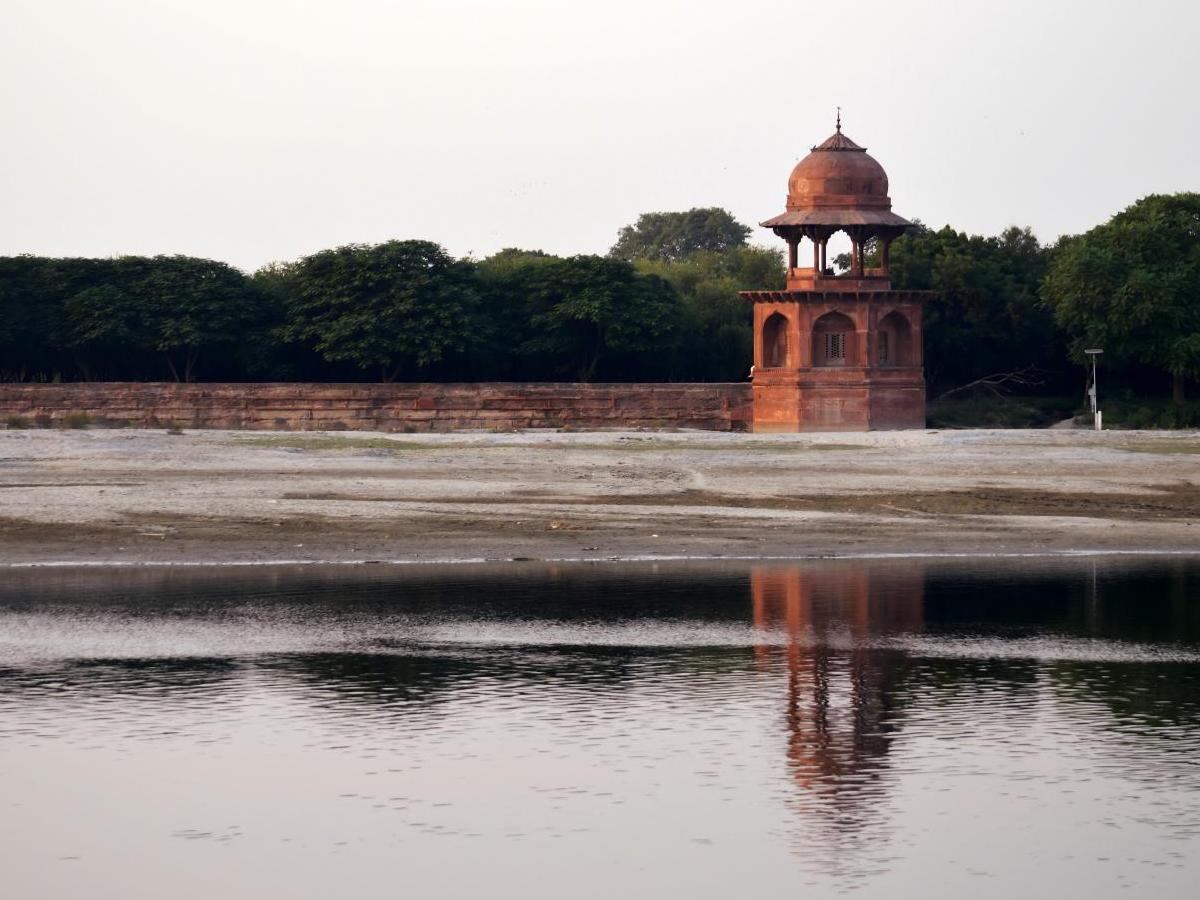
Arriving at Mehtab Garden offers an experience entirely distinct from visiting the Taj Mahal. As the crowds thin and the clamor fades, the Taj Mahal suddenly emerges like a painting—resting serenely across the Yamuna River, framed by swaying trees and birds skimming low over the water. You almost feel as though you've stumbled upon a private dialogue between the monument and its reflection.
Advertisement
Most visitors come specifically for sunset. As the light softens, the marble takes on a pinkish hue, and the air fills with a quiet, golden warmth, everything seems bathed in a cinematic atmosphere. You can perch on the low wall with your camera raised, or simply watch in silence as the Taj gradually transforms under the first moonlight, glowing with a faint radiance.
The sounds here are equally enchanting. Distant chanting drifts across the river, water lapping gently against the shore, leaves rustling softly. It feels as if the world holds its breath in this moment. Locals might stroll by in hushed conversation, or couples sit quietly beneath neem trees, sharing this breathtaking stillness. If you're fortunate enough to visit on a clear night near a full moon, the entire space becomes dreamlike. The Taj Mahal isn't just glowing—it seems to *breathe*. The marble shimmers like silver, while the Mehtab Bagh (Moonlight Garden) truly lives up to its name.
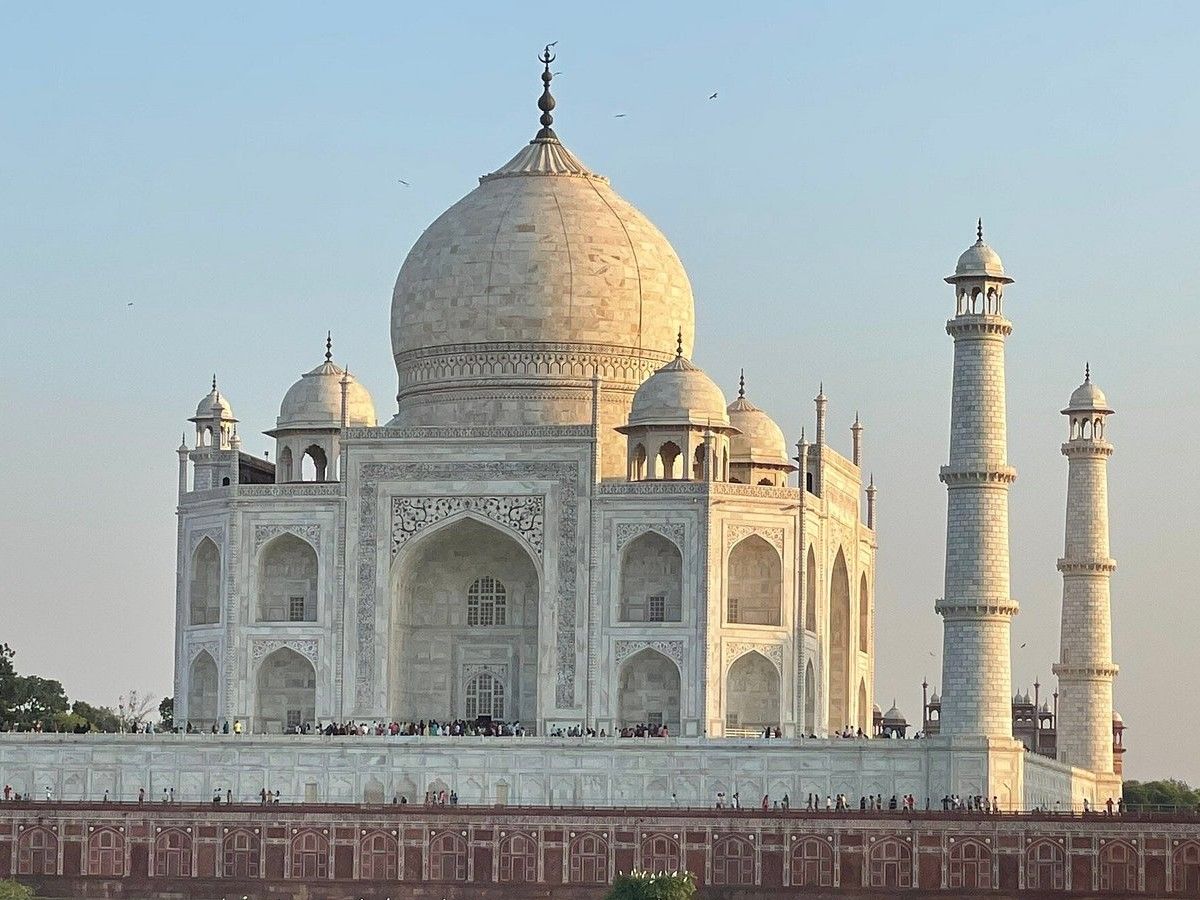
You might wonder: Can't we simply view it from the Taj Mahal's main grounds? Of course—but the perspective from Mehtab Garden is entirely different. At the Taj Mahal itself, its grandeur overwhelms you: the towering gate, the bustling crowds, the marble pavement beneath your feet. From Mehtab Garden, however, the Taj becomes a fragment within a much broader landscape. It seems to breathe within the open expanse, its reflection on the Yamuna River shimmering like a painting.
Here, tranquility reigns—no queues, no hurried footsteps, no incessant camera clicks. You can spread a shawl beneath the trees, sip masala chai from a street vendor, and fully immerse yourself in the present moment. For photographers, this place is paradise. Here, you can capture the Taj Mahal embraced by greenery, its reflection dancing gracefully on the river's surface at sunset. For travelers seeking to “escape the crowds,” this is where magic unfolds.
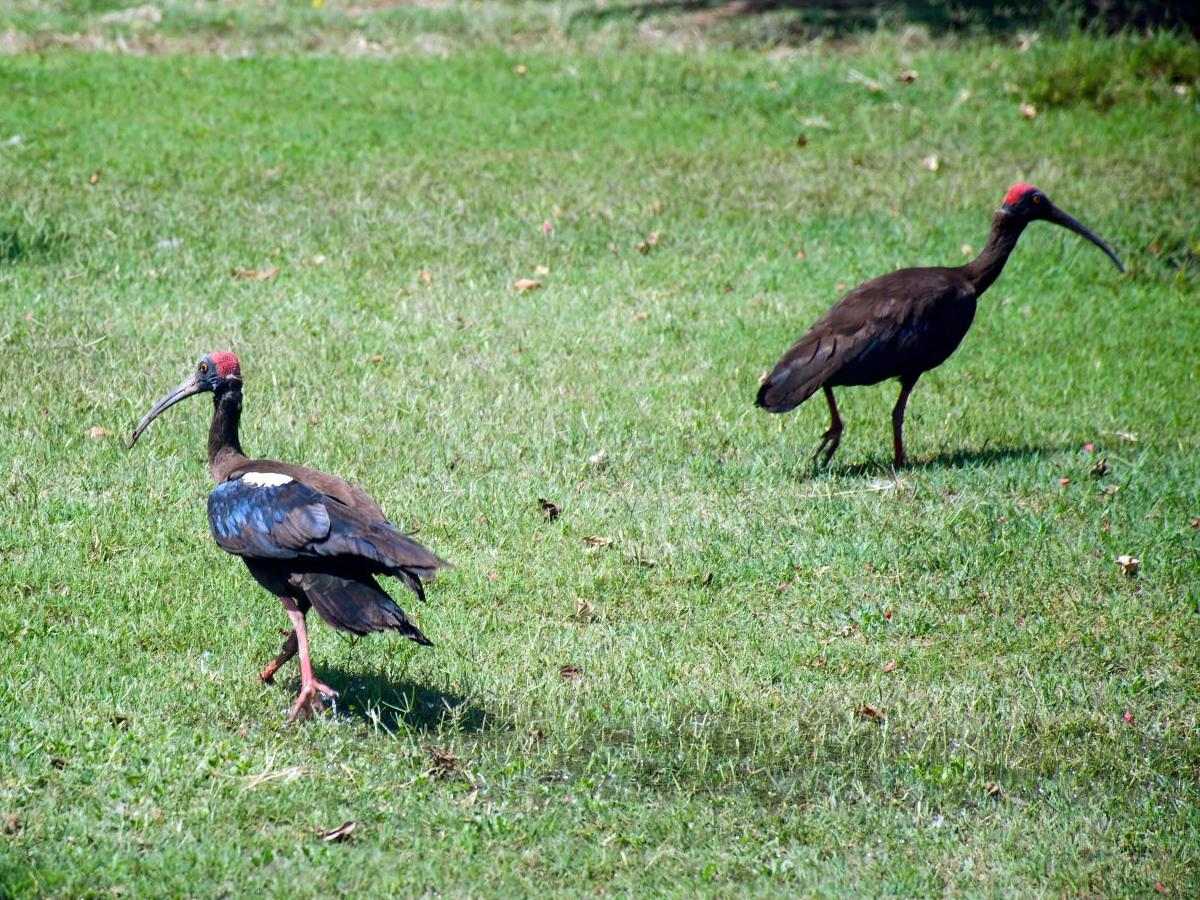
Imagine it's your travel day in Agra. By dawn, you've already visited the main Taj Mahal complex—the classic postcard view, the crowds, the awe. By afternoon, as the city begins to buzz in the heatwave, you set off for Mehtab Garden. Passing through small villages, water buffalo lounge lazily in ponds while local children wave greetings. The air subtly shifts, carrying the delicate scent of damp earth and river breezes.
Arriving at four o'clock, the sun still hung high, yet shadows had already begun to lengthen. Passing through the entrance, the world suddenly slowed. You strolled along a straight path lined with cypress trees and hibiscus flowers, crossing several terraces of weathered brickwork. Then—it was before your eyes. The Taj Mahal is perfectly reflected on the opposite shore, like a jewel in a frame.
You find a quiet spot—perhaps a bench, perhaps the grass—and let the afternoon hours melt into dusk. The sky shifts from vibrant hues to amber, then takes on the lavender purple of twilight. A gentle breeze ripples through the gardens, and the white marble glows softly in the fading light—first pink, then orange, until the dusk settles and it takes on a pearl-like blue. As the call to prayer drifts across the river, the entire scene feels like a painting come to life. You drew a deep breath, and in that instant understood why Shah Jahan had built all this—to freeze a certain feeling, a certain love, a certain emotion within stone and light.
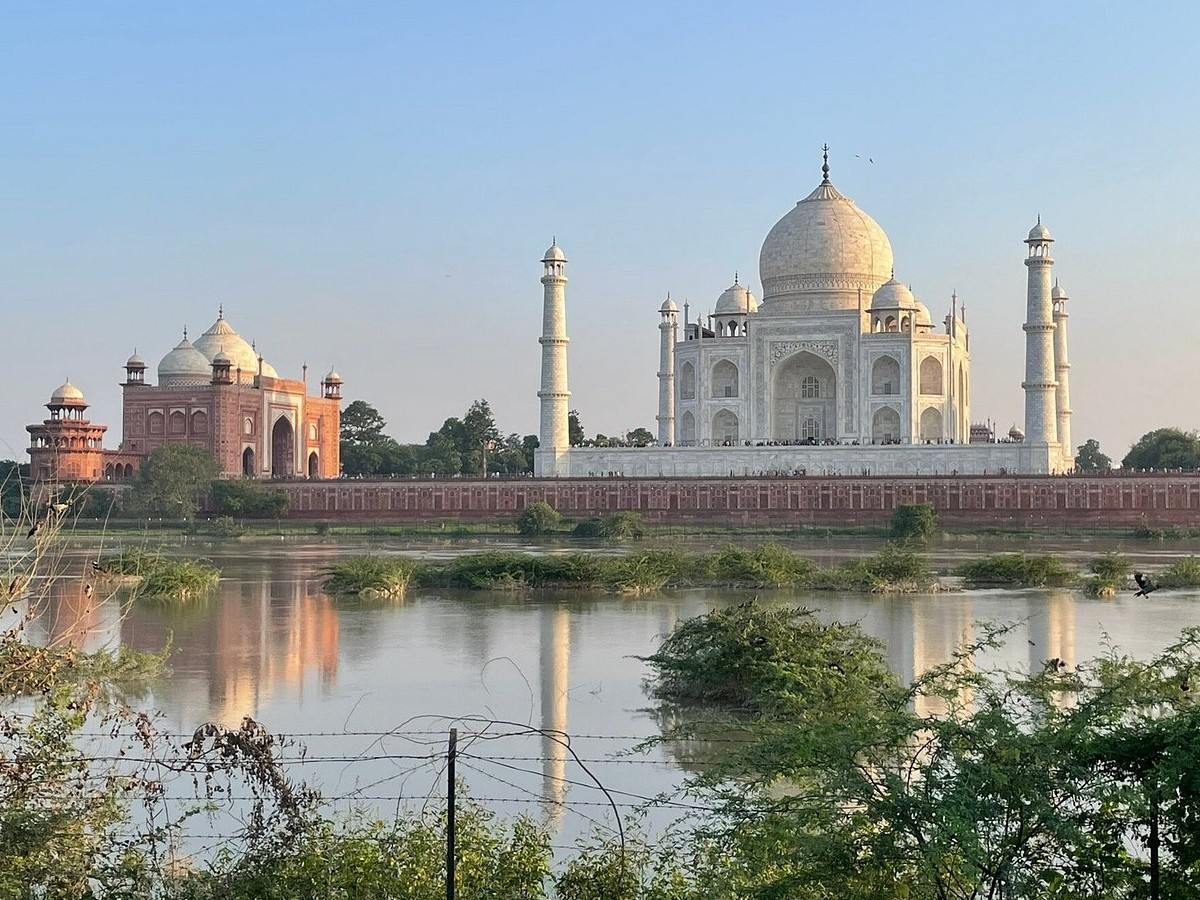
* Location: Moonlight Garden is situated in northern Agra, across the Yamuna River from the Taj Mahal, about a 15-minute drive from the main Taj Mahal complex.
* Best Time to Visit: Late afternoon to sunset is ideal—the light is stunning and the air is cool. Visit on a full moon night to understand why it's called the “Moonlight Garden.”
*Opening Hours: Typically open from sunrise to sunset (roughly 6:00 AM to 6:00 PM), though hours may vary slightly by season.
*Admission: Affordable pricing—approximately 25 INR for Indian visitors and 300 INR for foreign tourists. Please have exact change ready.
* Bring drinking water and a sun hat—shade is scarce within the gardens.
* Prime photography spots are along the central walkway and riverbank edges.
* Arrive early for tranquil ambiance; stay late to witness magical light effects.
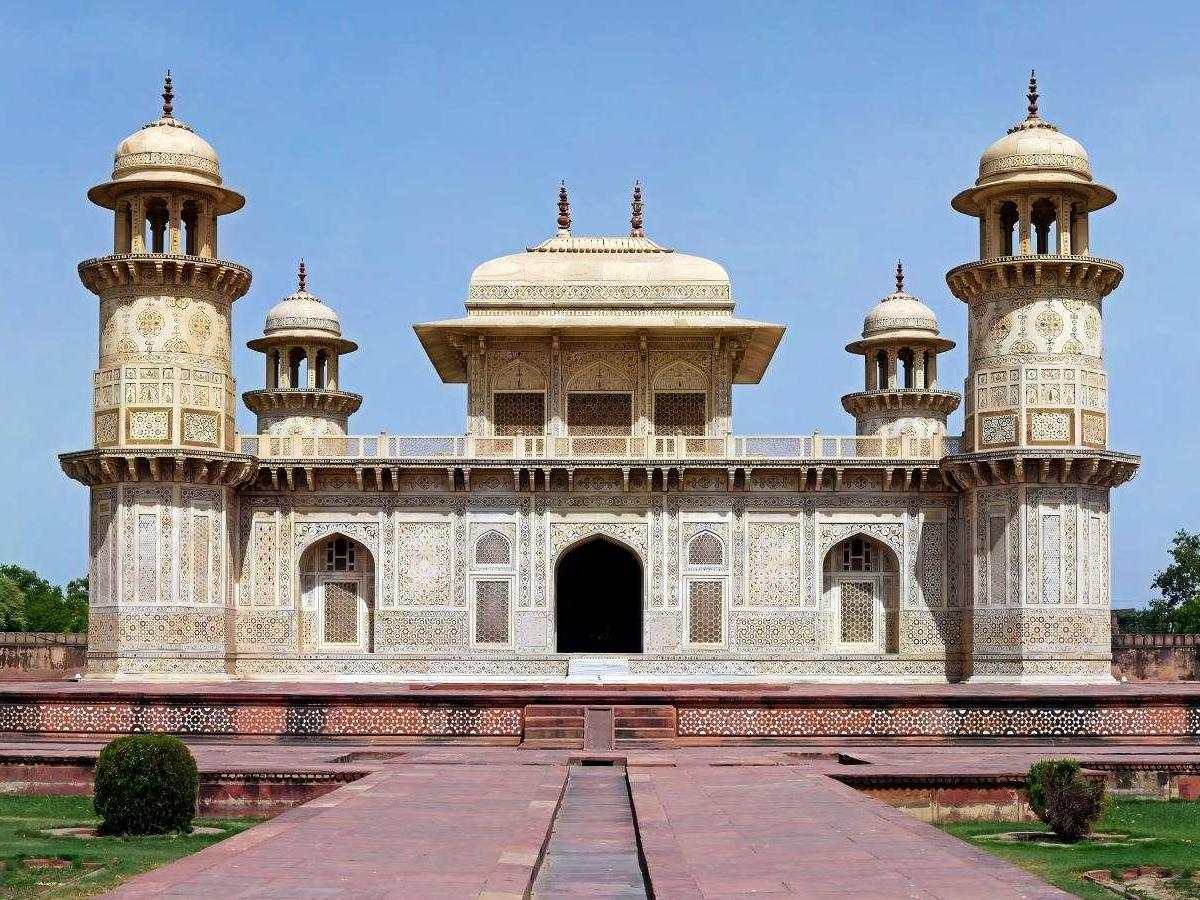
* Combine with nearby Itmad-ud-Daulah Tomb (“Little Taj Mahal”) for a complete Mughal garden day trip.
As daylight fades into night, standing here gazing at the Taj Mahal shimmering across the Yamuna River, you'll realize: Mehtab Garden is not merely a viewing spot, but a tranquil moment where time folds. Gazing upon the Taj Mahal here, it ceases to be cold marble and architecture, transforming instead into poetry, reflections, and memories. When the first star leaps into the garden's night sky, you will understand—you have discovered the Taj Mahal's most beautiful secret.