Advertisement
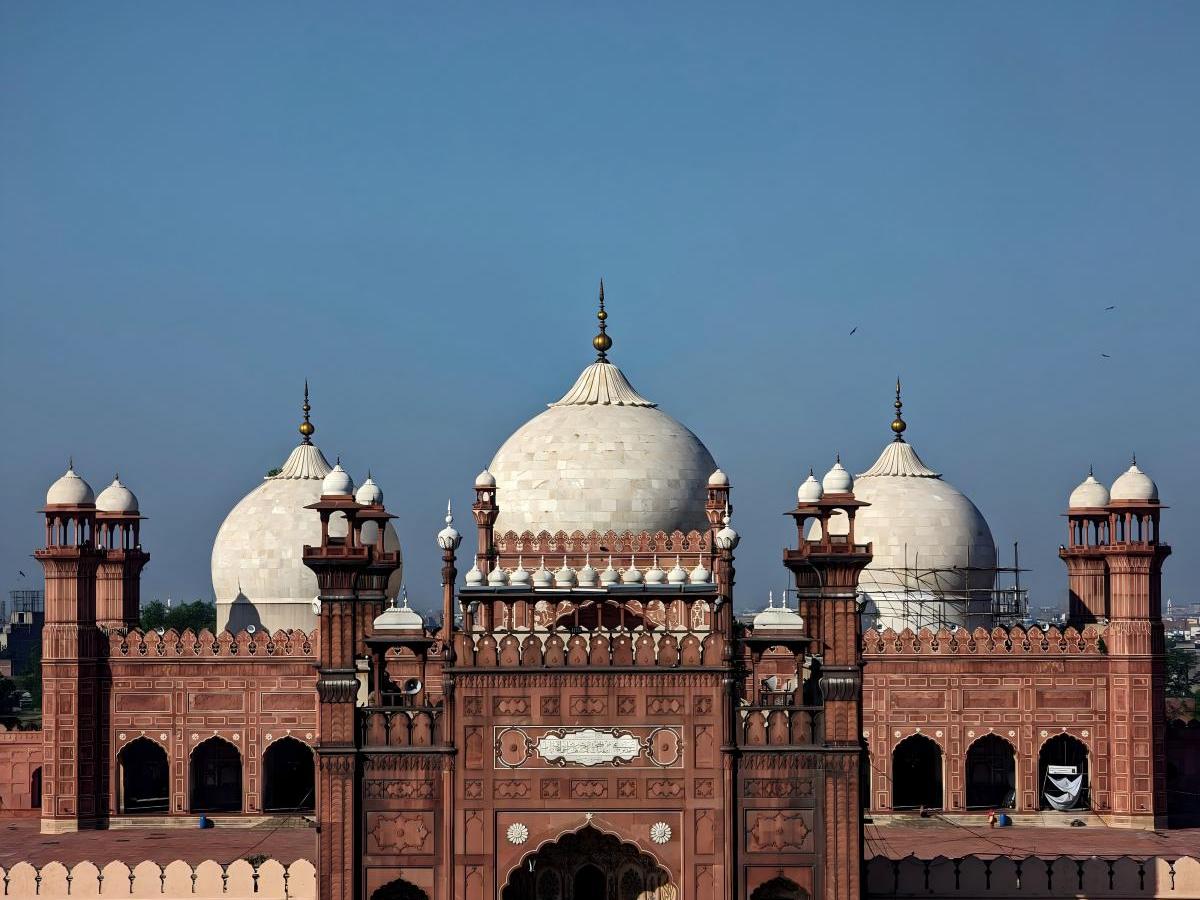
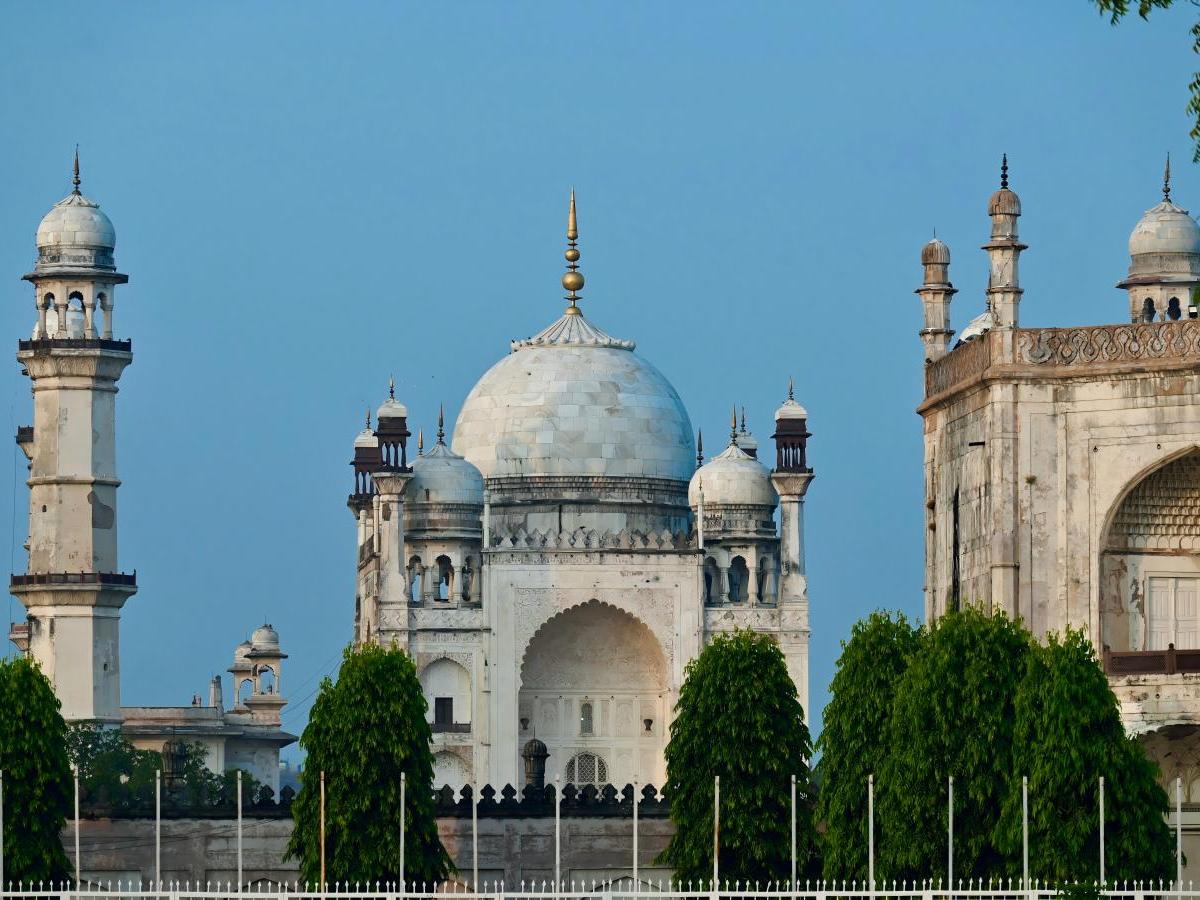
Stepping into Fatehpur Sikri in the Indian state of Uttar Pradesh is like turning the pages of a rich history book, with Mughal legends written on every page. The ancient city, which shone as the capital of the Mughal empire in the 16th century, was abandoned due to water woes, but has survived with a number of stunning buildings that are the silent tellers of history, waiting to be explored.
Advertisement
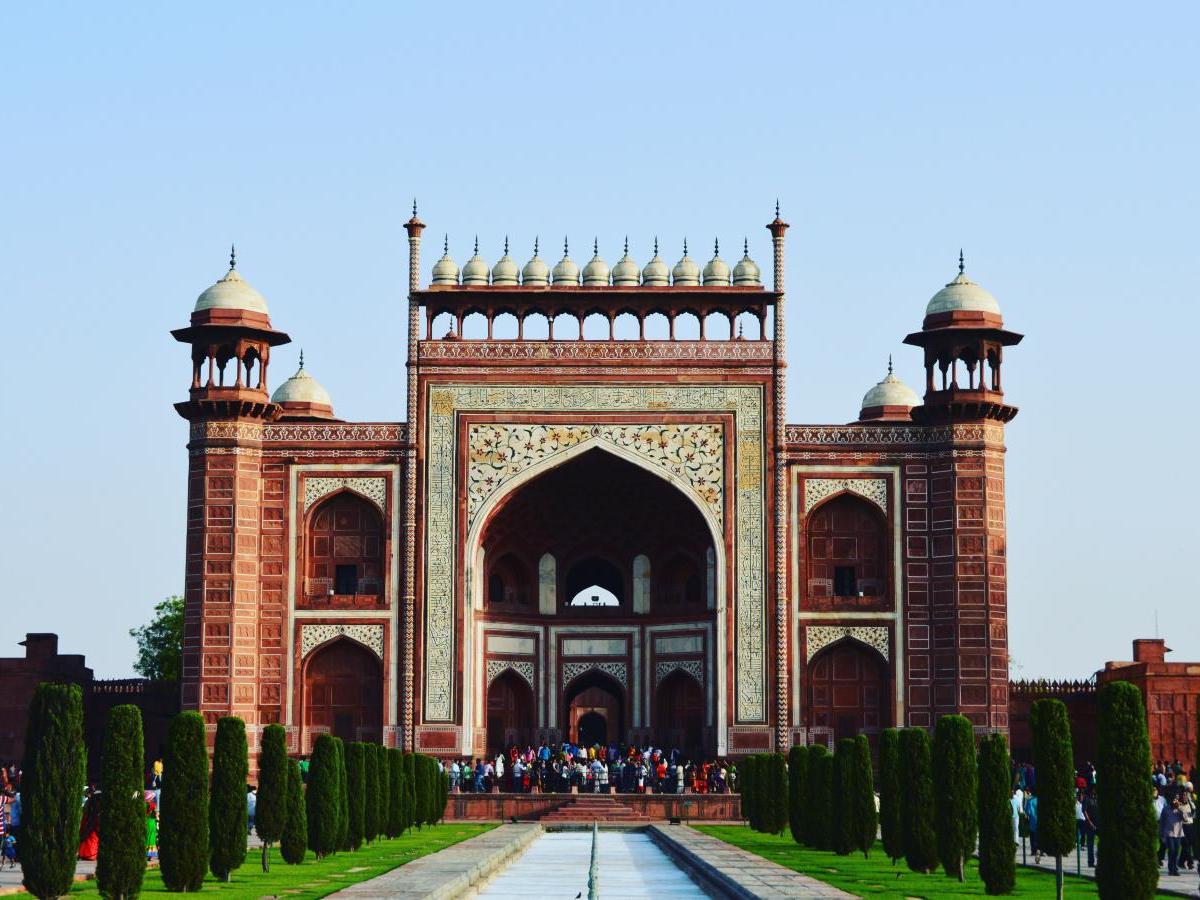
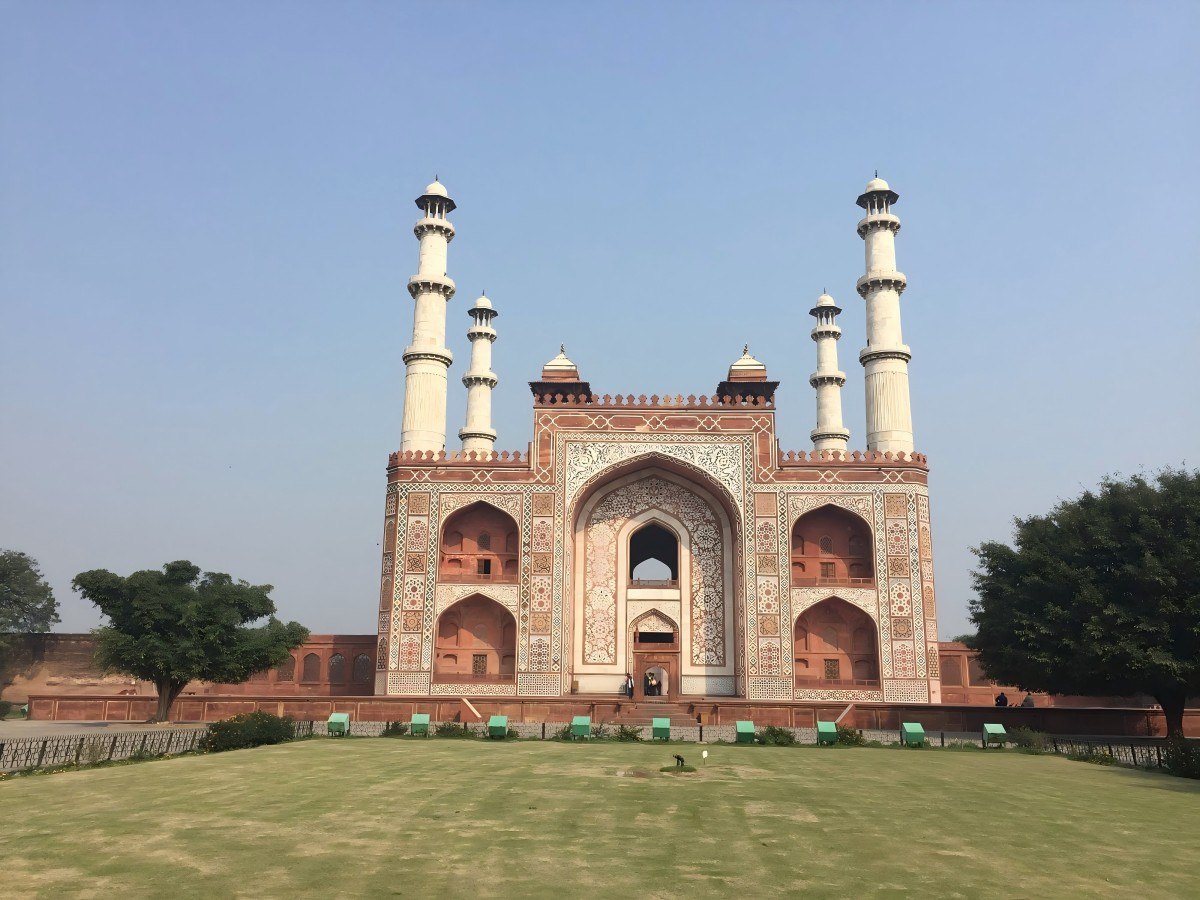
The Victory Gate, a landmark of Fatehpur Sigri, is one of the tallest gates in the world, standing at a height of 54 meters, and was built in 1575 by order of Akbar the Great to commemorate his military victory over Gujarat. The entire gate is made of red sandstone, the surface is inlaid with white marble, complex geometric patterns and Quranic verses in Arabic carvings complement each other, highlighting the Mughal dynasty's great success and supreme glory.
Advertisement
From afar, the Gate of Victory towers as if connecting heaven and earth, and its majestic stature instantly catches people's attention and brings a strong visual shock. When you get close, you can appreciate the exquisite carving skills of the craftsmen, each line, each pattern is carved in a delicate way. Climbing up to the Victory Gate, the panoramic view of the vast plains and the old city, which reminds you of the grand scene of Akbar's triumph in those years, and the infinite feelings of that glorious history wells up in your heart.
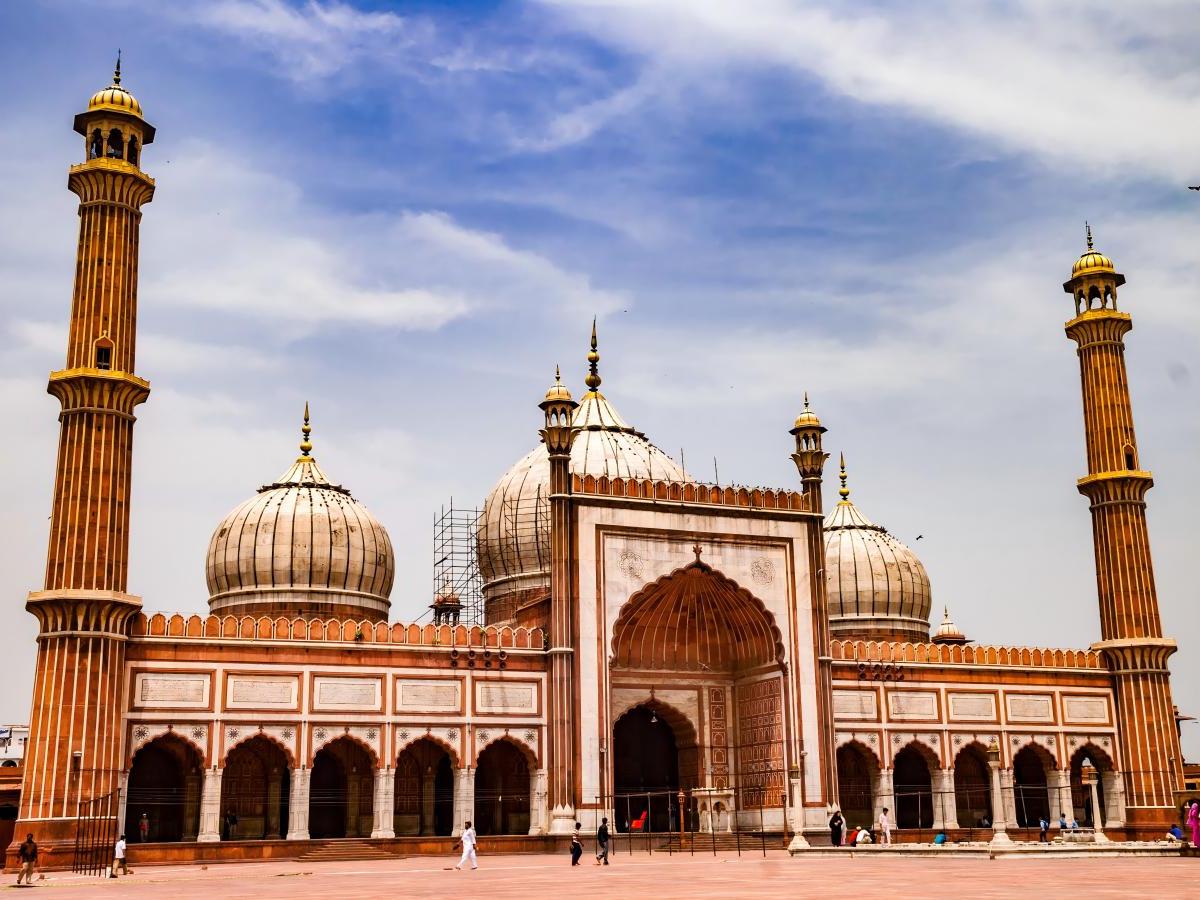
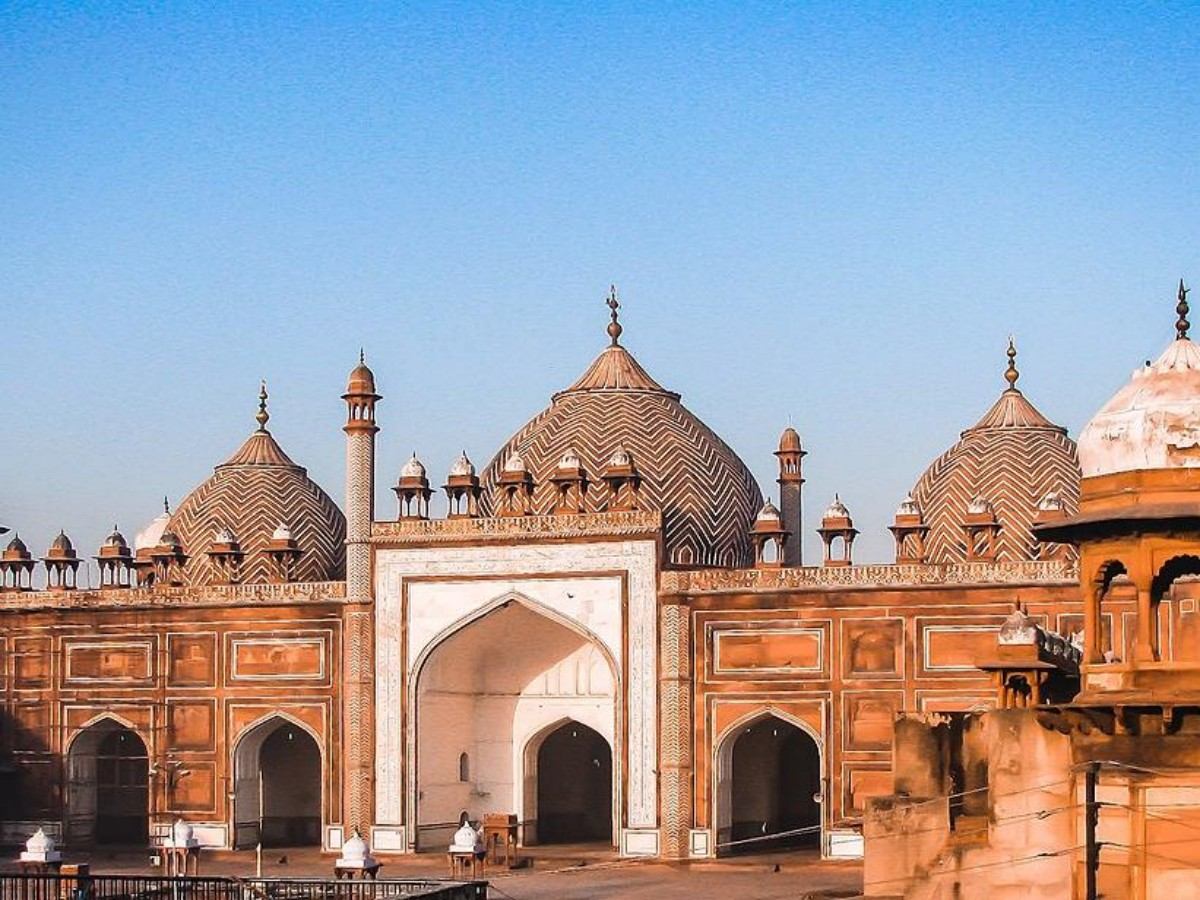
Jama Masjid is the largest mosque in Fatehpur Sigri and one of the few large mosques in India. Built in 1571, it is spread over a vast area and can accommodate tens of thousands of people in worship at the same time. The main body of the mosque is made of white marble, surrounded by red sandstone walls and minarets, a striking and harmonious color scheme of red and white.
Advertisement
As you enter the mosque, you will see a spacious stone courtyard with a huge pool in the center where the worshippers purify themselves before worship. Entering the solemn chapel, the exquisite interior decoration is admirable, and the high dome adds a sense of holiness. In one corner of the mosque, the mausoleum of the saint Sheikh Salim Chishti stands out as an exquisite white marble building inlaid with precious stones that attracts countless worshippers. Here, a strong religious atmosphere prevails, giving one a deep sense of the power of faith.
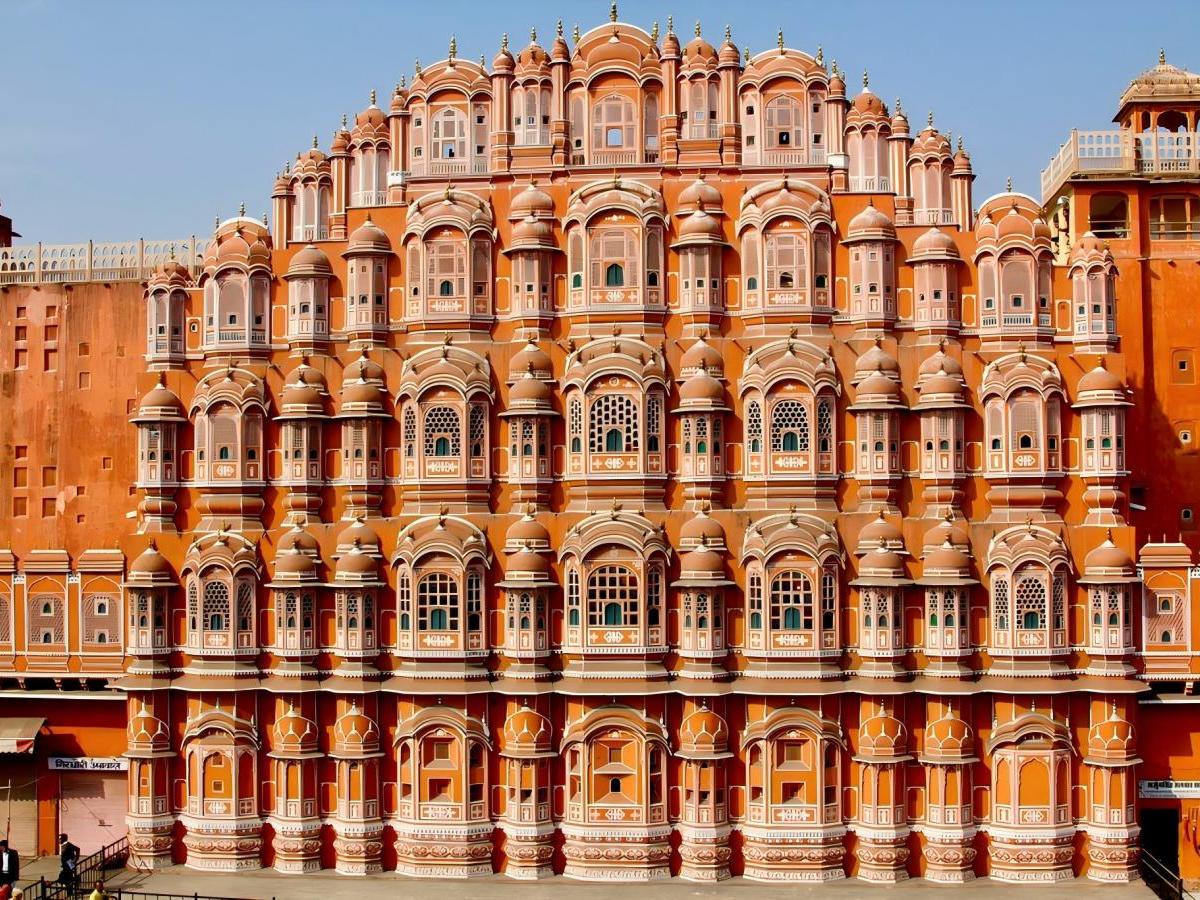
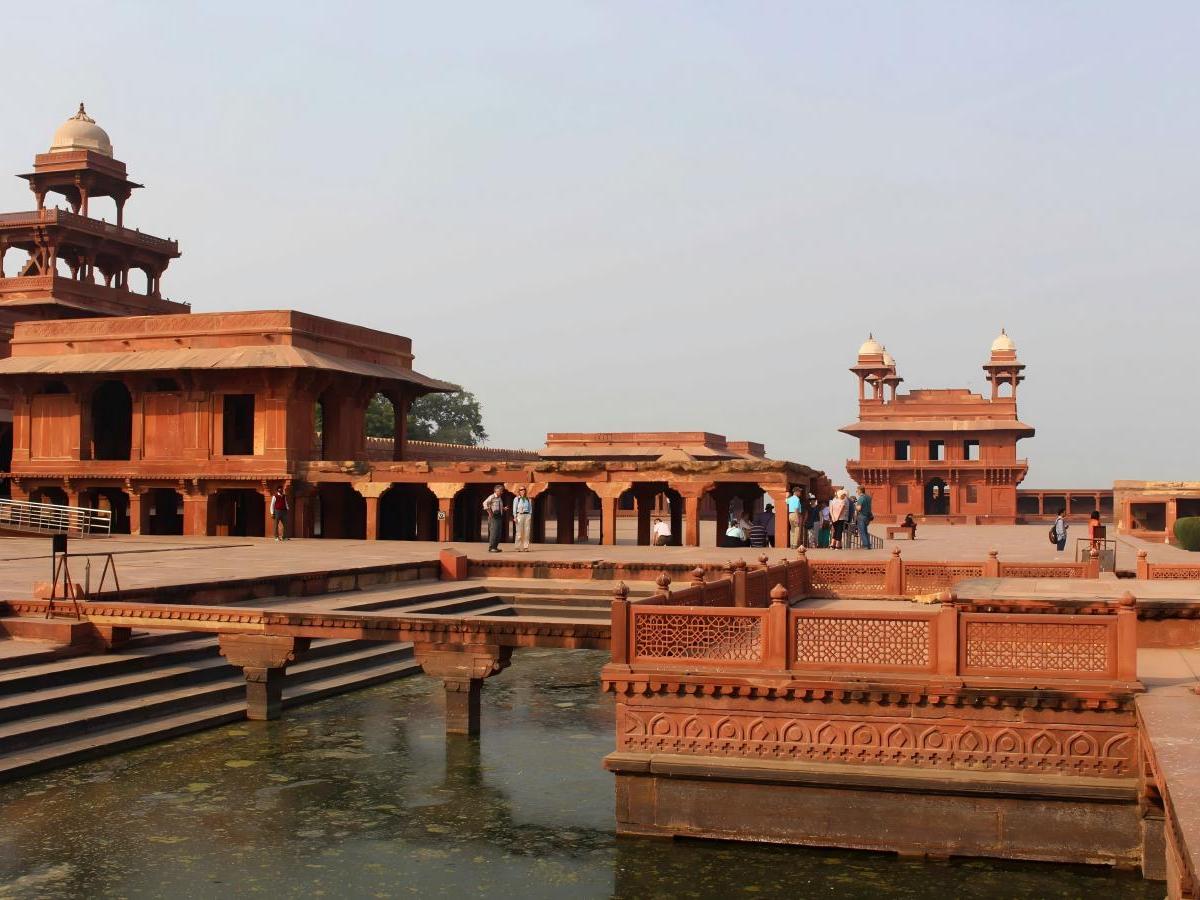
The Pancha Mahal is a distinctive five-storey palace, unique among the palace complexes of Fatehpur Sigri. Built in the traditional Indian architectural style, it consists of five tiers of tapering terraces, each supported by fine stone pillars and resembling a giant open-air pavilion as far as the eye can see.
There are 84 stone pillars on the ground floor of the palace, and the higher the number of pillars, the fewer the number of pillars, to the fifth floor, only 12 remaining. These pillars are carved with a rich variety of patterns, including delicate flowers, dynamic animals, vividly demonstrating the unique charm of traditional Indian carving art. The Pancha Mahal is not only a beautiful piece of architectural art, but also has a practical function. It was once Akbar the Great's place of leisure and entertainment, standing on the top floor of the palace, the breeze, the palace and the city's beauty at a glance, so that people seem to travel through time and space, back to the emperor's leisurely enjoy the scenery of the era.
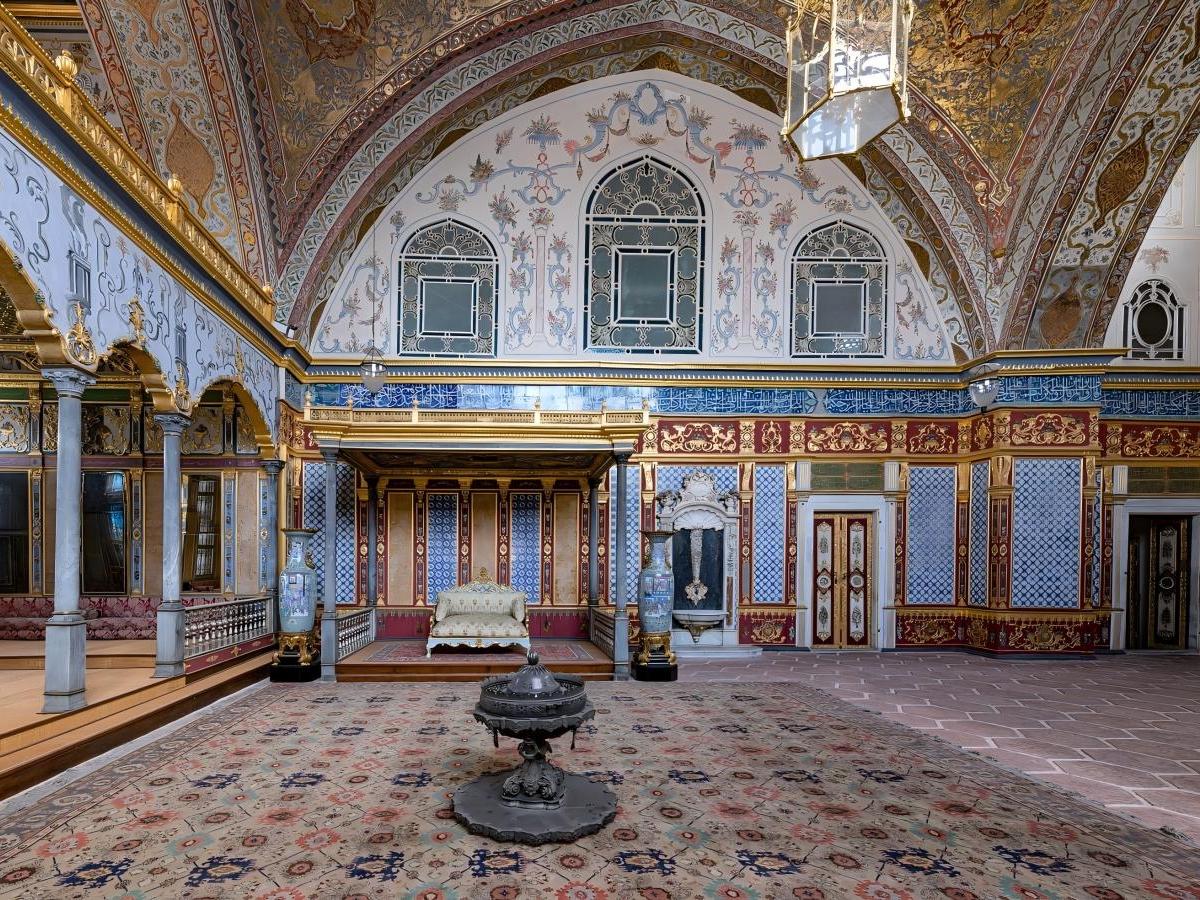
The Harem, the women's quarters in the palace of Fateh Bursigli, is full of mystery. The complex consists of several courtyards and rooms with an intricate labyrinth-like layout. Compared with other buildings, the architectural style of the Harem is softer and the decorations are more delicate, reflecting the softness and gentleness of women everywhere.
In the Mughal period, the harem was a relatively closed space, only the royal women and their servants could enter. The rooms here were well-designed, some with exquisite balconies overlooking the gardens; some were decorated with ornate murals and jewel-encrusted mirrors. The harem gardens were filled with flowers and fruit trees in all seasons, creating a peaceful and beautiful environment for the women of the royal family. Today, although no longer prosperous, the Harem still evokes the life of the royal women and attracts many visitors to unveil its mysteries.
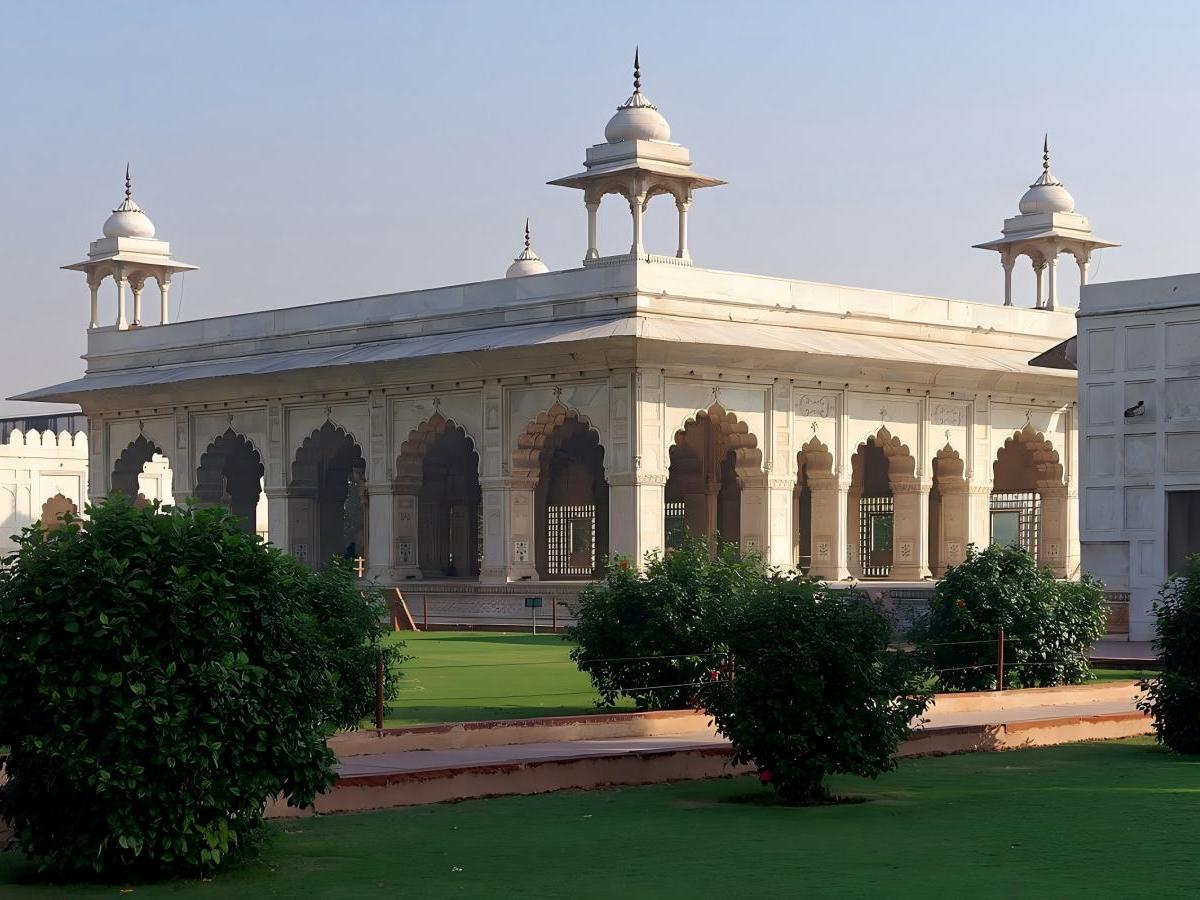
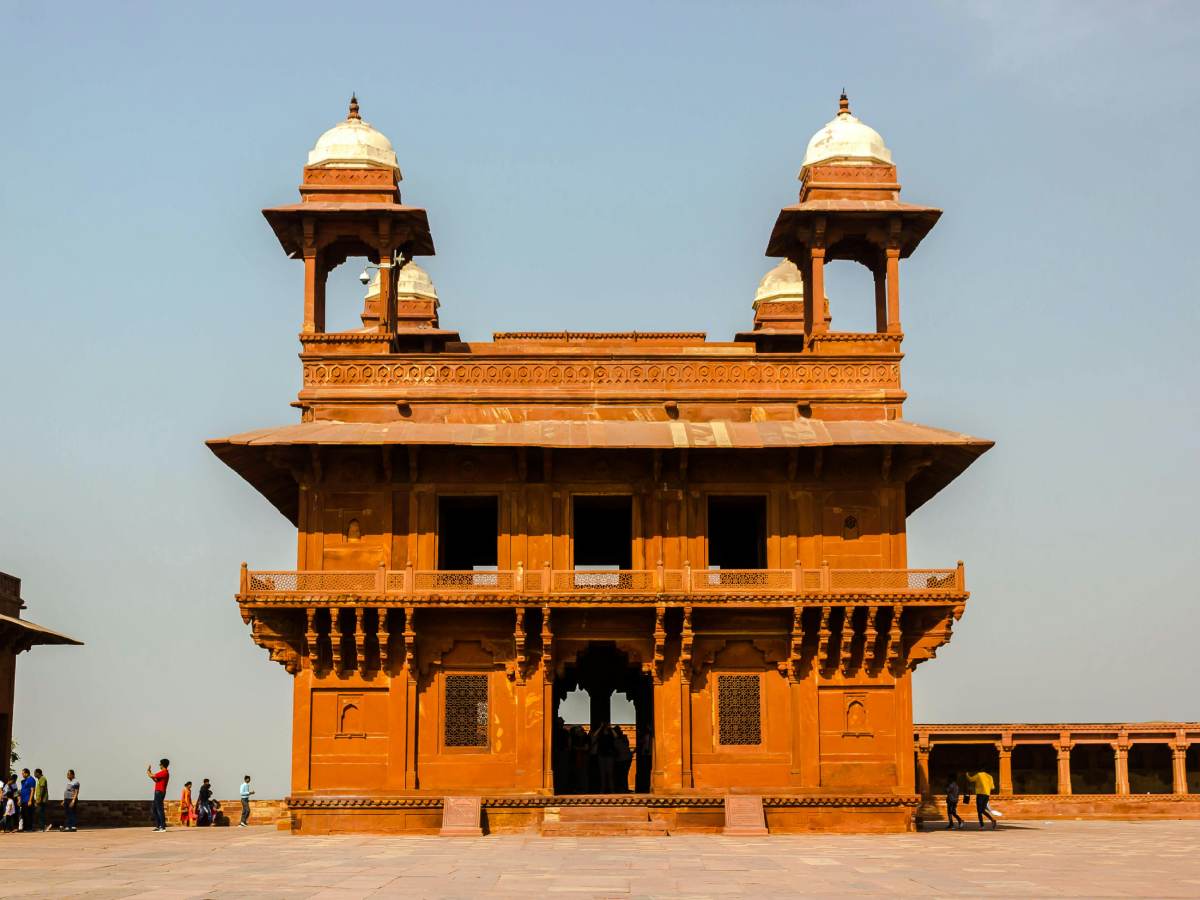
The Council Chamber, where Akbar the Great discussed matters of state with his ministers, was a symbol of Mughal power and one of the most important buildings of Fatehpur Sigri. In the center of this square building stands a huge stone pillar topped by an exquisite lotus throne.
The throne is connected to the corners of the room by four stone bridges, creating a unique layout. During the reign of Akbar the Great, this was the center of political decision-making in the empire, where national events were deliberated and decided. Nowadays, although the Council Hall is no longer responsible for political functions, it still retains its former majesty. Standing in the hall, it is as if you can see the scene of Akbar the Great's heated discussions with his ministers, feel the political changes of that era, and deeply understand its important position in history.
Each of these five major attractions in Fatehpur Sigri carries a deep historical and cultural heritage, is a vivid testimony to the glorious history of the Mughal dynasty, and is also a treasure of human architectural art. If you love history, culture and architecture, then Fatehpur Sigri is definitely a must-visit place for you, where each attraction will bring you a soul-stirring visual feast, and let you be mesmerized by the ancient and fascinating river of history, and never forget to come back.