Advertisement
Agra is not only famous for the Taj Mahal and the Red Fort, but its ancient and majestic Jama Masjid is also a significant symbol of the city's history and culture. As an Islamic religious structure dating back to the 17th century, Jama Masjid is not only a religious site but also a masterpiece of architectural art. For visitors to Agra, a comprehensive understanding and visit to this mosque will provide a comprehensive experience of the history and religious culture of the Mughal Empire. This article provides a comprehensive guide to the mosque, including an overview, directions, practical tips, and nearby experiences.
Advertisement
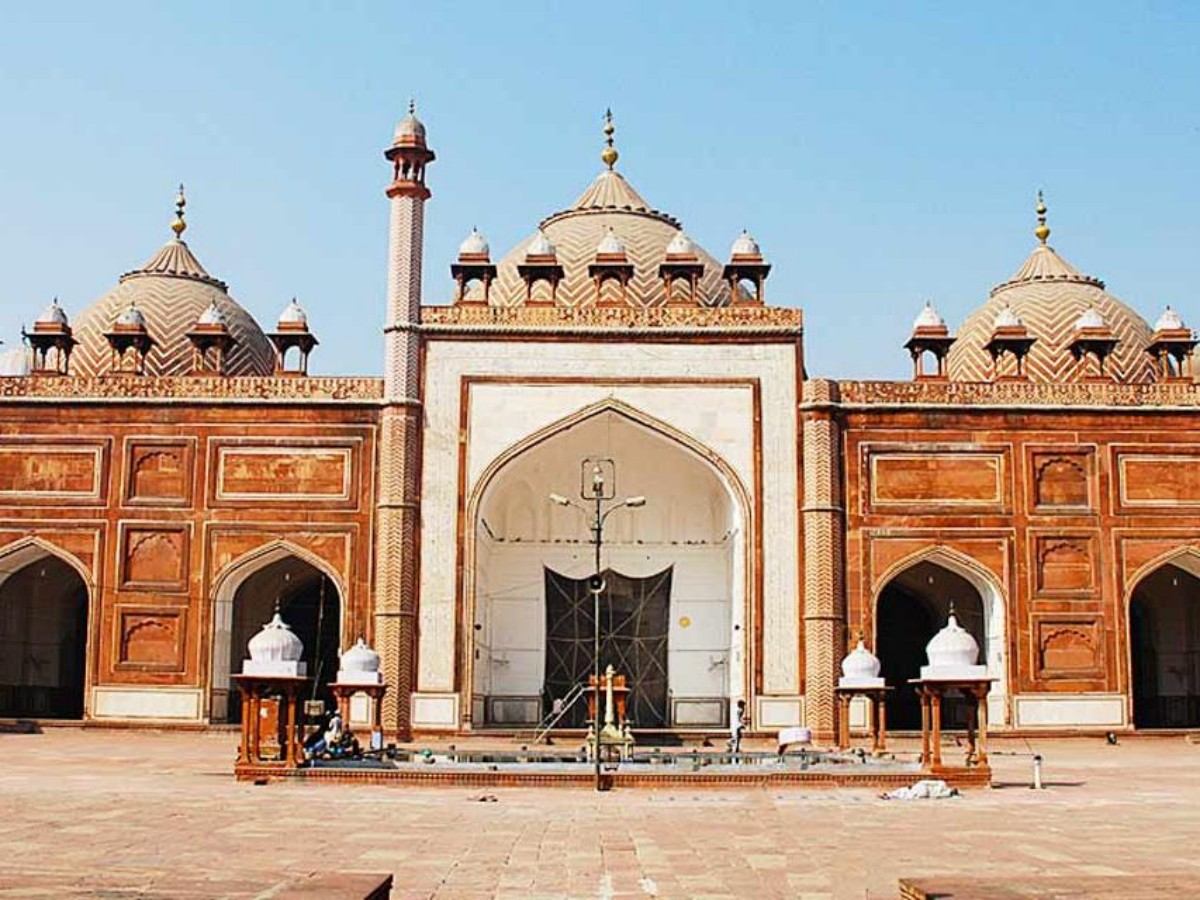
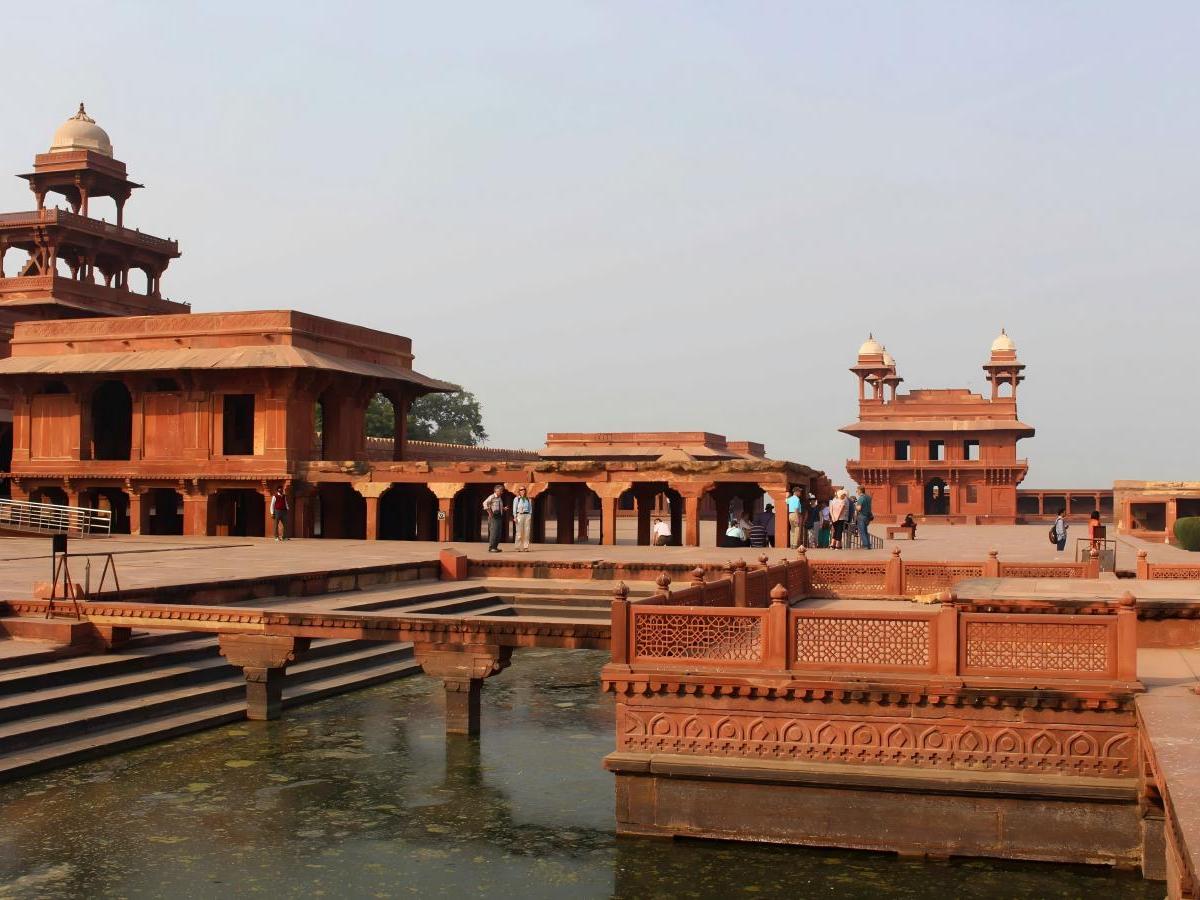
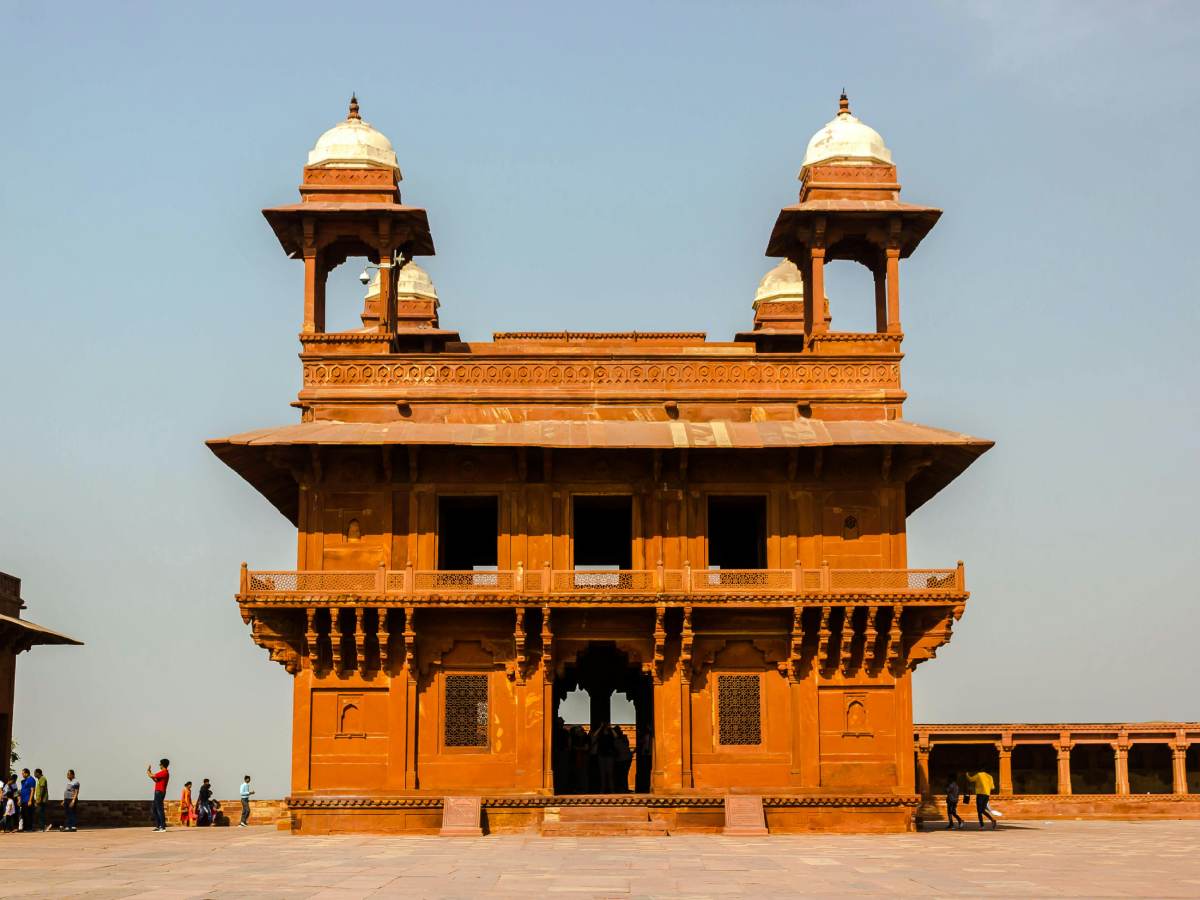
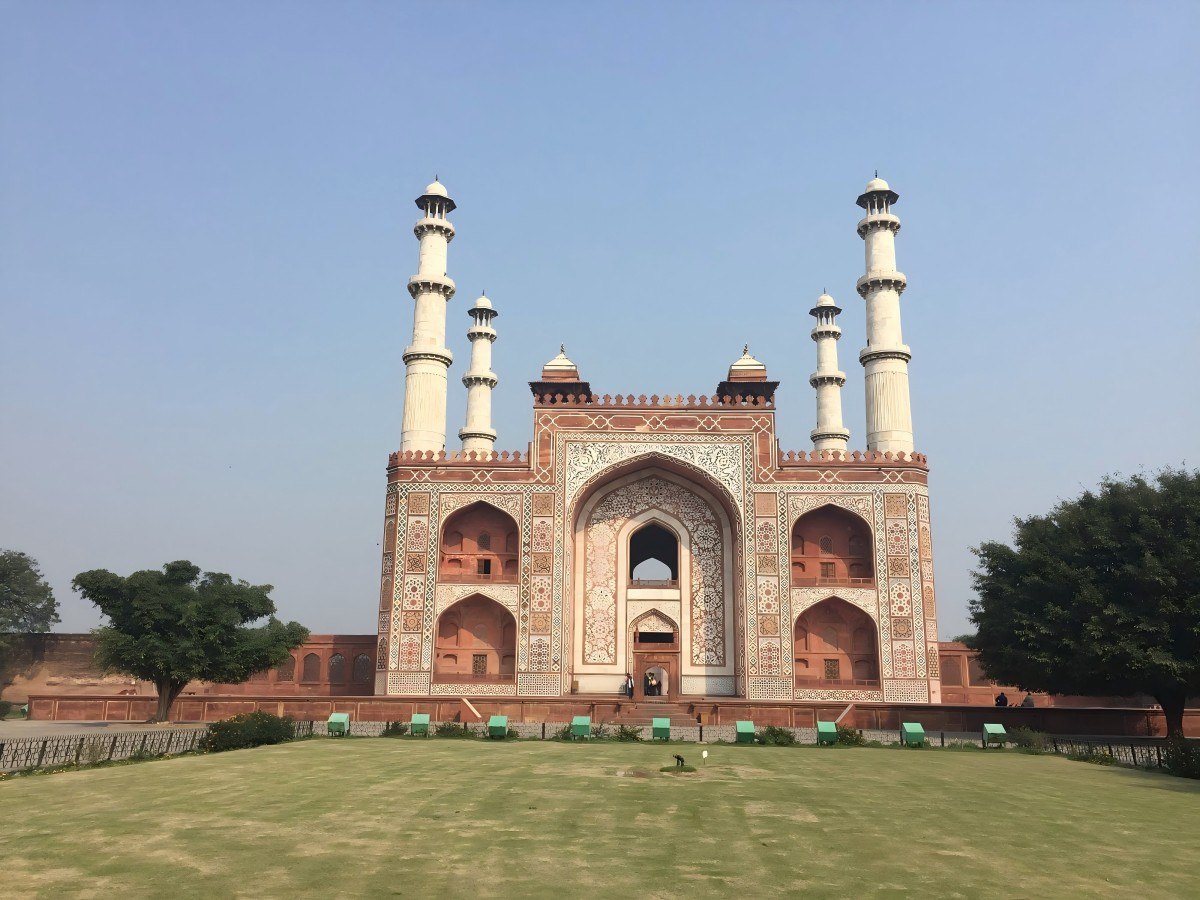
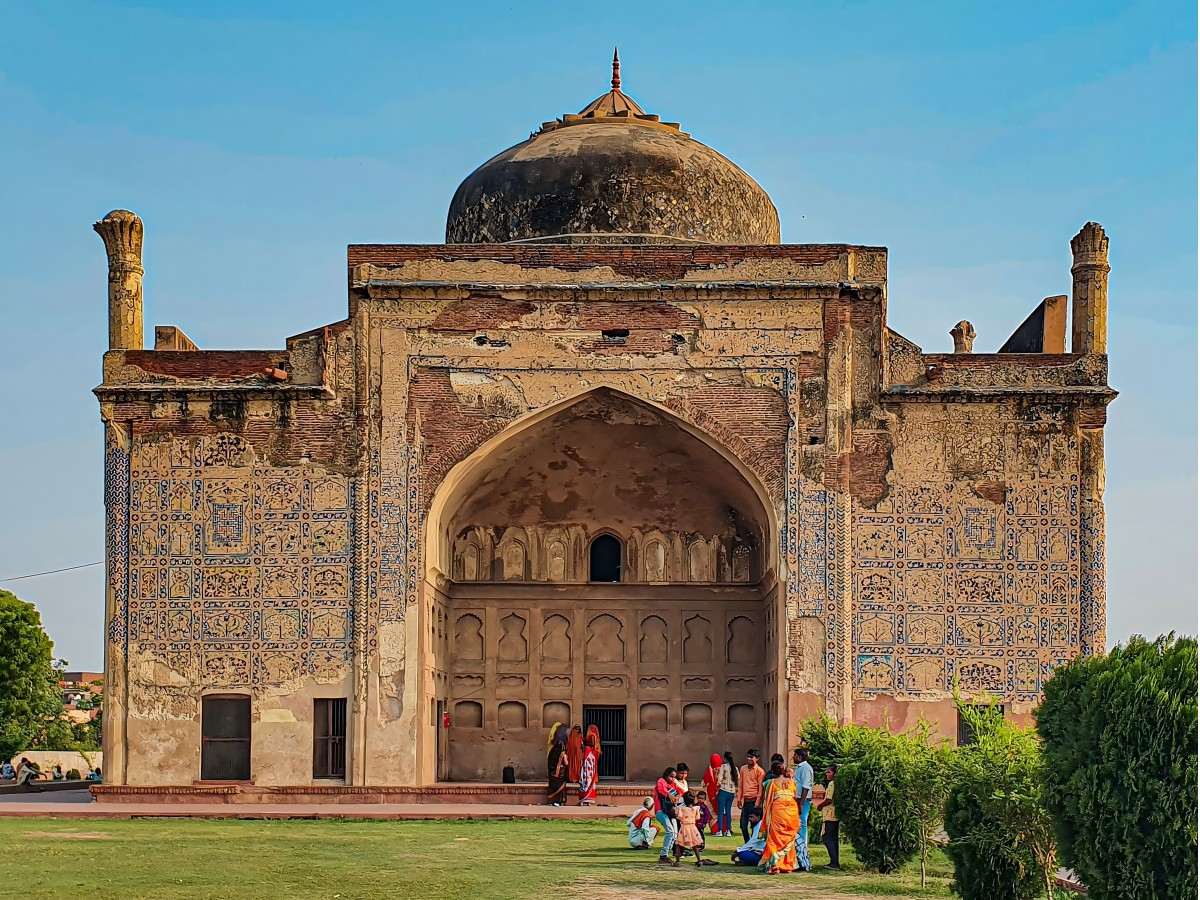
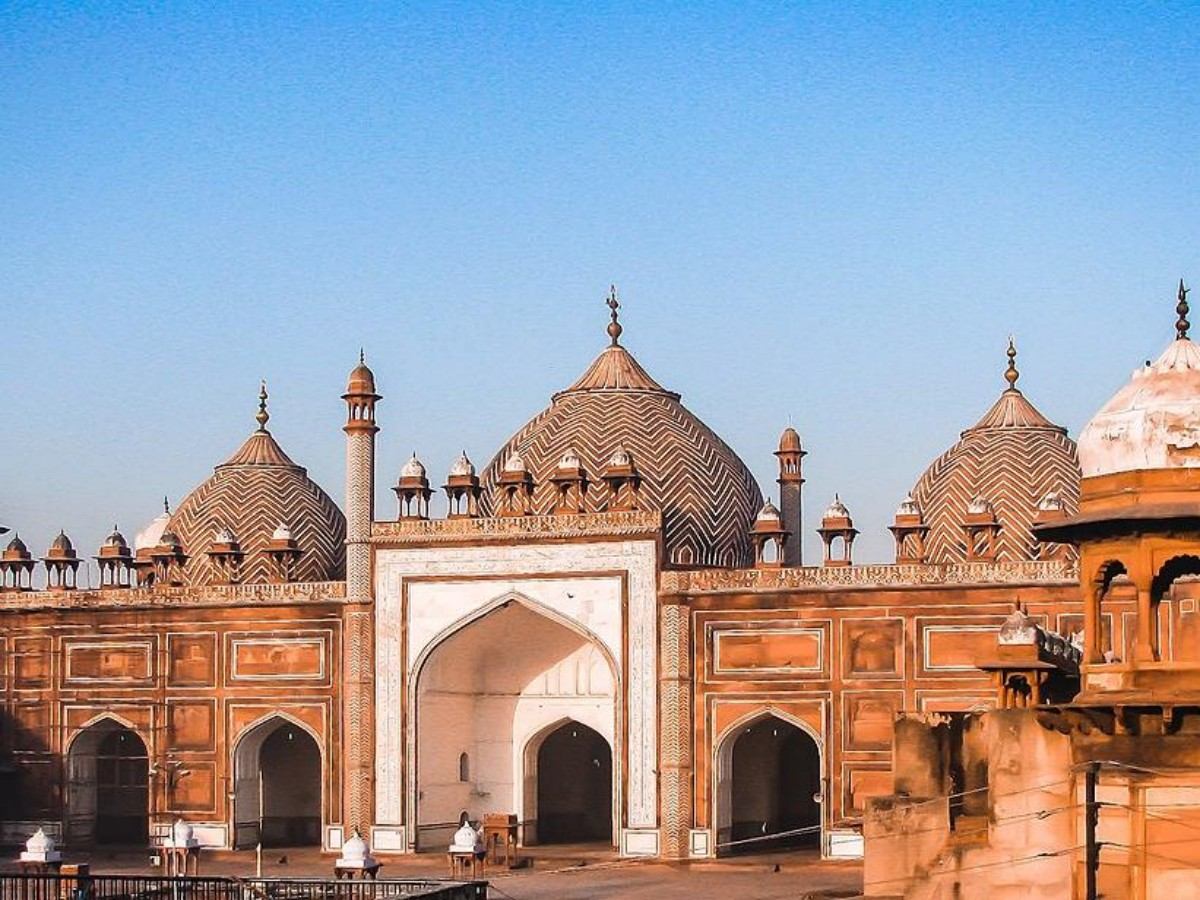
Jama Masjid was built in the 17th century by the then rulers in the Mughal style, primarily using red sandstone and white marble. The temple boasts a symmetrical layout, with a spacious central prayer hall flanked by towering minarets for the five daily calls to prayer. The mosque's spacious interior courtyard, paved with exquisite stone tiles, is ideal for large gatherings of worshippers. The building's exterior walls and arches are covered in intricate carvings and geometric patterns, reflecting the exquisite craftsmanship of the Mughal period.
Advertisement
This mosque is not only a place of worship but also an important hub for the local community. During the morning and evening prayers, the courtyard is filled with a solemn and tranquil atmosphere, allowing visitors to experience the solemnity and spiritual power of religious rituals up close. For history buffs, Jama Masjid offers a window into Agra's history and the development of Islamic architecture.
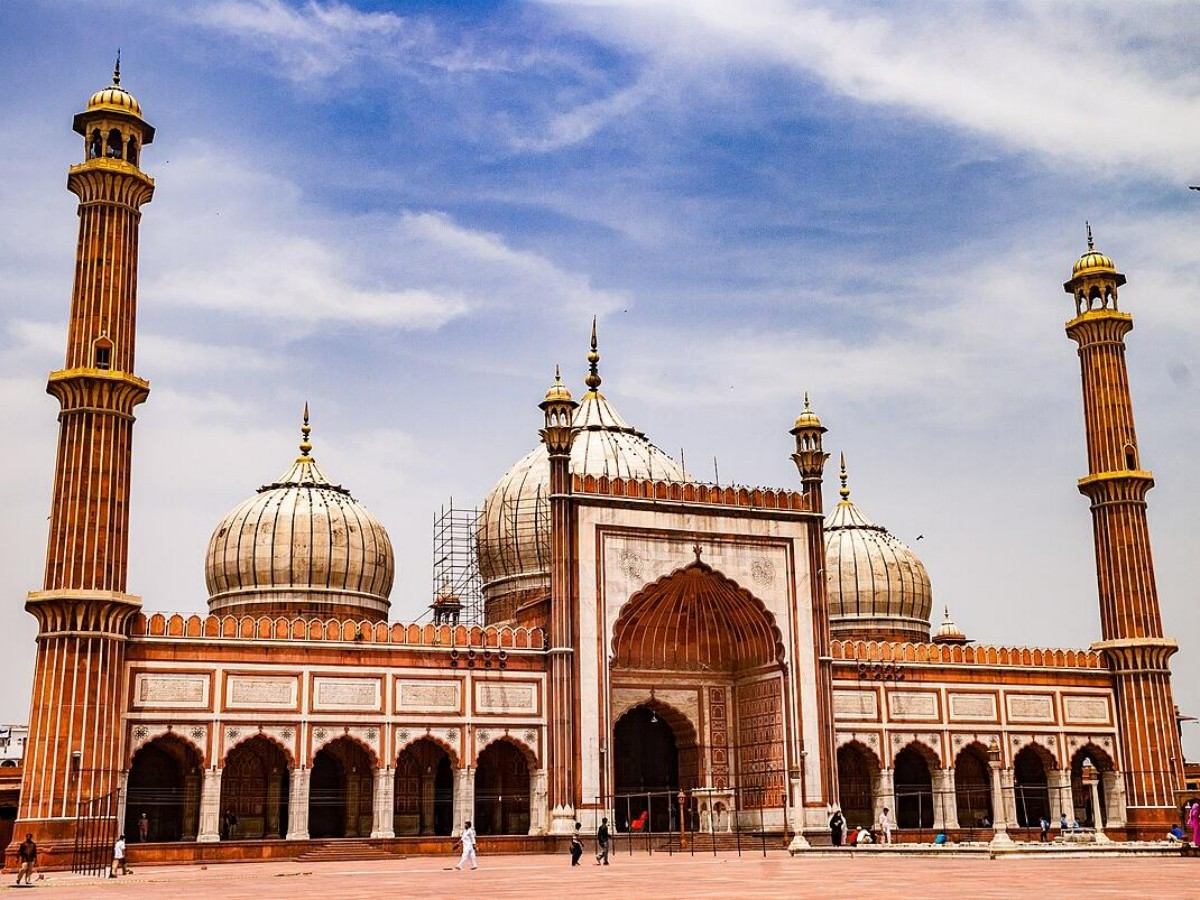
Jama Masjid is located in the heart of Agra, offering convenient access by various means:
Advertisement
Taxi or online taxi: From major hotels and attractions in Agra, the journey is generally less than 10 minutes, making it a very convenient option.
Rickshaw: Suitable for short trips and a chance to experience local transportation.
Walking: If staying near the Red Fort or the Taj Mahal, walking along the streets will allow you to experience the lively atmosphere of Agra's streets.
Please note that the roads surrounding the mosque are narrow, and traffic can be particularly congested during morning and evening prayer times, so it's recommended to plan your visit in advance.
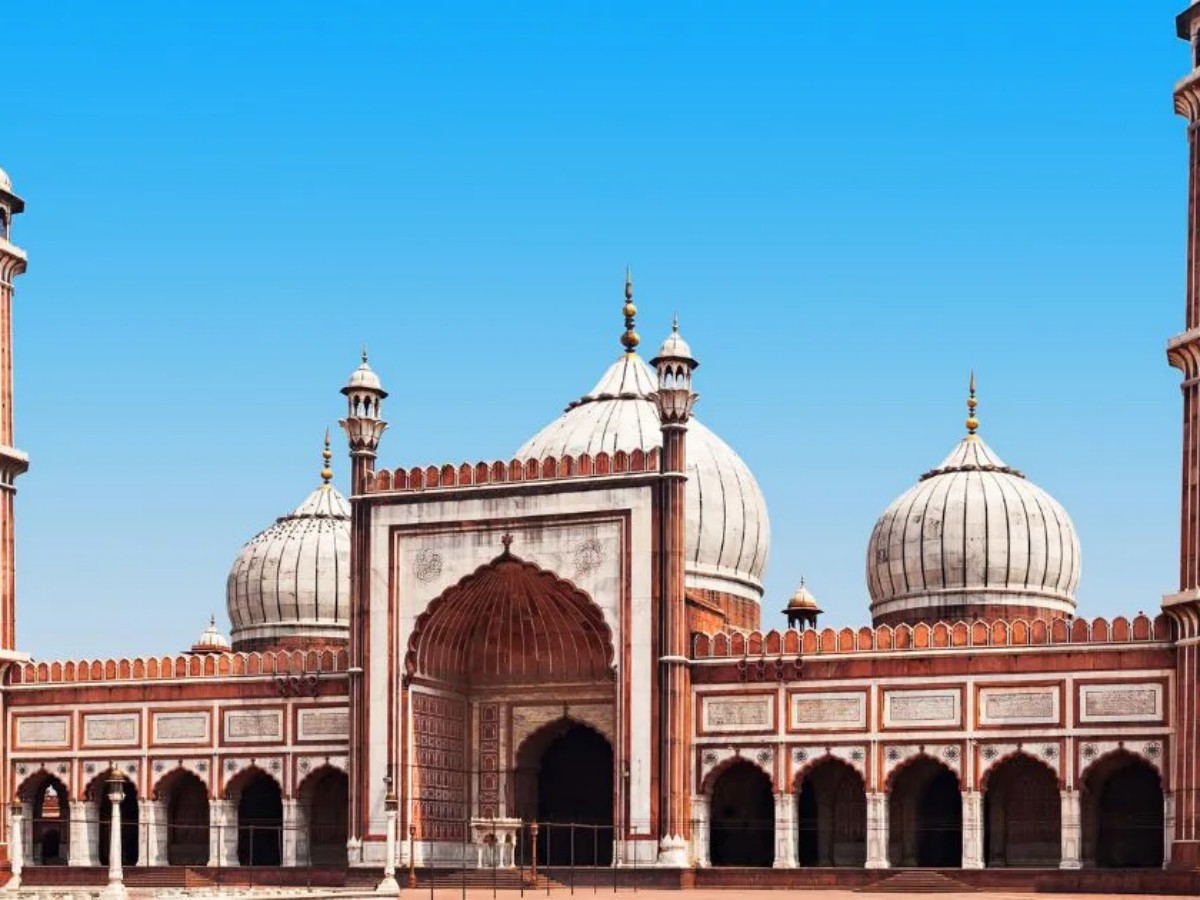
Unlike many religious sites, Jama Masjid is open to visitors without a ticket, and entrance is free. Opening hours are generally from 6:00 AM to 6:00 PM. Visiting in the morning or evening is recommended to avoid the midday heat and allow for the best light and shadow to capture the architectural details.
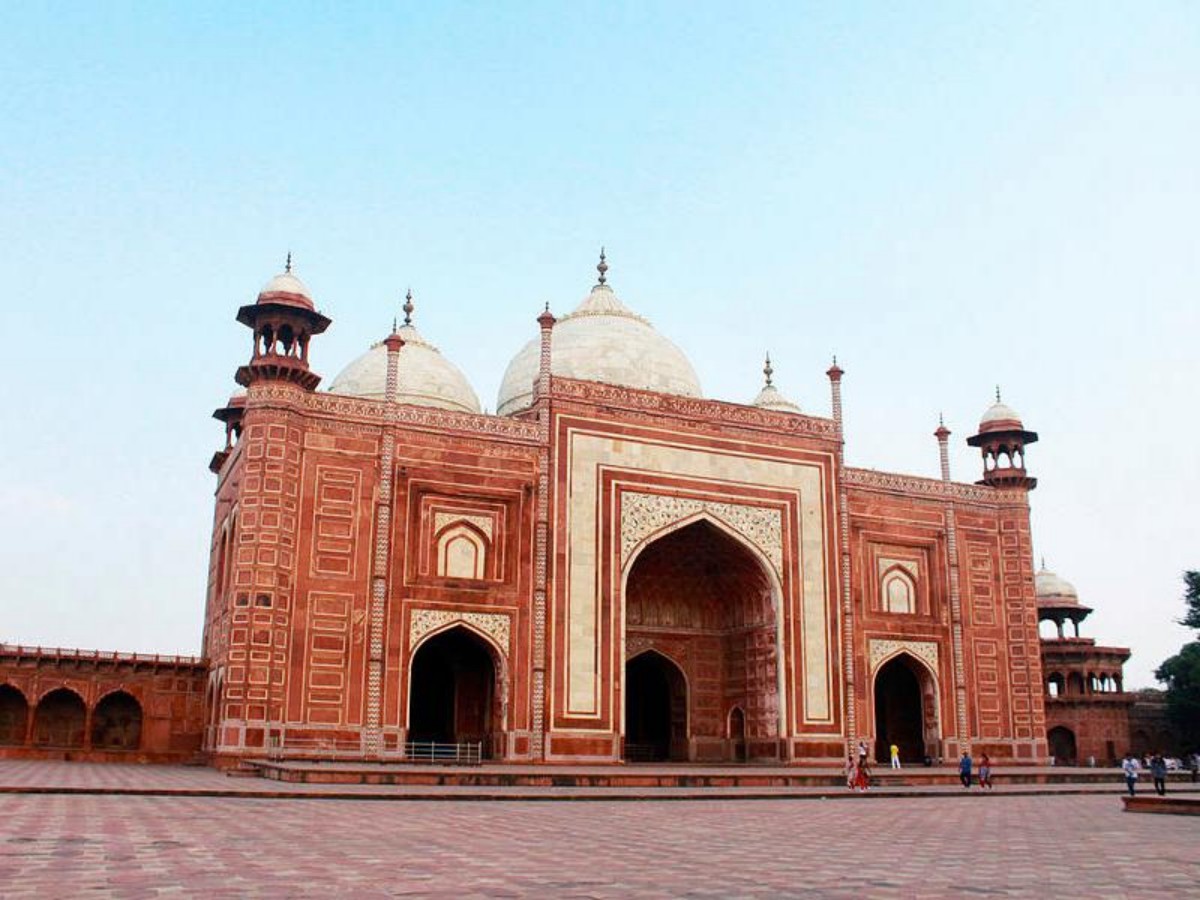
When visiting Jama Masjid, follow the following route and sequence to ensure you don't miss any of the key sights:
Main Gate
The first step into the mosque is through the magnificent main gate. Its towering arches and exquisite stone carvings create a sense of grandeur upon entering. Security checks are usually in place at the entrance, so please be patient with staff.
Courtyard
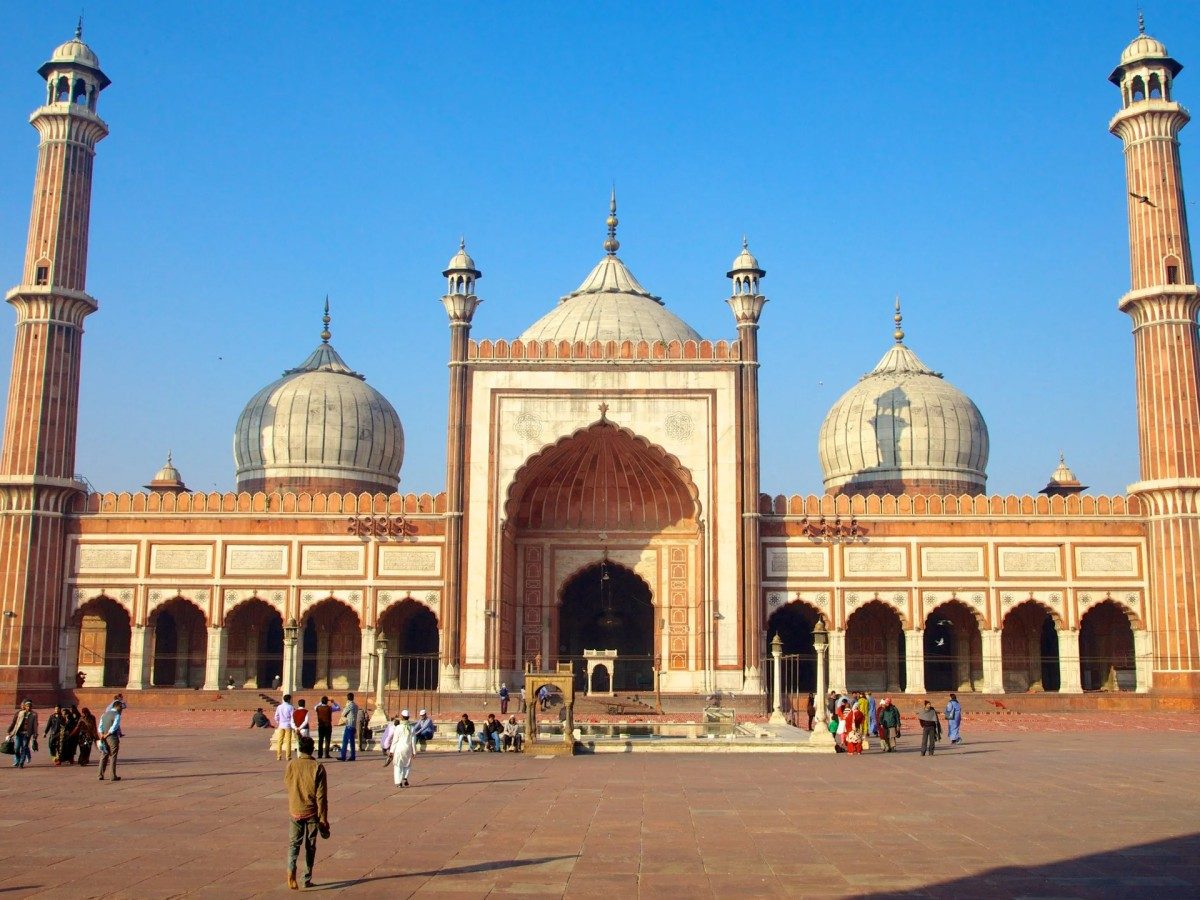
After entering the main gate, you'll find a spacious courtyard paved with intricate stone tiles, featuring a fountain and a baptismal font. The courtyard is an important gathering space for worshippers and a prime photo spot.
The Prayer Hall, located in the center of the courtyard, is the heart of the mosque. Its spacious interior features an exquisitely vaulted ceiling, and the wall carvings and marble inlays are truly breathtaking. Please remain quiet and respect worshippers during your visit.
Minarets: The towering minarets on either side of the mosque serve as the daily call to prayer and are a key architectural landmark. They offer panoramic views of the courtyard and the surrounding neighborhood, providing ideal vantage points for photographers.
Detailed Decorations and Arches: Don't overlook every arch, window lattice, and carving in the mosque. Geometric patterns, floral inlays, and Arabic calligraphy reflect the exquisite craftsmanship of Mughal architecture. Walk slowly and observe carefully; every detail is worth savoring.
Dress appropriately: As a religious site, please wear clothing that covers your shoulders and knees. Women may bring a scarf to cover their heads.
Bring water and sunscreen: Agra's sun is intense, especially in the courtyard, so a hat, sunglasses, and sunscreen are essential.
Photography Tips: The soft morning light is ideal for capturing panoramic views of the main entrance and courtyard; the evening light is perfect for capturing details of the arches and domes.
Respect etiquette: Maintain silence during your visit, refrain from disturbing worshippers, and avoid touching religious objects.
Guided Tour or Audio Guide: To learn more about the building's history and religious culture, rent an audio guide or hire a professional guide.
Jama Masjid is more than just a religious site; it's a historical and architectural treasure. Here, visitors can admire the exquisite craftsmanship of Mughal architecture and experience the solemnity and tranquility of religious culture. It's also an excellent place to photograph the stunning architecture. By understanding transportation, opening hours, directions, and practical tips, you can easily navigate this mosque and experience the unique charm of Agra's history and culture. Whether you're a history buff, a photography enthusiast, or just a casual tourist, Jama Masjid offers a profound and unforgettable experience.