Advertisement
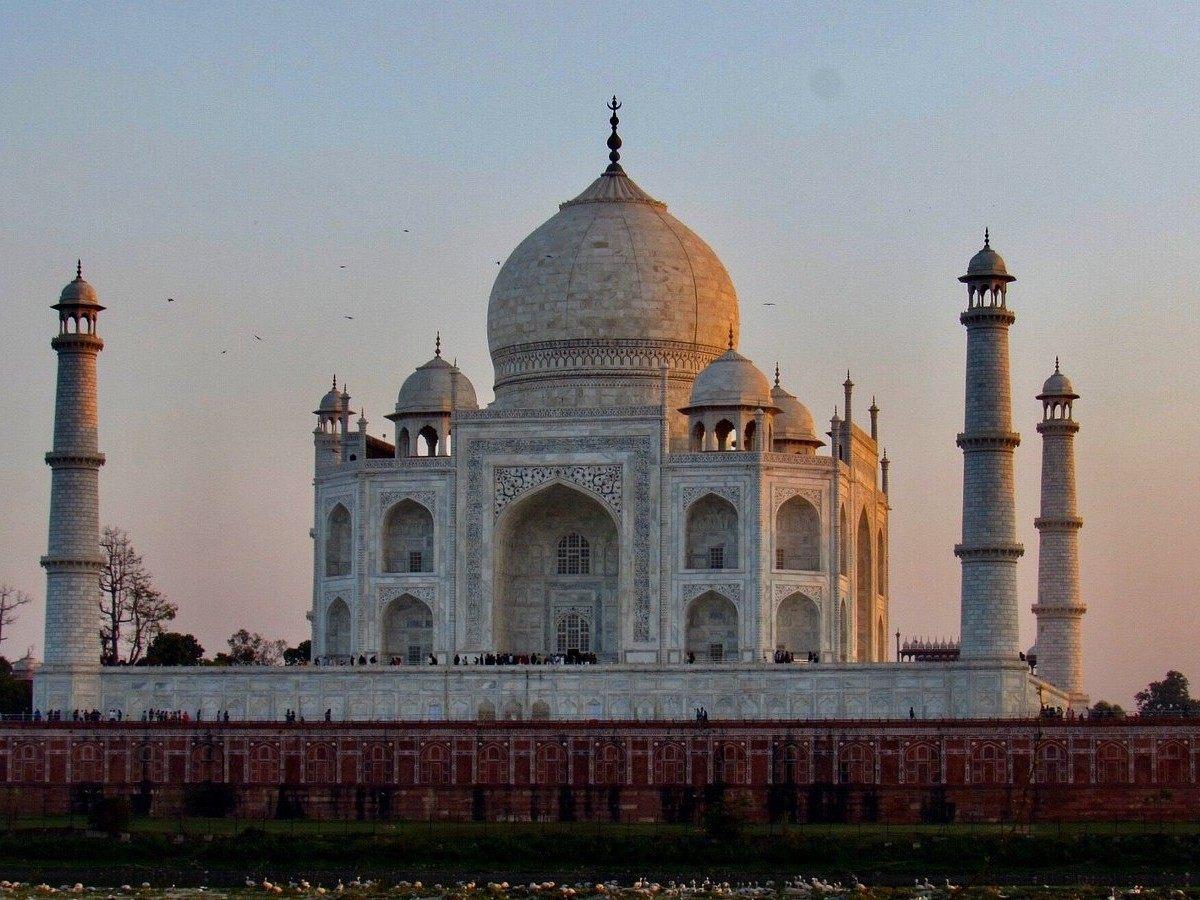
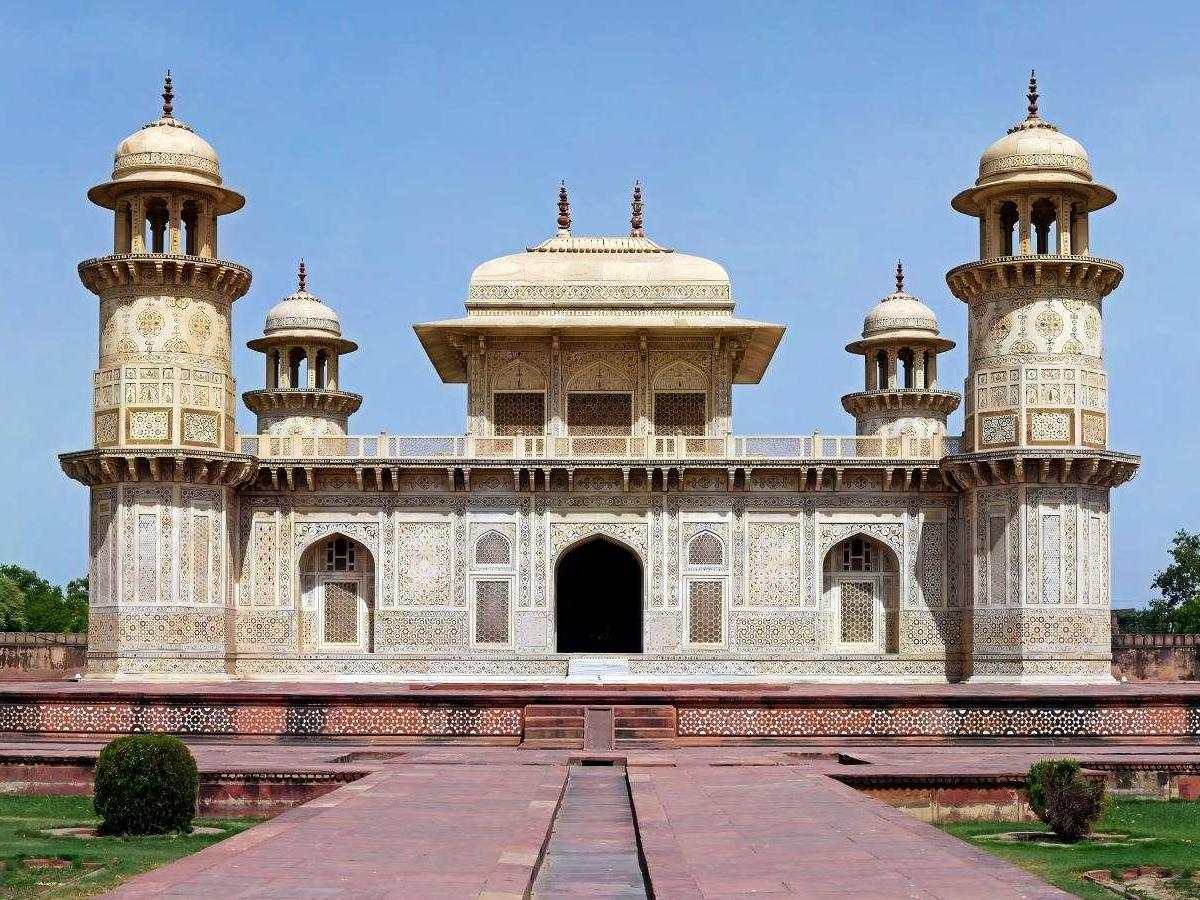
When Agra is mentioned, what often comes to mind are the marble domes, reflecting pools, and the majestic grandeur of the Taj Mahal. Yet just a few kilometers downstream along the Yamuna River lies a strikingly different beauty—one that speaks not with loud fanfare, but with quiet, elegant whispers. It is called *Chini Ka Rauza*. If the Taj Mahal is Agra's dazzling diamond, this mausoleum is its forgotten sapphire—faded and cracked, yet still catching the light to shimmer faintly when the sun pours down.
Advertisement
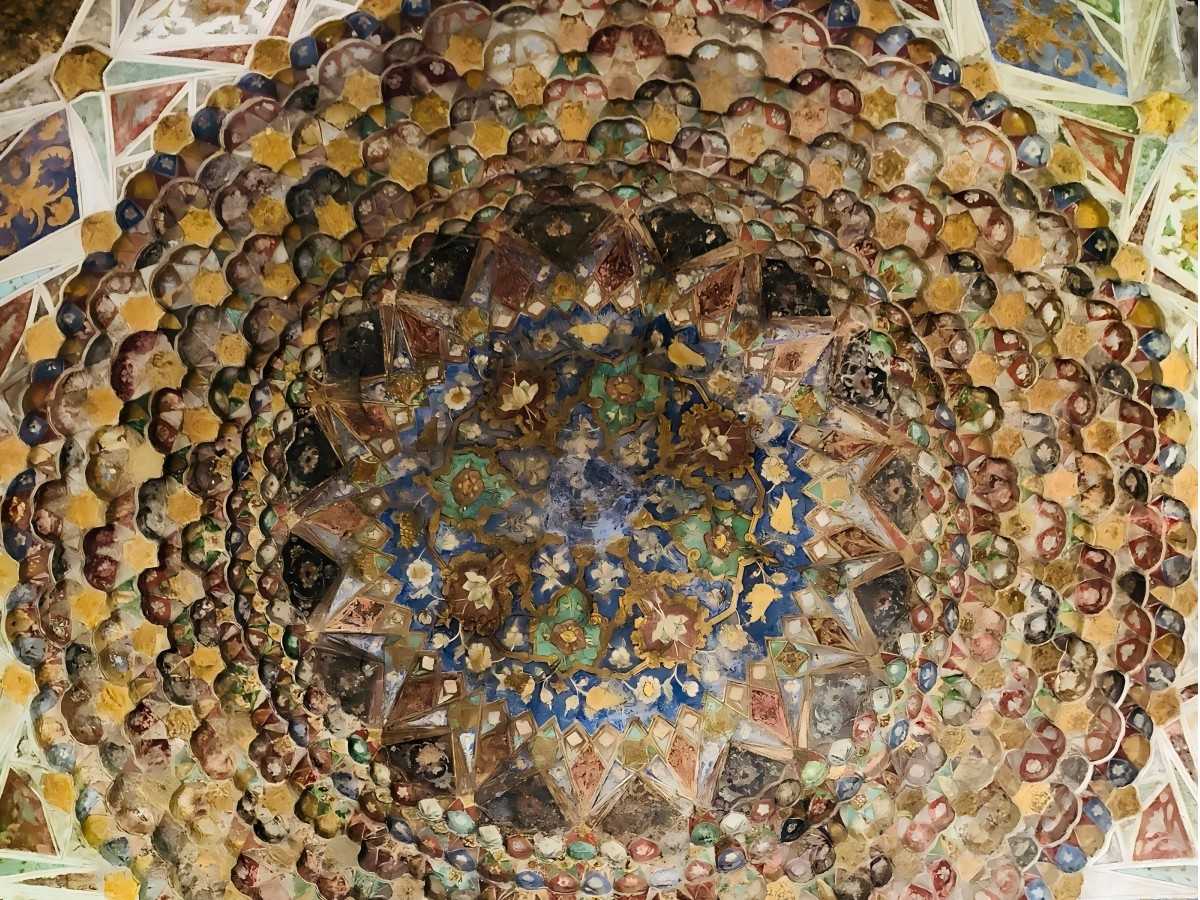
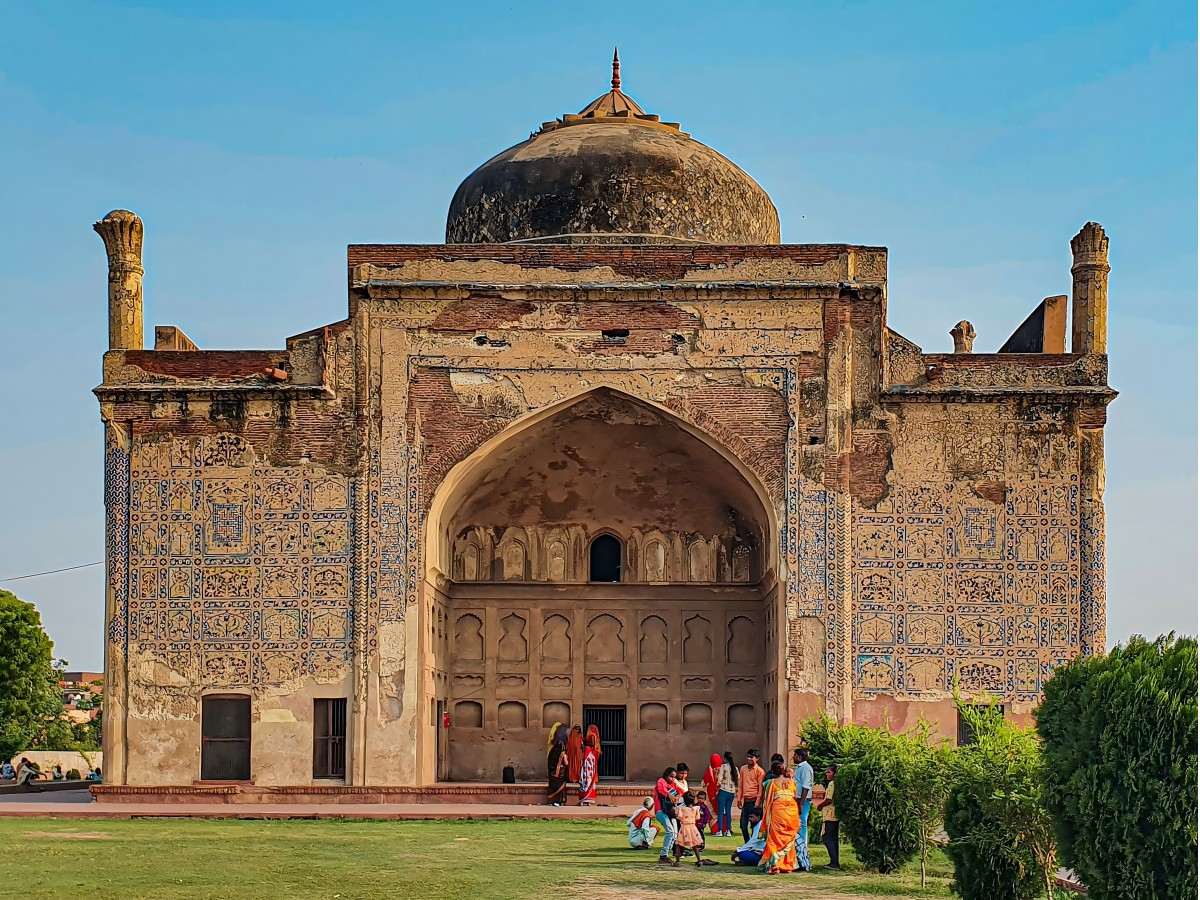
The 17th century, the golden age of Emperor Shah Jahan—this monarch's passion for beauty rivaled his obsession with symmetry. Within his resplendent court resided Afzal Khan Shiraz, a Persian poet and scholar who served as Shah Jahan's most trusted vizier. This man excelled not only in governance but also possessed philosophical depth, literary grace, and artistic refinement. When he was laid to rest by the river, this garden mausoleum rose in a manner unprecedented in India—eschewing pure white marble and crimson sandstone in favor of a dazzling symphony of Persian glazed tiles. Blue, yellow, and turquoise tiles refracted sunlight like precious gems, weaving a dazzling visual feast.
Advertisement
Thus arose the name Chini Ka Rauza—“chini” meaning ‘porcelain’ or “enameled tile.” In Agra under Shah Jahan's reign, this mausoleum transplanted Persian elegance onto Indian soil. At dawn, its walls shimmered with iridescent light, domes gleaming like enamel. Travelers along the Yamuna River could glimpse it sparkling like a mirage from afar. Time has taken its toll. Tiles have chipped away, walls weathered, and vibrant blues faded into soft pastels. Yet stepping inside the Taj today, one still senses echoes of its former grandeur—much like a painting whose colors may have dimmed, yet whose emotions remain profoundly moving.
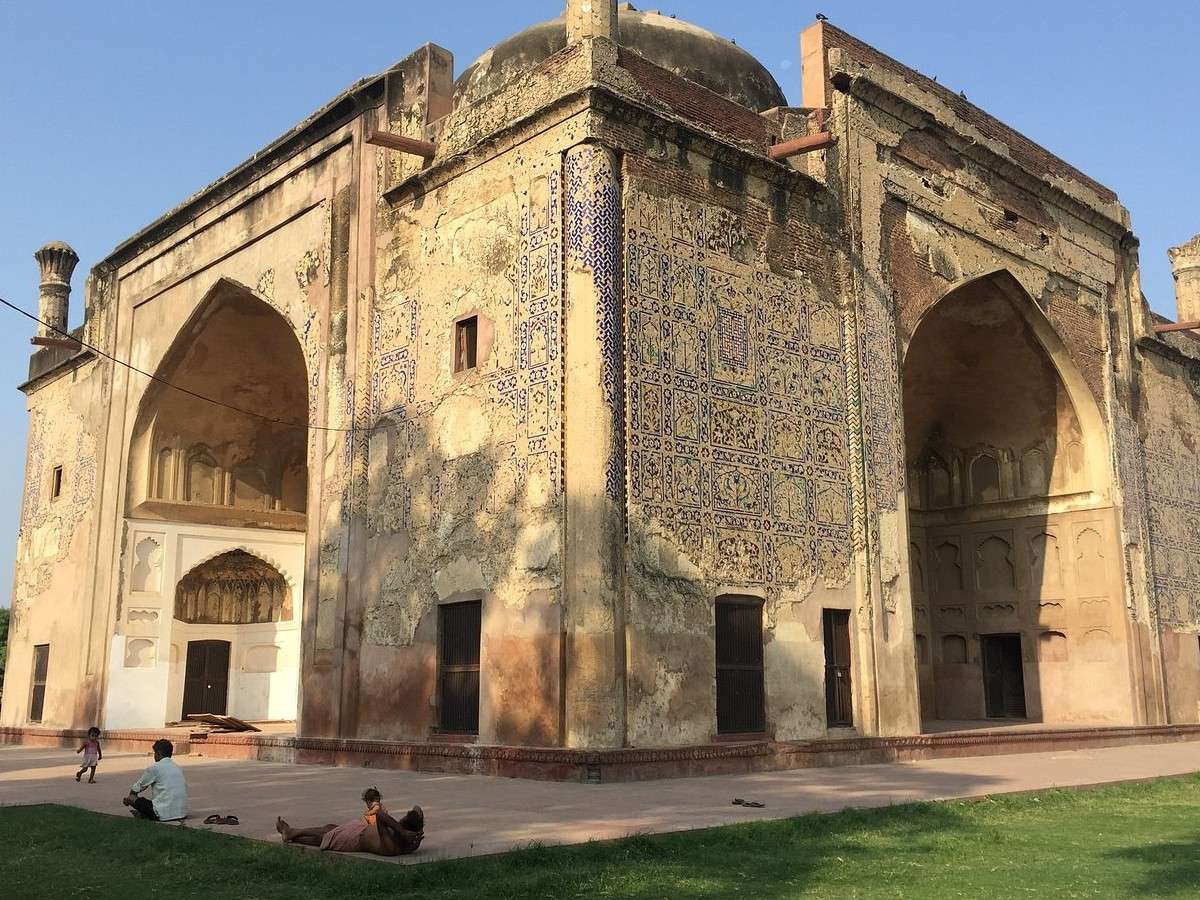
At dawn, the air carries Agra's distinctive earthy scent and moist fragrance. Leaving behind the bustle of the Taj Mahal area, you pass through the constant flow of rickshaws, tea stalls, and fruit vendors. At first glance, Chini Ka Rauza doesn't appear grand. There's no imposing gatehouse, nor any queue for tickets. The entrance is simple, almost shy. Yet once you step inside, ancient Mughal paths lead you into a spacious courtyard. The lawns may be uneven, the gardens not perfectly manicured, but this is precisely its charm—it feels lived-in, untouched by the clamor of tourists.
Advertisement
Then you see it—the tomb itself rising modestly from the center, its faded walls bearing the mottled patterns of intricate tiles. Upon closer inspection, you discover fragments of Persian calligraphy, floral arabesques, and geometric designs, each a hand-painted masterpiece from centuries past. Though time has smoothed away perfection, traces of its symmetrical rhythm remain discernible.
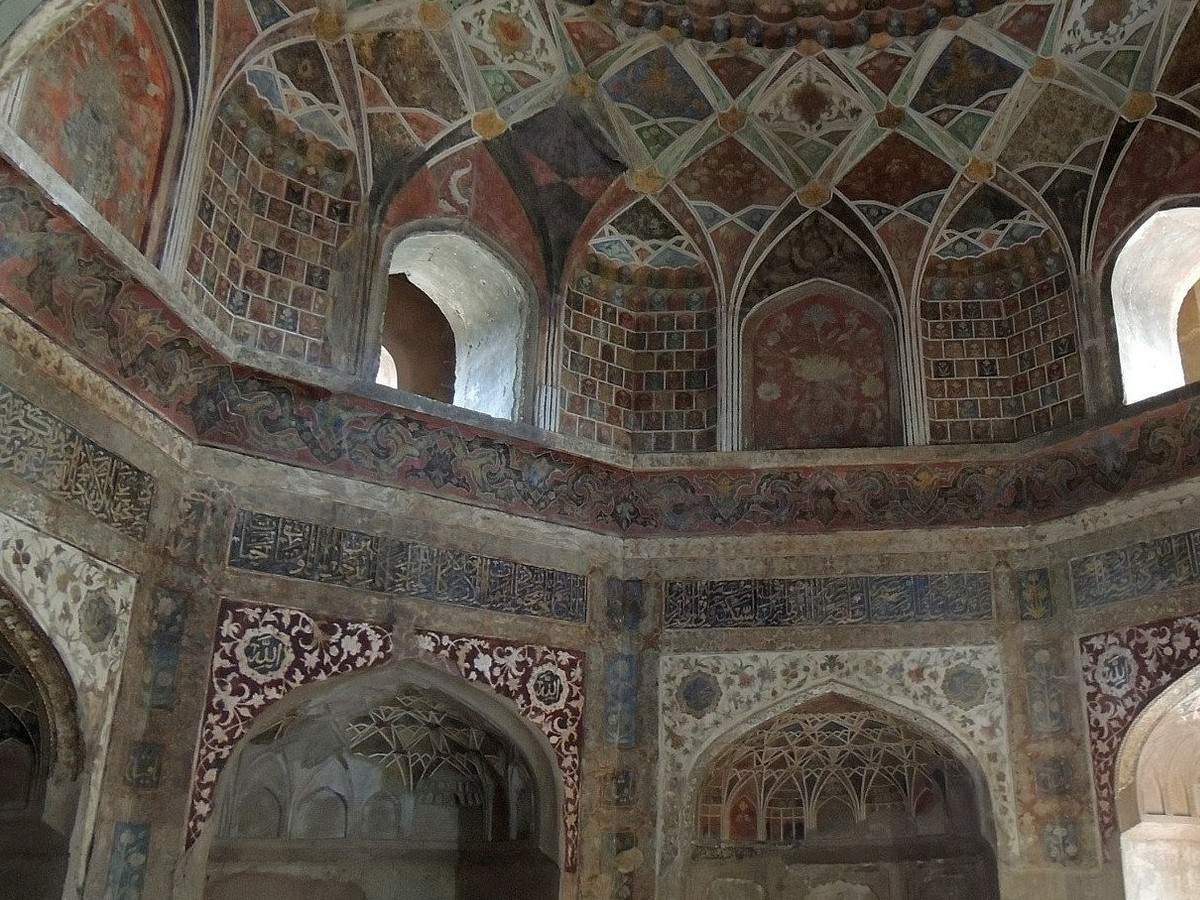
As morning sunlight filters through the trees, gaze eastward—the moment light skims the tiles, scenes from the Mughal era seem to reappear before your eyes. That soft blue glow? More than color, it's memory. You can almost see the Persian artisans at work here: brushing enamel glaze onto fired clay, humming or chatting as they labored.
Unlike the cold marble of the Taj Mahal, the porcelain mausoleum feels warmer, more human. Rough textures and uneven tiles bear the fingerprints of history. Certain areas still radiate astonishing vitality—speckles of turquoise blue and golden ochre dance in the sunlight, like secrets refusing to fade.
Stepping into the tomb chamber, the air suddenly grows still. A coolness carries the faint scent of dust and stone. The walls now appear plain, yet a focused gaze reveals traces of faded polychrome, like ghostly hues lingering in the shadows. Standing within, one senses a quiet intimacy—as if conversing with the past, listening to the unspoken verses of Afzal Khan echoing through the silence.
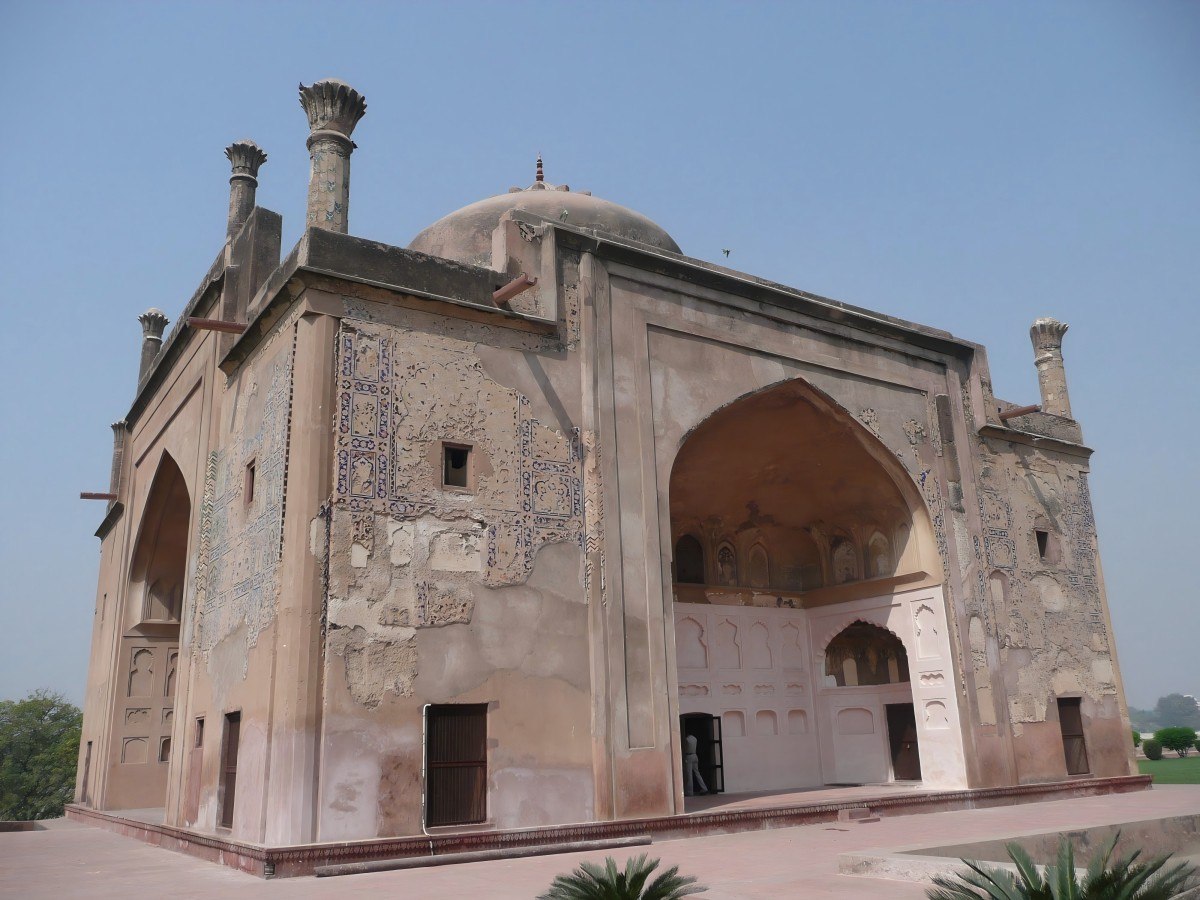
Chini Ka Rauza's uniqueness lies not only in its artistry—but in its very atmosphere. Nestled along the Yamuna River, half-forgotten yet still dignified, it resembles an old poet quietly observing the world's transformations. Such a scene is truly poetic. On dusty roads, children play and ride bicycles; farmers lead water buffalo to drink; in the distance, the dome of the Taj Mahal glimmers faintly—eternal yet close enough to touch.
This is the true face of Agra—the Agra known to locals, a city breathing slowly, where history and daily life blend seamlessly. The Qini Qaluzah Mausoleum is not isolated from reality; it is part of reality itself. You can sit on its steps, feel the river breeze caress your face, and ponder the truth that beauty endures even in passing.
Should you visit at dusk, the golden hour works its magic here. Soft light dances across the mausoleum, its mottled hues seeming reborn. Birds circle the sky, the river reflecting long streaks of light. No camera is needed now—only your full attention. You might whisper softly: “This is the essence of stillness.”
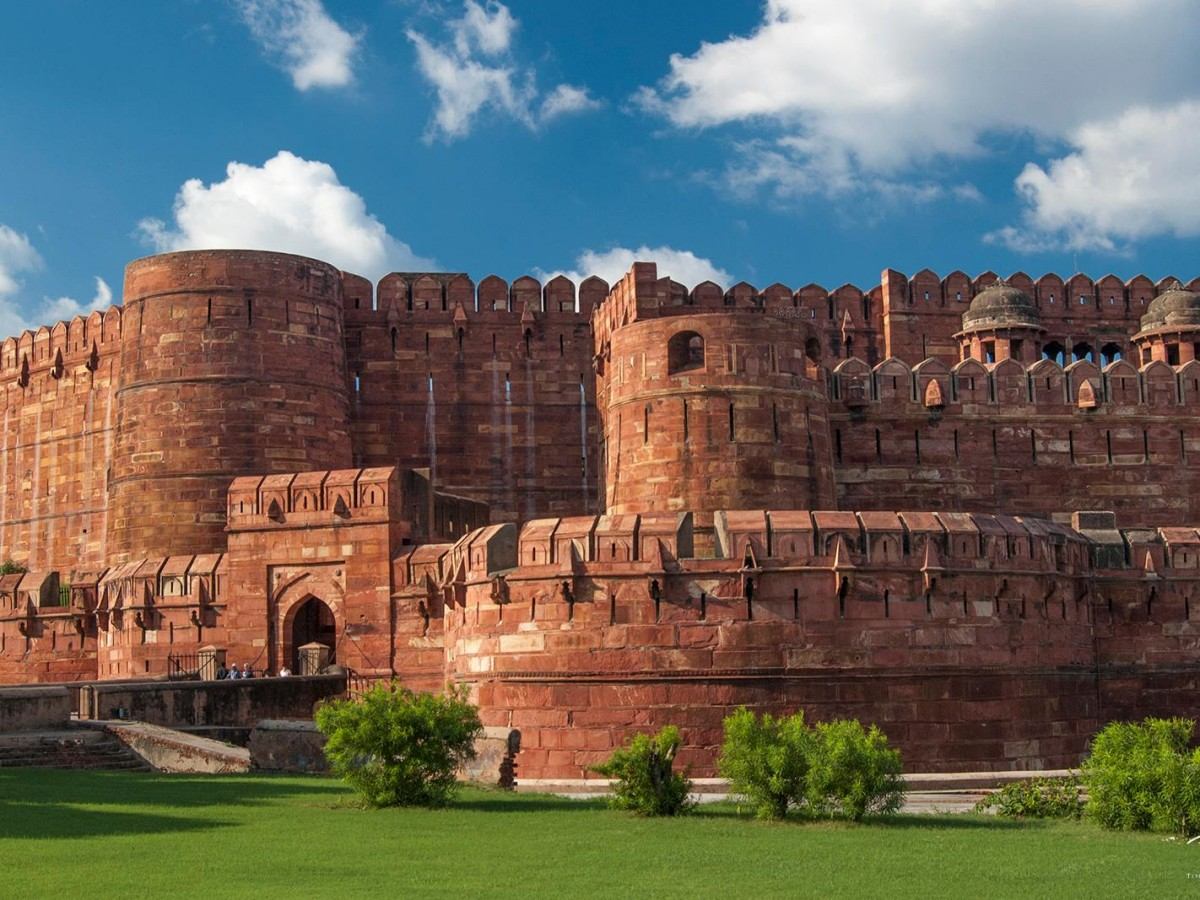
As the sunset dips into the Yamuna River, standing here you'll realize: the Porcelain Mausoleum isn't merely a forgotten tomb, but a silent tribute to art, memory, and resilience. Though colors may have faded, stories still shine through every chipped tile and weathered wall. Such beauty shouldn't be admired only with your eyes—it must be felt with your heart. As you turn to leave, the soft glow of pale blue and gold will linger like a shadow, lingering like a half-forgotten poem from another time. Frankly, Chini Ka Rauza possesses neither the flawless marble of the Taj Mahal nor the grand scale of Agra Fort. But it has soul. Here, one can slow down, take a deep breath, and forge a personal connection with history.